
REVIEW · KYOTO
Nishiki Market, Private Sushi class & Sake Tasting in Townhouse
Kyoto tastes better with a guide. This experience pairs a Nishiki Market food walk with a private cooking lesson in a traditional townhouse, giving you both street-level flavor and a calm place to learn. I like the market tastings and the chance to prepare rolled sushi, miso soup, and Japanese side dishes yourself. The main consideration is timing: two to three hours goes quickly, especially if you want to linger at market stalls.
The Kyomachiya setting adds real character, and the small sake tasting gives the cooking lesson a useful cultural backdrop. I also like that vegetarian and vegan meals can be arranged with advance notice, and that you receive a recipe booklet for home cooking. Since the experience costs about $121.84 per person, it offers good value if you want lunch, instruction, drinks, and a guided market visit in one outing.
Key points at a glance
- Four hundred years of food culture: Walk through Nishiki Market, a five-block arcade with more than 100 food shops and restaurants.
- Tastings with context: Learn about Kyoto ingredients while sampling seasonal foods, seafood, pickles, vegetables, and other local specialties.
- Private townhouse setting: Continue to a restored Kyomachiya reserved for your group, away from the market crowds.
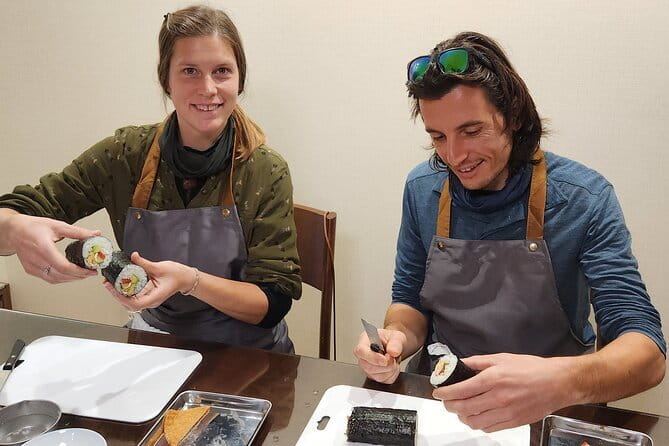
- More than a sushi class: Prepare rolled sushi, dashi-based miso soup, seasonal side dishes, and a simple Japanese dessert.
- Sake included: A mini tasting introduces Japanese sake culture before the cooking session.
- Useful for special diets: Vegetarian and vegan options are available if you give advance notice.
Starting with Kyoto’s Kitchen at Nishiki Market
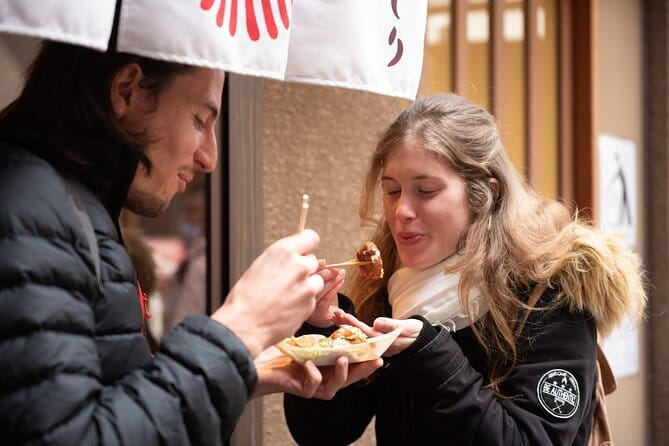
Nishiki Market is the right place to begin because it puts Kyoto’s food traditions directly in front of you. The covered shopping street stretches for about five blocks and contains more than 100 shops and restaurants. You will see seafood, seasonal vegetables, pickles, dried foods, and other ingredients used in Japanese cooking.
The market has served as a center of local commerce for more than 400 years. That does not mean every stall feels old-fashioned. You will find a working food market with vendors selling ingredients, prepared bites, and useful pantry items. The guide’s job is to explain what you are seeing and help connect individual foods to Kyoto’s cooking traditions.
I especially like this part for visitors who might otherwise walk through Nishiki Market without knowing what to try. A stall selling pickles, dried foods, or unfamiliar seafood can be easy to pass by. With a guide, you have a better chance of understanding how those foods are used and why they matter.
The market walk lasts about one hour. That is enough time for an introduction and several tastings, but it is not a leisurely shopping expedition. If you enjoy photographing every stall or stopping to buy gifts, you may feel pressed. Keep your attention on the guide and the food, then return later if you want a longer look.
The market can also be crowded, so this is not the quietest part of the outing. You will be walking through a food street with other shoppers and diners. Comfortable shoes and a willingness to move at a steady pace will help.
More Sushi and Sake Tours in Kyoto:
- Düsseldorf: Sushi, Sake & Japanese Lifestyle Tour
★ 4.6 · 539 reviews - Ramen and Sushi Cooking Class with Sake Pairing Set in Tokyo
★ 5.0 · 291 reviews - Sake Omakase in Tokyo: Guided Tasting by Certified Sommeliers
★ 5.0 · 239 reviews
A Small Shrine Behind the Market Stalls
The route also includes Nishiki Shrine, tucked behind the market’s lantern-lit alleyways. It provides a short change of pace from food stalls and shopfronts.
This stop matters because it shows a different side of the area. Nishiki Market is closely associated with buying and eating food, while the shrine offers a quieter cultural pause nearby. The visit is brief, but it helps place the market within Kyoto’s older neighborhood fabric.
Do not expect a long temple or shrine tour here. The main focus remains food, and the shrine visit works as a compact addition rather than a separate sightseeing stop. For a first day in Kyoto, that balance is useful. You get culture without spending the entire afternoon on formal historical visits.
Entering a Restored Kyomachiya Townhouse
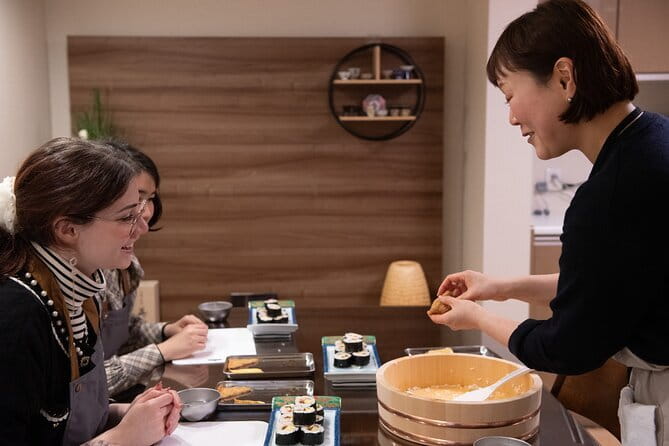
After the market, you move to a beautifully preserved Kyomachiya, a traditional Kyoto townhouse. The space is reserved for your group, which changes the mood completely. Instead of standing beside market stalls, you can sit down, listen, and work through the cooking lesson at a more comfortable pace.
The townhouse is one of the strongest reasons to choose this experience instead of a basic sushi workshop. The setting gives the meal a sense of place, and the private format means the session is designed for your group rather than a large class.
The cooking portion lasts about two hours. You will work with a local instructor and learn how to prepare several parts of a Japanese meal. The emphasis is hands-on. You are not simply watching someone assemble food while taking notes.
That matters if you do not cook often. One of the most appealing details from the participant feedback is that even someone with little cooking experience was able to follow the process step by step. The class is intended to be approachable, not a professional kitchen test.
At the same time, you should not expect an advanced chef’s course. The value comes from learning basic methods, handling familiar Japanese ingredients, and understanding how the dishes fit together. If you want a highly technical lesson on knife skills or sushi-grade fish, this may not be the right choice.
Rolling Sushi, Making Miso Soup, and Building a Meal
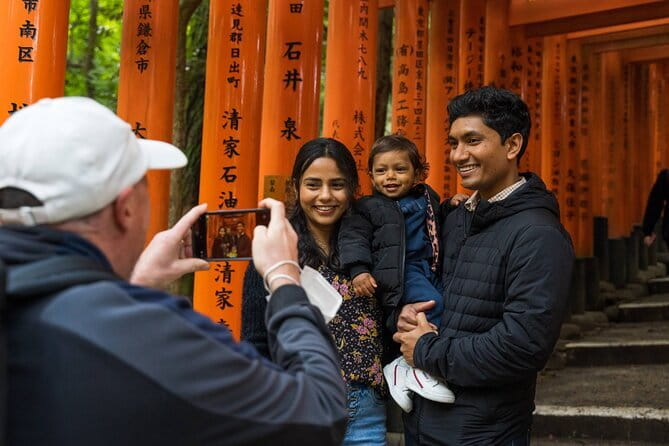
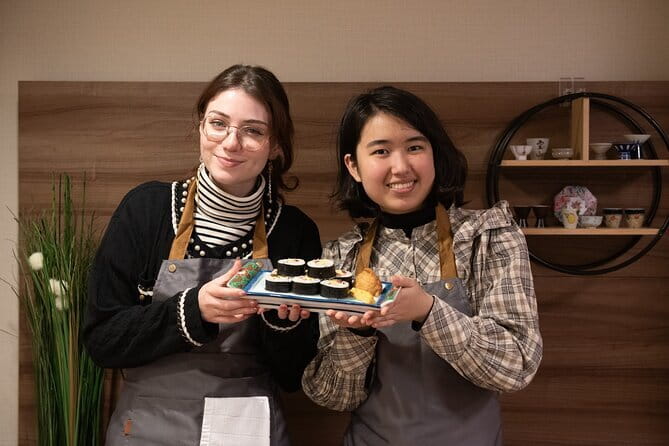
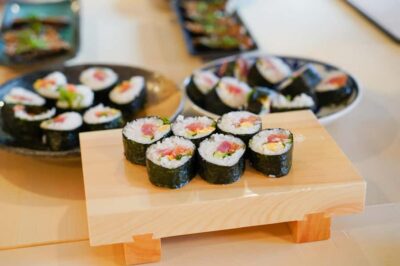
Rolled sushi is the central practical activity. The instructor guides you through the process, from working with the ingredients to forming the roll. You will make the food yourself, which gives the class a more satisfying finish than simply eating a sushi lunch.
Rolled sushi is also a sensible dish for a group lesson. It is visual, hands-on, and achievable for beginners. Your rolls may not look like a chef’s work on the first try, but that is part of the fun. The aim is to understand the technique and enjoy the meal you helped prepare.
The lesson also covers homemade miso soup made with dashi. This is an important detail because dashi is a foundation of Japanese cooking. Learning how the soup begins gives you a better sense of why Japanese dishes can taste full-bodied even when the ingredient list looks simple.
You will also prepare seasonal Japanese side dishes. The precise dishes can vary, so do not book this expecting a fixed menu of named recipes. The seasonal approach is useful because it reflects how Japanese meals often change with available ingredients.
The inclusion of side dishes makes the meal feel more complete. You are not only learning one dramatic item, such as sushi. You are seeing how soup, rice-based food, vegetables, and small accompaniments work together at the table.
A simple Japanese-style dessert finishes the meal. It is not presented as the star attraction, but it gives the session a proper ending and adds a sweet course without making the class feel overly elaborate.
More Sake Tastings in Kyoto:
- 3-Hour Kyoto Insider Sake Brewery Tour with Tastings & Pairings
★ 5.0 · 917 reviews - Kyoto Sake Brewery & Tasting Walking Tour
★ 5.0 · 623 reviews - 1.5-Hour Kyoto Insider Sake Experience with 7 Tastings & Pairings
★ 5.0 · 297 reviews - Kyoto: Insider Sake Experience with 7 Tastings and Snacks
★ 5.0 · 266 reviews
What the Sake Tasting Adds
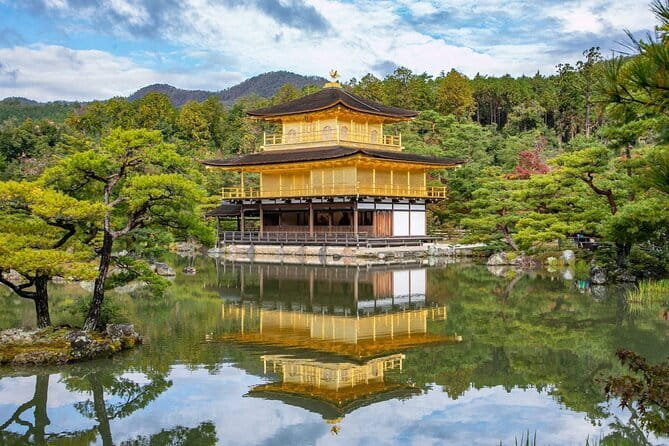
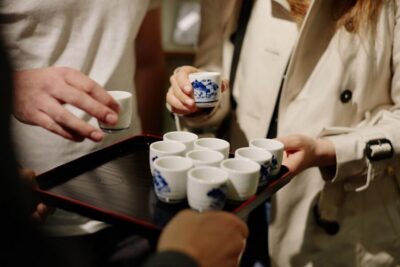
The mini sake tasting introduces you to Japan’s sake culture before or alongside the cooking session. Alcoholic beverages are included in the price, so this is not an extra charge added at the townhouse.
The tasting is small rather than a full sake seminar. That is a good fit for this experience because food remains the main subject. You get a chance to sample sake and understand its place in Japanese dining without giving up most of your afternoon to a technical tasting.
If you do not drink alcohol, keep in mind that sake is part of the planned experience. The supplied details do not specify a nonalcoholic replacement, so anyone avoiding alcohol should ask the provider before booking.
The tasting also helps connect the meal to local customs. Sake is not simply a drink served on the side. It is part of Japan’s food culture, and trying it in a traditional townhouse makes the lesson feel broader than a standard cooking class.
The Value of $121.84 Per Person
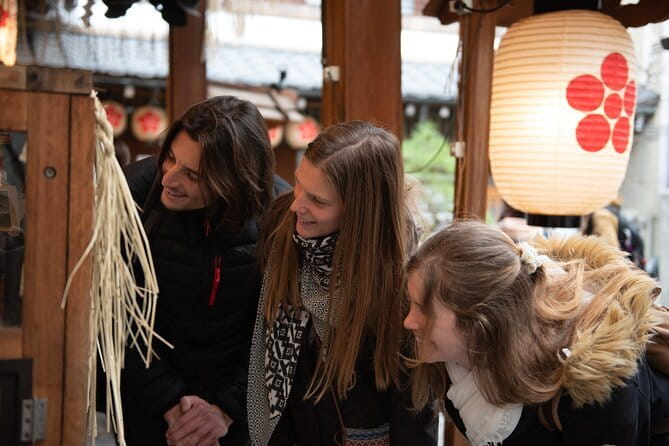
At about $121.84 per person, this is not Kyoto’s cheapest food activity. The price makes more sense when you count what is included: a guided market walk, tastings, a shrine visit, lunch, a private cooking session, sake, a guide, and a recipe booklet.
You are paying for several pieces in one appointment. If you only want to make sushi, a shorter class may cost less. If you want to explore Nishiki Market on your own and eat at a restaurant, you can also spend less. But those options will not give you the same guided explanation, townhouse setting, or practical cooking time.
The private format is the biggest value question. If you are traveling as a family or a small group, having the townhouse reserved for your party can justify the higher cost. Group discounts are available, so larger parties should check how the final price changes before booking.
I would see this as a good-value lunch and culture experience for people who want an organized half-day activity. It is less attractive if you are focused only on bargain dining or already plan to spend several days taking cooking classes.
The recipe booklet improves the long-term value. You can try the dishes again at home rather than leaving with only photographs and a full stomach. The supplied information does not specify every recipe, but it is intended to help you recreate the flavors after returning home.
Timing, Meeting Points, and Getting Around
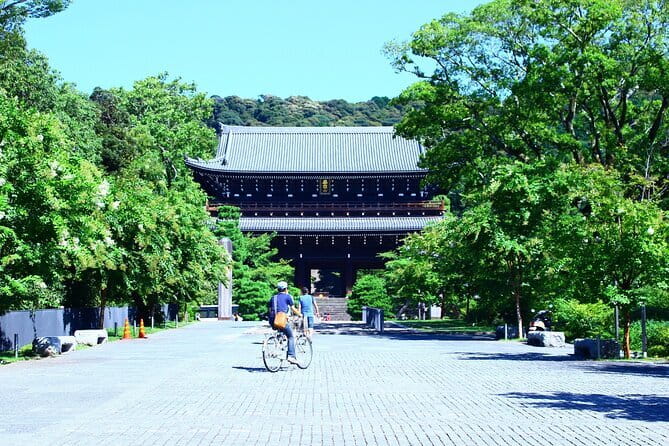
The experience lasts approximately two to three hours. The market portion takes about one hour, while the townhouse cooking session takes about two hours. Allow enough time for the transition between the two locations, even though the published duration is approximate.
You begin at 79 Nishiuoyacho in Kyoto’s Shimogyo Ward. The activity ends at 96-13 Asazumacho, also in Shimogyo Ward. The endpoint is about a five-minute walk from Gojo Subway Station.
This ending point is practical if you plan to continue sightseeing by subway. If you are tired after the class or carrying purchases from Nishiki Market, the provider can help arrange a taxi or other transportation.
The starting point is near public transportation, and confirmation is provided at booking. I would save both addresses in your phone before setting out. Kyoto’s narrow streets and similar-looking lanes can make a short walk feel longer when you are searching at the last minute.
The experience is offered in English. It is a private activity, so only your group participates. That makes it easier to ask questions about ingredients, cooking methods, or the market, especially if someone in your party has never tried Japanese cooking before.
Dietary Needs and Who Will Enjoy It Most
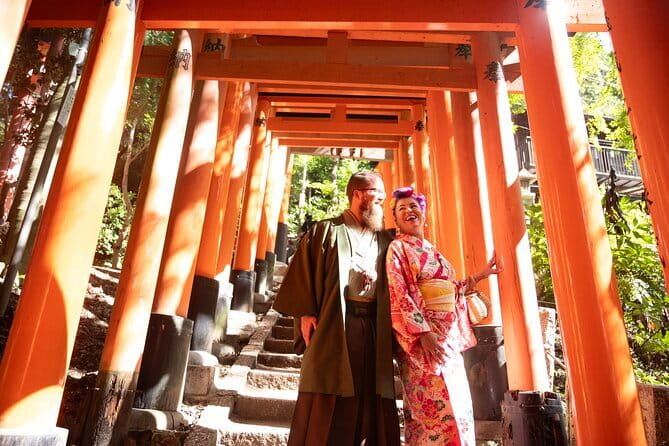
Vegetarian and vegan options are available with advance notice. This is important because the market tastings, cooking ingredients, dashi, and sake-related food pairings may need to be adjusted. Contact the provider before the activity rather than waiting until you arrive.
Most people can participate, and a restroom is available at the activity location. The information does not list detailed mobility guidance, so anyone with specific access needs should ask the provider in advance.
I think this experience suits:
- Families who want a shared activity rather than another restaurant meal
- Couples and small groups interested in food and local customs
- First-time visitors who want help understanding Nishiki Market
- Beginner cooks who like hands-on instruction
- Vegetarians and vegans who can arrange suitable dishes ahead of time
- People who prefer a private class over a large group workshop
It may suit you less if you dislike alcohol, want a long market shopping session, or prefer a quiet sightseeing tour with little participation. You will be walking, tasting, preparing food, and working within a set schedule.
The cooking lesson also received strong praise for its attentive instruction and relaxed organization. Sunny is one staff member connected with the experience, and the personal attention from the team has been a repeated strength. That is useful to know if you value a friendly class where the instructor notices when you need help.
Booking Advice and Cancellation
The experience is often reserved about 98 days ahead, which suggests you should plan early if your Kyoto dates are fixed. This matters especially for travelers visiting during busy periods or trying to fit the class into a tight itinerary.
You can cancel for a full refund up to 24 hours before the start time. Changes or cancellations made less than 24 hours before the activity are not accepted for a refund, and cut-off times follow local Kyoto time.
The provider is ホプテラス. Confirmation arrives when you book. Since dietary adjustments require advance notice, send those details as early as possible rather than relying on a last-minute message.
Should You Book This Kyoto Food Experience?
I would book this if you want more than a meal. The combination of Nishiki Market, Nishiki Shrine, sake, a private Kyomachiya, and hands-on cooking gives you a useful look at Kyoto food culture from several angles.
The best reason to choose it is the balance between tasting and doing. You learn what you are seeing in the market, then prepare rolled sushi, dashi-based miso soup, side dishes, and dessert in a traditional setting. The main drawbacks are the relatively high price and the limited time for browsing the market.
Book it well ahead, tell the provider about dietary needs, and arrive ready to participate. If you do that, this is a strong choice for families, small groups, and curious beginners who want to take a little of Kyoto’s cooking home with them.
FAQ
How long does the experience last?
The activity lasts approximately two to three hours. The Nishiki Market walk takes about one hour, and the cooking session takes about two hours.
Where does the experience begin?
It begins at 79 Nishiuoyacho, Shimogyo Ward, Kyoto, Japan.
Where does the experience end?
It ends at 96-13 Asazumacho, Shimogyo Ward, Kyoto. The endpoint is about a five-minute walk from Gojo Subway Station.
Is the cooking class private?
Yes. Only your group participates in the activity.
Is sake included?
Yes. Alcoholic beverages, including a mini sake tasting, are included.
Are vegetarian and vegan options available?
Yes. Vegetarian and vegan options are available with advance notice.
What happens if I need to cancel?
You can receive a full refund if you cancel at least 24 hours before the experience start time. Cancellations or changes made less than 24 hours in advance are not accepted for a refund.
More Market Visits in Kyoto
- Private Nishiki Market Food & Sake Tour by Young Local Guides
★ 5.0 · 12 reviews - Tsukiji: Outer Market Walking Tour & Sake Tasting Experience
★ 4.9 · 81 reviews - Tsukiji Market Eating Tour, Authentic Sushi & Sake Comparison
★ 5.0 · 52 reviews - Osaka: Cooking Class & Sake Tasting with Local Market Visit
★ 4.8 · 31 reviews
Just added around Kyoto
- Kyoto Food and Sake Tour Experience★ 4.0 · 5 reviews
- Experience of pairing sake tasting with snacks in Kyoto★ 5.0 · 4 reviews
- Kyoto Luxury Sake, Whisky and Cocktail Tour★ 5.0 · 4 reviews
- Kyoto: Sake Tasting Journey to Two Iconic Breweries★ 3.0 · 2 reviews
- Fushimi Kyoto Walking Tour with Sake Tasting and Canal Boat Ride★ 4.0 · 5 reviews
- Kyoto: Newly Opened Sake Tasting – Sanjo Chasuian★ 5.0 · 7 reviews
- Kyoto Sake Brewery Tour★ 3.3 · 5 reviews
- Private Pewter Sake Cup Experience with a Kyoto Artisan★ 5.0 · 2 reviews
Sushi & Sake Tours, compared.
Ramen and Sushi Cooking Class with Sake Pairing Set in Tokyo
Read our review →
Sake Omakase in Tokyo: Guided Tasting by Certified Sommeliers
Read our review →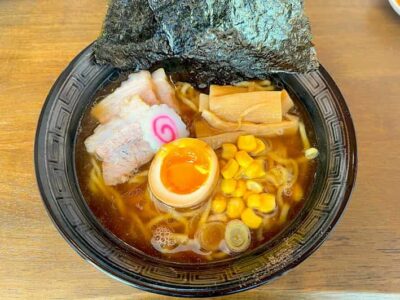
Sushi and Ramen Cooking Class with Sake Pairing Set
Read our review →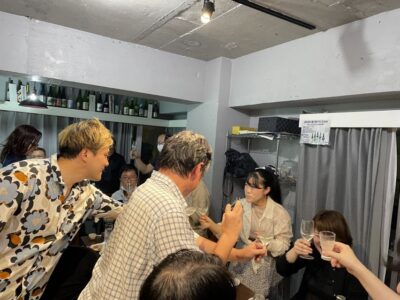
Outer Market Walking Tour & Sake Tasting Experience
Read our review →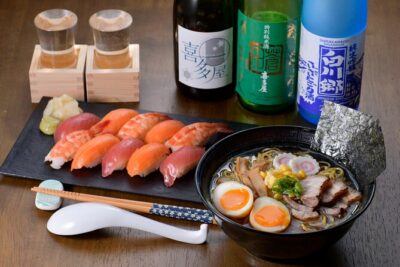
Cozy Tokyo Class: Ramen, Sushi, Sake Pairing & Cultural Exchange
Read our review →
Browse the lists this tour appears in