
REVIEW · TOKYO
Cozy Tokyo Class: Ramen, Sushi, Sake Pairing & Cultural Exchange
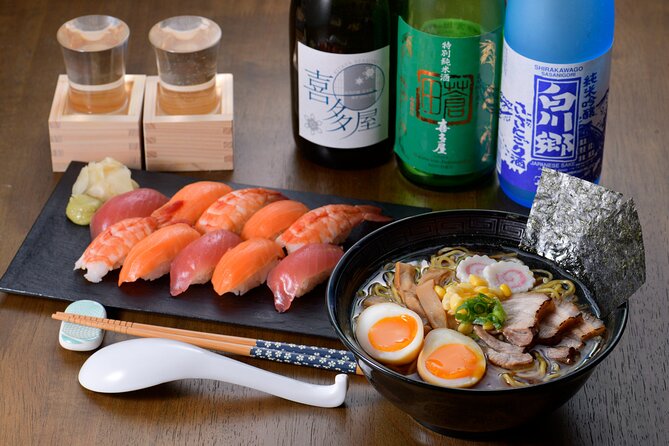
Food brings Tokyo closer. This three-hour cooking class lets you make ramen and sushi, with gyoza offered as an option, in a relaxed setting near Tsukishima. I like the hands-on format and the chance to learn from English-friendly Japanese hosts, rather than simply watching a chef work. I also like that the class includes sake, Japanese beer, or non-alcoholic drinks, so the meal feels social as well as practical.
The small setting is another strong point, especially for beginners who may need help with each step. Past participants praised Umi, Kou, Komi, Alissa, Risa, and Namiko for their warm teaching and clear instructions. One point needs checking before you book: the main description says the class is capped at four people, while the additional information lists a maximum of eight. The exact menu can also vary between sushi and optional gyoza.
What makes this Tokyo cooking class worth your time
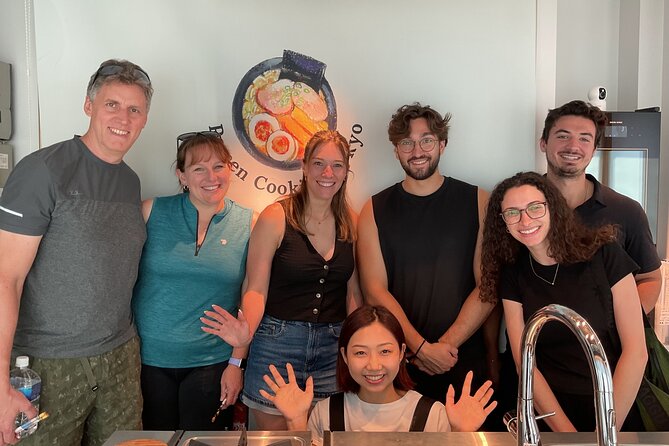
- You make two Japanese favorites: Prepare ramen and sushi from scratch, with optional gyoza mentioned in the class details.
- The class is built around conversation: Hosts share stories about Japanese food customs while you cook.
- The setting is intentionally small: The experience is promoted as a group of four, although the listed maximum is eight.
- Drinks are part of the meal: Enjoy unlimited sake pairings, Japanese beer, or non-alcoholic beverages.
- You leave with a recipe: A detailed recipe is provided so you can repeat the dishes at home.
- It suits mixed-age groups: Families, couples, friends, beginners, and experienced home cooks are all welcome.
Arriving in Tsukishima for a three-hour class
The class begins at HAUS Tsukishima, at 2-chōme 135 Tsukuda, Chuo City, Tokyo 104-0051. The meeting point is near public transportation, and the activity ends at the same location.
That simple start and finish matter in Tokyo. You do not need to spend part of the day following a guide across several neighborhoods. You arrive, cook, eat, and leave with new skills. For a short visit, this is an efficient way to add a food activity without giving up an entire day.
I would allow enough time to find the address calmly. The location is supplied as a building address, so your booking confirmation should be close at hand when you set out. Private transportation is not included.
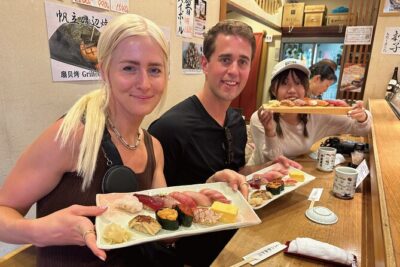
The mood begins with a welcome from the hosts. The class is designed around cultural exchange, not just kitchen technique. That means you are encouraged to ask questions, talk with the instructors, and learn something about the customs behind the dishes.
More Sushi and Sake Tours in Tokyo:
- Ramen and Sushi Cooking Class with Sake Pairing Set in Tokyo
★ 5.0 · 291 reviews - Sake Omakase in Tokyo: Guided Tasting by Certified Sommeliers
★ 5.0 · 239 reviews - Tsukiji: Outer Market Walking Tour & Sake Tasting Experience
★ 4.9 · 81 reviews
Ramen from scratch, with guidance at every step
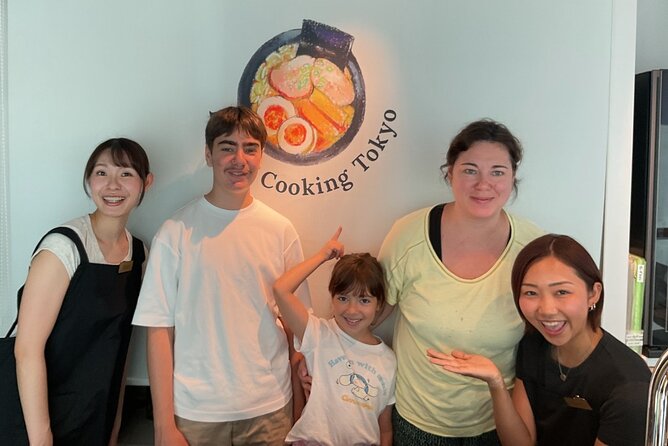
Ramen is one of the class’s main projects. You learn how to prepare it rather than simply receiving a finished bowl, which gives the dish more meaning when you finally sit down to eat.
The supplied information does not specify the exact broth, noodle style, toppings, or preparation method. That is useful to remember if you are looking for a particular regional ramen recipe. The focus is on learning a practical dish in a friendly class, not on presenting a fixed technical syllabus.
This format should work well for first-time cooks. The class is intended for all skill levels, and the instructors explain the process at a manageable pace. Several participants praised the clear directions and said the food was easy to make with the help provided.
For experienced cooks, the value is less about mastering advanced technique and more about seeing how this class approaches a familiar Japanese staple. You can ask questions as you work, compare methods, and pick up ideas for making ramen at home.
The best part is the link between cooking and eating. Once your ramen is ready, you taste the result as part of the shared meal. You are not rushing through a demonstration or taking notes while someone else does all the work.
Sushi preparation adds a second kind of kitchen lesson
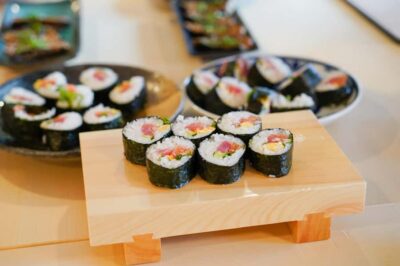
The class also includes sushi, giving you a useful contrast with ramen. Ramen involves a warm, comforting bowl, while sushi requires more attention to assembly and presentation.
The available details do not list the specific sushi pieces or fillings. You should therefore treat this as a general sushi-making lesson, not a promise of a particular type of nigiri, roll, or seafood. The important point is that the dish is prepared during the session and eaten afterward.
Fresh ingredients are frequently praised in the available feedback. The instructors also receive credit for making the steps easy to follow. That combination matters because sushi can look simple until you try to shape or assemble it yourself.
If you are nervous about cooking in front of others, the small-group design should help. You have more opportunity to ask for help than you would in a large classroom. It also makes the meal feel more like a shared table than a formal school session.
The sushi portion is especially appealing for couples and friends who want a meal they can discuss and enjoy together. The food creates natural pauses for conversation, and the hosts encourage questions about Japanese customs and cooking.
Gyoza is an option, so check the exact menu
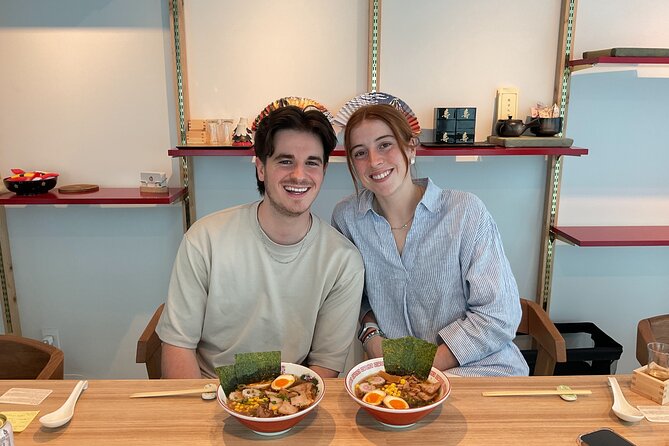
There is an important detail in the description: the highlights focus on ramen and gyoza, while the main class outline describes ramen and sushi, with optional gyoza. This may reflect different class versions or a choice offered on the day.
If gyoza is the dish you most want to learn, confirm the menu before booking. If you are happy with ramen and sushi, the listed experience clearly supports those two dishes.
Gyoza would add a different skill to the class, with shaping and folding as part of the appeal. Still, I would not assume it is guaranteed for every booking. The wording gives you a reason to ask first, especially if you are choosing this class specifically for dumpling making.
More Sake and Food Pairings in Tokyo:
- Wagyu & Sake Pairing in Shinjuku – Steak, Shabu-Shabu & More
★ 5.0 · 112 reviews - Tokyo Wagyu & Sake Pairing Tasting Experience with Local Flavors
★ 5.0 · 108 reviews - Tokyo: Sushi and Ramen Cooking Class with Sake Pairing Set
★ 5.0 · 81 reviews - Wagyu Beef and Sake Pairing Foodie Tour in Tokyo
★ 5.0 · 71 reviews
Cultural exchange is part of the meal
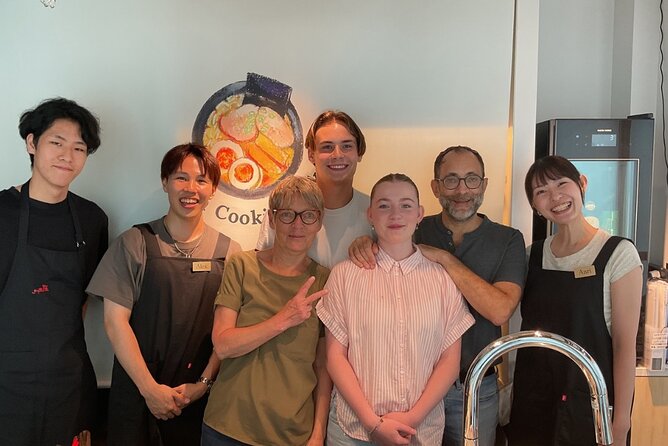
The class theme is Beyond Cooking, Feel the Connection. That idea appears to shape the whole experience. You are not simply handed ingredients and sent through a set of stations. The hosts talk about Japanese culinary traditions and make time for conversation.
Umi and Kou are praised for being welcoming and generous, while Umi, Komi, and Alissa are described as kind, fun, and helpful in another account. Risa, Namiko, and Umi are also noted for explaining the process at a good pace. These names may represent different sessions or combinations of instructors, so do not assume every host will be present at your class.
What you can reasonably expect is an English-friendly team that enjoys sharing food and culture. The warm tone is one of the strongest reasons to choose this class over a basic cooking lesson.
This also makes the activity a good fit for a special occasion. Birthdays and honeymoons are specifically mentioned, and the drinks and shared meal help create a celebratory feel without requiring a fancy restaurant reservation.
Sake, beer, and non-alcoholic choices
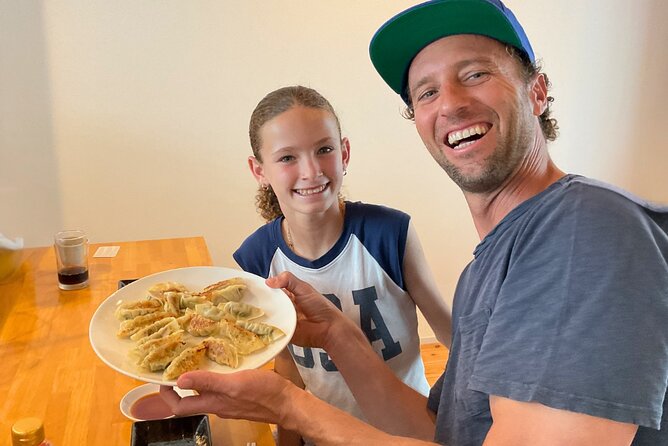
Unlimited sake pairings are included, along with Japanese beer and non-alcoholic beverages. This is a generous part of the package, particularly at a listed price of $79.
The drinks help turn the cooking session into a complete meal. You can taste the dishes, try a pairing, and continue the conversation without arranging a separate stop afterward.
You should still choose the drink that suits you. The non-alcoholic option means people in the same group do not need to drink alcohol to take part fully. Families and mixed-age groups can therefore enjoy the meal together.
Because the class lasts about three hours, the pace should allow time for cooking, eating, conversation, and drinks. This is not a quick lesson followed by an immediate exit. Still, unlimited alcohol does not mean you need to drink heavily. The point is to sample and socialize responsibly.
How the small group changes the experience
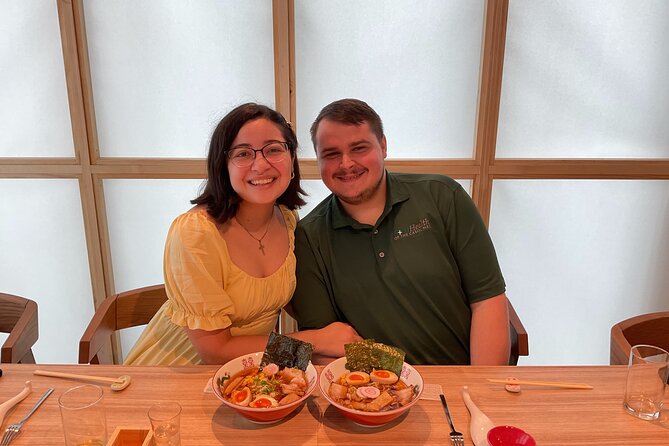
A small cooking class can be worth more than a cheaper large-group lesson because you get more direct help. You can hear the instructions, see what the host is doing, and ask a question before a small mistake becomes a large one.
The main promotional details say the group is capped at four people. The additional information gives a maximum of eight. That is a meaningful difference, so I would confirm the expected group size at booking.
Even eight people would still be fairly manageable for a hands-on class, but four would feel more personal. The difference may matter most if you are shy, want detailed cooking help, or are marking a special occasion.
The intimate setup also supports the cultural exchange promised by the class. With fewer people, conversation is easier and the hosts have more time to learn about you. The available feedback repeatedly praises the relaxed atmosphere, the fun instructors, and the chance to ask questions.
The $79 price and what you receive
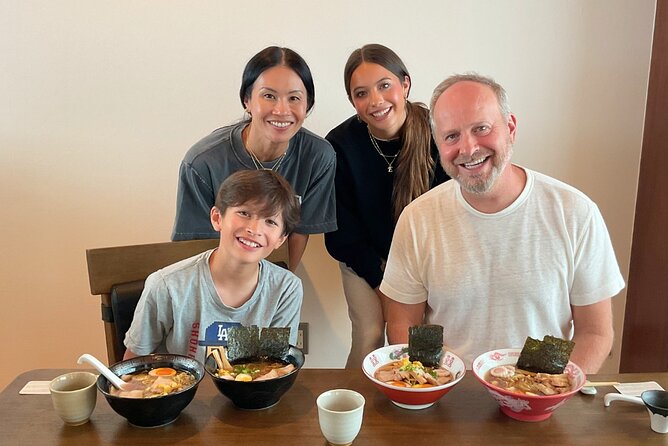
At $79, the class includes the cooking lesson, the food you prepare, all fees and taxes, the drink choices, and a take-home recipe. Private transportation is not included.
I consider that a fair price for a three-hour activity in Tokyo, especially because this is more than a demonstration. You take part in preparing two major Japanese dishes, eat the finished food, receive cultural context, and get instructions for repeating the recipes at home.
The recipe adds lasting value. A cooking class can fade into a pleasant memory once the meal is over, but a clear recipe gives you a way to use what you learned later. It also makes the class useful for someone who wants to build basic Japanese cooking skills rather than collect another food photograph.
The price is less attractive if you want an advanced professional course, a specific regional ramen style, or a guaranteed gyoza session. None of those details is promised. You are paying for a friendly, hands-on cultural meal with practical instruction.
Who will enjoy this class most
I would recommend it to:
- Couples wanting a relaxed food activity
- Families looking for something children and adults can share
- Friends who enjoy cooking and conversation
- Beginners who want patient, clear instruction
- Experienced home cooks who like learning through local food
- People celebrating a birthday or honeymoon
- Visitors with only a few free hours in Tokyo
It is less suitable if you want a quiet meal with no group interaction. The entire point is participation and conversation. It may also disappoint you if you expect a restaurant-style tasting menu, a private chef, or a detailed lesson on one very narrow culinary subject.
The class is suitable for all ages and skill levels, but the supplied details do not describe specific accessibility arrangements. If you have mobility, dietary, or other practical needs, ask the provider before booking.
Booking details and cancellation advice
You receive confirmation at the time of booking. The meeting point is in Tsukishima, and the class returns there after roughly three hours.
Free cancellation is available when you cancel at least 24 hours before the local start time. Within 24 hours, you do not receive a refund, and changes made inside that window are not accepted.
I would also confirm two details before paying: the expected group size and whether your session includes sushi, gyoza, or both. The description gives slightly different information on those points.
Should you book Ramen Cooking Tokyo?
Yes, if you want a friendly, hands-on introduction to Japanese food and prefer learning around a shared table. The strongest reasons to book are the warm English-friendly hosts, the small-group approach, the inclusion of drinks, and the recipe you can use at home.
The class gives you more than a meal, but it is not an advanced culinary workshop. Confirm the menu and group size first, particularly if gyoza or a four-person class is essential to your plans. For most visitors, $79 is a reasonable exchange for three hours of cooking, eating, conversation, and Japanese cultural insight in Tsukishima.
FAQ
Where does the cooking class begin?
It begins at HAUS Tsukishima, 2-chōme 135 Tsukuda, Chuo City, Tokyo 104-0051, Japan.
Where does the activity end?
The activity ends back at the meeting point.
How long does the class last?
The class lasts approximately three hours.
How much does the experience cost?
The listed price is $79.
What dishes will I learn to make?
The class description includes ramen and sushi. Gyoza is also mentioned as an optional dish, so confirm the exact menu before booking.
Are drinks included?
Yes. The experience includes unlimited sake pairings, Japanese beer, and non-alcoholic beverages.
Is the class suitable for beginners?
Yes. It is described as suitable for beginners and experienced cooks, and it is open to all skill levels.
What size is the group?
The experience is promoted as capped at four people, while the additional information lists a maximum of eight travelers. Confirm the expected size for your date.
Is private transportation included?
No. Private transportation is not included, though the meeting point is near public transportation.
Will I receive recipes after the class?
Yes. A detailed recipe is provided as a gift so you can recreate the dishes at home.
Just added around Tokyo
- Tokyo Sake Tasting Tour with a Sake Expert★ 5.0 · 7 reviews
- Wagyu BBQ & Sukiyaki with Sake Pairing Experience near Ginza★ 5.0 · 2 reviews
- Sake Tasting and Cherry Blossom Fun in Tokyo!★ 5.0 · 4 reviews
- Private Sake Tasting at 300 Years Old Sake Brewery in Tokyo★ 5.0 · 3 reviews
- Tokyo: Serene Sakura & Sake: An Exclusive Brewery Pairing Lunch★ 5.0 · 2 reviews
- Nagano: Snow Monkey and Zenkoji Temple Free Sake Taste Day Tour★ 4.5 · 8 reviews
- Sake Pairing Workshop with Japanese Food in Shinjuku★ 5.0 · 5 reviews
- Cherry blossom & Japanese Sake Tasting in Shinjuku★ 5.0 · 4 reviews
Sushi & Sake Tours, compared.

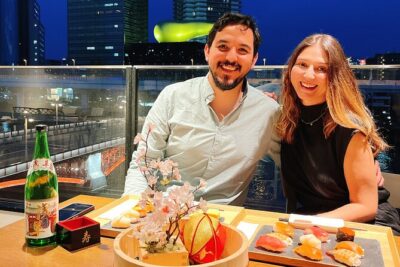
Ramen and Sushi Cooking Class with Sake Pairing Set in Tokyo
Read our review →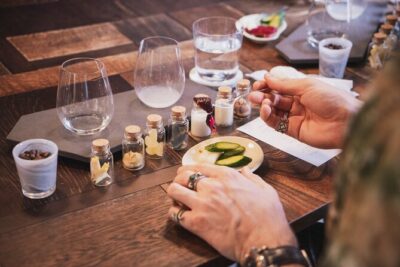
Sake Omakase in Tokyo: Guided Tasting by Certified Sommeliers
Read our review →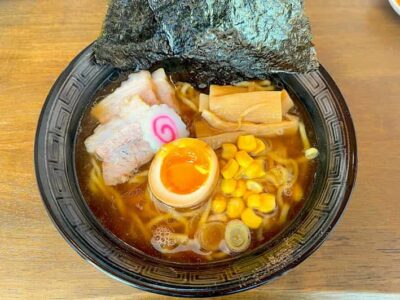
Sushi and Ramen Cooking Class with Sake Pairing Set
Read our review →
Outer Market Walking Tour & Sake Tasting Experience
Read our review →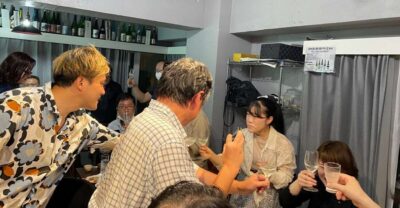
Tsukiji Market Eating Tour, Authentic Sushi & Sake Comparison
Read our review →Browse the lists this tour appears in