
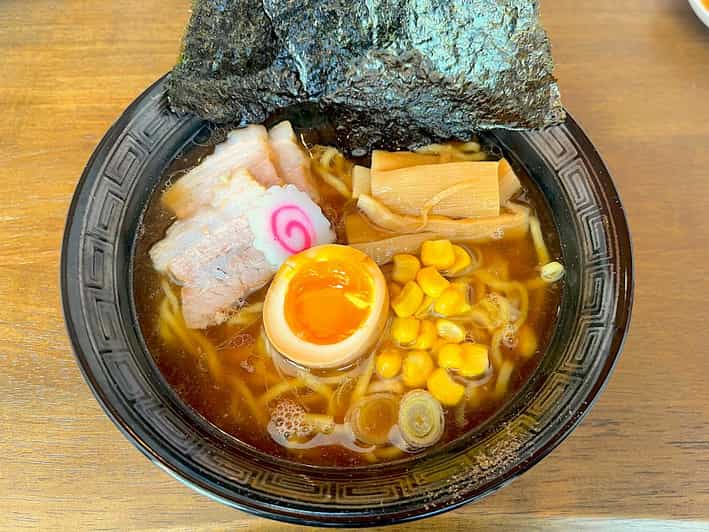
REVIEW · TOKYO
Tokyo: Sushi and Ramen Cooking Class with Sake Pairing Set
Food brings Tokyo into focus fast. This three-hour class combines hands-on ramen and nigiri sushi with a friendly lesson in Japanese food culture, so you do more than eat a meal. You learn how broth, chashu pork, sushi rice, and fish come together, then sit down to enjoy what you made.
I like the small-group format, which is limited to about eight people and can feel much more personal when fewer participants attend. I also like the useful take-home extras: a recipe booklet, ingredient tips, and souvenir chopsticks. The main consideration is that this is not suitable for vegans or vegetarians, and some parts of the cooking may be prepared ahead of time to keep the three-hour schedule on track.
Key points at a glance
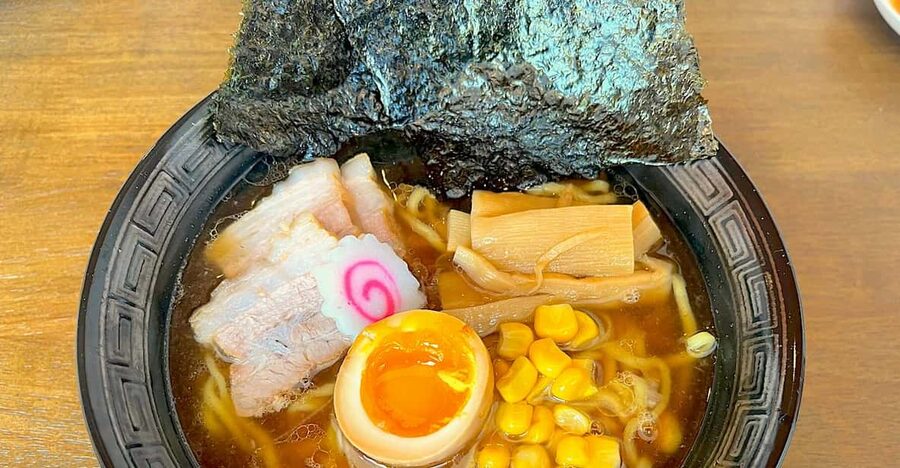
- Make two Tokyo staples in one class: Prepare ramen, chashu pork, and hand-formed nigiri sushi during a single three-hour session.
- Taste three selected sakes: A certified sake sommelier chooses the Japanese sake pairings, adding a useful tasting element to the meal.
- Small group, personal help: The class is limited to eight participants, with some sessions offering an even more private setting.
- Learn the story behind the food: English-speaking instructors explain the origins and traditions of sushi and ramen.
- Leave with practical tools: You receive recipes, substitution advice for cooking abroad, and a pair of chopsticks.
- Easy central Tokyo meeting point: The class is a five-minute walk from Tsukishima Station, with Ginza, Tsukiji, and Tokyo Station nearby.
Why this class works for a Tokyo itinerary
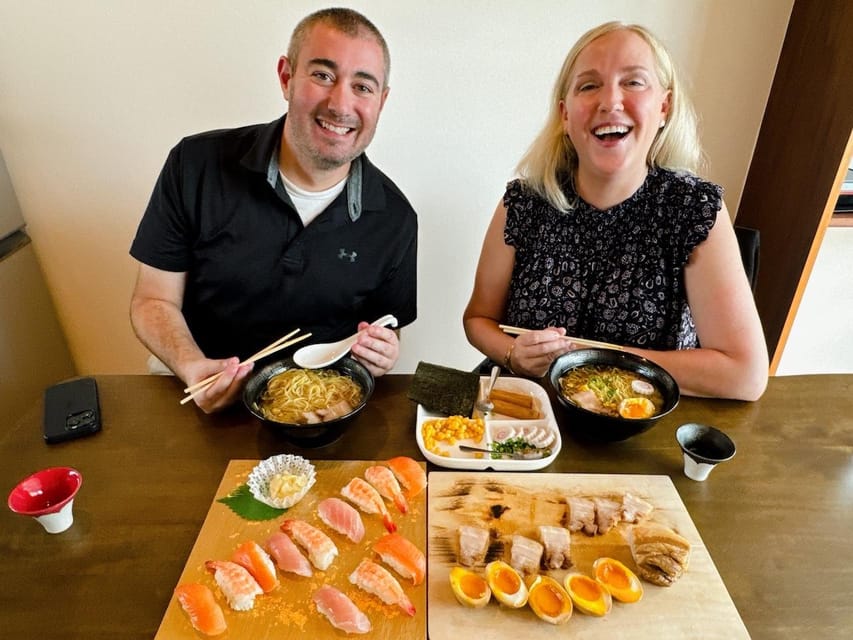
Tokyo offers endless chances to eat sushi and ramen. The useful question is what you gain by making them yourself. Here, the answer is technique and context. You learn how sushi became part of Japanese food culture, how nigiri is formed, and how ramen depends on broth, seasoning, noodles, and toppings working together.
The class also gives you a sit-down activity during a busy city trip. Three hours is long enough to learn several techniques without turning the day into a full cooking course. You get instruction, practical work, a meal, and time to talk with the people around you.
I especially like the pairing of dishes. Sushi requires care and control, while ramen is more about building flavor and assembling a satisfying bowl. The contrast keeps the class active. You are not repeating one task for three hours.
The setting is designed to be welcoming rather than formal. The instructors speak English and are described as warm, patient, and encouraging. Names that come up often in the experience are Sato, Haruko, Risa, Alex, Alisa, Misa, and Luna. The team appears to share duties, so you may work with more than one instructor during the session.
This is a good choice for first-time cooks. The class is also suitable if you already know your way around a kitchen and want to understand Japanese ingredients and methods. The focus is on making food you can attempt again at home, not on watching a chef perform while you sit back.
More Sushi and Sake Tours in Tokyo:
- Ramen and Sushi Cooking Class with Sake Pairing Set in Tokyo
★ 5.0 · 291 reviews - Sake Omakase in Tokyo: Guided Tasting by Certified Sommeliers
★ 5.0 · 239 reviews - Tsukiji: Outer Market Walking Tour & Sake Tasting Experience
★ 4.9 · 81 reviews
Arriving in Tsukishima
The meeting point is on the second floor of HAUS Tsukishima, at 2-13-5 Tsukuda, Chuo-ku. From Exit 4 of Tsukishima Station, it takes about five minutes on foot. The station is served by the Yurakucho Line and Oedo Line, though the supplied directions specifically identify the station and exit rather than giving a full route plan.
For a taxi, show the driver this address:
東京都中央区佃2-13-5 HAUS Tsukishima 2階
The location is practical if you are already sightseeing in central Tokyo. It is listed as about six minutes by taxi from Tsukiji Fish Market, nine minutes from Ginza, and ten minutes from Tokyo Station. TeamLab Planets is about eleven minutes away by taxi, while Shinjuku is listed at about thirty minutes.
Arrive five minutes before the start. That small cushion matters in Tokyo, where a late arrival can be stressful even when the route looks simple. Wear comfortable clothes that you do not mind getting a little dirty. Cooking with sauces, rice, broth, and raw ingredients is not the time for your best white shirt.
The venue is described as cozy and clean. One useful detail is that some cooking steps may be completed ahead of time to fit the schedule. That means you are not necessarily preparing every component from the very first stage, but it also helps the class move at a reasonable pace without rushing the meal.
Starting with ramen, broth, and chashu pork
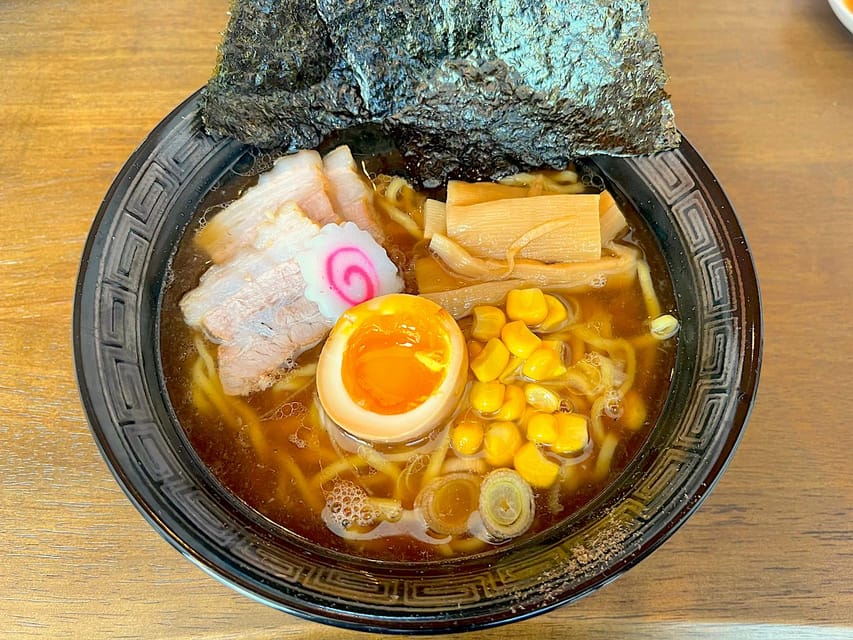
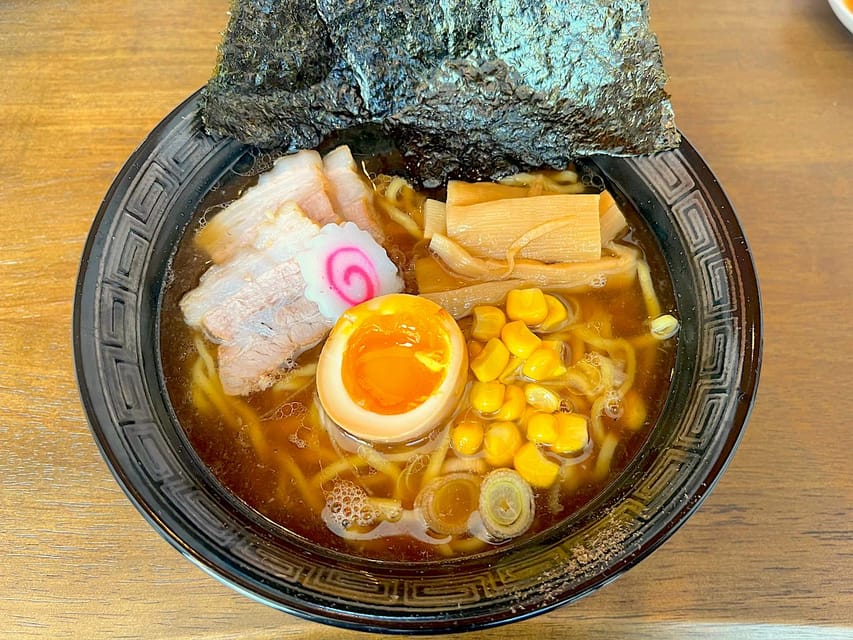
Ramen is more than noodles in soup. The class focuses on the parts that give the bowl its character, including the soup and chashu, the tender pork belly topping.
The ramen portion is valuable because it explains how flavor is built. You learn to make ramen from scratch in a practical class setting, with guidance on broth and toppings rather than simply receiving a finished bowl. The instructors also offer ingredient advice and substitutions, which helps if you plan to cook Japanese food outside Japan.
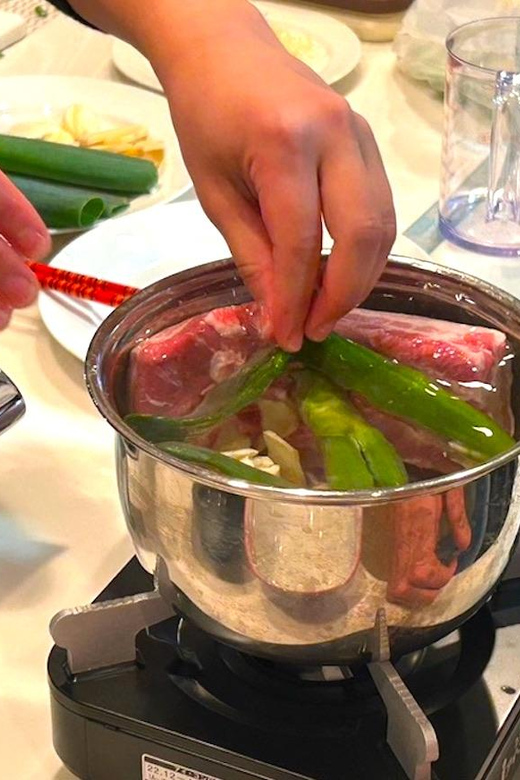
Chashu is a particularly useful skill to take home. Pork belly can become rich and tender when handled correctly, and it gives a homemade ramen bowl the look and taste people expect. The class description highlights melt-in-your-mouth chashu, while the reviews repeatedly praise the ramen itself, with one participant calling it some of the best they had eaten.
Do not expect a restaurant kitchen apprenticeship in three hours. Some elements are prepared in advance, and the class is built for visitors of mixed cooking ability. Still, you get enough practical work to understand the process and repeat the recipes later.
The meal is also reported to be generous. One account describes the food as so plentiful that it was difficult to finish everything. That is good news if you arrive hungry, though it may be wise not to schedule another large meal immediately afterward.
Forming nigiri sushi by hand
The sushi lesson focuses on nigiri, the compact pieces of seasoned rice topped with fish or another ingredient. You use the provided ingredients and tools to shape the sushi by hand.
Nigiri looks simple. It is not. The rice must hold together without being crushed, and the size needs to stay manageable. This is exactly the sort of task that benefits from an instructor standing nearby, correcting your grip and showing you how much pressure to use.
You also learn about the origins of sushi and the place of nigiri in Japanese food culture. That background gives the activity more meaning than simply placing fish on rice. The class connects the ingredients with the customs and techniques behind them.
A strength here is the beginner-friendly approach. Several accounts describe instructors patiently guiding people who had never made sushi before. The class is not presented as a test, and a small group means you should have a reasonable chance to ask for help.
The sushi and ramen are coordinated so that neither section feels like an afterthought. The timing allows you to cook, assemble, and then relax over the meal. That matters because a cooking class can become tiring if every minute is spent rushing from one station to the next.
More Sake and Food Pairings in Tokyo:
- Wagyu & Sake Pairing in Shinjuku – Steak, Shabu-Shabu & More
★ 5.0 · 112 reviews - Tokyo Wagyu & Sake Pairing Tasting Experience with Local Flavors
★ 5.0 · 108 reviews - Cozy Tokyo Class: Ramen, Sushi, Sake Pairing & Cultural Exchange
★ 5.0 · 74 reviews - Wagyu Beef and Sake Pairing Foodie Tour in Tokyo
★ 5.0 · 71 reviews
Three sake pairings with a Japanese specialist
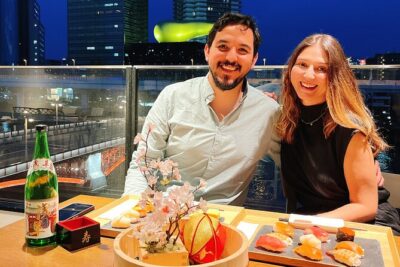
The sake portion adds a cultural layer that many cooking classes skip. You taste three premium Japanese sakes selected by a certified sake sommelier.
This is not simply a drink included with lunch. The pairing gives you a chance to compare different sakes alongside sushi and ramen, two foods with very different flavors. The class also has a personal connection to sake, since one instructor is described as coming from a sake brewing family.
The exact sake brands and tasting order are not specified, so you should not book this expecting a fixed luxury tasting menu. The useful point is that the selection is handled by someone with professional training, rather than being a random bottle placed on the table.
Some sessions may also offer beer or other drinks. The central promise, though, is the three-sake tasting. If you do not drink alcohol, confirm the available alternatives before booking, since the experience is built around a sake pairing set.
Because you are eating a substantial meal, pace yourself. Three tastings can feel different from drinking three full servings, but the combination of alcohol, ramen, and a busy day in Tokyo can still catch up with you.
The small-group advantage
The advertised maximum is eight participants. That is small enough to keep the class interactive, though your exact experience depends on how many people book your time slot.
Some sessions have had only one or two participants. In that case, the lesson can feel almost private, with more room for questions and direct coaching. A full group should still be manageable, but it may feel less intimate than a quiet session.
The instructors are one of the strongest parts of the experience. Sato, Haruko, Risa, Alex, Alisa, Misa, and Luna are praised for being kind, patient, engaging, and generous with their time. The tone appears relaxed, with cultural conversation and personal stories woven into the cooking.
That human element matters. You are not just following a printed recipe. You can ask why an ingredient is used, how a technique fits Japanese cooking, or what substitution might work at home. A pop quiz has even been used to encourage people to work together, which gives the class a light social touch without making it feel like school.
Families, couples, solo visitors, and small friend groups can all fit the format. It also works well for an anniversary or a rainy afternoon when you want something more active than sightseeing.
Recipes, substitutions, and chopsticks to take home

The recipe booklet is one of the best value features. You receive instructions for recreating ramen, gyoza, and sushi at home. Gyoza is not listed as one of the main dishes you prepare during the class, so think of that section as an added recipe rather than a third cooking station.
The booklet should help you remember proportions and steps after the trip, when the details have started to blur. Ingredient substitution advice is especially useful. Japanese pantry items can be difficult to find in some countries, and knowing what may work in their place is often more practical than memorizing a recipe with ingredients you cannot buy.
You also receive high-quality chopsticks as a souvenir. That is a small item, but it gives the experience a useful physical reminder. Unlike a decorative ticket or a paper certificate, chopsticks can go straight into your kitchen drawer.
The class is aimed at food you can make again, not just food that looks good in a photograph. That makes the booklet and ingredient guidance more important than they might seem at first.
Is $129 a fair price?
At $129 per person, this is not a budget meal. You can eat excellent ramen or sushi in Tokyo for far less. The value comes from combining instruction, ingredients, a full meal, cultural explanation, three sake pairings, a recipe booklet, and a small souvenir into one three-hour experience.
The price makes more sense if you would otherwise book a separate food tour, sake tasting, or cooking class. Here, you get several of those elements in one sitting. You also avoid the uncertainty of trying to reproduce sushi or ramen techniques on your own without guidance.
Value depends on your priorities. If you only want to eat, spend the money at a restaurant. If you want to learn, ask questions, meet other people, and leave with recipes you can use at home, the cost is easier to justify.
The intimate format improves the value, especially when the class has only a few participants. It gives you more direct support and makes the cultural conversation feel less scripted.
Who should book this class?
I would recommend it to first-time visitors who want a meaningful food activity without giving up half a day. It is also a strong fit for couples, families with older children, solo visitors who enjoy meeting people, and anyone who plans to cook Japanese food at home.
You do not need advanced kitchen skills. Beginners receive patient guidance, while experienced home cooks can focus on technique, ingredients, and cultural details.
This is not suitable for vegans or vegetarians. The supplied information does not describe plant-based alternatives, so do not assume substitutions will be available. People with food allergies should ask the provider directly before booking, since allergy procedures are not specified.
The class may not suit someone who wants a fully traditional, from-scratch restaurant kitchen experience. Some components are prepared ahead of time, and the goal is a friendly three-hour lesson rather than professional culinary training.
Practical details before you book
The experience lasts three hours, with starting times varying by availability. The instructor language is English, and the group is limited to eight participants.
Hotel pickup and drop-off are not included. You make your own way to Tsukishima, so allow extra time if you are coming from Shinjuku or another distant part of Tokyo.
You can cancel up to 24 hours before the class for a full refund. The reserve-now, pay-later option also helps if your Tokyo schedule is still changing.
Bring an appetite, arrive five minutes early, and wear clothes that can handle a splash of broth or sauce. Those are simple precautions, but they make the afternoon more comfortable.
Should you book the Tokyo sushi and ramen class?
Yes, if you want more than another restaurant meal. The best reasons to book are the warm English-speaking instructors, the small group, the combination of sushi and ramen, and the useful recipes that let the experience continue after Japan.
At $129, it is a treat rather than a bargain. I would book it for a couple, family, or solo food lover who values participation and cultural context. I would skip it only if you are vegan, vegetarian, avoiding alcohol without a confirmed alternative, or mainly interested in eating rather than cooking.
FAQ
How long does the Tokyo sushi and ramen class last?
The class lasts three hours.
Where does the class meet?
It meets on the second floor of HAUS Tsukishima, at 2-13-5 Tsukuda, Chuo-ku, Tokyo 104-0051. It is about a five-minute walk from Exit 4 of Tsukishima Station.
What dishes will I learn to make?
You will learn to make ramen, including the soup and chashu pork, and nigiri sushi. The recipe booklet also includes instructions for ramen, gyoza, and sushi.
Is the class taught in English?
Yes. The instructors teach in English.
Is sake included?
Yes. The experience includes three premium Japanese sakes selected by a certified sake sommelier.
How many people are in the class?
The small-group class is limited to eight participants. Some sessions may have fewer people.
Is the class suitable for vegans or vegetarians?
No. The experience is listed as unsuitable for vegans and vegetarians.
More Cooking Classes with Sake in Tokyo
- Tokyo: Sushi Cooking Class with Sake Tasting
★ 4.8 · 55 reviews - Tokyo Sushi Making Class : Sake Ceremony & Matcha Experience
★ 5.0 · 44 reviews - Japanese Sake Tasting & Wagyu Sukiyaki Cooking Class in Tokyo
★ 5.0 · 10 reviews - Beauty Vegan Dessert Cooking Class + Sake Kasu Hand Mask Trial!
★ 5.0 · 3 reviews
Just added around Tokyo
- Tokyo Sake Tasting Tour with a Sake Expert★ 5.0 · 7 reviews
- Wagyu BBQ & Sukiyaki with Sake Pairing Experience near Ginza★ 5.0 · 2 reviews
- Sake Tasting and Cherry Blossom Fun in Tokyo!★ 5.0 · 4 reviews
- Private Sake Tasting at 300 Years Old Sake Brewery in Tokyo★ 5.0 · 3 reviews
- Tokyo: Serene Sakura & Sake: An Exclusive Brewery Pairing Lunch★ 5.0 · 2 reviews
- Nagano: Snow Monkey and Zenkoji Temple Free Sake Taste Day Tour★ 4.5 · 8 reviews
- Sake Pairing Workshop with Japanese Food in Shinjuku★ 5.0 · 5 reviews
- Cherry blossom & Japanese Sake Tasting in Shinjuku★ 5.0 · 4 reviews
Sake Cooking Classes, compared.
Ramen and Sushi Cooking Class with Sake Pairing Set in Tokyo
Read our review →
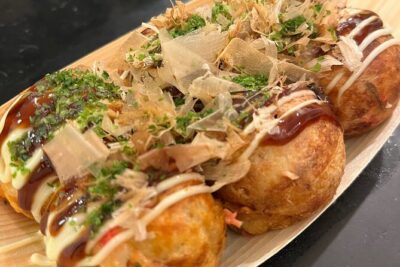
Osaka Sake Tasting & Takoyaki Cooking Experience
Read our review →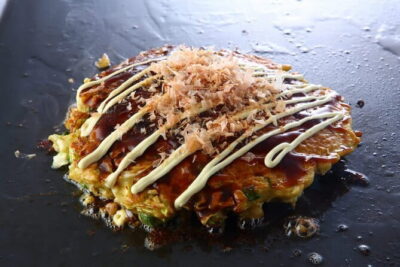
Osaka Cooking Class and Sake Tasting with Local Supermarket Visit
Read our review →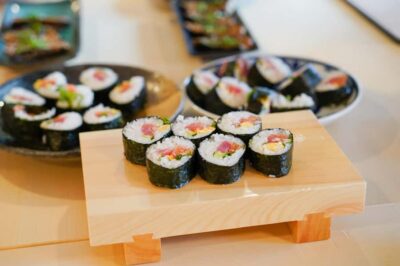
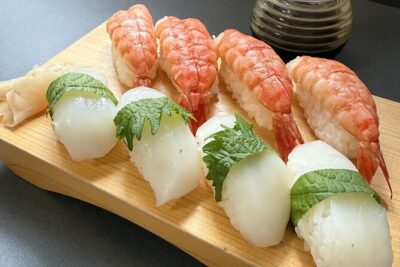
Tokyo Sushi Making Class : Sake Ceremony & Matcha Experience
Read our review →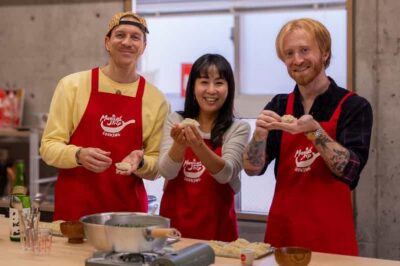
Cooking Class & Sake Tasting with Local Market Visit
Read our review →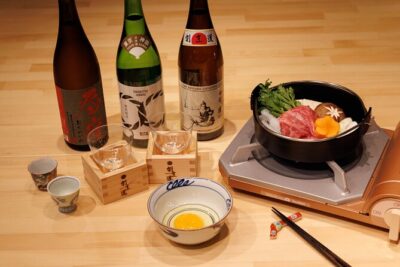
Japanese Sake Tasting & Wagyu Sukiyaki Cooking Class in Tokyo
Read our review →Browse the lists this tour appears in