
REVIEW · TOKYO
Beauty Vegan Dessert Cooking Class + Sake Kasu Hand Mask Trial!
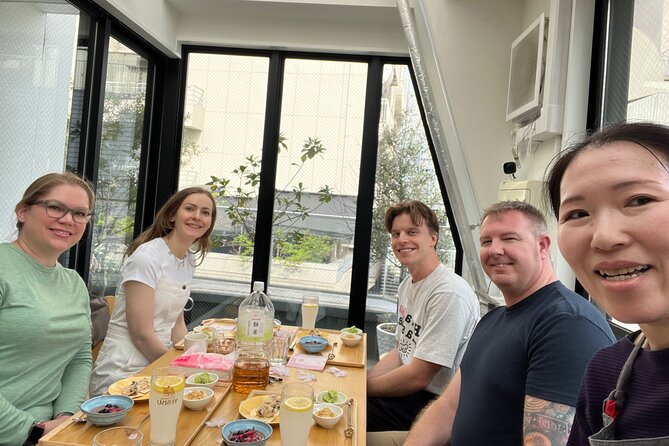
Japanese sweets can be good for you. This two-hour class near Akasaka-Mitsuke combines vegan dessert making, fermented-food lessons, Japanese beauty customs, and a small afternoon tea in one compact experience. I especially like the focus on amazake and sake kasu, two traditional ingredients that many visitors know little about. I also like the small maximum group of six, which should make the cooking and questions feel personal.
The main thing to consider is alcohol. Sake kasu contains about 8 percent alcohol, so it is not suitable for everyone, either in food or on the skin. You can request banana instead if you are under 20 or prefer to avoid alcohol, but you should mention this when booking.
Key points at a glance
- Amazake takes center stage: Learn how naturally sweet fermented rice can be used in vegan desserts without added sugar.
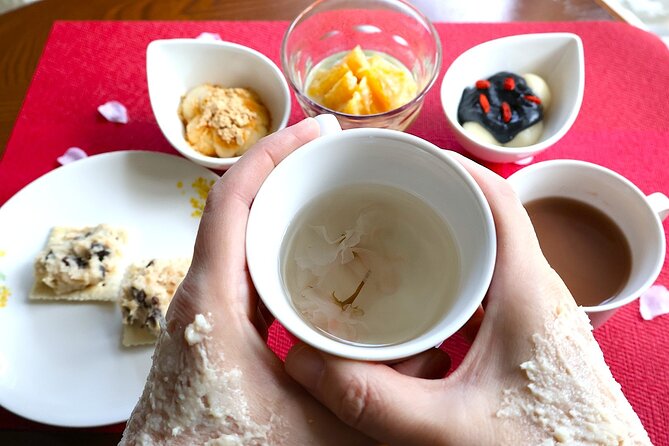
- A sake kasu hand mask is included: Try a beauty treatment using sake lees, with clear cautions for sensitive skin, cuts, or wounds.
- Akasaka-Mitsuke location: Meet at 3-chōme-1-6 Akasaka, about 10 minutes from Shibuya Station according to the tour information.
- Small, short, and practical: The class lasts about two hours and accepts a maximum of six participants.
- Dessert and tea are part of the lesson: Eat the snacks you make, then enjoy coffee, green tea, another Japanese tea, and sakura tea.
- A useful add-on is available: Pair it with the 11:00 am Fermented Food Lunch Class on the same day and receive the rice koji amazake used in the dessert class.
Why this Tokyo class is different
Tokyo offers plenty of food activities, but many focus on sushi, ramen, wagashi, or market shopping. This class takes another route. It looks at fermentation as part of Japanese food culture, then applies it to sweets and personal care.
That makes it especially appealing if you want more than a recipe to take home. You learn why amazake is naturally sweet, how sake kasu is produced as a byproduct of sake making, and why fermented foods are often linked with digestion and general health.
The class is entirely vegan. That matters for anyone seeking plant-based food in Japan, where fish stock, dairy, eggs, and other animal ingredients can turn up in dishes that appear vegetarian at first glance.
I also like the clear time commitment. Two hours is long enough to learn a few useful techniques, but short enough to fit around sightseeing in central Tokyo. The 2:00 pm start makes it a natural afternoon break after a morning of temples, shopping, or museums.
The setting is described as convenient and indoors, so the activity should be easy to combine with other Tokyo plans. One note deserves attention: the activity information says poor weather can lead to cancellation, even though the venue is presented as protected from weather. Check the status and terms close to your date if rain is forecast.
More Cooking Classes with Sake in Tokyo:
- Ramen and Sushi Cooking Class with Sake Pairing Set in Tokyo
★ 5.0 · 291 reviews - Tokyo: Sushi and Ramen Cooking Class with Sake Pairing Set
★ 5.0 · 81 reviews - Tokyo: Sushi Cooking Class with Sake Tasting
★ 4.8 · 55 reviews
Meeting in Akasaka-Mitsuke
The meeting point is at Akasaka-Mitsuke Station, listed as 3-chōme-1-6 Akasaka, Minato City, Tokyo 107-0052. The class ends back at the meeting point, so you do not need to arrange a second pickup or find your way to another part of the city.
The location is near public transportation and is described as only about 10 minutes from Shibuya Station. That gives you a useful base for a half-day plan. You can visit Shibuya before the class, then make your way to Akasaka-Mitsuke for the 2:00 pm start.
Allow enough time to find the meeting point. Tokyo stations can be large and confusing, and arriving early is wise for a small class with a fixed start time. The mobile ticket is convenient, since you can keep the booking on your phone instead of carrying printed paperwork.
The activity does not include transportation. You pay your own fare to and from the venue, so add that small cost when judging the total value.
What happens during the two-hour class
The class begins with an introduction to fermented foods and their place in Japanese cuisine. The lecture covers culture, food traditions, and health tips connected with ingredients such as amazake and sake kasu.
A handout with recipes and presentation material is included. This is one of the most useful parts of the experience for anyone who wants to continue cooking after returning home. You are not limited to tasting something once in Tokyo. You leave with written guidance for working with the ingredients later.
The class then turns to dessert preparation. The menu changes by season, so you should not expect one fixed list of sweets every time. That seasonal approach is a good feature for repeat visitors, although it means the exact dishes cannot be guaranteed in advance.
Amazake is the main point of interest. It is a traditional fermented rice drink or paste with a very sweet taste despite containing no added sugar in the preparation described here. The class shows how it can work in dessert recipes, which may be a useful idea if you want to reduce refined sugar while keeping a sweet flavor.
Sake kasu, also called sake lees, is the nutrient-rich material left after sake is pressed. It has a distinctive taste and contains alcohol, so the ingredient brings both culinary interest and practical restrictions.
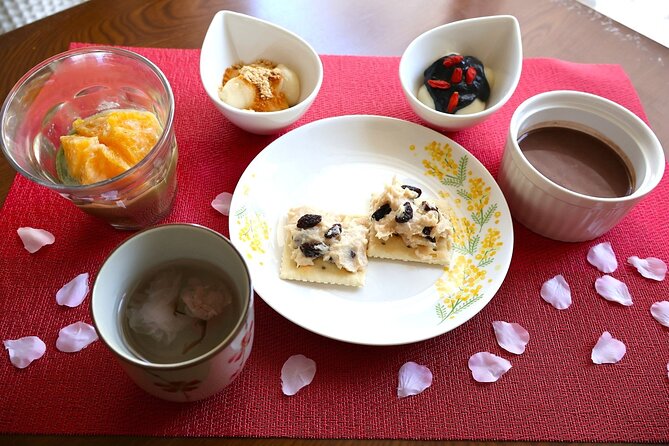
You make vegan snacks and desserts together, then eat them as part of a Japanese beauty afternoon tea. Coffee and Japanese tea are included, with green tea or another Japanese tea available. Sakura tea is also part of the experience, adding a seasonal Japanese touch to the tasting.
The class is not simply a demonstration followed by a sample. You take part in making the food, which gives the lesson more value. At the same time, the two-hour schedule means this is an introduction rather than a full professional cooking course.
The sake kasu hand mask
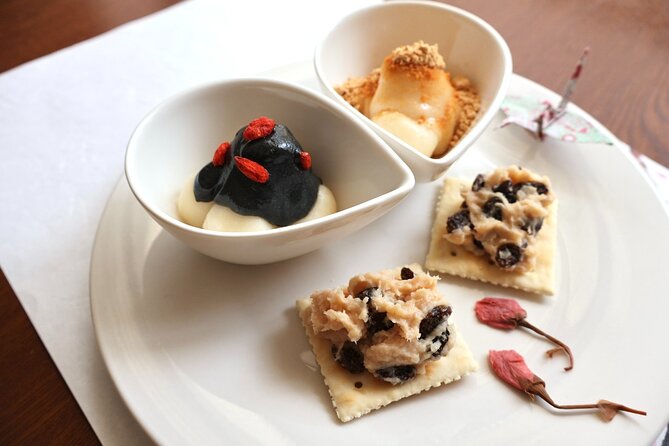
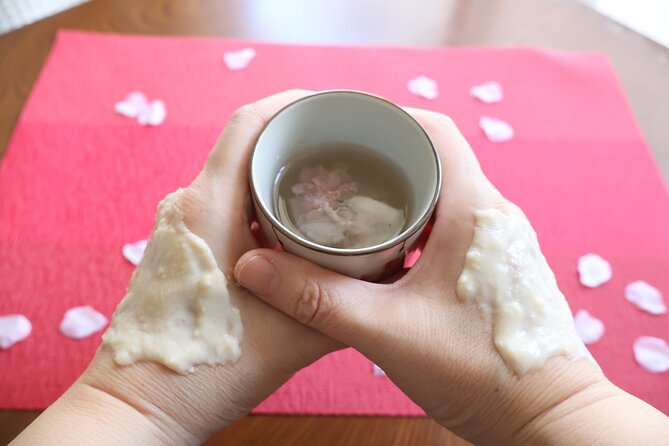
The hand mask is the most unusual part of the afternoon. Sake kasu is used not only in food but also in a simple beauty treatment for the hands.
You should read the safety notes carefully. Sake kasu may irritate sensitive skin, and the activity is not available if you have cuts or wounds on your hands. The provider also states that sake kasu may not suit everyone’s skin and cannot accept responsibility for problems that occur.
This is best treated as an optional cultural experience, not as a guaranteed beauty treatment. If you have sensitive skin, ask questions before applying it. If you prefer not to use sake kasu, you can still enjoy the class with the food and tea portions, but confirm the arrangements with the provider.
The alcohol content is another important issue. Sake kasu contains around 8 percent alcohol. Anyone under 20, or anyone who does not drink alcohol, can request banana instead. Write this information when booking so the class can prepare the alternative.
Do not plan to drive after the class. The alcohol warning applies even though the activity is centered on desserts and a hand mask rather than drinking sake.
Same place, a different pour:
- Sake Tasting Masterclass in Shinjuku (8+ Varieties with a Pro)
★ 5.0 · 271 reviews - Sake Omakase in Tokyo: Guided Tasting by Certified Sommeliers
★ 5.0 · 239 reviews - Tasting All Types of Sake with Sommelier
★ 5.0 · 151 reviews - Wagyu & Sake Pairing in Shinjuku – Steak, Shabu-Shabu & More
★ 5.0 · 112 reviews
Food, fermentation, and the health angle
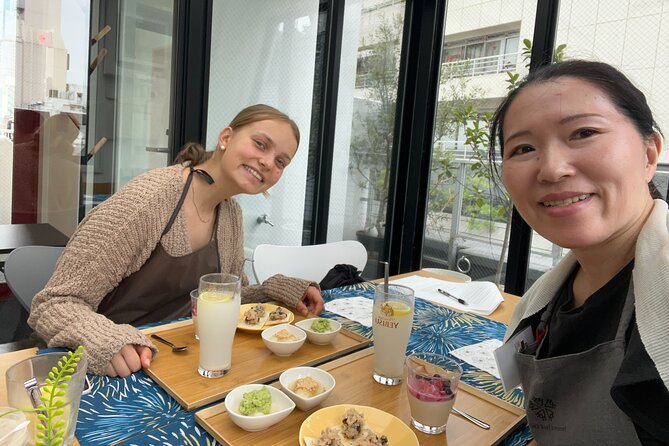
The class presents amazake and sake kasu as ingredients connected with gut health and glowing skin. It is fair to enjoy that cultural and culinary viewpoint, but you should not treat the class as medical advice or a guaranteed beauty treatment.
What makes the lesson useful is the chance to see how fermentation fits into everyday Japanese food traditions. Fermented foods are not just a modern health trend in Japan. They include long-established ingredients and methods used in home cooking and food production.
Amazake is particularly approachable because it is sweet and easy to understand in a dessert. Sake kasu may be less familiar, and its alcohol content gives it a stronger practical limitation.
If you are interested in Japanese food beyond famous dishes, this focus gives you something different to take home. The recipe handout also helps turn a short Tokyo activity into a cooking idea you can revisit later.
The health theme is most valuable when you approach it with a clear head. Enjoy the flavor, learn the tradition, and ask about ingredients. Do not assume that fermented food or sake kasu will work for your body or skin simply because it is presented as beauty-focused.
The afternoon tea and what you eat
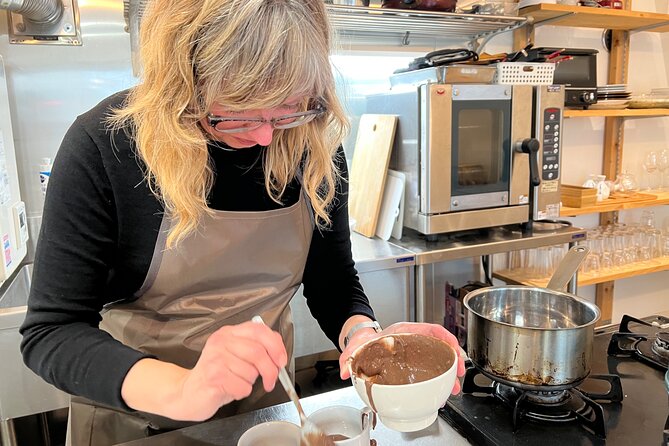
The exact menu changes with the season, which keeps the class tied to the time of year. You make the desserts together, then enjoy the finished snacks with tea.
The presentation is described as a Japanese beauty afternoon tea, with sakura tea included. That gives the class a gentle cultural finish rather than ending abruptly after the cooking portion.
The food is vegan throughout. If you have allergies or other ingredient restrictions, contact the provider in advance. The activity specifically asks participants to share allergen information, so do not wait until you arrive.
The strong praise for the food is easy to understand. The class combines unusual ingredients with familiar pleasures: sweet snacks, tea, and the satisfaction of making something yourself. The fermented-food focus also gives the desserts a story, not just a recipe.
Still, you should keep expectations realistic. Seasonal menus mean the exact desserts are not listed, and this is a short class. You will learn a focused selection of recipes rather than leaving with a full Japanese pastry education.
How much value do you get for $64.09?
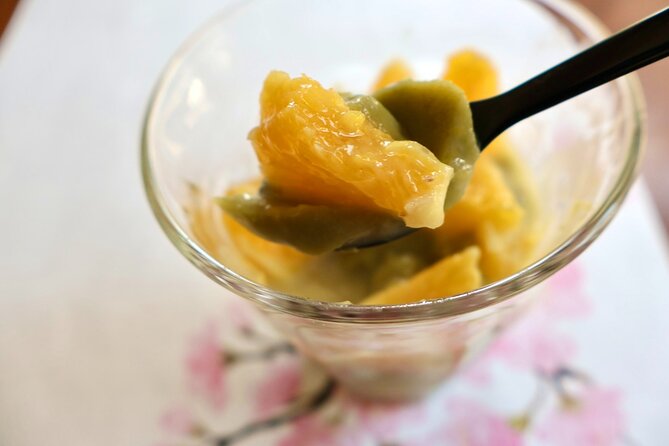
At $64.09 per person, this is good value if you want a small, guided food activity with several parts included. The price covers the apron, desserts and snacks you make, coffee or tea, the recipe and lecture handout, and the sake kasu hand mask trial.
You are also paying for the specialist subject. Classes that focus on amazake, sake kasu, and fermented desserts are uncommon, so the appeal is not simply the amount of food you eat. The value comes from learning about ingredients you may have trouble finding or understanding on your own.
The maximum group size of six improves the calculation. A small group usually means more room to ask about substitutions, fermentation, and recipes. It also makes a hands-on cooking class less rushed than a large demonstration.
The price may feel less attractive if you only want to sample vegan sweets. In that case, a café visit will cost less and take less time. Book this class for the lesson, the cultural context, and the chance to work with specialist ingredients.
There is also a useful pairing option. A separate Fermented Food Lunch Class begins at 11:00 am. If you take both classes on the same day, you receive a special gift: the rice koji amazake used in the dessert class. That makes the day more worthwhile for serious food enthusiasts, though it also creates a much longer food-focused schedule.
Who will enjoy this experience most?
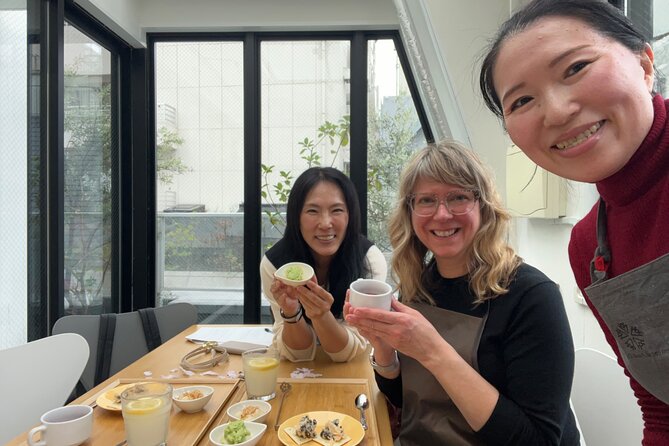
I would recommend this class to plant-based eaters, home cooks, food historians, and anyone curious about Japanese fermentation. It also suits visitors who want an indoor activity that fits neatly into a busy Tokyo itinerary.
The class is a particularly good match if you want to bring a practical idea home. The recipe handout and focus on amazake give you something to continue exploring after Japan.
It may not suit very young children. The provider says the lecture can be difficult for children aged six and under. Older children may enjoy the food preparation, but the class includes a real educational component rather than nonstop entertainment.
It is also a poor fit if you cannot use alcohol-based ingredients or cosmetics and do not want to request substitutions. You can ask for banana in place of sake kasu for participants under 20 or those who do not drink alcohol, but you should state that preference before arrival.
Booking, cancellation, and practical cautions
Confirmation is normally provided at booking. If you book within three days of the activity, confirmation can take up to 48 hours and remains subject to availability.
Free cancellation is available up to 24 hours before the 2:00 pm start time. Cancellations or changes made inside that window are not refunded or accepted.
The activity requires a minimum number of participants. If that minimum is not reached, or if poor weather causes cancellation, you can choose another date or experience, or receive a full refund. Since the main description presents the venue as protected from weather, it is sensible to confirm the operating status if conditions are poor.
Bring your mobile ticket, arrive with allergen details ready, and mention any under-20 participants or banana requests ahead of time. If you have hand cuts, wounds, or sensitive skin, ask about the mask before taking part.
Is the class worth booking?
Yes, if you want an unusual and compact food lesson rather than a standard Japanese cooking class. The combination of vegan desserts, amazake, sake kasu, tea, and a hand mask gives the afternoon a clear identity.
I would book it for the small group, the practical recipe handout, and the chance to understand fermented ingredients through actual cooking. I would skip it if you want a broad tour of Japanese cuisine, dislike educational talks, or cannot use sake kasu and do not want a substitute.
The best plan is to treat the class as a two-hour cultural food workshop. Arrive with an open mind, share your dietary and skin concerns in advance, and consider pairing it with the morning fermented-food lunch class if you want a full day built around Japanese fermentation.
FAQ
Where does the class meet?
The meeting point is at Akasaka-Mitsuke Station, at 3-chōme-1-6 Akasaka, Minato City, Tokyo 107-0052, Japan.
What time does the class start?
The class starts at 2:00 pm and lasts approximately two hours.
How large is the group?
The maximum group size is six participants.
Is the class fully vegan?
Yes. All dishes made during the class are vegan.
What is included in the price?
The price includes an apron, the desserts and snacks made during the class, coffee or Japanese tea, a lecture handout with recipes, and a sake kasu hand mask trial.
Can participants under 20 take part?
Yes. Participants under 20 can use banana instead of sake kasu. You should provide that information when booking.
Can I cancel for a full refund?
Yes. You can cancel at least 24 hours before the start time for a full refund. Cancellations made less than 24 hours before the start time are not refunded.
Just added around Tokyo
- Wagyu BBQ & Sukiyaki with Sake Pairing Experience near Ginza★ 5.0 · 2 reviews
- Tokyo Sake Tasting Tour with a Sake Expert★ 5.0 · 7 reviews
- Sake Tasting and Cherry Blossom Fun in Tokyo!★ 5.0 · 4 reviews
- Private Sake Tasting at 300 Years Old Sake Brewery in Tokyo★ 5.0 · 3 reviews
- Tokyo: Serene Sakura & Sake: An Exclusive Brewery Pairing Lunch★ 5.0 · 2 reviews
- Nagano: Snow Monkey and Zenkoji Temple Free Sake Taste Day Tour★ 4.5 · 8 reviews
- Sake Pairing Workshop with Japanese Food in Shinjuku★ 5.0 · 5 reviews
- Cherry blossom & Japanese Sake Tasting in Shinjuku★ 5.0 · 4 reviews
Sake Cooking Classes, compared.
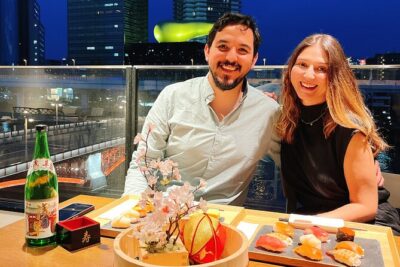
Ramen and Sushi Cooking Class with Sake Pairing Set in Tokyo
Read our review →
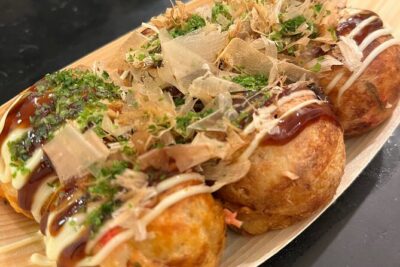
Osaka Sake Tasting & Takoyaki Cooking Experience
Read our review →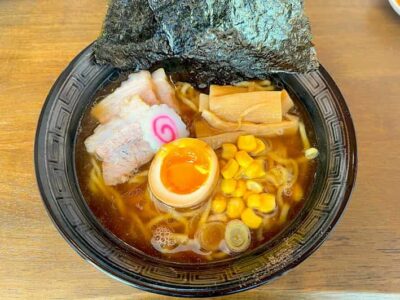
Sushi and Ramen Cooking Class with Sake Pairing Set
Read our review →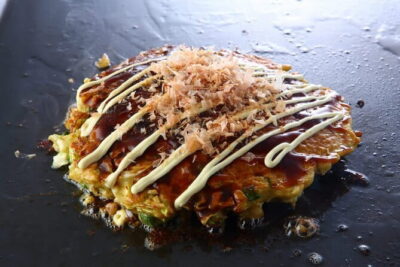
Osaka Cooking Class and Sake Tasting with Local Supermarket Visit
Read our review →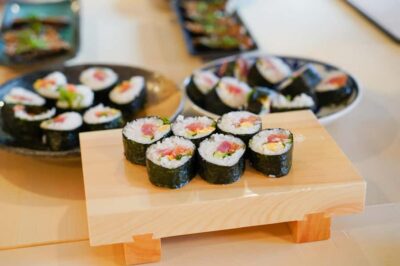
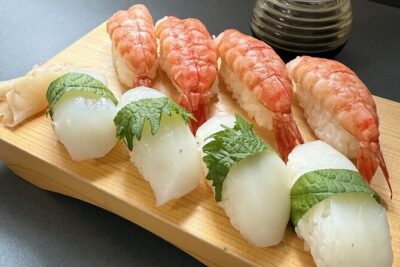
Tokyo Sushi Making Class : Sake Ceremony & Matcha Experience
Read our review →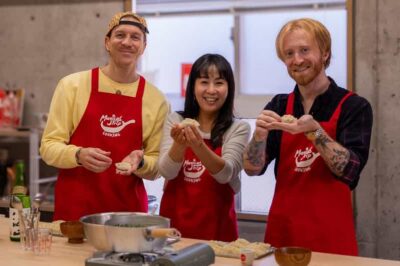
Cooking Class & Sake Tasting with Local Market Visit
Read our review →Browse the lists this tour appears in