
REVIEW · OSAKA
Osaka Sake Tasting with Takoyaki Cooking
Takoyaki and sake make a fine Osaka evening. This small class brings both together at MOMO to SAKE, where Momo, a sake sommelier and former brewer, teaches you how to cook the city’s famous octopus balls and how to choose sake with more confidence. I especially like the hands-on cooking and the chance to taste more than 10 seasonal bottles, guided by someone who can explain what is in your glass. The main consideration is simple: you should come hungry, but also ready for several generous sake pours.
At $70 per person for two hours, this is not the cheapest way to eat takoyaki or sample sake. Still, I think the price makes sense if you value personal instruction, a small group of no more than six people, and practical knowledge you can use in Osaka’s sake bars afterward. Children can join the cooking and have soft drinks, while adults focus on the tasting.
Key points at a glance
- Momo brings brewer’s insight: Your guide is a sake sommelier and former brewer who explains production, styles, grading, and flavor in clear English.
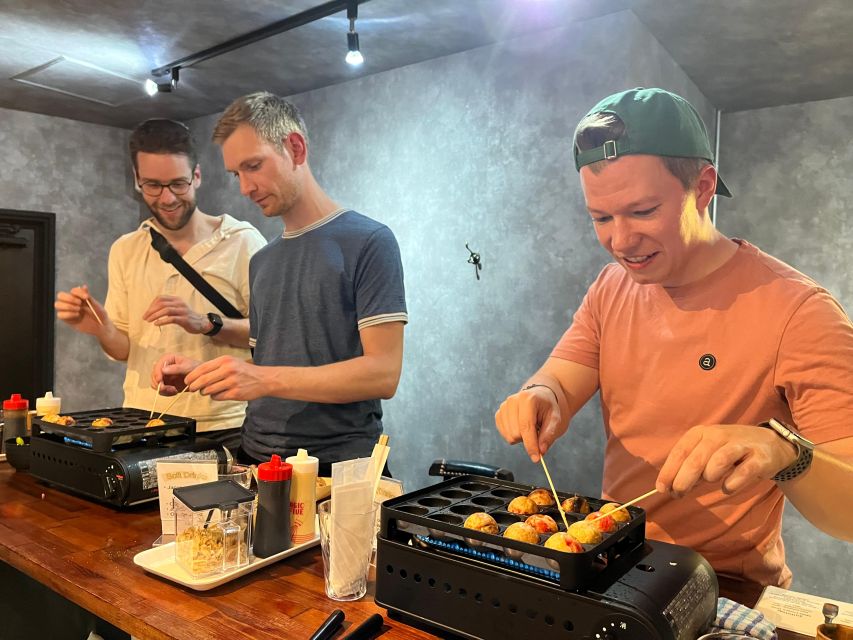
- You cook your own Osaka specialty: Make takoyaki from scratch, then add fillings such as octopus, wagyu beef, cheese, kimchi, or corn.
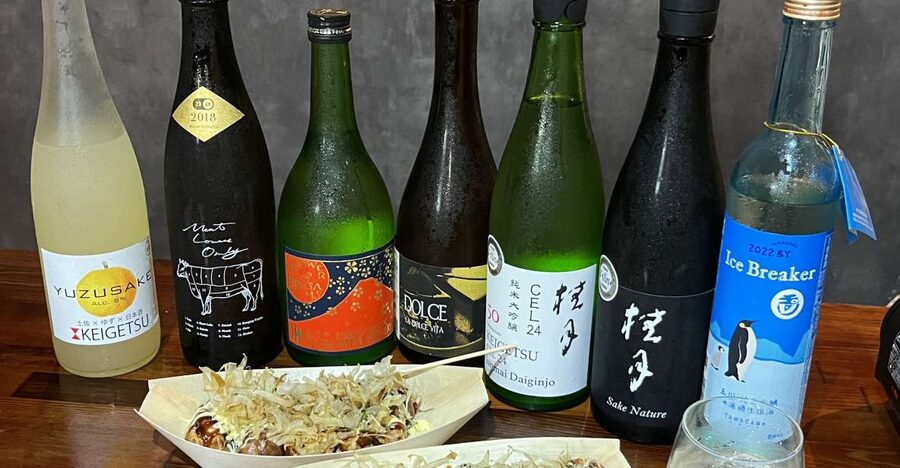
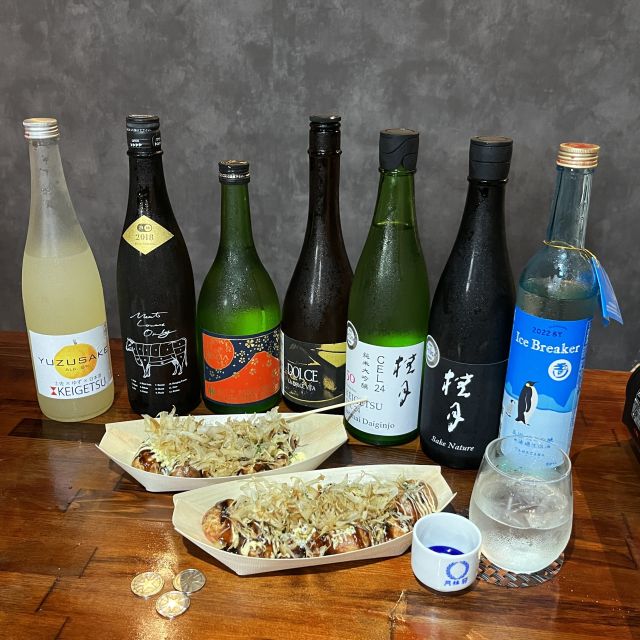
- More than 10 sakes are available: The selection changes with the season, giving you a useful introduction to different tastes rather than one fixed pour.
- Small groups keep it personal: With a maximum of six participants, you can ask questions and get help at the hot plate.
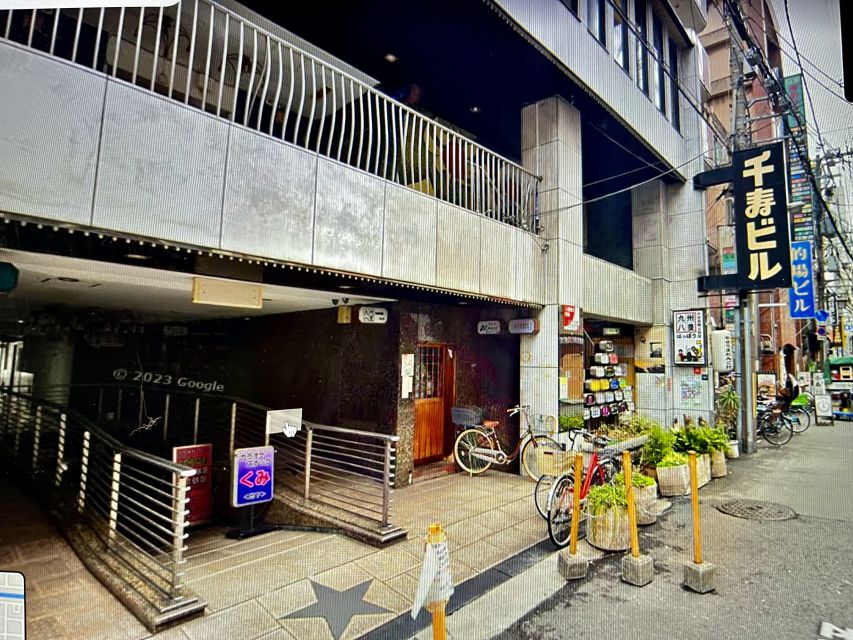
- The location is handy: MOMO to SAKE is on the second floor of a building near Osaka Namba.
- The order matters: You cook first, then drink sake with your food, so you can arrive ready for a proper meal.
Why this Osaka pairing works so well
Osaka is famous for casual food, easy conversation, and a cheerful approach to eating. Takoyaki fits that mood perfectly. These small batter balls are cooked in a special molded pan, filled with octopus and other ingredients, and turned repeatedly until they become round, crisp outside, and soft inside.
Sake adds a second layer to the experience. Instead of simply drinking a glass and moving on, you learn why one sake tastes dry, another fruity, and another fuller or more rounded. I like this combination because the cooking gives you something to do with your hands, while the tasting gives the evening a clear purpose.
The class also avoids the stiff feel that can sometimes come with alcohol education. Momo’s role is part teacher, part host, and part local guide. Her English is strong, and the atmosphere described throughout the experience is friendly rather than formal. You can ask basic questions without feeling you need to know Japanese brewing terms first.
More Cooking Classes with Sake in Japan:
- Ramen and Sushi Cooking Class with Sake Pairing Set in Tokyo
★ 5.0 · 291 reviews - Osaka Sake Tasting & Takoyaki Cooking Experience
★ 5.0 · 149 reviews - Tokyo: Sushi and Ramen Cooking Class with Sake Pairing Set
★ 5.0 · 81 reviews
Arriving at MOMO to SAKE near Namba
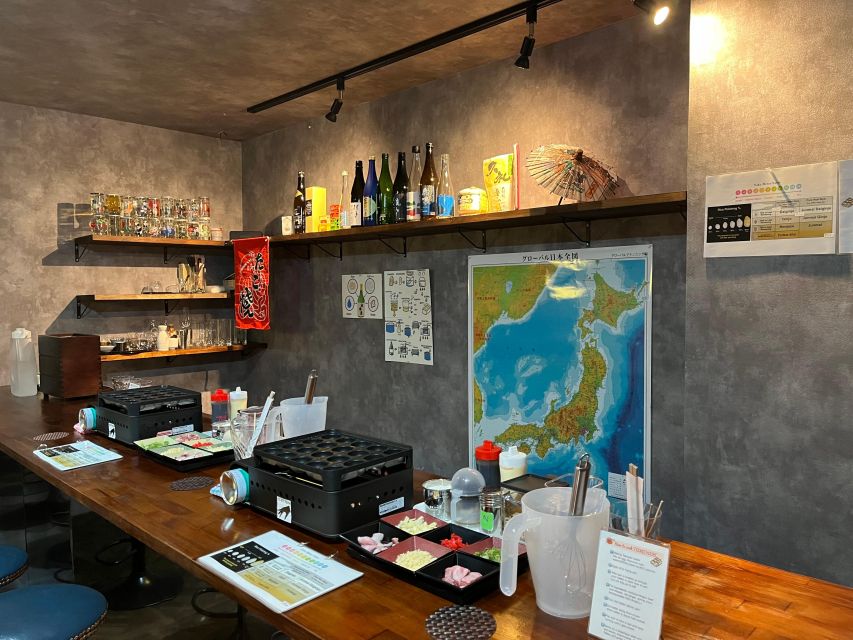
The meeting point is MOMO to SAKE, located on the second floor of the building. Its position near Osaka Namba makes it an easy addition to a day around Dotonbori and central Osaka. You do not need to travel far out of the city for a local food lesson.
Allow a little time to find the correct entrance and go upstairs. The information provided does not give a detailed street route, so keep the store name visible on your booking details. Once inside, the small setting helps the class feel more like an evening at a friend’s kitchen than a large cooking school.
The maximum group size is six. That matters here. Takoyaki cooking requires attention at the pan, and a crowded class would make it harder to get a turn. In a group of two, some participants have effectively received a private lesson. In a full group, you should still have room to work and ask Momo questions.
Cooking takoyaki from batter to golden balls
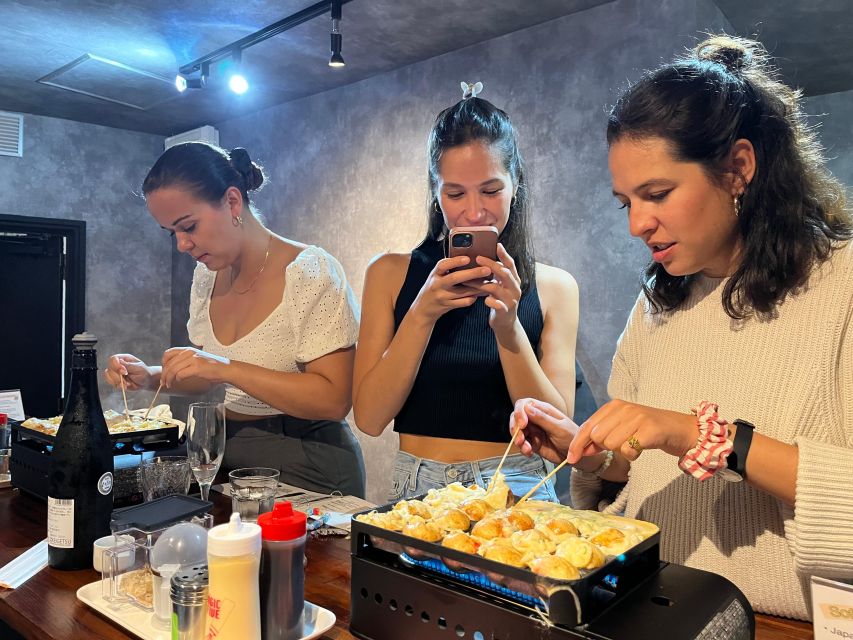
The cooking portion is the most playful part of the class. Momo gives instructions and shows you the method, but you do the actual cooking. You pour the batter, add fillings, and turn the pieces as they cook.
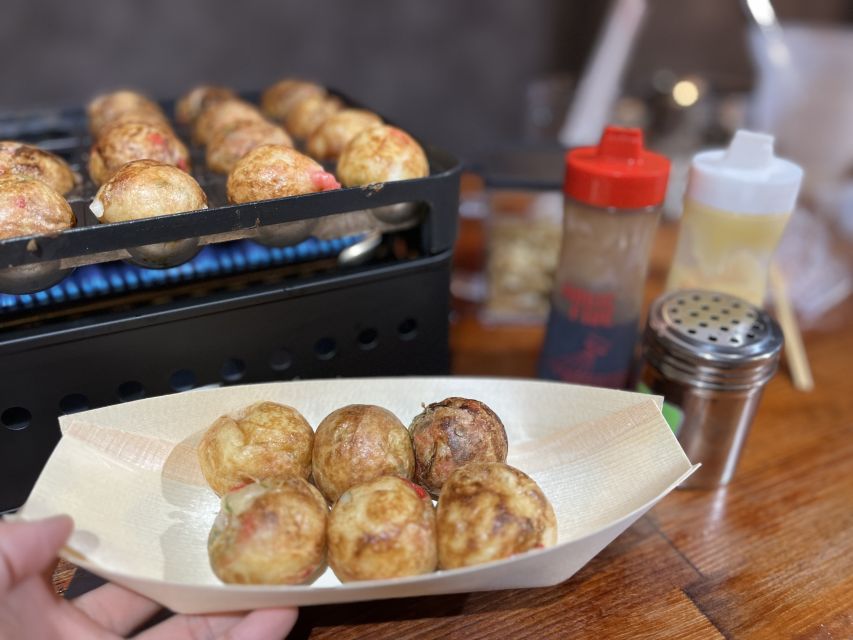
The turning is where the fun begins. At first, the soft batter can look uneven and slightly unruly. With a pick or similar utensil, you gradually rotate each piece until it forms a ball. This takes a little practice, and your first few pieces may look less than perfect. That is part of the charm, not a problem to hide.
The recipe includes more than the standard octopus filling. You may have additions such as wagyu beef and cheese, with other reported options including kimchi and corn. This gives you a chance to personalize the plate and makes the class useful for people who do not want octopus in every piece.
The finished takoyaki is eaten after cooking, alongside the sake. That timing is sensible. Hot food gives you a base before the tasting begins, and the savory flavors help you notice how different sake styles work with food.
One practical warning: come hungry. The food portion is not just a token demonstration. You are expected to cook and eat a substantial serving, and the sake pours can also be generous. Water and soft drinks are available, which helps keep the pace comfortable.
Learning sake from a sommelier and former brewer
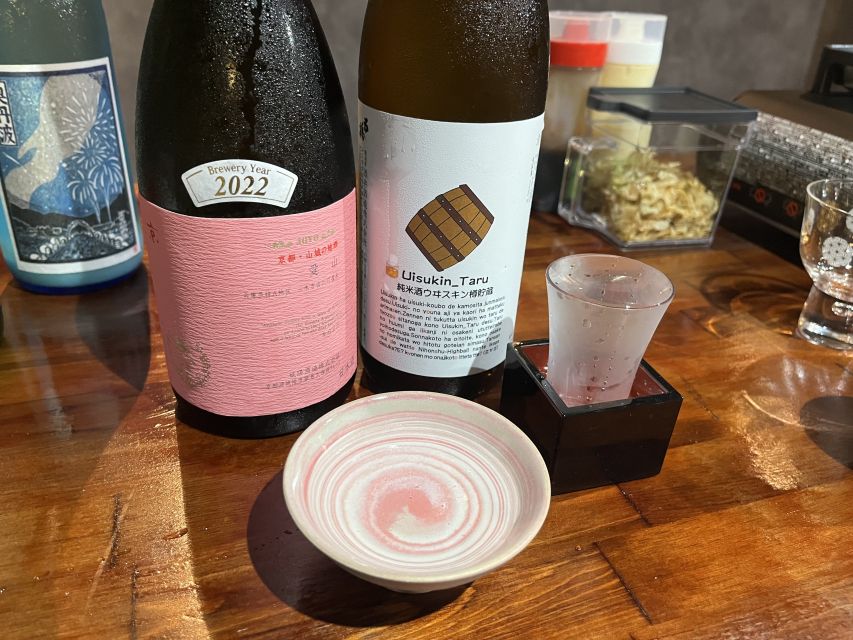
After the cooking, Momo turns to sake. She covers the basics of its history, culture, and production process, then explains the differences between styles and grades. The useful part is not memorizing technical vocabulary. It is learning how to describe what you like.
Momo’s background as both a sake sommelier and former brewer gives the lesson practical depth. She can explain how sake is made and then connect that process to the taste in your glass. You learn to notice qualities such as sweetness, dryness, aroma, body, and texture.
I particularly like the way this can improve the rest of your Japan trip. Sake menus can be intimidating, especially when labels are written mainly in Japanese. After this class, you have a better idea how to ask for something dry, fruity, light, or fuller-bodied instead of pointing at a random bottle.
The lesson is also useful for wine drinkers. One participant with a long interest in wine found that Momo helped connect familiar ideas about aroma and flavor to sake. You should not expect sake to behave exactly like wine, but the comparison can help you pay attention to small differences.
More Sake Tastings in Japan:
- 3-Hour Kyoto Insider Sake Brewery Tour with Tastings & Pairings
★ 5.0 · 917 reviews - Kyoto Sake Brewery & Tasting Walking Tour
★ 5.0 · 623 reviews - 1.5-Hour Kyoto Insider Sake Experience with 7 Tastings & Pairings
★ 5.0 · 297 reviews - Sake Tasting Masterclass in Shinjuku (8+ Varieties with a Pro)
★ 5.0 · 271 reviews
Tasting more than 10 seasonal Japanese sakes
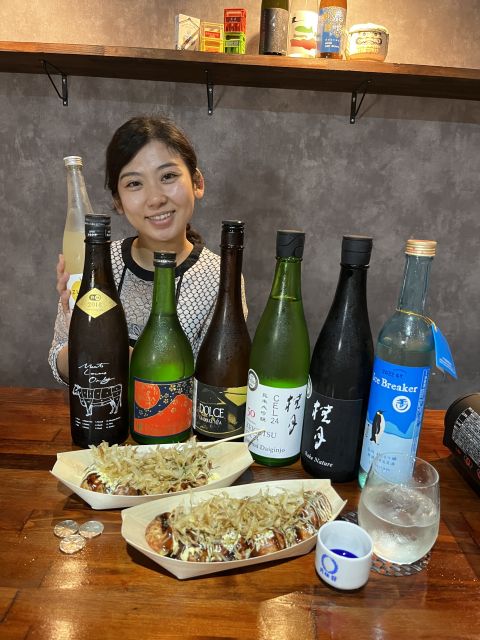
The tasting menu offers more than 10 types of Japanese sake, along with soft drinks for anyone who prefers not to drink alcohol. You select favorites from a seasonal menu chosen by Momo. That seasonal approach means the exact bottles may change, but it also keeps the experience tied to what is available now.
You will not simply receive a row of glasses with no explanation. Momo guides you through the choices and helps match them to your preferences. The point is to taste several styles and notice patterns in what you enjoy.
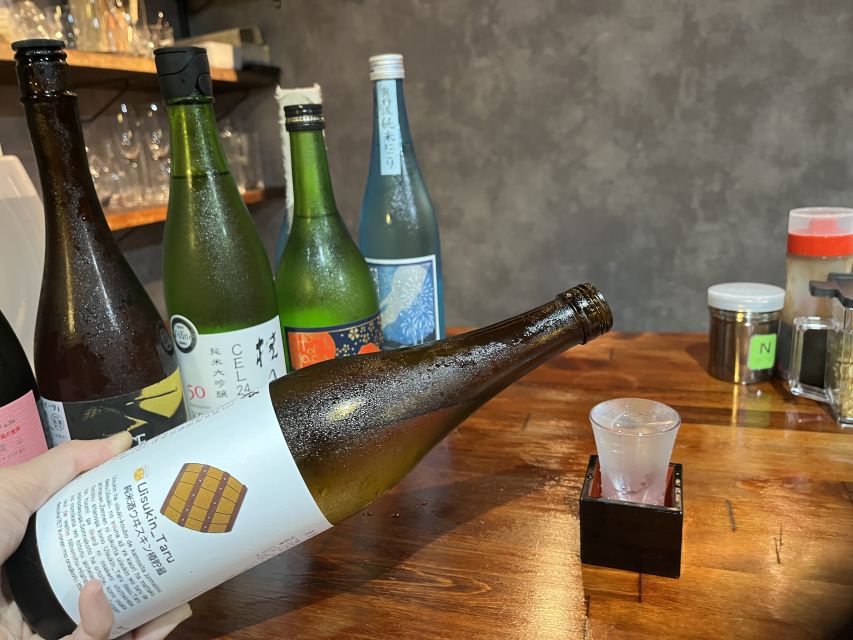
Some participants have tasted seven or eight different sakes during the session. The pours are described as generous, so do not treat this as a tiny sampling menu. You are drinking real portions, not just wetting your lips. Take your time, use the water provided, and do not plan a demanding activity immediately afterward.
The order of the experience helps. You cook and eat first, then taste sake with the takoyaki. That makes the drinking feel more relaxed and turns the final part into a proper food pairing rather than a rapid-fire tasting.
If you find a style you love, Momo can help you understand why. That is the real value of the selection. You are not only asking which bottle tastes good tonight. You are learning what to look for at a shop, restaurant, or sake bar later in your trip.
What the two-hour schedule feels like
Two hours is a good length for this format. There is enough time to cook without rushing, learn the sake basics, taste several options, and eat your finished food.
The session usually works best as one continuous evening. You arrive, settle in, learn the takoyaki method, cook your portions, and then move into sake education and tasting. The final stage lets you enjoy both parts together.
Because the group is small, the pace can adapt to the people in the room. If you have many questions about brewing, you can spend more time there. If your group is eager to cook, the hot plate becomes the focus. Momo has also been praised for answering questions about life in Japan, so conversation may go beyond the formal lesson.
Do not expect a restaurant meal with a server bringing finished dishes. This is an active class. You will handle the cooking, make mistakes, and eat what you produce. For me, that is the point, but anyone seeking a quiet tasting with no participation should choose a different evening.
Family groups, non-drinkers, and food concerns
The experience can work for mixed-age groups. Children can take part in the takoyaki cooking and drink soft drinks while adults taste sake. That gives families something to share without requiring everyone to participate in the alcohol portion.
The activity may also suit people who dislike octopus. The additional fillings include wagyu beef, cheese, kimchi, and corn, so you can create different versions. Still, check your food needs before booking if you have a serious allergy or dietary restriction.
A coeliac participant was accommodated during one session, which suggests Momo is willing to adapt when told in advance. The supplied details do not promise a specific allergen-free menu, so contact the provider before arrival rather than assuming every ingredient is suitable.
Non-drinkers can attend because soft drinks are included, but the class is built around sake. If nobody in your party wants to taste alcohol, much of the second half will hold less interest.
Is $70 good value?
At $70 per person, the experience costs more than buying takoyaki from a street stand and ordering one sake at a bar. That comparison misses the main benefit, though. You are paying for food, ingredients, instruction, a guided tasting of more than 10 sake options, and a small-group setting.
The former brewer and sommelier background adds real value. A standard food tour might tell you that sake is important in Japan. Here, you learn how to select it, how it is made, and how different bottles compare.
The cooking lesson also has a lasting benefit. Several participants left wanting to make takoyaki at home, and one even bought a takoyaki pan after returning home. If you like bringing food skills back from a trip, this is more useful than a meal you simply watch someone else prepare.
The price is less convincing if you already know sake well or mainly want a quick snack. It is also not ideal if you are trying to keep drinking activities to a minimum. For curious first-timers, food lovers, and people planning to visit Osaka sake bars, I think the cost is fair.
Best time to book this experience
Book it early in your Osaka stay if you want to use the sake tips during the rest of your visit. You can then recognize styles on menus and make more confident choices at dinner.
It also works well as an evening activity after sightseeing near Namba. The two-hour length leaves room to continue into Osaka afterward, though the generous tasting pours mean you should keep the rest of the night easy.
The class is limited to six people, so availability may be tighter than for a large group tour. Free cancellation is available up to 24 hours before the start time, and you can reserve now and pay later, which helps if your Osaka schedule is still shifting.
Who should book it?
I would choose this for you if you like food, want direct contact with a local host, and prefer an activity that teaches you something useful. Couples and small groups are especially well suited, and families can join as long as the adults understand that sake is a major part of the session.
It is also a good fit for a first visit to Osaka. Takoyaki gives you a taste of local street-food culture, while sake gives you a new way to read Japanese menus and shop shelves.
I would skip it if you want a fully passive meal, dislike group cooking, or do not want alcohol anywhere in the activity. Otherwise, the mix of hands-on cooking, generous tasting, and Momo’s warm teaching style makes this one of the more useful two-hour introductions to Osaka food and drink.
FAQ
How long does the Osaka sake and takoyaki experience last?
The experience lasts two hours.
How much does the experience cost?
The price is $70 per person.
Where is the meeting point?
You meet at MOMO to SAKE, located on the second floor of the building.
How many people can join the group?
The group is limited to six participants.
What languages are available?
The experience is offered in English and Japanese.
How many types of sake can I taste?
More than 10 types of Japanese sake are available, with a seasonal menu selected by the sake expert.
Are soft drinks included?
Yes. Soft drinks are included for participants who do not want sake or would like a non-alcoholic option.
Can I cancel for a full refund?
Yes. You can cancel up to 24 hours in advance for a full refund.
Just added around Japan
- Tokyo Sake Tasting Tour with a Sake Expert★ 5.0 · 7 reviews
- Wagyu BBQ & Sukiyaki with Sake Pairing Experience near Ginza★ 5.0 · 2 reviews
- Sake Tasting and Cherry Blossom Fun in Tokyo!★ 5.0 · 4 reviews
- Private Sake Tasting at 300 Years Old Sake Brewery in Tokyo★ 5.0 · 3 reviews
- Tokyo: Serene Sakura & Sake: An Exclusive Brewery Pairing Lunch★ 5.0 · 2 reviews
- Nagano: Snow Monkey and Zenkoji Temple Free Sake Taste Day Tour★ 4.5 · 8 reviews
- Sake Pairing Workshop with Japanese Food in Shinjuku★ 5.0 · 5 reviews
- Cherry blossom & Japanese Sake Tasting in Shinjuku★ 5.0 · 4 reviews
Sake Cooking Classes, compared.
Ramen and Sushi Cooking Class with Sake Pairing Set in Tokyo
Read our review →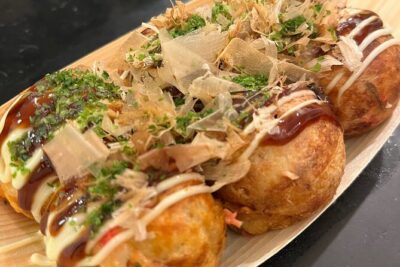
Osaka Sake Tasting & Takoyaki Cooking Experience
Read our review →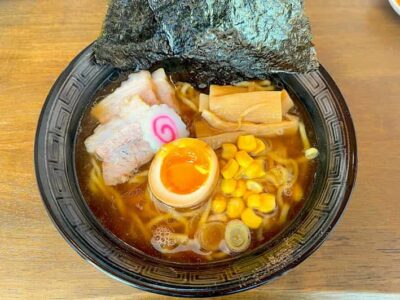
Sushi and Ramen Cooking Class with Sake Pairing Set
Read our review →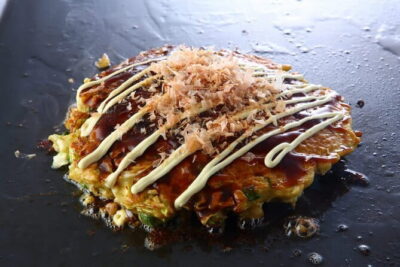
Osaka Cooking Class and Sake Tasting with Local Supermarket Visit
Read our review →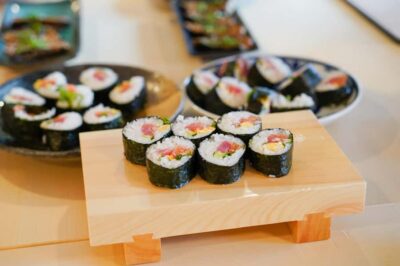
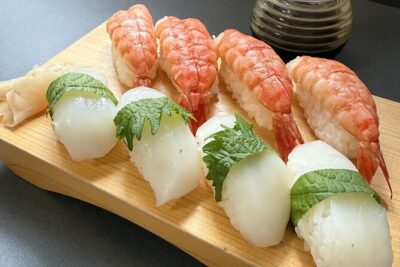
Tokyo Sushi Making Class : Sake Ceremony & Matcha Experience
Read our review →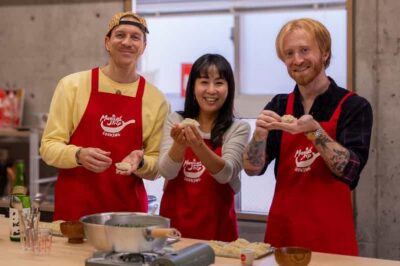
Cooking Class & Sake Tasting with Local Market Visit
Read our review →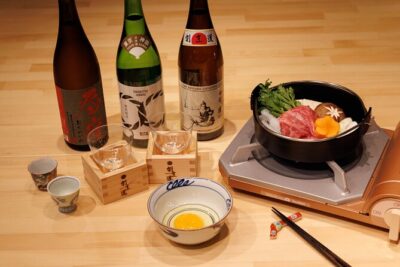
Japanese Sake Tasting & Wagyu Sukiyaki Cooking Class in Tokyo
Read our review →Browse the lists this tour appears in