
REVIEW · TOKYO
Sake Tasting and Cherry Blossom Fun in Tokyo!
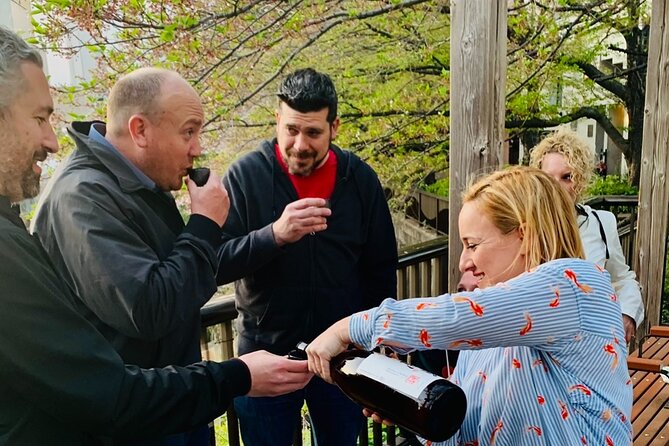
Cherry blossoms and sake belong together. This small-group Tokyo outing combines hanami in Nakameguro with a guided tasting led by certified sake sommelier Stephanie Haddad, giving you a pleasant way to see one of Tokyo’s prettiest areas while learning how broad the sake world can be. I especially like the rare bottles and the chance to taste sake properly, rather than treating it as a quick shot with sushi.
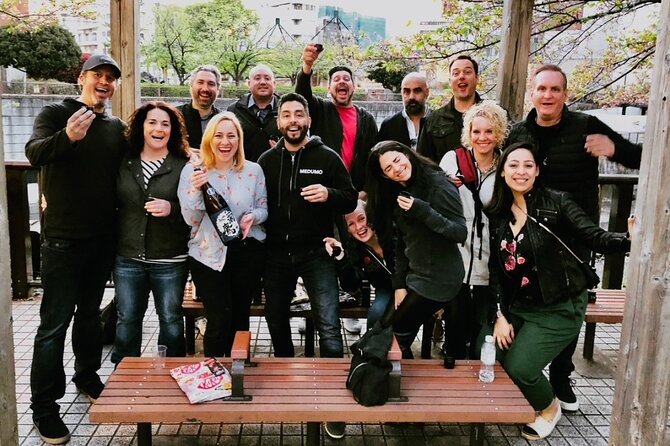
I also like the intimate group size, capped at 10 people, and the snack stops that break up the tasting. The main consideration is timing: the experience lasts about 90 minutes to two hours, and its greatest visual appeal depends on visiting when cherry blossoms are in bloom. You must also be at least 20 to drink alcohol.
Key points to know before booking
- Hanami by the Nakameguro River: Enjoy a more traditional cherry blossom outing at a designated private spot rather than simply walking past the trees.
- Rare and hard-to-find sake: The tasting includes bottles you may not see on an ordinary restaurant menu.
- Stephanie Haddad as your guide: Her local knowledge and sake expertise are a major part of the experience.
- A small group of no more than 10: The size should make questions and conversation easier.
- Snack stops and bottle shopping: The tasting includes food along the way and time to buy sake for home.
- A short afternoon activity: Meet at 2:30 pm at Nakameguro Station and return to the same meeting point.
Why Nakameguro makes a fine sake setting
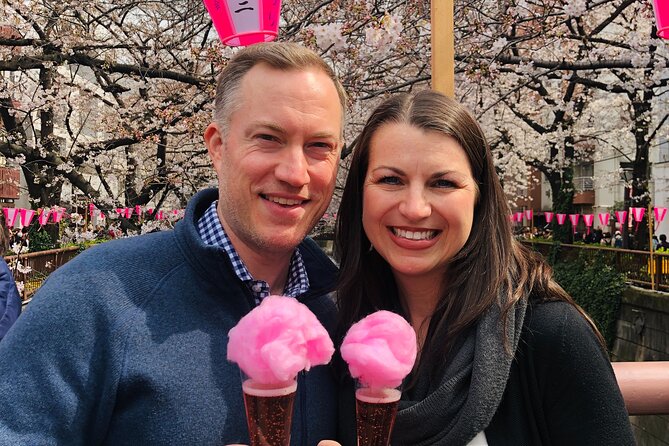
Nakameguro is a smart choice for this kind of outing. The area is known for its cherry trees along the river, making it one of the most sought-after places in Tokyo for spring photographs. During blossom season, many people stroll the river, pause for pictures, and move on. This experience aims to give you more than a quick walk beneath the trees.
The plan includes a walk to a secret spot where you can enjoy an authentic hanami gathering. Hanami means taking time to appreciate cherry blossoms, often with food and drink. That difference matters. You are not simply looking at flowers while trying to keep up with city foot traffic. You have a chance to sit, taste, eat, and pay attention to the setting.
The exact details of the private spot are not provided, so you should not expect a named garden or a formal picnic venue. Still, the idea is appealing. A quiet pause beside the river gives the sake lesson a clear sense of place, and it connects what you are drinking with a familiar Japanese custom.
The meeting point is at Nakameguro Station, at 3-chōme-4-1 Kamimeguro, Meguro City. Since the activity begins at 2:30 pm and ends back at the same point, you do not need to arrange a second pickup location. That is useful in Tokyo, where a short neighborhood activity can otherwise leave you wondering which train station or street corner to use afterward.
More Sake Tastings in Tokyo:
- Sake Tasting Masterclass in Shinjuku (8+ Varieties with a Pro)
★ 5.0 · 271 reviews - Sake Omakase in Tokyo: Guided Tasting by Certified Sommeliers
★ 5.0 · 239 reviews - Tasting All Types of Sake with Sommelier
★ 5.0 · 151 reviews
What the afternoon actually covers
The experience is built around one main stop, Nakameguro, rather than a long list of Tokyo sights. You meet near the station, walk along the river, and continue toward the hanami spot. Along the way, your guide introduces the neighborhood and explains what makes the area special during cherry blossom season.
The centerpiece is the sake tasting with Stephanie Haddad, a certified sake sommelier. The tasting is designed to show range. Instead of assuming all sake tastes alike, you sample several styles and compare the differences between them.
That variety is one of the strongest reasons to book. One person who joined the outing had previously treated sake as something poured into a small cup and swallowed in one go. The lesson here is that sake deserves more attention than that. You get to consider its flavor, style, and production rather than using it only as a quick accompaniment to sushi.
The tasting also covers how sake is made. The supplied details do not specify the exact brewing facility, production method, or number of pours, so you should not expect a full brewery visit. You can expect an introduction to the making of sake and an explanation of why different bottles taste different.
That distinction is helpful for beginners. If your current sake vocabulary begins and ends with ordering one bottle at a Japanese restaurant, a guided tasting gives you a starting point. You can ask questions as you go instead of trying to sort out unfamiliar labels on your own.
Sake tasting for people who usually order one glass
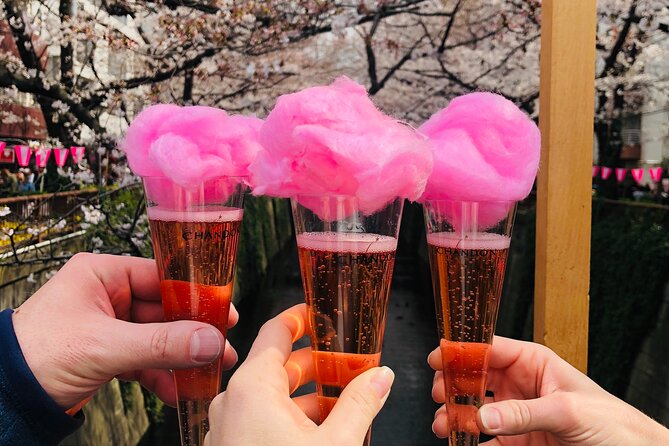
Sake is not one single flavor. The experience makes that clear by presenting several types, including rare and exclusive bottles that can be difficult to find. The tasting is therefore less about drinking a large amount and more about noticing contrasts.
You might find differences in dryness, aroma, body, and finish. The information supplied does not list the exact bottles, so there is no promise that a particular brewery or style will be served. That is actually useful to keep in mind: the selection may change according to availability.
One of the strongest themes from the praise for this outing is education. The experience helped people understand that sake can range from dry to very dry, and that sake ratings are not as simple as many first-time drinkers assume. A sommelier can put those terms into plain language and help you decide what you actually enjoy.
I like that the lesson appears to be practical rather than academic. You are not taking a class in a lecture room. You are tasting in a Tokyo neighborhood, with snacks and cherry blossoms nearby. That makes the information easier to remember, especially if you plan to visit sake bars or buy bottles later in your trip.
Still, you should book with sensible expectations. This is a short introduction, not a professional certification course. If you already know Japanese brewing regions, rice varieties, polishing rates, and sake classifications in detail, you may find the basic explanations less useful. The rare bottles and local setting can still make it worthwhile, but beginners are the clearest match.
Stephanie Haddad’s role makes the difference
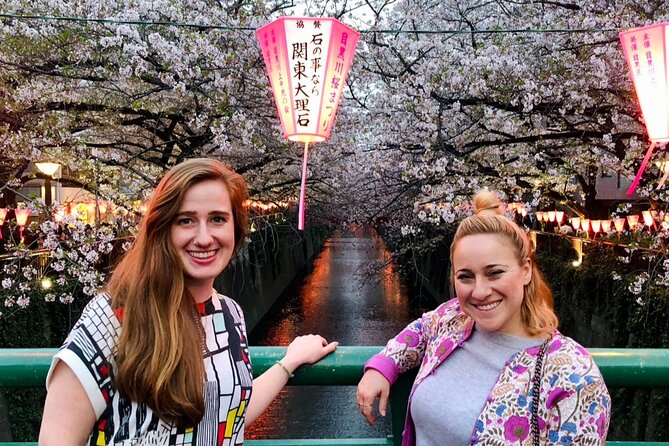
The guide’s name is Stephanie Haddad, and the praise for this activity repeatedly focuses on her. Her appeal is not just that she pours sake. She brings both sake knowledge and a strong familiarity with Nakameguro.
That combination is important. A tasting led by someone who only knows the product can feel detached from the destination. A neighborhood walk led by someone who only knows the streets may not explain what is in your glass. Here, the guide is presented as someone who can connect the two.
One person who visits Japan regularly found that Stephanie helped reveal a different side of Nakameguro, even for someone already familiar with standard Tokyo sights. That is a useful clue for repeat visitors. You do not need to be a first-time visitor to get value from the outing.
The small maximum group of 10 also supports the guide’s role. You should have a better chance to ask about a flavor, a label, or the proper way to taste than you would in a large coach group. The available details do not promise a private tour, so expect to share the experience with other people, but the group limit should keep it personal.
A few more sake experiences around Tokyo worth a look
- Ramen and Sushi Cooking Class with Sake Pairing Set in Tokyo
★ 5.0 · 291 reviews - Wagyu & Sake Pairing in Shinjuku – Steak, Shabu-Shabu & More
★ 5.0 · 112 reviews - Tokyo Wagyu & Sake Pairing Tasting Experience with Local Flavors
★ 5.0 · 108 reviews - Tsukiji: Outer Market Walking Tour & Sake Tasting Experience
★ 4.9 · 81 reviews
Snack stops keep the tasting relaxed
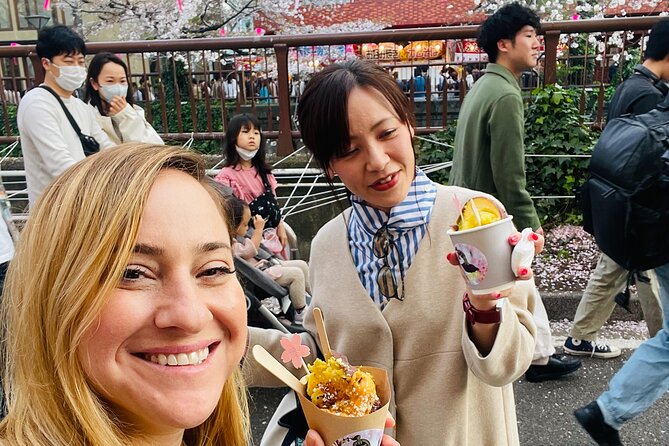
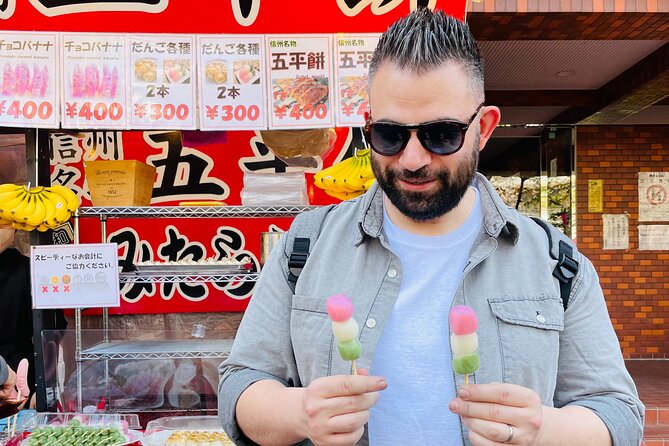
The outing includes a couple of fun snack stops. The specific foods are not listed, so I would not book this expecting a full meal or a particular Tokyo specialty. Think of the snacks as part of the rhythm of the afternoon, giving you something to eat while you continue learning about sake.
That matters because alcohol tastings are more pleasant when food is part of the plan. Snacks can also show how sake works with different flavors. The activity does not state that formal food pairings are included, so the exact connection between each snack and each sake may vary.
The food stops also make the experience less rigid. You are not sitting at one table for two hours while someone talks at you. You walk through Nakameguro, stop for tastes, pause for photographs, and have time to discuss what you are drinking.
If you need a substantial meal, eat beforehand or plan dinner afterward. The activity lasts only about 90 minutes to two hours, and nothing in the description says that it replaces lunch or dinner.
Buying a bottle is part of the fun
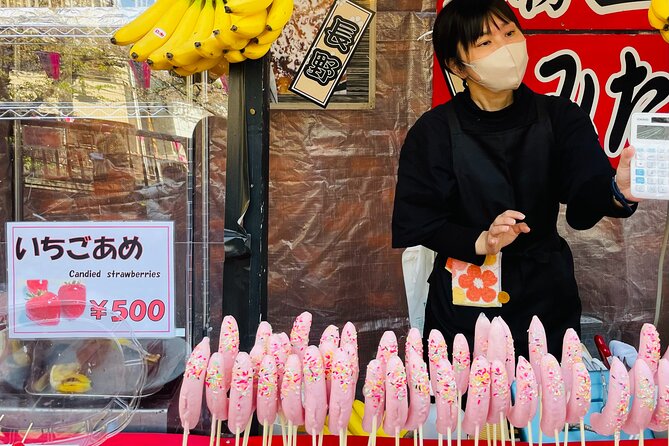
You have the chance to purchase rare sake bottles to take home. This is a particularly useful feature for people who discover a style they like during the tasting and want to continue exploring it after returning home.
Do not assume every bottle served will be available for purchase. The information promises an opportunity to buy your own bottles, but it does not list prices, shipping options, airport rules, or luggage arrangements. If you buy something, check the shop’s instructions and think about how you will carry it for the rest of your trip.
The purchase option also gives the tasting a practical purpose. Instead of vaguely remembering that you liked one pour, you can write down or photograph the label and look for something similar later. Stephanie’s explanations may help you understand what to ask for at a sake shop or bar.
The $27 price is modest for a small-group activity that includes a certified sommelier, several tastings, neighborhood guiding, snacks, and the chance to sample rare bottles. You should still check exactly what is included at booking, since the supplied information does not give a pour count or a detailed food list. The value is strongest if you are curious about sake and would otherwise pay for several drinks without understanding them.
Cherry blossom timing and photo expectations
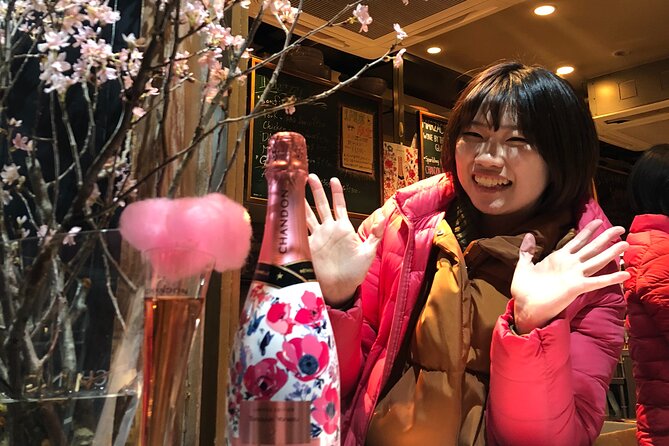
The promise of cherry blossom photographs is a major draw, but it comes with an obvious seasonal limit. The experience is most attractive when the trees are blooming. Outside that period, you may still enjoy the sake lesson and Nakameguro walk, but the hanami element will not have the same impact.
The description does not provide blossom forecasts or guaranteed peak dates. If the flowers are central to your plans, check Tokyo’s seasonal conditions before booking and allow for nature’s uncertainty. Peak bloom can be brief, and weather can change the view quickly.
You should also expect a popular public area rather than an empty riverside. The activity offers access to a secret hanami spot, but it does not promise that the entire neighborhood will be quiet. Come ready to take pictures, enjoy the setting, and accept that Nakameguro is a well-known spring destination.
The 2:30 pm start is well chosen for an afternoon plan. You can spend the morning at another Tokyo sight, then meet for sake and blossoms without giving up your entire day. The ending point is the original meeting location, so you can continue exploring Nakameguro or use the nearby station for your next stop.
Who will enjoy this experience most
This outing suits you best if you want a short Tokyo activity with a clear local focus. It works especially well for:
- First-time sake drinkers who want more than a restaurant pour
- Repeat Japan visitors looking for a different side of Tokyo
- Couples and small groups who enjoy food, drinks, and photographs
- People visiting during cherry blossom season
- Anyone interested in buying a bottle after learning how to choose one
It may be less suitable if you do not drink alcohol, need a full meal, or want a long sightseeing tour with many major landmarks. Service animals are allowed, and most people can participate, but the activity includes walking around Nakameguro. The supplied information does not describe the walking distance or terrain, so ask the provider if you have specific mobility concerns.
You must be at least 20 years old to drink alcohol. The data does not explain whether a non-drinking participant can join, so check before booking if that applies to you.
Useful planning details for a smooth afternoon
Your mobile ticket makes entry and meeting information easy to keep on your phone. Confirmation is sent within 48 hours of booking, subject to availability, so do not assume the reservation is final until you receive it.
The activity begins at 2:30 pm at Nakameguro Station and finishes at the same meeting point. Arrive with enough time to locate the station exit and regroup. Tokyo station areas can have several entrances, and arriving early is easier than trying to find the group at the last minute.
The group limit is 10 people. That is large enough for conversation but small enough to avoid the feel of a mass tour. Free cancellation is available if you cancel at least 24 hours before the start time. Canceling within 24 hours brings no refund, and changes made inside that window are not accepted. Cutoff times follow Tokyo local time, which matters if you are booking from another time zone.
Should you book the Nakameguro sake tasting?
I would book this if you want a friendly introduction to sake and will be in Tokyo during cherry blossom season. The best parts are the combination of a beautiful neighborhood, a certified sommelier, rare bottles, snacks, and a small group. Stephanie Haddad’s local connection appears to add warmth and detail that a standard bar tasting might miss.
The $27 price also makes sense for an afternoon activity, especially if you value instruction rather than simply paying for drinks. Just remember that the exact sake selection and snacks are not listed, and the blossoms cannot be guaranteed at their peak.
Book it for the setting and the learning, not as a full meal or a major Tokyo sightseeing tour. If that sounds like your kind of afternoon, this is a practical and memorable way to get to know both Nakameguro and sake.
FAQ
Where does the sake and cherry blossom experience take place?
The activity takes place in Nakameguro, Tokyo. The group meets at Naka-meguro Station, at 3-chōme-4-1 Kamimeguro, Meguro City, Tokyo 153-0051, Japan.
What time does the tour start?
The start time is 2:30 pm.
How long does the experience last?
It lasts approximately 1 hour 30 minutes to 2 hours.
Where does the activity finish?
The experience ends back at the meeting point near Nakameguro Station.
How many people can join?
The maximum group size is 10 people.
Who leads the sake tasting?
The tasting is led by Stephanie Haddad, a certified sake sommelier.
What does the experience include besides sake?
The activity includes a walk through Nakameguro, a hanami stop, several sake tastings, and a couple of snack stops. You also have the opportunity to buy bottles of sake.
Is there a minimum age for drinking?
Yes. You must be at least 20 years old to drink alcohol.
Can I cancel for a refund?
Yes. You can cancel at least 24 hours before the start time for a full refund. Cancellations or changes made within 24 hours are not refunded or accepted.
Just added around Tokyo
- Wagyu BBQ & Sukiyaki with Sake Pairing Experience near Ginza★ 5.0 · 2 reviews
- Tokyo Sake Tasting Tour with a Sake Expert★ 5.0 · 7 reviews
- Private Sake Tasting at 300 Years Old Sake Brewery in Tokyo★ 5.0 · 3 reviews
- Tokyo: Serene Sakura & Sake: An Exclusive Brewery Pairing Lunch★ 5.0 · 2 reviews
- Nagano: Snow Monkey and Zenkoji Temple Free Sake Taste Day Tour★ 4.5 · 8 reviews
- Sake Pairing Workshop with Japanese Food in Shinjuku★ 5.0 · 5 reviews
- Cherry blossom & Japanese Sake Tasting in Shinjuku★ 5.0 · 4 reviews
- Mt FUJI – Panoramic Tour w/ Hoto Lunch, JP Sake & Onsen tatto OK!★ 5.0 · 9 reviews
Sake Tasting, compared.
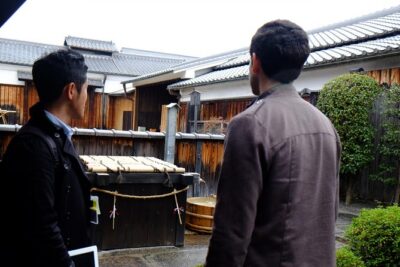
3-Hour Kyoto Insider Sake Brewery Tour with Tastings & Pairings
Read our review →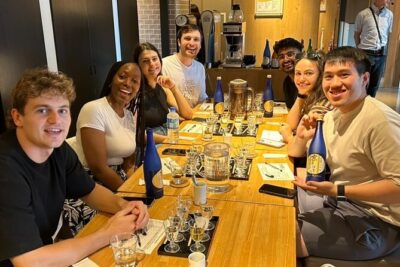
1.5-Hour Kyoto Insider Sake Experience with 7 Tastings & Pairings
Read our review →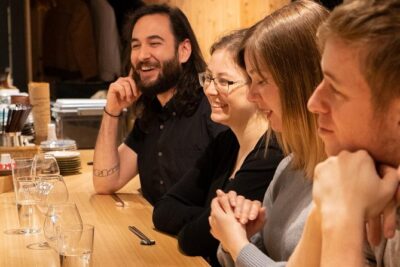
Sake Tasting Masterclass in Shinjuku (8+ Varieties with a Pro)
Read our review →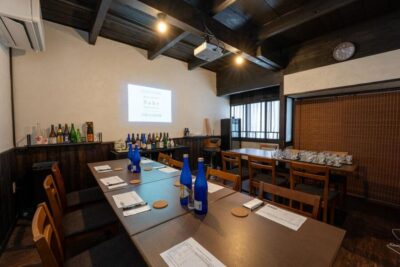
Insider Sake Experience with 7 Tastings and Snacks
Read our review →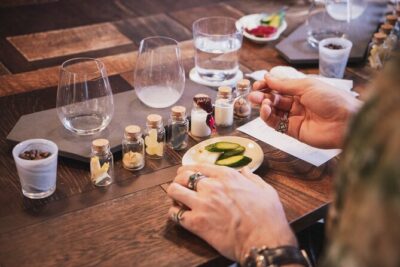
Sake Omakase in Tokyo: Guided Tasting by Certified Sommeliers
Read our review →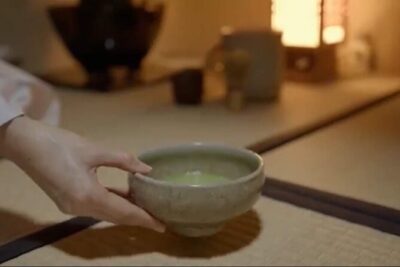
Private Tea Ceremony and Sake Tasting in Kyoto Samurai House
Read our review →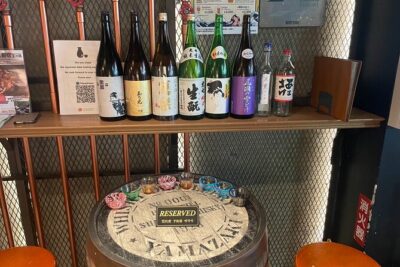
Casual Japanese SAKE tasting and snack experience in Kabukicho
Read our review →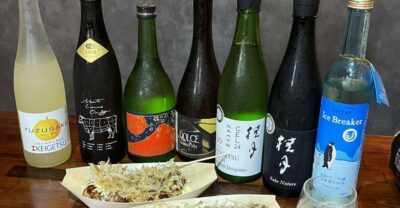
Browse the lists this tour appears in