
REVIEW · KYOTO
Kyoto: Insider Sake Experience with 7 Tastings and Snacks
Sake makes more sense after one good tasting. This 90-minute Kyoto session turns an unfamiliar drink into something you can actually choose, order, and enjoy. A certified sake expert explains brewing, rice polishing, flavor, temperature, and food pairing while you taste a range of styles in a dedicated tasting room.
I especially like the side-by-side tasting, which helps you notice the difference between dry, crisp sake and sweeter, fruitier bottles. I also like the practical bottle-reading lesson and the food pairings, since a sake you do not love on its own can taste completely different with a small Japanese dish.
The main consideration is that this is a tasting and class, not a meal. The portions are generous for sampling, but you should eat beforehand if alcohol affects you quickly. Also, anyone arriving by car or bicycle cannot be served alcohol, with no refund if that prevents participation.
Key points at a glance
- Seven substantial tastings: Try a broad range of sake styles, with more than 10 types available for the expert to select from.
- Brewing made simple: Learn how rice polishing, ingredients, production methods, and regional differences shape the drink.
- Food changes the flavor: Taste sake first by itself, then with otsumami, or traditional Japanese appetizers.
- Useful bottle-reading practice: Learn how to find the information that matters when choosing a bottle in Japan.
- Friendly English instruction: Guides such as Mayo, Kiyomi, Kotaro, Greg, and Shogo are praised for clear explanations and good humor.
- A compact Kyoto activity: At $66 per person and 90 minutes, it fits neatly before dinner or between sightseeing stops.
Why this Kyoto sake class is worth your time
Kyoto offers endless temples, gardens, and food stops. Sake gives you another way to understand Japan, but the labels can be intimidating. Words such as junmai, ginjo, daiginjo, nama, and nigori are not much help if you do not know what they mean.
This experience is built for that exact problem. You do not simply receive seven glasses and hear a few facts. You are shown how sake is made, then asked to compare what is in front of you. That order matters. Once you understand the basics, the flavor differences become easier to spot.
I also like that the class aims for practical results. By the end, you should have a better idea of which styles suit you, how to read a sake label, and what to ask for at a restaurant or shop. It is less about memorizing technical terms and more about avoiding a random bottle choice.
The 90-minute length is another strength. It is long enough for a proper lesson but short enough to fit into a full Kyoto day. You can schedule it before a meal, after sightseeing, or as a break from temples and shopping.
More Sake Tastings in Kyoto:
- 3-Hour Kyoto Insider Sake Brewery Tour with Tastings & Pairings
★ 5.0 · 917 reviews - Kyoto Sake Brewery & Tasting Walking Tour
★ 5.0 · 623 reviews - 1.5-Hour Kyoto Insider Sake Experience with 7 Tastings & Pairings
★ 5.0 · 297 reviews
Entering the dedicated tasting room
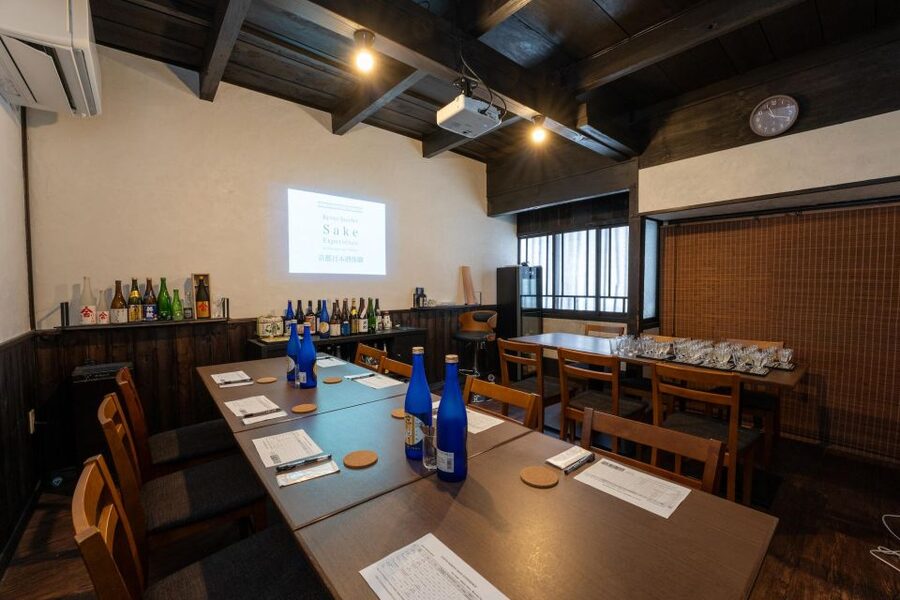
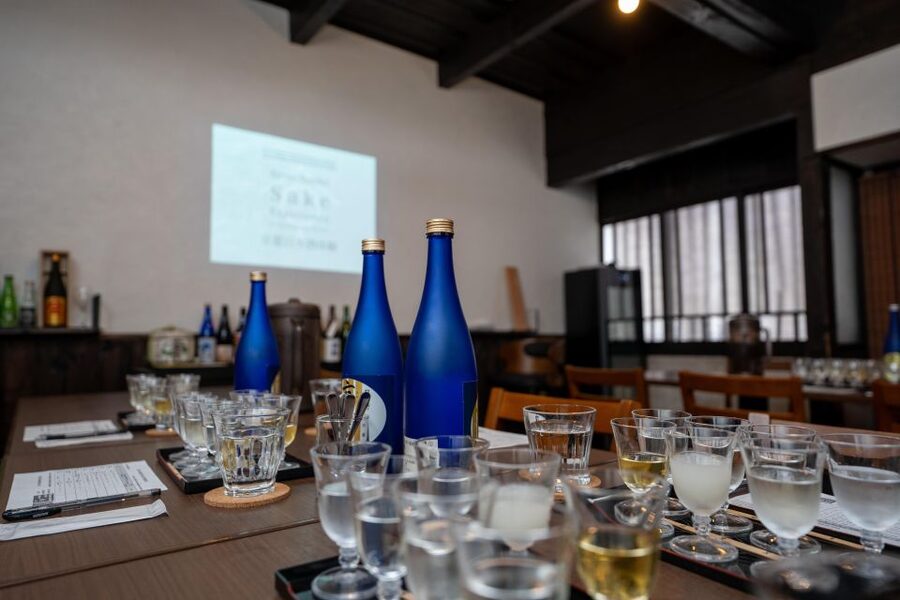
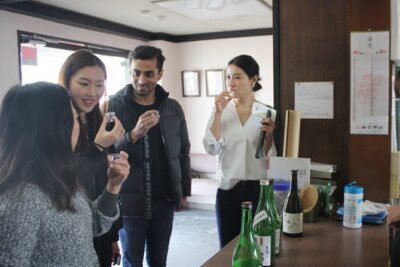
When you arrive, speak with the staff at the counter. The activity takes place in its own dedicated tasting room rather than as a quick stand-up sample at a shop. That setting gives the class a calmer feel and lets the guide control the pace.
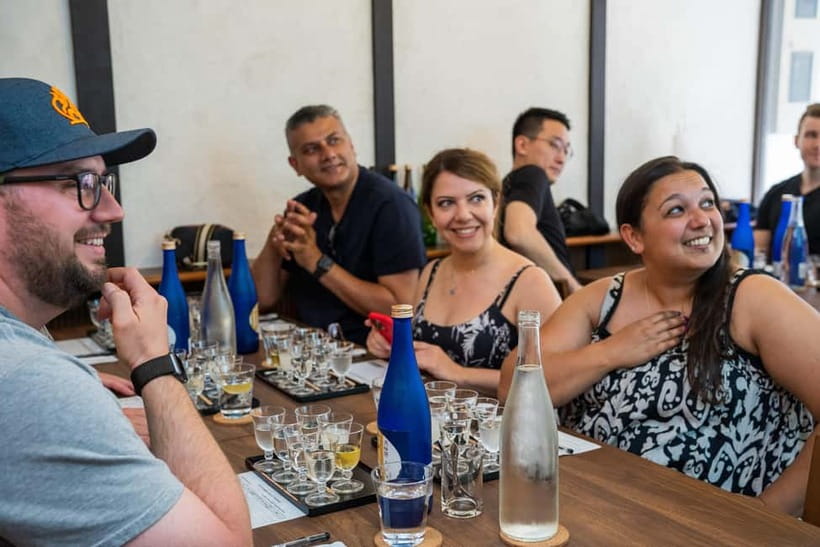
The atmosphere is described as warm, intimate, and easy to follow. One small group had only four people, though group size can vary. A smaller room is useful here because sake tasting works best when you can ask questions and compare impressions without shouting across a crowded bar.
Do not arrive wearing strong fragrance. The rule against powerful scents is practical, not fussy. Aroma is a major part of tasting sake, and perfume or cologne can interfere with what you and the people around you notice.
You also need a reservation for every person joining. Children and non-drinkers cannot simply come along without being booked. This is an organized tasting rather than a casual public demonstration.
The opening lesson: rice, brewing, and flavor
The first part explains how sake is produced. You learn about the ingredients and the brewing process, along with the role of rice polishing. The amount of the rice grain removed affects the style and can change the drink’s aroma and taste.
Some sessions use physical examples of rice refinement, which makes an otherwise abstract point easier to understand. You can see why two bottles made from the same basic ingredient may taste very different.
The explanation also covers regional differences and the terms used on labels. The guides keep the information approachable. Mayo is repeatedly praised for making technical material funny and easy to follow, while Kiyomi is noted for being patient, friendly, and clear. Kotaro is described as a strong teacher who explains the subject without making it feel like a lecture.
This teaching is one of the best reasons to book the experience. Sake can seem mysterious when you only encounter it as a small glass beside a meal. Here, the production choices are connected to what you smell and taste.
Seven tastings, from crisp to fruity
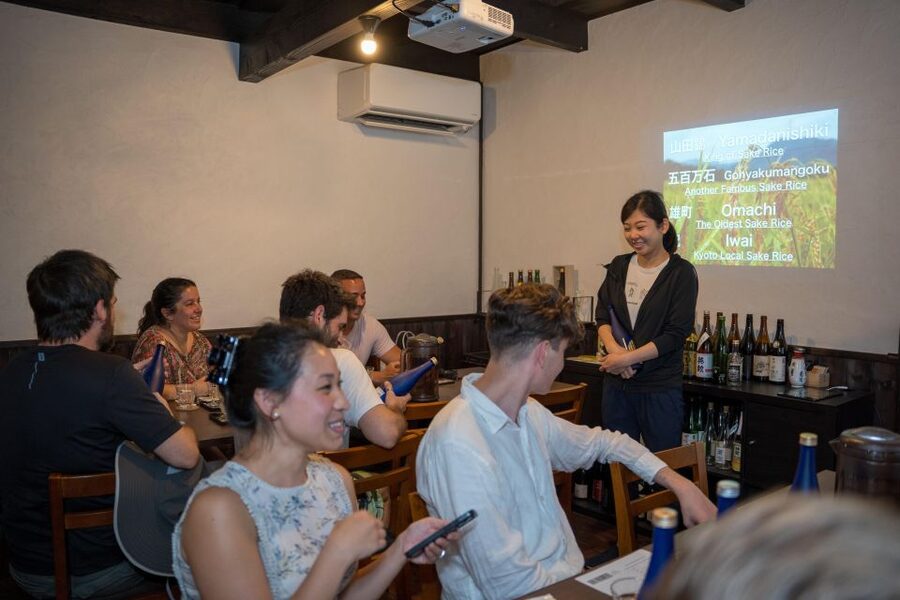
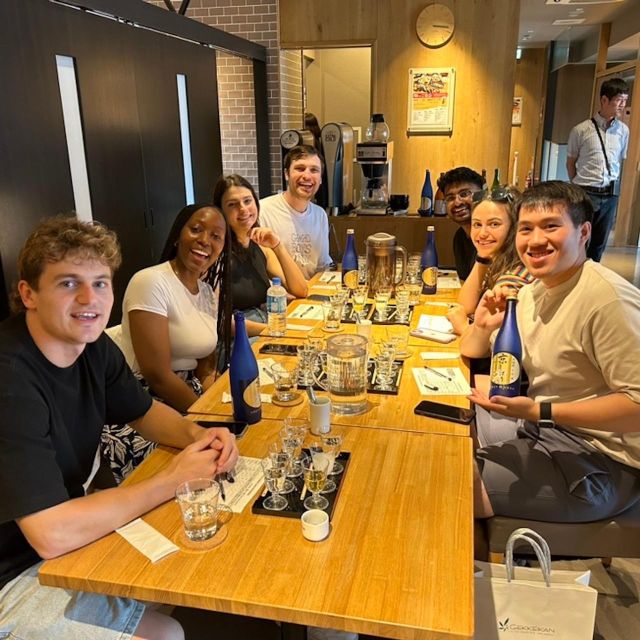
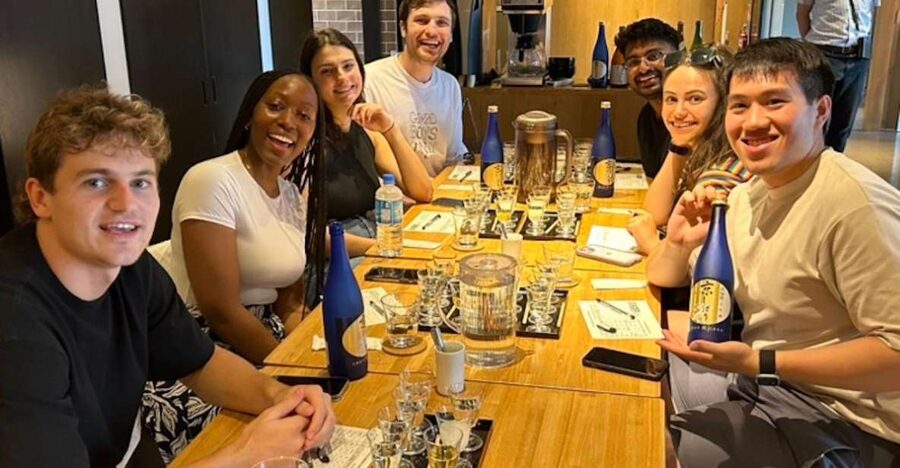
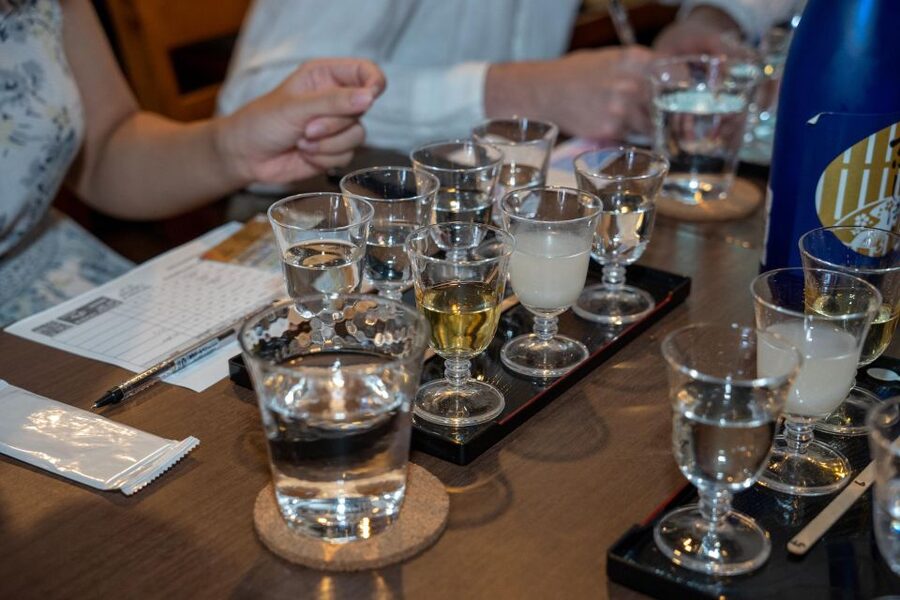
The central part of the session is the flight of seven sake tastings. The exact bottles can change, but the goal is to show a broad range of styles. You may compare dry and crisp examples with sweeter, more aromatic, or fruitier choices.
The useful part is the direct comparison. If you drink one sake by itself and wait several minutes before trying another, it is easy to lose track of what changed. Tasting several styles in one guided session gives your palate a clear reference point.
You receive a tasting note or cheat sheet to record your preferences. Use it. Write down which sake you liked, which one seemed too dry or too sweet, and which bottle worked best with food. This small record can help later when you are looking at a Japanese menu with little English explanation.
The portions are generous enough for serious sampling, but they are still tastings. The activity is not designed to replace lunch or dinner. One useful tip is to eat before arriving, especially if you are not used to drinking several types of alcohol in a short period.
The tasting is not about finding one universally best sake. It is about finding your preference. Some people prefer a clean, dry style. Others like soft sweetness, perfume-like aroma, or a fuller taste. The range helps you identify that preference without buying several bottles first.
A few more sake experiences around Kyoto worth a look
- Kyoto: Insider Sake Brewery Tour with Sake and Food Pairing
★ 5.0 · 704 reviews - Private Tea Ceremony and Sake Tasting in Kyoto Samurai House
★ 5.0 · 163 reviews - Kyoto: Sake Brewery and Tasting Tour in Fushimi
★ 4.8 · 55 reviews - Advanced Kyoto Insider Sake Tasting Experience
★ 5.0 · 44 reviews
Food pairing with otsumami
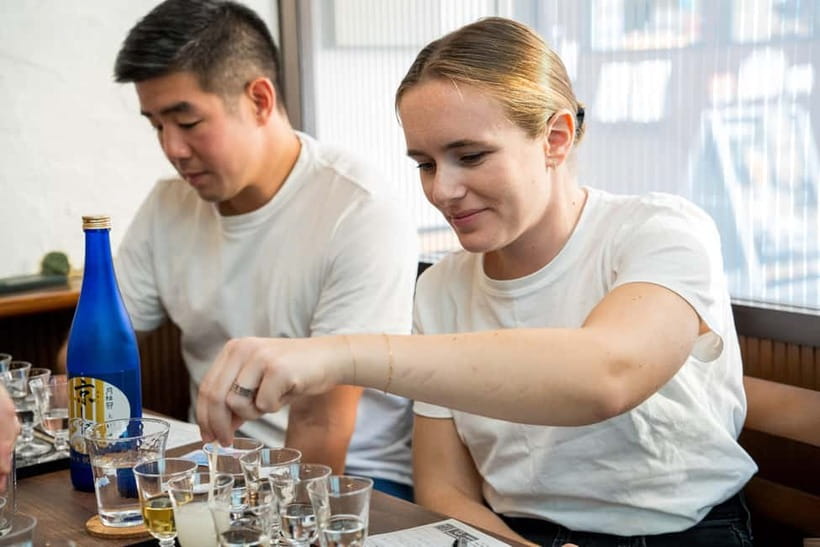
The Japanese appetizers, called otsumami, are more than decoration. You first taste the sake on its own, then try it with food. This shows how salt, sweetness, texture, and seasoning can change your impression of the drink.
That lesson is surprisingly useful. A sake that seems ordinary or too sharp by itself may become much more appealing beside a savory snack. Several participants found that their opinion of certain pours changed after pairing them with food.
The food is still tasting-sized, so do not come expecting a full meal. You get enough to test the pairing idea and to slow down the alcohol, but you should plan dinner separately.
Vegetarian requests have been accommodated successfully, and the replacement snacks have been well received. Still, tell the guide about allergies or food preferences when you arrive. Do not wait until a dish is already in front of you.
The pairing section also helps with future restaurant choices. You learn that sake is not only for sushi. Different styles can work with a range of Japanese foods, and the guide explains when a particular type may be better served with a meal rather than enjoyed alone.
Learning to read a Japanese sake bottle
For many visitors, this is the most practical part of the class. Japanese sake labels contain useful information, but you need to know where to look. The session gives you hands-on practice identifying key details on a bottle.
You learn how production choices affect flavor and how those choices appear on the label. That means you can move beyond asking for something simply good and start describing what you want.
The cheat sheet is valuable after the class. Keep it on your phone or in your day bag when you visit a sake shop. It can remind you which terms relate to your preferred style and help you make a more informed choice.
The lesson also helps at restaurants. If you do not recognize every word on a menu, you will at least have a framework for asking whether a sake is dry, fruity, warm, chilled, or suitable for a particular dish.
This is where the experience earns its place in a Kyoto itinerary. You are not only tasting alcohol for 90 minutes. You are gaining a tool you can use for the rest of your Japan trip.
Hot, cold, and choosing sake with food
Temperature is another useful topic. You learn when sake may be served hot or cold and why the serving temperature can affect the way it tastes.
That matters because ordering sake in Japan does not always mean receiving the same drink experience. Temperature can bring out different aromas and flavors. The guide explains the basic choices in plain language, so you can order with less guesswork.
You also learn about pairing sake with sushi and other foods. The point is not to follow rigid rules. It is to understand that the best choice depends on both the bottle and what you are eating.
This advice is especially helpful if you are new to sake. You do not need to become a sommelier. You only need enough information to say, I prefer something dry and chilled with this meal, or I would like a softer style to drink with snacks.
The guides make the class personal
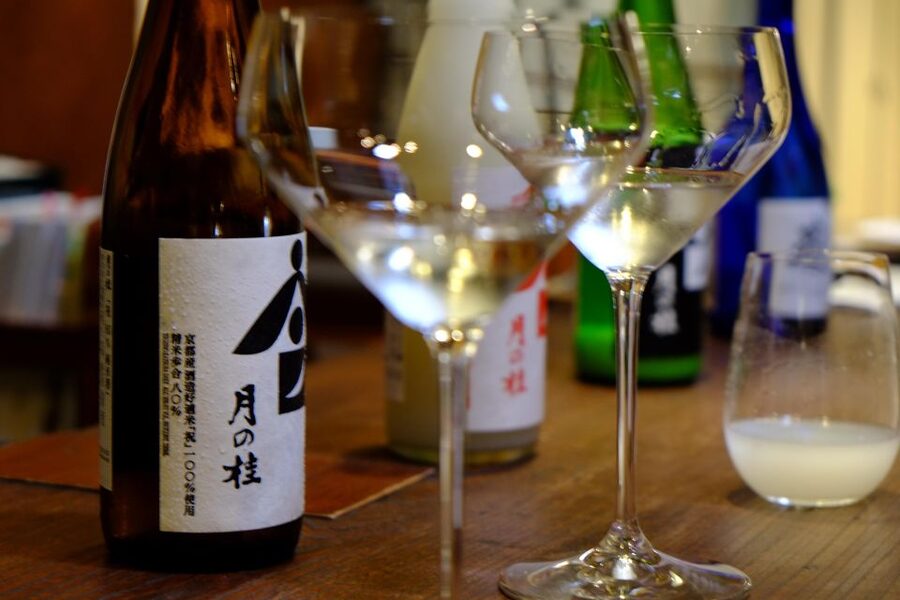
The instructors are a major part of the experience. Names that appear across the sessions include Mayo, Kiyomi, Kotaro, Greg, Shogo, Rieko, Yui, Mai, and Kiyomi. The common thread is enthusiasm, patience, and a talent for explaining sake without burying you in jargon.
Mayo is praised for her humor and energy. Kiyomi is described as warm, patient, and highly engaging. Kotaro is appreciated for his friendly teaching style, while Greg is noted for being thorough and attentive. Shogo’s structured presentation and interactive bottle exercise also received particular praise.
Your guide will vary, so the exact personality and pacing will not be identical each time. That is worth keeping in mind. Still, the teaching format appears designed to welcome first-time drinkers and experienced sake fans alike.
You should feel comfortable asking questions. The class is not a test, and there is no correct answer when deciding which sake you prefer. The best outcome is a clearer sense of your own taste.
Price, timing, and overall value
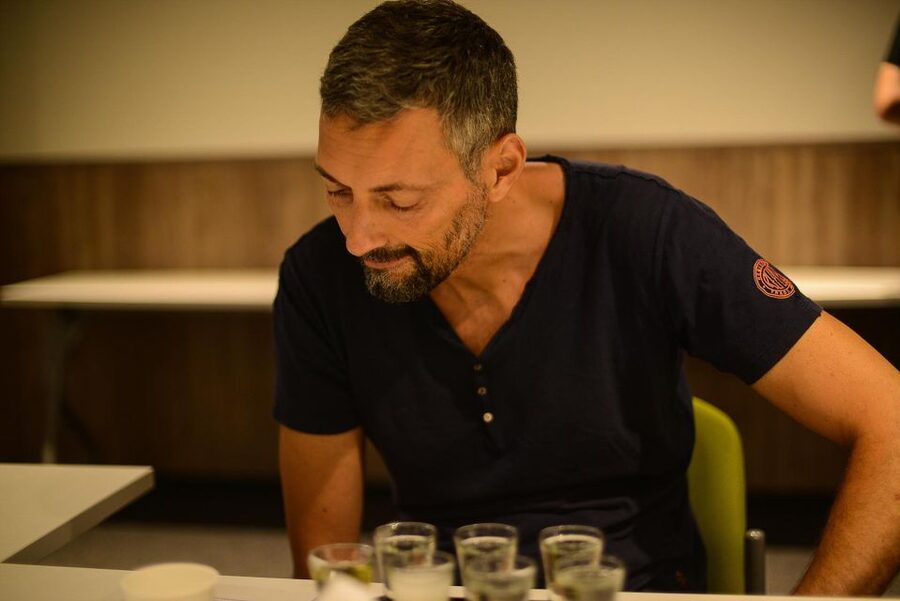
At $66 per person, this is not the cheapest way to drink sake in Kyoto. You could buy a glass or small bottle for less. But that comparison misses the point.
The price includes a certified sake expert, seven tastings selected from more than 10 types, Japanese appetizers, the dedicated room, and the take-home cheat sheet. You are paying for instruction as well as alcohol. The bottle-reading practice and food comparison give the session lasting value that a standard bar visit does not.
The 90-minute format also makes the cost easier to justify. You are not giving up half a day, and you can use what you learn at later meals and shops. If you are already an experienced sake drinker, the introductory material may feel basic. For a first or second sake experience, it is a fair price.
Free cancellation is available up to seven days before the start time. If you are more than 20 minutes late, the booking is canceled, so allow time to find the room and speak with the counter staff.
The activity is conducted in English. There is no transportation or hotel pickup, so you must make your own way there. Most important, do not arrive by car or bicycle if you want to drink. For legal and safety reasons, alcohol will not be served in that situation, and nonalcoholic drinks do not come with a refund.
Who should book this Kyoto sake experience?
I would recommend it most strongly if you fit one of these descriptions:
- You enjoy Japanese food but feel lost when choosing sake.
- You want a structured first introduction rather than a random drink at a bar.
- You like tasting several styles side by side.
- You want practical help reading Japanese labels.
- You are curious about food pairing and serving temperature.
- You prefer a calm indoor activity that fits into a busy sightseeing day.
It is less suitable if you want a full meal, a brewery visit, or a long walk through Kyoto. It is also not recommended for young children, pregnant women, or people under 19. Anyone under 20 receives nonalcoholic drinks because Japan’s legal drinking age is 20.
Should you book it?
Book it if you want to leave Kyoto able to choose sake with confidence. The strongest parts are the clear brewing lesson, the seven-style tasting, the generous food pairing, and the useful cheat sheet.
Skip it if you do not drink alcohol, need a full lunch, or prefer unplanned bar hopping. For most curious adults, though, this is a smart $66 introduction. You will taste widely, learn enough to read a bottle, and gain a better sense of what belongs in your glass at the next Japanese meal.
FAQ
How long does the Kyoto sake experience last?
The experience lasts 90 minutes.
How many sake tastings are included?
The session includes seven sake tastings. More than 10 types are available for selection by the certified sake sommelier.
Is food included?
Yes. Traditional Japanese appetizers called otsumami are included for food pairing. The portions are tasting-sized, not a full meal.
Is the experience held in English?
Yes. The live guide conducts the experience in English.
Can I join if I am under 20?
Guests under 20 are served nonalcoholic drinks only. The activity is not recommended for children, and people under 19 are listed as unsuitable for the experience.
Can I participate if I arrive by car or bicycle?
No alcohol will be served to anyone who arrives by car or bicycle. Nonalcoholic drinks are available, but there is no refund if you cannot take part in the sake tasting.
What happens if I arrive late?
If you are more than 20 minutes late, your booking will be canceled.
Can I request vegetarian food or report an allergy?
You should tell the guide at the site about food preferences or allergies. Vegetarian substitutions have been accommodated for this experience.
Just added around Kyoto
- Kyoto Food and Sake Tour Experience★ 4.0 · 5 reviews
- Nishiki Market, Private Sushi class & Sake Tasting in Townhouse★ 5.0 · 6 reviews
- Experience of pairing sake tasting with snacks in Kyoto★ 5.0 · 4 reviews
- Kyoto Luxury Sake, Whisky and Cocktail Tour★ 5.0 · 4 reviews
- Kyoto: Sake Tasting Journey to Two Iconic Breweries★ 3.0 · 2 reviews
- Fushimi Kyoto Walking Tour with Sake Tasting and Canal Boat Ride★ 4.0 · 5 reviews
- Kyoto: Newly Opened Sake Tasting – Sanjo Chasuian★ 5.0 · 7 reviews
- Kyoto Sake Brewery Tour★ 3.3 · 5 reviews
Sake Tasting, compared.
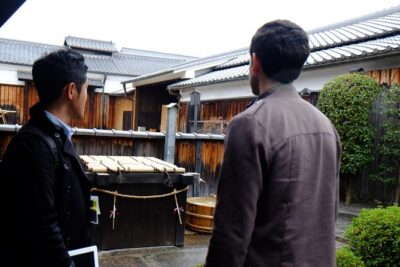
3-Hour Kyoto Insider Sake Brewery Tour with Tastings & Pairings
Read our review →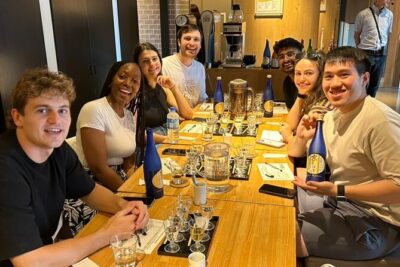
1.5-Hour Kyoto Insider Sake Experience with 7 Tastings & Pairings
Read our review →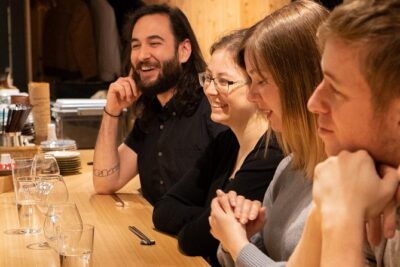
Sake Tasting Masterclass in Shinjuku (8+ Varieties with a Pro)
Read our review →
Sake Omakase in Tokyo: Guided Tasting by Certified Sommeliers
Read our review →
Private Tea Ceremony and Sake Tasting in Kyoto Samurai House
Read our review →
Casual Japanese SAKE tasting and snack experience in Kabukicho
Read our review →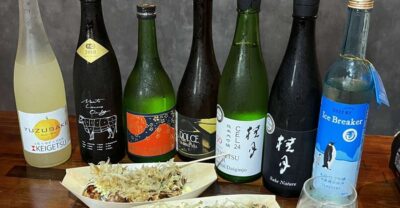
KOBE Sake Tasting Tour at Breweries (tasting fee included)
Read our review →Browse the lists this tour appears in