
REVIEW · KYOTO
Kyoto Sake Brewery Tour
Sake reveals Kyoto one sip at a time. This three-hour outing takes you through Fushimi, one of Japan’s oldest sake-making areas, with several tastings, a local lunch, brewery stories, and time to shop. I like the small group limit of six, which should make it easier to ask questions, and I like that the tour moves beyond a single tasting room to show different sides of the district.
The best parts are the English-speaking guides and the food pairings. Past guides such as Hiroe and Akari received especially warm praise for making the experience friendly and informative. The main caution is value: at $177 per person, this is expensive if you only want to sample sake, especially since the actual brewing areas are closed to visitors and holiday closures can reduce what you see.
Key points to know before booking
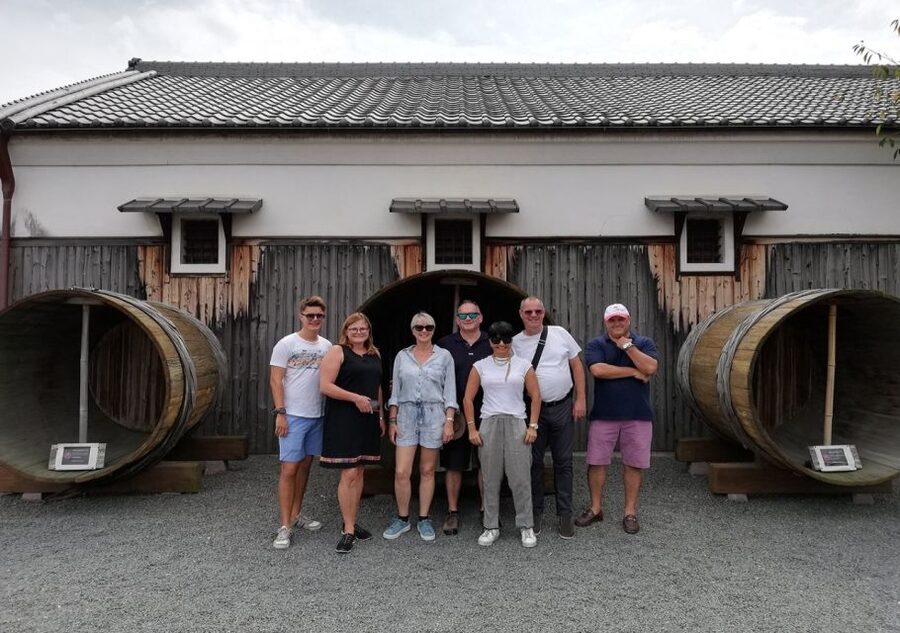
- Fushimi’s water and brewing tradition: You explore a sake district with more than 400 years of brewing history and a strong connection to Kyoto’s food culture.
- Several styles in one afternoon: Tastings can range from crisp to sweet, aromatic, and full-bodied, with one past outing including 18 samples.
- A proper local lunch is included: Food is part of the lesson, showing how sake works with savory dishes rather than treating it as a stand-alone drink.
- Small groups make questions easier: The maximum group size is six, a useful setup for discussing unfamiliar flavors.
- The working breweries remain off-limits: You learn through displays, stories, and explanations rather than watching active production.
- Age rules require care: The information supplied lists both 20 and 21 as the minimum age, so confirm the current rule before paying.
Why Fushimi is the right place for sake
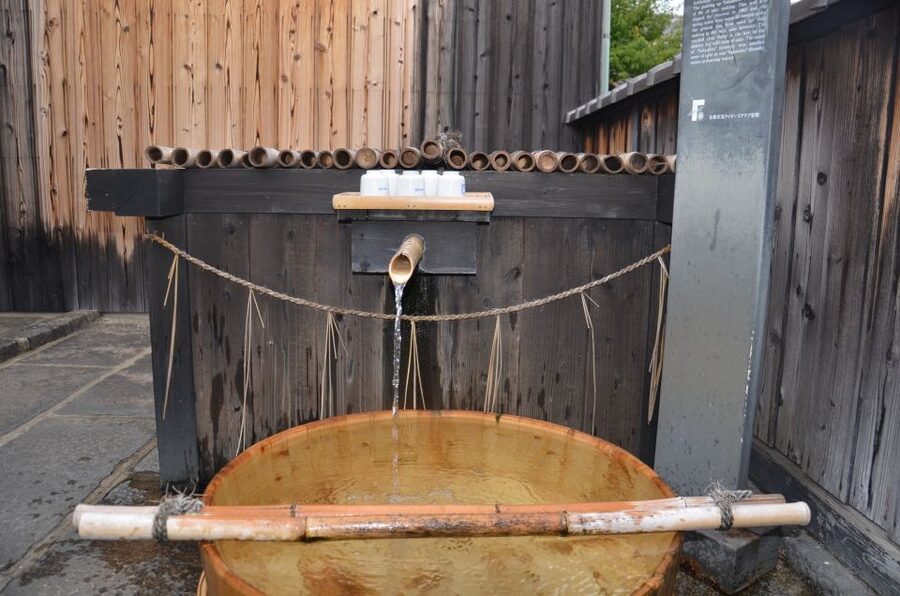
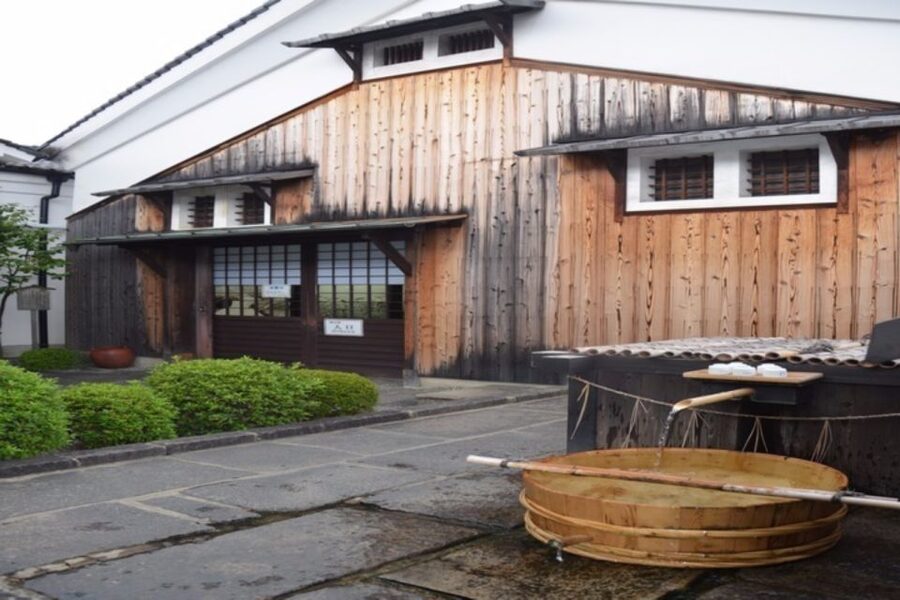
Fushimi is not simply a convenient Kyoto neighborhood with a few tasting rooms. It is one of Japan’s best-known sake districts, shaped by clean water, rice, and generations of brewing skill. The area’s sake tradition reaches back more than four centuries, and the tour uses that setting to explain why this part of southern Kyoto became so important.
You will meet at the front of a SoftBank shop at 4-291-1 Ryogaemachi, Fushimi-ku. The location is close to two useful train stations: Fushimi Momoyama Station on the Keihan Line and Momoyama Goryo Station on the Kintetsu Line. Since hotel pickup is not included, allow time to find the meeting point before the start.
From there, the tour takes you through a mix of older streets, brewery-related sites, tasting rooms, and places to eat. The walking gives the afternoon a sense of place. You are not just sitting at a counter sampling drinks with no idea where they came from.
More Sake Brewery Tours in Kyoto:
- 3-Hour Kyoto Insider Sake Brewery Tour with Tastings & Pairings
★ 5.0 · 917 reviews - Kyoto: Insider Sake Brewery Tour with Sake and Food Pairing
★ 5.0 · 704 reviews - Kyoto Sake Brewery & Tasting Walking Tour
★ 5.0 · 623 reviews
What the three hours usually cover
The exact order can vary, but the experience is built around a simple rhythm: walk, learn, taste, eat, and taste again. Your English-speaking guide explains the district, introduces different sake styles, and helps you connect what is in the glass with the food on your plate.
The group visits both historic and more modern sake locations. Some stops may use displays or museum-style material to explain the brewing process. You can expect to hear about rice preparation, fermentation, water, the brewer’s craft, and the balance between sweetness, acidity, aroma, and umami.
That information matters because sake labels can feel baffling when you are on your own. A guide can point out why one pour feels dry and clean while another is fragrant and round. You also get a chance to ask questions at the moment you are tasting, which is far more useful than reading a general explanation after the fact.
The tour is not a factory-floor visit. For sanitation and brewing-law reasons, the active brewing rooms are closed to guests. You may see displays and hear detailed explanations, but you should not book this expecting to watch workers make sake in real time.
That limitation is worth taking seriously. If your main goal is to see tanks, workers, and each stage of production, this will feel incomplete. If you care more about tasting, local context, and learning how to compare styles, the format makes better sense.
Sake tasting, from crisp to aromatic
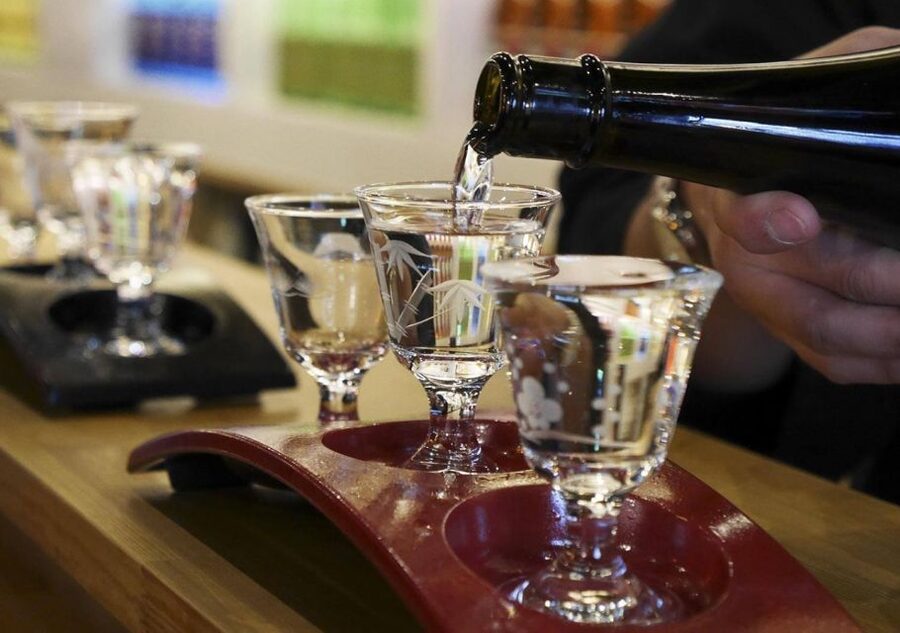
The tastings are the heart of the outing. The description promises several samples, and one particularly generous past experience included 18 sakes. That does not mean every departure will offer exactly 18 pours, so treat it as an example rather than a guarantee.
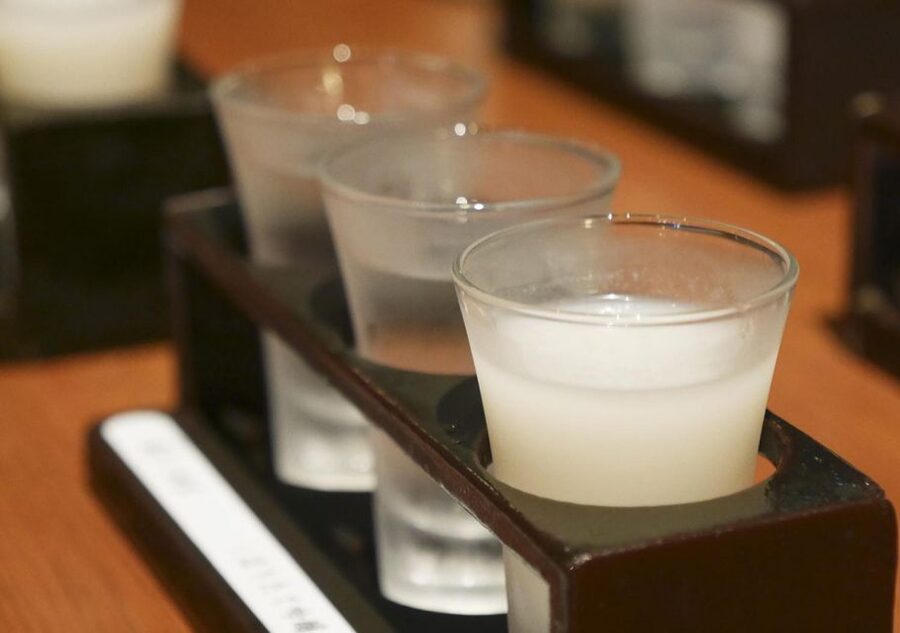
You may encounter sake that is light and dry, sake with more sweetness, and bottles with stronger aromas or a fuller mouthfeel. The point is not to find one correct style. It is to notice how much sake can vary, even when the drink is made from the same basic ingredients.
I recommend paying attention to three things as you taste:
- Aroma: Does it smell floral, fruity, clean, or rice-like?
- Texture: Does it feel light, creamy, smooth, or sharp?
- Finish: Does the flavor disappear quickly, or linger with sweetness and umami?
A guide can help you put those impressions into words. That is where the tour has more value than simply ordering a flight at a restaurant. You are given a framework for choosing sake later in your trip.
Still, the tasting portion needs sensible expectations. If you already know sake well, the explanations may feel basic in places. And if you do not drink much alcohol, the number of samples may become tiring. Eat the included lunch, pace yourself, and remember that additional drinks are not included.
Lunch is more than a break
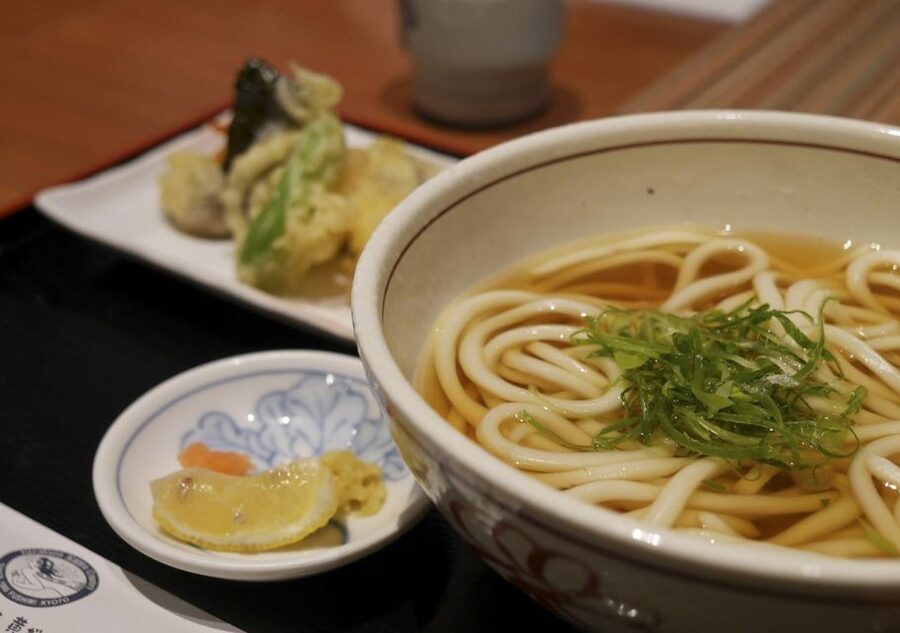
The included local lunch gives the tour a practical food angle. Sake is deeply tied to Japanese dining, and tasting it with food shows why the drink is not limited to a formal toast.
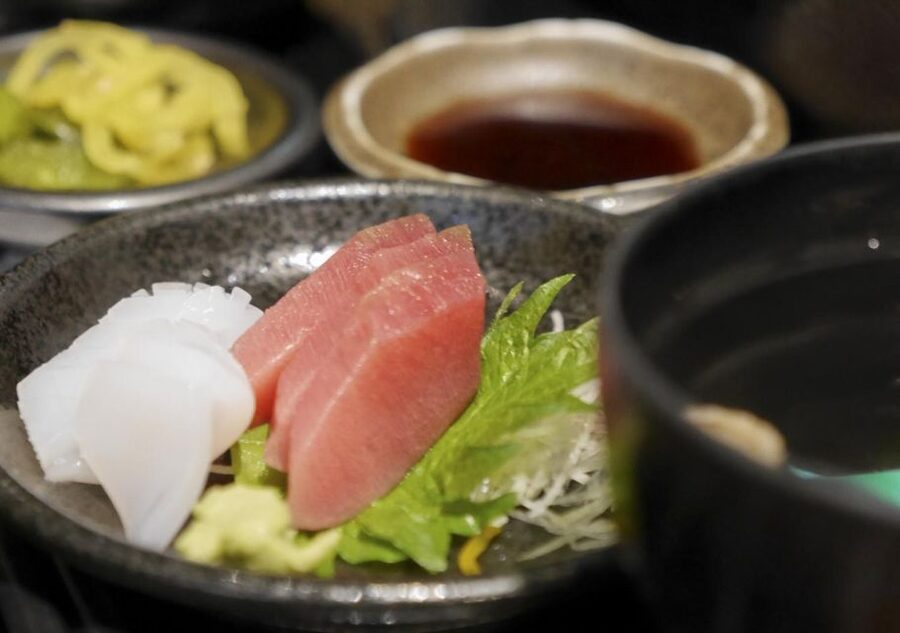
You will eat in a restaurant setting, with dishes selected to work alongside the sake. The pairing can reveal how acidity cuts through richer food, how sweetness works with salty flavors, and how umami in both the drink and the dish can reinforce itself.
A past experience praised the lunch before moving on to another round of tastings. That order is sensible. Food gives you a pause and helps keep the afternoon comfortable, especially if you are sampling several styles.
Specific dishes are not provided, and menus can change. If you have dietary restrictions, tell the supplier when booking. Do not assume the restaurant can adjust everything on the spot.
A few more sake experiences around Kyoto worth a look
- 1.5-Hour Kyoto Insider Sake Experience with 7 Tastings & Pairings
★ 5.0 · 297 reviews - Kyoto: Insider Sake Experience with 7 Tastings and Snacks
★ 5.0 · 266 reviews - Private Tea Ceremony and Sake Tasting in Kyoto Samurai House
★ 5.0 · 163 reviews - Kyoto: Sake Brewery and Tasting Tour in Fushimi
★ 4.8 · 55 reviews
The guide can shape the whole afternoon
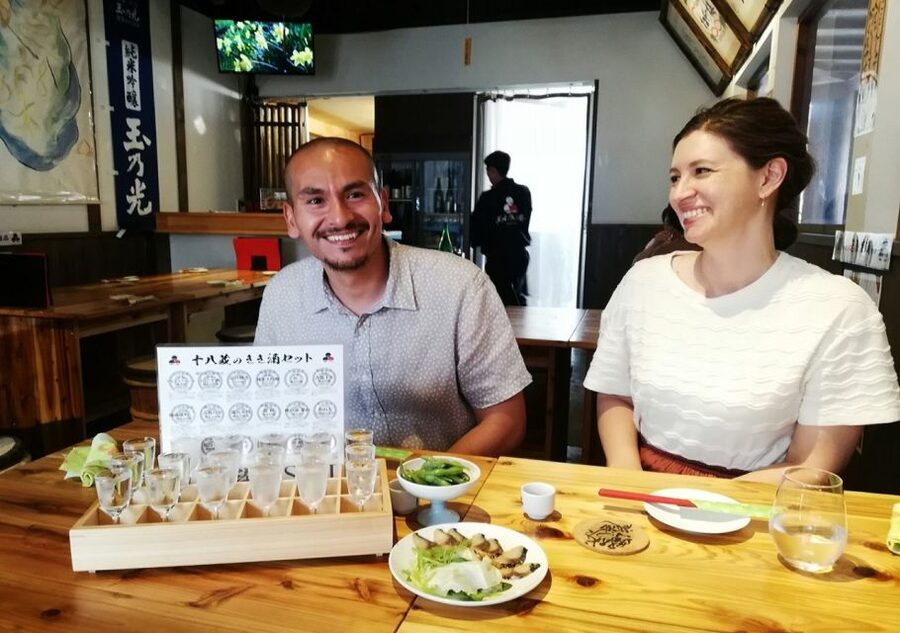
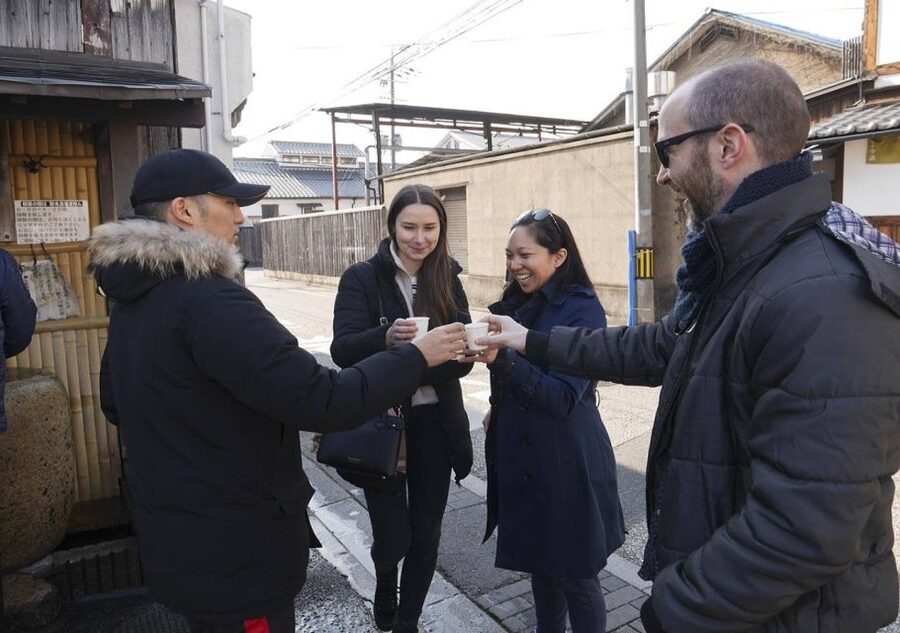
A small group is one of the strongest features here. With no more than six participants, the guide has a better chance to answer individual questions and keep the tasting from turning into a rushed lecture.
Guide quality matters greatly on a subject like sake. Past guides named Hiroe and Akari were praised for being friendly, clear, and engaging. One outing with Hiroe combined a brewery visit, lunch, and a large tasting session. Another, led by Akari, included a sake museum and multiple tasting locations during a longer five-hour experience.
Those examples also show that timing and stops can vary. The advertised tour lasts three hours, so do not assume the longer five-hour format will apply to your departure. The exact brewery, museum access, or tasting venue may depend on the day.
A good guide should help you get more from the neighborhood than you could get alone. You can certainly order sake by yourself at a Kyoto restaurant. What you are paying for here is the local escort, the explanations, the arranged tastings, the lunch, and the chance to move between places without having to plan the sequence.
The museum and holiday problem
One of the biggest practical warnings concerns opening dates. A late-December outing found factories and museums closed for the holidays, leaving the group with fewer historical and brewing-focused activities than expected. The experience then felt like two sake flights that could have been arranged independently at a restaurant.
That is not a small issue at this price. If you are visiting around New Year, check whether the planned museums, breweries, and tasting rooms will be operating. Ask the supplier what will happen if a scheduled stop is closed.
Season can matter too. A summer outing raised the hope of seeing an actual step in the brewing process, though that was not possible. Since working areas are generally restricted and production timing varies, the safest expectation is a guided explanation rather than a live demonstration.
The tour is at its best when the district’s sites, guide, lunch, and tastings all work together. It is weaker when closures leave only the drinking portion.
Is $177 per person good value?
At $177, this is not a casual, budget-friendly tasting. You need to decide what kind of afternoon you want.
The price includes:
- A three-hour guided visit in Fushimi
- An English-speaking local guide
- Several sake tastings
- Lunch at a restaurant
- Shopping time
It does not include hotel transportation, extra food, or additional drinks. You also need to pay your own way to the meeting point.
I think the price can make sense for visitors who want structure. You avoid the work of finding several sake stops, arranging food, and trying to understand Japanese labels without help. The small group and personal guidance add value, particularly if sake is unfamiliar to you.
I would hesitate if you are mainly seeking quantity. You can buy sake at restaurants or shops for much less than $177, and the closed brewing areas reduce the sightseeing portion. The price also becomes harder to justify if your date falls during a holiday closure.
The strongest value comes when you treat this as a cultural food experience, not a bar crawl. You are paying for the setting, the interpretation, the lunch, and the chance to compare a broad range of styles in one organized afternoon.
Getting there and preparing well
The meeting point is at the SoftBank shop at 4-291-1 Ryogaemachi, Fushimi-ku, Kyoto. You can reach it from Fushimi Momoyama Station on the Keihan Line or Momoyama Goryo Station on the Kintetsu Line.
Bring your passport. The supplier also requires a passport copy for children aged 10 and older. Children must be accompanied by an adult, and unaccompanied minors are not allowed.
The age information deserves special attention. One part of the tour details says all group members must be at least 20 because of legal restrictions at some stops. Another section says the minimum drinking age is 21. Since those statements do not match, confirm the current requirement directly before booking. This is particularly important for mixed-age groups.
A minimum of two people is required per booking. The tour is offered in English, and cancellation is free up to 24 hours before the start for a full refund. You can also reserve now and pay later, which helps if your Kyoto schedule is still shifting.
Who should book this Fushimi experience?
I would recommend it to a first-time sake drinker who wants help understanding what is in the glass. It also suits food-focused visitors who like the idea of pairing local dishes with several styles rather than stopping at one tasting.
The small group works well for couples, friends, and solo visitors who prefer a social outing with a guide. The tour also gives you a useful introduction before you visit sake shops or restaurants on your own.
I would be more cautious if you are a serious brewing enthusiast. The lack of access to working production rooms may disappoint you, and the content can depend on which sites are open.
It is also not ideal for anyone who does not drink alcohol, dislikes walking between stops, or wants a relaxed day with no fixed schedule. The tour packs food, walking, explanations, and multiple tastings into three hours.
Should you book the Kyoto Sake Brewery Tour?
Book it if you want a guided introduction to Fushimi, value a small group, and enjoy learning through food and tasting. The best parts are the range of sake, the included lunch, and the chance to ask an English-speaking guide about flavors that are hard to decode alone.
Think twice if your main goal is to see active brewing or if you will visit during a major holiday. At $177, the day needs its museums, tasting rooms, guide, and lunch to come together. Confirm the stops, age rule, and holiday opening hours before you commit.
For the right visitor, this is a pleasant way to connect Kyoto’s streets, cuisine, and sake traditions. Just keep your expectations honest: it is a guided tasting and food tour with brewing context, not a behind-the-scenes factory visit.
FAQ
How long is the Kyoto Sake Brewery Tour?
The advertised duration is three hours. A past experience had a longer five-hour format, but you should plan around the stated three-hour duration for this tour.
Where does the tour meet?
It meets at the front of the SoftBank shop at 4-291-1 Ryogaemachi, Fushimi-ku, Kyoto-shi, Kyoto-fu, Japan, 612-8082.
How can I reach the meeting point?
You can take the Keihan Train Line to Fushimi Momoyama Station or the Kintetsu Line to Momoyama Goryo Station.
Is lunch included?
Yes. A local lunch at a restaurant is included. Additional food or drinks are not included, though you can purchase them at your own expense.
How many sake tastings are included?
Several sake tastings are included. The exact number is not fixed in the supplied details, though one past outing included 18 samples.
Can I see the actual sake brewing areas?
No. Due to sanitation and brewing laws in Japan, the active brewing areas are not open to visitors. You will learn about the process through explanations, displays, and storytelling.
What is the minimum drinking age?
The supplied information gives two different age requirements: 20 years old for some tour stops and 21 as the minimum drinking age. Confirm the current rule with the supplier before booking.
Do I need to bring a passport?
Yes. You should bring your passport. A passport copy is also required for children aged 10 and older.
Just added around Kyoto
- Nishiki Market, Private Sushi class & Sake Tasting in Townhouse★ 5.0 · 6 reviews
- Kyoto Food and Sake Tour Experience★ 4.0 · 5 reviews
- Kyoto: Sake Tasting Journey to Two Iconic Breweries★ 3.0 · 2 reviews
- Experience of pairing sake tasting with snacks in Kyoto★ 5.0 · 4 reviews
- Kyoto Luxury Sake, Whisky and Cocktail Tour★ 5.0 · 4 reviews
- Fushimi Kyoto Walking Tour with Sake Tasting and Canal Boat Ride★ 4.0 · 5 reviews
- Kyoto: Newly Opened Sake Tasting – Sanjo Chasuian★ 5.0 · 7 reviews
- Private Pewter Sake Cup Experience with a Kyoto Artisan★ 5.0 · 2 reviews
Sake Brewery Tours, compared.
3-Hour Kyoto Insider Sake Brewery Tour with Tastings & Pairings
Read our review →
Insider Sake Brewery Tour with Sake and Food Pairing
Read our review →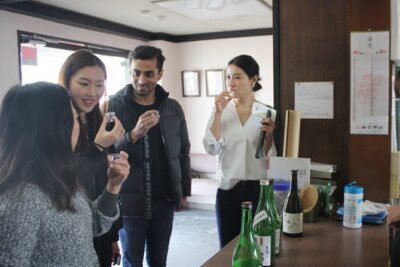
KOBE Sake Tasting Tour at Breweries (tasting fee included)
Read our review →
Hiroshima Saijo Sake Tasting Tour with visit to 7 Breweries
Read our review →
Private Sake Brewery Visit and Tasting Tour in Hida
Read our review →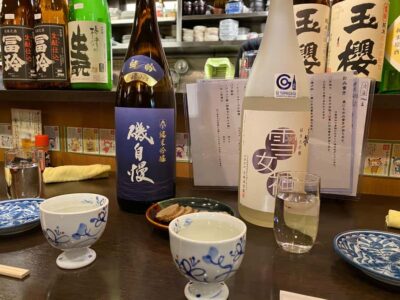
Browse the lists this tour appears in