
REVIEW · KYOTO
Private Pewter Sake Cup Experience with a Kyoto Artisan
Make your own drinking vessel in Kyoto. This 150-minute private workshop takes you into the working studio of Craft Gallery SALUK, where a pewtersmith guides you through hammering, shaping, and finishing a small Japanese sake cup. I like the quiet, hands-on format, and I like that your finished piece comes in a paulownia wood box rather than a disposable souvenir bag.
The session is limited to four people, so you get real attention instead of being lost in a crowd. I also appreciate that beginners can add initials, numbers, or a date at no extra charge. The main consideration is location: the workshop is outside central Kyoto, and the finished cup is compact, holding about 90 milliliters, or 115 milliliters to the rim.
Key Points At A Glance
- Small private class: Sessions are limited to four people, making it easier to ask questions and work at a calm pace.
- Real metalworking: You hammer a pattern, file the cup’s height, and smooth the rim under close instruction.
- A personal keepsake: Add letters, numbers, initials, or a date to the base without an added fee.
- A working studio visit: You get to see the pewtersmith’s workshop, an area normally closed to the public.
- Easy rail access: The studio is an eight-minute walk from Ichihara or Ninose Station on the Eizan Railway.
- Finished for you safely: The artisan handles rotary-machine polishing, then places the cup in a traditional paulownia box.
Why This Kyoto Craft Session Is Worth Your Time
Kyoto offers plenty of temples, gardens, and food stops. This experience gives you something different: two and a half hours spent making a useful object with your hands. You are not just looking at Japanese craft behind glass. You are taking part in a small piece of it.
The workshop is led by the owner of Craft Gallery SALUK, a skilled pewtersmith who works directly with each person. If Kanako is leading your session, expect a patient instructor with a warm manner and careful attention to small details. Her guidance has been praised for making the work comfortable for people with different levels of experience.
I especially like the balance between instruction and freedom. You are given a prepared pewter cup, so you do not need to start with raw metal or learn an entire trade in one afternoon. At the same time, you make visible choices about the hammer pattern, engraving, cup height, and rim.
The price is $148 per person. That is not a casual souvenir price, but it covers a private class, all materials, tool use, personal instruction, the metalworking session, the final polish, and the wood box. You also leave with an object you made yourself, not a factory-made trinket selected from a shelf.
For a couple or a small group, the price makes more sense because the session becomes a shared activity. Solo visitors may value the one-on-one attention even more. If you are mainly looking for a low-cost introduction to Kyoto, this is expensive. If you want a lasting craft experience and a useful keepsake, the value is much stronger.
More Private Tours in Kyoto:
- Private Tea Ceremony and Sake Tasting in Kyoto Samurai House
★ 5.0 · 163 reviews - Private Sake Tasting in Central Kyoto with Sake Sommelier
★ 5.0 · 32 reviews - Private Pewter Sake Cup Experience with a Kyoto Artisan
★ 5.0 · 31 reviews
Getting To Craft Gallery SALUK By Rail
Craft Gallery SALUK is at 35-2 Shizuichinonakacho in Sakyo Ward, Kyoto. The workshop is about an eight-minute walk from either Ichihara Station or Ninose Station on the Eizan Railway.
Ninose Station offers a pleasant extra touch. The stretch between Ichihara and Ninose is known for the Tunnel of Autumn Leaves, so an autumn visit can turn the train ride into part of the outing. The activity itself is not a sightseeing tour, and the studio is not in Kyoto’s central temple district, so allow enough time for the rail journey and walk.
The meeting point is across from Cafe & Bar Ayahana. This is a useful landmark, especially if you are reading directions on your phone. The workshop ends at the same place, so you do not need to arrange a separate return transfer.
Plan to arrive on time. If you expect to be more than 10 minutes late, contact the workshop. A craft session depends on a set sequence, and arriving late can cut into your time with the artisan.
Entering A Working Pewter Workshop
One of the best parts of this activity is seeing the workshop itself. It is normally closed to the public, so you get a look at the setting where the artisan works rather than only a polished retail display.
Pewter has been used in Japanese culture since the eighth century, first by nobles and temples. From the seventeenth century, it became more common in household items, including sake and tea utensils. That background helps explain why a small cup can carry more meaning than its size suggests.
You will hear the traditional belief that sake tastes smoother when served from pewter. You can test that claim at home with your finished cup, but the more certain benefit is the connection between the material and Japanese table culture.
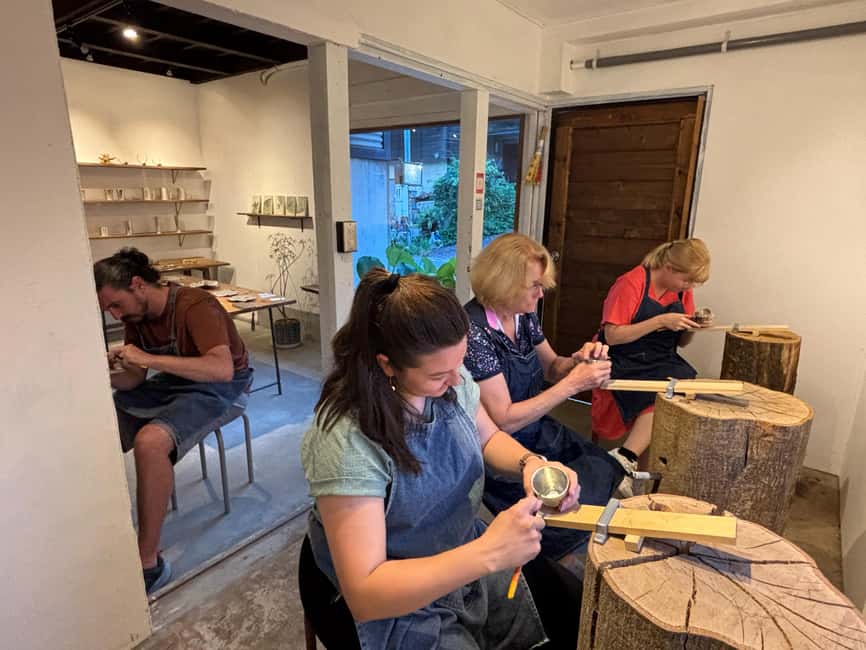
The workshop setting also makes the activity feel personal. With no more than four people, the artisan can watch how you hold the hammer, answer questions, and help you correct the shape before a small mistake becomes a large one. This is a better arrangement for hands-on work than a large class where everyone follows instructions from across a room.
Hammering Your Pattern Into The Cup
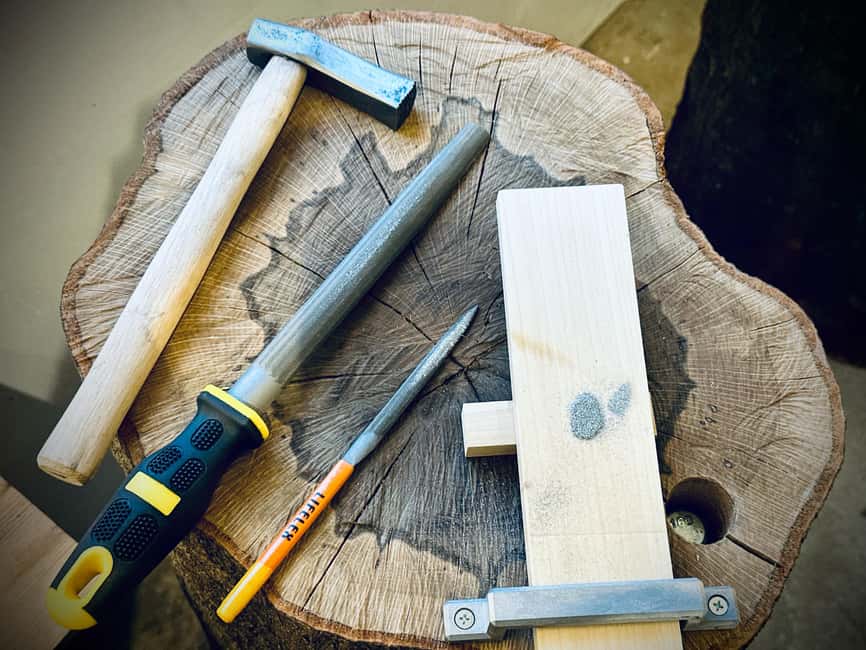
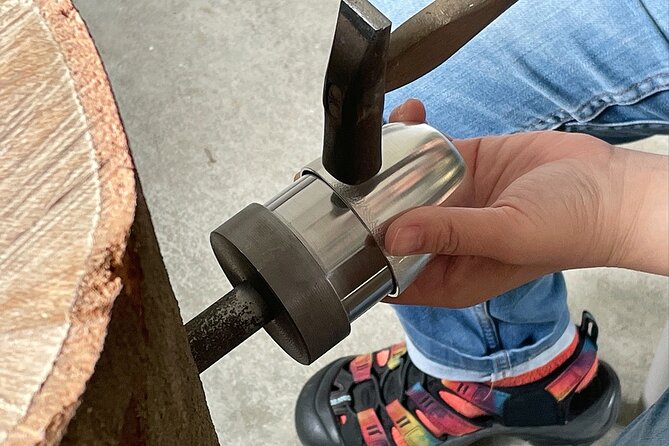
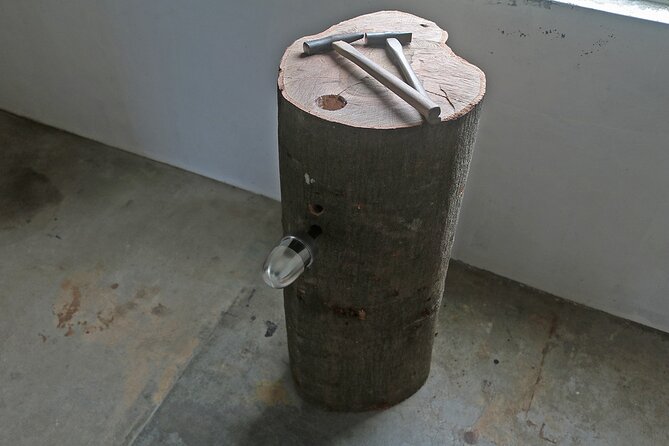
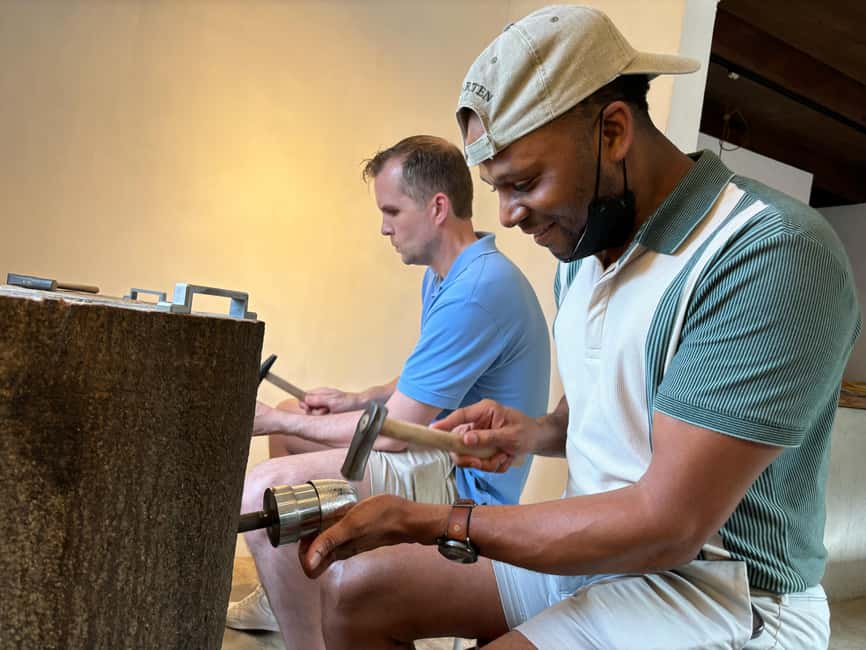
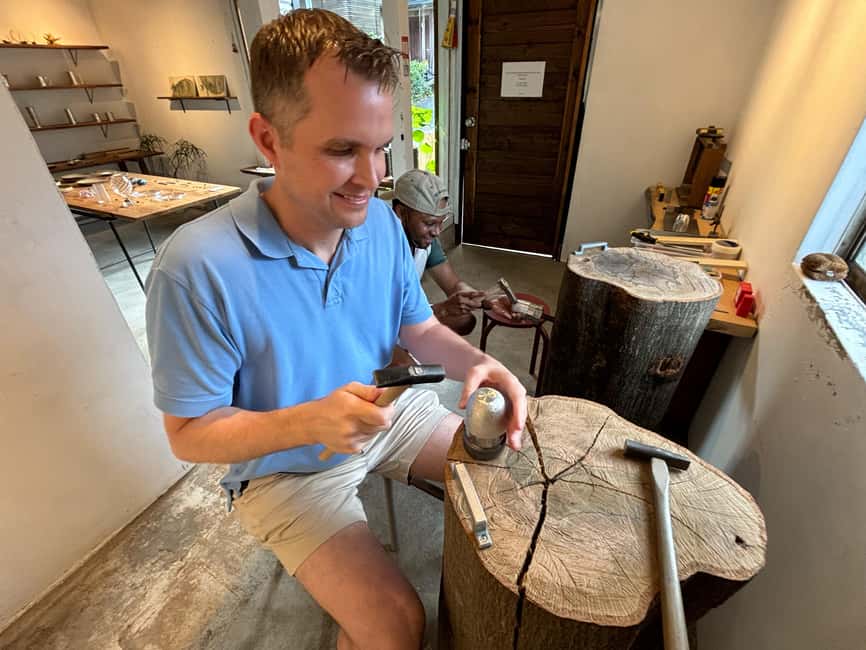
The cup is prepared before you begin. Your first major task is to use a hammer to emboss a pattern into the pewter. You can select the hammer that feels best to you, then create a surface design through repeated strikes.
This part is accessible to beginners, but it still requires care. The force and angle of each strike affect the final texture. You do not need prior metalworking experience, yet you should listen closely to the artisan’s instructions and work patiently rather than trying to finish quickly.
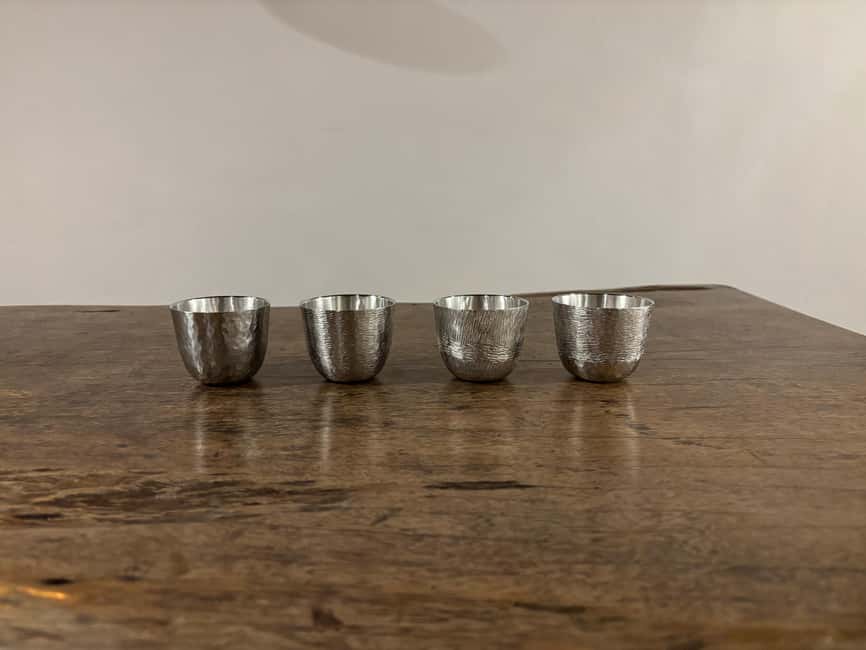
The marks will not look perfectly machine-made, and that is part of the point. Your cup becomes personal through the small variations in the pattern. The result is a useful reminder of your time in Kyoto, with evidence of your own hand in the surface.
You may also add letters, numbers, initials, or a date to the base at no extra charge. A date can mark a first trip to Japan, while initials can make the cup feel more like a personal possession. If you are making the cup as a gift, this option gives it a clear connection to the person receiving it.
A few more sake experiences around Kyoto worth a look
- 3-Hour Kyoto Insider Sake Brewery Tour with Tastings & Pairings
★ 5.0 · 917 reviews - Kyoto: Insider Sake Brewery Tour with Sake and Food Pairing
★ 5.0 · 704 reviews - Kyoto Sake Brewery & Tasting Walking Tour
★ 5.0 · 623 reviews - 1.5-Hour Kyoto Insider Sake Experience with 7 Tastings & Pairings
★ 5.0 · 297 reviews
Filing The Height And Smoothing The Rim
After the pattern is in place, you adjust the height of the cup with a file. This is a practical step, not just decoration. It lets you take part in shaping the proportions of the finished piece.
You also chamfer the rim, creating a smoother and more comfortable edge for drinking. These are the details that make the activity feel like actual metalworking. You are not simply decorating a ready-made cup. You are helping refine its final form.
The artisan handles the last polishing stage with a rotary machine. This is done for safety, and it is a sensible limit on the hands-on portion. You still do enough work to feel responsible for the object, while the most hazardous finishing step remains with the professional.
The process makes this suitable for people who want to try craft work without committing to a long course. You get a clear beginning, middle, and end within one session. The work has substance, but the afternoon does not require specialist training.
What The Finished Cup Is Like
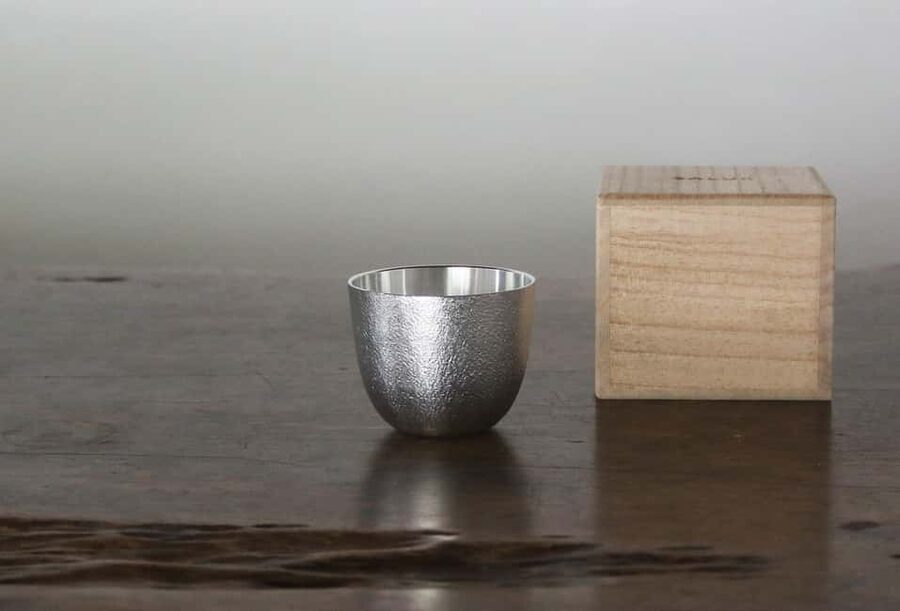
The completed cup measures about 64 millimeters in diameter and 53 millimeters in height. It holds roughly 90 milliliters, with a maximum capacity of about 115 milliliters to the rim.
That is a small serving size by many modern standards. For sake, the size is appropriate, especially if you prefer tasting small pours rather than filling a large glass. The cup can also be used for whiskey or chilled green tea, giving it more life than a souvenir that sits on a shelf.
Pewter has a soft, understated appearance. The hammered surface gives the cup texture, while the shape remains simple enough for regular use. Since each participant controls the pattern and can add an inscription, no two finished cups should feel exactly the same.
The cup is packed in a traditional paulownia wood box. This protects it during the journey home and gives the finished piece a proper presentation. The box also makes the cup suitable as a gift, although you should remember that the item is still small and delicate enough to deserve careful packing in your luggage.
The Right Pace For A 150-Minute Session
Two and a half hours is enough time to work without rushing. You can listen to the explanation, practice your hammering, complete the filing, and watch the artisan handle the final polishing.
The small class size matters here. A private group of up to four people creates room for each person to work at a different speed. One member of a couple may want to spend longer on the pattern, while another may prefer to move on. Personal instruction helps keep both people involved.
The session is offered in English and Japanese. That makes the activity practical for international visitors, though metalworking still depends partly on watching demonstrations and following physical instructions. Pay close attention when the artisan shows you how to use each tool.
The class is open to solo visitors, couples, and small groups. Children under six cannot take part. Older children may need to follow instructions carefully, especially around hammers and filing tools, so this is best for young participants who can work calmly and safely.
Clothes, Safety, And Comfort
Aprons are supplied, but wear clothes that can get a little dirty. Metalworking can leave marks, and an apron may not cover every part of your outfit. Comfortable clothing also makes it easier to concentrate on the work.
Safety depends on following the artisan’s instructions. The workshop does not accept people who are heavily intoxicated or under the influence of drugs. Anyone who ignores the craftsman’s directions is responsible for injuries caused by that choice.
The rotary machine is kept in the artisan’s hands, which reduces the risk during the final stage. You handle the more controlled parts of the process, including hammering, filing, and smoothing the rim.
This is not a passive demonstration. You should expect to use tools and stay engaged for much of the session. That is exactly what makes it satisfying, but it may not suit someone looking for a purely relaxed cultural talk.
Who Will Get The Most From This Experience
I would recommend this workshop to anyone who likes useful souvenirs, small classes, and activities with a clear personal result. It works especially well for:
- Couples who want a shared keepsake from Kyoto
- Solo visitors who appreciate close instruction
- Friends or family groups of up to four people
- Anyone curious about Japanese metal craft
- Visitors who prefer making something over buying another souvenir
- People looking for a thoughtful gift with a personal inscription
It is less suitable if your Kyoto schedule is packed with central-city sights and you do not want to spend time reaching Sakyo Ward. It may also disappoint you if you expect to complete every stage of the finishing process yourself. The artisan handles rotary polishing for safety.
The cup’s small size is another point to consider. It is ideal for sake, whiskey, and chilled green tea, but it is not a general-purpose tumbler. Know what you are buying: this is a compact drinking cup with a traditional use, not a large everyday mug.
What The Strong Praise Tells You
The most consistent praise centers on the human side of the experience. Kanako is described as kind, generous with her time, and attentive to detail. That matters because a craft class can quickly become frustrating if the instructor moves too fast or leaves beginners unsure about the tools.
The comments also point to the quality of the finished object. You can make a beautiful piece in one sitting, and the cup is sturdy enough to become something you treasure and use. The value comes from the combination of a real handmade result and the memory attached to making it.
The warm hospitality is another reason to choose this over a larger class. You are spending time in the artisan’s own work setting, with space for conversation and questions. The experience has a personal character that a quick demonstration followed by a shop visit may not provide.
Since only two ratings are available, I would keep the praise in proportion. The feedback is very positive, but it is a small sample. Still, both accounts point to the same strengths: patient instruction, careful finishing, and an enjoyable session for people at different skill levels.
Booking Value And Practical Flexibility
At $148 per person, this is a premium activity. The cost is easier to justify if you count the cup, the instruction, the private group setting, the materials, the tools, and the paulownia box as one package.
You can reserve now and pay later, which helps if you are still arranging a Kyoto schedule. Free cancellation is available up to 24 hours in advance for a full refund. Starting times vary, so check availability before planning a meal or rail connection afterward.
I would place this on a day when you can enjoy the Eizan Railway route rather than treating it as an inconvenient detour. The autumn foliage stretch near Ninose is a useful bonus in the right season, though the workshop itself remains the main reason to make the trip.
Should You Book This Pewter Cup Workshop?
Book it if you want a calm, personal activity that leaves you with something useful. The small group size, patient instruction, optional engraving, and traditional box give the $148 price real substance.
Skip it if you want a short central Kyoto stop, a large finished vessel, or a demonstration with no hands-on work. For everyone else, this is a thoughtful way to spend an afternoon: you learn a little about pewter in Japan, work beside an artisan, and return home with a cup that carries your own marks.
FAQ
Where does the pewter sake cup workshop take place?
It takes place at Craft Gallery SALUK, 35-2 Shizuichinonakacho, Sakyo Ward, Kyoto, 601-1122, Japan.
How do I reach Craft Gallery SALUK?
The studio is an eight-minute walk from Ichihara or Ninose Station on the Eizan Railway. It is across from Cafe & Bar Ayahana.
How long does the experience last?
The workshop lasts 150 minutes, or two and a half hours.
How many people can join a session?
The private group is limited to a maximum of four people.
Is previous metalworking experience required?
No. The workshop is suitable for beginners, and the artisan provides instruction and guidance throughout the process.
What can I do during the workshop?
You hammer a pattern into a prepared pewter cup, adjust its height with a file, and chamfer the rim. You can also add letters, numbers, initials, or a date to the base.
Who handles the final polishing?
The pewter artisan completes the final polishing with a rotary machine for safety.
What size is the finished cup?
The cup measures approximately 64 millimeters in diameter and 53 millimeters in height. It holds about 90 milliliters, or up to 115 milliliters when filled to the rim.
What is included with the finished cup?
Your cup comes in a traditional paulownia wood box. Materials, tools, instruction, and the metalworking session are included.
Can children take part?
Children under six cannot participate. The workshop is available in English and Japanese, and all participants must follow the artisan’s safety instructions.
What should I wear?
Aprons are provided, but you should wear clothes that can get a little dirty.
What happens if I need to cancel?
You can cancel up to 24 hours in advance for a full refund. You can also reserve now and pay later.
Just added around Kyoto
- Nishiki Market, Private Sushi class & Sake Tasting in Townhouse★ 5.0 · 6 reviews
- Kyoto Food and Sake Tour Experience★ 4.0 · 5 reviews
- Experience of pairing sake tasting with snacks in Kyoto★ 5.0 · 4 reviews
- Kyoto Luxury Sake, Whisky and Cocktail Tour★ 5.0 · 4 reviews
- Kyoto: Sake Tasting Journey to Two Iconic Breweries★ 3.0 · 2 reviews
- Fushimi Kyoto Walking Tour with Sake Tasting and Canal Boat Ride★ 4.0 · 5 reviews
- Kyoto Sake Brewery Tour★ 3.3 · 5 reviews
- Kyoto: Newly Opened Sake Tasting – Sanjo Chasuian★ 5.0 · 7 reviews
Private, compared.
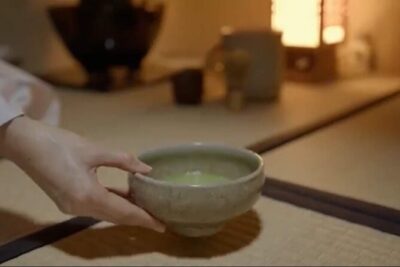
Private Tea Ceremony and Sake Tasting in Kyoto Samurai House
Read our review →
Private Nagano 1-Day Tour:Snow Monkeys,Zenko-ji,Obuse,Sake,Onsen
Read our review →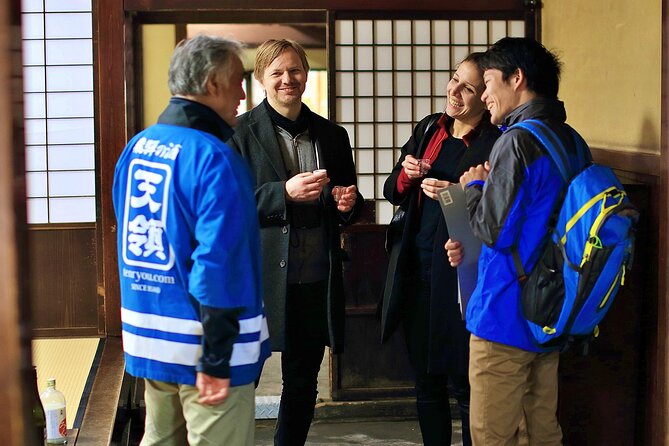
Private Sake Brewery Visit and Tasting Tour in Hida
Read our review →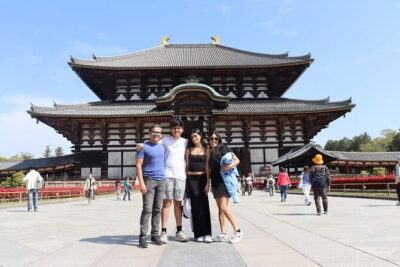
Private Nara Tour and Sake Tasting (Departing from Kyoto/Nara)
Read our review →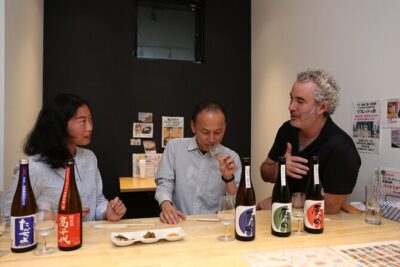
Private Sake Tasting in Central Kyoto with Sake Sommelier
Read our review →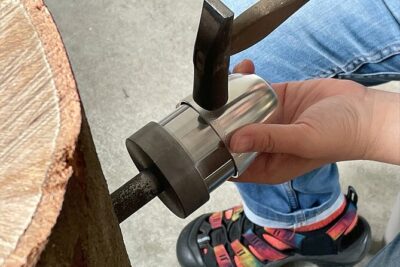
Private Pewter Sake Cup Experience with a Kyoto Artisan
Read our review →
Private Tour: Tokyo’s Oldest Sake Brewery and Riverside Walk
Read our review →Browse the lists this tour appears in