
REVIEW · KOBE
KOBE Sake Tasting Tour at Breweries (tasting fee included)
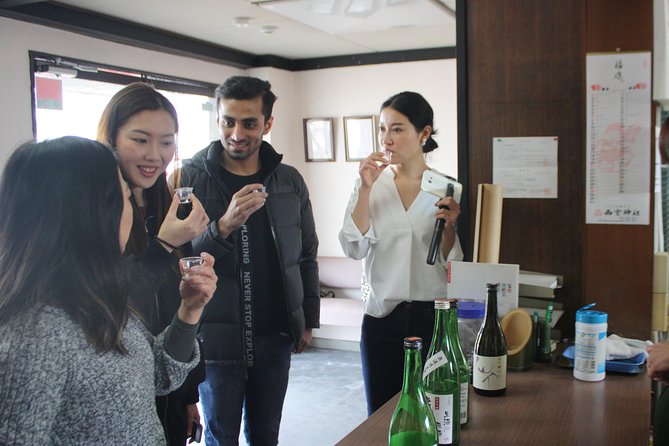
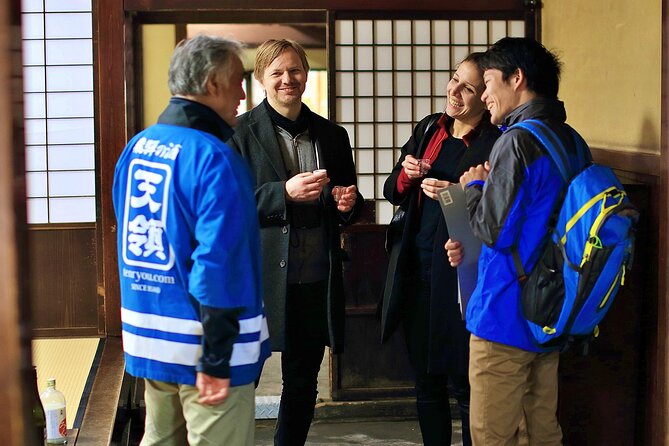
Sake tastes better where it is made. This 3.5-hour walk through Kobe’s Nada Gogo district combines historic breweries, generous tastings, and clear explanations of how rice, water, yeast, and time become Japan’s signature drink. I especially like the chance to compare several brewing styles and the way the guides, including Hiro, Romi, Aya, Aki, and Hiroman, bring warmth and humor to the afternoon.
I also like the local details between tastings, from a small tofu stop to backstreet walks and snack pairings. The main consideration is the walking: you move between breweries, and hot weather can make the route tiring. Wear comfortable shoes, carry water, and remember that this is a sake tour for adults, not a general family outing.
Key points to know before booking
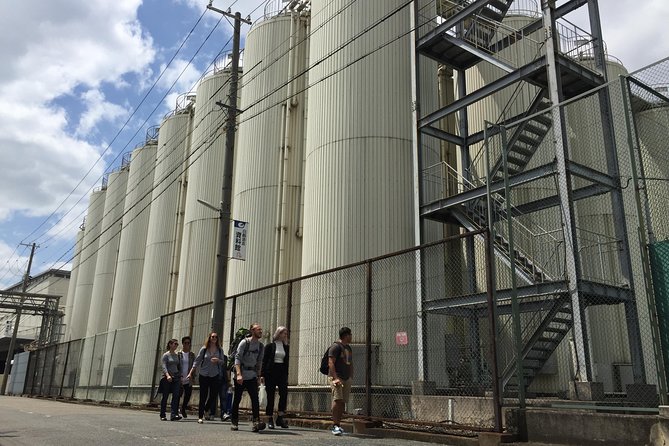
- Nada Gogo is the setting: You explore one of Japan’s best-known sake-producing areas in Kobe’s Higashinada Ward.
- Several brewery visits: The route includes Kobe Shushinkan, Hakutsuru, Kiku-Masamune, and usually additional brewery stops depending on opening schedules.
- Tasting fees are included: The tour covers about ¥2,000 worth of sake tastings, along with taxes and handling charges.
- Small groups make a difference: The maximum is 10 people, with some departures using two guides for extra attention.
- Expect more than drinking: Museums, brewing displays, local streets, tofu, and snack pairings give the afternoon useful variety.
- Plan for an adult walking tour: The activity is not recommended for anyone aged 19 or under, and good walking shoes matter.
Why Kobe’s Nada district makes a good sake base
Kobe’s Nada Gogo is not simply a collection of tasting rooms. It is a working sake district with old breweries, museum spaces, local shops, and streets where the brewing tradition remains part of daily life.
The area’s importance comes through in the tour’s explanations of water, ingredients, and brewing methods. One frequently discussed local advantage is water from Mount Rokko, an element that helps explain why this part of Kobe became such an important place for sake production.
You do not need prior sake experience. The guides explain the differences between styles in plain English, helping you notice changes in aroma, sweetness, dryness, texture, and serving temperature. If you already enjoy sake, you will still have plenty to compare, including unfiltered and seasonal varieties.
The tour begins at Ishiyagawa Station at 1:00 pm and finishes at Hanshin Uozaki Station. That point-to-point design is useful because you see more of the district instead of returning to the starting station, but it also means you should not expect a sit-down afternoon in one tasting room.
More Sake Brewery Tours in Kobe:
- Kobe: Guided Sake Breweries Tour with Tastings
★ 5.0 · 55 reviews - Sake Brewery and Japanese Life Experience Tour in Kobe
★ 5.0 · 39 reviews - Kobe: 3-Hour Sake Breweries Tour with Special Tasting
★ 4.4 · 25 reviews
Kobe Shushinkan and the Fukuju tradition
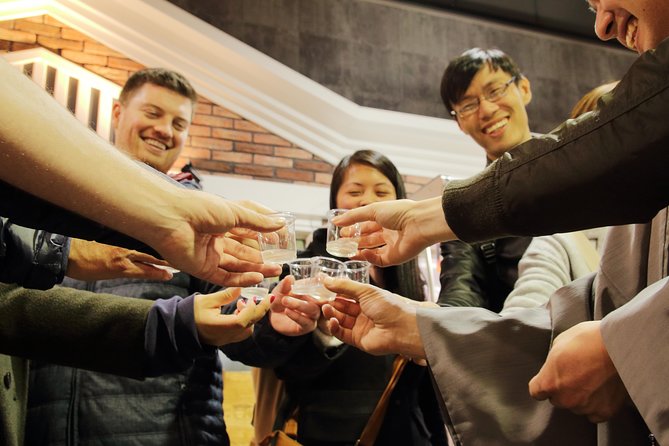
The first major stop is Kobe Shushinkan Brewery, a producer dating to 1751. Its sake is made under the name Fukuju, and the brewery continues to focus on handcrafted production.
This is a strong opening stop because it gives you the basic vocabulary for the rest of the afternoon. You learn how the quality of the ingredients and the brewer’s judgment affect the final drink. The visit lasts about 50 minutes, long enough to do more than sip and move on.
The tasting fee is included, and you may have an opportunity to shop for bottles or other souvenirs. The first brewery can also set the tone for the tour: it is not just a pub crawl. The point is to taste with some purpose and understand why one sake feels different from another.
A small practical warning: the combination of food and alcohol matters. Have something to eat before arriving, especially if you are not used to drinking sake in the afternoon. The route includes food stops, but you should not treat those as a full meal.
A short tofu stop with local character
The 10-minute stop at Okage Tofuan breaks up the brewery visits with a look at another food made from pure water and careful technique. The shop has operated for more than 60 years, making fresh tofu each morning and delivering it locally.
This is a brief visit, not a full cooking lesson. Its value is the connection between tofu and sake. Both depend on water quality, and both are everyday Japanese foods that reward attention to texture and freshness.
The stop also gives your palate and your legs a short pause. Some tour departures include local snacks along the way, and past experiences have featured rice snacks, nuts, dried fish, and warm sake pairings. These extra touches can vary with the guide and day, so you should see them as a pleasant possibility rather than a guaranteed menu.
Hakutsuru’s original brewhouse and museum displays
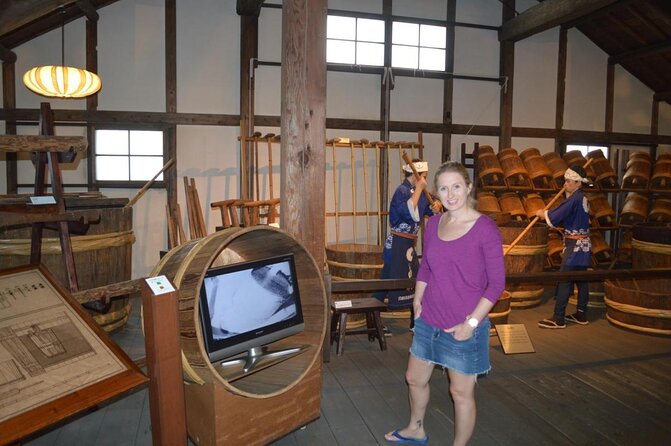
Hakutsuru Sake Brewing is one of Japan’s largest breweries. Its Sake Brewery Museum preserves an old brewhouse in its original form and explains traditional sake production through equipment and displays.
This stop lasts about 50 minutes and is likely to appeal most to visitors who want the process explained visually. Wooden tools and old brewing equipment make the work easier to understand than a tasting alone. You can connect the steps discussed by the guide with the physical tools once used to carry them out.
The scale also offers a useful contrast with smaller or more traditionally focused producers. Instead of tasting only one idea of sake, you get a sense of how a major producer presents its craft and history.
Like the other brewery visits, this stop may include a tasting and time to shop. Bring an empty bag or leave room in your luggage if you hope to buy bottles or cups. Several people have found the souvenir options tempting, and one practical comment was that an empty backpack would have been useful.
More Sake Tastings in Kobe:
- 1-Day Kobe Highlights Tour including Sake Tasting
★ 4.5 · 28 reviews - Kobe: Sake Brewery Tour with Tasting and Kobe Beef Bites
★ 5.0 · 11 reviews - Kobe: Sake Brewery Tour with Tasting Sake
★ 4.7 · 9 reviews - Cruise Shore Excursion: Kobe Sake Tasting with Local Guide
★ 5.0 · 7 reviews
Kiku-Masamune and the traditional Kimoto method
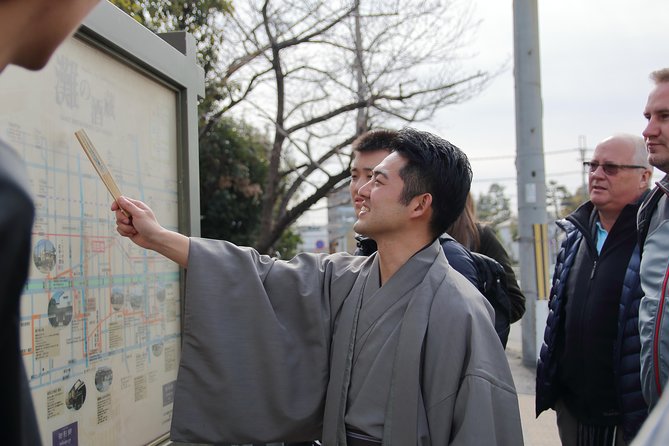
The Kiku-Masamune Shuzo Kinenkan is known for preserving the traditional Kimoto method of yeast preparation. Its museum includes many wooden sake-making tools and explains the work behind the brewing process.
The visit is scheduled for about 30 minutes, so it is shorter than the two larger museum stops. That makes it a good comparison rather than a long lecture. You can focus on how older methods differ from modern production and ask questions while the details are still fresh from the earlier visits.
The exact brewery combination can change because opening days and operating schedules vary. Some departures include three breweries, while others reach four or more. The core promise is a guided walk through the Nada district with multiple tastings, not a fixed guarantee that every departure will enter the same number of buildings.
That flexibility is worth keeping in mind when you book. If one particular brewery is your main reason for going, confirm the current route before paying. If your priority is tasting a range of sake and learning how the district works, the changing schedule should not be a major concern.
The tasting experience: variety matters more than volume
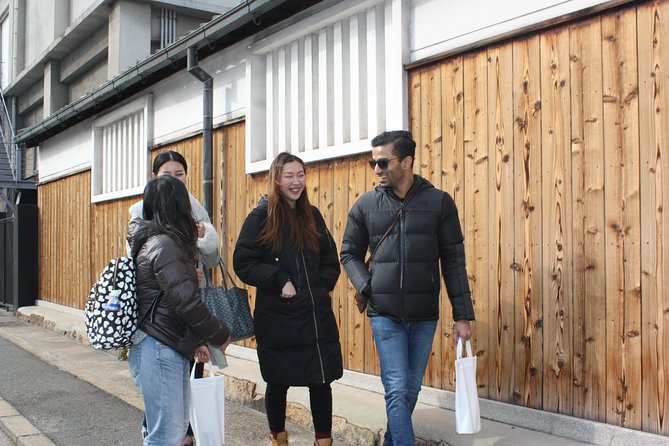
The tour includes sake tastings valued at about ¥2,000. You may sample several types, including unfiltered and seasonal selections, and the guides explain what you are drinking rather than leaving you to guess.
I like this approach because sake can seem confusing when every bottle has a Japanese label and unfamiliar terms. Tasting side by side makes the differences easier to notice. You might discover that you prefer a cleaner style, a fuller texture, something served warm, or a seasonal release.
The tour is not described as a formal professional tasting session. If you plan to spit for evaluation purposes, you must contact the operator in advance. That is useful information for serious sake students, but most people will take part by tasting normally.
The afternoon is also social. Groups may be as small as a couple or as large as 10 people, and some departures have two guides. Guides such as Hiro and Fumi have been praised for keeping conversations relaxed and including people individually rather than speaking only to the group as a whole.
Do not expect unlimited alcohol. The included value is based on tasting fees, and the route is designed around learning, walking, and comparing. Drink slowly, use the food stops, and take advantage of cooling breaks.
The guides are a major part of the value
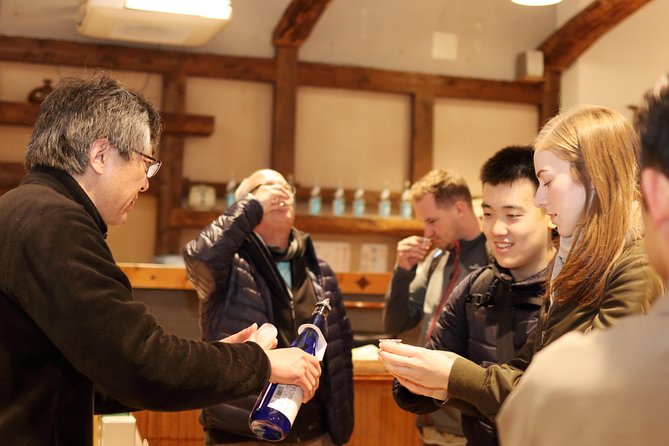
The strongest part of this experience is the guiding. Hiro appears often in the feedback and is described as funny, organized, attentive, and well prepared. She has used brochures and pictures, answered detailed questions, and brought frozen water, fans, and umbrellas on hot days.
Romi, Aya, Aki, and Hiroman have also led departures. Their styles may differ, but the common thread is clear English, practical explanations, and an interest in making the group feel welcome. A guide can make a brewery museum feel alive, especially when the equipment and production terms seem unfamiliar.
The personal touches matter. One departure included Hiro and Fumi sharing some of their own backgrounds. Another included snack pairings with warm sake. These details are not guaranteed on every date, but they show why the small-group format is useful.
There is also a practical benefit to having a local guide. Breweries may have different opening schedules, and the route can change. A guide helps you make sense of what is open and keeps the afternoon moving without making it feel rushed.
Walking, weather, and comfort
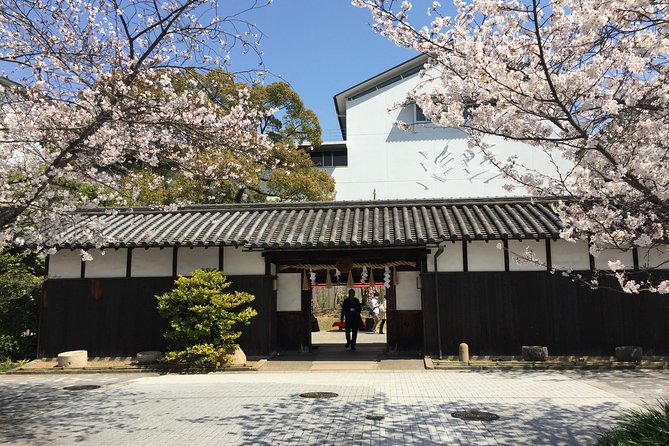
The tour begins in the early afternoon, when summer heat can be a real factor. Several guides have supplied water, fans, frozen bottles, or umbrellas in hot conditions, but you should still dress for the weather.
Wear walking shoes. The route moves through streets between breweries, and one departure involved enough walking that good shoes and water were specifically advised. This is not a strenuous hike, but alcohol, heat, and standing can make an easy walk feel longer.
The cooling breaks are welcome. They keep the tour from becoming a series of tastings with no pause, and they give you time to notice the neighborhood. Spring can bring pleasant cherry blossom scenery, while hot months require more planning.
Strollers are possible, but you must tell the operator when making the reservation. Service animals are allowed, and the meeting point is near public transportation. Most people can take part, but the activity is not recommended for anyone aged 19 or under.
Is $109.01 a fair price?
At $109.01 per person, this is not the cheapest way to sample sake in Kobe. You are paying for more than the liquid in the cups, though. The price includes a professional guide, about ¥2,000 in tastings, taxes, brewery and museum visits, and three and a half hours of structured time in a district that can be hard to understand on your own.
The value is strongest if you want context. You could visit a brewery independently for less, but you would need to work out the train connections, opening times, route, and explanations yourself. You might also miss the smaller details, such as why the Kimoto method matters or how the tofu shop fits the local food culture.
The price is less attractive if you only want to buy a bottle and leave. It also may not suit someone who dislikes group activities or already has extensive sake knowledge. For most first-time visitors to Kobe who want an organized introduction, the combination of tastings, transportation access, and guide support makes the cost reasonable.
Group discounts may be available, which can improve the value for friends or families of eligible age. The maximum group size is 10, so the experience should not feel like a large bus tour.
Who should book this Kobe sake tour?
I would choose this tour if you are curious about sake but do not know where to begin. The guide explains the basics without assuming that you can already read a sake label or identify a brewing style.
It also suits sake fans who want to compare producers and methods. The mix of major museums, traditional tools, local food, and seasonal pours gives you more range than a single tasting counter.
Couples and small groups should find the pace easy to manage, and solo visitors can benefit from the social format. The guides make an effort to draw people into conversation, so you are not left standing quietly with a glass in hand.
I would be cautious about booking if you have limited walking ability, need a full meal during the afternoon, or are sensitive to heat. You should also skip it if your group includes anyone aged 19 or under, since the activity is not recommended for that age range.
Free cancellation is available up to 24 hours before the 1:00 pm start. Changes made inside that window are not accepted, and poor weather or insufficient numbers can lead to a new date, an alternative experience, or a full refund.
Final verdict: a smart way to meet Kobe’s sake culture
I recommend the Kobe Sake Tasting Tour if you want more than a few drinks and a souvenir bottle. Its best qualities are the small-group guiding, the range of breweries, and the way the walk connects sake with tofu, local streets, old tools, and regional water.
Book it for the afternoon when you want a focused introduction to Nada Gogo. Wear good shoes, eat something first, bring room for purchases, and keep your schedule flexible in case the brewery mix changes. For a first sake experience in Kobe, this offers a friendly, useful, and pleasantly social way to spend three and a half hours.
FAQ
Where does the Kobe sake tour begin?
The tour begins at Ishiyagawa Station, at 2 Chome-28 Mikagetsukamachi in Kobe’s Higashinada Ward.
What time does the tour start?
The scheduled start time is 1:00 pm.
Where does the tour finish?
The tour ends at Hanshin Uozaki Station on the Hanshin Line.
How long does the tour last?
The experience lasts approximately 3 hours and 30 minutes.
Which breweries are included?
The stated route includes Kobe Shushinkan Brewery, Hakutsuru Sake Brewery Museum, and Kiku-Masamune Shuzo Kinenkan. The brewery combination can change depending on which sites are open, and some departures visit three or four breweries.
Is sake tasting included in the price?
Yes. Sake tasting fees valued at about ¥2,000 are included, along with taxes, handling charges, and a professional guide.
How many people can join the tour?
The maximum group size is 10 people. Some departures may use two guides.
Is the tour suitable for children?
The experience is not recommended for anyone aged 19 or under.
Can I cancel for a full refund?
You can cancel for a full refund up to 24 hours before the experience start time. Cancellations or changes made less than 24 hours before the start are not accepted for a refund.
Just added around Kobe
- KOBE Sake brewery PRIVATE walking tour with Local guide★ 5.0 · 7 reviews
- Full Day Walking Tour Around Kobe Mountains Sea and Sake★ 5.0 · 6 reviews
- Kobe: 5 Sake Breweries Tour in a Day★ 5.0 · 2 reviews
- Cruise Shore Excursion: Kobe Sake Tasting with Local Guide★ 5.0 · 7 reviews
- 1-Day Walking Tour around Kobe : Mountains, Sea and Sake★ 3.9 · 6 reviews
- Kobe: 3-Hour Private Sake Tour in Japan’s Top Sake Area★ 5.0 · 9 reviews
- Kobe: 3-Hour Sake Breweries Tour with Special Tasting★ 4.4 · 25 reviews
- Kobe: Sake Brewery Tour with Tasting Sake★ 4.7 · 9 reviews
Sake Brewery Tours, compared.
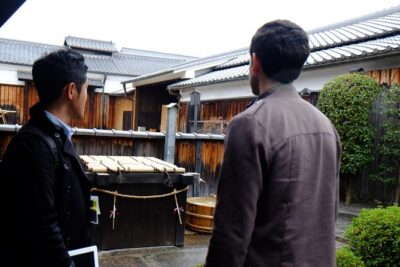
3-Hour Kyoto Insider Sake Brewery Tour with Tastings & Pairings
Read our review →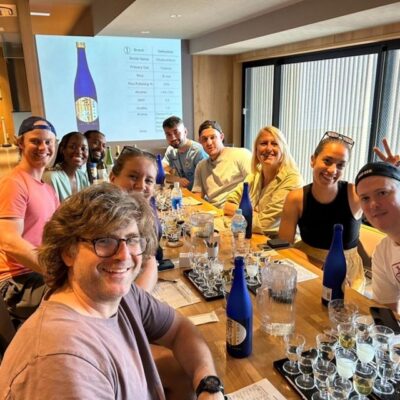
Insider Sake Brewery Tour with Sake and Food Pairing
Read our review →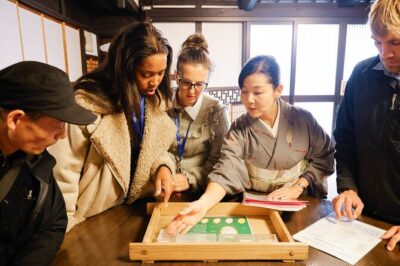
Hiroshima Saijo Sake Tasting Tour with visit to 7 Breweries
Read our review →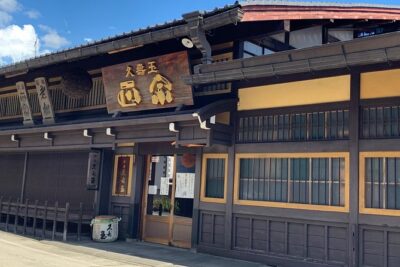
Private Sake Brewery Visit and Tasting Tour in Hida
Read our review →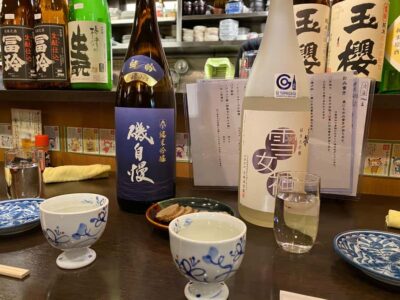
Sake Brewery and Japanese Life Experience Tour in Kobe
Read our review →Browse the lists this tour appears in