
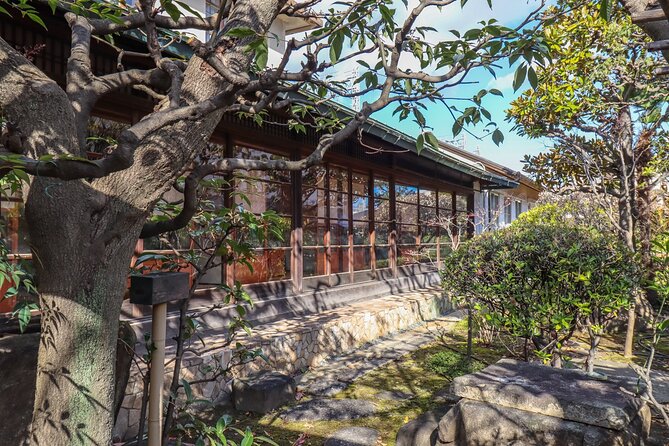
REVIEW · KOBE
Sake Brewery and Japanese Life Experience Tour in Kobe
Sake tells Kobe’s story better than a souvenir. This private half-day outing connects the Nada brewing district with Hakutsuru and Fukuju sake, then moves into everyday food culture through mirin, pickles, and old shopping streets. I like the mix of brewery history and ordinary local life, and I like that your guide handles the public transportation between stops. The main consideration is that this is a cultural walking tour with tastings, not a full food tour, and the experience depends heavily on your guide’s enthusiasm.
The tour costs $83.56 per person and lasts about four and a half hours. Guide Tomoko receives especially warm praise for making the day fun and for sharing her knowledge of Kobe, while Norio is praised for clearly explaining how sake is made. Still, one account describes a less enjoyable outing when the guide did not care for sake, so I would book this mainly if you want context and conversation, not just drinks.
Key points to know before booking
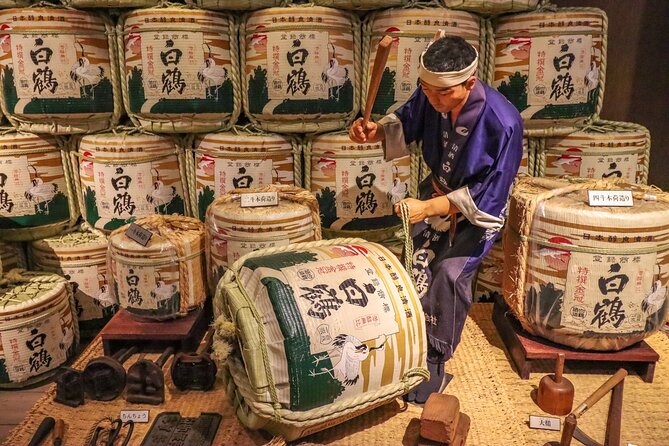
- Two different sake stops: You visit the Hakutsuru Sake Brewery Museum and Kobe Shu-shin-kan, producer of Fukuju sake served at Nobel Prize dinners.
- Nada is Japan’s major sake district: The area produces about 30 percent of Japan’s total sake, thanks to its rice, water, climate, and long brewing tradition.
- Local life is part of the plan: The route includes Konan Muko no Sato for mirin and pickles, plus old shopping arcades with hundreds of small shops.
- It is a private tour: Only your group takes part, with a guide and the guide’s necessary tour expenses included.
- Budget extra cash: Transportation is listed at 530 yen per person, and Hakutsuru’s admission is also listed as 530 yen per person in the cost details.
- Expect walking and public transit: Wear comfortable clothes, arrive early at Sannomiya Station, and remember that the tour ends near Kobe-Sannomiya Station rather than at the starting point.
Why Kobe is a fine place to learn about sake
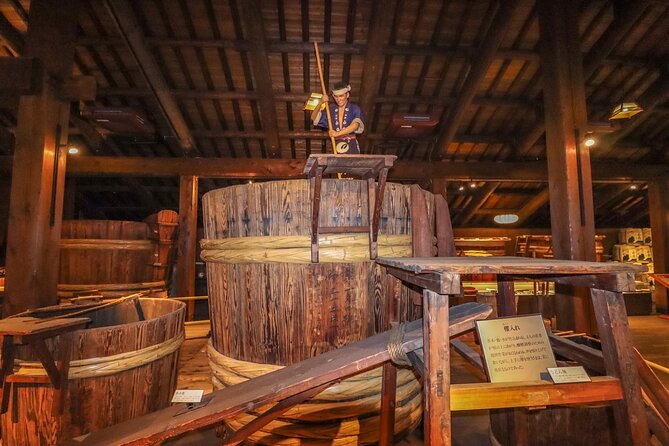
Sake brewing in Nada reaches back to the Edo period. That long tradition is not just a line on a museum wall. It helps explain why this part of Kobe became one of Japan’s leading sake centers.
Nada accounts for about 30 percent of Japan’s sake production. The area has the right combination of brewing water, rice, climate, and access to transportation. On this tour, you see how sake fits into Kobe’s economy and food culture rather than treating it as a stand-alone tasting activity.
I find that useful because sake can seem mysterious when you only encounter it on a restaurant menu. The tour gives you a framework: what goes into the drink, how it is made, how breweries present their work, and how related products such as mirin appear in Japanese cooking.
The experience is private, which matters here. Your guide can answer questions at your pace, explain unfamiliar terms, and adjust the conversation to your interest. That personal format also means your guide has a larger effect on the day than on a large group excursion. Tomoko and Norio are named as particularly strong guides, but your experience may vary depending on who is assigned.
More Sake Brewery Tours in Kobe:
- KOBE Sake Tasting Tour at Breweries (tasting fee included)
★ 5.0 · 154 reviews - Kobe: Guided Sake Breweries Tour with Tastings
★ 5.0 · 55 reviews - Kobe: 3-Hour Sake Breweries Tour with Special Tasting
★ 4.4 · 25 reviews
Hakutsuru Sake Brewery Museum: a clear introduction to brewing
The first major stop is the Hakutsuru Sake Brewery Museum. The museum was built in the early Taisho era and presents the traditional brewing process and the work involved in making sake.
You can expect roughly 40 minutes here. That is enough time for an introduction without turning the visit into an all-day technical seminar. The museum setting gives you a useful visual sense of traditional operations, which can make the rest of the tour easier to understand.
A sake museum is valuable even if you already enjoy the drink. It shifts your attention from flavor alone to production. You begin to see sake as a product shaped by local conditions, careful work, and a long regional tradition.
The stop also includes sake tasting. That is one of the strongest parts of the experience for anyone who wants to compare styles rather than simply hear a lecture. The tour information lists Hakutsuru admission at 530 yen per person, even though another cost breakdown shows admission as zero. I would confirm the current arrangement when booking and carry cash, since some stops do not accept credit cards.
Do not expect this stop to feel like a food market. The focus is the brewery and the brewing process. If you want a meal with your sake, you will need to arrange that separately because the tour does not include a dining stop.
Kobe Shu-shin-kan and the Fukuju connection
The second brewery stop is Kobe Shu-shin-kan, a sake maker with about 250 years of history dating to the Edo period. It produces Fukuju, the sake served at Nobel Prize dinners.
That detail gives this visit a useful point of reference. You are not just tasting an unknown local label. You are learning about a brewery whose sake has earned attention at a very high-profile international event, while still seeing it in its home setting.
The scheduled visit lasts about 40 minutes. A guide can make this time especially worthwhile by explaining the stages of brewing and the reasons Kobe remains important to sake production. Norio receives particular praise for explaining how sake is made and why the region still produces so much of it.
I would think of the two brewery visits as complementary. Hakutsuru offers the museum and traditional process display. Shu-shin-kan adds the working brewery and Fukuju connection. Together, they give you more range than a single tasting room.
The limitation is also clear. Two brewery stops do not mean an afternoon of nonstop sampling. The tour is built around interpretation, tasting, and local context. If your main goal is to taste as many varieties as possible, this may feel restrained.
Anyone under 20 cannot drink in Japan. The tour may still be suitable for younger participants as a cultural outing, but they will not be allowed to consume sake.
Konan Muko no Sato: where sake meets the kitchen
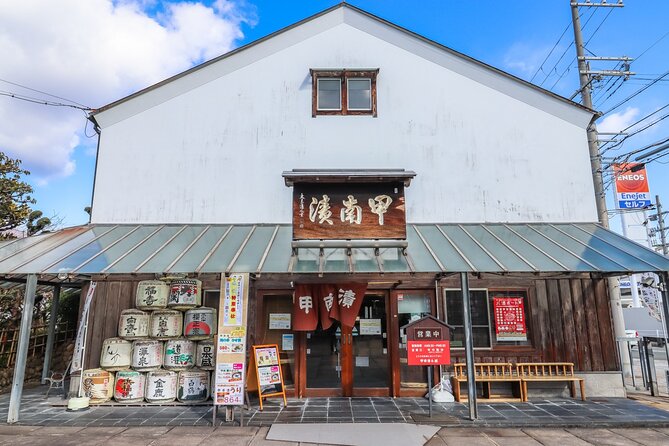
At Konan Muko no Sato, the subject changes from drinking sake to using related products in food. This stop specializes in pickles and mirin, the sweet cooking rice wine used in Japanese cuisine.
The visit lasts about 30 minutes. Mirin is made from the same basic raw materials as sake, so this is a practical way to connect brewery knowledge with everyday cooking. You learn that rice wine is not only something poured into a cup. It also helps shape sauces, marinades, and other parts of Japanese food.
I like this stop because it broadens the tour. Without it, the day could feel like a pair of brewery visits followed by a short walk. Mirin and pickles show how fermentation and preservation appear in ordinary Japanese meals.
The stop may be less exciting if you want another tasting room. Its value is educational and culinary. You might find it most useful if you enjoy Japanese cooking or want to understand ingredients you have seen but never used.
A few more sake experiences around Kobe worth a look
- 1-Day Kobe Highlights Tour including Sake Tasting
★ 4.5 · 28 reviews - Exploring Nada Sake Breweries Kobe Private Tour with Government-Licensed Guide
★ 5.0 · 17 reviews - Kobe: Sake Brewery Tour with Tasting and Kobe Beef Bites
★ 5.0 · 11 reviews - Kobe: 3-Hour Private Sake Tour in Japan’s Top Sake Area
★ 5.0 · 9 reviews
Suidosuji and the old shopping-street atmosphere
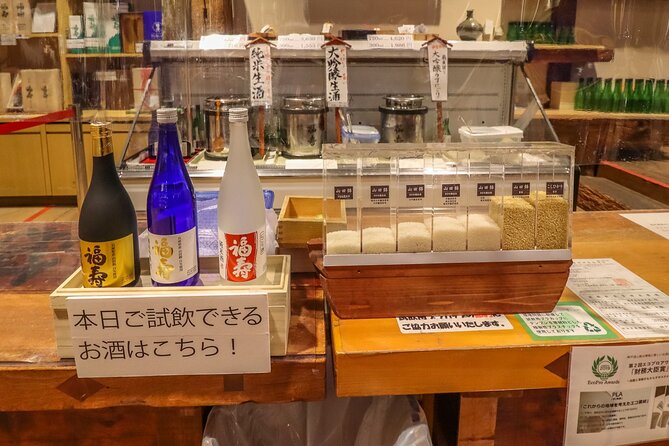
The route also includes local shopping streets, including Suidosuji Shotengai, described as an arcade with more than 500 local shops. Another listed stop is Oyasutei Ichiba Shopping Street, which has more than 100 years of history and long-established stores dating from the postwar period.
The named itinerary gives about 30 minutes to the shopping-street portion. That is enough for a taste of the area, but not enough to inspect hundreds of shops in detail. You should treat this as a short local-life walk rather than a serious shopping expedition.
This is one of the tour’s best contrasts. Breweries can feel specialized and formal. A covered shopping arcade shows how people buy food, household goods, and daily necessities. You get a look at Kobe beyond the famous waterfront and mountain views.
Keep your expectations practical. The tour does not promise a food crawl, and it does not include meals. You may see shops selling local products, but purchases and food costs are your responsibility. Bring cash because some places do not accept credit cards.
What the four-and-a-half-hour schedule feels like
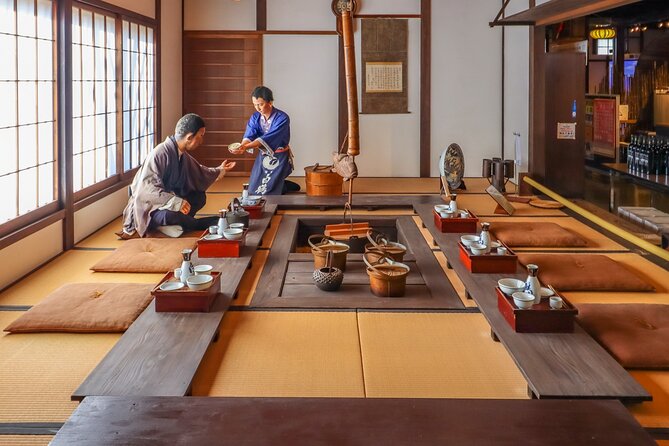
The listed stop times add up to about two hours and 20 minutes:
- Hakutsuru Sake Brewery Museum: about 40 minutes
- Kobe Shu-shin-kan: about 40 minutes
- Konan Muko no Sato: about 30 minutes
- Oyasutei Ichiba Shopping Street: about 30 minutes
The remaining time covers walking, public transportation, explanations, and moving between districts. This matters because the day is not four and a half hours inside breweries. You will be on your feet and using public transit.
The meeting point is Sannomiya Station in central Kobe. The tour ends at Kobe-Sannomiya Station, a different location from the start, though you can ask the guide about changing the finishing point. Arrive with time to spare. If you are late, public transportation time may reduce what you can see.
Bad weather can change transportation, destinations, or routes. Temporary closures can also lead to substitute stops. These are ordinary practical risks for a walking and transit-based tour, but they are worth keeping in mind if your Kobe schedule is tightly packed.
Price, inclusions, and the real value
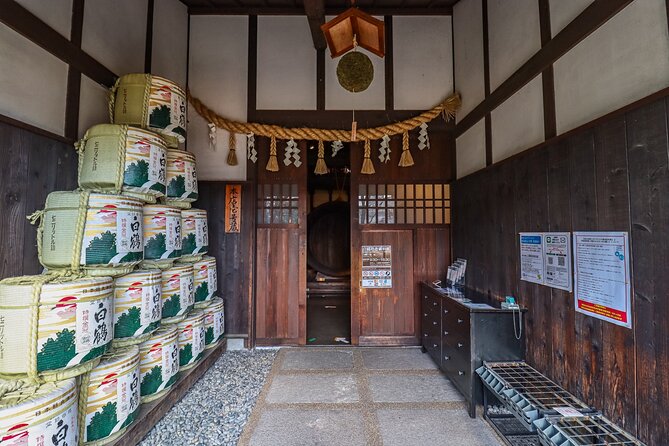
At $83.56 per person, the tour is not priced like a cheap museum visit. You are paying for a private guide, local transportation help, interpretation at several stops, and the convenience of linking places that would take more planning to combine on your own.
The private format is the main value. If you are traveling with friends or family, the guide can shape the pace and answer questions that a self-guided visit cannot. Group discounts are available, which may improve the price for a larger party.
The tour includes the private guide and the guide’s necessary expenses. It does not include your own transportation costs, admission charges, food, or drinks purchased along the way. The published information lists estimated transportation at 530 yen per person and separately lists Hakutsuru admission at 530 yen per person. Since the cost breakdown is not fully consistent, confirm those charges before departure.
There is no optional experience cost listed, but that does not mean every purchase is covered. Any food, drink, or item you buy at the stops is yours to pay for.
The guide can make or break the experience
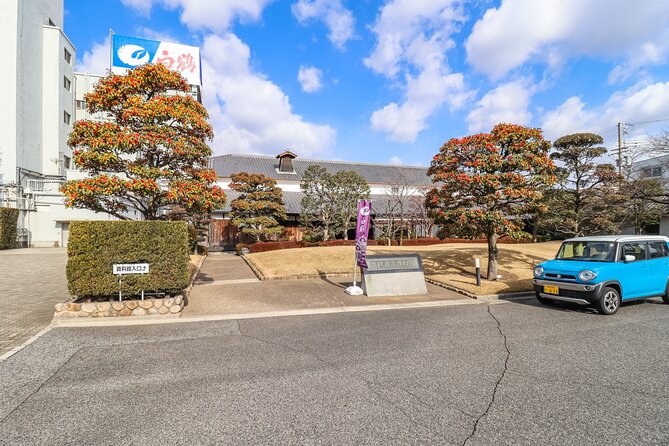
The strongest praise centers on the guides. Tomoko is described as fun, highly informed about Kobe, and willing to put real effort into making the day enjoyable. One account also notes that she helped arrange an additional reservation, though you should not assume that will be part of every tour.
Norio is praised for explaining the sake-making process and the reasons behind Kobe’s continuing production. That sort of clear explanation is exactly what this tour needs. The subject can become technical, and a good guide turns unfamiliar steps into something you can follow.
There is also a useful warning. One less positive account found the outing dull because the guide did not like sake and did not bring much enthusiasm to the subject. That does not erase the tour’s strong overall rating, but it tells you to communicate clearly when booking. If sake is your main interest, ask about the guide’s experience with the subject if possible.
This is not a standardized show where every moment is identical. It is a private activity, so personality matters. Go in expecting a conversation-led tour, not a polished performance.
Who should book this Kobe sake tour?
I would recommend it to you if you want:
- A private introduction to sake production
- A comparison between two important Kobe brewery stops
- A guide who can connect brewing with Japanese food culture
- A short look at local shopping arcades
- A half-day activity near central Kobe
- A planned route using public transportation
It fits especially well into a Kobe stay when you want something beyond the usual harbor sights. It also works for people who enjoy food history but do not need a full meal included.
I would be more cautious if you want a dedicated tasting tour, a large meal, or a relaxed outing with very little walking. The route covers several stops, and you will need comfortable clothing. It may also disappoint you if you expect every stop to offer extensive sampling.
Free cancellation is available until 24 hours before the start time. After that, the amount paid is not refunded, and late changes are not accepted.
Should you book it?
Book this tour if you want to understand why Kobe matters to Japan’s sake industry and how sake connects with daily cooking and neighborhood commerce. The mix of Hakutsuru, Fukuju, mirin, pickles, and old shopping streets gives the half-day real variety.
Skip it if your ideal sake outing means drinking all afternoon or eating your way through Kobe. This tour is strongest when you value explanation, local context, and a private guide. Before paying, confirm the extra 530-yen charges, arrive early at Sannomiya Station, and request an enthusiastic sake guide if that is central to your plans.
FAQ
How long does the Sake Brewery and Japanese Life Experience Tour last?
The tour lasts approximately four hours and 30 minutes.
Where does the tour begin?
It begins at Sannomiya Station in Kobe, at 4 Chome-1-1 Nunobikicho, Chuo Ward.
Where does the tour finish?
It finishes at Kobe-Sannomiya Station. The ending point differs from the starting point, but you can ask the guide about changing it.
Is this a private tour?
Yes. Only your group participates in the private tour.
What breweries are visited?
The tour visits the Hakutsuru Sake Brewery Museum and Kobe Shu-shin-kan Breweries.
Can people under 20 drink sake on the tour?
No. People under 20 are not allowed to drink alcohol in Japan.
Is food included?
No. The tour does not include a dining stop, and meal costs are not included.
What extra costs should I expect?
The listed estimated transportation cost is 530 yen per person. Hakutsuru Sake Brewery Museum admission is also listed as 530 yen per person, so confirm the current charges before the tour.
Can I cancel for a full refund?
Yes, if you cancel at least 24 hours before the experience start time. Cancellations made less than 24 hours before the start time are not refunded.
Just added around Kobe
- KOBE Sake brewery PRIVATE walking tour with Local guide★ 5.0 · 7 reviews
- Full Day Walking Tour Around Kobe Mountains Sea and Sake★ 5.0 · 6 reviews
- Kobe: 5 Sake Breweries Tour in a Day★ 5.0 · 2 reviews
- Cruise Shore Excursion: Kobe Sake Tasting with Local Guide★ 5.0 · 7 reviews
- 1-Day Walking Tour around Kobe : Mountains, Sea and Sake★ 3.9 · 6 reviews
- Kobe: 3-Hour Sake Breweries Tour with Special Tasting★ 4.4 · 25 reviews
- Kobe: Sake Brewery Tour with Tasting Sake★ 4.7 · 9 reviews
- Kobe: Sake Brewery Tour with Tasting and Kobe Beef Bites★ 5.0 · 11 reviews
Sake Brewery Tours, compared.
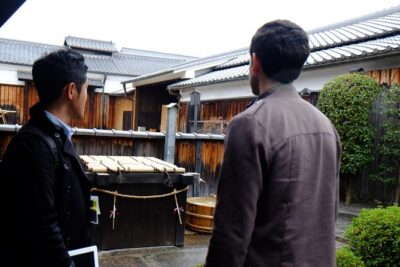
3-Hour Kyoto Insider Sake Brewery Tour with Tastings & Pairings
Read our review →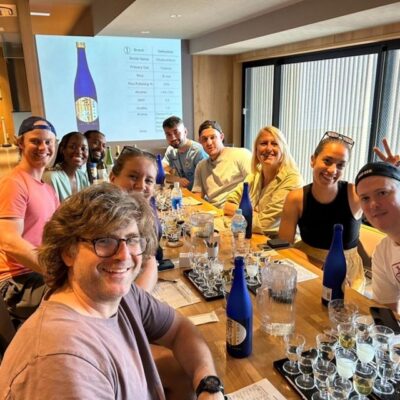
Insider Sake Brewery Tour with Sake and Food Pairing
Read our review →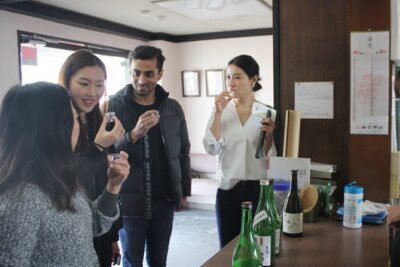
KOBE Sake Tasting Tour at Breweries (tasting fee included)
Read our review →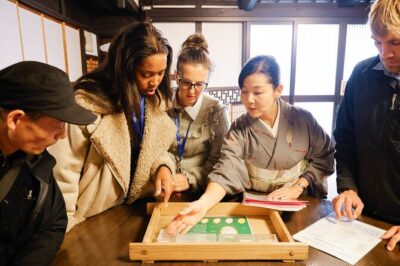
Hiroshima Saijo Sake Tasting Tour with visit to 7 Breweries
Read our review →
Private Sake Brewery Visit and Tasting Tour in Hida
Read our review →
Browse the lists this tour appears in