
REVIEW · JAPAN
Casual Japanese SAKE tasting and snack experience in Kabukicho
Sake changes with temperature and food. This one-hour tasting in Kabukicho gives you eight Japanese sakes in a relaxed bar setting, moving from simple, lower-alcohol pours to bottles with stronger aromas and more distinct flavors. I like the small maximum group of eight, which allows room for questions, and I like the mix of sake, traditional snacks, and a sweet amazake finish. The main thing to weigh is that the experience is casual, so the amount of formal sake teaching may not satisfy someone seeking a serious class.
The tasting begins with sake around 15 to 16 percent alcohol, then gradually introduces more character. You can also encounter different serving temperatures and preparations, making this more than a row of identical samples. Sakiko and Saki have both received praise for friendly, clear guidance, though the quality of the educational side may depend on the host and your own questions.
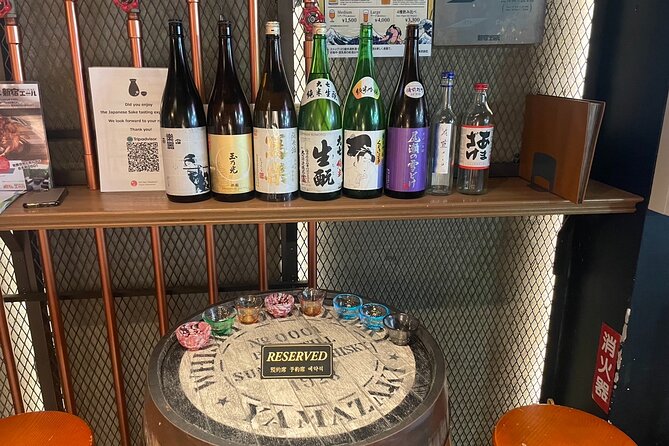
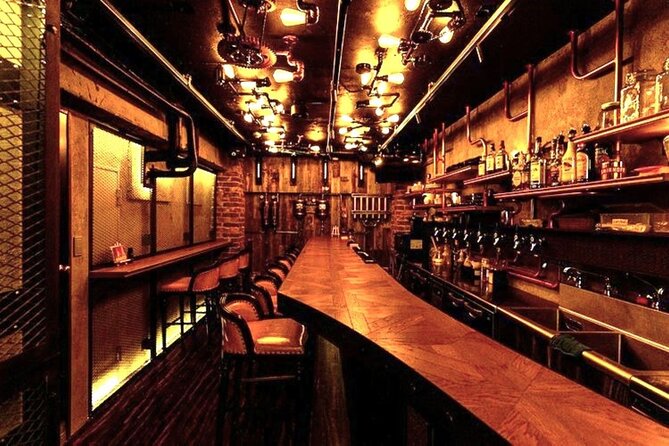
The setting is a small bar at Shinjuku Ale in Kabukicho, an area known for its late-night energy and Tokyo atmosphere. You may even get a chance to sing karaoke. Snacks are included, but extra food and drinks are not, and one past booking had a missed vegetarian arrangement, so dietary needs deserve a check before you go.
Quick facts for your Kabukicho sake hour
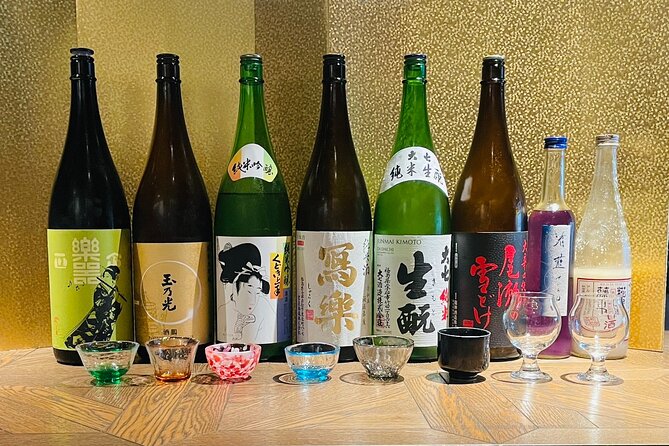
- Eight Japanese sakes: Taste a broad selection of bottles available in Japan, with the order moving from lighter styles to more distinctive flavors.
- Food pairings included: Traditional snacks help show how sake changes when enjoyed with food.
- Amazake to finish: End with a sweet rice-koji drink that works like a dessert.
- Small bar atmosphere: The experience takes place at Shinjuku Ale in Kabukicho, with karaoke available at the venue.
- One hour, small group: The session lasts about an hour and allows no more than eight participants.
- Adults aged 20 and over only: Japanese law prohibits underage drinking, so nobody under 20 can join.
Starting at Shinjuku Ale in Kabukicho

Your meeting point is Shinjuku Ale, located at 1-chōme-14-5 Kabukichō, Shinjuku City. The activity begins and ends at the same venue, which keeps the plan simple if you are already exploring Shinjuku.
You will need to arrange your own way there. The bar is near public transportation, but transportation costs are not included. A mobile ticket is provided, and booking confirmation arrives at the time of reservation, useful if you are fitting this into a busy Tokyo day.
The bar setting matters. This is not a formal museum-style lesson or a polished tasting room. It is a small Tokyo drinking spot, and that gives the hour a more local feel. The tradeoff is that the surroundings and snacks may not suit everyone. One low-rated account found both the venue and food disappointing, so you should choose this experience for its informal bar character rather than for a refined dining room.
The room may also have a karaoke element. That can be a pleasant surprise if you enjoy a social evening, especially for couples, friends, or small groups. If you prefer a quiet, highly structured tasting, the bar atmosphere could feel less focused.
More Sake Tastings in Japan:
- 3-Hour Kyoto Insider Sake Brewery Tour with Tastings & Pairings
★ 5.0 · 917 reviews - Kyoto Sake Brewery & Tasting Walking Tour
★ 5.0 · 623 reviews - 1.5-Hour Kyoto Insider Sake Experience with 7 Tastings & Pairings
★ 5.0 · 297 reviews
Eight pours, arranged from simple to distinctive
The tasting is designed to ease you into sake rather than begin with the most intense bottle. The opening pours typically sit around 15 to 16 percent alcohol, though lower and higher alcohol options may appear. Starting here gives you a useful baseline before the aromas and flavors become more pronounced.
I like this order because sake can be confusing at first. A beginner may not know if a drink tastes dry, sweet, floral, sharp, or full-bodied. Sampling a simpler style first gives you something to compare against later.
As the tasting moves along, the sakes become more distinctive. The selection is described as coming from across Japan and includes bottles available only in the country. You may taste clear differences in aroma, body, sweetness, and finish, though the exact brands and labels are not specified.
Do not expect eight large drinks. This is a tasting session, and the supplied details do not state the pour size. Still, eight samples in one hour can be a generous amount of alcohol, especially when you add food and possible extra drinks. Pace yourself, use the snacks, and avoid planning a demanding activity immediately afterward.
The guide can make a major difference here. Sakiko has been praised for making the session friendly and informative, while Saki has also been described as warm and well prepared. Another booking included Saki and a trainee, which suggests the hosting format may vary. If you want to learn, ask direct questions about the rice, serving temperature, sweetness, aroma, and food match for each pour.
Why temperature is part of the lesson
One useful feature is the chance to consider sake at different temperatures. Many people first meet sake as a warm drink, but Japanese sake can be served chilled, at room temperature, or warm depending on the style, season, and dish.
This tasting presents temperature as part of the flavor experience. A sake that seems crisp when chilled may feel softer and rounder when warmer. You may also try different preparations or mixtures, according to one especially positive account. That makes the hour practical: you are not only identifying bottles, but also seeing how serving choices affect the drink.
The details do not promise that every one of the eight sakes will be served at a different temperature. Think of temperature as one feature of the tasting, not a guaranteed separate sample for every setting.
For a first-time drinker, this is one of the best reasons to book. You can find out what you actually like instead of relying on a label or a restaurant recommendation. If you already know sake well, the value comes from comparing several Japanese selections in a single sitting and asking the host to explain the differences.
Traditional snacks make the sake easier to understand
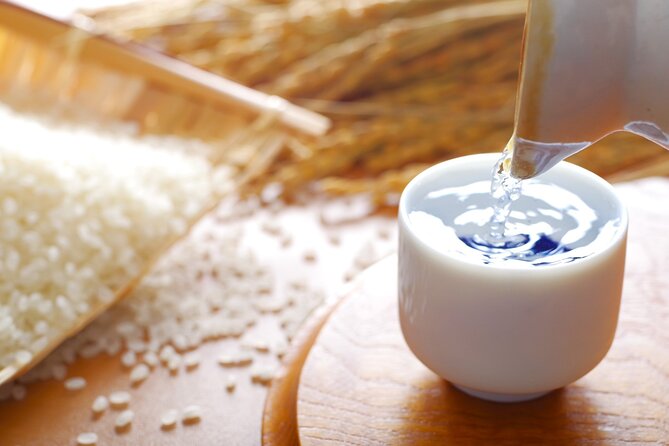
The included snacks are not just something to nibble between pours. They are meant to show how sake works with food. A salty or savory bite can make a sake taste sweeter, drier, softer, or more sharply alcoholic.
The food pairing is one of the most praised parts of the experience. Several positive accounts describe the snacks as a strong match for the drinks, and the combination helps keep the tasting relaxed rather than overly technical.
Still, expectations need to stay realistic. The activity includes traditional snacks, not an additional meal. Extra meals and drinks are not included, and the precise menu is not provided. If you need a full dinner, plan to eat separately before or after the hour.
Vegetarian diners should contact the provider ahead of time. A booking included an apology because the vegetarian option had not been reserved. That does not mean a vegetarian arrangement is impossible, but it does mean you should not assume the standard snacks will meet your needs.
The food also gives you something to discuss with the host. Ask which bite is intended for each sake and try the drink before and after eating. That small comparison can teach you more than a long speech about tasting notes.
More Nights Out in Japan:
- Casual Japanese sake tasting and snack experience, Kabukicho
★ 4.7 · 31 reviews - 3.5h Osaka Night guided Local Bar Hopping, Sake & Karaoke
★ 5.0 · 27 reviews - Kyoto: Foodie Night Tour in Gion with 9 dishes + 6 Sake
★ 4.4 · 26 reviews
Finishing with amazake and rice koji
The final drink is amazake, a sweet fermented beverage made with rice koji. It is served as a dessert-style finish and offers a clear change from the alcoholic sakes.
Amazake is sometimes called drinkable IV in Japan because of its long-standing reputation as a nourishing drink. Here, the important point is taste: it is sweet, rice-based, and a gentle way to close an alcohol-focused session.
Amazake can be made in forms with little or no alcohol, but the supplied details do not specify the exact version served. If you need to avoid alcohol completely, ask the host before booking rather than making assumptions.
This last step gives the tasting a better shape. You begin with straightforward sake, move toward more varied flavors and pairings, then finish with something sweet and fermented. It is a simple progression, but it helps the hour feel like an experience rather than eight unrelated samples.
A relaxed host matters more than a formal lecture
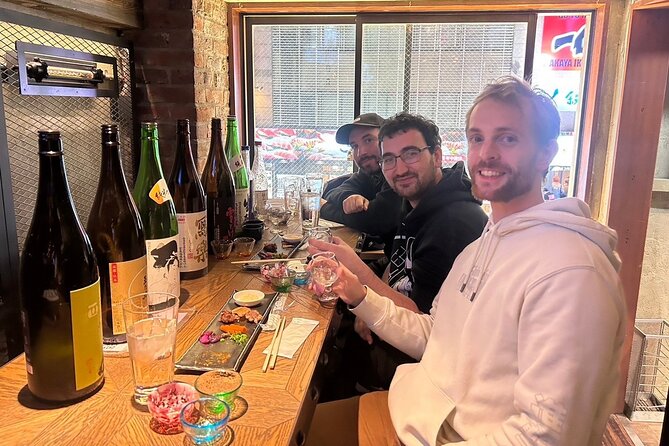
The strongest part of this activity appears to be the human side. Sakiko is praised for being friendly and well informed, and Saki has also earned warm comments for creating an enjoyable session. The best version of this tasting will be conversational, with explanations adjusted to your interest.
That flexibility suits beginners. You do not need to know the difference between sake categories before arriving. You can simply explain what drinks you normally enjoy and ask for comparisons.
If your goal is serious study, set your expectations carefully. One poor experience felt that too little sake information was offered with each tasting. This is a real consideration, especially because the hour passes quickly. Ask questions early rather than waiting for the guide to deliver a detailed lecture.
Useful questions include:
- Is this sake dry, sweet, or somewhere between?
- Is it best chilled, at room temperature, or warm?
- What food would you pair with it?
- Does the aroma come from the rice, fermentation, or polishing?
- Is this style common in one part of Japan?
The supplied details do not promise a certified instructor or a specialist lecture. You are booking a friendly introduction with a broad tasting selection. The guide may offer a lot of detail, but your participation will help determine how much you learn.
What the $39.64 price really gives you
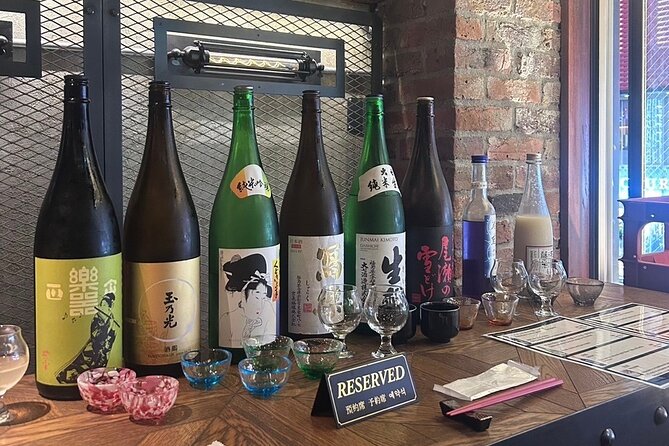
At $39.64 per person, the price is reasonable if you want several samples, food pairings, and a hosted introduction in central Tokyo. You are paying for eight sake tastings, traditional snacks, the amazake finish, and the convenience of a prepared one-hour session.
The value is strongest for a newcomer who would otherwise struggle to choose among Japanese sake labels. A single restaurant order may teach you very little about the wider range of styles. Here, the comparison is built into the format.
The price is less compelling if you want a full meal, large pours, or a long technical seminar. Additional meals and drinks cost extra, and transportation to the meeting point is your responsibility. The hour is short, so you are paying for focused sampling rather than an evening-long food tour.
The high overall rating and 99 percent recommendation figure suggest that the experience usually delivers what it promises. I would still judge it by your priorities. For a fun introduction in Kabukicho, the cost is fair. For advanced sake study, you may want a longer specialist class instead.
Who will enjoy this most?
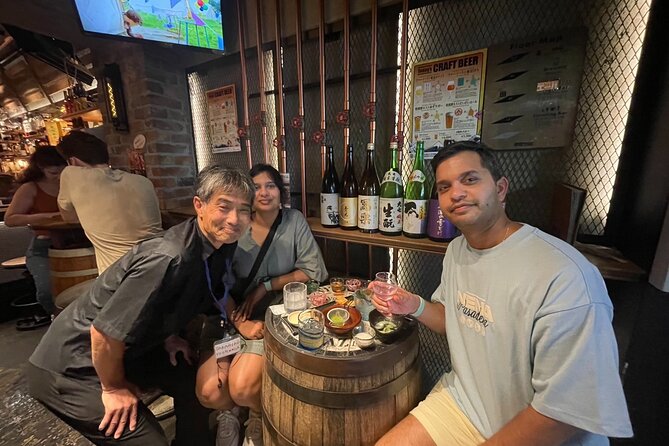
I would recommend this for adults who want a low-pressure introduction to sake and do not mind a small bar setting. It also fits couples and friends looking for an activity that is social without requiring a full evening.
It is particularly useful if you are curious about:
- The difference between lighter and more aromatic sake
- How temperature changes the drink
- Which snacks work with different styles
- The taste of amazake
- Japanese drinking customs in a casual setting
The experience may also work well on a rainy afternoon because it is indoors and lasts only about an hour. One booking made at short notice was still prepared for, though I would not rely on last-minute availability.
I would be cautious if you dislike alcohol, need a quiet venue, expect a substantial meal, or want guaranteed advanced instruction. Under-20 participants cannot join, and the activity is not designed as a non-drinking cultural tour.
Timing, group size, and cancellation details
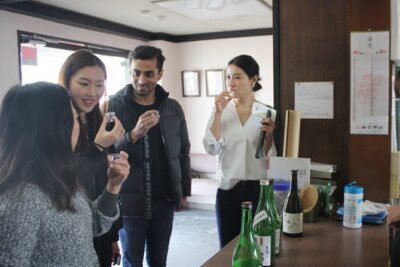
The session lasts about one hour and ends where it starts. The maximum group size is eight, which is small enough for questions and personal attention, though the actual group may be smaller.
The meeting point is near public transportation, but you must cover your own transport. Hotel pickup and drop-off are not provided. All listed fees and taxes are included in the booking price.
Free cancellation is available if you cancel at least 24 hours before the local start time. Cancellations or changes made within 24 hours are not accepted for a refund. That policy is worth noting if your Tokyo plans are still shifting.
Should you book this Kabukicho sake tasting?
Book it if you want to sample eight Japanese sakes, try them with snacks, and learn through a friendly conversation in a small Tokyo bar. The mix of varied pours, temperature comparisons, food pairings, karaoke potential, and amazake makes it more memorable than simply ordering one glass at dinner.
I would especially choose it for a first sake experience or a relaxed stop in Shinjuku. Go in ready to ask questions, keep your expectations modest about the amount of formal instruction, and confirm dietary needs before arrival. If those conditions suit you, $39.64 is a fair price for a compact and social introduction to Japanese sake.
FAQ
Where does the sake tasting take place?
It takes place at Shinjuku Ale, 1-chōme-14-5 Kabukichō, Shinjuku City, Tokyo 160-0021, Japan.
How long does the experience last?
The tasting lasts approximately one hour.
How many sakes will I taste?
The experience includes eight carefully selected Japanese sakes.
Is food included?
Yes. Traditional Japanese snacks are included as pairings. Additional meals and drinks are not included.
Is amazake included?
Yes. The tasting finishes with amazake, a sweet fermented drink made from rice koji.
Are transportation costs included?
No. You are responsible for transportation to the meeting point. Hotel pickup and drop-off are also not included.
Can anyone under 20 participate?
No. Participants must be at least 20 years old because underage drinking is prohibited under Japanese law.
How large is the group?
The activity accepts a maximum of eight participants.
Does the activity start and finish at the same location?
Yes. It starts at Shinjuku Ale and ends back at the meeting point.
Can I cancel for a refund?
Yes, if you cancel at least 24 hours before the local start time. Cancellations within 24 hours are not refunded, and changes within that period are not accepted.
Just added around Japan
- Tokyo Sake Tasting Tour with a Sake Expert★ 5.0 · 7 reviews
- Wagyu BBQ & Sukiyaki with Sake Pairing Experience near Ginza★ 5.0 · 2 reviews
- Sake Tasting and Cherry Blossom Fun in Tokyo!★ 5.0 · 4 reviews
- Private Sake Tasting at 300 Years Old Sake Brewery in Tokyo★ 5.0 · 3 reviews
- Tokyo: Serene Sakura & Sake: An Exclusive Brewery Pairing Lunch★ 5.0 · 2 reviews
- Nagano: Snow Monkey and Zenkoji Temple Free Sake Taste Day Tour★ 4.5 · 8 reviews
- Sake Pairing Workshop with Japanese Food in Shinjuku★ 5.0 · 5 reviews
- Cherry blossom & Japanese Sake Tasting in Shinjuku★ 5.0 · 4 reviews
Sake Tasting, compared.
3-Hour Kyoto Insider Sake Brewery Tour with Tastings & Pairings
Read our review →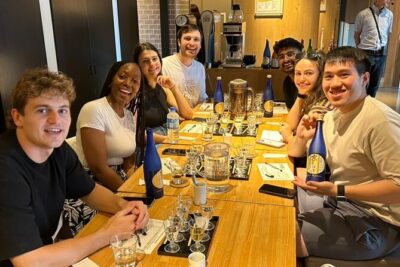
1.5-Hour Kyoto Insider Sake Experience with 7 Tastings & Pairings
Read our review →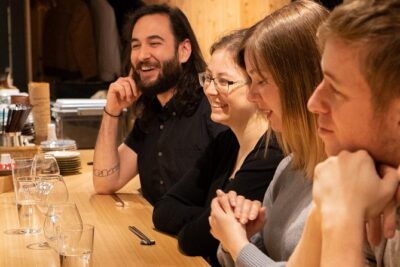
Sake Tasting Masterclass in Shinjuku (8+ Varieties with a Pro)
Read our review →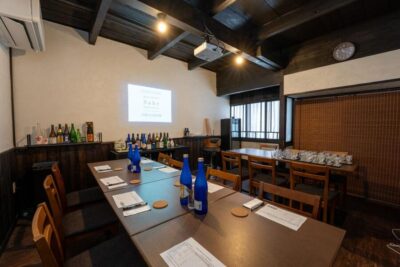
Insider Sake Experience with 7 Tastings and Snacks
Read our review →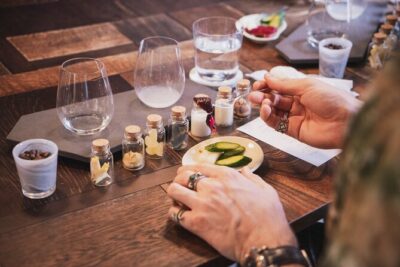
Sake Omakase in Tokyo: Guided Tasting by Certified Sommeliers
Read our review →
Private Tea Ceremony and Sake Tasting in Kyoto Samurai House
Read our review →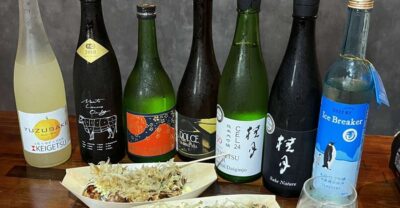
KOBE Sake Tasting Tour at Breweries (tasting fee included)
Read our review →Browse the lists this tour appears in