
REVIEW · TOKYO
Cherry blossom & Japanese Sake Tasting in Shinjuku
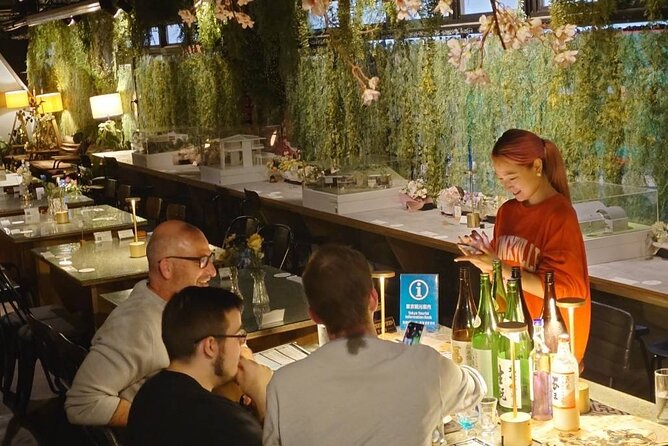
Sake becomes easier with the right tasting order. This one-hour Shinjuku experience begins with lighter 15 to 16 percent sakes, moves toward stronger aromas and flavors, adds traditional Japanese snacks, and ends with sweet amazake. I like the eight-sake lineup and the thoughtful food pairings, which give newcomers a clear way into sake without requiring prior knowledge. I also like that the price includes fees and taxes, so the listed $39.02 is close to the real cost.
The main limitation is time. One hour goes quickly when you are tasting eight drinks, eating snacks, and learning how temperature, aroma, and food affect sake. You also need to be at least 20 years old, and the cherry blossom theme should not be treated as a promise of a separate sightseeing stop or guaranteed blossom viewing.
What makes this Shinjuku sake tasting worth considering
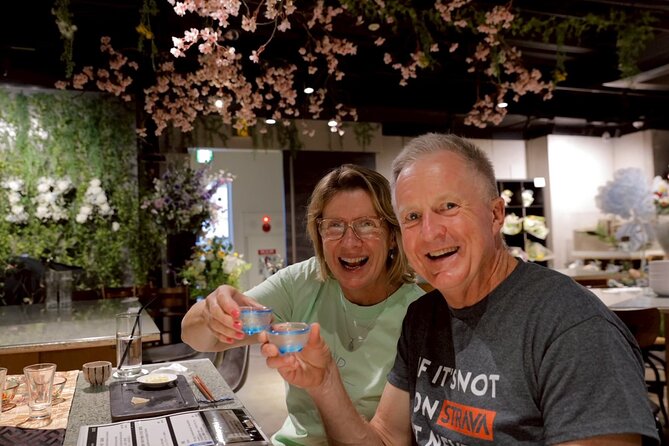
- Eight Japan-only sakes: Taste a broad selection of highly rated bottles that are available in Japan.
- A gradual tasting order: Begin with simpler, lower-alcohol sake before moving toward more distinctive aromas and flavors.
- Traditional snack pairings: Small Japanese foods help show how sake changes alongside savory flavors.
- Amazake for dessert: Finish with sweet rice-koji drink, a non-alcoholic-style traditional favorite often called drinkable IV.
- A relaxed host-led setting: Shuma has been praised for the music, atmosphere, sake order, and food pairings.
- Convenient Shinjuku location: Meet near public transportation at A House with Flowers, then finish at the same address.
Eight sakes, arranged to make sense
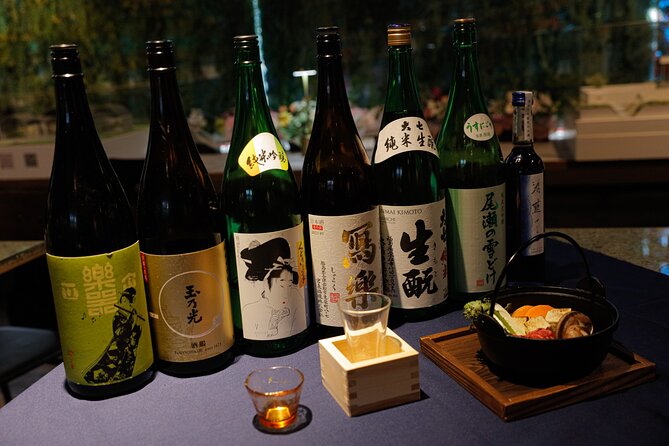
Sake menus can feel confusing if you are new to them. Labels may feature unfamiliar terms, rice varieties, brewing methods, and alcohol levels. This tasting handles that problem with a simple progression rather than dropping eight unrelated pours in front of you.
The first sakes generally sit around 15 to 16 percent alcohol. That is a useful starting point because these pours are described as simpler and easier to approach. I like this structure for first-time drinkers: your palate gets time to adjust before the more unusual aromas and fuller flavors appear.
From there, the tasting moves toward sakes with more distinct character. The exact brands and styles can vary, so you should not expect a fixed bottle list unless the provider confirms one before booking. The useful promise is variety, not a particular label.
The sequence also gives sake enthusiasts something to compare. You can pay attention to sweetness, acidity, aroma, weight, and finish from one glass to the next. Since sake can be served at different temperatures, the tasting may also help you notice why one style feels better chilled while another works at a different temperature. The supplied details do not specify the serving temperature of each pour, so ask the host if that point interests you.
The alcohol content deserves attention. Eight tastings in one hour can add up, even if the portions are small. Eat the included snacks, pace yourself, and avoid treating the session like a race. Transportation to and from the meeting point is not included, so plan your route before the tasting rather than leaving it until the last minute.
More Sake Tastings in Tokyo:
- Sake Tasting Masterclass in Shinjuku (8+ Varieties with a Pro)
★ 5.0 · 271 reviews - Sake Omakase in Tokyo: Guided Tasting by Certified Sommeliers
★ 5.0 · 239 reviews - Tasting All Types of Sake with Sommelier
★ 5.0 · 151 reviews
How the food pairings change the tasting
The snacks are not just something to nibble between drinks. They are part of the lesson. Sake can taste different when paired with food, and traditional Japanese snacks give you a chance to notice that shift without ordering a full meal.
You might first taste a sake on its own, then try it with a snack. A drink that seems dry or sharp by itself may feel rounder with food. Another may bring out sweetness or a more noticeable aroma. The supplied information does not give a detailed snack menu, so you should not book this expecting a particular dish or enough food to replace lunch.
That distinction matters at $39.02. The price covers all fees and taxes, eight sake selections, the traditional snacks, and the amazake finish. It does not cover extra meals or drinks. I see the value in the guided comparison, especially if you would otherwise buy several bottles or glasses without knowing what to choose. If you want a substantial dinner, budget for that separately.
The food pairing also makes this a better introduction than a simple bar stop. You are not only drinking. You are learning how sake fits into a meal, which is one of the most useful things to take away from a short tasting.
The final pour is amazake
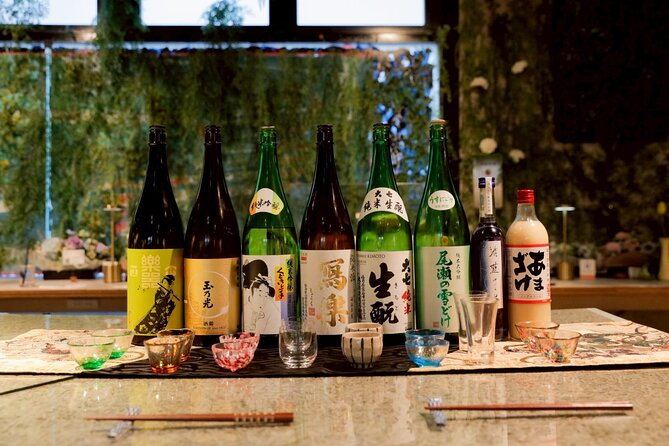
The tasting ends with amazake, a sweet fermented rice drink made with rice koji. It is presented as a dessert and is traditionally valued in Japan for its pleasant flavor and perceived health benefits. The description calls it drinkable IV, a playful expression of how nourishing and easy to drink it can feel.
Amazake gives the session a clear finish. After several savory, dry, or aromatic sake samples, the sweet rice drink changes the pace. It also introduces a Japanese drink that many first-time visitors may not encounter during an ordinary bar visit.
Do not assume amazake is simply another alcoholic sake. It is a separate traditional fermented drink, and the information provided does not state its alcohol content. If you need to avoid alcohol completely, ask the host before participating, since the main activity serves Japanese sake and is restricted to people aged 20 and older.
Shuma’s atmosphere and hosting style
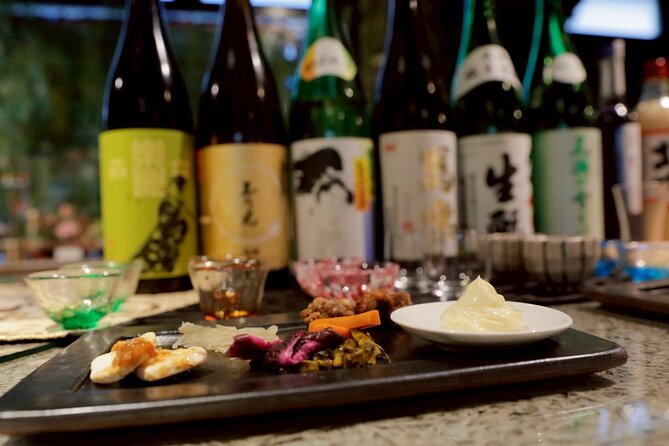
The strongest personal detail available about the hosting comes from Shuma, who received praise for creating excellent vibes, choosing suitable music, and arranging the sake and food with care. Those details matter because a one-hour tasting depends heavily on the person guiding it.
A good order keeps the session from feeling like eight random samples. Good pairing choices help you notice differences instead of simply trying to remember which glass you liked best. Music and ambiance also shape the mood, especially if the tasting takes place after a busy day in central Tokyo.
At the same time, keep expectations sensible. The published details do not provide a full teaching script, a list of brewing regions, or technical information about every bottle. If you want a formal sake class with detailed production notes, ask what level of explanation is offered. If you want a friendly introduction with food and variety, the format looks better suited to that purpose.
The group can include up to 20 people. That is not a private tasting, and the experience may feel more social than intimate at full capacity. A larger group can bring energy, but it may also leave less time for individual questions during a one-hour session.
A few more sake experiences around Tokyo worth a look
- Ramen and Sushi Cooking Class with Sake Pairing Set in Tokyo
★ 5.0 · 291 reviews - Wagyu & Sake Pairing in Shinjuku – Steak, Shabu-Shabu & More
★ 5.0 · 112 reviews - Tokyo Wagyu & Sake Pairing Tasting Experience with Local Flavors
★ 5.0 · 108 reviews - Tsukiji: Outer Market Walking Tour & Sake Tasting Experience
★ 4.9 · 81 reviews
Meeting in Shinjuku at A House with Flowers
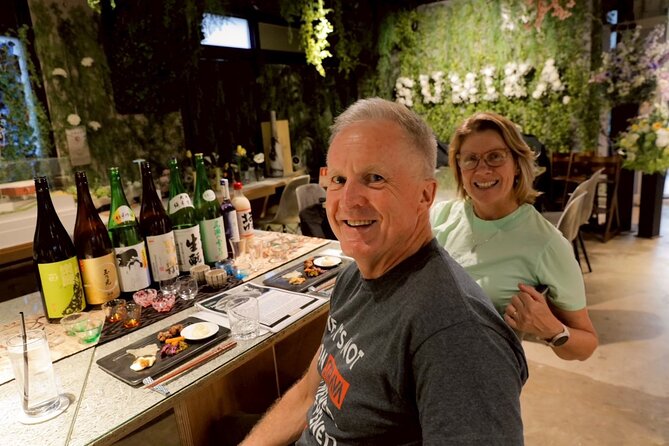
The meeting point is A House with Flowers, at 4F, Dai 6 Sanwa Building, 3-6-7 Shinjuku, Shinjuku City, Tokyo 160-0022. The activity ends back at the same meeting point.
That return to the starting address keeps the logistics simple. You do not need to arrange a second pickup location or guess where the final tasting ends. The location is near public transportation, but transportation costs are not included, so you will need to get there under your own arrangements.
Use the exact address when planning your route. Shinjuku has many large buildings, streets, and station exits, and a building name can be easier to miss than a street address. A mobile ticket is provided, and confirmation arrives when you book.
The title includes cherry blossom, but the supplied schedule does not describe a dedicated blossom walk or viewing point. Treat the sake tasting as the main event. If seeing blossoms is essential to your plans, check the date, season, weather rules, and exact activity details before paying.
Why the one-hour length works, and where it falls short
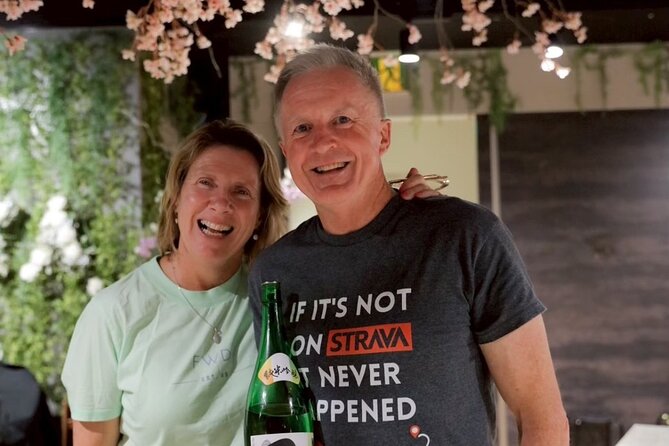
An hour is convenient. You can fit the tasting between sightseeing plans, dinner, or an evening train without giving up half a day. It also keeps the experience focused, which is helpful if you prefer a short introduction rather than a long lecture.
The tradeoff is a fast pace. Eight sakes, snacks, explanations, and amazake leave little room for lingering. You may need to make quick notes if you want to remember your favorites. There is likely not enough time for a long discussion of every brewing region or detailed questions about each bottle.
I would think of this as a guided sampler, not a full sake education. It gives you a useful first map: lighter and simpler pours first, more distinctive flavors later, food in the middle, and a sweet finish. Afterward, you should have a better idea of which styles to seek in a restaurant or specialty shop.
Who should book this experience
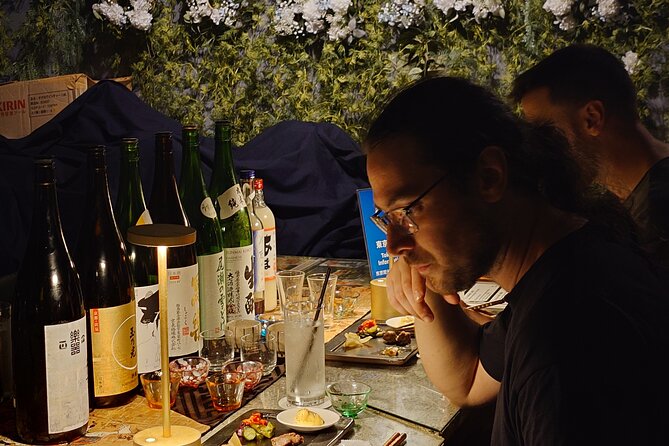
This tasting suits a first-time sake drinker who wants structure. You do not need to arrive knowing the difference between sake styles. The gradual sequence and snack pairings make the tasting approachable.
It also suits a sake fan who wants to compare eight selections that are available in Japan. The value is strongest if you enjoy tasting several styles rather than ordering one drink and settling in for the evening.
I would also recommend it for couples or small groups looking for a social Tokyo activity that does not require a full dinner reservation. The music, food, and relaxed atmosphere described around Shuma’s hosting should help keep the session enjoyable even for people with different levels of sake experience.
This is not a good fit for anyone under 20, since participation is prohibited under Japan’s Minors’ Alcoholic Beverage Law. It may also disappoint you if you want a large meal, hotel pickup, a private group, or a guaranteed cherry blossom sightseeing stop.
Price, booking timing, and cancellation
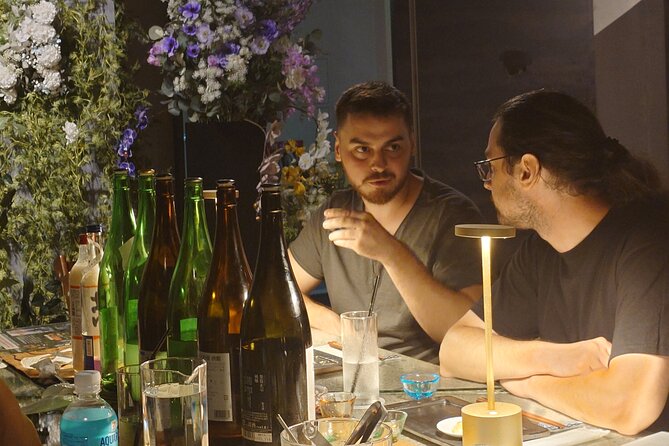
At $39.02 per person, the experience offers reasonable value for eight sake samples, traditional snacks, amazake, and hosted guidance. The price includes all fees and taxes, which makes comparison with other Tokyo tastings easier. You still need to pay for transportation and any additional food or drinks.
It is booked an average of 36 days ahead, so advance planning is sensible, especially if your Tokyo schedule is tight. Confirmation arrives at booking, and the mobile ticket is convenient for a city day when you may not want to carry printed paperwork.
Free cancellation is available up to 24 hours before the start time for a full refund. Changes or cancellations inside that 24-hour window are not accepted or refunded. The cut-off follows local Tokyo time.
The activity requires good weather and a minimum number of participants. If poor weather causes cancellation, or if the minimum number is not met, you can receive a different date or experience, or a full refund.
Should you book the Shinjuku sake tasting?
Book it if you want a short, organized introduction to Japanese sake with real variety and small food pairings. The eight-pour progression, Shuma’s praised hosting style, and amazake dessert make the $39.02 price fair for a one-hour session.
Skip it if you are under 20, need a full meal, want hotel transportation, or expect a dedicated cherry blossom tour. For most adults who enjoy trying local drinks and have one spare hour in Shinjuku, this is a practical way to taste beyond the usual beer and cocktails while keeping the commitment small.
FAQ
How long does the Japanese sake tasting last?
The experience lasts approximately one hour.
How many sakes are included?
The tasting includes eight carefully selected Japanese sakes.
Is food included?
Yes. Traditional Japanese snacks are included for pairing with the sake. Additional meals and drinks are not included.
Is amazake included?
Yes. The tasting ends with amazake, a sweet fermented drink made from rice koji.
What is the meeting point?
Meet at A House with Flowers, 4F, Dai 6 Sanwa Building, 3-6-7 Shinjuku, Shinjuku City, Tokyo 160-0022.
Where does the activity end?
The activity ends back at the meeting point.
Can people under 20 participate?
No. People under 20 are not allowed to participate because the experience serves Japanese sake and underage drinking is prohibited under Japan’s Minors’ Alcoholic Beverage Law.
Can I cancel for a full refund?
Yes. You can cancel at least 24 hours before the start time for a full refund. Cancellations or changes made less than 24 hours before the start time are not accepted or refunded.
Just added around Tokyo
- Tokyo Sake Tasting Tour with a Sake Expert★ 5.0 · 7 reviews
- Wagyu BBQ & Sukiyaki with Sake Pairing Experience near Ginza★ 5.0 · 2 reviews
- Sake Tasting and Cherry Blossom Fun in Tokyo!★ 5.0 · 4 reviews
- Private Sake Tasting at 300 Years Old Sake Brewery in Tokyo★ 5.0 · 3 reviews
- Tokyo: Serene Sakura & Sake: An Exclusive Brewery Pairing Lunch★ 5.0 · 2 reviews
- Sake Pairing Workshop with Japanese Food in Shinjuku★ 5.0 · 5 reviews
- Nagano: Snow Monkey and Zenkoji Temple Free Sake Taste Day Tour★ 4.5 · 8 reviews
- Mt FUJI – Panoramic Tour w/ Hoto Lunch, JP Sake & Onsen tatto OK!★ 5.0 · 9 reviews
Sake Tasting, compared.
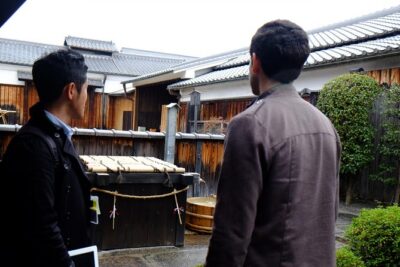
3-Hour Kyoto Insider Sake Brewery Tour with Tastings & Pairings
Read our review →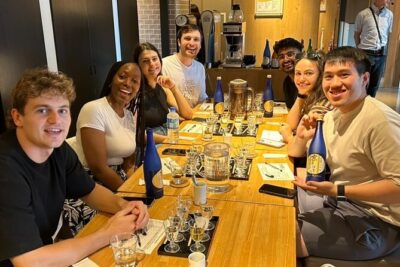
1.5-Hour Kyoto Insider Sake Experience with 7 Tastings & Pairings
Read our review →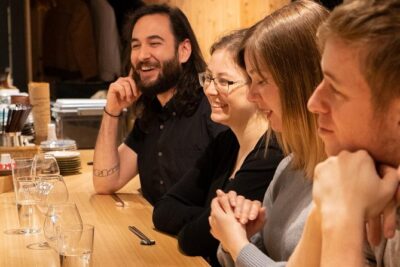
Sake Tasting Masterclass in Shinjuku (8+ Varieties with a Pro)
Read our review →
Insider Sake Experience with 7 Tastings and Snacks
Read our review →
Sake Omakase in Tokyo: Guided Tasting by Certified Sommeliers
Read our review →
Private Tea Ceremony and Sake Tasting in Kyoto Samurai House
Read our review →
Casual Japanese SAKE tasting and snack experience in Kabukicho
Read our review →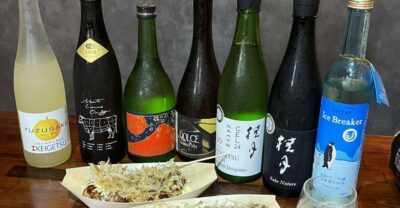
Browse the lists this tour appears in