
REVIEW · TOKYO
Mt FUJI – Panoramic Tour w/ Hoto Lunch, JP Sake & Onsen tatto OK!
Fuji rewards patience. This 10-hour small-group tour gives you several chances to see the mountain from different angles, then adds a traditional hoto lunch, local sweets, sake tasting, and an onsen visit. I especially like the group size, capped at eight people, and the mix of famous photo stops with quieter cultural visits.
I also like the practical design: an air-conditioned vehicle, lunch, parking, and a guide who can answer questions as you go. The main drawback is the long day on the road. The round trip covers more than 400 kilometers, with about three and a half hours in transit, and some stops may feel rushed.
Key Points to Know Before You Book
- Eight-person maximum: A small group gives you more room to ask questions and makes the day feel less like a standard coach excursion.
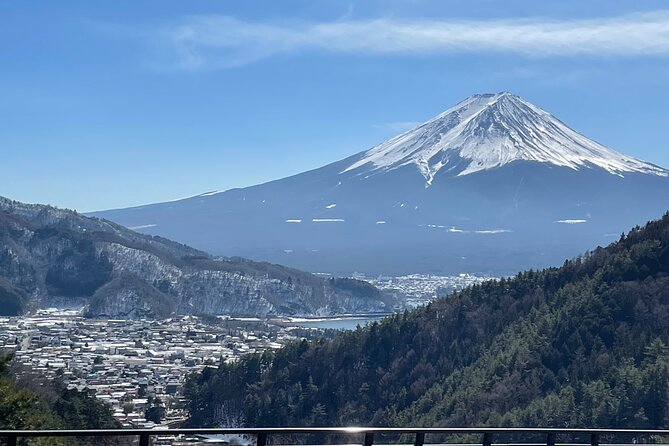
- Several Fuji viewpoints: You see the mountain from Nishikatsura, Arakura Fuji Sengen Shrine, Saiko, Lake Kawaguchiko, Oishi Park, and Misaka Pass.
- Hoto lunch included: The meal is served in the Misaka Pass area, adding a local specialty to the sightseeing.
- Tattoo-friendly onsen option: Hottarakashi Onsen is optional, with an entrance fee of ¥900 per person.
- Sake and sweets add local character: You sample regional sake at Sasaichi Shuzo and try Japanese confectionaries during the day.
- Weather matters: Clouds can block Fuji, so the operator may offer another date or a full refund if poor weather causes cancellation.
Why the Small Group Matters on a 10-Hour Fuji Day
Mount Fuji is close enough to tempt you into a simple day trip, but the area spreads across several towns and lakes. Reaching the best viewpoints, shrines, villages, restaurants, and hot springs takes time. A large coach can handle the distance, but it has less freedom and often spends more time loading and unloading people.
This tour limits the group to eight. That matters most when you want to ask about Japanese customs, local landmarks, or the mountain itself. Guides such as Yayoi-san, Keiko-san, and Ramesh have received especially warm praise for being attentive, helpful, and good at explaining the sights. One guide, Ramesh, also served as an English translator, while Kwon-san was praised for safe driving.
The small vehicle also gives you a more comfortable base for a long day. You can sleep, use the internet, research your next stop, or talk with the guide during the long stretches between attractions. Still, do not mistake small group for leisurely. Eleven stops plus several hours of driving makes this a packed schedule.
The meeting point is outside Shinjuku Post Office at 7:30 a.m. The tour returns to the same place. You should plan for an early start and a late finish, with the exact return time shaped by traffic and road conditions.
More Lunch Trips in Tokyo:
- Tokyo: Serene Sakura & Sake: An Exclusive Brewery Pairing Lunch
★ 5.0 · 2 reviews - Kyoto Sake Brewery Tour with Lunch
★ 4.5 · 12 reviews - Sake & Seasonal Delights Sake Pairing Lunch at the Brewery
★ 5.0 · 8 reviews
First Fuji Glimpses in Nishikatsura and Fujiyoshida
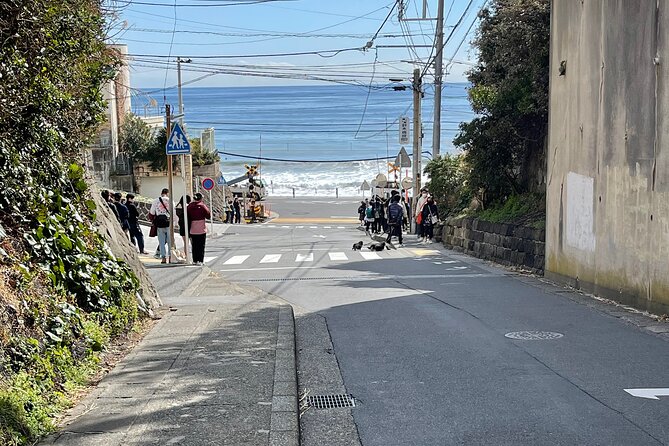
The first stop is Nishikatsura-cho, where you get an early view of Mount Fuji. You have about 20 minutes here, so think of it as a quick orientation and photo pause rather than a full visit. An early glimpse can be useful because visibility often changes during the day.
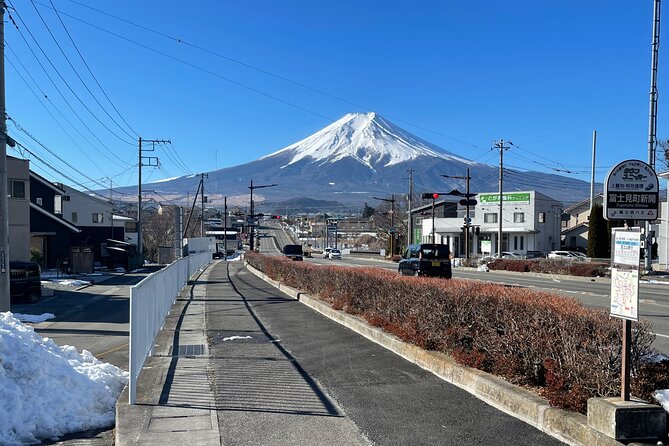
The tour then continues to Fujiyoshida for another 20-minute stop. This is a chance to see the contrast between the town and the mountain behind it, while trying local Japanese confectionaries. The setting gives you a more everyday view of the Fuji area instead of presenting the mountain only as a distant postcard.
Both stops are brief. If you want long walks, extended photography, or time to browse shops, this schedule will feel tight. Their value is variety: you start seeing how Fuji relates to ordinary streets and local towns before moving to more famous viewpoints.
Climbing to the Chureito Pagoda Viewpoint
Arakura Fuji Sengen Shrine is one of the day’s major stops. You have about 50 minutes to visit the shrine and climb toward the well-known viewpoint associated with the five-story Chureito Pagoda and Mount Fuji.
This is one of the strongest photo opportunities on the tour, but it requires physical effort. The route includes stairs, and the schedule gives you enough time for the climb and photographs, not an extended visit. The tour asks for a moderate level of fitness, so anyone with difficulty managing stairs should take this stop seriously when deciding to book.
The appeal is the classic combination of pagoda, hillside, and Fuji. It is a very recognizable image of Japan, but the visit also gives you a chance to see a Shinto shrine and understand why the area draws so many photographers. Your guide can add context and help you make the most of a short stop.
Saiko Iyashi-no-Sato Nemba and Its Old Village Setting
At Saiko Iyashi-no-Sato Nemba, you spend about 40 minutes in a recreated traditional Japanese village beside Lake Saiko. The houses and mountain setting provide another way to frame Fuji, with more emphasis on rural scenery and old-style architecture.
A kimono experience is listed as an optional extra at ¥2,500 per person. The practical detail here is important: the kimono activity is not simply an on-the-spot yukata rental. Availability may depend on advance arrangements, so you should not book this tour assuming you can casually add traditional clothing when you arrive.
The village is attractive and photogenic, but it is also one of the stops that may feel short. One visitor specifically preferred more onsen time and less time at the kimono village. If you care most about bathing and relaxation, this is the stop you may wish to treat as a quick look rather than the day’s main event.
More Onsen Trips in Tokyo:
- Private Nagano 1-Day Tour:Snow Monkeys,Zenko-ji,Obuse,Sake,Onsen
★ 5.0 · 71 reviews - 1-Day Winter Tour From Nozawa Onsen: Snow Monkeys, Zenko-ji Temple & Sake
★ 5.0 · 32 reviews - From Nozawa Onsen: Snow Monkeys and Zenko-ji Day Trip & Sake
★ 4.9 · 13 reviews
Torii Gates and Lake Kawaguchiko Views
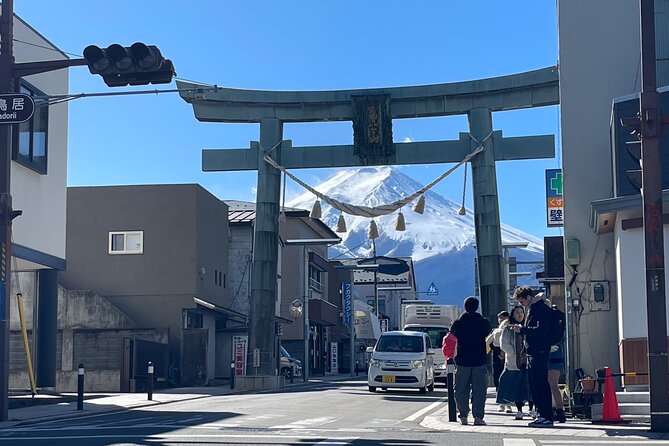
Kanadorii takes only about 15 minutes, but it gives you a look at the first torii gates connected with the main shrine that guards the base of Mount Fuji. A torii marks the entrance to sacred Shinto space, and this brief stop adds religious context to a day otherwise focused on views and food.
The next stop is Oishi Park, where you see Fuji with Lake Kawaguchiko. You have around 20 minutes for photographs and a lakeside view. The pairing of water and mountain is one of the best reasons to visit the Fuji Five Lakes area, and this stop provides a different composition from the shrine and village viewpoints.
Visibility remains the great variable. On a clear day, these stops can produce excellent pictures from several directions. On a cloudy day, the mountain may disappear almost completely. One person still found the trip worthwhile with clouds because the guide made the day enjoyable, but you should book with realistic expectations. No tour can order Fuji to appear on schedule.
Hottarakashi Onsen: The Day’s Best Chance to Slow Down
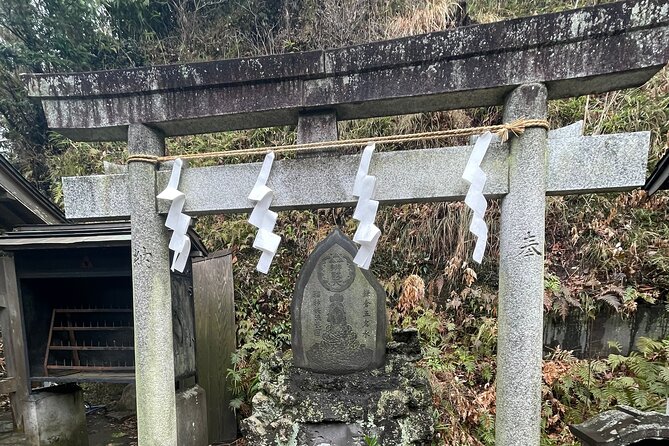
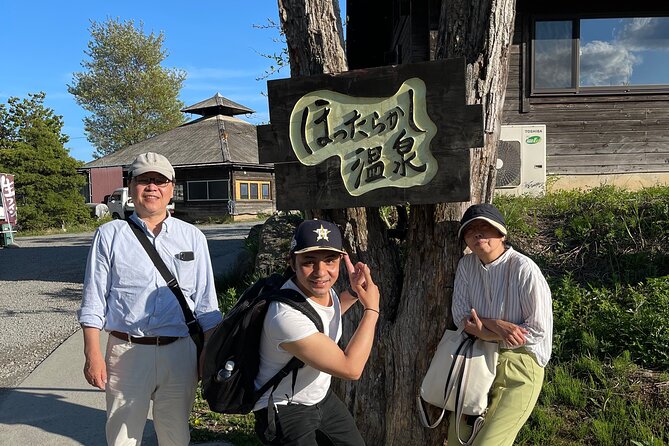
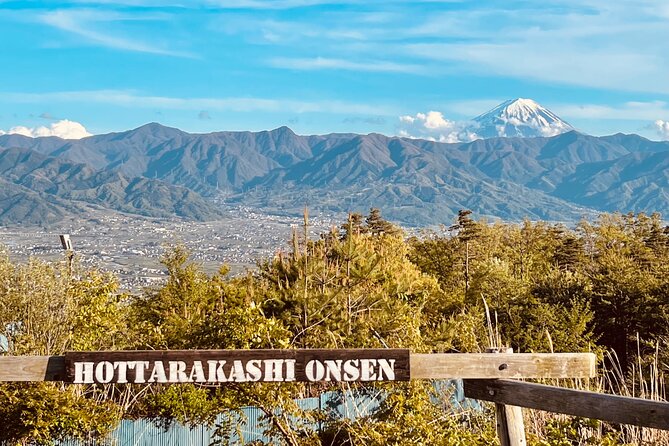
Hottarakashi Onsen is the most relaxing part of the route. The bath sits high above the surrounding area and offers views toward Mount Fuji from a distance. You have about 50 minutes here, although some people wished for longer.
The onsen entrance is optional and costs ¥900 per person. That fee is not included in the tour price. The title identifies this experience as suitable for people with tattoos, which is a useful distinction in Japan, where many hot springs restrict tattooed bathers.
You will need to follow normal onsen etiquette, including washing before entering the bath and keeping swimwear out of the bathing area unless the facility says otherwise. The supplied information does not specify separate bathing arrangements, so ask your guide for the exact procedure when you arrive.
The timing is enough for a meaningful soak, but not for a slow spa afternoon. If the bath is the main reason you are interested, ask yourself if 50 minutes is sufficient. If you see it as a welcome break between sightseeing stops, it fits the day well.
Hoto Lunch at Misaka Pass
Misaka Pass is the main meal stop, with about 70 minutes allotted for lunch and Fuji views. The tour includes lunch, and the experience is promoted with traditional hoto, a hearty local noodle dish associated with the Yamanashi area.
This is useful after a morning of walking. Hoto is generally known for broad noodles and a filling broth with vegetables, though the exact meal can vary. One person found the lunch less appealing than the rest of the day, so I would not book this tour solely for the food.
The setting is the bigger draw. Misaka Pass gives you another high viewpoint, and the combination of a warm regional meal with a mountain panorama makes this a sensible middle-of-the-day pause. You may also have time to ask your guide about the region and compare this view with the earlier lake and shrine stops.
Local Bread, Sake, and a Sweet Finish
The Dangozaka Service Area provides a 20-minute break. It is described as a chance to try local breads, especially if you were unable to eat breakfast before the early departure. This is a practical stop rather than a major attraction, but it helps on a long day when lunch may still be some time away.
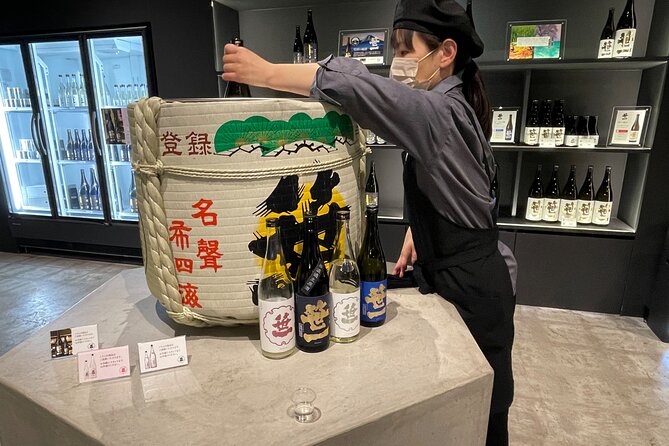
The final cultural stop is Sasaichi Shuzo Shuyukan, a local sake distillery. You spend about 45 minutes learning about and sampling sake produced in the area, including virgin sake and liqueurs. This gives the tour a stronger local-food focus than a simple sightseeing loop.
A particularly memorable detail from the experience is daiginjo ice cream. If available during your visit, it adds a playful finish to the tasting and lets you try a familiar dessert with a distinctly Japanese twist. Sampling alcohol is optional in spirit, even though it is part of the scheduled visit, so tell your guide if you do not drink.
The sake stop also helps explain why small-group travel works here. You can ask questions about production and regional styles without having to shout over a large crowd. If you are interested in Japanese food and drink, this is one of the tour’s most distinctive features.
What the $172 Price Really Covers
At $172 per person, this is not a cheap Fuji transfer. It is a full-day package that includes lunch, parking, an air-conditioned vehicle, shrine and village visits, the distillery experience, and a guide. You are also paying for the ability to reach many separate sites without arranging trains, buses, taxis, and restaurant stops yourself.
The value is strongest if you want variety in one day. You get mountain viewpoints, a shrine, a traditional village, a lake, an onsen option, regional food, and sake. Recreating the same route independently would require careful planning and would be difficult to fit into a single day.
The value is weaker if you want a slow pace. You spend roughly three and a half hours in transit, and the short stops leave limited time for wandering. Optional costs also matter: the onsen is ¥900, the tea experience is ¥500 if offered, and the kimono activity is ¥2,500. These extras can raise the total beyond the advertised price.
Who Will Enjoy This Fuji Trip Most
I would recommend this tour to you if you are staying in Tokyo and want to see many sides of the Fuji region without managing complicated transport. It suits first-time visitors, photographers who want several viewing angles, solo travelers who prefer a small group, and anyone who enjoys adding food and drink to sightseeing.
It can also work well for solo women who want a structured day with a small number of people. One solo participant felt especially comfortable with the transport, guide support, and personal attention.
You should think twice if you dislike early starts, long drives, or fixed schedules. The day is physically moderate rather than strenuous, but the shrine climb and repeated stops require energy. And if seeing Fuji clearly is your only goal, weather can make the experience unpredictable.
Booking at least several weeks ahead is sensible. This experience averages 108 days of advance booking, which suggests that popular dates can fill early. Confirmation is sent within 48 hours, subject to availability.
Should You Book This Small-Group Fuji Tour?
Book it if you want a broad, well-packed day with several Fuji viewpoints, a local lunch, sake, and a tattoo-friendly onsen option. The small group, comfortable vehicle, and attentive guides are the strongest reasons to choose it over a large bus outing.
Skip it if you want a quiet day centered on one viewpoint or a long soak. The schedule covers a lot of ground, and some stops are short. Also remember that clouds can hide Fuji, even when every other part of the day runs perfectly.
For most people who want an easy way to combine scenery, Japanese culture, and regional food from Tokyo, the tour offers solid value. Go for the range of experiences, not a guarantee of a cloudless postcard.
FAQ
Where does the tour start and finish?
It starts at Shinjuku Post Office, 1-chōme-8-8 Nishishinjuku, Shinjuku City, Tokyo, at 7:30 a.m. It ends back at the same meeting point.
How long does the experience last?
The tour lasts approximately 10 hours.
How many people can join the tour?
The maximum group size is eight travelers.
Is lunch included?
Yes. Lunch is included, and the tour features a Japanese meal in the Misaka Pass area.
Is the onsen entrance included?
No. Hottarakashi Onsen is optional and costs ¥900 per person.
Are the kimono and tea experiences included?
No. The kimono experience costs ¥2,500 per person, and the tea experience costs ¥500 per person when selected.
What happens if bad weather cancels the tour?
If poor weather causes cancellation, you can choose a different date or receive a full refund. The tour may also be canceled if its minimum number of participants is not reached, with the same choice of another date, another experience, or a full refund.
Just added around Tokyo
- Tokyo Sake Tasting Tour with a Sake Expert★ 5.0 · 7 reviews
- Wagyu BBQ & Sukiyaki with Sake Pairing Experience near Ginza★ 5.0 · 2 reviews
- Sake Tasting and Cherry Blossom Fun in Tokyo!★ 5.0 · 4 reviews
- Private Sake Tasting at 300 Years Old Sake Brewery in Tokyo★ 5.0 · 3 reviews
- Tokyo: Serene Sakura & Sake: An Exclusive Brewery Pairing Lunch★ 5.0 · 2 reviews
- Nagano: Snow Monkey and Zenkoji Temple Free Sake Taste Day Tour★ 4.5 · 8 reviews
- Sake Pairing Workshop with Japanese Food in Shinjuku★ 5.0 · 5 reviews
- Cherry blossom & Japanese Sake Tasting in Shinjuku★ 5.0 · 4 reviews
Spa & Hot Springs, compared.

Private Nagano 1-Day Tour:Snow Monkeys,Zenko-ji,Obuse,Sake,Onsen
Read our review →
1-Day Winter Tour From Nozawa Onsen: Snow Monkeys, Zenko-ji Temple & Sake
Read our review →
Browse the lists this tour appears in