
REVIEW · TOKYO
Tokyo Sake Tasting Tour with a Sake Expert
Sake gets more interesting after three small pours. This Shibuya tasting gives you a clear starting point, then opens the door to more than 50 labels, from crisp and dry to fruity, sweet, cloudy nigori, plum wine, and craft-style bottles. I like the small group of up to six and the way the guide recommends drinks based on your own taste rather than handing everyone the same flight. I also like the relaxed bar setting, only about five minutes from Shibuya Station.
The main drawback is the short running time, about 70 minutes. That is enough for a useful introduction, but it can feel quick if you want long explanations or a slow evening with food. The all-you-can-drink format also calls for some self-control. Sake is easy to sip, and the best way to enjoy this session is to taste carefully rather than race through the selection.
Key points at a glance
- Three guided starting pours: Compare three selected sakes before choosing from the larger menu.
- More than 50 labels: You can sample a broad range, including dry, sweet, fruity, nigori, plum wine, and craft-style choices.
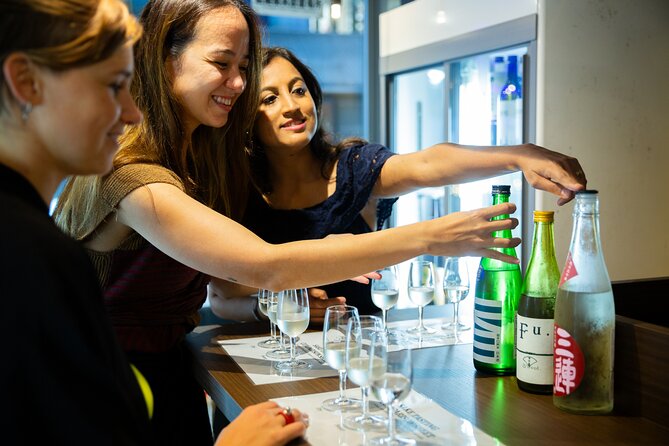
- Small, personal format: The group is limited to six people, giving you more time to ask questions.
- Five minutes from Shibuya Station: The meeting point is at 29-7 Udagawachō, close to Shibuya Crossing and public transportation.
- English-speaking local guide: No previous sake knowledge is needed, and the session includes basic history and drinking tips.
- Food costs extra: You can order sake-friendly snacks and original dishes from the bar, but meals are not included.
Starting near Shibuya Crossing
The experience begins at 29-7 Udagawachō, in the Shibuya area of Tokyo. The location is about a five-minute walk from Shibuya Station, making it easy to fit into a day spent around the famous crossing, shopping streets, and nearby neighborhoods.
That central location is useful, but it also means you should allow time to find the exact meeting point. Shibuya can be confusing, especially around the station’s many exits. Keep the mobile ticket available on your phone, and avoid arriving at the last second.
The listed itinerary identifies Shibuya Crossing as the stop, but the main event takes place inside a calm, cozy sake bar. This is not a sightseeing walk with several monuments or long transfers. You go to one place, settle in, and focus on tasting.
That simplicity is part of the appeal. You do not lose time moving across Tokyo, and you can pair the tasting with other plans in Shibuya. It works particularly well before dinner or after a walk around the area.
More Sake Tastings in Tokyo:
- Sake Tasting Masterclass in Shinjuku (8+ Varieties with a Pro)
★ 5.0 · 271 reviews - Sake Omakase in Tokyo: Guided Tasting by Certified Sommeliers
★ 5.0 · 239 reviews - Tasting All Types of Sake with Sommelier
★ 5.0 · 151 reviews
Three pours that teach you the basics
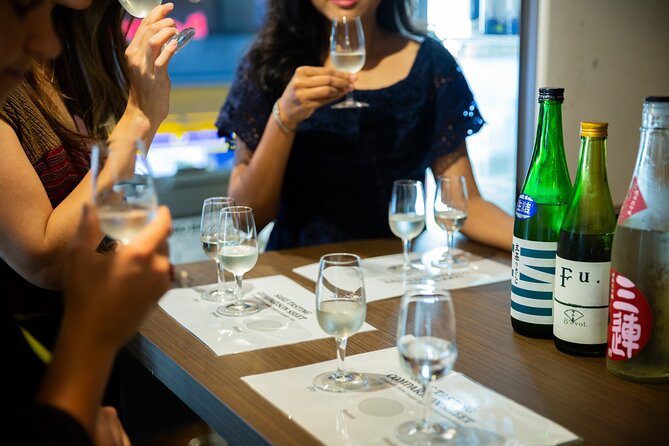
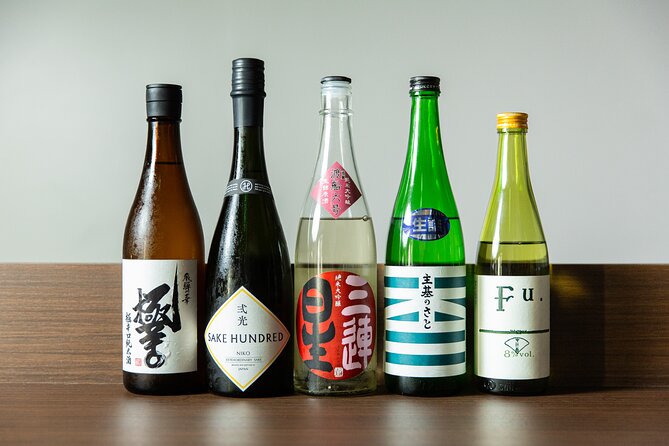
Your session begins with three carefully selected sakes. This opening comparison gives you a useful framework before you start choosing from the larger selection.
The value here is not simply the number of drinks. Sake can seem like one broad category until you taste contrasting styles side by side. A dry sake may feel crisp and clean, while a sweeter or fruitier option can seem softer and easier to drink. Nigori, with its cloudy appearance and fuller texture, offers another point of comparison.
The guide explains what you are tasting and gives you basic information about sake and its background. You do not need to know the difference between brewing terms, rice types, or flavor categories before arriving. The session is built for beginners, and the guide’s job is to make the subject approachable.
I would pay attention during these first three samples, even if you already drink sake. They help you identify what you like before the free sampling begins. Try to remember simple impressions such as dry, sweet, light, fruity, smooth, or strong. You do not need technical vocabulary to get useful advice.
The tasting also includes local drinking customs and suggestions for enjoying sake. The exact conversation can vary with the guide and group, but the format leaves room for questions rather than forcing you through a fixed lecture.
Choosing from more than 50 labels
After the opening flight, you can explore a selection of more than 50 labels. This is where the experience becomes more personal.
Instead of guessing from unfamiliar Japanese names, you can tell the guide what you enjoyed in the first three pours. The guide then recommends options that match your preferences. If you liked something crisp and dry, you can ask for more in that direction. If fruity or gently sweet sake appealed to you, the next suggestions can follow that path.
The selection includes plum wine, nigori, and craft-style varieties as well as more traditional sake choices. That wider range matters because not everyone arrives ready for a dry, polished pour. Someone who normally prefers lighter or sweeter drinks may find an appealing starting point here.
You can also use the session to test assumptions. A person who expects to dislike sake might find that a fruity or sweet style works better. Someone who usually orders dry drinks may discover that nigori or plum wine offers a pleasing change.
The format is described as all-you-can-drink from the available selection during the allotted time. That sounds generous, and it is, but the clock matters. With about 70 minutes, you will get more from the experience if you sample small amounts and talk with the guide instead of trying to work through every label.
Do not treat the 50-plus bottles as a challenge. Think of them as a menu for guided exploration. A handful of well-chosen tastes can tell you much more than hurried drinking.
Why the six-person limit matters

The maximum group size is six people. For a tasting, that is a useful limit.
A small group gives you a better chance to ask about a bottle, explain your preferences, and hear the guide’s answer. It also makes the recommendation process more practical. If everyone is tasting many different options, a large crowd could make the bar feel rushed or impersonal. This format is designed to keep the conversation manageable.
The small size does not guarantee a private tour. Other people may still be part of your group, and the atmosphere can depend on the mix of personalities. Still, six is small enough for a more direct exchange than you would get at a large public tasting.
The guides have received particularly strong praise for being warm, engaging, and clear in English. Mieko has been described as sweet and attentive, while Keko has been praised for personable conversation and excellent English. Yoshie has also been noted for explaining sake history and offering additional ideas for places to see around Tokyo.
Guide assignments can vary, so you should not assume one particular person will lead your session. The useful point is that the experience depends heavily on the guide. A good guide can turn an unfamiliar menu into a series of easy choices.
A few more sake experiences around Tokyo worth a look
- Ramen and Sushi Cooking Class with Sake Pairing Set in Tokyo
★ 5.0 · 291 reviews - Wagyu & Sake Pairing in Shinjuku – Steak, Shabu-Shabu & More
★ 5.0 · 112 reviews - Tokyo Wagyu & Sake Pairing Tasting Experience with Local Flavors
★ 5.0 · 108 reviews - Tokyo: Sushi and Ramen Cooking Class with Sake Pairing Set
★ 5.0 · 81 reviews
A relaxed bar, not a formal classroom
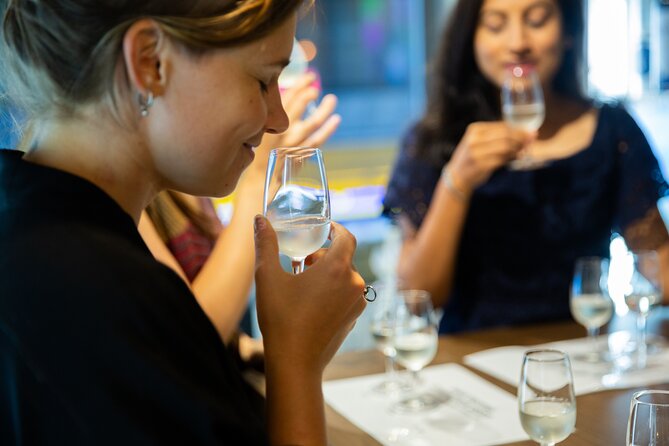
The setting is a cozy bar in Shibuya. That gives the tasting a casual feel rather than the atmosphere of a formal class.
You can expect the guide to explain the basics, compare flavors, and offer recommendations while you drink. One session included a short quiz, which suggests the experience may use light, informal activities to keep the information memorable. The tone is laid back and social.
That approach suits you if you want to learn without sitting through a technical presentation. It is also a good fit for a group of friends who want an activity with conversation built in. Four friends from the United States enjoyed the personal nature of the experience, and the guide’s strong English made the explanations easy to follow.
The bar also sells snacks and original dishes designed by the owner to pair with the drinks. These are not included in the tour price, so plan to pay extra if you want food. The option is useful because sake can be better understood with something to eat, especially if you plan to stay for the full session.
Do not expect a full meal to be part of the booking. The included item is alcoholic beverages, not lunch or dinner. If you need a substantial meal, arrange one separately before or after the tasting.
What $27.36 buys you
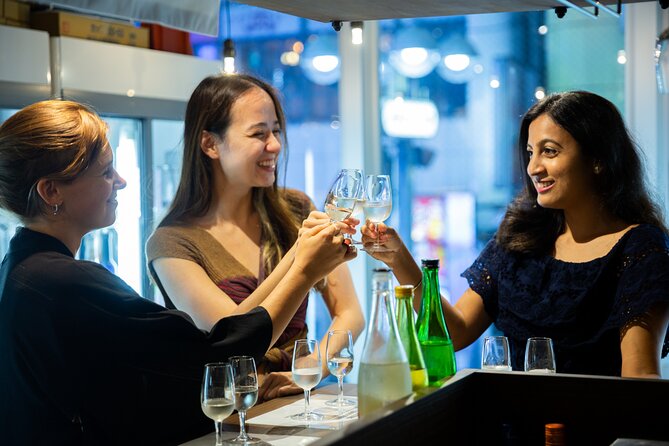
At $27.36 per person, the price is reasonable for a short guided tasting, especially because the booking includes the three introductory pours and all-you-can-drink access to the larger selection during the session.
The strongest value comes from the guidance. You are not simply paying for several glasses of alcohol. You are paying for help understanding what you taste and for recommendations from a menu that could otherwise feel difficult to navigate. More than 50 labels can be exciting, but without help, it can also become a random exercise.
The price works best for people who want an introduction rather than a specialist seminar. If you already know a great deal about sake, you may value the chance to sample widely, but you could find the basic history and introductory explanations familiar.
The 70-minute duration keeps the cost down, but it also limits how much you can cover. I would consider it good value if you want a focused activity near Shibuya and plan to continue your evening elsewhere. I would not choose it as your only food or nightlife plan.
The fact that this experience is often booked about 40 days ahead suggests you should reserve early if your Tokyo schedule is fixed. That timing is especially relevant for a small group, since there are only six places in each session.
What you should know about the drinking format
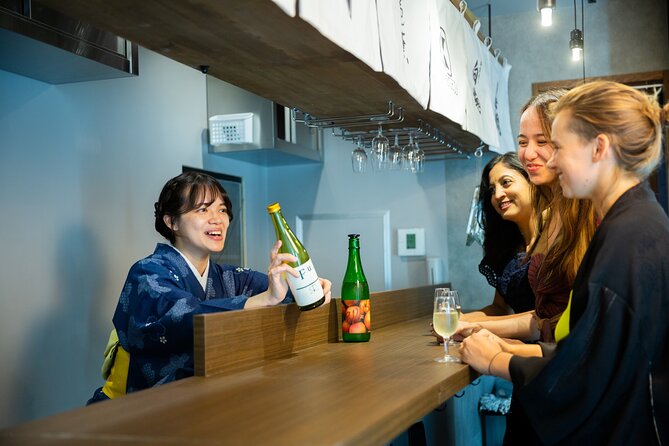
The all-you-can-drink setup is generous, but it is also the feature that needs the most practical judgment.
Sake can vary widely in alcohol level and flavor, and the relaxed setting may make it easy to lose track of how much you have sampled. Start slowly, use the first three drinks as a comparison, and ask for smaller pours when appropriate. You do not need to try every bottle to get your money’s worth.
The guide can steer you toward styles that match your preferences, but you should still say clearly what you like and dislike. Words such as dry, sweet, fruity, cloudy, light, or smooth are enough. You can also point to the first three pours and explain which one worked best.
If you are not comfortable with alcohol, this may not be the right activity. The main included feature is drinking, and there is no mention of a nonalcoholic tasting alternative. You should also avoid planning a demanding activity immediately afterward.
The bar’s snacks can make the session more comfortable, but they are optional extras. Since the tour ends back at the meeting point, you can easily continue in Shibuya once the tasting finishes.
Who will enjoy this Shibuya tasting
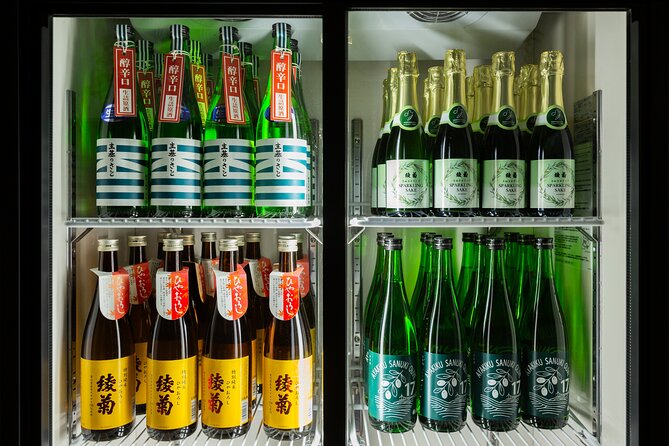
I would recommend this experience to first-time sake drinkers, curious food and drink fans, and visitors who want a short activity close to central Tokyo. It is especially suitable if you like learning through comparison rather than reading a long explanation.
It also suits people who are unsure what kind of sake they prefer. The large selection gives you room to experiment, and the guide’s recommendations remove much of the guesswork.
Friends and couples should find the format easy to enjoy, while solo visitors may appreciate the small group and conversation. The English-speaking guide makes the session accessible if you do not read Japanese or have no experience ordering sake in Japan.
You may want to skip it if you dislike alcohol, want a full meal, or prefer a long, highly technical workshop. The short duration means the session stays focused. That is convenient for some schedules, but it leaves little room for a slow lesson on every part of sake production.
Booking, meeting point, and cancellation
You receive confirmation when you book, and the experience accepts a mobile ticket. It operates near public transportation and ends where it begins, at the Shibuya meeting point.
Free cancellation is available if you cancel at least 24 hours before the start time. Changes or cancellations made within 24 hours are not accepted for a refund, and the cut-off follows Tokyo local time.
Because the group limit is six and the average booking time is about 40 days ahead, I would reserve once your plans are firm. Check the exact meeting details before leaving your hotel, and allow extra time around Shibuya Station.
Should you book it?
Book this tasting if you want an easy, social introduction to sake with a real chance to find a style you enjoy. The combination of three guided samples, more than 50 labels, personal recommendations, and a small group gives you more direction than a simple bar flight.
The best reason to go is the help choosing. Mieko, Keko, and Yoshie have each been associated with warm, clear guidance, though the guide for your session may be different. The main caution is the short schedule and alcohol-heavy format.
For $27.36, it is a sensible choice before dinner or during an afternoon in Shibuya. Pace yourself, order food if you want it, and focus on discovering your taste rather than trying to sample everything.
FAQ
Where does the sake tasting take place?
The meeting point is 29-7 Udagawachō, Shibuya, Tokyo 150-0042, Japan. The bar is about a five-minute walk from Shibuya Station.
How long does the experience last?
The tasting lasts approximately 1 hour and 10 minutes.
How many people can join the group?
The group has a maximum of six participants.
Is prior sake knowledge required?
No. The local English-speaking guide explains the basics, including sake history, and helps you understand the different styles.
What drinks are included?
Alcoholic beverages are included, with all-you-can-drink access during the allotted time from a selection of more than 50 labels. The choices include different sake styles, plum wine, nigori, and craft-style varieties.
Is food included?
No. Meals are not included, but you may order sake-friendly snacks and original dishes created by the bar’s owner.
Just added around Tokyo
- Wagyu BBQ & Sukiyaki with Sake Pairing Experience near Ginza★ 5.0 · 2 reviews
- Private Sake Tasting at 300 Years Old Sake Brewery in Tokyo★ 5.0 · 3 reviews
- Tokyo: Serene Sakura & Sake: An Exclusive Brewery Pairing Lunch★ 5.0 · 2 reviews
- Sake Tasting and Cherry Blossom Fun in Tokyo!★ 5.0 · 4 reviews
- Nagano: Snow Monkey and Zenkoji Temple Free Sake Taste Day Tour★ 4.5 · 8 reviews
- Sake Pairing Workshop with Japanese Food in Shinjuku★ 5.0 · 5 reviews
- Cherry blossom & Japanese Sake Tasting in Shinjuku★ 5.0 · 4 reviews
- Mt FUJI – Panoramic Tour w/ Hoto Lunch, JP Sake & Onsen tatto OK!★ 5.0 · 9 reviews
Sake Tasting, compared.
3-Hour Kyoto Insider Sake Brewery Tour with Tastings & Pairings
Read our review →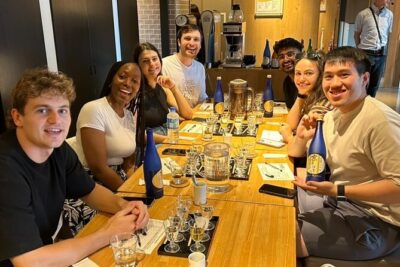
1.5-Hour Kyoto Insider Sake Experience with 7 Tastings & Pairings
Read our review →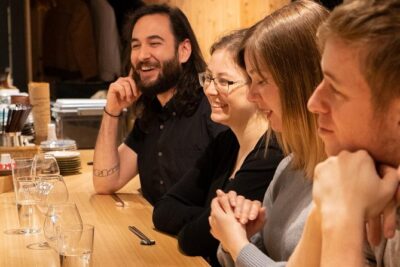
Sake Tasting Masterclass in Shinjuku (8+ Varieties with a Pro)
Read our review →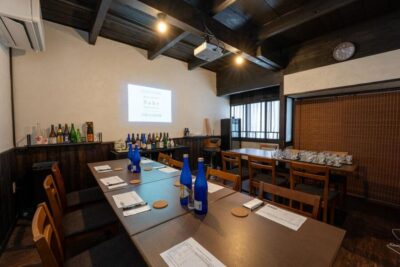
Insider Sake Experience with 7 Tastings and Snacks
Read our review →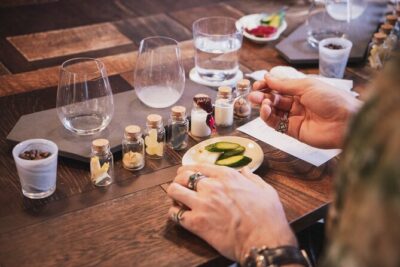
Sake Omakase in Tokyo: Guided Tasting by Certified Sommeliers
Read our review →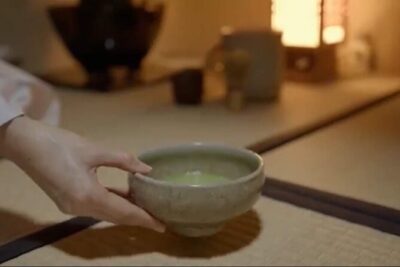
Private Tea Ceremony and Sake Tasting in Kyoto Samurai House
Read our review →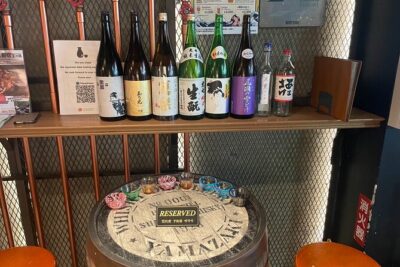
Casual Japanese SAKE tasting and snack experience in Kabukicho
Read our review →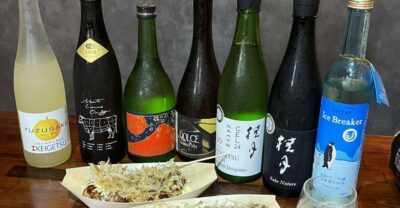
Browse the lists this tour appears in