
REVIEW · TOKYO
Sake Omakase in Tokyo: Guided Tasting by Certified Sommeliers
Sake can be friendly, not fussy. This two-hour tasting in central Tokyo makes the drink approachable through seven Japan-exclusive sakes, four themed courses, and small food pairings. I like the native English-speaking sommeliers, who explain brewing, flavor, temperature, and glassware without turning the session into a lecture. I also like the small maximum of six people, which gives you room to ask direct questions.
The main consideration is the free-flow format. Seven sakes with refills can add up quickly, even when the pours are served across several courses. I would eat a proper meal beforehand, pace yourself, and treat the tasting as an educational session rather than a drinking contest.
Key details worth knowing
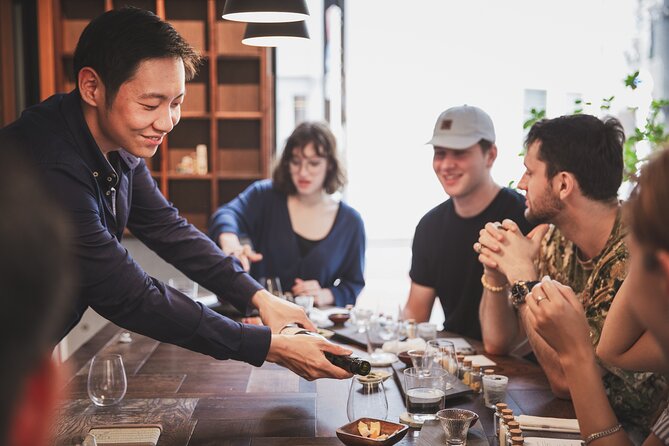
- Seven sakes, four themes: Compare rice styles, temperatures, infusions, and drinking vessels as the session progresses.
- A small-group format: The tasting is limited to six people, making it easier to ask about your favorite flavors.
- English, Japanese, and Chinese guidance: The sommeliers can explain sake in all three languages.
- Showa-era character: A reclaimed wood table from a Showa-era building anchors the designer tasting room.
- Food is part of the lesson: Pickles, cheeses, cured meats, and dessert show how sake changes alongside food.
- Central Tokyo location: Meet at Linden House, 1-chome-9-9 Kanda Ogawamachi, in Chiyoda City.
What the two-hour sake session is really about
This is not simply a flight of sake placed in front of you. The structure is built to show why the same drink can taste different depending on its ingredients, temperature, food pairing, and serving vessel.
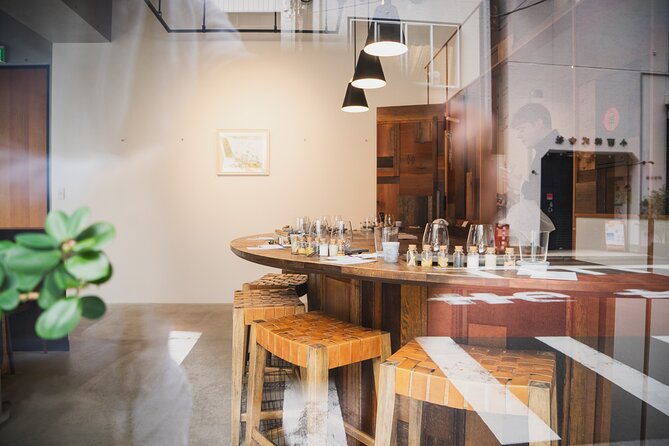
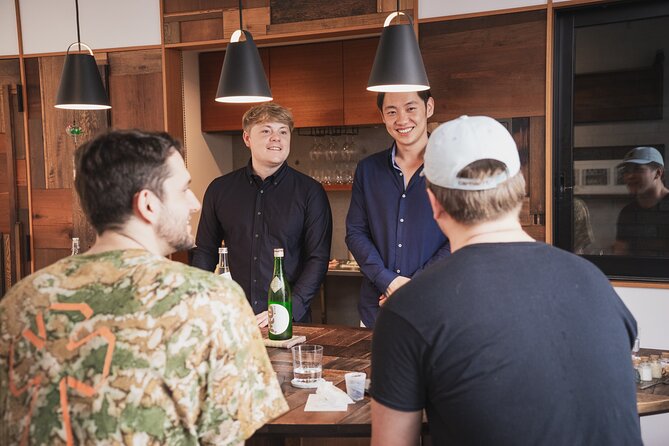
You sit in a small tasting room centered on a large wood table made from reclaimed material from a Showa-era building. That detail gives the setting a sense of place without relying on a formal restaurant atmosphere. The room is designed for conversation, and that matters here. Sake can seem confusing when you are faced with unfamiliar labels and terms, so the chance to ask questions as you taste is a real part of the value.
The session lasts about two hours. That gives the hosts enough time to present seven different sakes without rushing every pour. Since the group is capped at six, you are not lost in a crowd or waiting for a guide to finish the same explanation at the other end of a long table.
The hosts have led more than 2,500 tasting sessions, and the presentation is offered in English, Japanese, and Chinese. The strongest praise for this experience centers on the way the hosts explain things. Aaron, Eric, Frank, and Phillip are specifically mentioned by name in the feedback, so the exact host may vary, but you can expect a friendly, experienced teaching style.
More Sushi and Sake Tours in Tokyo:
- Ramen and Sushi Cooking Class with Sake Pairing Set in Tokyo
★ 5.0 · 291 reviews - Tsukiji: Outer Market Walking Tour & Sake Tasting Experience
★ 4.9 · 81 reviews - Tokyo: Sushi and Ramen Cooking Class with Sake Pairing Set
★ 5.0 · 81 reviews
The opening pours: finding your sake starting point
The first part of the tasting helps you get oriented. If you have only tried sake once, this is useful because you are not expected to arrive knowing the difference between styles or brewing methods.
The sommeliers guide you through the basic flavor differences and help you notice what suits your own palate. That last part is more helpful than memorizing technical terms. You may prefer clean and delicate sake, or you may find that fuller, sweeter, more savory styles work better for you. The point is to give you a reference point before the tasting becomes more experimental.
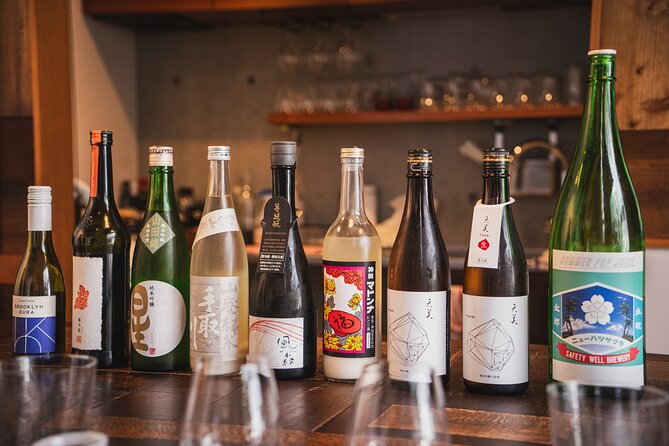
The selection includes seven highly exclusive sakes available in Japan. Specific bottles can change, so you should not book this expecting a particular label. The benefit is the range. You get to compare several expressions instead of ordering one bottle in a bar and trying to guess what you like from a menu description.
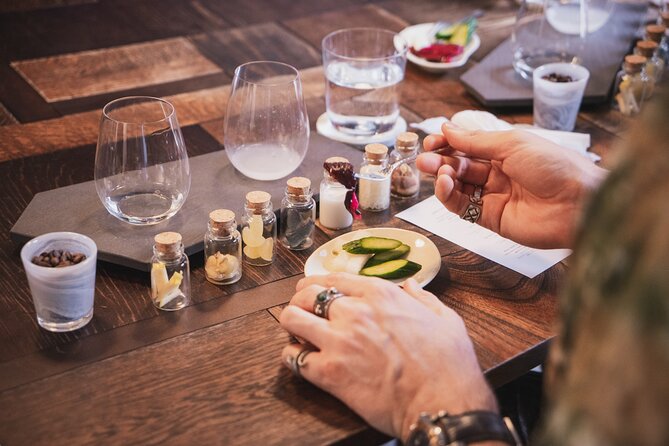
Small bites arrive as part of the progression. Pickles, cheese, cured meats, and dessert are included. These are not just snacks to keep you occupied. Food can make a sake taste softer, sharper, sweeter, or more savory, and the pairings help make those changes easy to notice.
Rice comparison: why the raw material matters
One of the themes focuses on rice comparison. Rice is the basic ingredient in sake, but the type and treatment of the rice affect the final drink. This course gives you a practical way to taste that difference instead of hearing only an abstract explanation.
The value here is comparison. A single sip can be hard to judge when you have no reference point. Two or more sakes placed beside each other give your palate something to measure. The hosts can explain what you are tasting and connect those flavors to brewing choices.
This is also a good moment to ask the question many first-time drinkers have: why do I like one sake and not another? The session is designed to help you answer that for yourself. You do not need to leave able to recite every sake category. It is enough to recognize a few preferences that can guide your future orders in Japan or at home.
The accompanying bites give the rice comparison more context. A salty or tangy food can change the impression of a sake, while a sweet course can bring out different notes. I like this approach because it treats sake as part of a meal, not as an isolated tasting sample.
Five temperatures: the same sake can change
Another course presents sake at five different temperatures. This is one of the most useful parts for anyone who plans to drink sake again after the tour.
Temperature affects aroma, texture, sweetness, and how strongly certain flavors appear. A sake served chilled can feel very different from the same sake served warmer. You do not have to become an expert to understand the lesson. Taste the changes side by side and you can decide which serving style you prefer.
This section also keeps the experience lively. Instead of sitting through a long talk about production, you have a clear experiment in front of you. The explanation has a purpose because you can test it immediately.
The practical benefit continues after you leave. If you order sake at a restaurant and the staff asks how you want it served, you will have a better basis for answering. You may also learn that a bottle you disliked in one form deserves another chance at a different temperature.
The free refills are useful here because they allow you to continue tasting each style rather than receiving only a tiny sip. Still, unlimited service requires self-control. Pace yourself, drink water if available, and remember that the session includes several courses.
More Sake Tastings in Tokyo:
- Sake Tasting Masterclass in Shinjuku (8+ Varieties with a Pro)
★ 5.0 · 271 reviews - Tasting All Types of Sake with Sommelier
★ 5.0 · 151 reviews - Tokyo Wagyu & Sake Pairing Tasting Experience with Local Flavors
★ 5.0 · 108 reviews - Tsukiji: Unlimited Sake Tasting Experience
★ 4.9 · 67 reviews
Herbs and spices: sake beyond the traditional glass
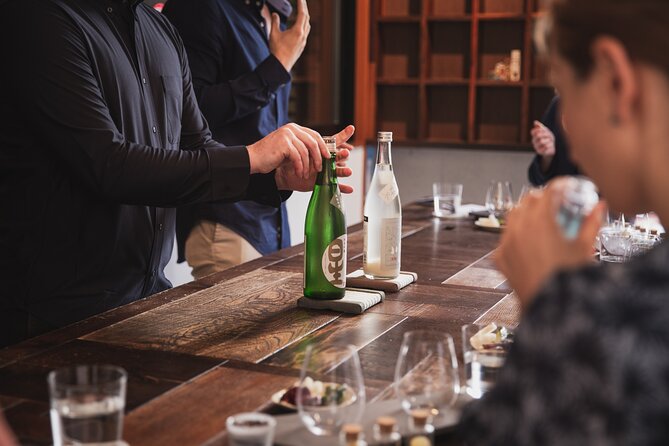
The tasting also explores spice and herb infusions. This part moves away from the simple idea that sake must always be served plain.
Infused drinks can reveal how sake works with aroma and seasoning. The herbs and spices add another layer to the tasting, and the hosts explain how these additions affect the overall profile. This is a good section for curious drinkers who already know they like cocktails, flavored spirits, or food with strong seasoning.
It also shows the modern side of sake. The session covers brewing traditions, but it is not locked in the past. You get a look at how contemporary producers and hosts play with flavor while keeping sake at the center.
The small plates matter again. Cured meats and pickles can make an infused sake seem more balanced, while a dessert course may bring out sweeter notes. You are encouraged to notice the connection rather than simply deciding which drink is best.
That makes the session useful for future meals in Tokyo. You may leave with a better sense of what to order alongside salty snacks, rich food, or dessert. The teaching stays grounded in actual drinking choices.
Drinking vessels: the glass is part of the flavor
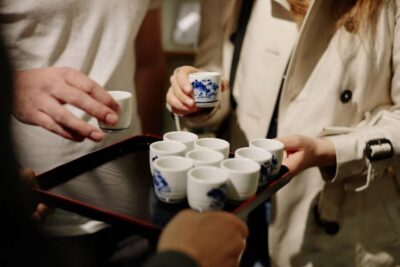
The final theme examines how drinking vessels influence taste. This is an easy detail to overlook, especially if you are used to receiving every drink in the same type of glass.
The shape and material of a vessel can affect aroma and the way sake reaches your mouth. The session lets you compare those changes directly. Again, the point is not to memorize a rule saying one vessel is always correct. You are learning how presentation can alter your impression.
This is one of the more unusual parts of the experience because many tastings stop at ingredients and temperature. Here, the glass or cup becomes part of the lesson. It gives you another practical tool for understanding why two servings of the same sake may not feel identical.
The hosts also answer questions about what might suit your palate. That personal guidance is a major reason to choose this format instead of simply buying a sake flight at a bar. You can ask about sweetness, dryness, aroma, temperature, food pairing, and serving style in one sitting.
The food pairings are small but important
The included food is made up of small bites rather than a full meal. You get pickles, cheeses, cured meats, and dessert across the four-course progression.
That is enough to support the tasting, but I would not treat it as lunch or dinner. One of the most useful practical tips from the feedback is to eat something substantial beforehand. Arriving hungry may make the alcohol feel stronger, especially with free refills over two hours.
The pairings are also a teaching tool. A bite of food can change your view of a sake more clearly than another explanation can. A drink that seems too dry alone may work well with cheese. A sharper sake may make more sense beside something salty or pickled.
Because the bites arrive in stages, the food helps mark the movement from one theme to the next. The result feels more like a guided tasting menu than a row of unrelated samples.
The room and group size make a difference
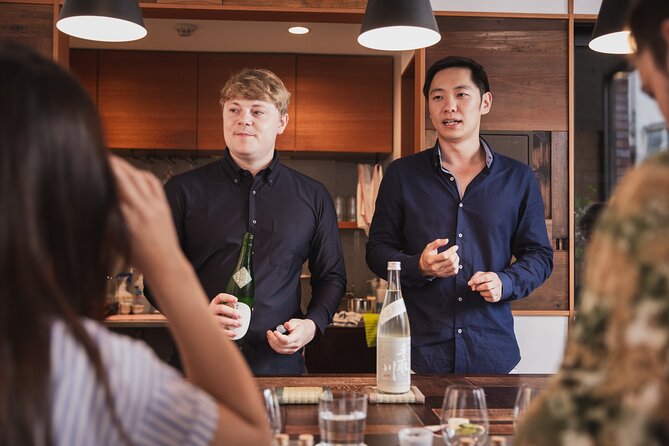
The setting is one of the experience’s quieter strengths. The reclaimed Showa-era wood table gives the room a distinctive focal point, while the designer setting keeps the tasting polished and comfortable.
The group maximum is six people. That is small enough for the hosts to keep the discussion open, and it makes it easier to hear explanations and ask follow-up questions. It also means you may meet the other people at your table, which adds a social element without creating the noise of a large group event.
I would choose this format if you enjoy conversation and guided learning. If you want to drink alone or move at your own speed, a sake bar may suit you better. Here, the value comes from the sequence, the explanations, and the shared table.
The hosts are repeatedly praised for making people feel at ease. That matters for beginners. You can ask basic questions without feeling out of place, and you can still find useful detail if you already know a little about sake.
Is $79.52 a fair price?
At $79.52 per person, this is not the cheapest way to drink sake in Tokyo. You could buy several individual pours at a bar for less, especially if you skip food and instruction.
The comparison changes when you consider what is included. You receive seven selected Japan-only sakes, free-flow service across four themed courses, small food pairings, and two hours with certified sommeliers. The group size is limited to six, and the instruction is available in English, Japanese, and Chinese.
For a beginner, the price can be good value because it replaces guesswork. Instead of ordering unfamiliar bottles one at a time, you taste a range and learn how to describe what you like. For an experienced sake drinker, the strongest value comes from the temperature, vessel, infusion, and rice comparisons.
The free refills should not be the main reason to book. The educational structure is more important. If you focus on quantity, you may miss the differences the session is designed to show.
Who should book this Tokyo tasting?
I would recommend it most strongly to:
- First-time sake drinkers who want a clear introduction
- People who have tried sake but cannot explain what they prefer
- Food-focused visitors who enjoy matching drinks with small plates
- Couples and small groups looking for an indoor Tokyo activity
- Experienced drinkers curious about temperature and serving vessels
- Visitors who want an English-language sake session
It may be less suitable if you have an alcohol allergy, since alcohol is central to the activity. It is also not the right choice if you want a full dinner, a brewery visit, or transportation around Tokyo.
The meeting point is Linden House at 1-chome-9-9 Kanda Ogawamachi, Chiyoda City, Tokyo 101-0052. The activity ends at the same place. It is near public transportation, but transportation to and from the location is not included, so allow time to reach the address.
Most people can take part, and confirmation is provided when you book. You can cancel for a full refund up to 24 hours before the start time. Cancellations or changes inside that window are not refunded or accepted. The session also requires a minimum number of participants, so a cancellation by the operator can result in another date or a full refund.
Should you book the Sake Omakase?
Yes, if you want to understand sake rather than simply sample it. The strongest parts are the small group, the clear explanations, the seven-sake range, and the unusual comparisons involving rice, temperature, infusions, and vessels.
I would book it early in your Tokyo stay if sake is new to you. The guidance can help you make better choices at restaurants and bars later in the trip. Eat beforehand, pace yourself, and treat the refills as a chance to compare flavors, not a challenge to empty every bottle.
If you want a full meal, a brewery tour, or a quiet drink without instruction, choose something else. For a friendly, focused introduction in central Tokyo, this tasting offers a lot in two hours.
FAQ
How long does the sake tasting last?
The experience lasts approximately two hours.
How many sakes are included?
Seven sommelier-selected, Japan-exclusive sakes are included, served with unlimited refills over four themed courses.
What food is provided?
Small bites are served with each course. The food includes pickles, cheeses, cured meats, and dessert.
Where does the tasting begin and end?
It begins at Linden House, 1-chome-9-9 Kanda Ogawamachi, Chiyoda City, Tokyo 101-0052, Japan, and ends back at the same meeting point.
How many people can join?
The activity has a maximum of six participants.
Can I cancel for a refund?
You can cancel at least 24 hours before the start time for a full refund. Cancellations or changes made less than 24 hours before the start time are not refunded or accepted.
Just added around Tokyo
- Tokyo Sake Tasting Tour with a Sake Expert★ 5.0 · 7 reviews
- Wagyu BBQ & Sukiyaki with Sake Pairing Experience near Ginza★ 5.0 · 2 reviews
- Sake Tasting and Cherry Blossom Fun in Tokyo!★ 5.0 · 4 reviews
- Private Sake Tasting at 300 Years Old Sake Brewery in Tokyo★ 5.0 · 3 reviews
- Tokyo: Serene Sakura & Sake: An Exclusive Brewery Pairing Lunch★ 5.0 · 2 reviews
- Nagano: Snow Monkey and Zenkoji Temple Free Sake Taste Day Tour★ 4.5 · 8 reviews
- Sake Pairing Workshop with Japanese Food in Shinjuku★ 5.0 · 5 reviews
- Cherry blossom & Japanese Sake Tasting in Shinjuku★ 5.0 · 4 reviews
Sushi & Sake Tours, compared.
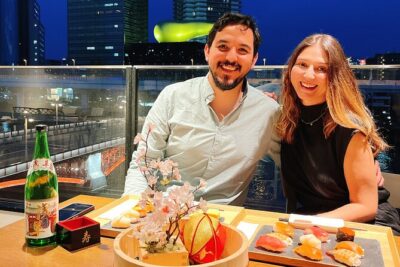
Ramen and Sushi Cooking Class with Sake Pairing Set in Tokyo
Read our review →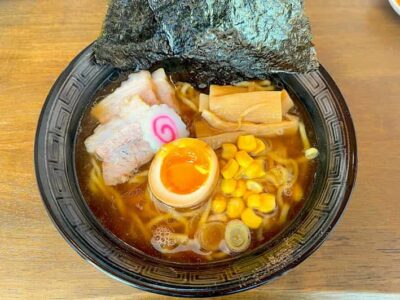
Sushi and Ramen Cooking Class with Sake Pairing Set
Read our review →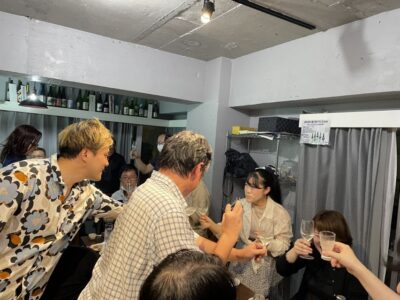
Outer Market Walking Tour & Sake Tasting Experience
Read our review →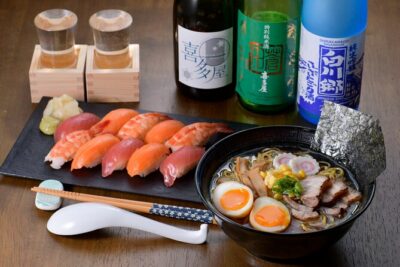
Cozy Tokyo Class: Ramen, Sushi, Sake Pairing & Cultural Exchange
Read our review →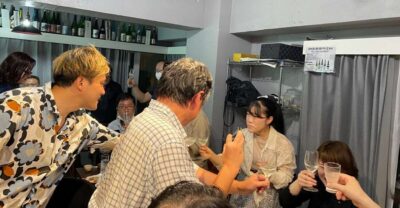
Tsukiji Market Eating Tour, Authentic Sushi & Sake Comparison
Read our review →Browse the lists this tour appears in