
REVIEW · DUSSELDORF
Düsseldorf: Sushi, Sake & Japanese Lifestyle Tour
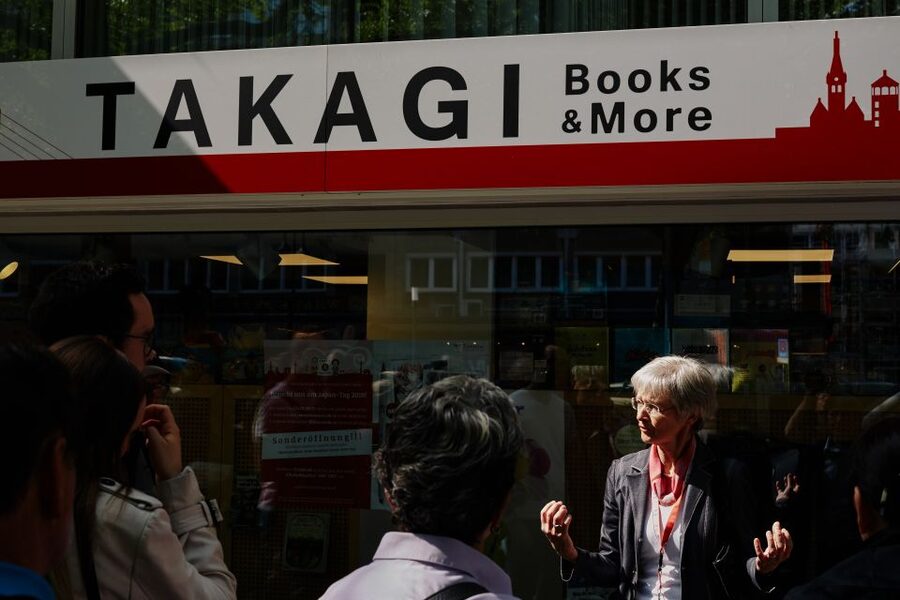
Japan begins on Immermannstraße. Düsseldorf’s Little Tokyo packs restaurants, bakeries, bookshops, manga, matcha, and everyday Japanese shopping into a compact city neighborhood. This two-hour walking tour offers a quick, tasty way to understand why the Japanese community has made this part of Düsseldorf its home.
I especially like the four food samples, which turn a general neighborhood walk into something you can taste. I also like the small group limit of 10, since guides such as Patrizia and Julia can give more attention than a large bus-tour leader. The main drawback is that the tour is German only, and the cultural information may feel uneven if you already know Düsseldorf’s Japanese quarter well.
For a first visit, the tour works best as an introduction rather than a full survey of Japanese life in the city. You will see some important types of businesses, receive useful food and shopping suggestions, and get a souvenir available only on this tour. Just keep your expectations realistic: two hours can open the door, but it cannot cover every restaurant, salon, tea room, and community story along Immermannstraße.
Key points at a glance
- Immermannstraße is the center of Düsseldorf’s Little Tokyo, a compact district where Japanese food, retail, books, sweets, and daily services sit close together.
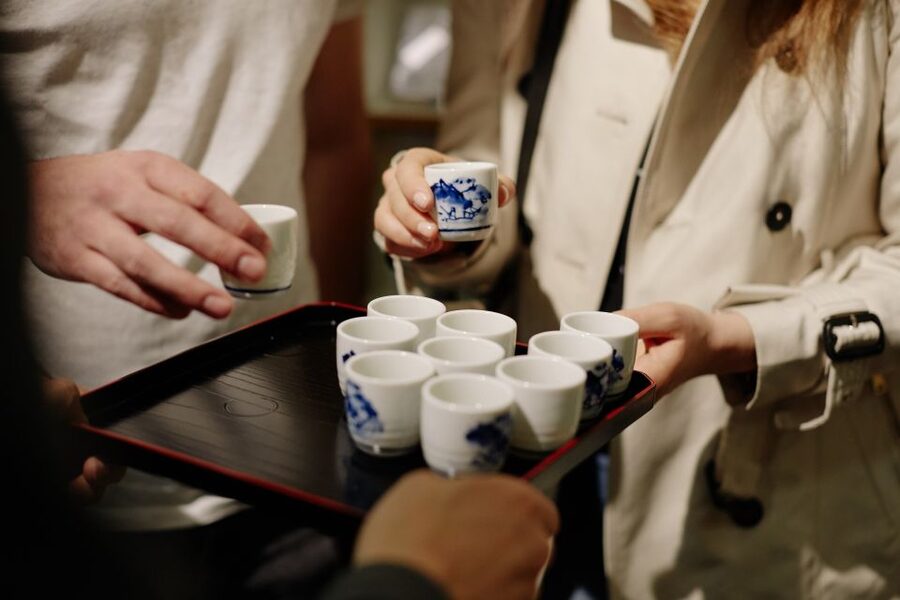
- Four tastings are included, with food suitable for vegetarians but not vegans or people avoiding gluten.
- Japanese bookshops, bakeries, manga stores, and food shops give the walk more range than a simple sushi crawl.
- Guides Patrizia and Julia have received strong praise for friendly, humorous, and enthusiastic presentations, though the depth of information can vary.
- The group is limited to 10 people, making it easier to ask questions and hear the guide on city streets and inside small shops.
- The tour costs $41 per person and lasts two hours, a fair price if you value tastings and local orientation more than a long historical lecture.
Starting at Immermannstraße 41
The meeting point is in front of the Clayton Hotel Düsseldorf, formerly Hotel Nikko Düsseldorf, at Immermannstraße 41. That location puts you directly beside the neighborhood you came to explore. You do not spend the first part of the tour crossing the city.
That matters because Little Tokyo is best understood on foot. The district is not a single attraction with a gate or ticket desk. Its character comes from the way Japanese businesses share ordinary city blocks with hotels, offices, and other Düsseldorf shops. A guide helps you notice the pattern instead of walking past it.
The tour lasts two hours, so wear comfortable shoes, but this is not a strenuous hike. The listed information does not promise a particular route or name every tasting stop in advance. Think of the walk as a guided introduction to the area, with food breaks and recommendations built in.
A small group of no more than 10 people is a real advantage here. Japanese bakeries, bookshops, and specialty stores can be tight spaces. A large group would make it harder to hear explanations and easier to crowd the people who are shopping. With a small party, you should have a better chance to ask about a dish, a manga title, or a shop you want to revisit later.
More Sushi and Sake Tours in the world:
- Ramen and Sushi Cooking Class with Sake Pairing Set in Tokyo
★ 5.0 · 291 reviews - Sake Omakase in Tokyo: Guided Tasting by Certified Sommeliers
★ 5.0 · 239 reviews - Tsukiji: Outer Market Walking Tour & Sake Tasting Experience
★ 4.9 · 81 reviews
Why Düsseldorf has a Little Tokyo
The tour explains why Japanese life is concentrated around Immermannstraße and why the community feels at home there. The supplied details do not give a full timeline of Japanese migration to Düsseldorf, so you should not expect an academic history course. The emphasis is on the neighborhood as it functions today.
That present-day focus is useful. You learn where Japanese residents shop and dine, not just where a sign looks good in a photograph. The walk links food with daily life: ramen and soba, sushi and sake, matcha, books, baked goods, arts and crafts, and manga.
This is also where the tour can be most valuable for a short stay. You may leave with a clearer plan for the rest of your time in Düsseldorf. Instead of choosing a restaurant at random, you receive pointers about places associated with sushi, sake, and matcha lattes. The guide may also share anecdotes about the people and businesses that give the quarter its particular feel.
Keep in mind that the tour is not designed to represent every part of the Japanese community. Specific subjects such as Japanese hairdressers, tailors, and laundries may not receive much attention. One particularly useful criticism of the experience is that these everyday services, which help show how a community actually lives, can be left out.
Food samples: the tastiest part of the walk
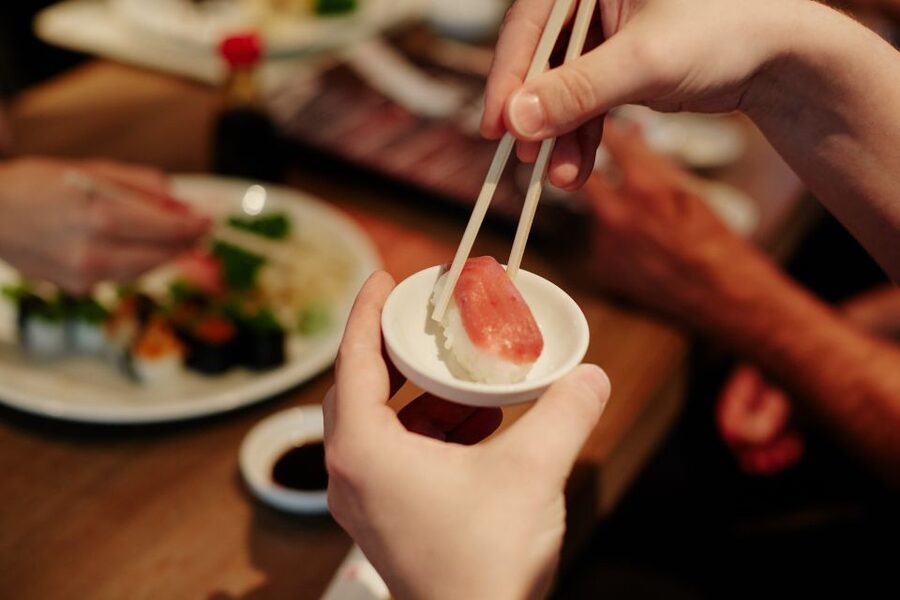
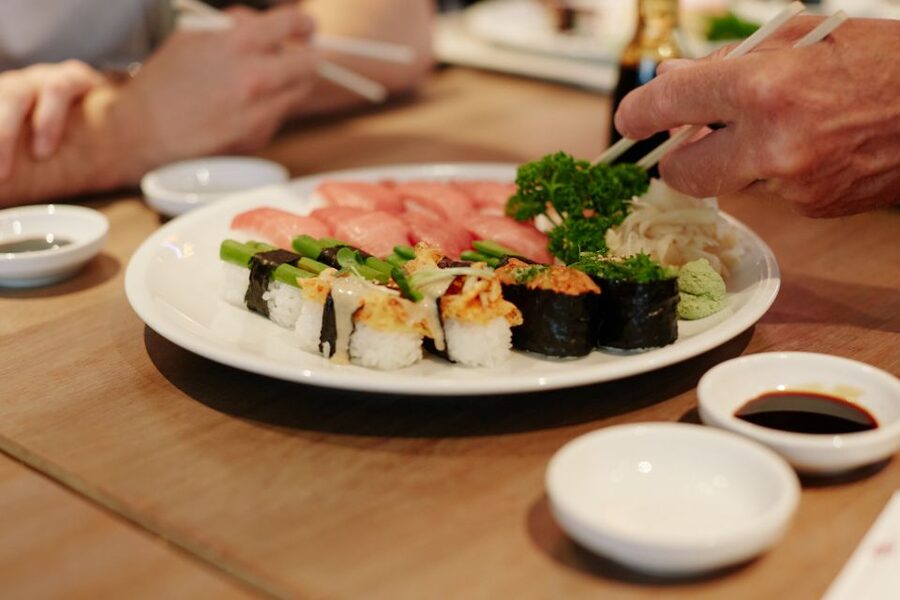
The four included samples are a central reason to book. You are not simply looking at restaurant menus while a guide talks. You get to try Japanese specialties during the walk, including sushi-related food and other delicacies connected with the neighborhood.
The exact selection is not specified, so do not book expecting a particular sushi roll, sake label, or dessert. One reported stop includes a matcha brownie at Matcha Café Wakaba. That sounds appealing, but the tasting may be more enjoyable if the guide explains the café and the role of matcha in Japanese food culture, rather than handing you a sample without context.
The food rules are important:
- The samples are suitable for vegetarians.
- They are not suitable for vegans.
- They are not gluten-free.
If you have a serious allergy or strict dietary requirement, ask before booking. The available information does not promise substitutions. The tour is therefore a good fit for vegetarians who eat dairy or eggs, but not for vegans or anyone who needs gluten-free food.
The tastings also help you compare styles and ingredients in a practical way. A short explanation beside a shop or café can make a small bite more memorable. You may not eat a full meal, so plan lunch or dinner separately if you arrive hungry.
Sushi, sake, and the limits of a two-hour tasting
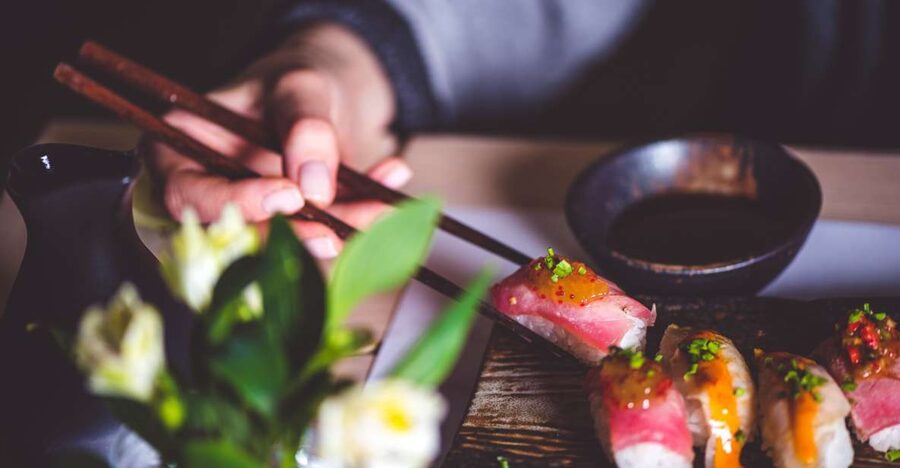
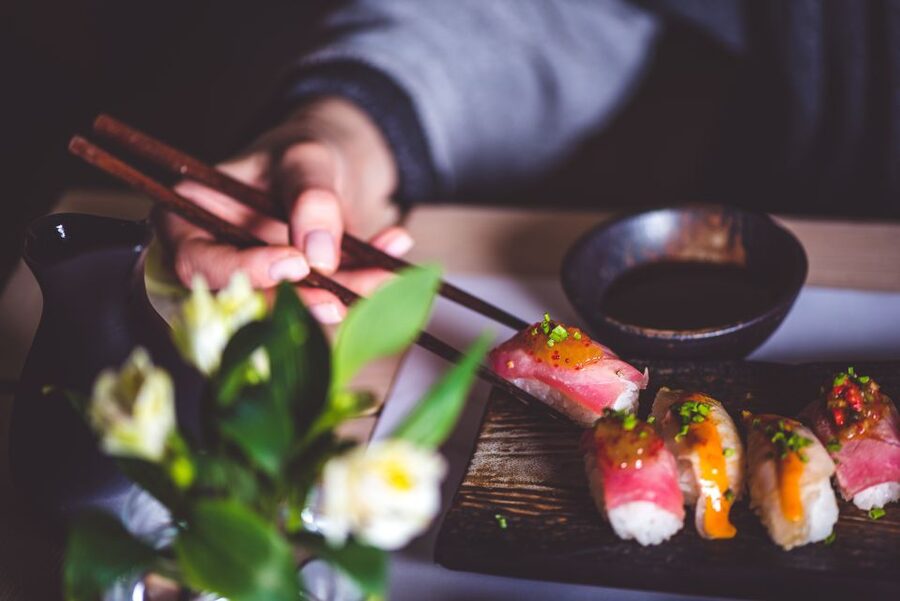
The title promises sushi and sake, but the confirmed inclusions say four food samples rather than a complete meal or a guaranteed sake tasting. That distinction matters. You should expect tastes and recommendations, not a sit-down dinner with generous portions.
For many people, that is the right format. You can sample several items, then return to your favorite restaurant later. The guide can point out places for sushi, sake, ramen, soba, or matcha drinks, allowing you to make your own dinner choice after the tour.
The experience is also useful for people who are curious about Japanese cuisine but do not yet know what to order. Ramen and soba are mentioned as part of the area’s food scene, while sushi and matcha receive special attention. You may get a better sense of what appeals to you before spending more on a full meal.
Still, the price should not be judged as though it includes a substantial lunch. At $41 per person, the value comes from the combination of a guide, four samples, neighborhood orientation, and a small exclusive souvenir. If you want a large meal, a restaurant reservation will be better value for your appetite.
A few more sake experiences around the world worth a look
- 1-Day Snow Monkeys, Zenko-ji Temple & Sake in Nagano
★ 5.0 · 1,020 reviews - 3-Hour Kyoto Insider Sake Brewery Tour with Tastings & Pairings
★ 5.0 · 917 reviews - Nagano: Snow Monkeys, Zenkoji Temple & Sake Day Trip
★ 4.9 · 833 reviews - Kyoto: Insider Sake Brewery Tour with Sake and Food Pairing
★ 5.0 · 704 reviews
Bookshops, bakeries, and manga culture
The tour’s cultural range is one of its strongest features. Traditional Japanese bookshops and bakeries show the neighborhood as more than a restaurant strip. You may see how food, reading, comics, and small retail businesses fit into everyday community life.
Manga receives special attention. For fans, this can be the most personal part of the tour. A manga shop offers a look at a major part of Japanese popular culture, and the guide can help place the comics within the wider Japanese lifestyle presented on the walk.
You do not need to be a manga expert to enjoy this stop. A good guide can explain why these shops matter and point out the difference between a specialty store and a general bookshop. If you are already a serious collector, the tour may not provide enough time for detailed browsing, but it can help you locate stores to visit later.
The bakeries add another layer. Japanese bakeries often combine familiar European techniques with Japanese flavors and presentation. The supplied information does not identify the exact bakery or pastries, so I would treat this as a chance to discover a shop rather than a promise of one famous item.
Arts and crafts also form part of the route. Again, the strength depends on how much time the guide spends explaining what you see. A quick look through a shop is pleasant, but the tour becomes more useful when the guide connects objects and food to daily life.
Matcha Café Wakaba and the value of context
Matcha Café Wakaba is an example of why explanation matters. The café is described as Düsseldorf’s first dedicated matcha café, founded around 2017 or 2018. That is a useful piece of local context, especially for anyone interested in how Japanese food traditions are adapted and presented in Germany.
A matcha brownie may be a nice sample, but the story behind the café gives the stop more meaning. You want to know why the business opened, how matcha is used beyond tea ceremony, and how the café fits into Little Tokyo. The tour does not always provide that level of detail, so you may need to ask direct questions.
This is a good example of how to get more from the experience. Ask the guide what makes Wakaba different from a general café, how matcha is prepared, and where locals go for a matcha latte. Guides Julia and Patrizia have both been praised for humor, enthusiasm, and attention to the group, so an engaged guide may welcome those questions.
Tea culture is another area where the tour may leave you wanting more. Tea ceremonies are available on Immermannstraße, but they are not necessarily part of this walking tour. If that is your main interest, ask before booking and treat the tour as an introduction rather than a ceremony experience.
How strong is the guiding?
The best feedback centers on the guides. Julia has been praised for leading an interesting, lively tour with plenty of knowledge and humor. Patrizia has also been described as friendly and enthusiastic, with a clear effort to give attention to the people in the group.
That personal touch matters in a neighborhood tour. A guide who simply lists shop names will give you a map. A guide who explains why a restaurant, bakery, or bookshop matters gives you a better feel for the community.
The information can be less consistent. One serious criticism describes missing details, inaccurate statements, and too little explanation of Japanese culture in Düsseldorf. A disputed claim about a €700 per-person meal at Nagaya was singled out as incorrect by someone familiar with the restaurant. That is a warning to treat passing price claims and dramatic anecdotes with care.
You should also know that the tour may skip important parts of everyday Japanese life, including hairdressers, tailors, and laundries. If you want a detailed account of the whole community, two hours will not be enough. The experience is better viewed as a guided sampling of the district.
Is $41 a fair price?
At $41 per person, the tour sits in a reasonable range for a two-hour small-group experience with four tastings and a guide. The exclusive souvenir adds a small extra benefit, and the voucher also permits a visit to the city museum. That museum offer improves the value if you already planned to see it.
The price makes less sense if you only want to eat sushi. You could spend the same money, or less, on a meal depending on your choices, though you would lose the neighborhood explanation and the food-shop recommendations.
I would judge the price this way:
- Good value for a first-time visitor who wants food and orientation.
- Fair value for vegetarians who can eat the included samples.
- Less suitable for vegans, people avoiding gluten, or anyone expecting a full meal.
- Less compelling for repeat visitors who already know the main shops and restaurants.
- Potentially worthwhile for manga and Japanese food fans who want a short introduction before exploring alone.
Free cancellation up to 24 hours before the start and the option to reserve now and pay later reduce the risk if your schedule is uncertain. Those are practical benefits, but the main value still comes from the guide and tastings.
Who should book this Little Tokyo walk?
I would recommend it to first-time visitors to Düsseldorf, food-focused city-break guests, manga fans, and anyone curious about Japanese daily life in Germany. It is especially helpful if you have only a few days in the city and want to turn one neighborhood into a useful afternoon stop.
It also suits people who enjoy asking questions. A small German-speaking group gives you a better setting for personal recommendations than a large guided walk. If Julia, Patrizia, or another enthusiastic guide leads the outing, the tone should be friendly and easygoing.
The tour is less suitable if you need English commentary, require vegan or gluten-free samples, use a wheelchair, or want a detailed study of Japanese history and community institutions. The experience is not wheelchair suitable, and the language is German.
If you already know Nagaya, Wakaba, the manga shops, and the main Japanese restaurants, you may find the route repetitive. You might get more from booking a meal, tea ceremony, or independent shopping visit instead. The tour still has value if you want to test your knowledge against a local guide, but it is aimed more at newcomers than specialists.
Final call: a flavorful introduction, not the whole story
Book this tour if you want a friendly two-hour orientation with four tastings, manga and bookshops, bakery stops, and practical suggestions for the rest of your stay. The small group and well-liked guides are strong points, and the city museum voucher adds value.
Skip it if you need English, vegan or gluten-free food, wheelchair access, or a fully researched account of Düsseldorf’s Japanese community. Also keep your expectations in check: the walk samples Little Tokyo rather than explaining every corner of it.
For most first-time visitors who speak German and enjoy Japanese food, $41 is a fair price for a compact introduction. Go with curiosity, ask for clarification when a claim sounds surprising, and save room for your own meal afterward.
FAQ
Where does the Düsseldorf Japanese Lifestyle Tour meet?
The meeting point is in front of the Clayton Hotel Düsseldorf, formerly Hotel Nikko Düsseldorf, at Immermannstraße 41.
How long does the tour last?
The tour lasts two hours.
What language is the tour in?
The tour is conducted in German.
How many people can join the group?
The group is limited to 10 participants.
Are food samples included?
Yes. Four food samples are included, along with a tour guide and a souvenir available only on this tour.
Are the samples suitable for vegans or people avoiding gluten?
No. The samples are suitable for vegetarians, but they are not vegan and are not gluten-free.
Is the tour wheelchair accessible?
No. The tour is not suitable for wheelchair users.
Just added around the world
- Tokyo Sake Tasting Tour with a Sake Expert★ 5.0 · 7 reviews
- Wagyu BBQ & Sukiyaki with Sake Pairing Experience near Ginza★ 5.0 · 2 reviews
- Sake Tasting and Cherry Blossom Fun in Tokyo!★ 5.0 · 4 reviews
- Private Sake Tasting at 300 Years Old Sake Brewery in Tokyo★ 5.0 · 3 reviews
- Tokyo: Serene Sakura & Sake: An Exclusive Brewery Pairing Lunch★ 5.0 · 2 reviews
- Nagano: Snow Monkey and Zenkoji Temple Free Sake Taste Day Tour★ 4.5 · 8 reviews
- Sake Pairing Workshop with Japanese Food in Shinjuku★ 5.0 · 5 reviews
- Mt FUJI – Panoramic Tour w/ Hoto Lunch, JP Sake & Onsen tatto OK!★ 5.0 · 9 reviews
Sushi & Sake Tours, compared.
Ramen and Sushi Cooking Class with Sake Pairing Set in Tokyo
Read our review →
Sake Omakase in Tokyo: Guided Tasting by Certified Sommeliers
Read our review →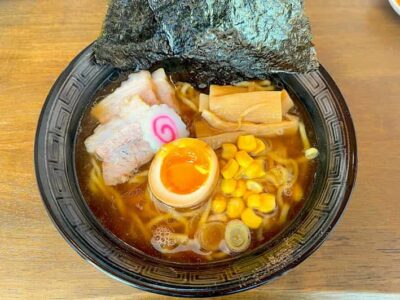
Sushi and Ramen Cooking Class with Sake Pairing Set
Read our review →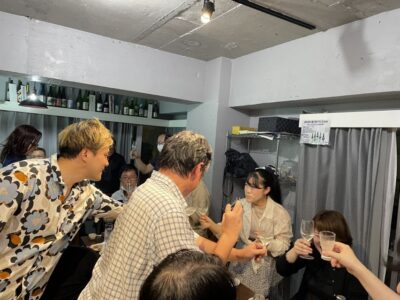
Outer Market Walking Tour & Sake Tasting Experience
Read our review →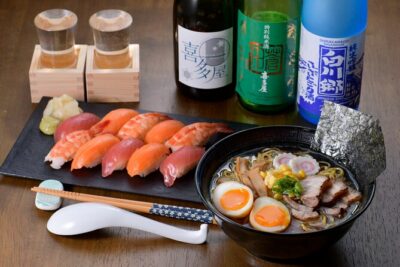
Cozy Tokyo Class: Ramen, Sushi, Sake Pairing & Cultural Exchange
Read our review →
Tsukiji Market Eating Tour, Authentic Sushi & Sake Comparison
Read our review →Browse the lists this tour appears in