
REVIEW · NAGANO
1-Day Snow Monkeys, Zenko-ji Temple & Sake in Nagano
Monkeys, temples, and sake make a memorable Nagano day. This 8-hour tour brings together three very different experiences: the ancient spiritual center of Zenko-ji, a guided introduction to Nagano sake, and a forest walk to Jigokudani Snow Monkey Park. I especially like the well-balanced mix of culture, food, and wildlife, plus the fact that transportation and the park entrance are handled for you.
I also like the care put into the lunch stop and the clear explanations from guides such as Tom, Endo, Kieran, Nadine, Jens, and Sijung. The main drawback is physical: reaching the monkeys requires a walk of roughly 30 to 45 minutes, much of it uphill. In winter, packed snow and ice can make that walk slippery enough that crampons are a very good idea.
If you are staying in Tokyo, the tour can work as a long day trip by shinkansen. From Nagano, it is far more relaxed. The price is $151.88 per person, which is fair for a full day with transport between stops, lunch, sake tasting, a guide, and admission to the monkey park. You still pay for your own train tickets and any paid area inside Zenko-ji.
Key points to know before booking
- The snow monkey walk is the day’s main physical challenge: Expect an uphill forest trail, with icy conditions possible from December through early April.
- Zenko-ji gives the tour a real cultural center: You get about 90 minutes around one of Japan’s oldest and most important Buddhist temples.
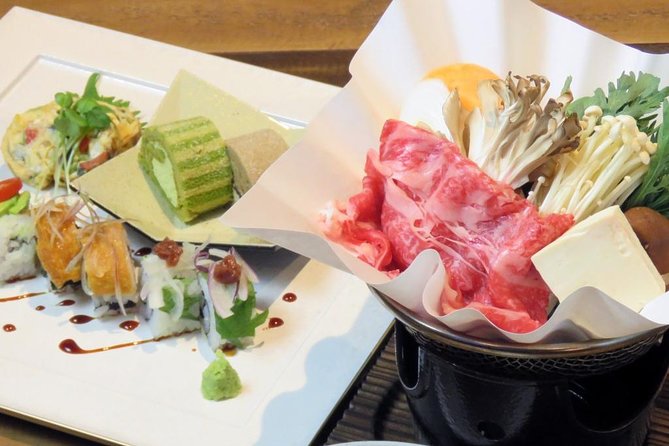
- Lunch is more than a quick meal: The included restaurant stop often features a traditional hot pot meal in an atmospheric setting.
- Sake tasting adds local flavor: Nagano is known for its breweries, and the tasting offers a useful introduction to the drink and how it is made.
- The monkeys are wild: There are no barriers in the park, and you must keep at least 1 to 2 meters away without touching, feeding, or bathing with them.
- Timing matters if you return to Tokyo: The tour is scheduled to finish at Nagano Station around 17:30, but winter weather can cause delays.
Why this Nagano day works so well
Nagano is easy to associate with winter sports and snow, but the area offers much more than ski slopes. This tour gives you a quick look at the region’s religious life, food culture, sake production, and wildlife in one organized day.
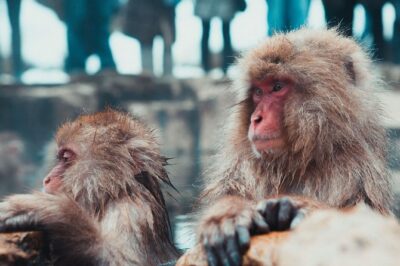
I like the variety. Zenko-ji is quiet and reflective. The sake tasting is social and educational. Lunch gives you a warm break. Then the snow monkey park supplies the big visual payoff, with macaques moving through the trees and gathering around the hot spring.
The day also solves a practical problem. Seeing the temple, brewery, restaurant, and park on your own requires arranging local transport and working out the park entrance. Here, a microbus or large bus connects the stops, and an English-speaking guide keeps the group moving.
The tradeoff is that this is a full day with a maximum group size of 45 people. That is not a private tour, and you will need to stay aware of meeting times. Still, the guides have earned strong praise for keeping large groups organized without making the day feel frantic. Guides including Tom, Brent, Endo, Kevin, Kay, Kieran, and Nadine are singled out for clear explanations, humor, and steady handling of the schedule.
More Snow Monkey Trips in Nagano:
- Nagano: Snow Monkeys, Zenkoji Temple & Sake Day Trip
★ 4.9 · 833 reviews - Private Nagano 1-Day Tour:Snow Monkeys,Zenko-ji,Obuse,Sake,Onsen
★ 5.0 · 71 reviews - Snow Monkey, Zenko Ji Temple, Sake in Nagano Tour
★ 4.5 · 42 reviews
Zenko-ji Temple, Nagano’s spiritual heart
The first stop is Zenko-ji, with about 90 minutes to explore. The temple is nearly 1,400 years old and is regarded as one of Japan’s oldest, largest, and most important Buddhist temples.
That age matters, but the temple is not presented as a dusty history lesson. Your guide helps explain the legends and traditions connected with the site, then gives you time to look around at your own pace. The grounds provide a calm start before the busier parts of the day.
One special feature is the passage beneath the main temple. Several people describe walking through the dark underground passage as a memorable part of the visit. The experience connects with a Buddhist tradition and is easy to miss if you are wandering alone without knowing where to go.
You should note that paid attractions inside Zenko-ji are not included. The general temple visit is included, but if you want to enter a paid section, you will need to cover that cost yourself.
Ninety minutes is enough for an introduction, the main temple area, and some time to look around. It is not enough for a slow, detailed study of every building and shop along the approach. If Zenko-ji is a major priority for you, the fixed schedule may feel a little short.
The temple stop is also useful for food and shopping suggestions. Tom, one of the guides praised for his local explanations, has helped people find snacks around Nagano Station and the temple area. That kind of small practical advice can be more useful than a long lecture.
Sake tasting at Nishimon Yoshinoya
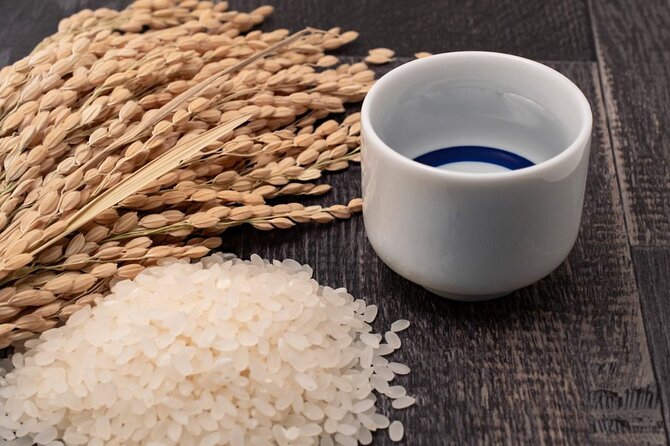
After the temple, the group visits Nishimon Yoshinoya for a sake tasting lasting about 30 minutes. Nagano has many breweries, so this stop gives the day a clear regional identity rather than adding a generic drink break.
The tasting introduces several sakes and explains more about the beverage. Guides help make sense of the differences, which is useful if you have never tasted sake beyond a single restaurant serving.
Thirty minutes is short, but that is part of the appeal. You get an introduction without giving up a large part of the day. The stop also adds a welcome change of pace after the temple walk.
You must be at least 20 years old to drink alcohol in Japan. If you are under 20, ask about the nonalcoholic options. One family group specifically noted that children could take part in a nonalcoholic version of the tasting.
I would not book this tour only for the sake portion. It is an educational stop, not an extended brewery visit. But as part of the full day, it works well and helps you understand why sake is so closely tied to Nagano.
A traditional lunch before the forest walk
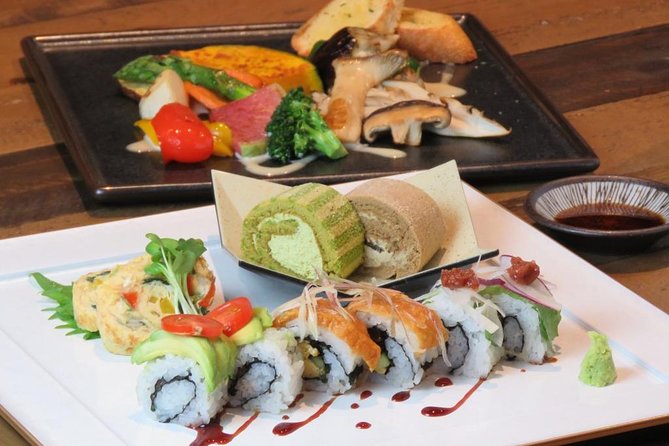
Lunch comes before the snow monkey visit at a local restaurant near the park. The meal is included, and vegetarian and vegan options are available if you notify the operator in advance. Food allergies should also be reported ahead of time.
The meal receives some of the strongest praise attached to the day. Descriptions include a filling Japanese lunch, a warm hot pot, and an elegant restaurant in a building more than 100 years old. The menu can change, so you should not book expecting one exact dish, but hot pot is a common highlight.
The timing is smart. The bus ride from the Nagano area to the monkey park takes about an hour, and lunch gives you energy before the uphill walk. In winter, a hot meal is especially welcome.
Some thoughtful touches also make this stop easier for a large group. Guides have asked people about hot pot preferences in advance and placed name tags beside seats. That may sound small, but it helps a group of up to 45 people settle quickly.
You do not need to spend extra money on lunch unless you want additional food or drinks. Those extras are not included. The meal itself is part of the tour price.
More Temple and Sake Tours in Nagano:
- 1-Day Winter Tour From Nozawa Onsen: Snow Monkeys, Zenko-ji Temple & Sake
★ 5.0 · 32 reviews - Nagano: Togakushi Shrine, Sake & Zenkoji Private Tour
★ 4.2 · 3 reviews - Snow Monkeys Sake Tasting Zenko-ji and Monzen Terrace Lunch
★ 5.0 · 2 reviews - Nagano Private Tour: Ninja Temple, Soba Making & Sake Tasting
★ 5.0 · 2 reviews
Jigokudani Snow Monkey Park and the forest trail
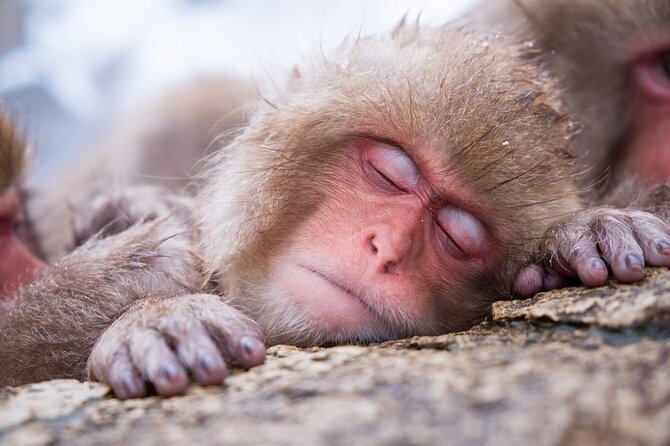
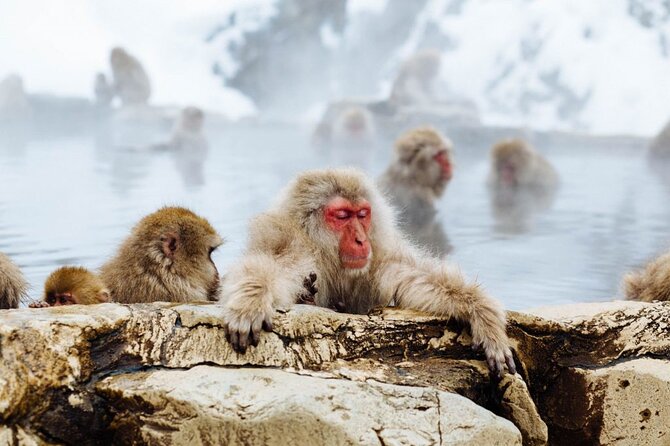
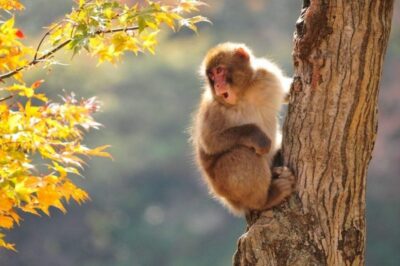
The final major stop is Jigokudani Snow Monkey Park, with about three hours allocated to the area. The park opened in 1964 and is famous for Japanese macaques that live in snowy conditions and sometimes use the local hot spring.
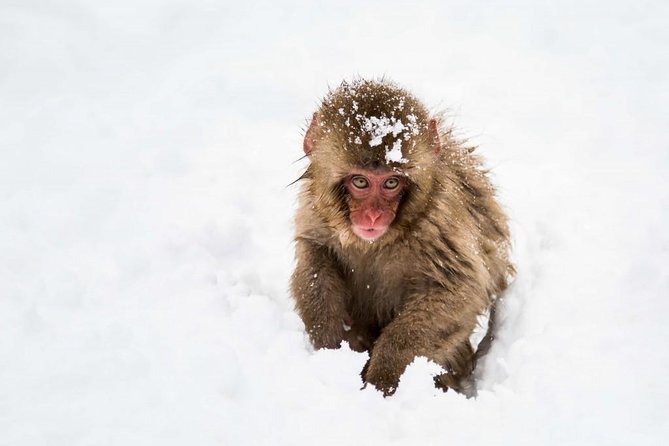
The word sometimes matters. In winter, you have a good chance of seeing monkeys in the hot spring, but the animals are wild. From spring through autumn, they may play or eat in the water instead. There is no guarantee that they will be bathing when you arrive.
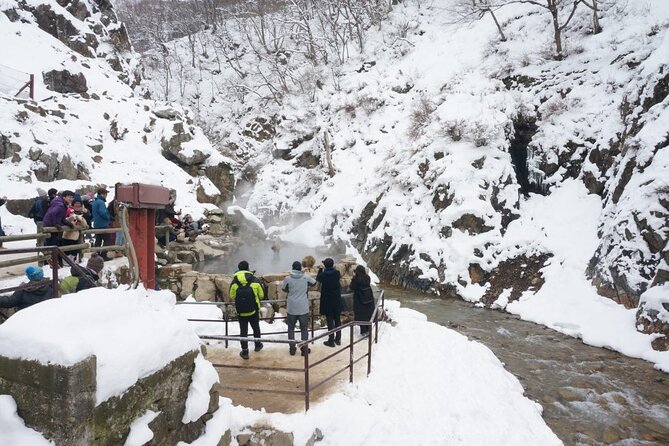
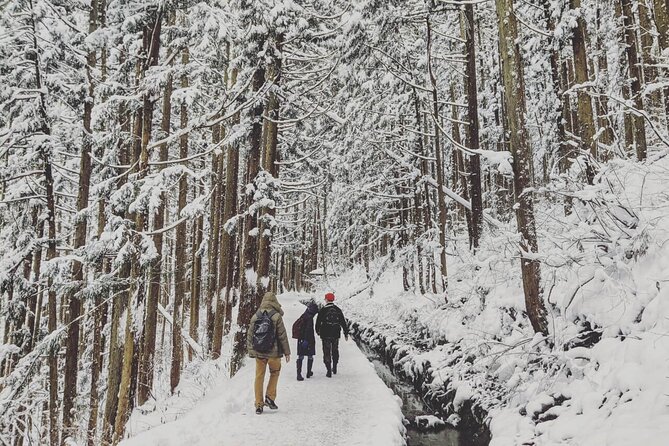
The walk to the park is part of the experience. You follow a forest trail for roughly 30 to 45 minutes, with sections that climb uphill. The path can be beautiful, but it can also be demanding. Reviews repeatedly mention snow, ice, slippery packed sections, and crowds on the route.
Bring shoes with good traction. From mid-December through early April, warm clothing and suitable boots are essential. Between mid-December and early March, temperatures can fall below freezing and may reach around -10 degrees Celsius.
You can rent snow boots near the park if needed. Crampons, or metal spikes that fit under your shoes, can also be purchased. If the path is icy, I would treat crampons as practical equipment rather than an optional souvenir. One useful tip is to check the official information desk farther up the hill for rental boots and traction equipment instead of buying immediately from the first vendor you see.
Once you reach the park, there are no barriers separating you from the monkeys. That makes the encounter feel close and natural, but it also means you must behave carefully. Keep at least 1 to 2 meters away, and never touch, hold, feed, or bathe with the animals.
The guides explain the rules before you enter. Listen closely. A monkey may seem calm, but it remains a wild animal. Keep food packed away and avoid crowding the animals for photographs.
Three hours gives you enough time for the walk, the viewing area, and the return journey. Many people see numerous monkeys moving around, sitting near the hot spring, or interacting with one another. The exact scene changes from day to day.
There are rare days when the monkeys arrive late, leave early, or do not come down at all. That is outside the operator’s control. If seeing a monkey in the hot spring is your single reason for booking, you should accept that uncertainty before paying.
Transport, timing, and the Tokyo connection
The tour starts and finishes at Nagano Station, and transportation between the stops is included. Depending on the season and group size, the vehicle may be a microbus or a larger bus. The maximum group size is 45.
From Tokyo, the day requires an early start. Listed train options include a 07:20 Kagayaki arriving in Nagano at 08:43, a 07:24 Asama arriving at 09:14, and a 07:52 Hakutaka arriving at 09:30. The Kagayaki requires a reservation.
The scheduled return to Nagano Station is around 17:30. If you are returning to Tokyo, the listed options include a 17:55 Kagayaki and an 18:22 Hakutaka. In winter, do not cut the connection too closely. The operator recommends waiting until at least the 17:56 Kagayaki or, more safely, the 18:23 Hakutaka because snow and road conditions can delay the bus.
I would book this as a day trip from Tokyo only if you are comfortable with a long day and early train. From Nagano, the tour is easier and leaves you with more breathing room.
In winter, a shuttle operates for people staying in Hakuba, with pickup and return points at Hakuba Tokyu Hotel in Wadano and Hakuba Happo Bus Terminal. This service runs only during the winter period, is not available every day, and uses set drop-off points rather than individual hotels. You are responsible for getting from the drop-off point back to your own accommodation.
Is $151.88 good value?
At $151.88 per person, this is not the cheapest way to see the monkeys. You could try arranging local buses, park admission, lunch, and a temple visit yourself. That may cost less, but it requires more planning and gives you less help with the winter trail.
The price includes transportation to and between the activities, lunch, sake tasting, an English-speaking guide, and the Snow Monkey Park entrance fee. Those inclusions make the cost reasonable, especially if you are coming from Tokyo and value a smooth connection between several distant stops.
The strongest value comes from the combination. You are not paying only for wildlife viewing. You also receive cultural context at Zenko-ji, a local food experience, and an introduction to sake.
The tour receives a 4.9 rating from 1,020 reviews, with 98 percent recommending it. That does not remove the weather and wildlife uncertainties, but it does support the idea that the operation is generally well organized and delivers what it promises.
Who should book this tour?
I would recommend it to a first-time visitor who wants to see the snow monkeys without arranging several local connections. It also suits couples, families with older children, and mixed-age groups who want culture and food added to a wildlife outing.
You should be comfortable with a full day, bus travel, a forest walk, and a fixed schedule. The tour is not ideal if you want a slow temple visit, private guiding, or a guaranteed hot spring scene.
It works particularly well for people staying in Nagano, Hakuba during the winter shuttle period, or Tokyo visitors willing to make an early start. Wear practical shoes, bring layers, and leave room in your schedule after the tour if you are traveling in winter.
FAQ
How long does the tour last?
The experience lasts approximately 8 hours. It is scheduled to finish at Nagano Station around 17:30, though winter weather and road conditions can cause delays.
Is lunch included?
Yes. Lunch at a local Nagano restaurant is included. Vegetarian and vegan options are available, and you should provide allergy information in advance.
Is the sake tasting included?
Yes. Sake tasting at Nishimon Yoshinoya is included. You must be at least 20 years old to consume alcohol in Japan.
Are train tickets from Tokyo included?
No. Shinkansen and other train tickets are not included. You must arrange and pay for your own train travel to and from Nagano.
Is the Snow Monkey Park entrance fee included?
Yes. Admission to Jigokudani Snow Monkey Park is included.
Will the monkeys definitely be bathing in the hot spring?
No. The monkeys are wild, and there is no guarantee they will be in the hot spring. In winter, bathing is common, while in warmer months they may eat or play in the water instead.
How difficult is the walk to the snow monkey park?
The route includes a forest trail with uphill sections and takes roughly 30 to 45 minutes each way. Snow and ice can make it slippery, especially from mid-December through early April.
Can I touch or feed the monkeys?
No. You must not touch, hold, feed, or bathe with the monkeys. There are no barriers, so keep at least 1 to 2 meters away and follow the park rules.
Can I cancel the tour?
You can cancel for a full refund if you cancel at least 24 hours before the experience begins. Changes or cancellations made less than 24 hours before the start time are not accepted.
Should you book it?
Book this tour if you want the snow monkeys but also care about seeing a meaningful slice of Nagano beyond the park. The temple, sake tasting, and warm lunch turn a wildlife outing into a fuller regional experience.
Skip it if you dislike group schedules, long bus rides, or uphill walking. For everyone else, the combination of strong guiding, included meals and transport, and a memorable encounter with wild macaques makes the $151.88 price a sensible choice.
More One-Day Trips in Nagano
- 1 Day Tour to Hill of the Buddha, Sapporo and Sake
★ 5.0 · 5 reviews - Nagano: Snow Monkeys, Zenkoji Temple & Sake Day Trip
★ 5.0 · 4 reviews
More Sake Day Trips in Nagano
- 1-Day Kobe Highlights Tour including Sake Tasting
★ 4.5 · 28 reviews - From Nozawa Onsen: Snow Monkeys and Zenko-ji Day Trip & Sake
★ 4.9 · 13 reviews - Nagano: Snow Monkey and Zenkoji Temple Free Sake Taste Day Tour
★ 4.5 · 8 reviews - 1-Day Walking Tour around Kobe : Mountains, Sea and Sake
★ 3.9 · 6 reviews
Just added around Nagano
- Snow Monkeys Sake Tasting Zenko-ji and Monzen Terrace Lunch★ 5.0 · 2 reviews
- Heritage Town, Cuisine, Sake & Art: Explore Hokusai in Obuse★ 5.0 · 2 reviews
- Nagano Private Tour: Ninja Temple, Soba Making & Sake Tasting★ 5.0 · 2 reviews
- Snow Monkeys, Hokusai & Sake: A Perfect Day in Nagano★ 5.0 · 4 reviews
- Nagano: Togakushi Shrine, Sake & Zenkoji Private Tour★ 4.2 · 3 reviews
- Explore Matsumoto: Castle, Sake & Taste of Local Life★ 4.8 · 6 reviews
- Nagano Sake Tasting Walking Tour★ 5.0 · 17 reviews
- Snow Monkeys, Hokusai & Sake: A Perfect Day in Nagano★ 5.0 · 19 reviews
Snow Monkey & Sake Tours, compared.
Private Nagano 1-Day Tour:Snow Monkeys,Zenko-ji,Obuse,Sake,Onsen
Read our review →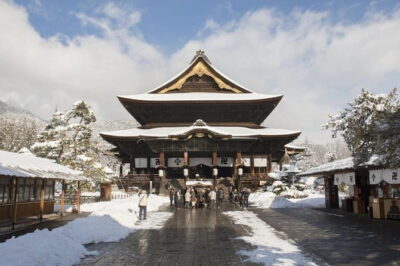
1-Day Winter Tour From Nozawa Onsen: Snow Monkeys, Zenko-ji Temple & Sake
Read our review →
Snow Monkeys, Hokusai & Sake: A Perfect Day in Nagano
Read our review →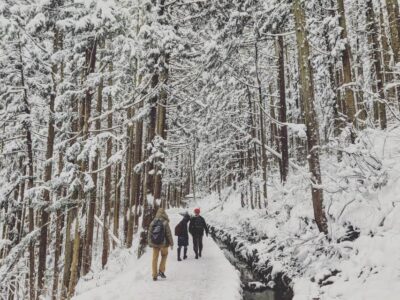
Snow Monkeys, Hokusai & Sake: A Perfect Day in Nagano
Read our review →Browse the lists this tour appears in