
REVIEW · NAGANO
Nagano Sake Tasting Walking Tour
Sake tastes better with a story.
This two-hour walk pairs five or more local sakes with old breweries, Nagano’s famous Zenkoji district, and small shops that are easy to miss on your own. I especially like the mix of drinks and local food, including three kinds of amazake, Shinshu miso soup, soy sauce beans, and Japanese pickles. I also like that the guide adds real local color. Masa, who grew up in Nagano, has been praised for sharing favorite eating spots, while Marcel and other guides have made the tour feel personal and relaxed.
The main consideration is the walking. You cover about 8,000 steps, or roughly 5 to 6 kilometers, including a 20 to 25 minute walk from Nagano Station to Zenkoji Temple. The route is not suited to wheelchair users, baby strollers, pregnant women, or people over 70, according to the stated restrictions. It is a good fit for an active visitor, but not a seated tasting with short transfers.
What makes this Nagano tour worth your time
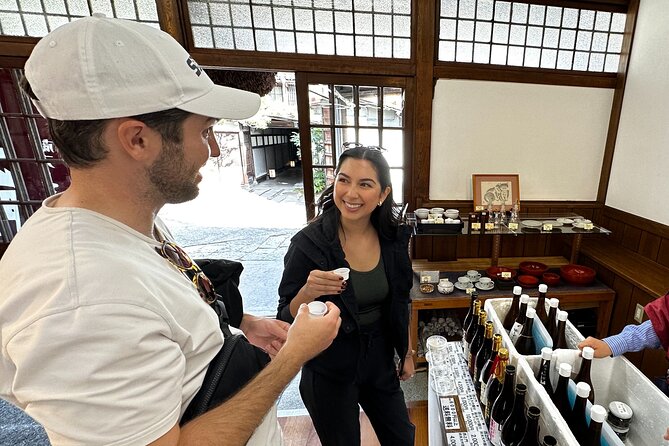
- A 300-year-old brewery provides the main tasting stop, with seasonal, unfiltered, and unpasteurized sake among the choices.
- Three types of amazake give non-drinkers and children something to taste, although the tour itself is not intended for pregnant women.
- A 120-year-old former sake factory preserves old brewing spaces and traditional equipment.
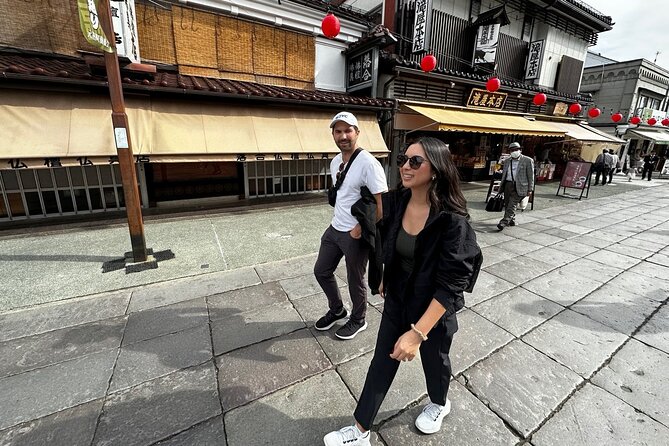
- Zenkoji’s surrounding streets feel calmer than the main temple approach, with old wooden buildings, craft shops, sweets, and regional foods.
- The guide explains Japanese drinking and dining customs, rather than simply handing you a series of glasses.
- Miso soup, soy sauce beans, and pickles make the tasting feel like a small meal, not just an alcohol stop.
Why Nagano is a good place for sake
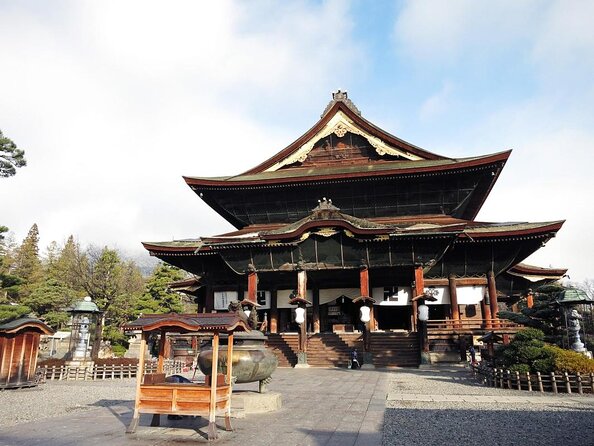
Nagano has the second-largest number of sake breweries in Japan. That is not a random statistic. Sake depends heavily on water and rice, and Nagano’s mountain water and quality rice give local brewers useful raw materials.
You will not become a sake expert in two hours, but the setting gives the tasting some meaning. You can compare different styles while hearing how fermentation, rice polishing, seasonal production, and aging affect the drink. The experience is less about finding one perfect bottle and more about learning why several bottles can taste so different.
The local character also matters. Nagano sits in the Japanese Alps, far from the large urban feel of Tokyo or Osaka. The old temple district has a slower pace, and the walk between tasting stops gives you a chance to notice wooden facades, small food shops, and everyday local life.
More Sake Tastings in Nagano:
- Nagano Sake Tasting Walking Tour
★ 5.0 · 32 reviews - Snow Monkeys Sake Tasting Zenko-ji and Monzen Terrace Lunch
★ 5.0 · 2 reviews - Nagano Private Tour: Ninja Temple, Soba Making & Sake Tasting
★ 5.0 · 2 reviews
Starting at Nagano Station and walking toward Zenkoji
The meeting point is in front of Starbucks at MIDORI Nagano, beside Nagano Station. This is a simple place to find, especially if you have arrived by train and do not yet know the city.
From the station, you walk for about 15 minutes to the first brief stop. The route then continues through the city toward Zenkoji, with several short walks between visits. The walking is part of the experience, not merely a way to fill time, but you should wear comfortable shoes.
The full route covers roughly 5 to 6 kilometers. The stated total is about 8,000 steps, so think of this as a walking tour with tastings rather than a tasting that happens to include a little walking. Nagano can be cold in winter and warm in the warmer months, so dress for the weather and keep water with you.
The first short stop lasts about five minutes. The exact character of this stop can vary, but it gives the guide a chance to introduce the neighborhood before the main temple visit. One advantage of walking with a local guide is that the city begins to make sense in small pieces. You are not just heading from station to temple. You are getting a feel for the streets in between.
Zenkoji Temple in a 30-minute visit
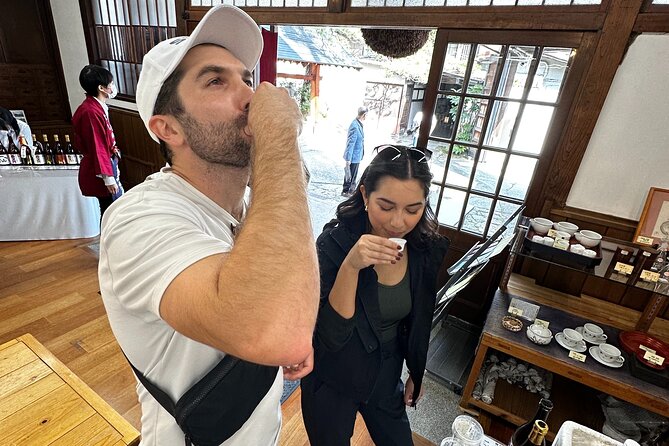
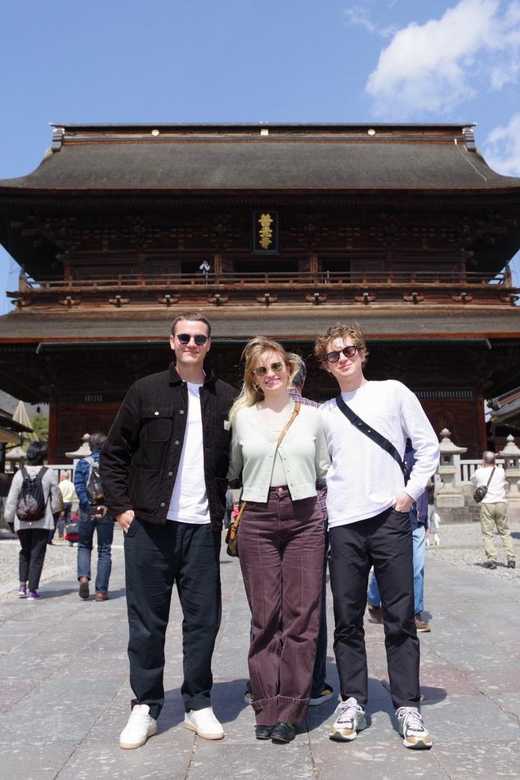
Zenkoji Temple is the major cultural stop on the route. You spend about 30 minutes here, enough to see the temple area and hear why it matters, though not enough for an exhaustive visit.
Zenkoji is one of Japan’s most revered temples, and its surrounding district has long served as a focal point for local life. The guide helps place the temple in context, which is useful if you are seeing it for the first time. Rather than rushing through for a photograph, you can ask about its role in Nagano and the customs connected with visiting.
The tour does not include the optional entrance ticket for the interior attraction at Zenkoji. That means you can decide for yourself if you want to pay for the added visit. Keep that extra cost in mind when comparing the tour price with a simple neighborhood walk.
The 30-minute stop is also a useful pacing point. You have walked from the station, but the main sake tasting comes later. If you prefer a long, quiet temple visit, you may find this portion brief. If your priority is combining Zenkoji with food, drink, and local streets, the timing works well.
Sake at a 300-year-old brewery
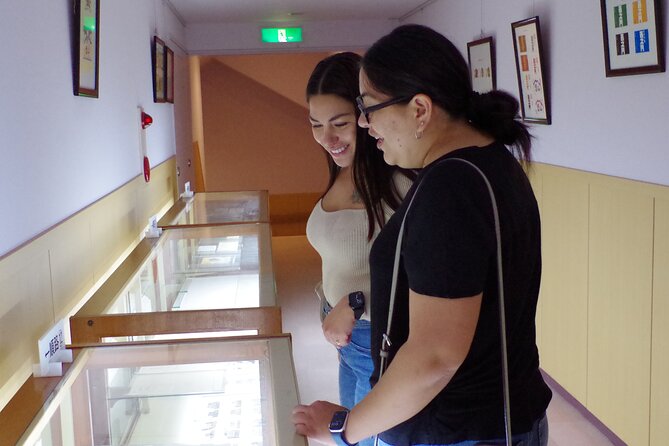
The main tasting takes place at a sake brewery with a 300-year history. This is the heart of the experience, and the old setting gives the drinks a stronger sense of place than a modern bar would.
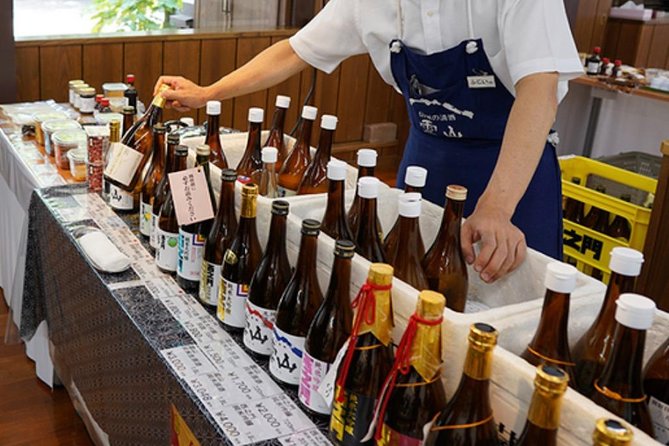
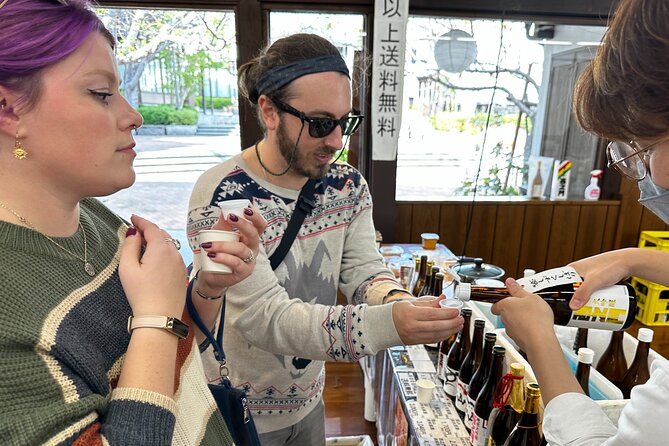
You taste more than five local sakes, with additional options available. The selection can include seasonal sake, unfiltered sake, and unpasteurized sake. These styles may taste different from the clear, polished sake many first-time drinkers expect. Your guide explains the flavor profiles and suggests ways to think about the differences.
Nagano’s plum wine is also part of the tasting. Its fruity aroma makes it an easy change of pace, especially if you are not sure that sake will suit you. The tasting is not limited to alcohol, either. You also get three kinds of amazake, a naturally sweet, fermented rice drink with no alcohol. Children can drink amazake, making this part useful for mixed-age groups, although the activity’s restrictions exclude some visitors for other reasons.
I like this balance. A sake tour can become tiring if every stop offers another similar drink. Amazake, plum wine, and local foods break up the tasting and make it easier to compare what you are drinking.
The guide also introduces Japanese dining customs and pairing ideas. You may learn why a particular drink works better with salty pickles or a savory dish. These small explanations turn the tasting into something you can use later at an izakaya or restaurant.
More Sake Walking Tours in Nagano:
- Kyoto Sake Brewery & Tasting Walking Tour
★ 5.0 · 623 reviews - Tsukiji: Outer Market Walking Tour & Sake Tasting Experience
★ 4.9 · 81 reviews - Kyoto: Gion Geisha District & Sake-in-Hand Walking Tour
★ 5.0 · 37 reviews - Nara – Craft Beer, Sake, and Food Walking Tour
★ 3.5 · 9 reviews
Miso soup and small local tastes
Nagano is known for Shinshu miso, and the tour includes miso soup made with it. Shinshu miso is valued for its strong umami character, so the soup provides a warm, savory counterpoint to the sake and sweet amazake.
You also receive soy sauce beans and some Japanese pickles. These are modest foods, but they matter. They help clear your palate and show how local drinks fit into ordinary Japanese eating. I would not treat the food as a full lunch or dinner. Think of it as substantial tasting food that keeps the two-hour walk from becoming a string of empty-stomach samples.
This is also where the tour gains practical value. If you have only tasted sake by itself, food gives you a better sense of how it is served in Japan. You can ask the guide what to look for on a menu and how local flavors work together.
Entering the 120-year-old former sake factory
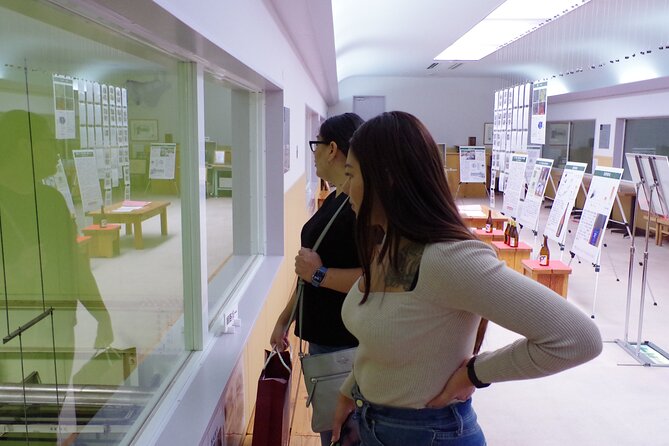
Another stop takes you into a 120-year-old sake factory that is no longer in use. Admission is free, and the preserved interior offers a look at older brewing methods.
You learn about fermentation, rice polishing, and aging, all of which help explain why sake production requires patience and careful control. Since the factory is no longer active, you are seeing a preserved piece of brewing heritage rather than a working production floor. That is both its appeal and its limitation.
The old factory is valuable for visitors who enjoy tools, buildings, and process. It gives physical shape to the explanation you hear at the tasting. You can picture the work behind the bottle rather than treating sake as just another drink on a shelf.
Do not expect a long museum visit. The stop is short, about five minutes in the listed route, so the guide’s explanation carries much of the value. If you want a large sake museum with extensive displays, this tour is not designed for that. It offers a quick, atmospheric look as part of a wider walk.
Shopping around Zenkoji’s old streets
After the temple and brewery stops, the route continues through the area around Zenkoji. You visit local shops selling handmade sweets, crafts, and regional foods. Some storefronts are in preserved wooden buildings, and the district has an old-fashioned, easygoing feel.
This is one of my favorite parts in concept because the shops give you a chance to see Nagano beyond its headline attraction. The guide can point out local specialties and introduce you to the people behind the businesses. You may find a small edible souvenir or a regional product that would not catch your eye in a station shop.
The route includes another short stop of about five minutes before the walk back. The walking schedule is broken into manageable sections, but the total distance remains significant. After sake tasting, even a gentle walk can feel longer than it looked on a map, so pace yourself.
Several positive comments about the guides focus on local recommendations. Masa has been praised for showing favorite eating places and pointing out local delicacies. He has also been described as a talented photographer who takes casual snapshots during the tour. Other guides, including Marcel, have been praised for explaining Nagano and sake clearly and making visitors feel looked after.
The photography is informal, not a professional photo session. Still, it is a thoughtful extra if you want a few pictures without stopping to set up your own camera.
The guide makes the difference
The tour is conducted in English, and guide quality matters here because much of the value comes from explanation. You are not simply walking between fixed attractions. You are tasting unfamiliar drinks, learning about production, and interpreting a temple district.
Masa’s local connection is particularly useful. He was born in Nagano, travels widely, and speaks very good English. That combination can help you compare local customs with places you have already visited in Japan. Guides such as Marcel have also received praise for clear explanations and a caring manner.
The experience seems strongest when you ask questions. Ask about the differences between unfiltered and pasteurized sake. Ask how Shinshu miso is used. Ask for a recommendation on what to eat after the tour. The guides have been praised for being interactive, so take advantage of that rather than standing quietly through each tasting.
The group size is not specified, so do not book expecting a private tour unless that is confirmed separately. Private transportation is not included. The route is on foot from the station and back to the same general starting point.
Is $63 a fair price?
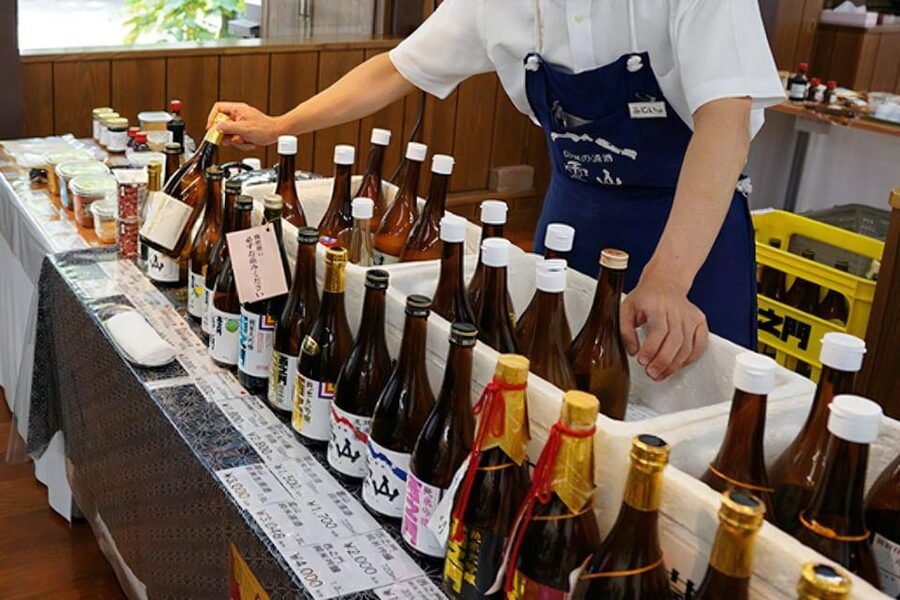
At $63 per person, this tour is priced above a basic sake flight at a bar, but it includes more than the drinks. You are paying for a two-hour English-language guide, more than five sake tastings, three amazake samples, plum wine, miso soup, soy sauce beans, pickles, a former factory visit, a Zenkoji walk, and local shopping stops.
The value is strongest if you want an introduction to Nagano in a compact format. You get food, drink, culture, and orientation in one booking. It can also save you the work of finding a suitable brewery and figuring out which local products to try.
The value is weaker if you already know sake well or mainly want a relaxed temple visit. The walking is substantial, and the optional Zenkoji attraction ticket costs extra. You also need to remember that the included food is tasting food, not a guaranteed full meal.
Free cancellation up to 24 hours before the activity and the option to reserve now and pay later make the booking less risky for a changing Japan itinerary.
Who should book this experience?
I would recommend it to first-time visitors to Nagano who want a local introduction without spending a full day on a formal excursion. It suits adults who enjoy trying regional drinks, asking questions, and walking through older neighborhoods.
It also works for a mixed group if some people prefer non-alcoholic drinks, since amazake is included. The tour is not suitable for pregnant women, wheelchair users, people using baby strollers, or people over 70 according to the stated information. One section also lists people over 80 and over 95, so anyone with age or mobility concerns should contact the provider before booking.
You should be comfortable walking for two hours and covering up to 6 kilometers. If you need frequent sitting breaks, have difficulty walking on city streets, or want a quiet seated tasting, choose a different activity.
Should you book the Nagano Sake Tasting Walking Tour?
Book it if you want local sake plus a useful first look at Nagano. The combination of a 300-year-old brewery, a former sake factory, Zenkoji, miso soup, and small neighborhood shops gives the tour more range than a simple tasting.
I would especially choose it early in a Nagano visit. Masa’s food suggestions and the guide’s advice about local shops can help shape the rest of your stay. Wear good shoes, eat lightly beforehand, and leave room for the sake, amazake, and miso soup.
Skip it if you want a full temple tour, a working brewery visit, or a short route with little walking. For an active visitor who wants an English-speaking local guide and a taste of Nagano beyond the station, $63 is a reasonable price.
FAQ
Where does the Nagano Sake Tasting Walking Tour start?
The guide meets you in front of Starbucks at MIDORI Nagano station.
How long does the tour last?
The tour lasts two hours. Check the available starting times when booking.
How much walking is involved?
The route covers about 8,000 steps, or roughly 5 to 6 kilometers. The walk from Nagano Station to Zenkoji Temple takes about 20 to 25 minutes.
How many sake varieties can I taste?
You can taste more than five local sakes, including seasonal, unfiltered, and unpasteurized varieties. The tasting also includes Nagano plum wine.
Is there a non-alcoholic drink option?
Yes. The tour includes three types of amazake, a sweet, non-alcoholic fermented rice drink that children can drink.
Is the Zenkoji Temple entrance ticket included?
No. The optional attraction entrance at Zenkoji Temple is not included in the tour price.
Just added around Nagano
- Snow Monkeys Sake Tasting Zenko-ji and Monzen Terrace Lunch★ 5.0 · 2 reviews
- Nagano Private Tour: Ninja Temple, Soba Making & Sake Tasting★ 5.0 · 2 reviews
- Heritage Town, Cuisine, Sake & Art: Explore Hokusai in Obuse★ 5.0 · 2 reviews
- Snow Monkeys, Hokusai & Sake: A Perfect Day in Nagano★ 5.0 · 4 reviews
- Nagano: Togakushi Shrine, Sake & Zenkoji Private Tour★ 4.2 · 3 reviews
- Explore Matsumoto: Castle, Sake & Taste of Local Life★ 4.8 · 6 reviews
- Snow Monkeys, Hokusai & Sake: A Perfect Day in Nagano★ 5.0 · 19 reviews
- Private Nagano 1-Day Tour:Snow Monkeys,Zenko-ji,Obuse,Sake,Onsen★ 5.0 · 71 reviews
Sake Tasting, compared.
3-Hour Kyoto Insider Sake Brewery Tour with Tastings & Pairings
Read our review →
1.5-Hour Kyoto Insider Sake Experience with 7 Tastings & Pairings
Read our review →
Sake Tasting Masterclass in Shinjuku (8+ Varieties with a Pro)
Read our review →
Insider Sake Experience with 7 Tastings and Snacks
Read our review →
Sake Omakase in Tokyo: Guided Tasting by Certified Sommeliers
Read our review →
Private Tea Ceremony and Sake Tasting in Kyoto Samurai House
Read our review →
Casual Japanese SAKE tasting and snack experience in Kabukicho
Read our review →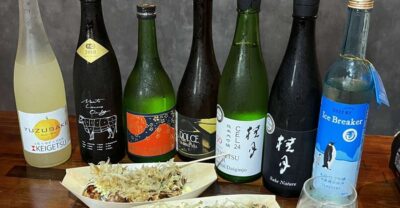
Browse the lists this tour appears in