
REVIEW · TOKYO
Sake Tasting Omakase Experience by Certified Sommeliers
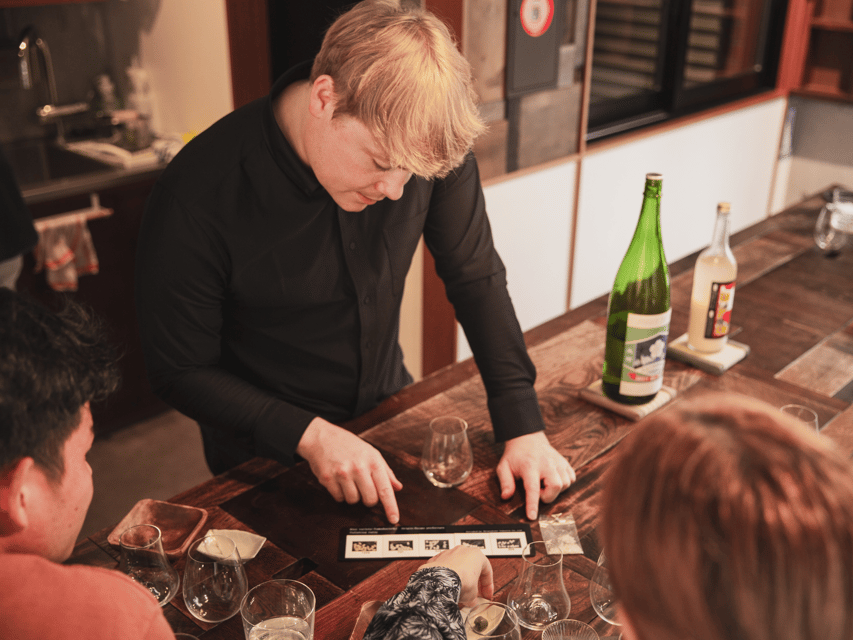
Sake is more than a rice drink. This 105-minute tasting in Tokyo’s Kanda district makes that clear with seven carefully selected pours, premium small bites, and guidance from sommeliers certified by WSET and JSS. I especially like the intimate six-person limit and the way the experience explores brewing methods, serving vessels, and flavor differences rather than simply handing you a lineup of drinks.
I also like the setting: an upscale private room built around a beautiful reclaimed wood table. The main consideration is price. At $77 per person, this is not a casual drink stop, though seven sakes, seven to nine food pairings, expert hosting, and a private room make it a fair choice for anyone serious about learning more about sake.
The experience is hosted in English, Chinese, or Japanese by native speakers. It is best suited to adults who want a calm, focused tasting rather than a loud bar crawl. One verified booking from the United Kingdom praised the hosts’ great knowledge, good atmosphere, and amazing sake, which neatly captures the appeal here.
Key points to know before booking
- Seven sakes across four themed courses: The tasting has a clear structure, giving each pour a role instead of treating the evening as a random flight.
- Most pours are hard to find outside Japan: This is a chance to taste bottles that may not be easy to locate at home.
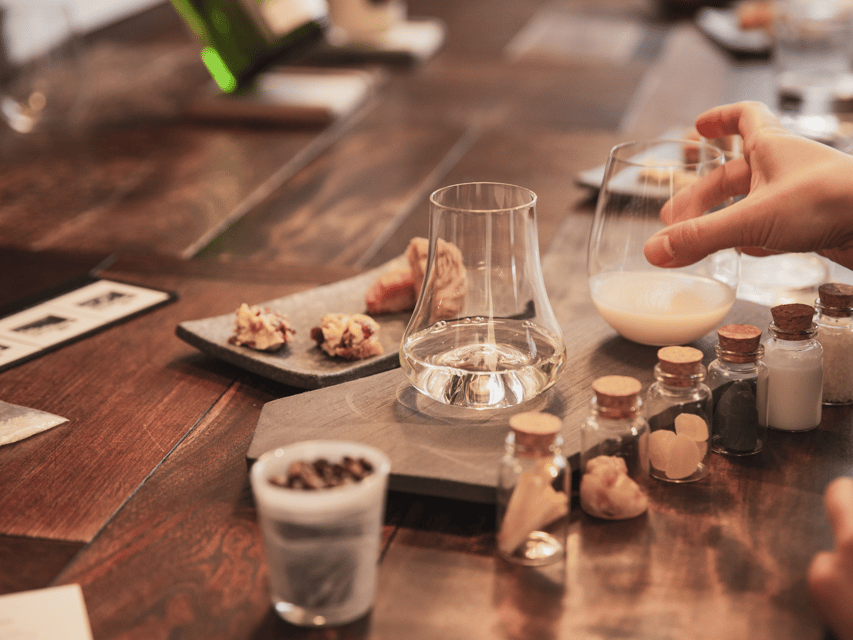
- Seven to nine premium small bites: Cured meats, aged cheeses, olives, and sweets provide food with the sake.
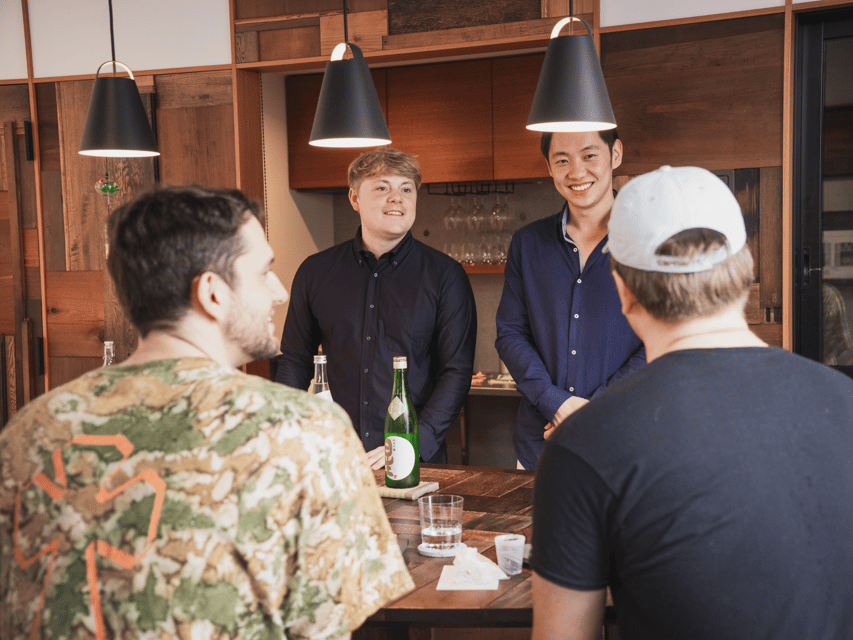
- Only six participants: The small group suits anyone who wants time to ask questions and hear the explanations.
- Private Kanda tasting room: Enter Linden Haus Kanda through the tall wooden door on the right marked At the Corner.
- Certified multilingual hosts: English, Chinese, and Japanese are available, with sommeliers holding WSET and JSS credentials.
Four courses that give the tasting a clear shape
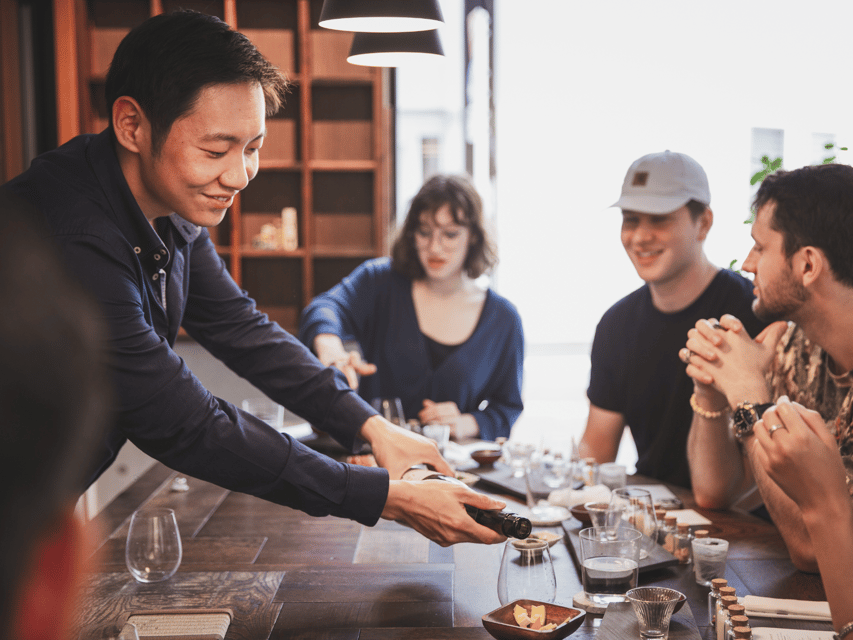
The central idea is an omakase-style sake course. In Japan, omakase means trusting the specialist to make the selections, and that is exactly the appeal here. You are not expected to know which labels to order or which styles belong together. The sommeliers choose seven bottles and arrange them across four themed courses.
The four-course format matters. Seven drinks could easily blur together, especially when each is served in a small tasting portion. Here, the progression gives you a way to compare what is in your glass and why it was selected.
The exact sake labels are not specified in advance, and that is part of the format. You receive a selection chosen for the session rather than a fixed promise of particular brands. Most of the bottles cannot be found outside Japan, so this is a stronger option than a tasting built around widely exported labels you may already know.
The experience also looks at the effect of brewing techniques. That gives you more than a list of flavors. You can consider how production choices change aroma, texture, sweetness, dryness, and overall balance.
Serving vessels are another part of the course. The same sake can feel different depending on the glass or cup used, and the sommeliers use that contrast to show how presentation affects your impression. It is a useful lesson for anyone who has treated sake as one broad category.
More Sushi and Sake Tours in Tokyo:
- Ramen and Sushi Cooking Class with Sake Pairing Set in Tokyo
★ 5.0 · 291 reviews - Sake Omakase in Tokyo: Guided Tasting by Certified Sommeliers
★ 5.0 · 239 reviews - Tokyo: Sushi and Ramen Cooking Class with Sake Pairing Set
★ 5.0 · 81 reviews
What the seven pours are really designed to teach
A seven-drink tasting can be either a pleasant drinking session or a useful introduction to sake. This one aims for the second. The hosts explain the flavor details and production choices as you move through the courses, helping you connect what you taste with how the sake was made and served.
You do not need a strong sake background to take part. The multilingual hosting in English, Chinese, and Japanese makes the session accessible to a wider range of visitors, and native English-speaking sommeliers are available if you want detailed explanations without language strain.
The WSET and JSS certifications also matter in practical terms. They signal formal study of wine and spirits or sake, depending on the qualification, rather than simple enthusiasm for drinking. That does not guarantee that every guest will enjoy the same style of presentation, but it should reassure you that the tasting has an informed foundation.
I like the focus on comparison. Instead of asking you to memorize labels, the course invites you to notice differences in aroma, taste, body, and finish. If you are planning to buy sake later, that kind of understanding is more useful than remembering one bottle’s name.
Small bites that make the tasting easier to enjoy
The food is not presented as a full meal. You receive seven to nine premium small bites, with examples including cured meats, aged cheeses, olives, and sweets.
That selection suggests a Western-leaning pairing approach rather than a traditional Japanese meal. This can be helpful if you are new to sake because familiar foods give you a clear reference point. You can consider how a drink works with salt, fat, sweetness, and savory flavors without having to interpret an elaborate multi-course menu at the same time.
The food also gives the tasting practical balance. Seven alcoholic pours over 105 minutes are easier to appreciate when small bites are served along the way. You should still treat this as a tasting, not as a substitute for dinner.
The menu is described by examples rather than a fixed list. If you have a specific dietary concern, the available information does not confirm substitutions, so ask before booking. That is one of the few areas where you should not assume flexibility.
A private room built around one striking table
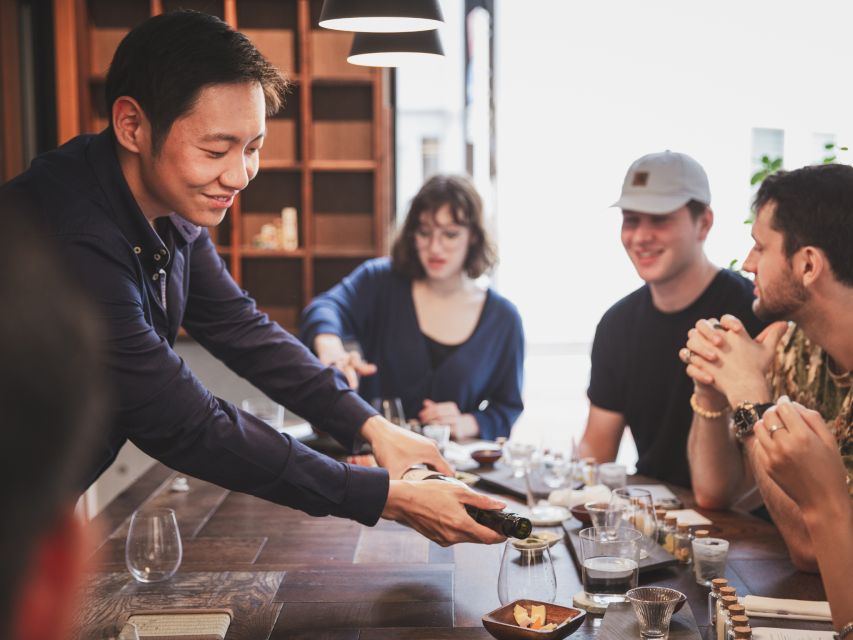
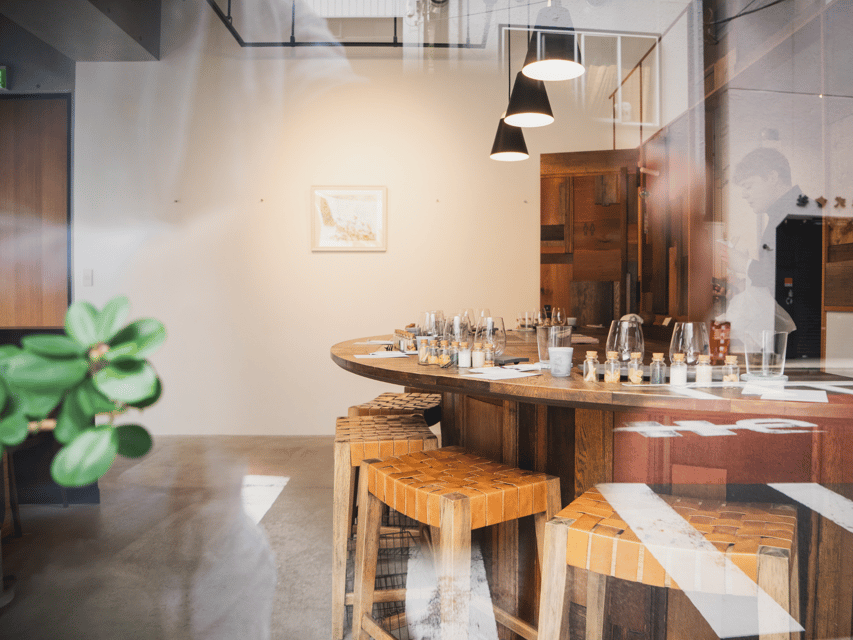
The setting is a key part of the experience. The tasting takes place in an upscale private room centered on a table made from reclaimed wood. The design creates a quieter, more focused atmosphere than you would get at a busy izakaya or a crowded standing bar.
That room is especially useful for a subject like sake. You can look at the pour, listen to the explanation, and compare notes without the constant noise of a public drinking venue. The small group, limited to six participants, should also make it easier to ask a question without interrupting a large presentation.
The tradeoff is that this is a structured event, not a free-form night out. If you want to wander between bars, choose your own bottles, or keep the conversation loose, this may feel too organized. If you like the idea of sitting down and letting a specialist guide the choices, the format makes good sense.
The room is on the first floor of Linden Haus Kanda. Look for the tall wooden door on the right with the sign At the Corner. That detail is worth saving before you set out, since the meeting point is specific and the experience begins inside rather than at a large street-facing attraction.
More Sake Tastings in Tokyo:
- Sake Tasting Masterclass in Shinjuku (8+ Varieties with a Pro)
★ 5.0 · 271 reviews - Tasting All Types of Sake with Sommelier
★ 5.0 · 151 reviews - Tokyo Wagyu & Sake Pairing Tasting Experience with Local Flavors
★ 5.0 · 108 reviews - Tsukiji: Outer Market Walking Tour & Sake Tasting Experience
★ 4.9 · 81 reviews
Why the six-person limit changes the experience
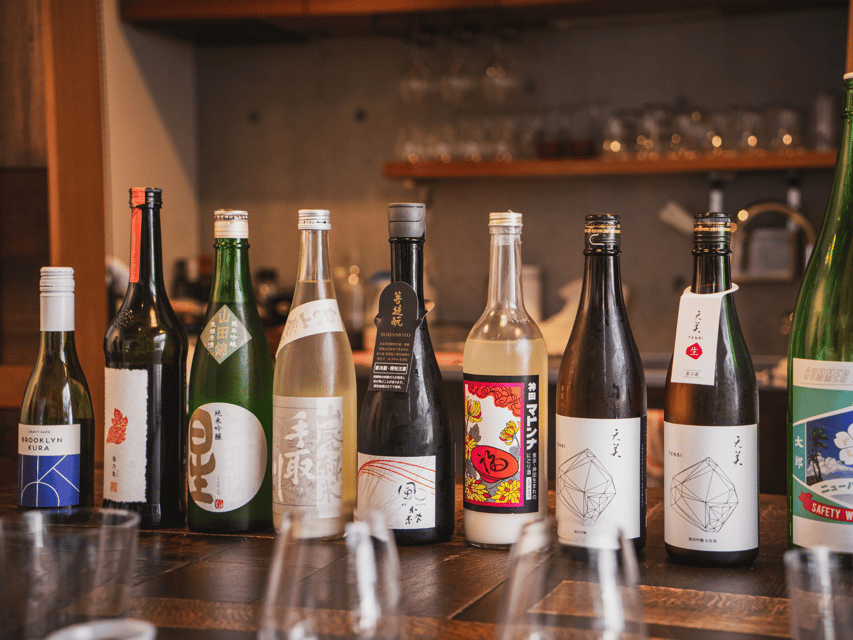
Six participants is a useful size for a tasting. It is large enough to create conversation but small enough that the session does not feel like a lecture delivered to a crowd.
For you, the main benefit is access to the hosts. You can ask why one sake tastes drier, how a brewing method affects the drink, or why a certain vessel was chosen. The available information does not promise individual coaching, but the small group gives the format room for questions and discussion.
The group limit also keeps the private room from becoming crowded. Since the experience centers on taste and explanation, personal space and a calm pace matter more than they would on a simple sightseeing stop.
Still, a small group does not mean a private booking. You may share the table with up to five other people. If you want a completely private celebration, confirm the arrangement before reserving.
Is $77 a fair price for 105 minutes?
At $77 per person, the price is best judged against what is included. You receive seven sakes, seven to nine premium small bites, four themed courses, certified sommelier hosting, and use of an upscale private room.
That is more than the cost of ordering a single drink at a bar, but the value comes from the combination. The price covers rare or difficult-to-find selections, food pairings, instruction, and a carefully designed setting. You are paying for context as much as for alcohol.
The experience makes the most financial sense if you already enjoy sake or want to build a better understanding before buying bottles in Japan. It is less compelling if you simply want the cheapest way to sample Japanese alcohol. A casual drinker may prefer ordering one or two pours at a bar and spending the rest of the budget elsewhere.
The free-flow service also gives the course a sense of generosity, but you should pace yourself. The session lasts 105 minutes, and the goal is to compare the drinks rather than rush through them. Since the course includes food, it is more substantial than a quick tasting, although it is still not described as a full meal.
Who will get the most from this Kanda tasting?
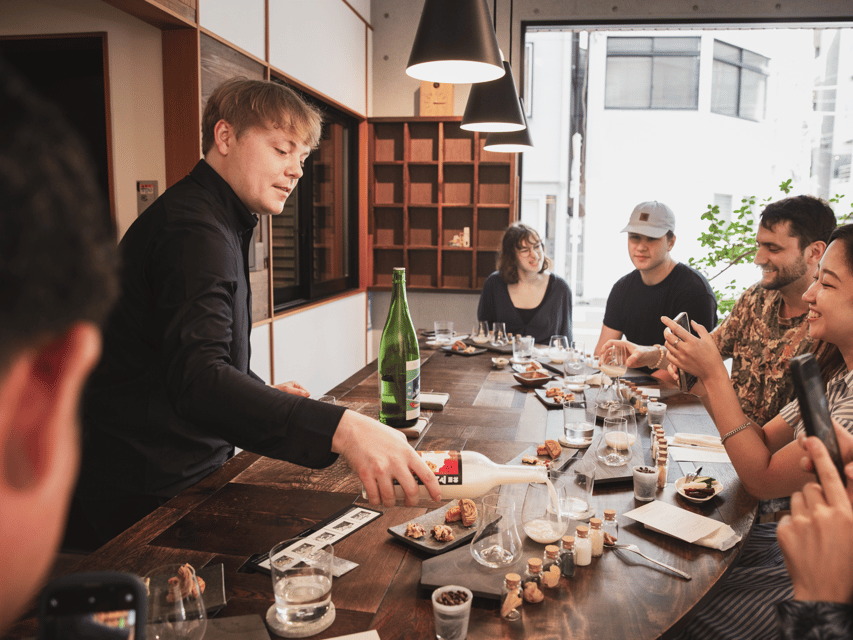
I would recommend this to you if you fit one or more of these descriptions:
- You already like sake and want to taste bottles that may not be available at home.
- You want expert help understanding brewing techniques and serving vessels.
- You prefer a quiet room to a crowded bar.
- You value a small group and the chance to ask questions.
- You are comfortable paying for instruction, pairings, and atmosphere as well as drinks.
- You speak English, Chinese, or Japanese and want the session presented in one of those languages.
It may not suit you if you dislike alcohol tastings, need a full dinner, or want to choose every drink yourself. The omakase structure means the specialists decide the lineup, so you are trusting their judgment rather than selecting from a menu.
The setting should also appeal to couples, solo visitors, and small groups of friends who want a polished stop in Tokyo. The six-person cap keeps the experience personal without requiring you to organize a large private event.
Practical details for your Tokyo plans
The session lasts 105 minutes, so set aside just under two hours. Starting times vary, and availability should be checked for your chosen date.
The meeting point is easy to describe but worth locating carefully: first floor of Linden Haus Kanda, through the tall wooden door on the right marked At the Corner. You do not need to travel outside Tokyo for a countryside brewery visit. This is a city-based tasting focused on education, selection, and presentation.
The activity is wheelchair accessible. The hosts speak English, Japanese, and Chinese, and the group is limited to six people.
You can cancel up to 24 hours before the start time for a full refund. A reserve-now, pay-later option is also available, which helps if your Tokyo schedule is still changing.
My verdict on the sake experience
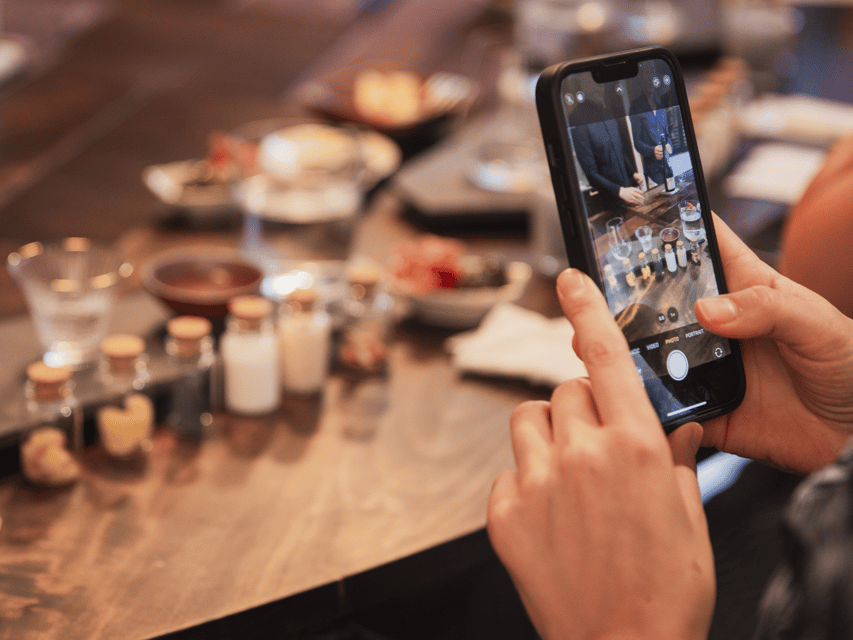
I like this tasting because it treats sake as a subject worth studying, not just a drink to add to a night out. The four-course structure, seven unusual pours, small bites, and private reclaimed-wood setting give the session a clear identity.
The price is not low, and the food is not a full dinner. Those are fair cautions. But if you want a focused introduction to contemporary sake, especially with English-language guidance and a small group, $77 is reasonable.
Book it if you want to leave with a better sense of how sake differs and why. Skip it if your main goal is cheap drinks, a large meal, or a loud evening out.
FAQ
How long does the sake tasting last?
The experience lasts 105 minutes.
How many sakes are included?
Seven sakes are served through four themed experiential courses.
Is food included?
Yes. The tasting includes seven to nine premium small bites, such as cured meats, aged cheeses, olives, and sweets.
Who hosts the tasting?
The session is hosted by sommeliers certified by WSET and JSS. Native speakers of English, Chinese, and Japanese are available.
How many people can join?
The experience is limited to six participants.
Where is the meeting point?
The tasting room is on the first floor of Linden Haus Kanda. Enter through the tall wooden door on the right marked At the Corner.
Can I cancel or pay later?
You can cancel up to 24 hours in advance for a full refund. A reserve-now, pay-later option is also available.
Just added around Tokyo
- Tokyo Sake Tasting Tour with a Sake Expert★ 5.0 · 7 reviews
- Wagyu BBQ & Sukiyaki with Sake Pairing Experience near Ginza★ 5.0 · 2 reviews
- Private Sake Tasting at 300 Years Old Sake Brewery in Tokyo★ 5.0 · 3 reviews
- Tokyo: Serene Sakura & Sake: An Exclusive Brewery Pairing Lunch★ 5.0 · 2 reviews
- Sake Tasting and Cherry Blossom Fun in Tokyo!★ 5.0 · 4 reviews
- Nagano: Snow Monkey and Zenkoji Temple Free Sake Taste Day Tour★ 4.5 · 8 reviews
- Sake Pairing Workshop with Japanese Food in Shinjuku★ 5.0 · 5 reviews
- Cherry blossom & Japanese Sake Tasting in Shinjuku★ 5.0 · 4 reviews
Sushi & Sake Tours, compared.
Ramen and Sushi Cooking Class with Sake Pairing Set in Tokyo
Read our review →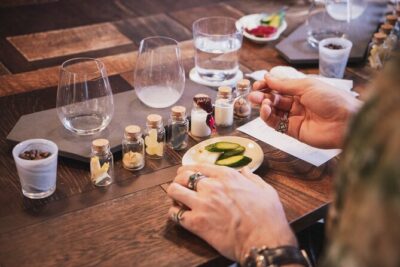
Sake Omakase in Tokyo: Guided Tasting by Certified Sommeliers
Read our review →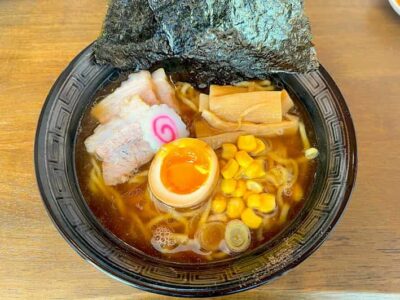
Sushi and Ramen Cooking Class with Sake Pairing Set
Read our review →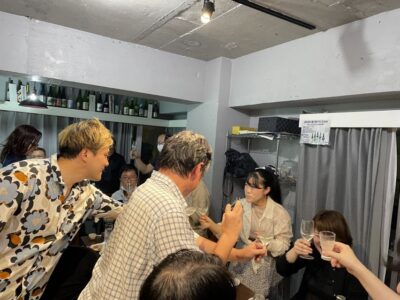
Outer Market Walking Tour & Sake Tasting Experience
Read our review →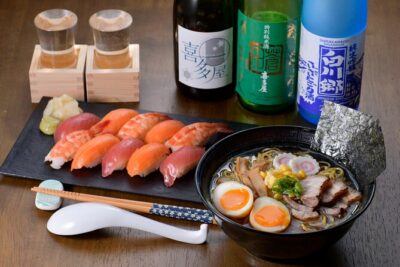
Cozy Tokyo Class: Ramen, Sushi, Sake Pairing & Cultural Exchange
Read our review →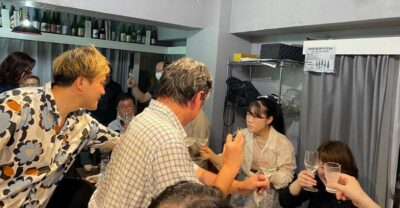
Browse the lists this tour appears in