
REVIEW · TOKYO
10 kinds Sake Tasting Experience in Tsukiji with local!!
Sake makes more sense after one good explanation. This private 90-minute tasting in Tokyo lets you compare about 10 varieties while a local guide explains brewing, quality grades, drinking customs, and regional differences. It is held at Wagyu Yakiniku & Sake all-you-can-drink Niku-no-Himalaya to nomuno in Shintomi, near the Tsukiji area.
I like the private format, since your group can ask questions without competing with a large crowd. I also like the clear tasting structure, which moves through different sake styles rather than handing you one glass and calling it a lesson. The main consideration is the location: some people have found the venue hard to spot, so allow time to check the map and look closely for the entrance.
The session costs $62.40 per person, and that is fair if you want both drinks and instruction. You are not simply paying for a flight of samples. The guide helps explain what is in your glass, and the tasting can include handouts, snacks, and a long conversation about Japan.
Key points at a glance
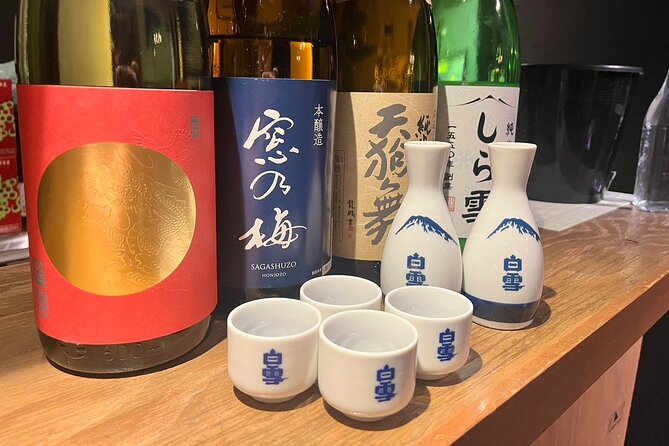
- About 10 sake samples: Taste a broad selection, with one report noting 11 pours, so pace yourself.
- Private 90-minute session: Only your group takes part, making questions and conversation easier.
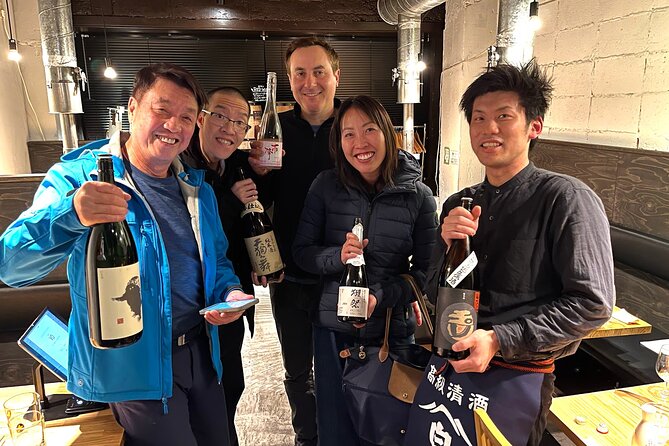
- Local guidance: Guide Matsu has been praised for clear English, useful handouts, and friendly conversation.
- Practical sake lessons: Cover basic drinking methods, etiquette, brewing, quality grades, and regional styles.
- Simple snacks included: Nuts and soybeans help refresh your palate between samples.
- Shintomi meeting point: The activity begins and ends at the Nomuno yakiniku and sake venue, close to public transportation.
What happens during the 90-minute sake session
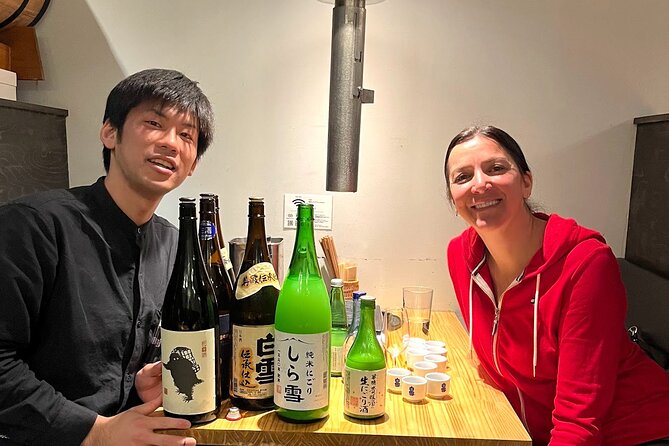
This is a compact tasting, not a long walking tour through Tokyo. You meet at Wagyu Yakiniku & Sake all-you-can-drink Niku-no-Himalaya to nomuno, at 2-chome-13-2 Shintomi, Chuo City. The activity ends at the same place, so you do not need to find a second venue afterward.
The setting matters. You are tasting in a restaurant built around wagyu and sake, rather than in a formal museum or a large classroom. That gives the session a relaxed feel. You can focus on the glasses in front of you, ask about the food culture around sake, and talk with the guide in a more personal way.
The main lesson begins with sake basics. You learn how to drink it and get a simple introduction to the drink itself. That may sound elementary, but it helps if you have only ordered sake by choosing hot or cold. The session gives you a framework for noticing aroma, sweetness, dryness, body, and style.
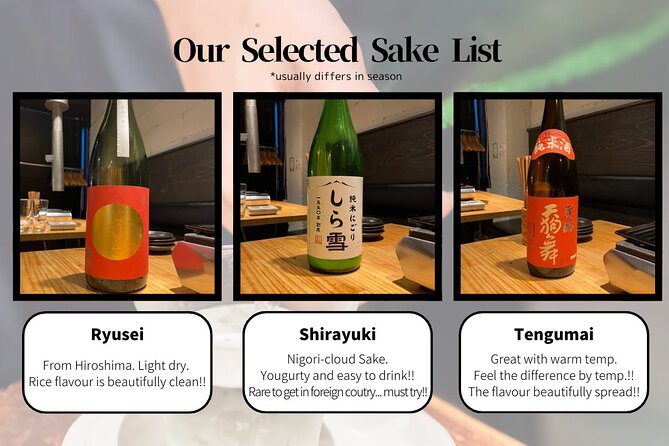
The tasting then moves into quality classifications such as Junmai and Daiginjo. These terms can look like a wall of Japanese vocabulary on a menu. A guided comparison makes them easier to remember because you taste the differences as you learn the labels.
One account of the session describes a progression from lower to higher quality sake. That structure gives the tasting a useful arc, though the exact bottles may vary. You should think of the event as an introduction to categories and production choices, not as a fixed list of brands guaranteed at every sitting.
More Sushi and Sake Tours in Tokyo:
- Ramen and Sushi Cooking Class with Sake Pairing Set in Tokyo
★ 5.0 · 291 reviews - Sake Omakase in Tokyo: Guided Tasting by Certified Sommeliers
★ 5.0 · 239 reviews - Tokyo: Sushi and Ramen Cooking Class with Sake Pairing Set
★ 5.0 · 81 reviews
Comparing about 10 different sake styles
The strongest part of the activity is the number of samples. You taste around 10 varieties, and one session included 11. That is enough to show that sake is not one single flavor.
The samples may come from different parts of Japan, allowing you to compare regional character. The experience specifically covers how sake from one area can differ from sake produced elsewhere. You should not expect a full tour of every sake-producing region, but the regional theme gives useful context for future restaurant orders or bottle shopping.
The guide also explains how the sake is made. Brewing methods affect the final drink, and the classifications connect to choices made during production. You do not need technical knowledge to follow along. The point is to leave with a few solid reference points, such as knowing that Junmai and Daiginjo represent different approaches and that the place of production can matter.
This is especially useful if sake menus have always felt mysterious. After tasting several samples side by side, you can start to identify what you like. Perhaps you prefer a lighter style, or perhaps a fuller and more fragrant pour works better for you. The session does not require you to memorize every term. It gives you enough information to make better choices later.
Since the activity includes many samples in a short period, do not rush. One report specifically advises pacing yourself. That is sensible advice for any tasting involving around 10 pours, even if each serving is small. Treat it as a lesson with alcohol, not as a race through the glassware.
Learning sake etiquette without a stiff classroom
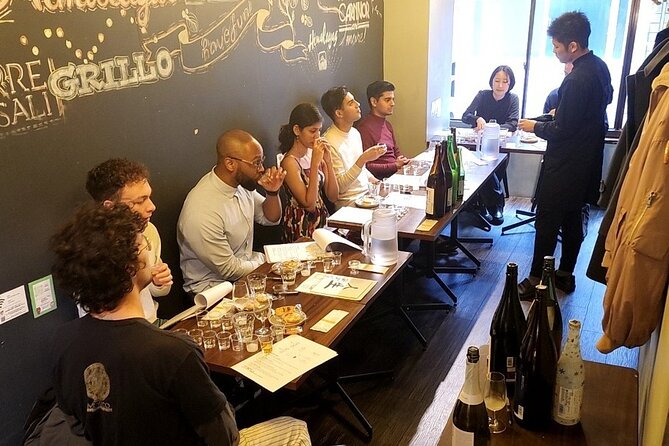
Sake has its own manners, serving customs, and social habits. The session covers etiquette and basic drinking rituals, which can help you feel more comfortable at a Japanese restaurant or dinner.
I like this part because etiquette is easiest to understand when it is tied to a real drink and a real setting. You can ask a question as soon as a custom comes up, instead of trying to remember a rule from a guidebook. The private setup also means you can admit what you do not know without feeling awkward.
The tone appears informal rather than ceremonial. The guide’s role is part teacher and part local companion. Language help is available if needed, and an English-speaking guide can make a big difference when the subject includes unfamiliar production terms.
Guide Matsu received particular praise for speaking English well and providing information sheets. Another account describes the guide as a chef at Nomuno, which adds a useful food angle to the lesson. That background may help you connect sake with Japanese dishes, including the yakiniku setting where the session takes place.
The handouts are worth keeping. Tasting several types in one sitting can blur the details later. Written notes give you something to check when you want to remember a classification or explain your favorite style to someone back home.
Snacks, conversation, and the Nomuno setting
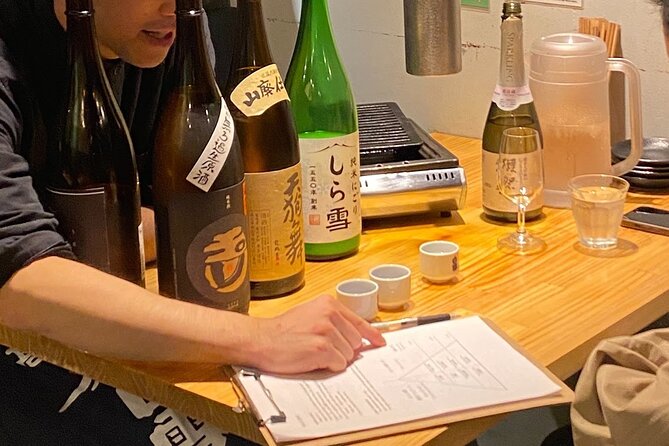
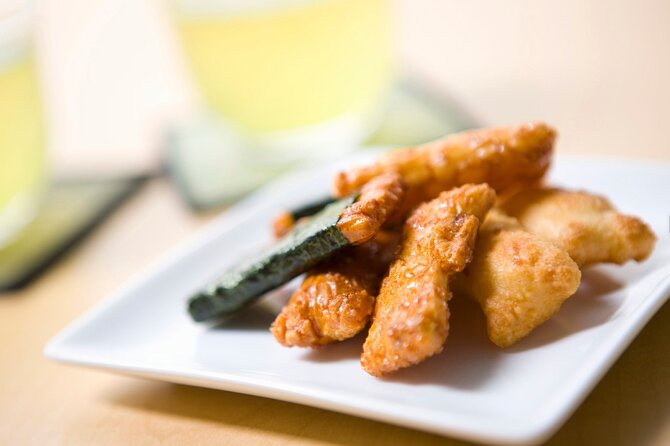
The tasting includes simple snacks, with nuts and soybeans mentioned specifically. These are not presented as a full meal, so you should not book this expecting dinner. They do give you something to eat between pours and can help reset your palate.
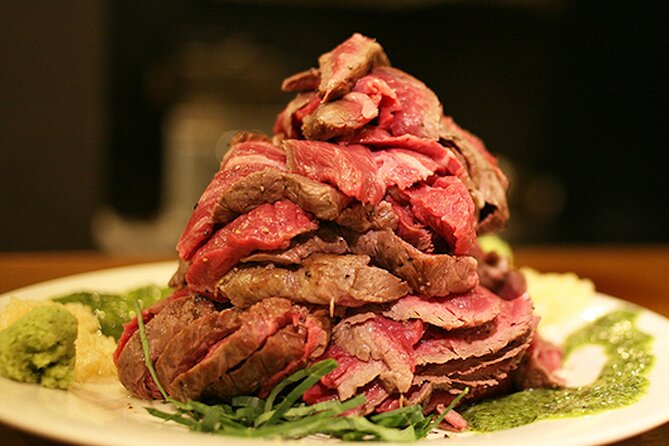
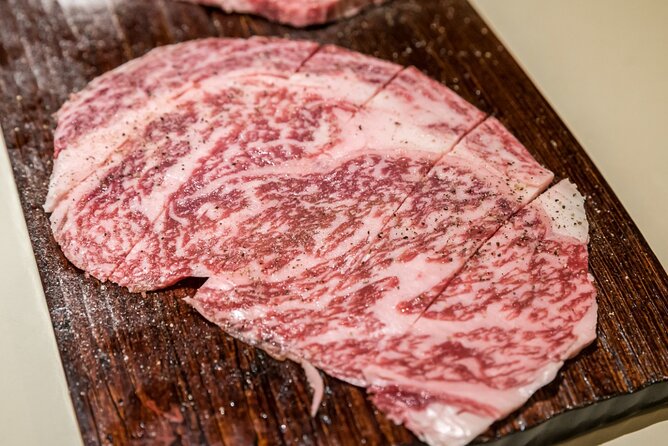
The venue is also associated with Japanese barbecue and all-you-can-drink sake. That creates a natural connection between the tasting and food, but the supplied details do not promise a full yakiniku meal as part of the 90-minute session. If you want a substantial meal, treat that as a separate plan unless your booking details say otherwise.
Conversation is one of the best reasons to choose this format. A private session lets you ask about Japan as well as sake. One person booked at noon on a Wednesday and ended up alone with the guide, turning the appointment into a one-to-one discussion. That example also shows that daytime scheduling is possible when availability allows.
Your own group may not have the same setup, but the private format remains a plus. It works well for couples, friends, or families with adult members who want to learn at their own pace. It may be less appealing if you want a loud social tasting where you meet strangers.
More Sake Tastings in Tokyo:
- Sake Tasting Masterclass in Shinjuku (8+ Varieties with a Pro)
★ 5.0 · 271 reviews - Tasting All Types of Sake with Sommelier
★ 5.0 · 151 reviews - Tokyo Wagyu & Sake Pairing Tasting Experience with Local Flavors
★ 5.0 · 108 reviews - Tsukiji: Outer Market Walking Tour & Sake Tasting Experience
★ 4.9 · 81 reviews
Finding the Shintomi meeting point
The activity is described as a Tsukiji experience, but the exact meeting address is in Shintomi, Chuo City. That distinction is important when you are planning your day. Put the full address into your map rather than relying only on the broad Tsukiji label.
The meeting point is Wagyu Yakiniku & Sake all-you-can-drink Niku-no-Himalaya to nomuno, 2-chome-13-2 Shintomi, Chuo City, Tokyo 104-0041. The location is near public transportation, but the venue can be difficult to find. Build in extra time, especially if you are arriving for a timed booking.
The practical fix is simple: check the map pin before leaving, save the venue name in Japanese if available, and do not wait until the last minute to search. You may also want to compare the street view or venue photos if your booking information includes them. This is not a reason to skip the tasting, but it is the one repeated practical snag worth taking seriously.
Because the activity ends at the same meeting point, you can plan a meal or a walk afterward without worrying about a separate drop-off. You can also combine it with time around Tsukiji, though the supplied details do not set out a walking itinerary or market visit.
Is $62.40 a good value?
At $62.40 per person, the price is reasonable for a private 90-minute tasting with about 10 samples. The value depends on what you want. If you only want to drink sake, a shop or bar may offer a cheaper flight. If you want guided comparisons, cultural context, English-language help, and a private setting, this price makes more sense.
You are paying for the instruction as much as the liquid. The session explains classifications, brewing, regional differences, and etiquette. It can also save you from ordering several unfamiliar bottles at random later.
The private format is especially valuable for a small group. You get direct access to the guide, and the conversation can follow your interests. Ask about a style you enjoyed, how sake pairs with food, or what the labels mean. That sort of exchange is difficult in a crowded tasting room.
The price does not appear to include a full meal. Snacks such as nuts and soybeans are included according to the tasting details, but you should budget separately if you want a larger lunch or dinner at the restaurant.
Who will enjoy this sake experience?
I would recommend this to first-time sake drinkers who want a clear introduction without a formal lecture. It also suits people who already enjoy sake but want to understand Japanese classifications and regional differences better.
Food-focused visitors should find the restaurant setting useful, especially if they like the idea of discussing drinks with someone connected to a yakiniku venue. The session also works for anyone who wants a cultural activity that fits into a short Tokyo schedule.
It may not be right for someone who dislikes alcohol, wants a substantial meal included, or prefers a fast sightseeing activity. Ninety minutes devoted to tasting can feel long if you are not interested in how sake is made. The number of samples also means you need to pace yourself.
Most people can participate, and the activity is private. Confirmation arrives within 48 hours of booking, subject to availability. Free cancellation is available up to 24 hours before the local start time. Cancellations or changes made inside that window are not accepted for a refund.
Should you book it?
Book this if you want to understand sake instead of simply ordering it. The combination of about 10 samples, clear explanations, handouts, snacks, and a private guide-led format gives you plenty to work with in 90 minutes.
The best reason to choose it is the personal conversation, especially if Matsu is leading your session and you want help in English. Just confirm the Shintomi meeting point, leave time to find the venue, and pace yourself through the tasting. For a short Tokyo activity with real local context, this is a strong choice.
FAQ
Where does the sake tasting take place?
It takes place at Wagyu Yakiniku & Sake all-you-can-drink Niku-no-Himalaya to nomuno, 2-chome-13-2 Shintomi, Chuo City, Tokyo 104-0041, Japan.
Does the activity start and end at the same location?
Yes. The activity ends back at the meeting point.
How long does the tasting last?
The tasting lasts approximately 1 hour and 30 minutes.
How many kinds of sake will I taste?
The session includes around 10 varieties of sake. One tasting included 11 samples.
Is this a private activity?
Yes. Only your group participates in the activity.
What will I learn during the tasting?
You will learn basic sake information, how to drink sake, sake etiquette, brewing methods, quality classifications such as Junmai and Daiginjo, and regional differences within Japan.
Are snacks included?
Yes. Nuts and soybeans have been included during the tasting.
Is the meeting point near public transportation?
Yes. The meeting point is near public transportation.
Can most people participate?
Yes. Most people can participate according to the activity information.
Can I cancel for a full refund?
Yes, if you cancel at least 24 hours before the experience start time. Cancellations or changes made less than 24 hours before the start time are not eligible for a refund.
Just added around Tokyo
- Tokyo Sake Tasting Tour with a Sake Expert★ 5.0 · 7 reviews
- Wagyu BBQ & Sukiyaki with Sake Pairing Experience near Ginza★ 5.0 · 2 reviews
- Sake Tasting and Cherry Blossom Fun in Tokyo!★ 5.0 · 4 reviews
- Private Sake Tasting at 300 Years Old Sake Brewery in Tokyo★ 5.0 · 3 reviews
- Tokyo: Serene Sakura & Sake: An Exclusive Brewery Pairing Lunch★ 5.0 · 2 reviews
- Nagano: Snow Monkey and Zenkoji Temple Free Sake Taste Day Tour★ 4.5 · 8 reviews
- Sake Pairing Workshop with Japanese Food in Shinjuku★ 5.0 · 5 reviews
- Cherry blossom & Japanese Sake Tasting in Shinjuku★ 5.0 · 4 reviews
Sushi & Sake Tours, compared.
Ramen and Sushi Cooking Class with Sake Pairing Set in Tokyo
Read our review →
Sake Omakase in Tokyo: Guided Tasting by Certified Sommeliers
Read our review →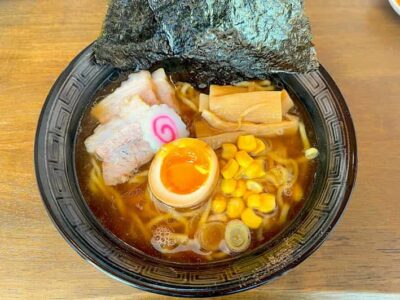
Sushi and Ramen Cooking Class with Sake Pairing Set
Read our review →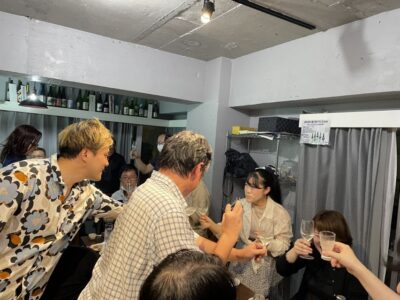
Outer Market Walking Tour & Sake Tasting Experience
Read our review →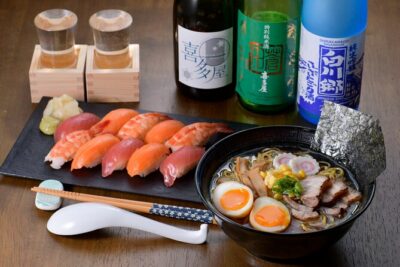
Cozy Tokyo Class: Ramen, Sushi, Sake Pairing & Cultural Exchange
Read our review →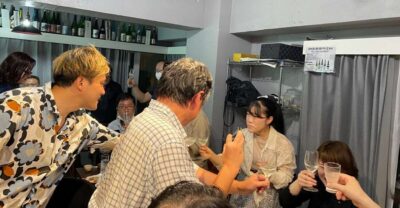
Browse the lists this tour appears in