
REVIEW · TOKYO
7 Kinds of Sake Tasting with Complementary Foods
Sake makes more sense after one good tasting. This Tokyo session brings together seven kinds of sake from seven Japanese regions, with a certified instructor explaining how each one differs. I like the clear introduction to brewing and the smart food pairings, including sweet and dessert-friendly sake. The main catch is the price: at $107.50 per person, this is not a casual drink stop.
The setting may surprise you. You meet in the basement of an office building across from Tokyo Tower, rather than in a polished sake bar. Still, the intimate teaching style, generous food, and chance to ask questions make this a useful first step into Japanese sake. The session lasts about 1 hour and 15 minutes, so you should plan it as an evening tasting rather than a long dinner.
Key points at a glance
- Seven regional sakes: Taste a broad range, from sparkling sake to sweet styles and bottles suited to dessert.
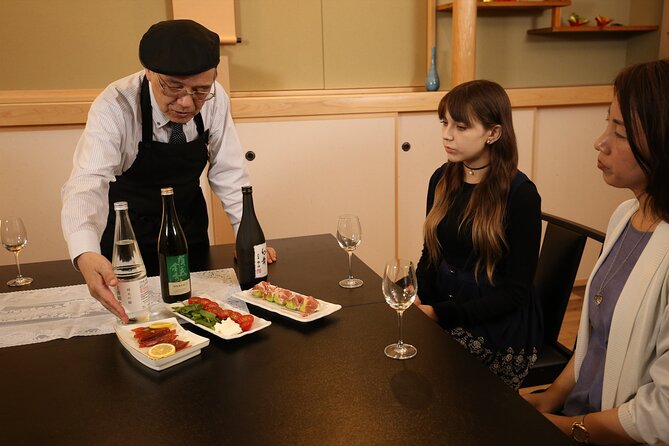
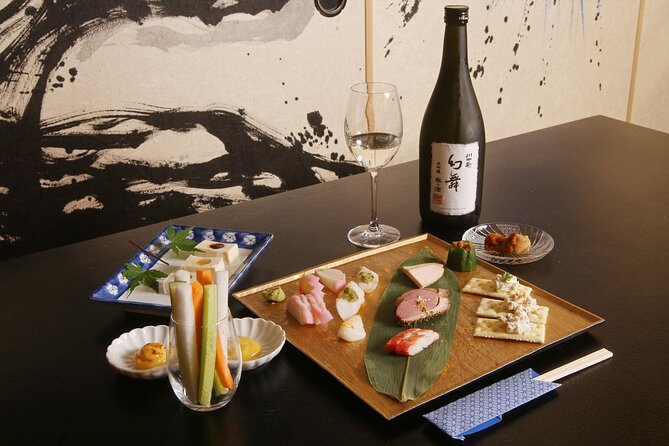
- Food with every pour: Each sake comes with a complementary Japanese dish, plus some Western-style pairings.
- Certified instruction: A nationally accredited sake instructor explains production, ingredients, styles, and tasting basics.
- More than a few nibbles: The food may add up to a light supper, depending on your appetite.
- Tokyo Tower location: The meeting point is in Shibakoen, across from Tokyo Tower, but the venue itself is a basement office-building space.
- Short and focused: The 75-minute format works well for a first sake lesson, though serious enthusiasts may want more time.
Why seven sakes make a useful first lesson
Sake can seem confusing at first. Labels use unfamiliar terms, bottles vary widely in sweetness and aroma, and the drink may be served chilled, warm, sparkling, or alongside foods you did not expect.
This tasting gives you a simple way to compare styles side by side. You are not asked to memorize a long list of technical terms. Instead, the instructor guides you through seven different examples and helps you notice how they taste and why they differ.
The selection includes sake from seven regions of Japan. That matters because sake reflects more than the rice used to make it. Brewing methods, water, local traditions, and the brewer’s choices all affect the final drink. You may not leave able to identify every region by taste, but you should have a better sense of what you enjoy.
I particularly like the inclusion of sparkling sake, sweet sake, and bottles chosen for dessert pairings. Many first tastings focus only on dry sake. This broader range gives you a more accurate picture of what Japanese sake can be.
More Sake Tastings in Tokyo:
- Sake Tasting Masterclass in Shinjuku (8+ Varieties with a Pro)
★ 5.0 · 271 reviews - Sake Omakase in Tokyo: Guided Tasting by Certified Sommeliers
★ 5.0 · 239 reviews - Tasting All Types of Sake with Sommelier
★ 5.0 · 151 reviews
Meeting near Tokyo Tower at 6:15 pm
The session begins at 6:15 pm at Kikai Shinko Kaikan, 3-5-8 Shibakoen in Minato City. The building sits across from Tokyo Tower, which gives you a useful landmark when finding the area.
The actual venue is in the basement of an office building. That may feel less atmospheric than entering a traditional brewery or stylish restaurant. I would not book this for dramatic interiors or a scenic dining room. You are coming for the teaching, tasting, and food.
The location is near public transportation, which helps after a day of sightseeing. Give yourself enough time to reach the building and find the correct entrance. The meeting point is also the end point, so you do not need to arrange a separate return location after the tasting.
The evening start works well with a Tokyo sightseeing plan. You could spend the afternoon around Shibakoen and Tokyo Tower, then attend the session before continuing to dinner or returning to your hotel. Since the food can be substantial, you may not need a second full meal afterward.
The opening lesson: how sake is made
The instructor begins with an introduction to sake’s culture, background, and production. This part is valuable because tasting becomes easier once you understand the basic process.
You learn how sake is made and why the production method affects the finished drink. The explanation also covers the main sake varieties, giving you a framework for the seven pours that follow.
The session is designed for beginners, but it is not limited to people who have never tried sake. If you already enjoy sake, you can use this opening to fill gaps in your understanding and ask more focused questions.
The best part of this format is the chance to ask questions as you taste. The teaching is not simply a speech followed by seven glasses. The instructor explains what is in front of you, then helps connect the flavor to the style and production choices.
One useful result is confidence. You should leave better able to say what you like and what you do not like. That makes later sake shopping or restaurant ordering much easier.
Seven pours, seven different directions
The heart of the experience is the tasting of seven kinds of Japanese sake. Each one is selected to show a different side of the drink.
The range includes sparkling sake, sweet sake, and options intended for dessert pairings. The exact bottles can change, so you should not expect a fixed brand list. What matters is the contrast between styles.
You might find one pour light and easygoing, another fuller or sweeter, and another better suited to food than drinking on its own. The instructor’s job is to help you notice these differences without making the process feel like an exam.
This is where the food becomes especially useful. A small sample of sake can be hard to judge in isolation. Once you taste it with a savory dish or dessert, its character may become clearer. A style you did not enjoy alone may suddenly make more sense with the right food.
The seven pours also help you discover your own preference. You may learn that you prefer sparkling sake, sweeter styles, or a drink with enough body to pair with a meal. That personal comparison is more useful than a general lecture about sake categories.
Because the total session lasts about 75 minutes, the pace is fairly concentrated. You will have time to taste and learn, but this is not a long, leisurely evening of drinking. If you want a slow tasting with extensive discussion of every bottle, the short format may feel limited.
A few more sake experiences around Tokyo worth a look
- Ramen and Sushi Cooking Class with Sake Pairing Set in Tokyo
★ 5.0 · 291 reviews - Wagyu & Sake Pairing in Shinjuku – Steak, Shabu-Shabu & More
★ 5.0 · 112 reviews - Tokyo Wagyu & Sake Pairing Tasting Experience with Local Flavors
★ 5.0 · 108 reviews - Tokyo: Sushi and Ramen Cooking Class with Sake Pairing Set
★ 5.0 · 81 reviews
Pairing Japanese and Western dishes with sake
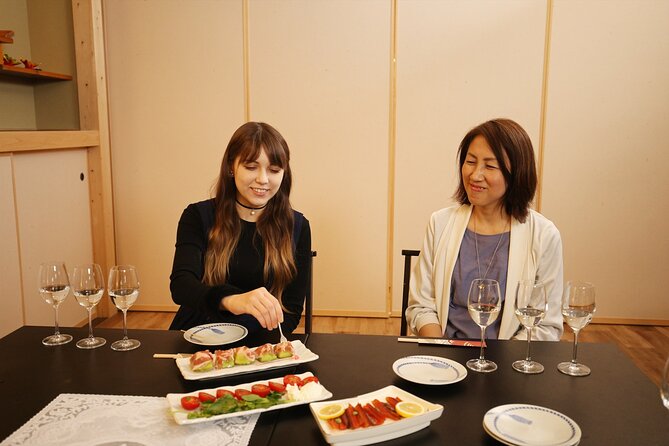
Each of the seven sakes comes with a complementary dish. The food includes Japanese items as well as Western-style dishes, and the pairings are explained as you go.
This is one of the strongest reasons to choose the experience. You are not merely sampling drinks. You are learning how sake behaves at the table.
The dishes are described as small bites, but the portions may add up to something closer to a light supper. One especially useful detail is that some food may be prepared on the spot for a pairing. That gives the meal a more personal, home-style feel than a row of pre-set snacks.
Do not expect a formal multi-course restaurant dinner. The point is not elaborate presentation. Instead, the food serves as a practical demonstration. You taste a sip of sake, try the dish, and notice how the flavors interact.
The inclusion of dessert pairings is a nice touch. Many people assume sake belongs only with sushi, sashimi, or salty snacks. Sweet sake can work in a different setting, and this tasting shows you that the drink has a place at the end of a meal too.
If you have dietary requirements, tell the provider in advance. The experience asks you to share those needs, but the available details do not promise that every request can be accommodated. It is best to ask before booking rather than hope for an adjustment at the table.
The teaching style and the people leading it
The session is led by a nationally accredited sake instructor, described as a certified sake sommelier. That qualification matters here because the value of the experience depends heavily on the quality of the explanations.
One instructor specifically praised in the feedback is Micki. Her approach was described as warm, engaging, and able to match the food with each sake. That personal style seems to be part of the appeal: the class can feel more like a friendly conversation than a formal lecture.
The hosts also make an effort to answer questions. If you are curious about brewing, regional differences, sweetness, or what to order later in Japan, this is the time to ask.
The atmosphere can be personal even though the stated maximum is 100 people. That maximum is quite large, so the actual group size may vary. A small group should allow more conversation. A larger group could feel less intimate, especially during the tasting portions.
I would ask yourself what kind of lesson you prefer. If you enjoy a relaxed class with friendly instruction, this should suit you. If you want a private tasting or detailed attention to every participant, the group format may not deliver that every time.
How much food do you really get?
The package includes seven sakes and seven complementary Japanese dishes. Extra food and drinks are not included.
The food appears to be more substantial than the phrase small bites suggests. It may be enough for supper, though that depends on your appetite and the portion sizes served during your particular session. I would treat it as a satisfying tasting meal, not a guaranteed replacement for a full restaurant dinner.
That distinction matters when judging the price. You are paying for the drinks, food, instruction, and structured comparisons. The meal alone does not explain the $107.50 cost, and the sake pours may not satisfy someone looking simply for the most alcohol or largest dinner.
For someone curious about Japanese drink culture, the package has fair value. Seven samples in one sitting, paired food, and guidance from a certified instructor would be difficult to organize on your own, especially if you do not read Japanese labels or know which bottles to choose.
For a couple or small group, it also offers a shared activity with a clear focus. You can compare favorites and discuss which pairings worked best. Group discounts may improve the price for larger bookings, so check the available rate before paying.
Who will get the most from this Tokyo tasting?
I would recommend this experience most strongly to first-time sake drinkers and people who enjoy Japanese food but feel unsure about sake.
It also works for:
- Couples seeking a short evening activity
- Food lovers who want to understand pairings
- People who prefer a guided lesson to ordering random bottles
- Sake fans who want to compare several styles from different regions
- Small groups looking for an educational meal
You may not need it if you already know sake well and regularly compare regional bottles. The introductory explanations could repeat information you already understand, and 75 minutes may not provide enough depth for advanced study.
It is also not the best choice if you want a traditional brewery visit. The meeting point is a basement venue in an office building, not a production site. You learn how sake is made, but you do not tour a brewery or watch the brewing process firsthand.
Timing, booking, and cancellation details
The tasting begins at 6:15 pm and lasts about 1 hour and 15 minutes. Confirmation is sent within 48 hours of booking, subject to availability, and the experience can accommodate most people.
It is often booked about 24 days ahead, so I would reserve early if your Tokyo dates are fixed. This is especially sensible if you are visiting during a busy season or traveling with a group.
The activity offers free cancellation up to 24 hours before the start time. Cancel later than that and the payment is not refunded. Changes made within 24 hours are not accepted, and the cut-off follows Tokyo local time.
The mobile ticket is convenient. Keep the meeting address handy, since the office-building setting may not be as obvious as a restaurant with a large street sign.
Final verdict: should you book it?
Book this sake tasting if you want a friendly, structured introduction with seven varied pours and matching food. The strongest feature is the combination of instruction and tasting. You learn enough about production and styles to understand what is in your glass, then test those ideas with Japanese and Western dishes.
The food appears generous for a tasting, and the hosts create a relaxed atmosphere. Micki’s teaching style has been singled out as especially warm and effective, while the broader feedback points to clear explanations, tasty pairings, and a welcoming approach.
Skip it if your main goal is a brewery visit, a luxurious dining room, or a long evening of drinking. The basement office-building venue is plain, the session is short, and the price is high for anyone who sees it as only seven small drinks.
For most beginners, though, the format makes sense. You get a useful introduction, a meal-like set of pairings, and practical guidance for ordering sake later in Japan. That makes this a solid early-trip activity, especially if you want to understand the drink before encountering it on restaurant menus.
FAQ
Where does the sake tasting take place?
It begins at Kikai Shinko Kaikan, 3-5-8 Shibakoen, Minato City, Tokyo 105-0011, Japan. The venue is in the basement of an office building across from Tokyo Tower.
What time does the experience start?
The tasting starts at 6:15 pm.
How long does the sake tasting last?
The experience lasts approximately 1 hour and 15 minutes.
How many kinds of sake will I taste?
You will taste seven different kinds of Japanese sake, selected from seven regions of Japan.
What types of sake are included?
The selection can include sparkling sake, sweet sake, and sake chosen for dessert pairings. The exact bottles are not specified.
Is food included?
Yes. Seven complementary Japanese dishes are included, along with the sake tastings. Some pairings may include Western-style foods.
Who leads the tasting?
The session is led by a nationally accredited sake instructor and certified sake sommelier. Micki is one of the instructors associated with the experience.
Can I cancel for a full refund?
Yes. You can cancel up to 24 hours before the experience start time for a full refund. Cancellations or changes made less than 24 hours in advance are not accepted for a refund.
Just added around Tokyo
- Tokyo Sake Tasting Tour with a Sake Expert★ 5.0 · 7 reviews
- Wagyu BBQ & Sukiyaki with Sake Pairing Experience near Ginza★ 5.0 · 2 reviews
- Tokyo: Serene Sakura & Sake: An Exclusive Brewery Pairing Lunch★ 5.0 · 2 reviews
- Sake Tasting and Cherry Blossom Fun in Tokyo!★ 5.0 · 4 reviews
- Private Sake Tasting at 300 Years Old Sake Brewery in Tokyo★ 5.0 · 3 reviews
- Nagano: Snow Monkey and Zenkoji Temple Free Sake Taste Day Tour★ 4.5 · 8 reviews
- Sake Pairing Workshop with Japanese Food in Shinjuku★ 5.0 · 5 reviews
- Cherry blossom & Japanese Sake Tasting in Shinjuku★ 5.0 · 4 reviews
Sake Tasting, compared.
3-Hour Kyoto Insider Sake Brewery Tour with Tastings & Pairings
Read our review →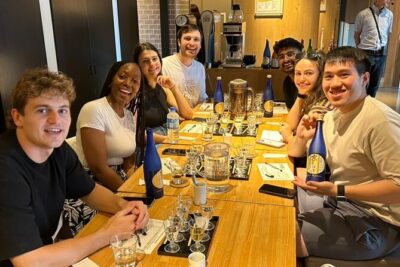
1.5-Hour Kyoto Insider Sake Experience with 7 Tastings & Pairings
Read our review →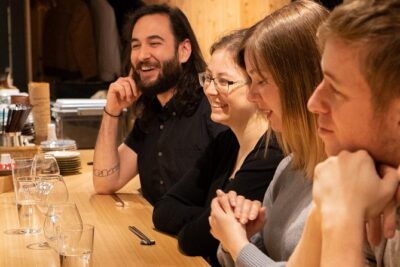
Sake Tasting Masterclass in Shinjuku (8+ Varieties with a Pro)
Read our review →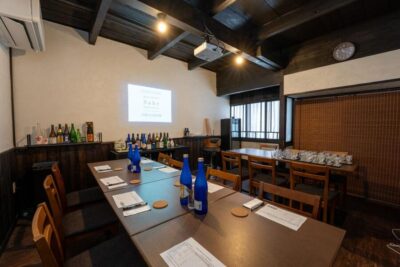
Insider Sake Experience with 7 Tastings and Snacks
Read our review →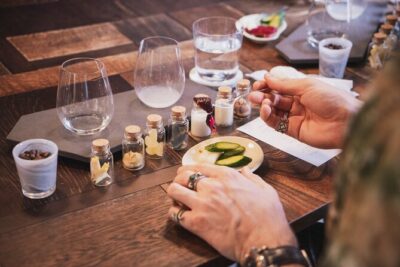
Sake Omakase in Tokyo: Guided Tasting by Certified Sommeliers
Read our review →
Private Tea Ceremony and Sake Tasting in Kyoto Samurai House
Read our review →
Casual Japanese SAKE tasting and snack experience in Kabukicho
Read our review →
Browse the lists this tour appears in