
REVIEW · TOKYO
Tokyo: 7 Kinds of Sake Tasting with Japanese Food Pairings
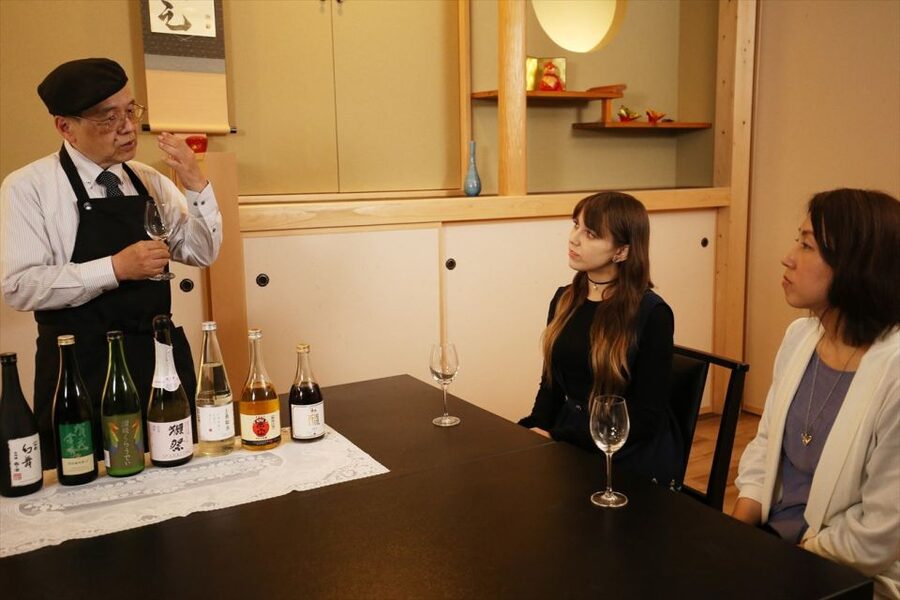
Sake rewards curiosity. This 75-minute tasting in Minato City combines seven sake varieties with Japanese and Western food, making it a useful introduction rather than a quick round of drinks. I like the clear progression from sparkling and sweet styles to savory pours, plus the chance to finish with dessert sake. I also like the small group size, limited to 10 people, which leaves room for questions.
The main drawback is the meeting point. The Kikai Shinko Kaikan building is opposite Tokyo Tower, but the tasting takes place in a basement room, and the entrance can be hard to spot. Give yourself extra time, and remember that the supplied directions have caused confusion for some visitors. Once inside, the friendly instruction from hosts such as Tanaka-san and Taka-san can make the awkward arrival worthwhile.
Key points to know before booking
- Seven pours, seven pairings: Each sake sample comes with a matching bite, so you can judge how food changes the drink.
- A guided lesson, not just a bar stop: A nationally accredited sake instructor explains production, varieties, serving styles, and sake’s role in Japanese tradition.
- A wide flavor range: The tasting moves from sparkling and sweet sake to savory options and a dessert-style finish.
- Small groups matter: With no more than 10 people, the format feels personal, especially when attendance is light.
- Tokyo Tower is your landmark: Meet at the main entrance of Kikai Shinko Kaikan on the first floor, opposite the tower. If needed, True Japan Tour is in room B109 on the basement level.
- Good value for a focused tasting: At $106 per person, the cost is not cheap, but it includes seven pours, seven food pairings, instruction, and a meal-like sequence in 75 minutes.
What this Tokyo sake tasting actually offers
Sake can be hard to understand from a restaurant menu. You may see labels describing rice polishing, regions, brewing methods, or sweetness, then make a guess and hope for the best. This session gives you a framework for making better choices later in Japan.
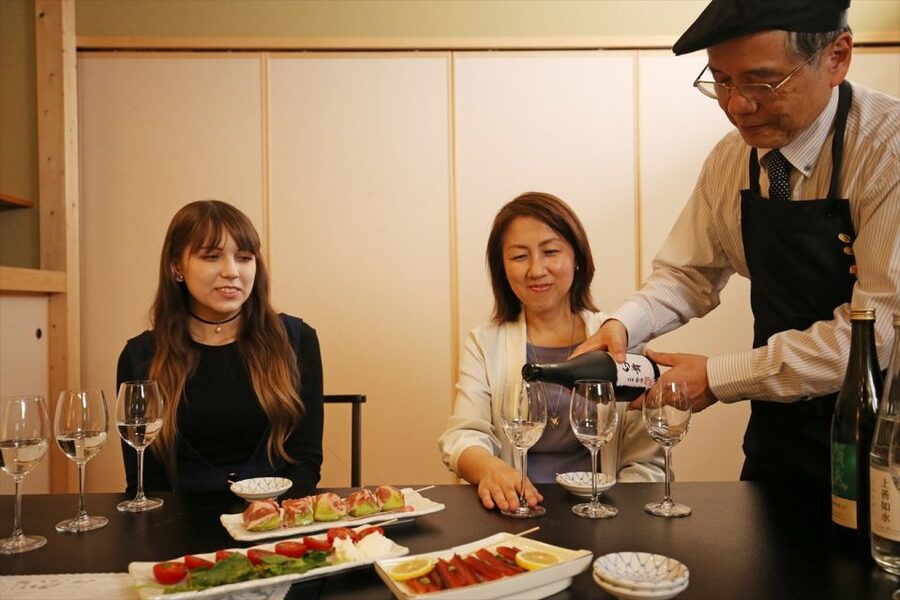
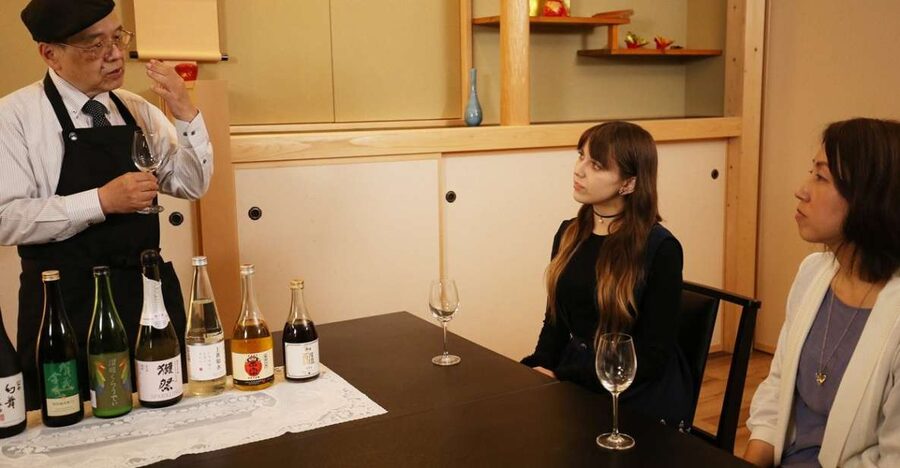
The format is simple. You meet an English-speaking instructor, settle into the teaching space, and work through seven different sake samples. Each pour is paired with food, including Japanese and Western dishes. The point is not merely to decide which drink you like. You learn how sake behaves beside cheese, vegetables, duck, hot cooked bites, and sweet food.
That structure makes the experience useful for both beginners and people who already order sake. If you know little about the drink, the instructor gives you basic terms and context. If you already enjoy sake, the range of styles and food combinations can help sharpen your palate.
The experience lasts 75 minutes. That is long enough for a proper introduction, but short enough to fit before dinner, after sightseeing, or between other plans in central Tokyo.
More Sake and Food Pairings in Tokyo:
- Ramen and Sushi Cooking Class with Sake Pairing Set in Tokyo
★ 5.0 · 291 reviews - Wagyu & Sake Pairing in Shinjuku – Steak, Shabu-Shabu & More
★ 5.0 · 112 reviews - Tokyo Wagyu & Sake Pairing Tasting Experience with Local Flavors
★ 5.0 · 108 reviews
Starting opposite Tokyo Tower
The meeting point is easy to place on a map and less easy to recognize on the street. Kikai Shinko Kaikan is directly opposite Tokyo Tower, which gives you a strong landmark. Look for the main entrance on the first floor and meet the instructor there.
The tasting itself is not held in a grand sake brewery or a traditional restaurant. It takes place in a basement demonstration kitchen and lunch room used for cooking classes. That setting may surprise you if you expect a polished bar, but it has a practical benefit: the space supports both instruction and food preparation.
Allow extra time to find it. One particularly useful correction is that the meeting information has sometimes caused confusion about the room number. If you cannot locate the instructor, go to True Japan Tour in room B109 on the basement level. A previous participant specifically suggested that the meeting instructions need updating, so do not arrive at the last minute.
This is the only part of the experience that repeatedly feels less smooth than the tasting itself. Tokyo Tower makes the area easy to identify, but the building entrance and basement room are not as obvious as they could be.
Seven sake styles, from sparkle to dessert
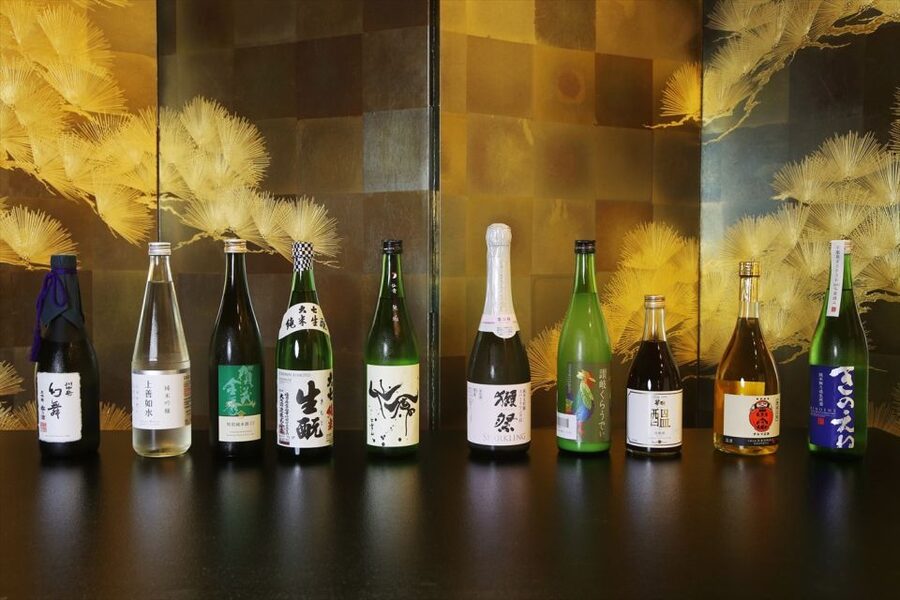
The tasting is built around variety. Rather than serving seven similar cups, the instructor presents sake across a broad flavor range, including sparkling, sweet, savory, and dessert-style examples.
That range is important because sake is not one single flavor. Some pours may feel light and lively, while others may be fuller, sweeter, or better suited to food. A sequence like this helps you notice contrasts that can be lost when you order one bottle at a restaurant.
The exact brands and regional origins can vary with the selected collection, so you should not book this expecting a fixed list of labels. You can expect a specially chosen set of seven samples, with the instructor explaining what makes each one different.
The dessert sake at the end is a nice touch. It gives the session a clear finish and shows that sake can work in a very different role from the dry drink often served with sushi. If you usually avoid sweet alcohol, this final sample may be the most surprising part of the tasting.
You do not need to arrive as a sake expert. The session is designed to explain the basics as you go, and the small format gives you a chance to ask about the styles that suit your taste.
Why the food pairings matter
The food is not decoration beside the glasses. It is central to the lesson.
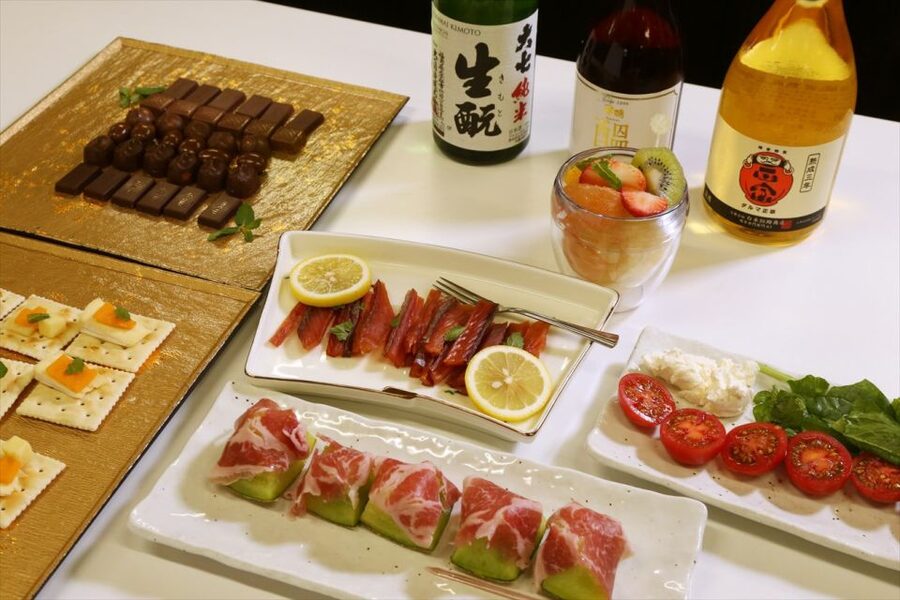
You receive seven food pairings, one for each sake sample. The dishes include Japanese and Western influences, and the selection can include Japanese cheese, crudités, duck, and small cooked bites. Some food is prepared in front of you and served hot, which makes the format feel more like a compact meal than a flight of bar snacks.
This approach teaches something a menu description cannot. A sake that seems too sweet or too sharp on its own may work well with a particular dish. A savory sake may make more sense beside richer food. You get to compare the drink alone, then see what changes after a bite.
The pairings also make the $106 price easier to assess. You are paying for seven samples and seven food matches, not only for seven small glasses. The servings are still part of a tasting rather than a full restaurant dinner, but the food gives the session more substance.
If you have dietary restrictions, ask before booking. The supplied details do not promise substitutions or list allergens, so you should not assume every pairing can be changed.
More Sake Tastings in Tokyo:
- Sake Tasting Masterclass in Shinjuku (8+ Varieties with a Pro)
★ 5.0 · 271 reviews - Sake Omakase in Tokyo: Guided Tasting by Certified Sommeliers
★ 5.0 · 239 reviews - Tasting All Types of Sake with Sommelier
★ 5.0 · 151 reviews - Tsukiji: Outer Market Walking Tour & Sake Tasting Experience
★ 4.9 · 81 reviews
The lesson on brewing and Japanese tradition
The instructor covers how sake is made, the main varieties available, and the drink’s place in Japanese culture. Sake has been part of Japanese religious and social traditions for more than a thousand years, and the session places the tasting within that broader setting.
This cultural context gives the drink more meaning. Sake is not simply Japan’s equivalent of wine, and learning about its role in ceremonies and tradition helps explain why it remains so important. The lesson also covers how production affects flavor, giving you a better reason for the differences in the glass.
The instruction is in English and comes from a nationally accredited sake instructor. The tone appears to be friendly rather than stiff. Tanaka-san and Taka-san were praised for being welcoming and engaging, while another instructor was described as funny and well prepared. One participant had a training sake sommelier leading the session and found the explanations of production, tasting, and Japanese varieties especially useful.
Do keep expectations realistic. This is a 75-minute introduction, not a full professional qualification course. You will learn how sake is produced and how styles differ, but you will not master every label or brewing region in one sitting.
The small-group advantage
The group limit is 10 people, and this is one of the experience’s strongest practical features. Sake can seem intimidating when you are unsure what to ask, but a small room makes questions easier.
Attendance may be much smaller than the maximum. Several people found themselves in a very intimate session, sometimes with only one other participant or even a private-feeling arrangement. That can make the lesson more relaxed and allow the instructor to adjust the explanation to your interests.
The tradeoff is that the atmosphere depends partly on the day’s group. A full group of 10 will feel less private, though it should still be far more personal than a large tasting event. The limited size also means you should reserve ahead if the timing matters to you.
The English instruction is a good fit for visitors who want more than a silent tasting. You can ask about production, food matches, serving customs, and the types of sake sold in Japan.
Is $106 a fair price?
At $106 per person, this is a premium short activity. It makes sense only if you value instruction and food as much as the alcohol itself.
The cost includes seven sake samples, seven food pairings, an accredited instructor, and 75 minutes of teaching. You also get a structured tasting near one of Tokyo’s best-known landmarks. Compared with simply ordering sake at a bar, you gain context and a guided comparison, though you lose the freedom to choose a full bottle or linger for hours.
The food helps the value. Pairing bites include enough variety to turn the session into a small meal, and some are cooked during the event. You should still plan another meal if you have a large appetite, since the experience is presented as a tasting with dishes rather than a full dinner.
I think the price is easiest to justify for a first visit to Japan, a sake enthusiast, or anyone who wants a compact cultural activity in English. It is harder to justify if you already know sake well and mainly want the cheapest way to drink it.
Who will enjoy this most?
I would recommend it to curious drinkers who want a clear introduction without committing to a long class. It also suits couples, solo visitors, and small groups who enjoy food and prefer conversation over a loud nightlife setting.
The experience is especially useful if you have been ordering sake by guesswork. By the end, you should have a better idea of how sweet, sparkling, savory, and dessert styles differ, and how food affects your choice.
It is less suitable for anyone under 20, since the minimum age is 20. It may also disappoint people looking for a brewery tour, a large traditional feast, or a fixed list of famous labels. The event focuses on tasting and instruction in a teaching kitchen, not on visiting a production site.
Wheelchair access is available. Hotel pickup and drop-off are not included, so you need to make your own way to Minato City.
Timing your visit around Tokyo Tower
Because the building is opposite Tokyo Tower, this tasting pairs naturally with sightseeing in the area. You can use the tower as your orientation point, but do not assume the meeting place is visible from the main tourist route.
The 75-minute length makes the event easy to fit into a busy Tokyo schedule. You could place it before dinner, after visiting nearby sights, or as a planned break from temples, shopping, and city streets. The tasting has enough structure to feel like a real activity, but it will not take half a day.
Arrive early. The address may be correct while the entrance still takes a little searching. If you have trouble, head to the basement and look for True Japan Tour, room B109. That small bit of preparation can prevent a rushed start.
Cancellation is flexible if your plans change: you can cancel up to 24 hours in advance for a full refund. You can also reserve now and pay later, which is useful when building a Tokyo schedule around changing reservations.
Should you book the seven-sake tasting?
Book it if you want to understand sake, not simply drink it. The strongest parts are the range of seven styles, the matching food, and the friendly English instruction. The small group limit makes the lesson personal, and the dessert-style sake gives the tasting a memorable finish.
Think twice if you dislike sweet alcohol, need a full dinner, or expect a traditional brewery setting. The meeting point needs patience, and $106 is a serious price for 75 minutes.
For most food-minded visitors, I see this as a worthwhile splurge. You leave with more than a favorite pour. You gain a practical sense of how to choose sake and how Japanese food can change its flavor.
FAQ
How long does the sake tasting last?
The experience lasts 75 minutes.
How many sake samples are included?
Seven sake samples are included, covering styles from sparkling and sweet to savory and dessert-style sake.
Are food pairings included?
Yes. Seven food pairings are included, with Japanese and Western dishes served alongside the sake.
Who leads the tasting?
An English-speaking, nationally accredited sake instructor leads the session. Hosts named in the supplied information include Tanaka-san and Taka-san.
Where is the meeting point?
Meet at the main entrance of the Kikai Shinko Kaikan building on the first floor, directly opposite Tokyo Tower. If you cannot find the instructor, go to True Japan Tour in room B109 on the basement level.
Is the experience suitable for wheelchair users and people under 20?
The activity is wheelchair accessible, but it is not suitable for anyone under 20 years old.
Just added around Tokyo
- Tokyo Sake Tasting Tour with a Sake Expert★ 5.0 · 7 reviews
- Wagyu BBQ & Sukiyaki with Sake Pairing Experience near Ginza★ 5.0 · 2 reviews
- Tokyo: Serene Sakura & Sake: An Exclusive Brewery Pairing Lunch★ 5.0 · 2 reviews
- Sake Tasting and Cherry Blossom Fun in Tokyo!★ 5.0 · 4 reviews
- Private Sake Tasting at 300 Years Old Sake Brewery in Tokyo★ 5.0 · 3 reviews
- Nagano: Snow Monkey and Zenkoji Temple Free Sake Taste Day Tour★ 4.5 · 8 reviews
- Sake Pairing Workshop with Japanese Food in Shinjuku★ 5.0 · 5 reviews
- Cherry blossom & Japanese Sake Tasting in Shinjuku★ 5.0 · 4 reviews
Sake & Food Pairing Tours, compared.
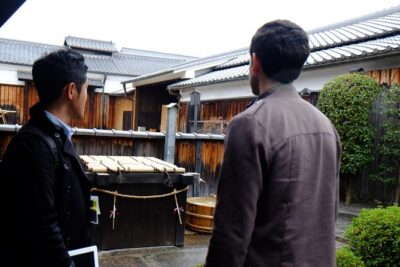
3-Hour Kyoto Insider Sake Brewery Tour with Tastings & Pairings
Read our review →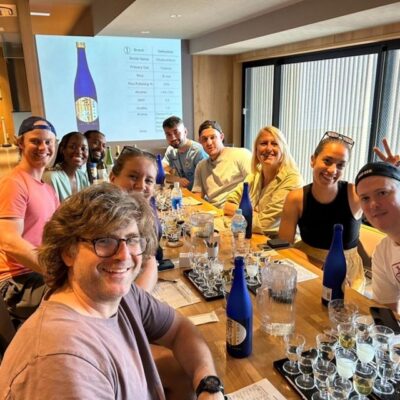
Insider Sake Brewery Tour with Sake and Food Pairing
Read our review →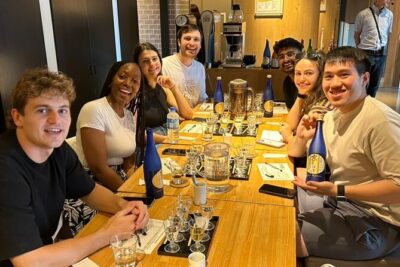
1.5-Hour Kyoto Insider Sake Experience with 7 Tastings & Pairings
Read our review →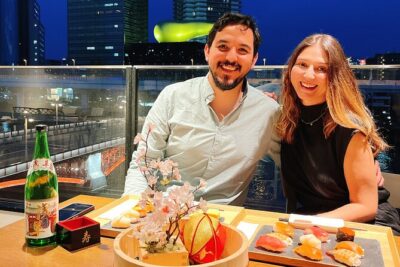
Ramen and Sushi Cooking Class with Sake Pairing Set in Tokyo
Read our review →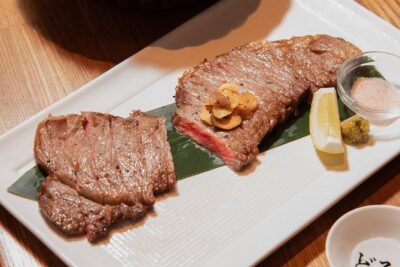
Wagyu & Sake Pairing in Shinjuku – Steak, Shabu-Shabu & More
Read our review →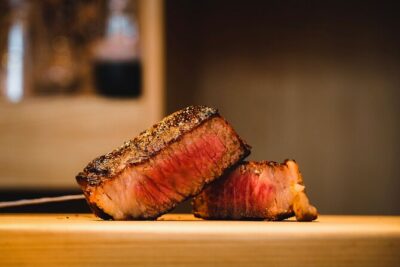
Tokyo Wagyu & Sake Pairing Tasting Experience with Local Flavors
Read our review →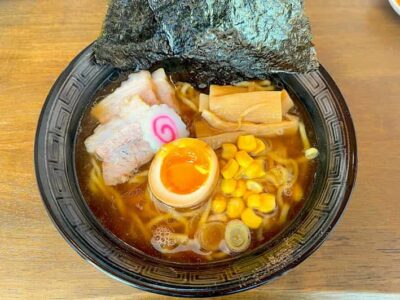
Sushi and Ramen Cooking Class with Sake Pairing Set
Read our review →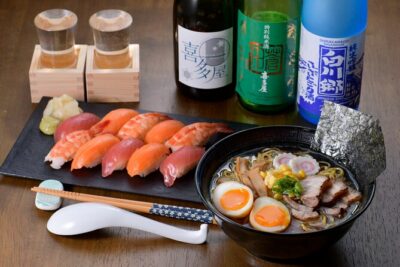
Cozy Tokyo Class: Ramen, Sushi, Sake Pairing & Cultural Exchange
Read our review →Browse the lists this tour appears in