
REVIEW · JAPAN
Nara: Sake Tasting Tour at the Birthplace of Japanese Sake
Sake tells Nara’s story. This three-hour private tour links the drink to Buddhist temples, local climate, Japanese food, and the quiet streets where brewing still matters. I like the chance to taste directly at three working breweries, and I like that each tōji brings a different brewing philosophy to the glass.
The route also includes a fourth tasting stop at a sake shop, giving you a wider range from crisp and dry to rich and mellow. Guides such as Takashi, Hiro Takeuchi, and Yayoi have been praised for their warmth and personal help. The main drawback is simple: three hours of walking and drinking can feel tiring, especially if you prefer a slower cultural visit or do not drink much alcohol.
Key points at a glance
- Four tasting locations: Visit three operating breweries and one sake shop during a private three-hour walk.
- Nara’s temple connection: Learn how sake developed in Buddhist temple settings more than 1,000 years ago.
- Different tōji philosophies: Hear how each master brewer approaches ingredients, methods, and flavor.
- A quiet side of Nara: Walk beyond the headline sights into local sake districts and neighborhood streets.
- Personal guiding: English and Japanese guides explain the drink while helping with questions, local shops, and practical directions.
- A flexible booking choice: Cancel up to 24 hours ahead for a full refund, or reserve now and pay later.
Why Nara is the right place for sake
Nara is best known for temples, shrines, and deer. Yet the city also has a strong sake identity, and this tour gives you a reason to look at Nara through a different glass.
Sake began in religious settings more than 1,000 years ago, including Buddhist temples. That link matters because it places the drink within Japan’s spiritual and agricultural life, rather than treating it as just another alcoholic beverage. You learn how sake relates to rice, water, weather, food, and ceremony.
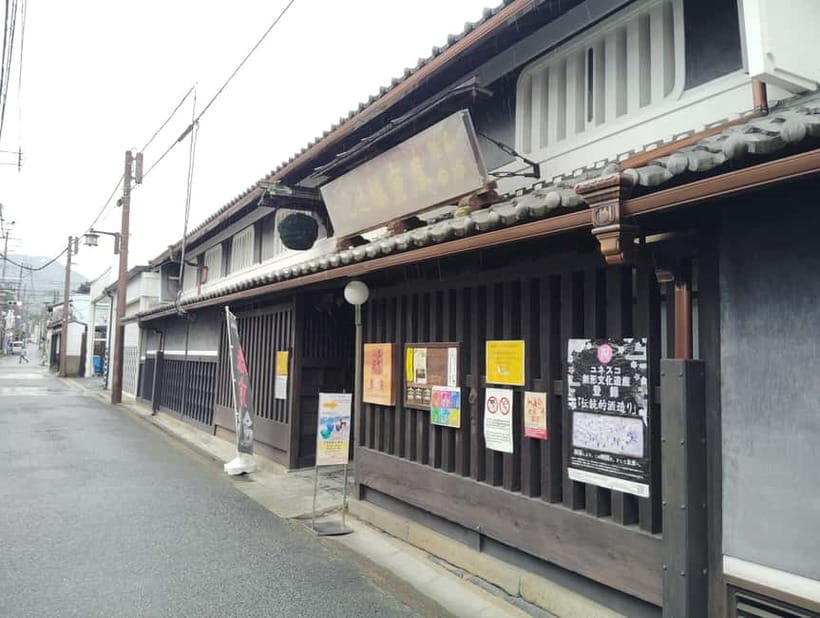
The tour focuses on Nara’s sake districts, where quiet streets and local breweries replace the crowds around the main sights. You still get a strong sense of place, but the focus shifts from famous monuments to working businesses and the people who keep old methods alive.
I especially like this approach for a second day in Nara. After seeing the major temples, you can spend an afternoon learning why the region developed a reputation for sake. The setting gives the tasting a clear context, which makes each sample easier to understand.
More Sake Tastings in Japan:
- 3-Hour Kyoto Insider Sake Brewery Tour with Tastings & Pairings
★ 5.0 · 917 reviews - Kyoto Sake Brewery & Tasting Walking Tour
★ 5.0 · 623 reviews - 1.5-Hour Kyoto Insider Sake Experience with 7 Tastings & Pairings
★ 5.0 · 297 reviews
Starting at Ukimi-do Pavilion
The meeting point is Ukimi-do Pavilion, written as 浮見堂 in Japanese. Your guide waits with a yellow sign panel, making the start easier to spot.
This is a useful place to begin because the tour quickly moves into walking rather than asking you to find several separate venues on your own. The guide leads you through Nara’s sake districts and explains the area as you go.
You should arrive ready to walk for the full three hours. The route includes several visits, guided explanations, photo opportunities, and tasting stops. Exact starting times depend on availability, so check the schedule before booking.
A private group can make the first meeting feel more relaxed. You can ask basic questions about sake without worrying that you are holding up a large party. That suits beginners especially well, since the guide can explain unfamiliar terms at your pace.
First brewery: sake at the source
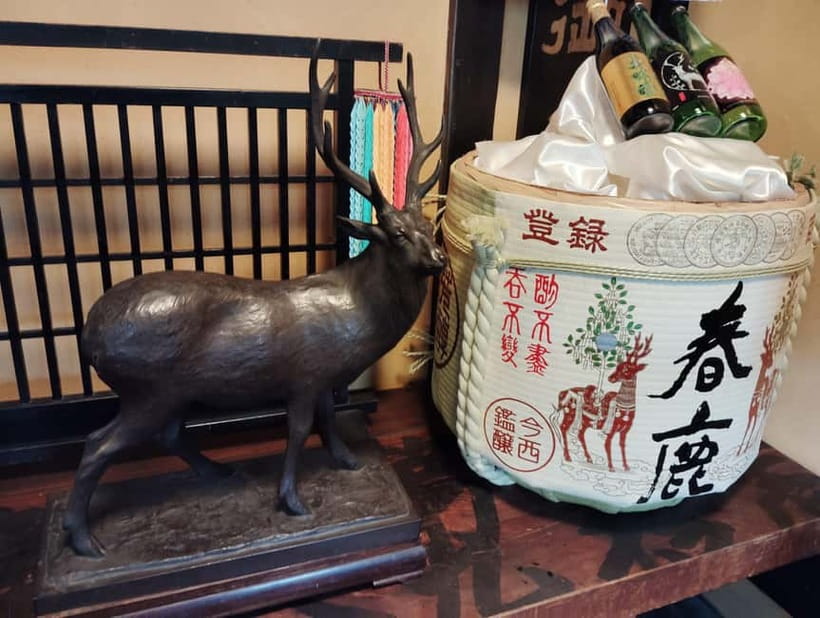
The first brewery visit gives the tour its strongest sense of place. Rather than tasting only from a restaurant menu, you sample sake at a working producer.
The purpose is not simply to drink several cups. Your guide explains how sake is made and introduces the ideas that shape each brewery’s work. The tōji, or master brewer, has a distinct approach to ingredients and technique, and those differences help explain why two bottles from the same region can taste quite different.
You may encounter sake that feels crisp and dry, followed by a pour with a softer, rounder character. The tour does not present one style as the correct choice. Instead, it helps you notice what you prefer.
For a first-time drinker, this is valuable because sake can seem mysterious when you only see labels in a shop. Guided tasting gives you a way to compare styles and ask what creates a particular flavor. For someone already familiar with sake, the brewery setting adds local detail that a standard bar tasting may lack.
The visit lasts about 40 minutes within the overall route. That is enough time for explanation and tasting, but not enough for a full technical brewery tour. If you want a detailed production lecture or a long visit with the brewing equipment, keep your expectations in check.
Walking between breweries in Nara’s quiet districts
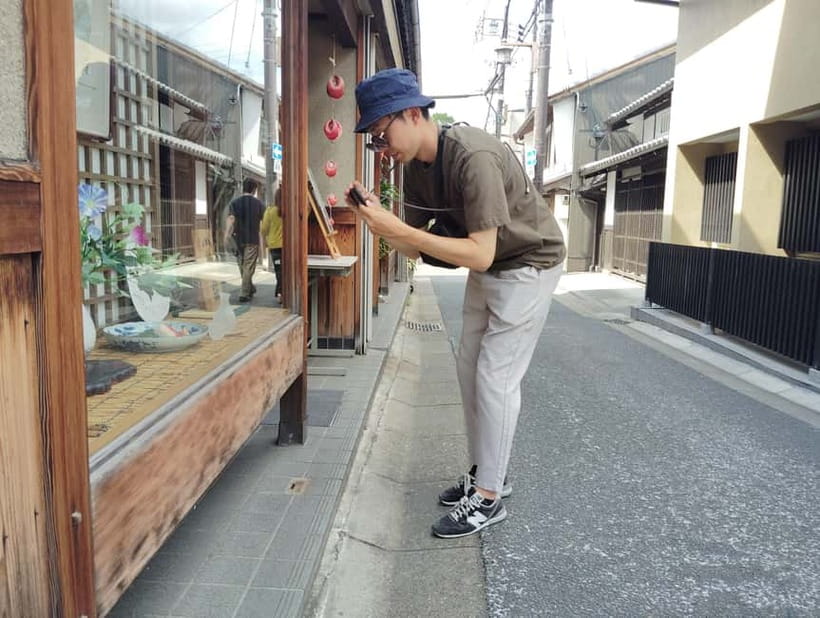
The walking sections are part of the experience, not just transport between drinks. You move through quieter parts of Nara and see how sake businesses fit into ordinary neighborhoods.
This slow movement helps connect the drink with local life. You are not tasting in an anonymous hotel room. You are walking through the area where the sake is produced, sold, and understood as part of the community.
Two additional guided visits take about 40 minutes each, and the route includes sightseeing along the way. That pacing gives the afternoon a clear rhythm: walk, listen, taste, and move on before any single stop becomes too long.
The practical issue is that the route may feel demanding if you are not comfortable walking for several hours. One participant praised guide Hiro Takeuchi for accommodating a father in a wheelchair, which is encouraging, but you should still discuss your mobility needs with the provider before booking. The tour involves walking through sake districts, and the supplied information does not promise a fully step-free route.
A few more sake experiences around Japan worth a look
- 1-Day Snow Monkeys, Zenko-ji Temple & Sake in Nagano
★ 5.0 · 1,020 reviews - Nagano: Snow Monkeys, Zenkoji Temple & Sake Day Trip
★ 4.9 · 833 reviews - Kyoto: Insider Sake Brewery Tour with Sake and Food Pairing
★ 5.0 · 704 reviews - Ramen and Sushi Cooking Class with Sake Pairing Set in Tokyo
★ 5.0 · 291 reviews
Comparing the tōji at the second brewery
The second brewery adds another point of comparison. This is where the idea of each tōji’s personal philosophy becomes more useful.
A master brewer’s choices can affect the final drink in many ways. The tour focuses on ingredients they value and brewing methods passed down through generations. You gain a clearer sense that sake is not a single flavor category. It can be dry, mellow, light, full, fragrant, or somewhere between those points.
I like this part of the tour because it turns tasting into a conversation. Instead of asking only if you like a sample, you can think about why it tastes the way it does. The guide helps connect the glass to the producer’s choices.
The experience also suits people traveling with different levels of interest. A beginner can learn the basic story of sake, while a more experienced drinker can compare production philosophies. Since the group is private, your guide can place more attention on the questions that interest you.
Still, keep in mind that the tour is designed as an introduction and comparison, not a formal certification class. You will learn useful cultural and brewing background, but the experience is mainly about tasting and place.
The sake shop: choosing among more bottles
The fourth tasting location is a sake shop rather than a working brewery. This gives the afternoon a different angle.
At the breweries, you taste close to the source and hear about production. At the shop, the emphasis shifts toward the broader range of sake available to buy and enjoy. It can help you understand how local bottles are presented outside the production site.
This stop is particularly useful if you hope to take sake home. The available information does not promise shopping assistance or a specific selection, but a guide can help explain what you are seeing. One guide, Takashi, also helped with shopping during a tour, showing how a private guide may offer practical help beyond the planned tastings.
The shop visit includes tasting and sightseeing and lasts around 40 minutes as part of the route. It is a good final comparison before the tour ends at Kintetsu Nara Station, written as 近鉄奈良駅.
Flavors from crisp and dry to rich and mellow
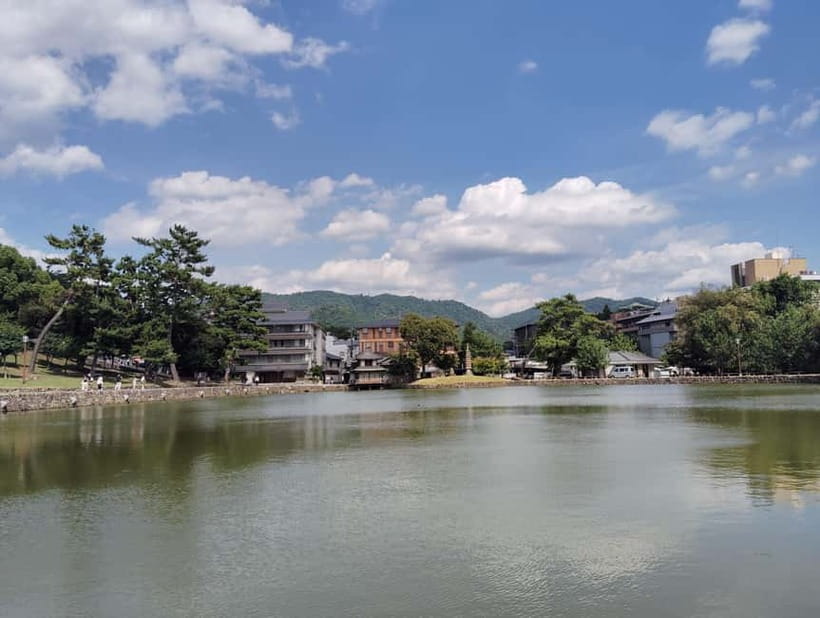
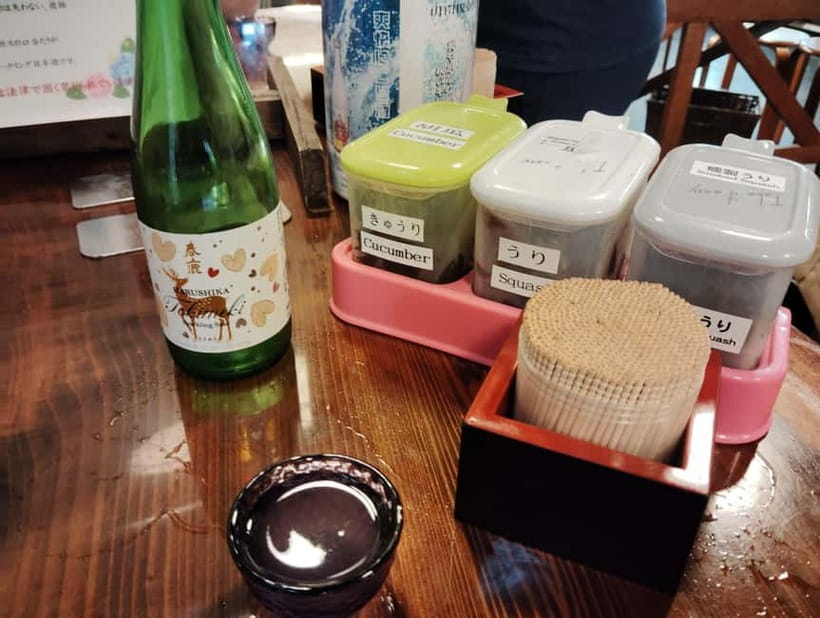
The tasting range is one of the clearest reasons to book this experience. You are not limited to one house style. Samples range from crisp and dry to rich and mellow.
That spread gives you a simple way to find your preference. If you usually like clean, dry drinks, the lighter samples may appeal to you. If you prefer rounded flavors, the fuller pours may be more enjoyable. Your guide can explain the differences as you taste.
The tour uses the word sake, but the itinerary also describes the tasting stops as wine tasting. In practical terms, you should think of this as a sake-focused tasting walk, not a general wine tour.
Pace yourself. The tour does not state the exact number or volume of samples, so you should not assume that every stop offers only a small pour. Eat beforehand if that works for you, drink water when available, and tell your guide if you want to take it slowly.
One participant called the afternoon fun but noted that it could make you a bit giddy. That is a useful warning, not a criticism. Three breweries and a shop create a generous tasting schedule, and alcohol affects people differently.
Guides who make the difference
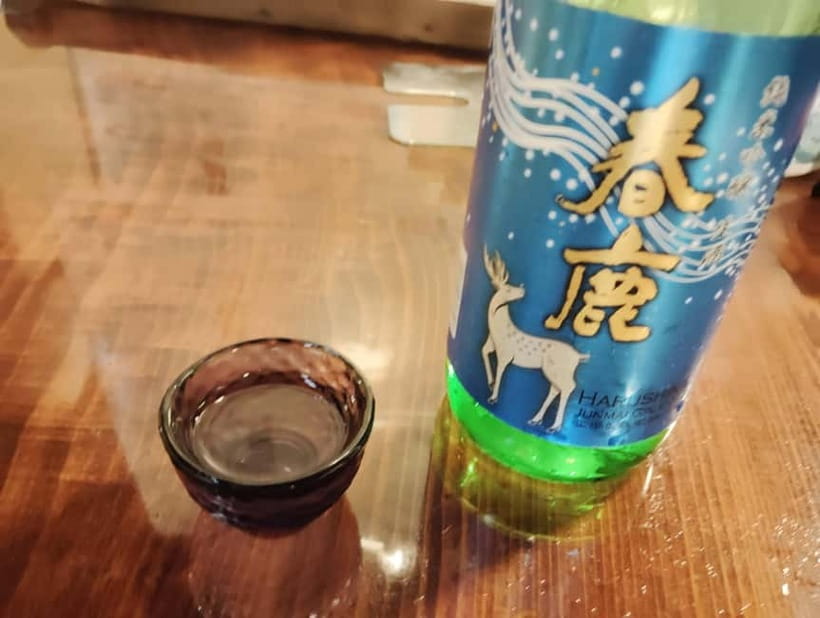
The guide is central to the value of this tour. The highest praise has gone to the personal service, humor, kindness, and local help provided by guides including Takashi, Hiro Takeuchi, and Yayoi.
Takashi was praised for being funny, welcoming, and well informed about the sake stops. He also added extra activities and helped with shopping. Yayoi helped with train-line information from Osaka to Nara and suggested a practical meeting arrangement before the tour, then made sure the afternoon ran smoothly.
Hiro Takeuchi received special praise for accommodating a participant’s father in a wheelchair. That suggests a caring approach, but it should not replace checking the route for your own access needs.
A private group is important here. You are not being moved through a fixed lecture with a large crowd. You can ask about Nara, Japanese culture, brewing, or food as questions come up. One participant who felt the newer tour was slightly unorganized still valued the guide’s conversation and the explanations about sake’s role in Japanese culture.
That small note is worth considering. The experience appears personal and friendly, but the route may not feel perfectly polished every time. If you want a tightly timed, highly formal production tour, this may not be the best match. If you value human contact and flexible conversation, the informal style should work well.
Is $119 a fair price?
At $119 per person, this is not the cheapest way to taste sake in Nara. You are paying for more than the alcohol, though.
The price includes a private guide, a three-hour route through Nara’s sake districts, visits to three working breweries, and a fourth sake-shop stop. It also includes interpretation in English or Japanese and the local context that connects sake with religion, agriculture, food, and climate.
The value is strongest if you would otherwise struggle to find the breweries or understand the labels and brewing terms. You also avoid arranging several visits yourself. A private guide can make the afternoon feel more personal and can answer questions that a self-guided tasting may leave open.
The value is weaker if your main goal is simply to drink as much sake as possible for the lowest cost. In that case, a shop or bar would likely be cheaper. You are paying for access, explanation, walking, and a sense of place.
The high overall rating of 4.9 from eight ratings supports the idea that the guide and personal service are major strengths. The smaller number of ratings means you should still view that score as encouraging rather than a guarantee that every route will feel identical.
Who should book this Nara sake tour?
I would recommend it to first-time sake drinkers who want a friendly introduction without signing up for a technical class. The guide can explain what you are tasting and why the breweries differ.
It is also a good choice for couples, families with adult children, and private groups who prefer local conversation over a large organized outing. People interested in Japanese religious history, food culture, and traditional craft will get more from the tour than someone interested only in alcohol.
The tour may not suit you if you dislike walking, want a completely nonalcoholic activity, or prefer a full brewery-production tour with extensive equipment access. The supplied details also do not give a precise sample count, so serious drinkers looking for a controlled tasting format should ask questions before booking.
The starting point at Ukimi-do Pavilion and finish at Kintetsu Nara Station make the route easy to understand. You should still allow time around the three-hour activity if you have a train reservation or another timed visit.
Should you book it?
Book this tour if you want Nara beyond the temples, with sake as your guide to the city’s spiritual and working past. The best part is the combination of three breweries, a sake shop, and a personable private guide who can adjust the conversation to your interests.
I would choose it for an afternoon when you can walk slowly, taste responsibly, and listen. At $119, it is a premium activity, but the private attention and access to several local producers give the price a reasonable basis. Check the route if mobility is a concern, and remember that the tasting can leave you giddy. If those points suit you, this is a memorable way to understand Nara one glass at a time.
FAQ
How long does the Nara sake tasting tour last?
The tour lasts three hours.
Where does the tour begin?
It begins at Ukimi-do Pavilion, written as 浮見堂. The guide waits with a yellow sign panel.
Where does the tour finish?
The tour finishes at Kintetsu Nara Station, written as 近鉄奈良駅.
How many tasting locations are included?
You visit four tasting locations in total: three working breweries and one sake shop.
How many breweries does the tour visit?
The tour visits three working sake breweries.
What types of sake will I taste?
The tastings range from crisp and dry to rich and mellow.
Is the tour private?
Yes. The activity is offered for a private group.
What languages are available?
The live guide service is available in Japanese and English.
Does the tour include walking?
Yes. The experience includes walking through Nara’s sake districts, along with visits, guided explanations, sightseeing, and photo stops.
Can I cancel for a full refund?
Yes. You can cancel up to 24 hours in advance for a full refund. You can also reserve now and pay later.
Just added around Japan
- Wagyu BBQ & Sukiyaki with Sake Pairing Experience near Ginza★ 5.0 · 2 reviews
- Tokyo Sake Tasting Tour with a Sake Expert★ 5.0 · 7 reviews
- Sake Tasting and Cherry Blossom Fun in Tokyo!★ 5.0 · 4 reviews
- Private Sake Tasting at 300 Years Old Sake Brewery in Tokyo★ 5.0 · 3 reviews
- Tokyo: Serene Sakura & Sake: An Exclusive Brewery Pairing Lunch★ 5.0 · 2 reviews
- Nagano: Snow Monkey and Zenkoji Temple Free Sake Taste Day Tour★ 4.5 · 8 reviews
- Sake Pairing Workshop with Japanese Food in Shinjuku★ 5.0 · 5 reviews
- Cherry blossom & Japanese Sake Tasting in Shinjuku★ 5.0 · 4 reviews
Sake Tasting, compared.
3-Hour Kyoto Insider Sake Brewery Tour with Tastings & Pairings
Read our review →
1.5-Hour Kyoto Insider Sake Experience with 7 Tastings & Pairings
Read our review →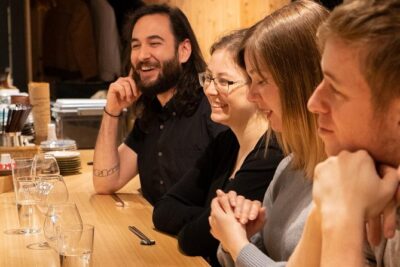
Sake Tasting Masterclass in Shinjuku (8+ Varieties with a Pro)
Read our review →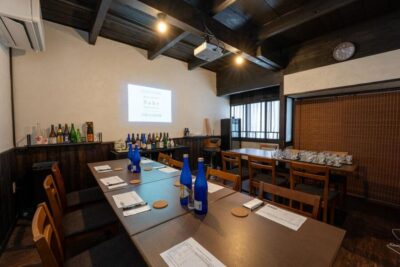
Insider Sake Experience with 7 Tastings and Snacks
Read our review →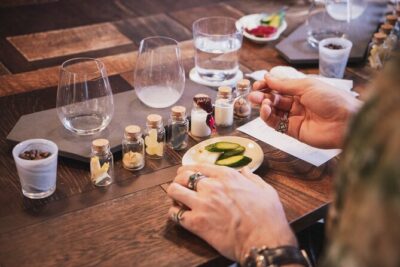
Sake Omakase in Tokyo: Guided Tasting by Certified Sommeliers
Read our review →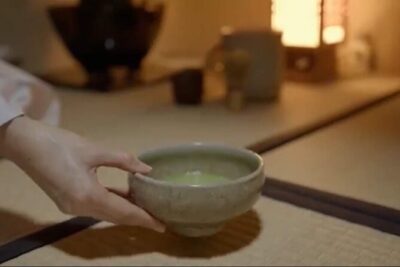
Private Tea Ceremony and Sake Tasting in Kyoto Samurai House
Read our review →
Casual Japanese SAKE tasting and snack experience in Kabukicho
Read our review →
Browse the lists this tour appears in