
REVIEW · TOKYO
Sake & Food Pairing with Sake Professional
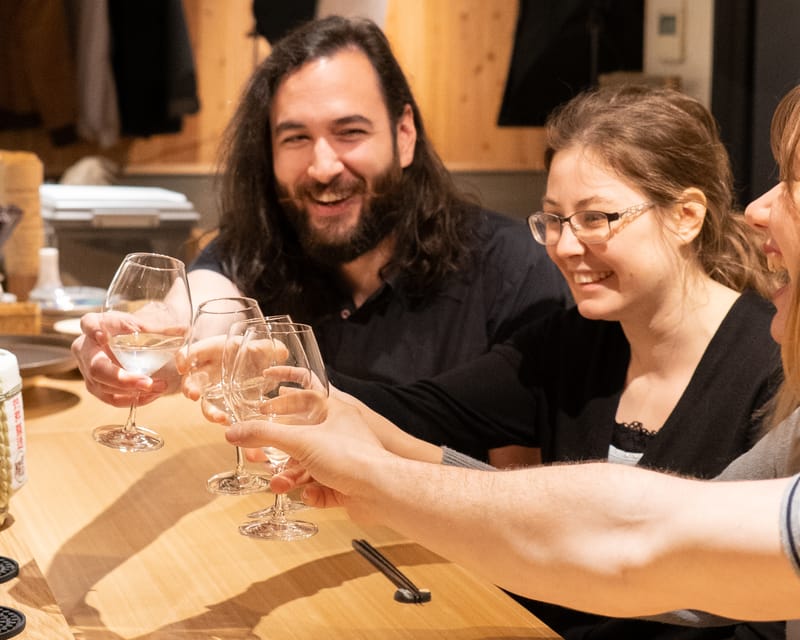
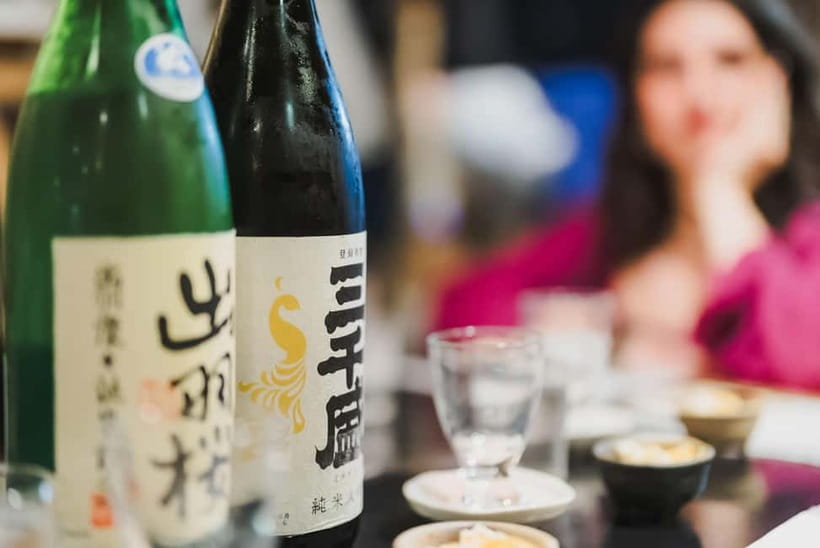
Sake is far more varied than most visitors expect. This 150-minute tasting in Shinjuku introduces you to five different styles from across Japan, pairing each with Japanese snacks while an English-speaking sake professional explains what you are tasting. It is a friendly way to move beyond the idea that sake is simply a strong, hot drink.
I especially like the small group of up to 10 people, which gives the session a personal feel, and the chance to create your own tasting chart as you go. Guides such as Tadashi, Andrea, Max, and Joe have earned high praise for making the subject easy and fun. The main drawback is simple: the snacks are not a full meal, so you should eat beforehand.
I also like that this is not only a drinking session. You learn about breweries, production styles, and the changing sake scene as younger generations take over family businesses. At $69 per person, the price is reasonable if you want guided instruction and several tastings, but less so if you are looking only for a quick drink.
Key points worth knowing before you book
- Five sake styles from across Japan: You taste several types rather than being given one standard example of sake.
- A tasting chart you create yourself: The chart helps you compare aroma, flavor, texture, and overall preference.
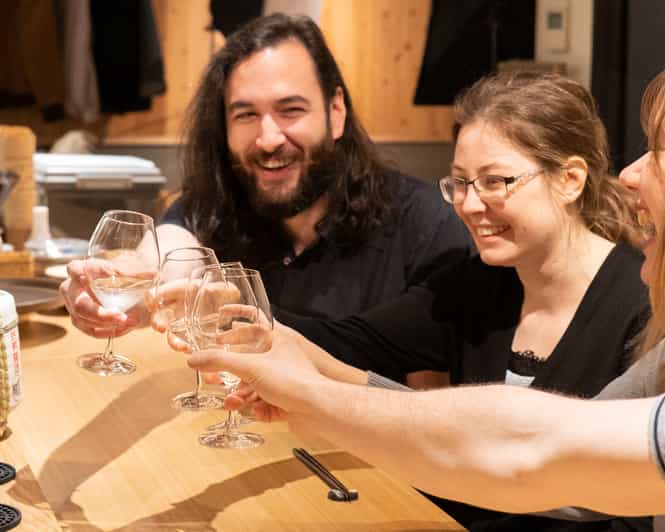
- English instruction in a group of no more than 10: The small size leaves room for questions and discussion.
- Japanese snacks with every tasting: The food helps show how sake works with local flavors, though it does not replace lunch or dinner.
- A local meeting place in Okubo, Shinjuku: You enter Ushinobi Sake Bar directly on the second floor.
- Guides who add practical Tokyo advice: Joe, in particular, has helped participants with local recommendations after the tasting.
Five sakes, five different first impressions
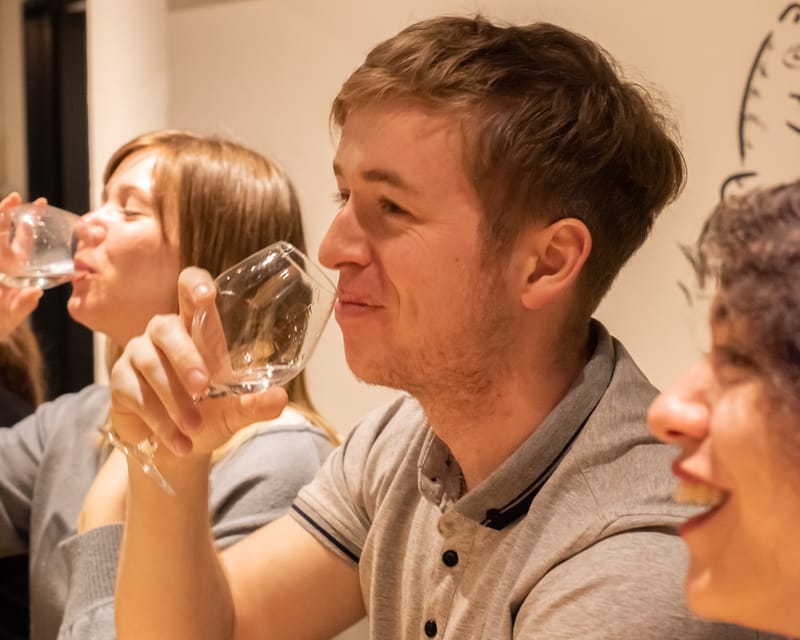
The most useful part of this experience is the range. If your only sake experience has been one warm serving at a Japanese restaurant, five different bottles can reset your expectations quickly.
You taste five sakes from different parts of Japan, rather than spending the whole session on one producer. That gives you a better sense of how much variation exists in aroma, sweetness, dryness, body, and finish. Some styles may feel light and approachable, while others can be fuller, fruitier, cleaner, or more assertive.
The point is not to memorize technical terms. It is to notice what you like. You might prefer a sake with a soft, delicate profile, or you may find that a bolder style works better with food. The guide helps you identify those preferences instead of treating sake as a drink you either like or dislike.
This is particularly helpful if you arrive with limited experience. One participant booked the activity for a partner who already loved sake, yet even that experienced drinker was surprised by the range. Another person who normally disliked sake found several examples appealing. That tells you what the tasting does best: it replaces a fixed opinion with a broader sample.
More Sake and Food Pairings in Tokyo:
- Ramen and Sushi Cooking Class with Sake Pairing Set in Tokyo
★ 5.0 · 291 reviews - Wagyu & Sake Pairing in Shinjuku – Steak, Shabu-Shabu & More
★ 5.0 · 112 reviews - Tokyo Wagyu & Sake Pairing Tasting Experience with Local Flavors
★ 5.0 · 108 reviews
Building your own sake tasting chart
The tasting chart gives the session a useful shape. You are not simply handed five drinks and left to guess what makes them different. As you taste, you record your impressions and learn what to watch for when choosing sake later.
The exact chart format is not specified, but you can expect to compare each sake in a structured way. The guide explains the character of each bottle and the brewery behind it, then helps you connect those details with what is in your glass.
I like this approach because it makes the lesson practical. You can leave knowing which styles suit your taste, which is more useful than remembering a list of Japanese terms. If you visit a sake shop or restaurant later in your trip, you will have a better starting point when choosing something new.
The brewery stories add context without turning the session into a lecture. Many Japanese sake makers have operated for generations, yet younger family members are now bringing new ideas into those businesses. That change helps explain why modern sake can feel so varied while remaining tied to older methods and regional traditions.
Pairing sake with Japanese snacks
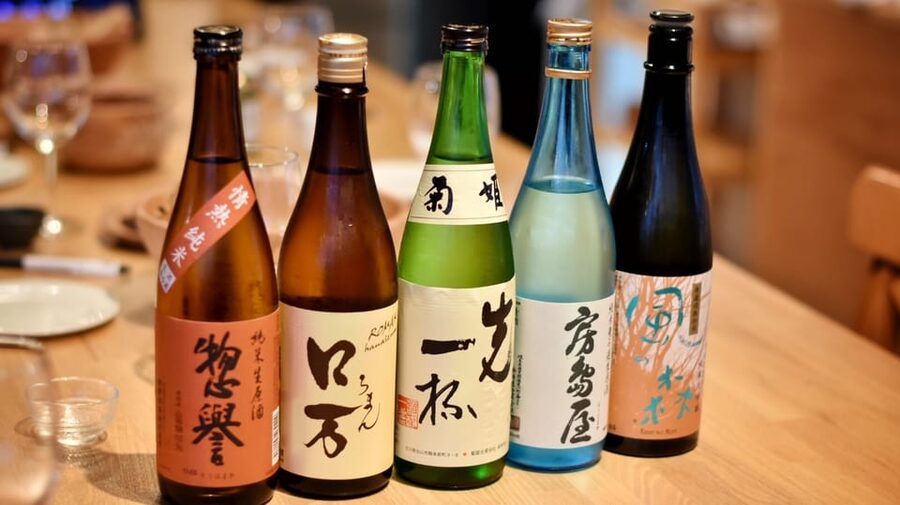
Each tasting is paired with local Japanese snacks. These small bites are important because sake changes when you drink it alongside food. A sake that seems dry or sharp by itself may feel rounder with a savory bite, while a sweeter style might work better with a different flavor.
The snacks also keep the tasting connected to everyday Japanese eating. You are not just studying a beverage in isolation. You are seeing how it can fit into the kind of casual food setting you may encounter elsewhere in Tokyo.
Still, plan this correctly. The snacks are specifically described as light refreshments, not a full meal. One useful piece of advice from the session is to eat before arriving. You will be tasting five sakes over two and a half hours, so arriving hungry is not a good plan.
If you have dietary restrictions, tell the supplier in advance. The activity does not provide a detailed snack menu, so you should not assume that every dietary need can be handled on the spot.
A relaxed lesson rather than a formal wine course
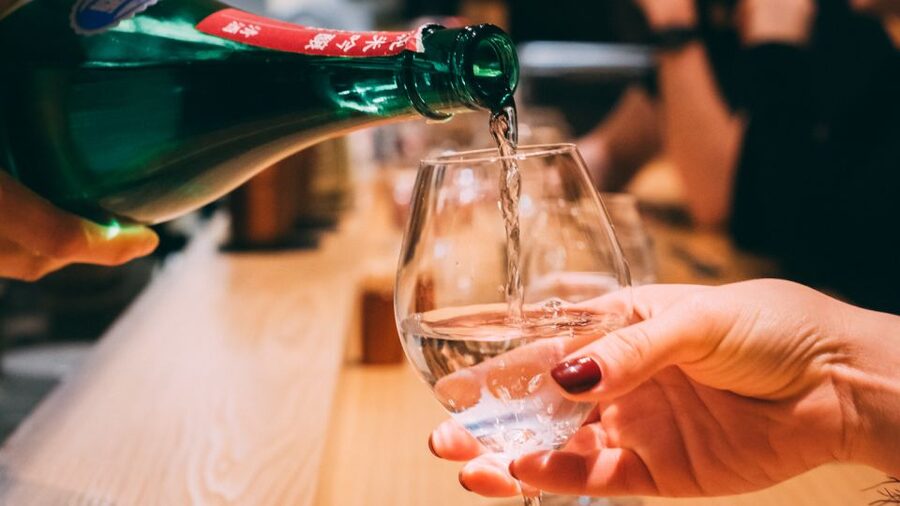
The tone depends partly on your guide, but the available feedback points to an energetic and approachable teaching style. Tadashi has been praised for his English and sake expertise. Max was described as a strong host, and Andrea was singled out for creating a fun atmosphere while explaining several kinds of sake.
That mix matters. Sake can seem intimidating when you first encounter brewery names, Japanese labels, and unfamiliar categories. A good guide reduces the pressure. You can ask basic questions, compare your reactions with the group, and admit that one style is not for you.
The experience is also suitable for people with different starting points. Beginners can learn the basic framework, while sake fans can use the session to compare styles they may not have tried before. The guide can adjust the conversation more easily in a group capped at 10 people.
A small group does not guarantee a private class, but it gives you a better chance to speak up. One booking had only two participants and became a personalized session. That will depend on the date, yet the limited group size makes that kind of focused conversation possible.
A few more sake experiences around Tokyo worth a look
- Sake Tasting Masterclass in Shinjuku (8+ Varieties with a Pro)
★ 5.0 · 271 reviews - Sake Omakase in Tokyo: Guided Tasting by Certified Sommeliers
★ 5.0 · 239 reviews - Tasting All Types of Sake with Sommelier
★ 5.0 · 151 reviews - Tsukiji: Outer Market Walking Tour & Sake Tasting Experience
★ 4.9 · 81 reviews
Meeting at Ushinobi Sake Bar in Okubo
The meeting point is Ushinobi Sake Bar in Shinjuku, near Okubo Station, station code JB09. Use the South Exit, then enter the venue directly on the second floor.
Allow extra time to find the entrance. It is somewhat hidden, and a location video is provided because the doorway is not immediately obvious. This is the sort of small detail that can make a difference in Tokyo, where a building may contain several businesses and the correct entrance may not face the main street.
The location is convenient if you are already exploring Shinjuku or Okubo, but transport is not included. You must make your own way there and should check the meeting point before leaving your hotel. Do not rely on spotting a large tour sign from the street.
The venue itself is a sake bar, which suits the subject better than a large classroom would. You are tasting in a place connected to the drink rather than sitting in a generic conference room. The supplied information does not promise a particular view, meal, or bar service beyond the activity, so keep your expectations focused on the tasting lesson.
Is $69 a fair price?
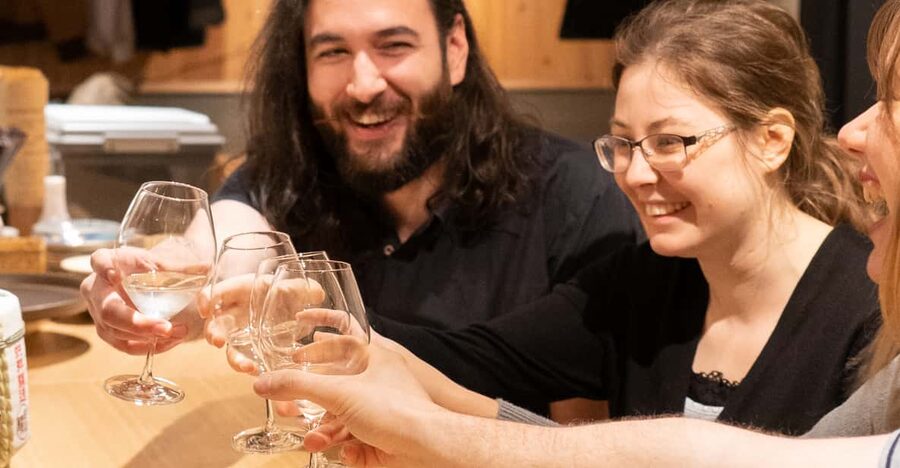
At $69 per person, this is not the cheapest way to drink sake in Tokyo. You could order a bottle or a few glasses for less, especially if you already know what you like. But that comparison misses the main value of the experience.
Your fee covers five sake tastings, Japanese snacks, a 150-minute English-language lesson, explanations of breweries and styles, and a guided tasting chart. You are also paying for the chance to ask questions and get recommendations from someone who knows the subject well.
For a first-time sake drinker, the value is strongest. You avoid ordering blindly and learn how to judge what you enjoy. The session can also help you spend money more wisely later, since you will have a clearer idea of which sake labels and styles appeal to you.
The value is weaker if you want a substantial meal or a long evening of casual drinking. The snacks are limited, and the structure is educational. Think of this as a tasting class with food, not a dinner and not a pub crawl.
Who will get the most from this tasting?
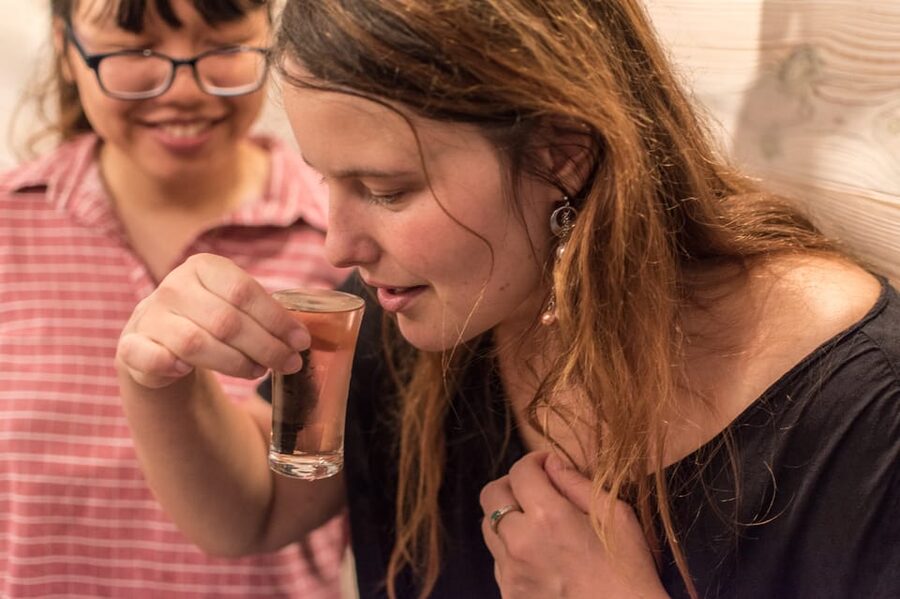
I would recommend it first to curious beginners who want a clear introduction without having to study a menu alone. It also suits couples where one person knows sake and the other does not, since the range of five samples gives both people something to discuss.
It is a good fit for visitors who enjoy food culture and want to meet Japanese sake fans in a relaxed setting. The local tips can add value beyond the tasting, especially if you are looking for ideas in Tokyo after the class. Joe has been noted for offering useful recommendations, though the exact advice will depend on your conversation.
You should think twice if you do not drink alcohol, want a full meal, or prefer to explore at your own pace. The activity is built around tasting several alcoholic drinks in a set session. Pregnant women should not attend.
The class is also not ideal for anyone who expects a brewery visit. You learn about breweries and sake production, but the activity takes place at a sake bar in Shinjuku, not at a rural production site.
Timing your afternoon in Tokyo
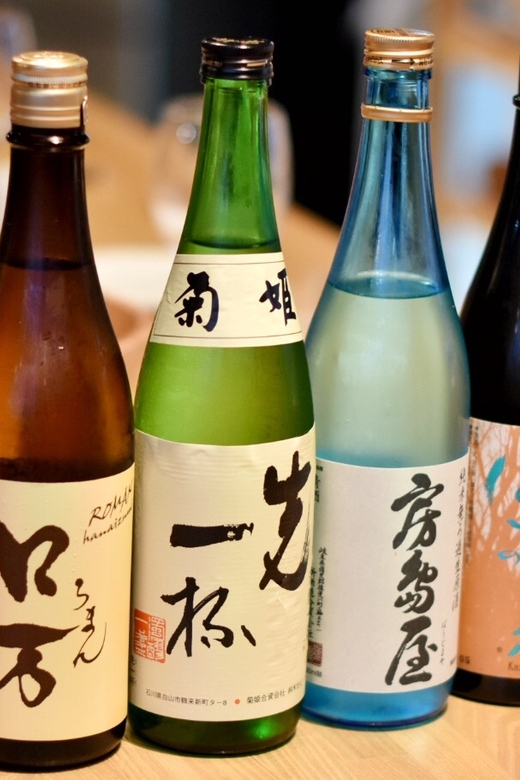
The session lasts 150 minutes, so it occupies a substantial part of your day. That is enough time for five tastings and explanations without forcing the class into a rushed hour.
You should avoid scheduling a major attraction immediately afterward if you want time to move slowly or continue the conversation. The activity itself may finish on time, but Tokyo transport and finding the venue can take longer than expected.
An afternoon booking can work well before dinner, provided you remember that the included food is light. You may also prefer to schedule it earlier in the day if you want to stay alert during the lesson. The five pours add up, even when each serving is modest.
Starting times vary, so check availability when booking. The activity has live English instruction, and the language is part of its value for visitors who want more than a self-guided tasting.
Booking flexibility and practical limits
You can cancel up to 24 hours in advance for a full refund. There is also a reserve-now, pay-later option, which helps if your Tokyo plans are still moving around.
The group is limited to 10 participants. That is small enough for questions, but the exact feel may vary from a nearly private session to a full small group.
Tell the supplier about dietary restrictions in advance. Since the food is described only as Japanese snacks, you should provide clear information rather than assume suitable alternatives will be available.
The experience is offered in English. That makes it accessible to visitors who want detailed explanations without needing to follow a Japanese-language lesson.
My recommendation
Book this if you want to understand why sake is more varied than the one-note drink you may have tried at home. The strongest reasons are the five-sake comparison, the clear teaching format, the small group, and guides who bring energy to the subject.
Before you reserve, eat a proper meal, allow time to find the second-floor entrance, and treat the $69 price as payment for instruction as well as alcohol. If you want a filling dinner, a brewery tour, or an unstructured night out, choose something else. If you want a friendly introduction that can change what you order for the rest of your Japan trip, this is a smart Shinjuku stop.
FAQ
Where does the sake tasting take place?
It takes place at Ushinobi Sake Bar in Shinjuku. The closest station is Okubo Station, JB09, South Exit. Enter the venue directly on the second floor.
How long does the experience last?
The sake tasting lasts 150 minutes.
How much does it cost?
The listed price is $69 per person.
How many sakes will I taste?
You will taste five different types of sake from across Japan.
Is food included?
Japanese snacks are included with the sake tastings. They are not a full meal.
Is transportation included?
No. Transport to and from the meeting point is not included.
Is the experience offered in English?
Yes. The activity has a live English-speaking guide.
How large is the group?
It is a small-group experience with a maximum of 10 participants.
Can I cancel for a refund?
Yes. You can cancel up to 24 hours in advance for a full refund.
Can pregnant women join the activity?
No. The experience is not suitable for pregnant women.
Just added around Tokyo
- Wagyu BBQ & Sukiyaki with Sake Pairing Experience near Ginza★ 5.0 · 2 reviews
- Tokyo Sake Tasting Tour with a Sake Expert★ 5.0 · 7 reviews
- Sake Tasting and Cherry Blossom Fun in Tokyo!★ 5.0 · 4 reviews
- Private Sake Tasting at 300 Years Old Sake Brewery in Tokyo★ 5.0 · 3 reviews
- Tokyo: Serene Sakura & Sake: An Exclusive Brewery Pairing Lunch★ 5.0 · 2 reviews
- Nagano: Snow Monkey and Zenkoji Temple Free Sake Taste Day Tour★ 4.5 · 8 reviews
- Sake Pairing Workshop with Japanese Food in Shinjuku★ 5.0 · 5 reviews
- Cherry blossom & Japanese Sake Tasting in Shinjuku★ 5.0 · 4 reviews
Sake & Food Pairing Tours, compared.
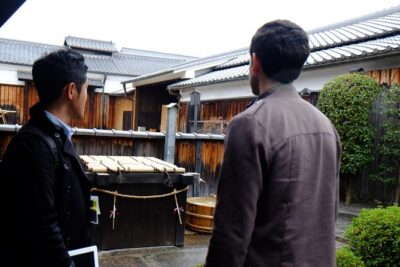
3-Hour Kyoto Insider Sake Brewery Tour with Tastings & Pairings
Read our review →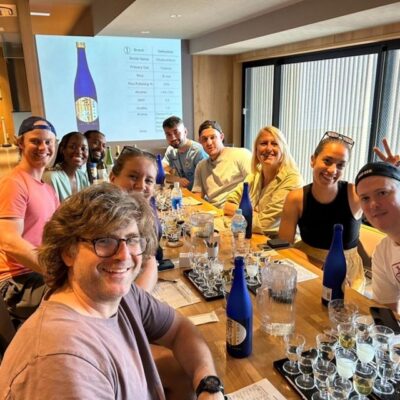
Insider Sake Brewery Tour with Sake and Food Pairing
Read our review →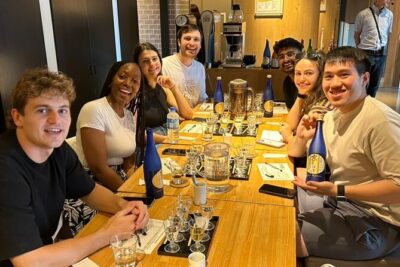
1.5-Hour Kyoto Insider Sake Experience with 7 Tastings & Pairings
Read our review →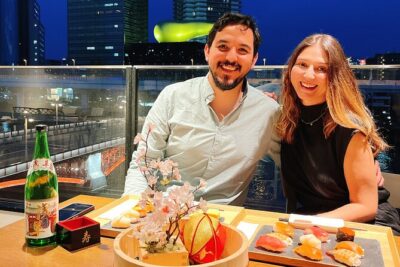
Ramen and Sushi Cooking Class with Sake Pairing Set in Tokyo
Read our review →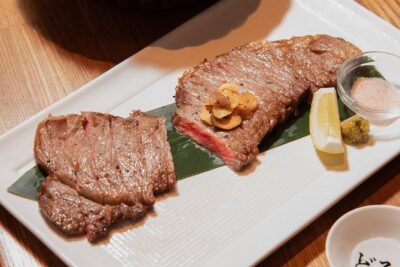
Wagyu & Sake Pairing in Shinjuku – Steak, Shabu-Shabu & More
Read our review →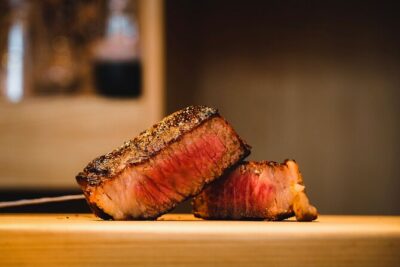
Tokyo Wagyu & Sake Pairing Tasting Experience with Local Flavors
Read our review →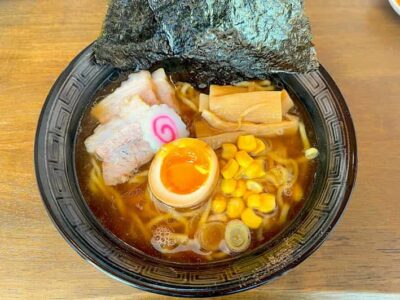
Sushi and Ramen Cooking Class with Sake Pairing Set
Read our review →
Cozy Tokyo Class: Ramen, Sushi, Sake Pairing & Cultural Exchange
Read our review →Browse the lists this tour appears in