
REVIEW · TOKYO
Casual Japanese sake tasting and snack experience, Kabukicho
Sake makes more sense when you compare it. This small Kabukicho tasting gives you eight Japanese drinks, traditional snacks, and a gentle introduction that works well even if you have never tried sake before. I like the small group of six and the easy, step-by-step format. I also like the mix of cold, hot, cocktail-style drinks, and amazake, rather than eight glasses that all taste alike.
The main drawback is the setting. You meet upstairs in a bar with no elevator, and the venue sign can be difficult to spot. Kabukicho Central Road is easy to reach, but some nearby streets may feel uncomfortable after dark. Staff can use a translation machine when needed, so the conversation may not always flow smoothly.
Key points to know before booking
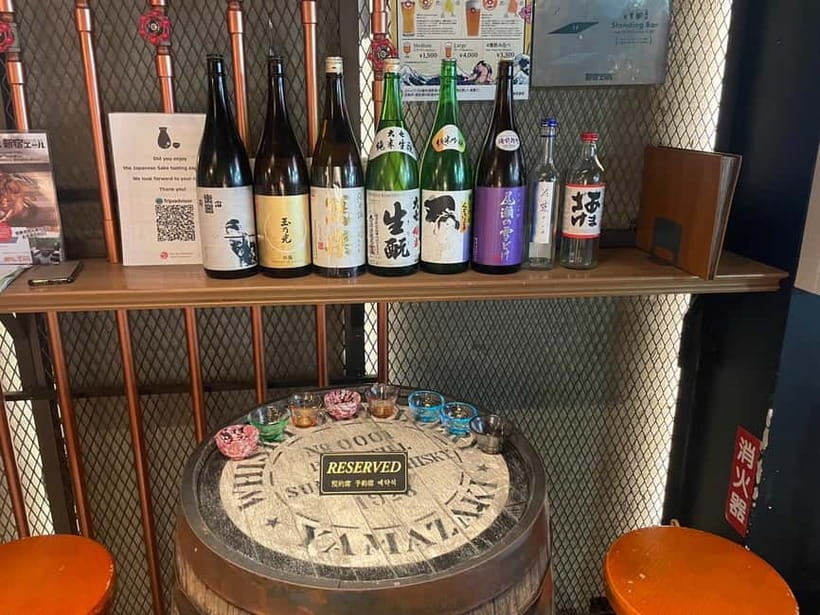
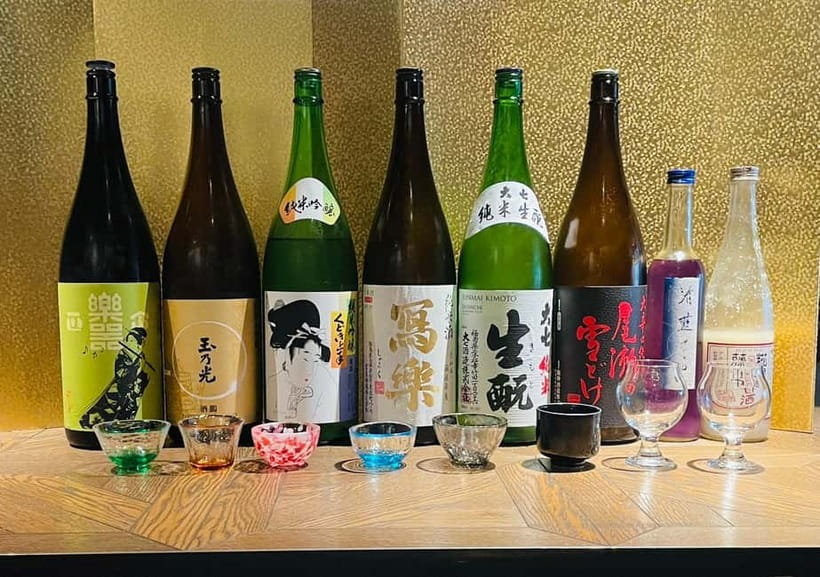
- Eight drinks to compare: The tasting includes eight selected Japanese drinks, with different styles and serving temperatures.
- A good first sake experience: The introduction starts with simple explanations and lower-alcohol options before moving on.
- Snacks are part of the lesson: Traditional Japanese bites help show how food can change the taste of sake.
- Amazake ends the tasting: This sweet, fermented rice drink works as a dessert and gives the experience a gentle finish.
- Only six people per group: The small format gives you a better chance to ask questions.
- Five minutes from Shinjuku Station: The meeting place is near Kabukicho Central Road and TOHO Cinemas.
Why this tasting works for beginners
Sake can look simple on a menu, yet the differences between bottles are not always clear to a first-time drinker. Alcohol content, serving temperature, sweetness, dryness, and production style all affect the taste. This experience breaks those ideas into small pieces instead of asking you to understand them all at once.
The average sake alcohol level is about 15 to 16 percent, though some options are lower and some higher. Starting with a lower-alcohol drink gives you a softer introduction. You can then compare how the stronger choices feel, rather than judging sake after one unfamiliar glass.
I like this approach because it treats tasting as a comparison exercise. You do not need a trained palate. You simply notice which drink feels lighter, sweeter, warmer, stronger, or easier to enjoy.
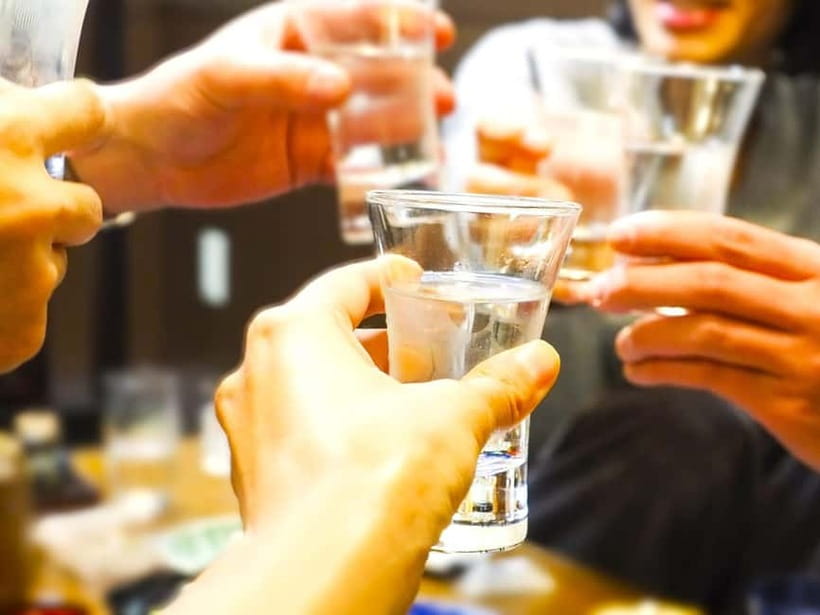
The group limit matters here. With no more than six participants, the session should feel closer to a friendly table conversation than a large lecture. You can ask a basic question without feeling out of place, and the guide has a better chance of checking that you are following along.
The experience is available in English and Japanese. Staff may rely on a translation machine at times, so you should expect some language limits. Still, the format does not depend on long technical explanations. The drinks, snacks, and side-by-side comparisons do much of the teaching.
More Sake Tastings in Tokyo:
- Sake Tasting Masterclass in Shinjuku (8+ Varieties with a Pro)
★ 5.0 · 271 reviews - Sake Omakase in Tokyo: Guided Tasting by Certified Sommeliers
★ 5.0 · 239 reviews - Tasting All Types of Sake with Sommelier
★ 5.0 · 151 reviews
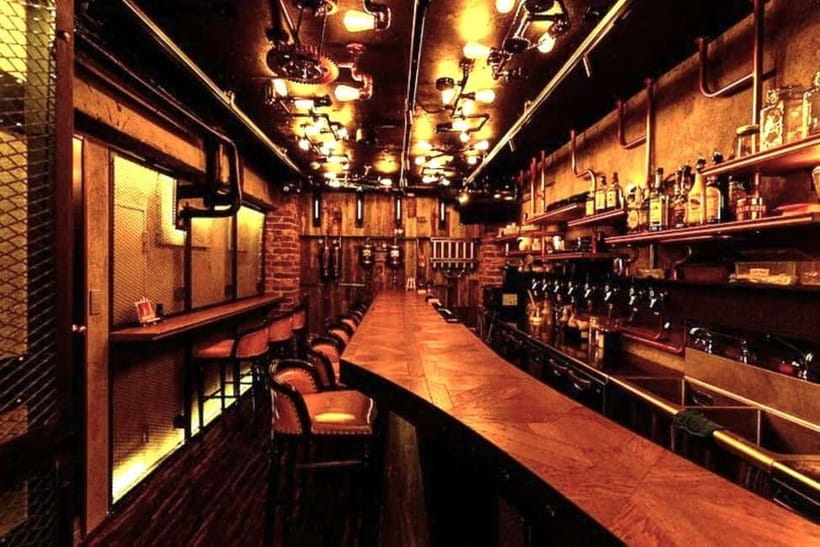
Finding the upstairs meeting place in Kabukicho
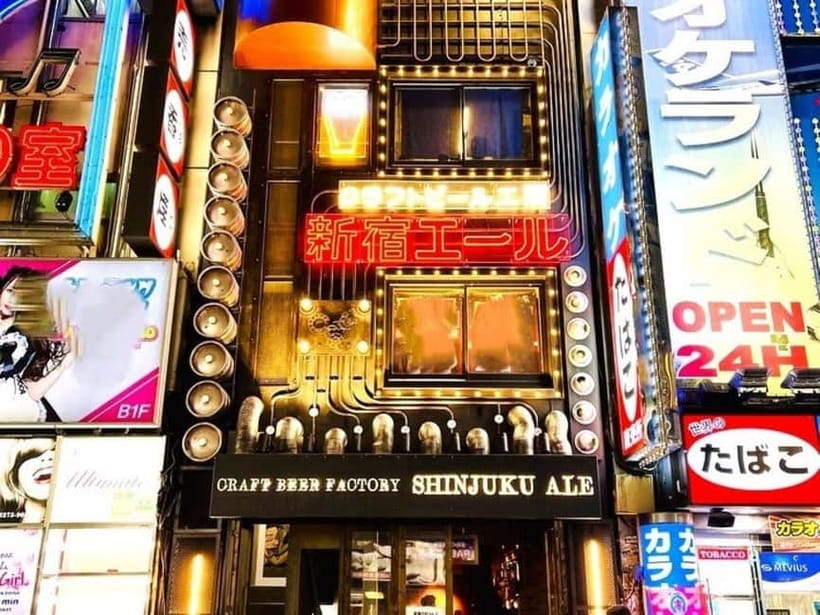
The meeting point is about five minutes on foot from Shinjuku Station on the JR Yamanote Line. Walk along Kabukicho Central Road in the direction of TOHO Cinemas. Look for Shinjuku Ale next to Karaoke 747 on your right.
The venue is on the second floor of the bar. The Google Plus Code is MPV2+VR Shinjuku City, Tokyo, which can help if your map app has trouble identifying the entrance.
Give yourself a few extra minutes. The sign for the venue may not be as large or visible as you expect, and the streets around Kabukicho can be distracting. You will be walking through a busy entertainment district, not toward a quiet tasting room with a grand entrance.
One practical point is easy to miss: there is no elevator. The experience is not wheelchair accessible, so anyone who needs step-free access should choose a different activity.
The location is handy if you are already spending an evening near Shinjuku. It also means the tasting can fit neatly before or after other plans in the area. Transportation to the meeting point is not included, and there is no hotel pick-up or drop-off.
The first pours: a calm introduction to sake
The tasting begins with simple alcoholic drinks and an explanation of what you are about to compare. This is useful because sake is often served with little explanation in restaurants. You may know the name, but not what makes one style different from another.
The first pour is a lower-alcohol sake. That gives your palate a friendly starting point and lets you get used to the flavor without beginning with the strongest option. From there, the tasting moves through carefully selected varieties.
You should pay attention to the order. The point is not to finish eight full drinks as quickly as possible. It is to notice contrasts. One sake may seem clean and light, while another has a fuller feel. A different serving temperature may change your impression of the same general type of drink.
The material does not promise that every bottle comes from a particular region or brewery, so you should not expect a detailed tour of Japanese sake-making areas. This is a tasting designed around accessible comparison. That makes it a practical choice for someone who wants a useful introduction rather than a specialist seminar.
The guide may also answer questions about the drinks as you go. Mai has been praised for being friendly, welcoming, and able to explain the choices in a simple, progressive way. If Mai is leading your session, you can expect a warm teaching style rather than a formal presentation.
Eight drinks, including cold, hot, and cocktail styles
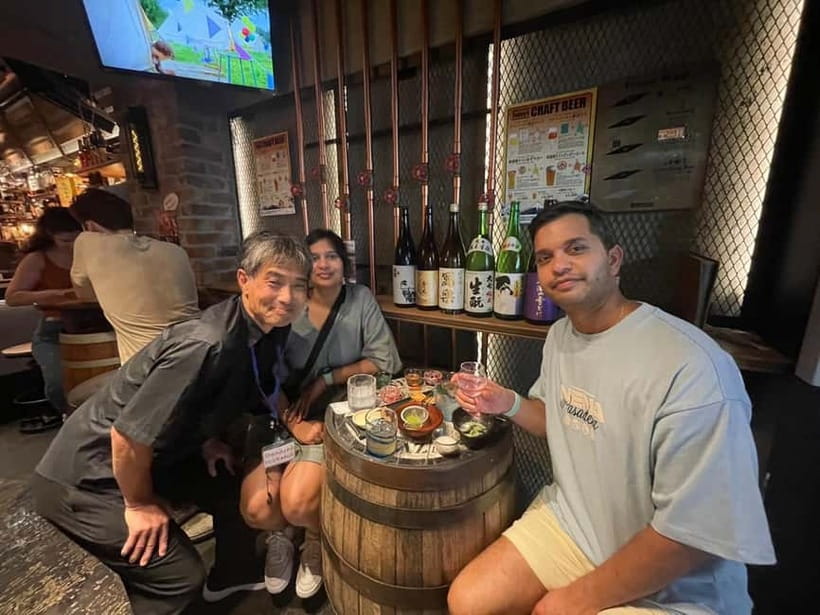
The strongest feature is the range of eight drinks. The selection includes sake served cold and hot, along with a cocktail-style option. That variety shows you that Japanese sake is not limited to one fixed ritual or one drinking temperature.
Cold sake can make certain flavors feel crisp and direct. Warm sake may seem softer or more rounded. A cocktail-style drink gives you a useful point of comparison, especially if you are unsure about drinking sake straight.
This is also a nice way to avoid a common tasting problem: eight similar samples can become tiring. The varied presentation keeps the session more relaxed and gives you several entry points into Japanese drinking culture.
The activity is described as an experience to taste and enjoy Japanese sake, not a meal or a full bar crawl. Additional meals and drinks cost extra. The traditional snacks are included as part of the tasting, but you should not arrive expecting a large dinner.
Drink responsibly. Eight samples can add up, especially when the average sake is around 15 to 16 percent alcohol. The experience is not suitable for anyone under 20 or for pregnant women.
More Nights Out in Tokyo:
- Casual Japanese SAKE tasting and snack experience in Kabukicho
★ 5.0 · 159 reviews - 3.5h Osaka Night guided Local Bar Hopping, Sake & Karaoke
★ 5.0 · 27 reviews - Kyoto: Foodie Night Tour in Gion with 9 dishes + 6 Sake
★ 4.4 · 26 reviews
Traditional snacks that explain the pairings
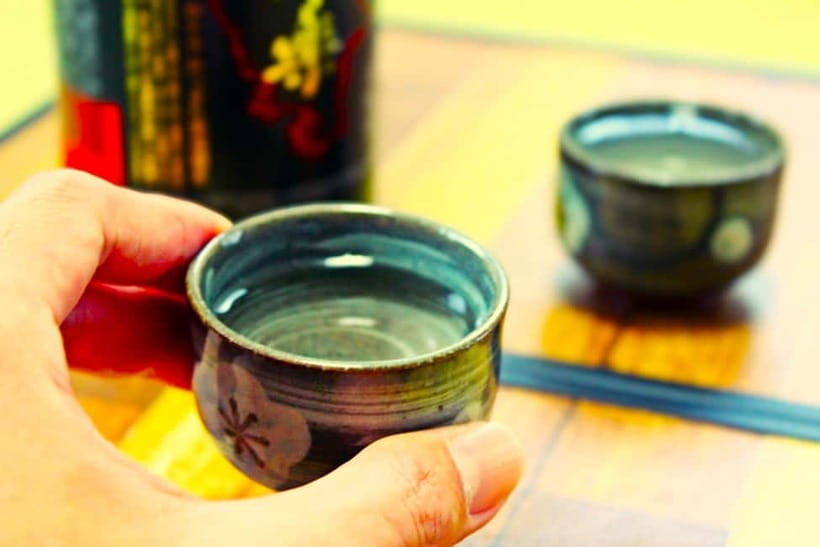
The snacks are more than something to nibble while you drink. They give you a chance to see how food affects your impression of sake.
A small bite can make a drink seem sweeter, drier, lighter, or more balanced. That is one reason food pairings are useful for beginners. If a sake seems too strong on its own, a snack may make it easier to appreciate.
The exact snack menu is not specified, so you should not book this expecting particular dishes. Think of the food as a selection of traditional Japanese accompaniments rather than a set meal.
I like that the pairing is built into the activity. Many tastings focus only on the liquid, then leave you to figure out the food connection yourself. Here, the snack gives the session a more natural, social feel.
It also makes the experience practical for people who are choosing sake in restaurants later. You will have a better sense of how to think about a drink with food, even if you cannot remember every name or production detail.
Amazake gives the tasting a sweet finish
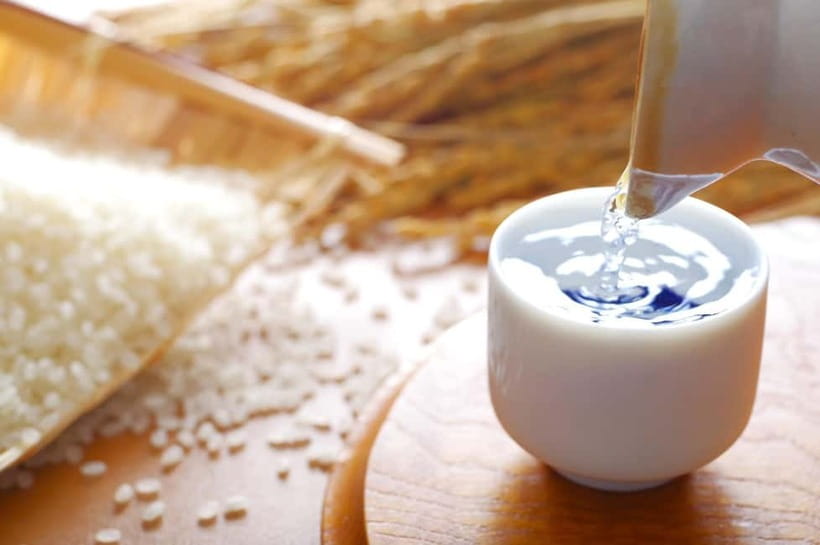
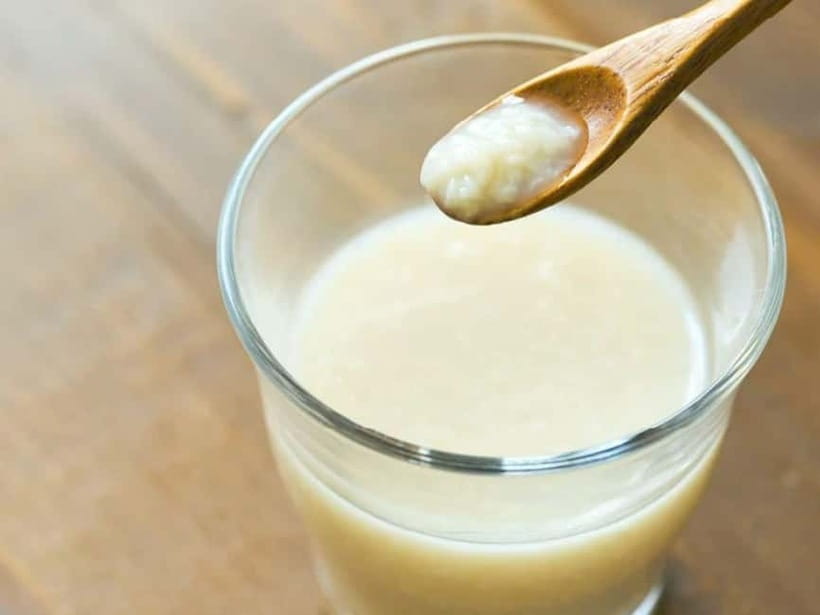
The final drink is amazake, a sweet fermented beverage made from rice malt. It is served as dessert, so the experience ends in a softer way than a final strong sake might.
Amazake is different from the other drinks in the tasting. It is sweet and rice-based, and its role here is to show another side of Japanese fermentation. The finish may appeal to you even if you prefer sweeter drinks or are not sure about sake.
The description identifies amazake as a fermented drink made from rice malt. It does not provide further details about its alcohol level, so do not assume every amazake is alcohol-free. If that matters to you, ask the staff before drinking it.
As a final course, amazake helps create a clear rhythm: introduction, comparison, food pairings, and dessert. The tasting feels like a small guided meal rather than a row of unrelated samples.
What the $38 price gets you
At $38 per person, the price is reasonable if you want an organized introduction to several Japanese drinks in one sitting. All fees and taxes are included, and the eight-drink comparison would be difficult to arrange as neatly on your own, especially if you do not read Japanese menus or know which bottles to choose.
The value is strongest for first-time sake drinkers. You are paying for selection, guidance, snacks, and a small group setting, not simply for eight drinks. The explanations help turn a casual bar visit into something you can use later.
The price is less attractive if you already know a great deal about sake or want a substantial meal. Additional meals and drinks are not included, and the activity is focused on tasting rather than dining.
You should also factor in the cost of getting to Kabukicho. Transportation is not included, and there is no hotel transfer. Since the venue is about five minutes from Shinjuku Station, the location remains fairly convenient if you are already in central Tokyo.
One extra detail from the experience is worth noting: you may be able to buy a glass as a souvenir. A participant found the glass expensive, though still considered it a nice keepsake. Treat that as an optional purchase, not part of the $38 fee.
Who will get the most from this experience
I would recommend this tasting to:
- First-time sake drinkers who want clear, simple guidance
- Couples or friends looking for a low-key evening activity
- People curious about cold, hot, and cocktail-style sake
- Visitors who enjoy comparing flavors rather than drinking one large serving
- Small groups who prefer a personal session
- Anyone already planning time near Shinjuku or Kabukicho
It may not suit you if you need step-free access, want a full dinner, or prefer a highly technical lesson in sake production. It is also not suitable for anyone under 20 or anyone who is pregnant.
The language setup deserves an honest note. English and Japanese are offered, but some staff may use a translation machine. If you need detailed technical discussion, communication may take patience. If you are happy with simple explanations, gestures, tasting, and basic questions, the format should be easier.
Timing, cancellation, and evening planning
The activity is listed with a duration of one day, but that does not provide a precise number of tasting hours. You need to check availability for the actual starting times when booking.
You can reserve now and pay later, which is useful when your Tokyo schedule is still shifting. You can also cancel up to 24 hours in advance for a full refund.
Plan your route carefully because the exact meeting spot is not a large, obvious storefront. Use the directions toward TOHO Cinemas, look for Shinjuku Ale beside Karaoke 747, and allow time to locate the upstairs entrance.
The surrounding area may feel intense, particularly if you arrive through a less familiar street. That is not a reason to avoid the tasting, but it is a good reason to check your route before you leave the station.
Should you book this Kabukicho sake tasting?
Book it if you want a friendly introduction rather than a formal sake course. The eight-drink format, food pairings, small group, and amazake finish offer plenty of variety for the price. The strongest reason to choose it is the chance to compare drinks in a guided order, with cold, hot, and cocktail-style options included.
Skip it if you need an accessible venue, a complete dinner, or detailed information about individual breweries and regions. Also think twice if you are not comfortable with a translation machine being used at times.
For most curious adults near Shinjuku, this is a sensible way to try Japanese sake without making the evening too serious. Follow the meeting directions closely, keep your expectations focused on tasting rather than a meal, and you will be set up for a relaxed introduction.
FAQ
How much does the sake tasting cost?
The price is $38 per person. All fees and taxes are included.
How many drinks are included?
The experience includes eight selected types of Japanese drinks.
Are food pairings included?
Traditional Japanese snacks are included to accompany the drinks. Additional meals and drinks are not included.
Is amazake included?
Yes. Amazake is served as a dessert at the end of the tasting.
Where is the meeting point?
The meeting point is about five minutes from Shinjuku Station on the JR Yamanote Line. Walk along Kabukicho Central Road toward TOHO Cinemas, then look for Shinjuku Ale next to Karaoke 747 on the right.
Is the activity available in English?
Yes. The listed languages are English and Japanese. Some staff may use a translation machine when needed.
How many people can join the group?
The activity is limited to six participants.
Is the venue wheelchair accessible?
No. The venue has no elevator and is not wheelchair accessible.
Can I cancel for a full refund?
Yes. You can cancel up to 24 hours in advance for a full refund.
Just added around Tokyo
- Tokyo Sake Tasting Tour with a Sake Expert★ 5.0 · 7 reviews
- Wagyu BBQ & Sukiyaki with Sake Pairing Experience near Ginza★ 5.0 · 2 reviews
- Tokyo: Serene Sakura & Sake: An Exclusive Brewery Pairing Lunch★ 5.0 · 2 reviews
- Sake Tasting and Cherry Blossom Fun in Tokyo!★ 5.0 · 4 reviews
- Private Sake Tasting at 300 Years Old Sake Brewery in Tokyo★ 5.0 · 3 reviews
- Nagano: Snow Monkey and Zenkoji Temple Free Sake Taste Day Tour★ 4.5 · 8 reviews
- Sake Pairing Workshop with Japanese Food in Shinjuku★ 5.0 · 5 reviews
- Cherry blossom & Japanese Sake Tasting in Shinjuku★ 5.0 · 4 reviews
Sake Tasting, compared.
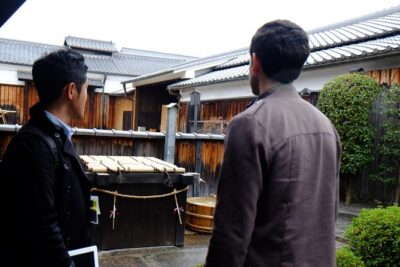
3-Hour Kyoto Insider Sake Brewery Tour with Tastings & Pairings
Read our review →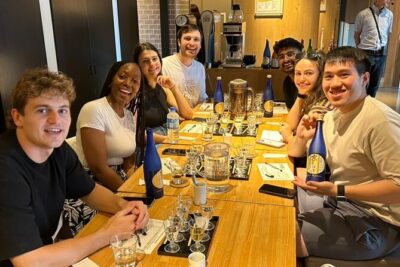
1.5-Hour Kyoto Insider Sake Experience with 7 Tastings & Pairings
Read our review →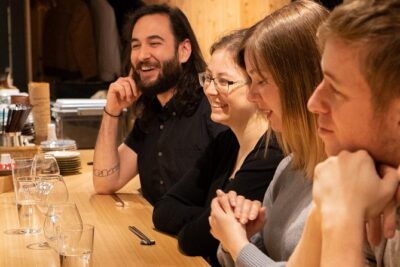
Sake Tasting Masterclass in Shinjuku (8+ Varieties with a Pro)
Read our review →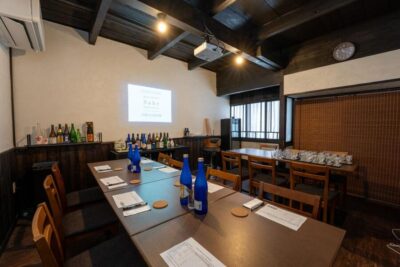
Insider Sake Experience with 7 Tastings and Snacks
Read our review →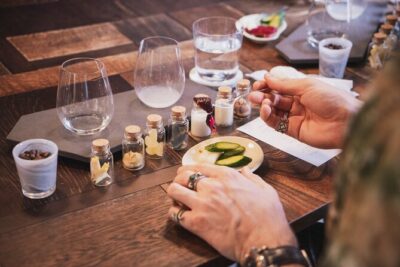
Sake Omakase in Tokyo: Guided Tasting by Certified Sommeliers
Read our review →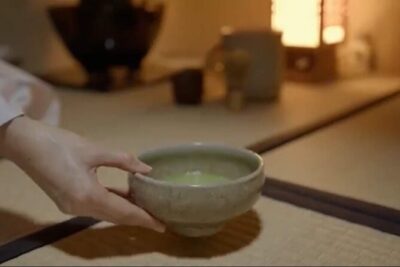
Private Tea Ceremony and Sake Tasting in Kyoto Samurai House
Read our review →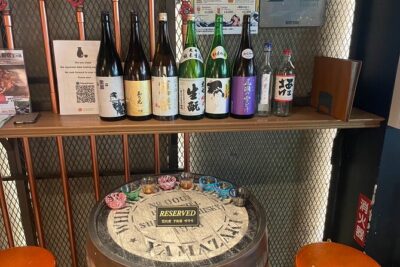
Casual Japanese SAKE tasting and snack experience in Kabukicho
Read our review →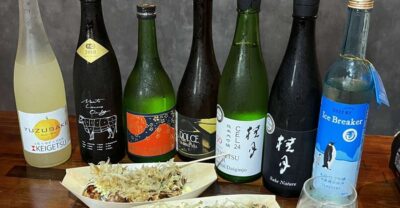
Browse the lists this tour appears in