
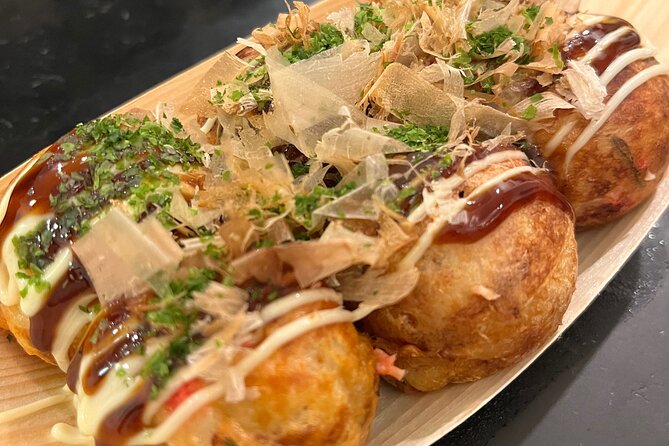
REVIEW · OSAKA
Osaka Sake Tasting & Takoyaki Cooking Experience
Small kitchens can serve up big memories. This Osaka experience pairs a hands-on takoyaki cooking class with a guided sake tasting led by Momoko, a certified sake sommelier. I like the useful restaurant tips, the chance to taste several styles of sake, and the playful lesson in turning batter into neat octopus balls. The main consideration is the compact setting, which may feel close if you prefer lots of space or a large cooking school.
I also like the flexible afternoon and evening start times, the maximum group size of six, and the hearty amount of food included. At $72.67 per person, the price is fair if you value instruction, a social meal, and several alcoholic pours in one sitting. It is less appealing if you only want a quick snack or do not drink alcohol.
Key points to know before booking
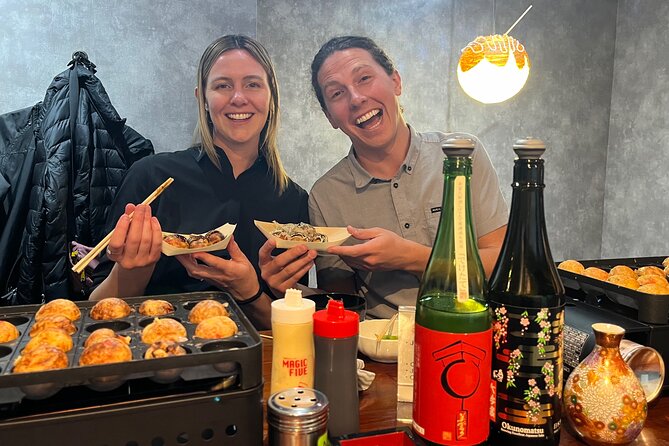
- Momoko leads both halves of the class: You learn about sake from a certified sommelier, then get practical guidance at the takoyaki grill.
- You choose from 10 or more sake varieties: The seasonal selection is picked by a sake expert, with advice on styles, labels, and restaurant ordering.
- The takoyaki goes beyond octopus: Ingredients can include wagyu beef and cheese, along with traditional fillings and toppings.
- The class lasts about two hours: Cooking comes first, then you enjoy sake with the food you have made.
- The group is capped at six people: That keeps the lesson personal, though the small second-floor kitchen is not designed for wide-open movement.
- The meeting point is central Osaka: MOMO to SAKE is in Higashishinsaibashi, near public transportation and north of the Dotonbori area.
Why this Osaka food class works so well
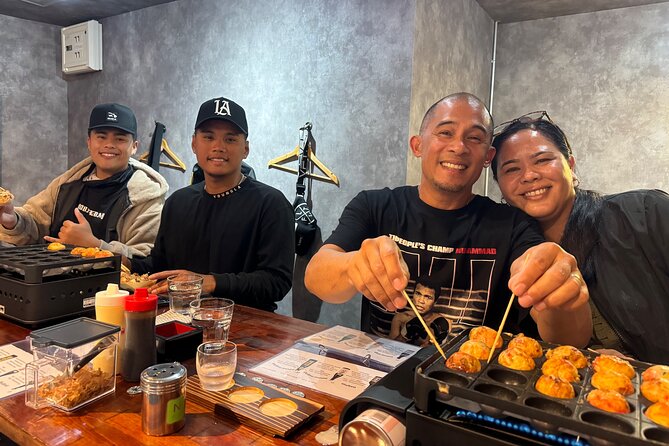
Osaka is famous for food that is social, affordable, and cooked right in front of you. Takoyaki fits that character perfectly. The round batter cakes are cooked in a special molded pan, filled traditionally with octopus, and finished with sauces and toppings. Making them yourself gives you more than another plate from a street stall. You learn the small movements that make the dish work.
The sake portion adds a second layer. Many visitors enjoy sake but still find restaurant menus hard to read. This class explains basic sake history, culture, production, and types in plain terms. You also get tips for choosing a bottle or glass when you later eat at a sushi restaurant or izakaya.
I especially like that the two activities belong together. You cook first, then taste sake with a fresh meal. The food gives you something substantial to eat, and the sake lesson has a natural setting rather than feeling like a formal lecture.
More Cooking Classes with Sake in Japan:
- Ramen and Sushi Cooking Class with Sake Pairing Set in Tokyo
★ 5.0 · 291 reviews - Osaka Sake Tasting with Takoyaki Cooking
★ 5.0 · 156 reviews - Tokyo: Sushi and Ramen Cooking Class with Sake Pairing Set
★ 5.0 · 81 reviews
Finding MOMO to SAKE in Higashishinsaibashi
The experience begins at MOMO to SAKE, located at 吉春会館 2F, 1-chōme 6-22 Higashishinsaibashi, Chuo Ward, Osaka 542-0083. The activity ends at the same place, and public transportation is not included.
The meeting point is near public transportation and sits north of Dotonbori. That makes the class easy to pair with time in the central Osaka entertainment and dining district, but you should allow enough time to locate the building and reach the second-floor space. The supplied address uses Japanese building details, so keep your booking information handy when navigating.
This is not a sightseeing tour with several city stops. The value comes from staying in one small kitchen and giving your attention to food and sake. If you want famous landmarks, you will need to plan those separately.
The takoyaki lesson starts with real participation
The cooking portion is not just a demonstration. You receive the ingredients and tools, prepare the batter, add fillings, and work at the grill under Momoko’s direction. Learning to turn the half-cooked balls is the tricky part. At first, the pieces may look uneven, but the technique becomes easier as you follow her timing and wrist movements.
The recipe comes from Momoko, along with special additions such as wagyu beef and cheese. Traditional octopus fillings are part of the experience, but the range of choices makes the meal more interesting. You can compare the familiar version with richer, more unusual combinations.
Several people have described making about 10 takoyaki balls, though the exact amount can depend on the session. The important point is that this is enough food to feel like a proper small meal, not just a sample. Come hungry, as advised. You will eat what you make later with the sake.
The cooking also gives you a better sense of why takoyaki can vary from one place to another. Crispness, filling, sauce, and toppings all matter. The lesson lets you adjust the process under supervision, and some class participants have found the finished takoyaki crisper than versions bought at food stalls.
Sake tasting with practical restaurant advice
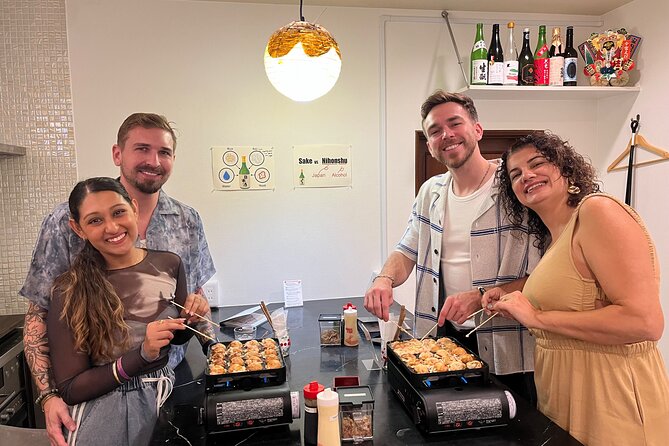
After the cooking, the focus turns to Japanese sake, also called nihonshu. Momoko is a certified sake sommelier, and the class covers how sake is made, how different styles vary, and how to read a label. That last skill is especially useful because Japanese menus can offer many choices without much explanation in English.
The selection includes more than 10 Japanese sake varieties, with seasonal options chosen by the sake expert. You do not necessarily taste every bottle in the menu. Past sessions have included seven different sakes, which is already a generous tasting for a two-hour food activity.
The format is more useful than simply lining up glasses. Momoko asks about your preferences and helps match selections to what you like. You might try lighter and more fragrant styles, then compare them with fuller choices. The point is not to memorize every category. It is to leave with enough confidence to order something suitable at your next Japanese meal.
You also learn the basics of sake production and culture. That background helps explain why two bottles can taste so different, and why labels matter. For someone who has only ordered sake by choosing the cheapest or most familiar option, this can make the rest of a Japan trip more rewarding.
More Sake Tastings in Japan:
- 3-Hour Kyoto Insider Sake Brewery Tour with Tastings & Pairings
★ 5.0 · 917 reviews - Kyoto Sake Brewery & Tasting Walking Tour
★ 5.0 · 623 reviews - 1.5-Hour Kyoto Insider Sake Experience with 7 Tastings & Pairings
★ 5.0 · 297 reviews - Sake Tasting Masterclass in Shinjuku (8+ Varieties with a Pro)
★ 5.0 · 271 reviews
What the small group changes
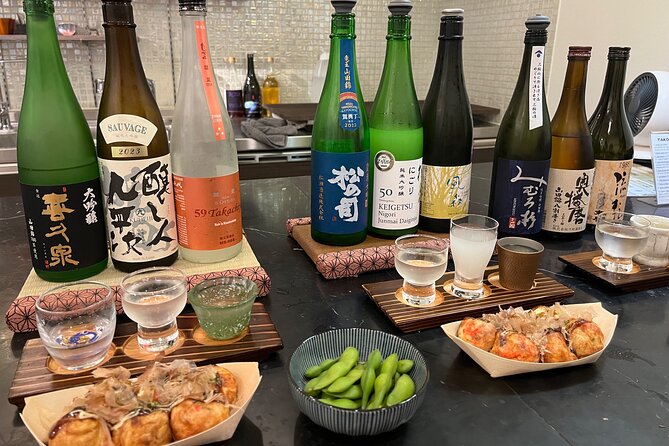
The maximum group size is six, which is a real advantage for a hands-on class. You should have a chance to ask questions, get help with the grill, and talk with Momoko rather than watching from the back of a crowd.
The tradeoff is space. The kitchen is small, and the cooking area is intimate. That creates a friendly, almost dinner-at-a-friend’s-place mood, but it is not the right fit if you want a spacious classroom or a quiet private table.
Solo visitors can fit comfortably into the format because the activities create easy conversation. Couples and small groups also have enough shared work to keep the session lively. Since the food is cooked together and the sake is selected through conversation, the experience works best for people who enjoy interaction.
The food and drink are the main value
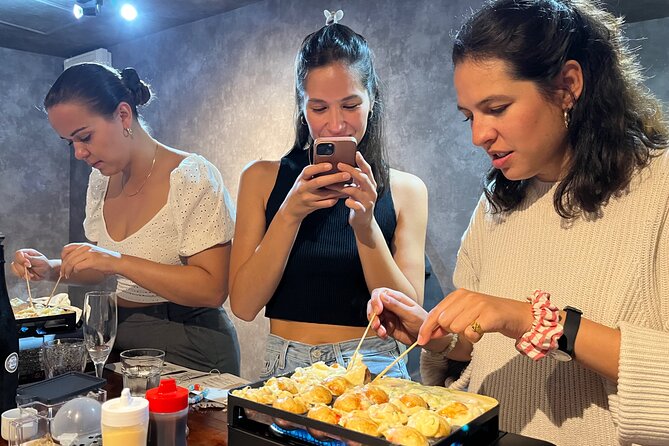
At $72.67 per person, this is not the cheapest way to eat takoyaki in Osaka. Street stalls and casual restaurants cost far less. You are paying for the instruction, the ingredients, the tools, the sake tasting, and the time spent with a specialist.
The price makes more sense if you would otherwise pay separately for a cooking class and a sake tasting. You also receive a filling meal, and the sake menu includes 10 or more choices. For food-focused visitors, that combination offers solid value.
The cost is harder to justify if your main goal is quantity. This is not a bar crawl, an all-night drinking event, or a large culinary school with many dishes. It is a focused two-hour class built around one Osaka specialty and Japanese sake.
Alcohol is included for legal adults only. Because the tasting can include several pours, pace yourself and remember that the class ends at the same kitchen where it begins. The food helps, but you should still treat the tasting as an alcoholic activity rather than a casual soft-drink pairing.
Dietary needs and food choices
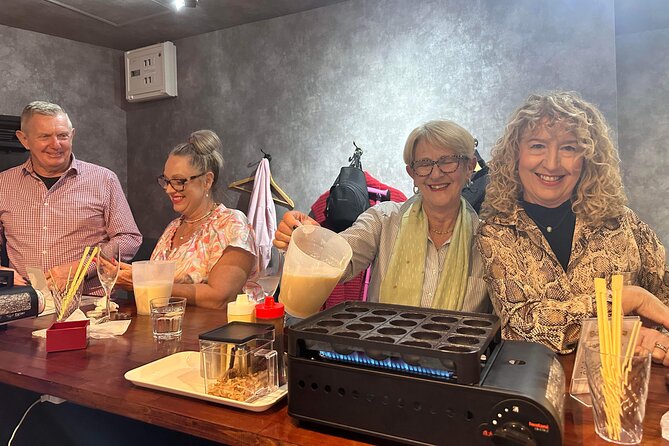
The experience centers on takoyaki, with octopus among the traditional ingredients. Wagyu and cheese offer alternatives and extra variety. One participant arranged gluten-free ingredients by contacting Momoko in advance, and the result was successful.
That is encouraging, but you should not assume every dietary request can be met automatically. Contact the provider before booking or as early as possible with allergies, gluten concerns, seafood restrictions, or other needs. The available information confirms a gluten-free accommodation in one case, not a universal menu for every diet.
The class may suit people who do not eat seafood if suitable alternatives are arranged. One participant enjoyed the experience with takoyaki that did not contain seafood. Still, ask first, since the standard concept is built around Osaka-style takoyaki and octopus.
Afternoon or evening timing
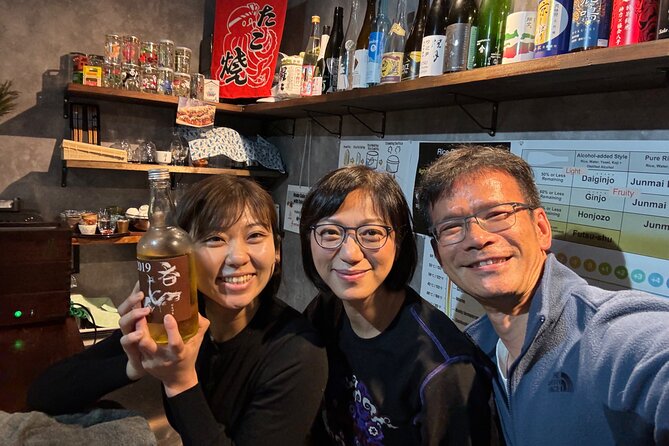
You can choose an afternoon or evening class. The flexible timing helps you fit the activity around Osaka sightseeing, shopping, or a night in Dotonbori.
An afternoon booking works well if you want a substantial meal before continuing through the city. An evening booking can replace dinner and gives the sake tasting a natural end-of-day setting. Since the class lasts about two hours, leave room afterward if you want to explore more of Osaka.
The timing also matters because you should not schedule demanding activities immediately afterward. Several sake samples can leave you tipsy, particularly if you taste seven or more varieties. Plan a calm next stop and use public transportation or other arrangements suited to drinking.
What makes Momoko a strong host
Momoko is the central reason this experience feels personal. She teaches in clear English, answers questions patiently, and brings enthusiasm to both sake and takoyaki. Her background in sake making adds useful detail to the tasting, while her practical cooking guidance keeps the takoyaki session moving.
The strongest praise centers on her warmth and ability to make beginners feel comfortable. You do not need prior sake knowledge, and you do not need confidence with a takoyaki pan. The lesson is structured so you can learn by doing, with help when the balls begin to stick or lose their shape.
Her teaching style also allows some choice. You can discuss what you enjoy and try sake that suits your taste rather than receiving the same rigid flight as everyone else. That personal touch gives the tasting more value than a basic set of pours.
Who should book this experience
I would recommend this class to:
- Food lovers who want to cook rather than only eat
- Visitors curious about sake but unsure how to order it
- Couples and small groups looking for a relaxed shared activity
- Solo visitors who enjoy meeting a local host
- People who want a filling Osaka meal with drinks included
- Anyone interested in learning a skill they can remember after the trip
It is less suitable for children or non-drinkers because the sake tasting is a major part of the experience. It may also disappoint visitors who want a broad Osaka tour, a large menu, or a spacious professional kitchen.
The class is a particularly good choice early in your Japan trip. The sake label and ordering advice can help at later meals, while the takoyaki technique gives you a better appreciation for one of Osaka’s signature foods.
Practical details before you reserve
The activity lasts approximately two hours and ends at the meeting point. Your confirmation arrives at booking, and the location is near public transportation. Hotel pickup and drop-off are not included, so you make your own way to Higashishinsaibashi.
The maximum group size is six. Service animals are allowed. Afternoon and evening options give you some control over the day, but check the available start time that suits your plans.
Free cancellation is available if you cancel at least 24 hours before the start time. Cancellations or changes made less than 24 hours ahead are not accepted for a refund, and the cut-off follows local Osaka time.
Should you book the Osaka sake and takoyaki class?
Yes, if you want a friendly, hands-on food activity with real instruction. The combination is well judged: you make a generous plate of takoyaki, then taste several sake styles with a certified sommelier who can help you order more confidently later.
Book it especially if you enjoy small groups, local food, and conversation. The compact kitchen, alcohol focus, and single-dish menu are the main limits. If those fit your interests, $72.67 buys more than dinner. It gives you a practical Osaka skill, a better understanding of sake, and a personal introduction to two important parts of the city’s food culture.
FAQ
Where does the Osaka sake and takoyaki experience begin?
It begins at MOMO to SAKE, at 吉春会館 2F, 1-chōme 6-22 Higashishinsaibashi, Chuo Ward, Osaka 542-0083, Japan.
Where does the experience end?
The activity ends back at the meeting point.
How long does the class last?
The experience lasts approximately two hours.
How many people can join?
The maximum group size is six travelers.
Are afternoon and evening sessions available?
Yes. The experience offers both afternoon and evening class options.
How many sake varieties can I try?
More than 10 Japanese sake varieties are available to choose from. Individual tastings may include a smaller selection, with past sessions including seven types.
Is the food included?
Yes. Ingredients and tools for making takoyaki are included, along with the freshly prepared takoyaki. Alcoholic beverages are also included for legal adults.
Can I cancel for a full refund?
Yes, if you cancel at least 24 hours before the experience start time. Cancellations or changes made less than 24 hours in advance are not accepted for a refund.
Just added around Japan
- Tokyo Sake Tasting Tour with a Sake Expert★ 5.0 · 7 reviews
- Wagyu BBQ & Sukiyaki with Sake Pairing Experience near Ginza★ 5.0 · 2 reviews
- Sake Tasting and Cherry Blossom Fun in Tokyo!★ 5.0 · 4 reviews
- Private Sake Tasting at 300 Years Old Sake Brewery in Tokyo★ 5.0 · 3 reviews
- Tokyo: Serene Sakura & Sake: An Exclusive Brewery Pairing Lunch★ 5.0 · 2 reviews
- Nagano: Snow Monkey and Zenkoji Temple Free Sake Taste Day Tour★ 4.5 · 8 reviews
- Sake Pairing Workshop with Japanese Food in Shinjuku★ 5.0 · 5 reviews
- Cherry blossom & Japanese Sake Tasting in Shinjuku★ 5.0 · 4 reviews
Sake Cooking Classes, compared.
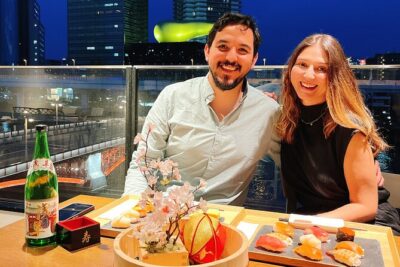
Ramen and Sushi Cooking Class with Sake Pairing Set in Tokyo
Read our review →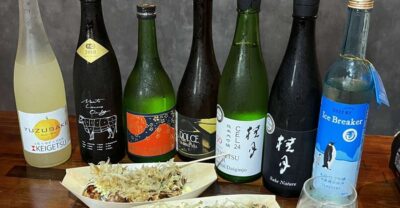
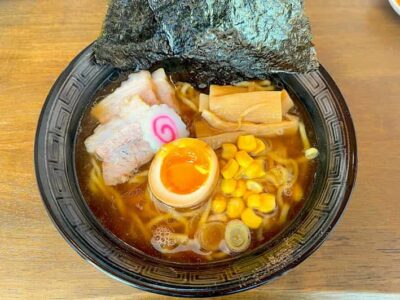
Sushi and Ramen Cooking Class with Sake Pairing Set
Read our review →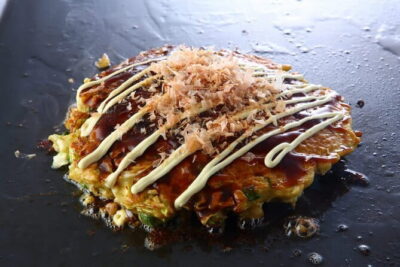
Osaka Cooking Class and Sake Tasting with Local Supermarket Visit
Read our review →
Tokyo Sushi Making Class : Sake Ceremony & Matcha Experience
Read our review →
Cooking Class & Sake Tasting with Local Market Visit
Read our review →
Japanese Sake Tasting & Wagyu Sukiyaki Cooking Class in Tokyo
Read our review →Browse the lists this tour appears in