
REVIEW · OSAKA
Sake “Omakase” in Osaka : Guided Tasting by a Active Sake brewer
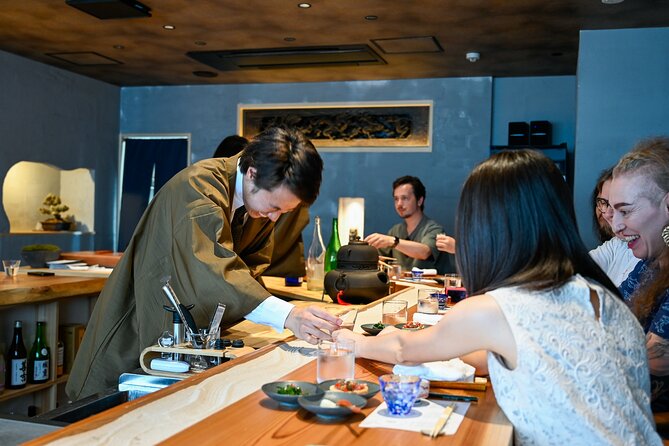
Sake gets easier once someone explains it. In Osaka’s Fukushima district, owner and active brewer Yuki leads a 90-minute tasting that links rice, water, koji, temperature, and flavor in plain English. I like the hands-on brewing focus, and I like that seven pours are arranged for comparison rather than served as a random flight. The one thing to consider is the price: at $71.54 per person, this is a lesson and tasting, not a cheap evening at a bar.
The small group, capped at 10 people, keeps the room calm and gives you space to ask questions. You also get three seasonal Japanese pairing dishes and a personal sake preference diagnosis. If you already know sake well, the introductory material may feel basic, but the rice and temperature comparisons should still offer useful surprises.
Key points at a glance
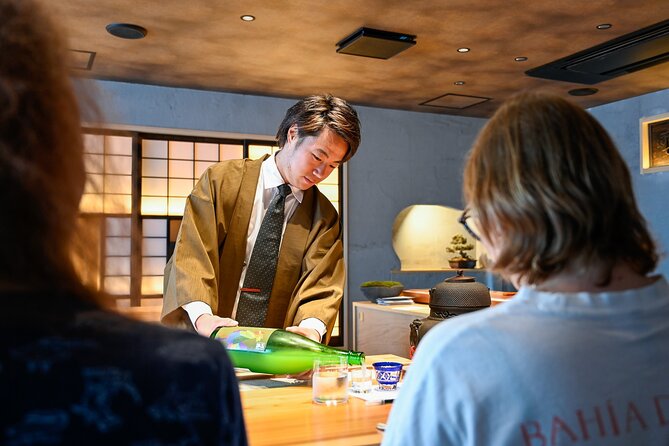
- Learn from active brewer Yuki: The host trained for a year at an Osaka brewery and explains sake from practical experience.
- Taste seven carefully chosen pours: Compare three sake styles, two rice varieties, and the same sake at two temperatures.
- Use a tasting sheet: Your notes lead to a personal sake preference diagnosis, useful when ordering later in Japan.
- Meet in Fukushima: Sake Pairing Bar Potan is only minutes from central Osaka and close to public transportation.
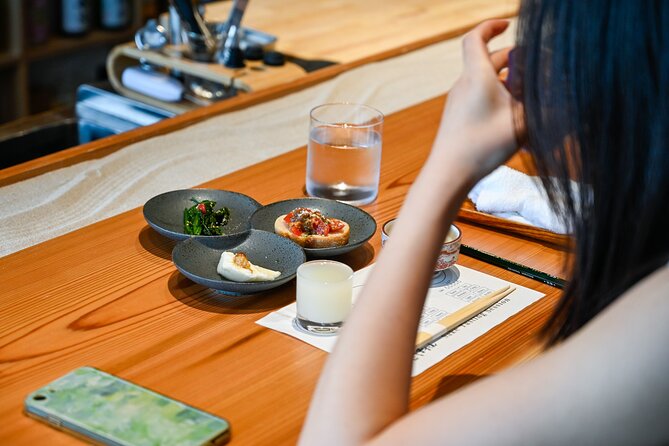
- Enjoy three seasonal dishes: Small Japanese pairings give you something to eat while you taste.
- Keep the group intimate: A maximum of 10 people allows for questions and relaxed conversation about Japanese culture and travel.
Why Fukushima is a good setting for sake
The experience takes place at Sake Pairing Bar Potan, in Fukushima Ward, at 2-chōme 7-24, NANEI Fukushima Building, fourth floor. It is close to public transportation and only a short distance from central Osaka, so you do not need to build an entire day around reaching it.
That location matters. A sake lesson is best when the setting does not feel rushed or overly theatrical. Potan is described as a refined space with traditional Japanese architecture, designed to put sake at the center of attention. You arrive at one place, stay there for the full session, and finish where you started.
The Fukushima area also makes this easy to pair with other Osaka plans. Since the session lasts about an hour and a half, you can fit it between sightseeing stops, a meal, or an evening walk. Just remember that public transportation is not included, so you handle the trip to the bar yourself.
More Sushi and Sake Tours in Japan:
- Ramen and Sushi Cooking Class with Sake Pairing Set in Tokyo
★ 5.0 · 291 reviews - Sake Omakase in Tokyo: Guided Tasting by Certified Sommeliers
★ 5.0 · 239 reviews - Tsukiji: Outer Market Walking Tour & Sake Tasting Experience
★ 4.9 · 81 reviews
What makes Yuki’s teaching different
The strongest part of this experience is the host. Yuki is the owner of Potan and trained for a year at a sake brewery in Osaka. He is also described as an active sake brewer, which gives his explanations more weight than a standard bar introduction.
That distinction is important. A general guide can tell you that sake is made from rice, water, yeast, and koji. A brewer can explain how those ingredients affect the final drink and why two bottles that both say sake can taste so different. You should expect practical discussion of brewing materials, rice varieties, polishing ratios, fermentation, and serving temperature.
Yuki also brings an international outlook to the conversation. He traveled through around 35 countries by age 20, then returned to Japanese culture with a stronger sense of what makes it distinctive. The session is not only about tasting notes. It also creates room for talk about Japanese customs, travel, and cross-cultural exchange.
English is another useful strength. The published comments describe Yuki’s English as clear and strong, with explanations that are easy to follow even if you know little about sake. That makes this a good choice if you want more than a few English labels at a bar.
The opening lesson: rice, water, koji, and sake basics
The session begins with an introduction to sake brewing. You learn basic sake history, rice types, polishing ratios, and simple etiquette before the tasting starts.
This order is smart. Without context, it is easy to treat sake as one broad category and judge each glass only by whether you like it. The opening lesson gives you a set of clues. Rice polishing can affect delicacy and aroma. Water influences the brewing process. Koji helps convert rice starch into sugar, which then supports fermentation.
You do not need to memorize technical terms. The real benefit is learning what to notice. You might start asking if a sake feels dry or sweet, light or full, fragrant or restrained. You may also understand why a bottle from one region tastes different from another.
Actual brewing materials are shown during the explanation. That small detail helps connect the talk to the physical work behind the drink. You are not simply hearing a sales pitch for bottles on a shelf. You are learning how a brewer thinks about sake.
Etiquette is covered, too. That is helpful if you plan to order sake at restaurants later in your Japan trip. You will leave with a little more confidence about how to hold a conversation around the drink, not just how to swallow it.
Seven pours arranged as a lesson
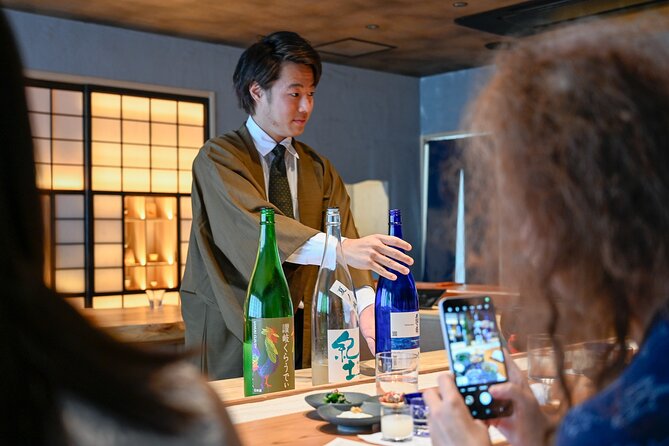
The tasting includes seven sakes, but the number alone is not the main attraction. The useful part is the structure. Each set answers a different question, so you can compare rather than guess.
The first section covers three different sake styles. This gives you a broad starting point. Instead of hearing that sake has many categories and then trying to remember them from a single sip, you can see how style changes aroma, texture, and finish.
Next comes a comparison of two sakes made from different rice varieties. This is one of the best teaching moments in the program because it shows that rice is not just a neutral base. Just as grape varieties affect wine, rice varieties can shape the character of sake.
The final comparison looks at temperature. The same sake is served at two temperatures, letting you see how its aroma and flavor shift. This is a practical lesson you can use right away. A sake that seems sharp or quiet at one temperature may feel rounder, more fragrant, or more balanced at another.
The tasting sheet keeps you involved. Write down what you notice instead of relying on memory, which becomes less reliable as the session continues. At the end, Yuki uses your responses for a personal Sake Preference Diagnosis.
That diagnosis is a nice bridge between education and real-life use. You are not simply told which sake is best. You get help identifying the styles you prefer. The next time you face a long sake menu, you should have a better idea of what to ask for.
More Sake Tastings in Japan:
- 3-Hour Kyoto Insider Sake Brewery Tour with Tastings & Pairings
★ 5.0 · 917 reviews - Kyoto Sake Brewery & Tasting Walking Tour
★ 5.0 · 623 reviews - 1.5-Hour Kyoto Insider Sake Experience with 7 Tastings & Pairings
★ 5.0 · 297 reviews - Sake Tasting Masterclass in Shinjuku (8+ Varieties with a Pro)
★ 5.0 · 271 reviews
Seasonal dishes that keep the tasting grounded
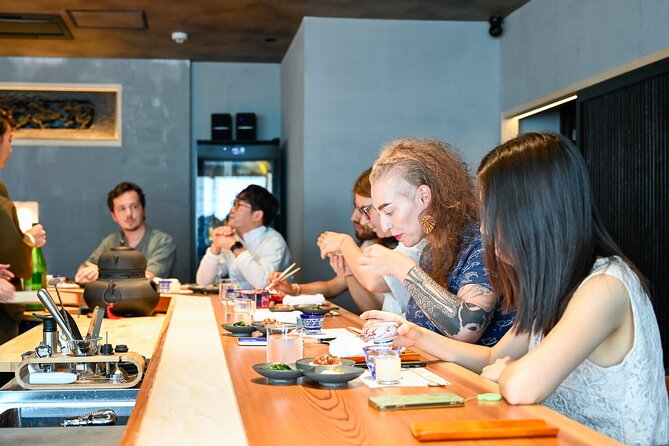
Three seasonal Japanese pairing dishes are included. The exact dishes can change, so you should not book this expecting a particular menu.
Their role is clear, though. Food gives your palate a break and shows how sake works with Japanese flavors. A pairing can make a sake seem softer, brighter, or more balanced than it tasted on its own. It also makes the session feel more like a complete cultural experience than a technical alcohol class.
The food is not described as a full meal. If you are arriving hungry, plan accordingly and treat the three dishes as snacks rather than dinner. That is especially important if you are sensitive to alcohol or want to stay focused during the lesson.
A close look at the 1:00 p.m. schedule
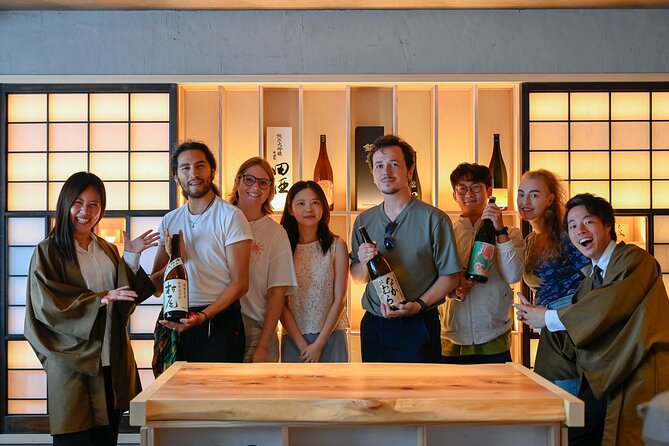
The sample schedule begins at 1:00 p.m. with the brewing introduction. Around 1:30, the style-based tasting starts. At 2:00, you compare rice varieties, followed by the temperature comparison at about 2:20.
The final part includes questions and open conversation, then the preference diagnosis and closing at about 2:55. The timing adds up to roughly one hour and 55 minutes in the sample schedule, even though the advertised duration is approximately one hour and 30 minutes. I would allow extra time rather than planning a tight connection immediately afterward.
The flexible conversation is a benefit, especially if you arrive with questions. The tradeoff is that the session may not feel timed to the minute. If you need to catch a train at a precise time, leave a cushion after the stated end.
Because the group is limited to 10 people, you should have a better chance to ask about a particular flavor or brewing method. A larger class could move faster and leave less room for personal guidance. Here, the small size supports the friendly, conversational tone that makes the experience appealing.
Is $71.54 good value?
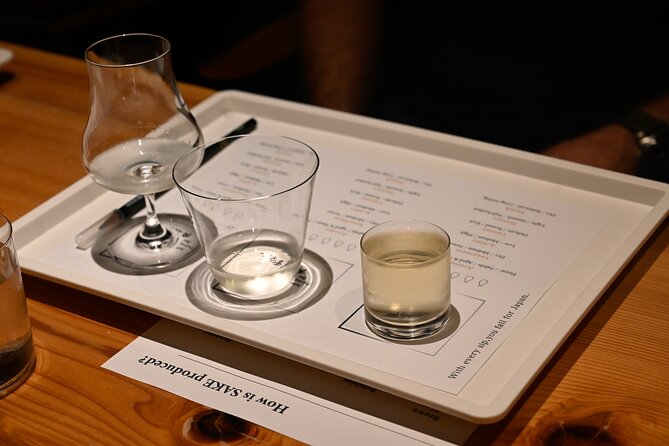
At $71.54 per person, this is not the cheapest way to drink sake in Osaka. You are paying for seven pours, three seasonal dishes, a guided lesson, access to a working brewer, and the tasting diagnosis.
I think the price makes sense if you want to understand sake rather than simply sample it. Seven pours on their own would not necessarily teach you much. The comparisons are what create value: different styles, different rice varieties, and different temperatures. You get a method for tasting, not just a series of drinks.
The price is harder to justify if you already have strong sake knowledge or mainly want a casual drink. In that case, a bar visit could be more flexible and less expensive. This experience is aimed at people who want clear explanations and a guided format.
Group discounts are available, which may improve the value if you are traveling with friends or family. The experience has had more than five bookings in the last month, but the group limit remains 10 people, so popular dates may fill.
Who should book this experience?
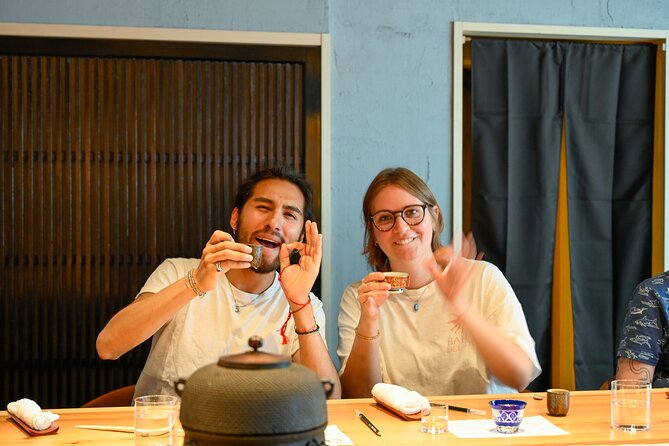
I would recommend it to first-time sake drinkers, curious food lovers, and anyone who has tried sake but still finds the categories confusing. You do not need technical knowledge. The session is built to make the subject approachable.
It also suits travelers who prefer direct contact with a local specialist. Yuki’s brewery experience gives the lesson a personal center, while his interest in international travel helps keep the conversation open to people from different backgrounds.
Couples and small groups should enjoy the relaxed format, especially if they want an activity that is quieter than a major Osaka attraction. Solo visitors can also fit in easily because the class is designed around conversation.
You might choose something else if you do not drink alcohol, want a full meal, or need a tightly fixed 90-minute schedule. Service animals are allowed, but the available information does not describe every accessibility feature of the fourth-floor venue, so ask the provider if you need specific arrangements.
The experience is not limited to one age group in the information provided, but alcohol is served, so normal drinking restrictions apply. You should also plan your return trip carefully since transportation is not included.
Booking, cancellation, and practical details
Confirmation is provided when you book. The activity begins and ends at Sake Pairing Bar Potan in Fukushima Ward, and there is no separate drop-off.
Free cancellation is available if you cancel at least 24 hours before the local start time. Cancellations or changes made within 24 hours are not accepted for a refund.
Bring a phone with your booking details since mobile tickets are supported. Wear whatever you find comfortable for a seated tasting and arrive ready to take notes. The tasting sheet is part of the value, so pay attention to your own reactions rather than trying to identify the most expensive or famous style.
Should you book the Osaka sake tasting?
Book it if you want a friendly lesson led by someone who actually works with sake and you value comparison over simple sampling. The combination of seven pours, temperature testing, rice comparisons, seasonal snacks, and a personal preference diagnosis gives you useful knowledge for the rest of your time in Japan.
Skip it if you only want an inexpensive drink, a full meal, or a quick stop with no instruction. For most curious visitors, though, $71.54 is fair for a small-group session with Yuki, particularly if you have never had a clear explanation of why sake tastes the way it does.
FAQ
Where does the sake tasting take place?
It takes place at Sake Pairing Bar Potan in Fukushima Ward, Osaka, at 2-chōme 7-24, NANEI Fukushima Building, fourth floor.
How long does the experience last?
The advertised duration is approximately 1 hour and 30 minutes. The sample schedule runs from 1:00 p.m. to about 2:55 p.m., so you should allow some extra time.
How many sakes are included?
The tasting includes seven sakes.
What comparisons are included?
You compare three sake styles, two sakes made with different rice varieties, and the same sake served at two temperatures.
Is food included?
Yes. Three seasonal Japanese pairing dishes are included. They are described as snacks rather than a full meal.
Who leads the session?
The owner, Yuki, leads the session. He trained for a year at a sake brewery in Osaka and is an active sake brewer.
Is the experience suitable for people who do not know much about sake?
Yes. The session begins with basic information about sake history, rice varieties, polishing ratios, brewing, and etiquette. The explanations are intended to be clear and approachable.
What is the cancellation policy?
You can receive a full refund if you cancel at least 24 hours before the experience start time. Cancellations or changes made less than 24 hours before the start are not accepted for a refund.
Just added around Japan
- Tokyo Sake Tasting Tour with a Sake Expert★ 5.0 · 7 reviews
- Wagyu BBQ & Sukiyaki with Sake Pairing Experience near Ginza★ 5.0 · 2 reviews
- Sake Tasting and Cherry Blossom Fun in Tokyo!★ 5.0 · 4 reviews
- Private Sake Tasting at 300 Years Old Sake Brewery in Tokyo★ 5.0 · 3 reviews
- Tokyo: Serene Sakura & Sake: An Exclusive Brewery Pairing Lunch★ 5.0 · 2 reviews
- Nagano: Snow Monkey and Zenkoji Temple Free Sake Taste Day Tour★ 4.5 · 8 reviews
- Sake Pairing Workshop with Japanese Food in Shinjuku★ 5.0 · 5 reviews
- Mt FUJI – Panoramic Tour w/ Hoto Lunch, JP Sake & Onsen tatto OK!★ 5.0 · 9 reviews
Sushi & Sake Tours, compared.
Ramen and Sushi Cooking Class with Sake Pairing Set in Tokyo
Read our review →
Sake Omakase in Tokyo: Guided Tasting by Certified Sommeliers
Read our review →
Sushi and Ramen Cooking Class with Sake Pairing Set
Read our review →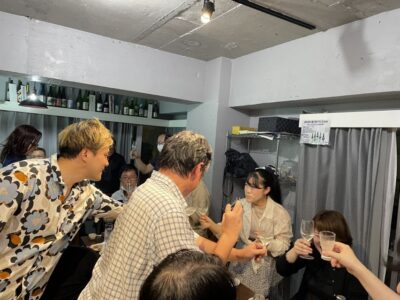
Outer Market Walking Tour & Sake Tasting Experience
Read our review →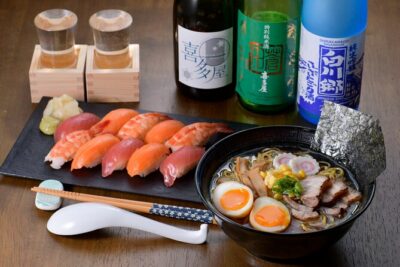
Cozy Tokyo Class: Ramen, Sushi, Sake Pairing & Cultural Exchange
Read our review →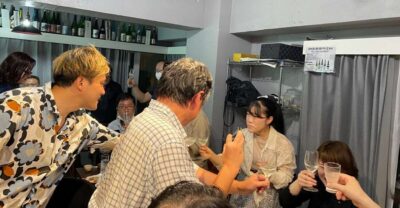
Browse the lists this tour appears in