
REVIEW · OSAKA
Osaka Cooking Class and Sake Tasting with Local Supermarket Visit
Start with a shopping basket, finish with sake. This four-hour Osaka food experience combines a local supermarket visit with a hands-on class covering okonomiyaki, gyoza, and niku-sui, giving you more than a meal and a few recipes. I like the small maximum of seven people, which should leave room for help at the stove, and I like that instructor Yuka and guide Mari have earned praise for clear, friendly teaching.
The main consideration is timing. The 10:00 a.m. start and four-hour length take up much of your morning and early afternoon, so this is not a quick add-on between major sights. You also need to reach the FamilyMart beside the south side of Minamimorimachi Station, but the location is close to public transportation and the activity ends where it begins.
Key points at a glance
- Three Osaka dishes in one class: Make okonomiyaki, gyoza, and niku-sui rather than learning only one headline recipe.
- A real supermarket stop: See the ingredients in an everyday shopping setting before you cook them.
- Small-group instruction: The group is limited to seven people, a useful size for questions and hands-on help.
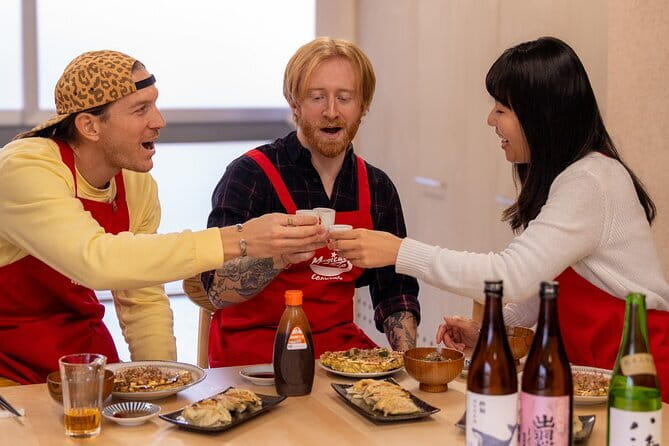
- Drinks with the meal: Taste local sake, beer, or soft drinks while eating what you prepare.
- Beginner-friendly techniques: You can learn to fold gyoza and cook okonomiyaki without previous kitchen experience.
- A practical souvenir: The recipes and methods are intended to be simple enough to repeat at home.
Why this Osaka food class works
Osaka is closely tied to casual, satisfying food. Its cooking culture is less about formal ceremony and more about dishes made at home, in neighborhood restaurants, and around a hot griddle. This class gives you a useful look at that side of the city.
I especially like the way the experience begins with ingredients instead of jumping straight to a prepared workstation. A supermarket shows you the labels, packaging, and ordinary products that shape Japanese cooking. You are not only told what goes into the food. You first see what those ingredients look like in a place Osaka residents use during daily life.
The class then turns that shopping lesson into lunch. You work through several dishes with an instructor offering step-by-step guidance and live feedback. That matters for foods such as gyoza, where folding technique takes practice, and okonomiyaki, where mixing and cooking are simple in theory but easier with someone nearby to correct you.
The tone appears to be relaxed rather than formal. That makes this a good pick if you want cultural context without sitting through a long lecture. You can ask questions as you cook, and the small group should make it easier to get an answer without stopping the whole class.
More Cooking Classes with Sake in Japan:
- Ramen and Sushi Cooking Class with Sake Pairing Set in Tokyo
★ 5.0 · 291 reviews - Osaka Sake Tasting with Takoyaki Cooking
★ 5.0 · 156 reviews - Osaka Sake Tasting & Takoyaki Cooking Experience
★ 5.0 · 149 reviews
Meeting at Minamimorimachi Station
The meeting point is the FamilyMart on the south side of Minamimorimachi Station, at 2-chome 3-10, 1F, in Kita Ward’s Tenjinbashi area. The listed start time is 10:00 a.m., so plan to arrive early enough to find the correct side of the station and confirm the storefront.
This detail deserves attention because station names and exits can become confusing in Osaka. Your mobile ticket should be handy, and the confirmation is sent at booking. Since the class starts with the supermarket visit, arriving late could mean missing the ingredient introduction and the explanation of what you will cook.
The meeting point is near public transportation, which helps if you are staying elsewhere in Osaka. The activity returns to the same place after the cooking and meal, so you do not need to arrange a separate pickup or figure out an unfamiliar end point.
The supermarket visit comes first
The opening stop is one of the strongest parts of the experience. Instead of beginning with a generic cooking demonstration, you look at local ingredients in a working supermarket. Guide Mari received particular praise for explaining what to shop for when making the different recipes, and that practical focus is exactly what makes this stop useful.
You might see products that look familiar but come in different forms, sizes, or packages. You may also encounter labels that are difficult to read if you do not know Japanese. The instructor can connect those items to the recipes, helping you understand not only what to buy but why it is used.
This is also a chance to see a less polished side of Osaka. A supermarket is not arranged for sightseeing. It is an ordinary place where people buy food, which makes the stop more grounded than a visit to a specialty shop designed mainly for visitors.
The drawback is that this portion is not described as a full market tour. It is focused on selecting ingredients for the class. If you want a long food walk with many tastings, this is not that kind of activity. Its value comes from making the later cooking easier and more meaningful.
Cooking niku-sui, Osaka’s comforting beef soup
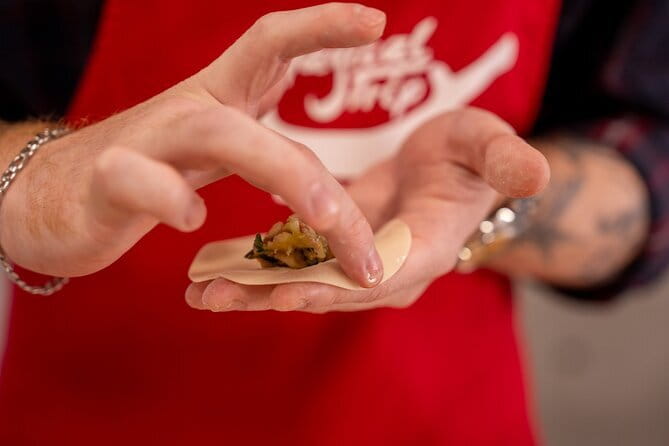
Niku-sui is one of the more distinctive dishes included here. The name refers to beef soup, and it gives the class a chance to cover a warm, simple dish alongside the better-known griddle foods.
The appeal is practical. Soup recipes often teach you how a few ingredients work together, and the dish can be easier to repeat at home than something requiring special equipment. The class presents niku-sui as part of Osaka’s local food culture rather than as an obscure item added for novelty.
You will have an instructor guiding the process, so you should not need professional kitchen skills. Still, the exact recipe, ingredients, and preparation steps are not specified in the available details. If you have allergies or strong dietary restrictions, ask about them before booking rather than assuming substitutions are available.
More Sake Tastings in Japan:
- 3-Hour Kyoto Insider Sake Brewery Tour with Tastings & Pairings
★ 5.0 · 917 reviews - Kyoto Sake Brewery & Tasting Walking Tour
★ 5.0 · 623 reviews - 1.5-Hour Kyoto Insider Sake Experience with 7 Tastings & Pairings
★ 5.0 · 297 reviews - Sake Tasting Masterclass in Shinjuku (8+ Varieties with a Pro)
★ 5.0 · 271 reviews
Making okonomiyaki on the griddle
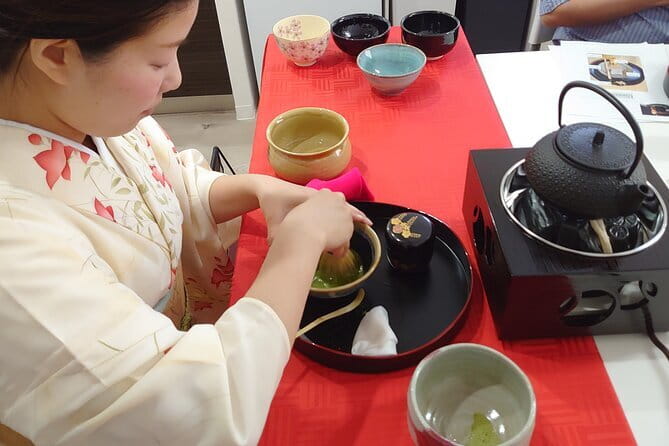
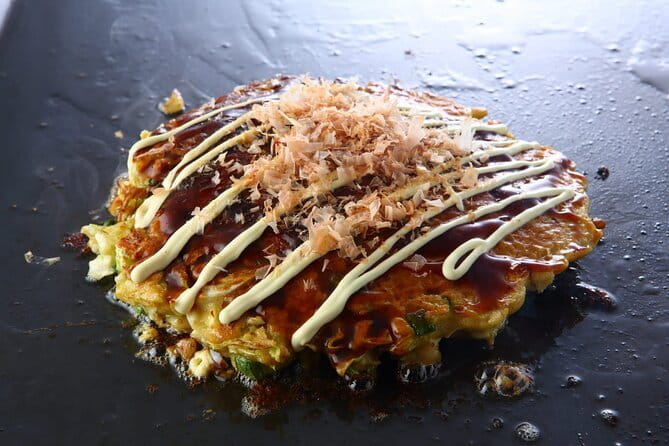
Okonomiyaki is the star dish for many people joining a food class in Osaka. It is a savory pancake with a flexible format, and the experience lets you learn how to prepare and cook it yourself.
The hands-on element matters here. Watching someone make okonomiyaki is easy. Learning how the mixture comes together and how to handle it during cooking gives you a better chance of recreating it at home. The instructor provides live feedback, which can help if you are unsure about the consistency or timing.
I also like that okonomiyaki appears alongside two other dishes. You get to compare a griddle-cooked specialty with soup and dumplings, rather than leaving with only one technique. The class should appeal to solo visitors who want a social meal, couples looking for a shared activity, and families whose children are interested in assembling food.
The phrase beginner-friendly is important here. You are not expected to arrive with Japanese cooking experience. The class is also suitable for people who already cook, though confident home cooks may find the pace more basic than advanced.
Folding gyoza by hand
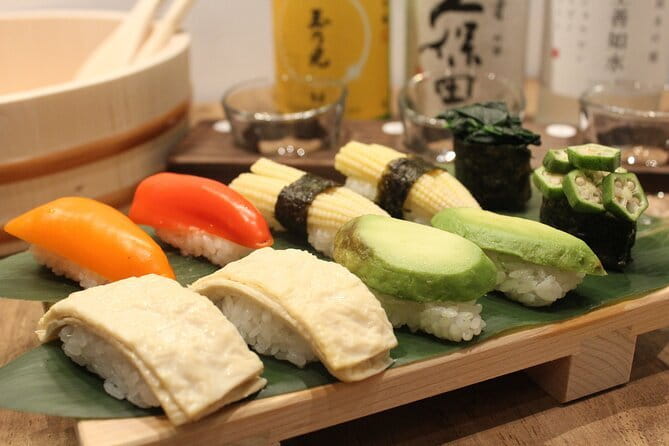
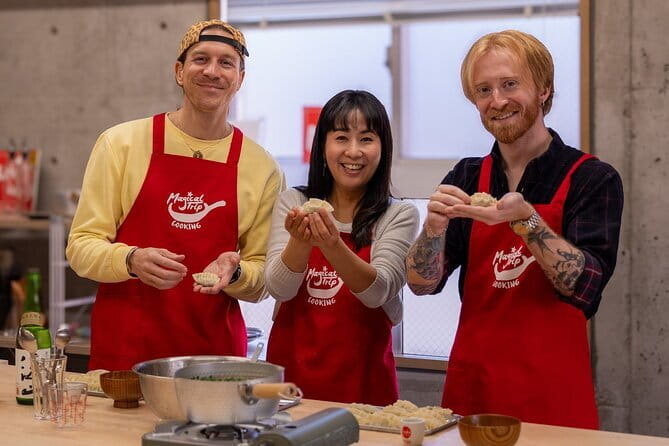
Gyoza adds the most tactile part of the lesson. Folding dumplings is a small skill, but it is also the kind of task that creates a memorable moment because the result depends on your hands.
The instructor leads you through the process, and the limited group size should make it possible to get help with the folds. Do not expect every dumpling to look perfect on the first try. That is part of the fun, and the useful goal is learning a repeatable method rather than producing restaurant-window displays.
This part can work well for mixed groups. A beginner can take it slowly, while someone with more kitchen experience can focus on making neat folds. The available details do not specify the number of dumplings or the exact fillings, so do not book this expecting a particular ingredient list beyond the named dish.
Sake, beer, and soft drinks with your meal
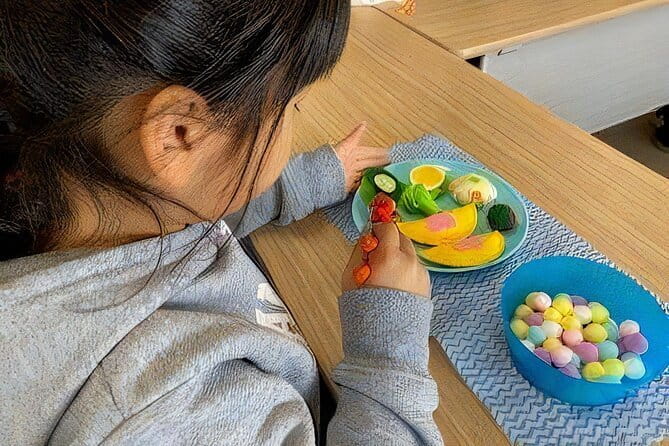
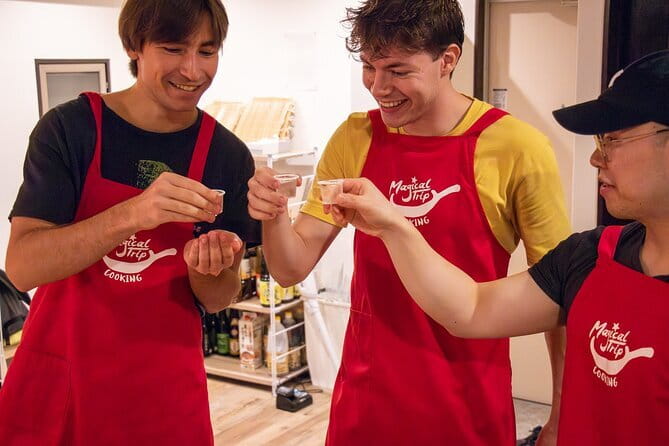
After the cooking, you eat the dishes you made and choose from local sake, beer, or soft drinks. This turns the class into a shared meal instead of ending when the last pan is put away.
The sake tasting is a key reason the price may feel worthwhile. You are not paying only for instruction. The experience combines a guided food outing, a supermarket visit, cooking practice, and drinks. At $92.50 per person, that is a fair package for someone who values participation and cultural explanation more than simply finding the cheapest Osaka lunch.
Beer and soft drinks are useful options for anyone who does not want sake. The information does not say how many pours are included, which brands are served, or whether additional drinks cost extra. I would treat the tasting as part of the meal, not as a large formal sake seminar.
Because alcohol is included as an option, families and mixed groups can join without everyone needing to drink. You should still tell the provider about any dietary or drink-related needs before the class if they matter to you.
What the four-hour schedule feels like
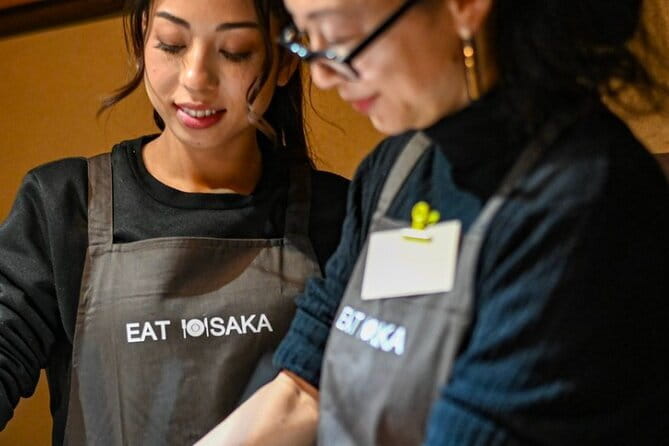
Four hours is long enough to make the class feel like a real activity, not a rushed demonstration. The time covers the meeting, supermarket visit, ingredient selection, instruction, cooking, eating, and drinks.
That length has two effects. First, you get a fuller connection between shopping and cooking. Second, the class occupies a substantial part of your day. If you have a packed Osaka sightseeing plan, place this on a morning when you can give it your attention.
The end point is the original meeting location. That makes the logistics tidy, especially if you plan to continue exploring afterward. Since the start is at 10:00 a.m., you should finish around early afternoon, though the exact end time is listed only as approximately four hours.
The small group changes the experience
A maximum of seven people is a real advantage. Cooking lessons can become frustrating when one instructor tries to supervise a large room, with some people waiting while others handle the food. A group of this size should allow more direct help and better access to the cooking space.
It also creates a comfortable setting for the social side of the meal. You can meet other people without being placed in a large tour group. Solo visitors may find that especially useful, while couples and friends still get enough room to focus on their own cooking.
The group limit does not guarantee a private class. You may be cooking alongside people with different speeds and confidence levels. The good news is that the class is designed for all skill levels, so you should not need to keep up with professional cooks.
What guides Yuka and Mari add
Yuka is praised for making the four-hour experience fun and informative, with particular appreciation for her supermarket guidance and hands-on teaching of okonomiyaki, niku-sui, and yaki-gyoza. Her role matters because the experience depends on clear explanations as much as on the food itself.
Mari is highlighted for explaining what to buy for each recipe and keeping the work hands-on. That is a useful strength for this particular format. You are not simply handed measured ingredients. You first learn how the shopping choices connect to the dishes.
The provider is MagicalTrip Inc., and the class takes place at its exclusive studio after the supermarket visit. The supplied information does not provide a studio address or details about the kitchen layout, so use the station meeting point as your navigation target.
Who should book this class
I would recommend this for you if you want to do more than eat in Osaka. It suits:
- First-time visitors who want a friendly introduction to local food
- Solo visitors looking for a structured social activity
- Couples and friends who enjoy making a meal together
- Families seeking a hands-on class suitable for mixed skill levels
- Home cooks who want recipes they can attempt after returning home
- Anyone curious about supermarket ingredients and everyday food shopping in Japan
It may be less suitable if you want a fast activity, a formal chef-led workshop, or a detailed sake education session. It is also not the best fit for a schedule built around constant sightseeing, since the class takes about four hours and begins in the morning.
Price, value, and the cancellation rule
At $92.50 per person, the cost is not cheap for a meal in Osaka. The value improves when you count the parts included: a supermarket visit, a small-group cooking lesson, three dishes, instruction, and a choice of sake, beer, or soft drinks.
I would compare it with the cost of a standard food tour and a separate cooking lesson. You also leave with techniques you can reuse, especially gyoza folding and okonomiyaki preparation. If you care only about eating cheaply, spend the money elsewhere. If you want an activity that teaches you how the meal comes together, the price is easier to justify.
Free cancellation is available if you cancel at least 24 hours before the 10:00 a.m. start. Changes or cancellations made inside that window are not accepted for a refund, and the cut-off follows Osaka local time. That is worth noting before you lock this into a tightly planned day.
FAQ
Where does the cooking class meet?
It meets at the FamilyMart on the south side of Minamimorimachi Station, at Japan 530-0041, Osaka, Kita Ward, Tenjinbashi, 2-chome 3-10, 1F.
What time does the experience start?
The listed start time is 10:00 a.m.
How long does the experience last?
The cooking class and supermarket visit take approximately four hours.
Where does the activity finish?
The experience ends back at the original meeting point.
How many people can join?
The activity has a maximum group size of seven people.
Do I need cooking experience?
No. The class is designed for all skill levels, including beginners.
What food and drinks are included?
You prepare niku-sui, okonomiyaki, and gyoza, then enjoy the food with local sake, beer, or soft drinks.
Should you book the Osaka cooking class?
Book it if you want a useful, social food lesson tied to ordinary Osaka life. The supermarket visit, three-dish menu, small group, and relaxed instruction give the experience real substance, while Yuka and Mari add the kind of practical guidance that helps you cook the food again at home.
Skip it if your main goal is a short tasting, an advanced chef course, or a large amount of sightseeing in one morning. For everyone else, especially first-time visitors and curious home cooks, $92.50 buys a solid four-hour look at Osaka through its ingredients, kitchen techniques, and table.
Just added around Japan
- Tokyo Sake Tasting Tour with a Sake Expert★ 5.0 · 7 reviews
- Wagyu BBQ & Sukiyaki with Sake Pairing Experience near Ginza★ 5.0 · 2 reviews
- Sake Tasting and Cherry Blossom Fun in Tokyo!★ 5.0 · 4 reviews
- Private Sake Tasting at 300 Years Old Sake Brewery in Tokyo★ 5.0 · 3 reviews
- Tokyo: Serene Sakura & Sake: An Exclusive Brewery Pairing Lunch★ 5.0 · 2 reviews
- Nagano: Snow Monkey and Zenkoji Temple Free Sake Taste Day Tour★ 4.5 · 8 reviews
- Sake Pairing Workshop with Japanese Food in Shinjuku★ 5.0 · 5 reviews
- Cherry blossom & Japanese Sake Tasting in Shinjuku★ 5.0 · 4 reviews
Sake Cooking Classes, compared.
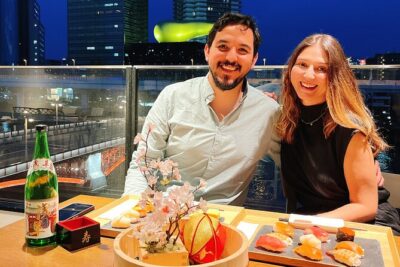
Ramen and Sushi Cooking Class with Sake Pairing Set in Tokyo
Read our review →
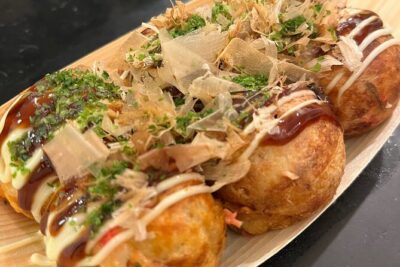
Osaka Sake Tasting & Takoyaki Cooking Experience
Read our review →
Sushi and Ramen Cooking Class with Sake Pairing Set
Read our review →
Tokyo Sushi Making Class : Sake Ceremony & Matcha Experience
Read our review →
Cooking Class & Sake Tasting with Local Market Visit
Read our review →
Japanese Sake Tasting & Wagyu Sukiyaki Cooking Class in Tokyo
Read our review →Browse the lists this tour appears in