
REVIEW · JAPAN
Nara Sake Tasting Tour at Local Brewerie(tasting fee included)
Sake tastes better with a story. This three-hour Nara tour pairs local drinks with old streets, small bars, and Harushika Brewery, giving you a friendly way to see a side of the city beyond Todaiji and Kasuga Taisha. I like the small group limit of six, which makes conversation easy, and I like the chance to drink sake with guides such as Shinobu and Tam-san, who are praised for their warm local connections. The main caution is the price and tasting-fee wording, since the title says tasting is included while the detailed information says drinks and refreshments are extra.
You meet at Kintetsu-Nara Station at 1 p.m. and return there after about three hours. This is a compact afternoon outing rather than a full sightseeing day, so it fits neatly between major temple visits. You should also be comfortable standing at a bar and walking between several city stops.
Key points at a glance
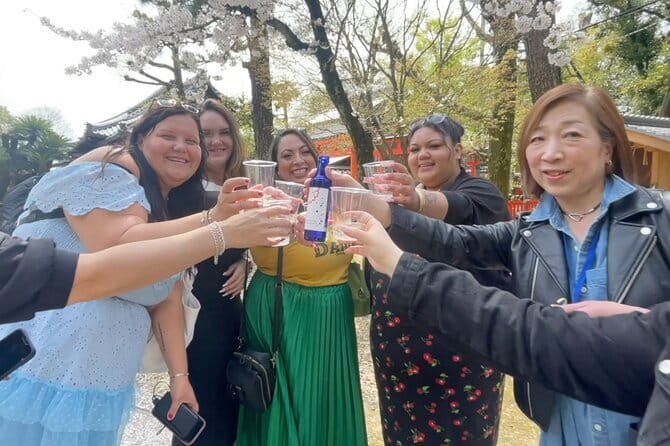
- Start with a standing-bar toast: 369 Miroku opens the afternoon with sake from Nara and other parts of Japan.
- Compare several styles at Harushika: The brewery tasting is paired with Nara-zuke, a pickle made with sake lees.
- See Nara beyond its famous temples: The route brings you into local drinking spots and the old Naramachi area.
- Expect a very small group: A maximum of six people allows plenty of time for questions and conversation.
- Look for guides Shinobu and Tam-san: Both are praised for their English, friendliness, sake knowledge, and relationships with local bar staff.
- Check the final cost carefully: The supplied details conflict about whether tasting fees are included.
Why this Nara sake tour is worth your afternoon
Nara is often treated as a quick stop for deer, Todaiji, and Kasuga Taisha. Those sights deserve their place, but they can leave you with a narrow picture of the city. This tour gives you a more social view, built around what people drink, eat, and talk about after work.
The appeal is not simply the number of sake samples. It is the setting. You begin in a standing bar, visit one of Nara’s best-known breweries, and finish at a shop founded in the early Meiji Era, with Gangoji Temple nearby. The route connects drink with place, which makes the afternoon feel more like an introduction to Nara than a string of tastings.
I also like the scale. With no more than six people, you are unlikely to disappear into a crowd. You can ask why one sake tastes sweeter than another, how Nara-zuke is made, or where to return later on your own. Several guides are praised for explaining things clearly and for enjoying the outing along with the group. That shared enthusiasm matters in a tasting tour.
The tour is also praised for taking people to places that can be hard to find without local help. You are not left to interpret a menu full of unfamiliar labels or guess which small bar welcomes visitors. The guide’s relationship with staff helps create a more relaxed welcome.
More Sake Tastings in Japan:
- 3-Hour Kyoto Insider Sake Brewery Tour with Tastings & Pairings
★ 5.0 · 917 reviews - Kyoto Sake Brewery & Tasting Walking Tour
★ 5.0 · 623 reviews - 1.5-Hour Kyoto Insider Sake Experience with 7 Tastings & Pairings
★ 5.0 · 297 reviews
Meeting at Kintetsu-Nara Station at 1 p.m.
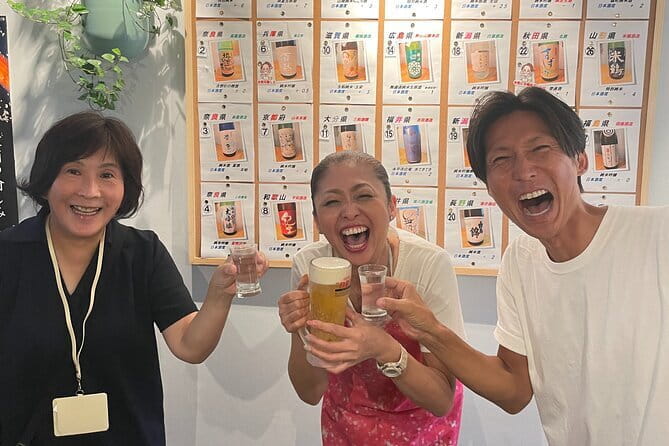
The tour begins at Kintetsu-Nara Station, a practical meeting point near the central sightseeing area. You start at 1 p.m. and finish back at the same meeting point, so you do not need to arrange a separate ride home or work out where the group ends.
This timing works well if you have already spent the morning at Todaiji or Kasuga Taisha. It also leaves the evening open for dinner. Since the tour lasts roughly three hours, you are committing a manageable part of the day rather than giving up an entire sightseeing schedule.
Public transportation is nearby, and the tour is described as suitable for most people. Still, you should consider the physical rhythm. One stop is a standing bar, and the route visits multiple drinking places. If you prefer a seated, slow-paced meal with long breaks, this may feel busy.
The group cap of six is one of the strongest practical features. A sake tasting works better when you can hear the explanation and speak directly with the guide. The small size also helps if you are shy about asking questions in English or trying an unfamiliar drink.
First stop: 369 Miroku and the local way to say kanpai
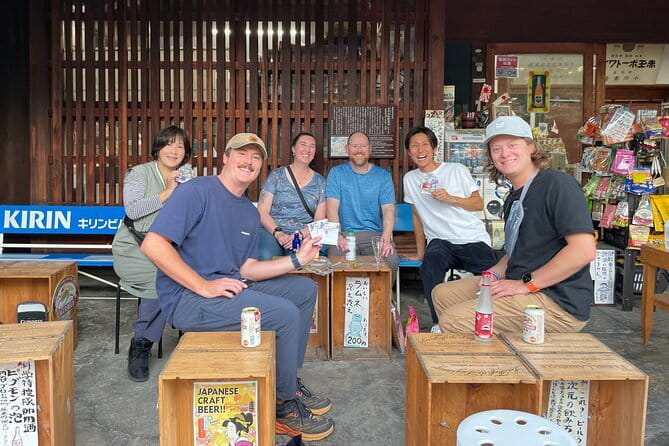
At Standing Bar 369, also called Miroku, the afternoon begins with a glass of sake. The bar carries a wide selection from Nara and from other parts of Japan, so the opening drink gives you an immediate sense that sake is not one single flavor or style.
A standing bar changes the mood. You are not settling into a formal restaurant. You get your bearings, meet the guide, and start tasting in a place with a local feel. The stop is listed at about 30 minutes, enough time for an introduction without making the first drink feel like a full meal.
This is also where a guide’s personal connections matter. The tour is praised for friendly relationships with the people working at the bars and breweries. That can make a small venue feel less intimidating, especially if you do not speak Japanese.
Do not expect a long lecture here. The value is the quick introduction and the chance to ask what you are drinking. If you want to sample many types of sake at a leisurely pace, you may find the 30-minute stop short. The afternoon is designed to keep moving.
Second stop: Harushika Brewery and a useful taste of Nara
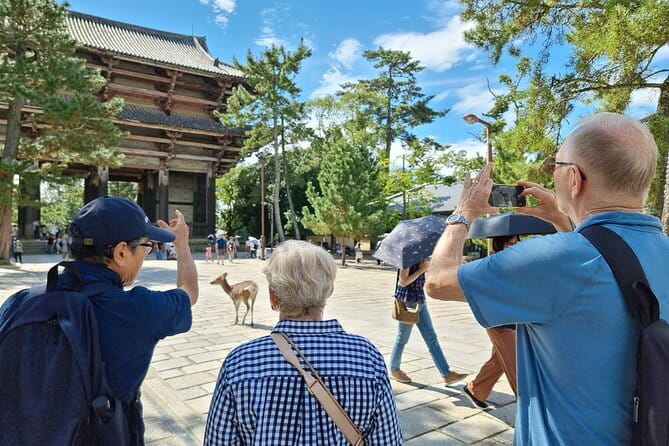
Harushika Brewery is the main sake stop. At this established Nara brewery, you taste several kinds of sake and compare their differences with help from the guide and brewery staff.
This comparison is the heart of the tour. Instead of ordering one drink and wondering what you like, you can notice how sake changes from one sample to the next. The explanations help turn tasting into something more than simply choosing the strongest drink.
The food pairing is especially local. You try Nara-zuke, a traditional pickle made with sake lees. The reviews refer to smoked pickle and smoked squash pickle, so the exact snack may vary, but the point is the same: sake production leaves behind lees that can be used in local food. That gives you a direct link between the drink and Nara’s kitchen.
Harushika is also a good place to slow down and ask questions. If you are new to sake, ask the guide to explain the terms in plain language. You do not need specialist vocabulary to enjoy the stop. The tour’s strength is that the guides make the subject approachable.
One practical note is important here. The detailed cost information says tasting fees and refreshments at breweries and bars are not included, even though the title describes the tasting fee as included. You should confirm the current arrangement before booking or be ready for extra payment. At $104.51 per person, the tour can still be fair value for a small group with guiding and local access, but the included amount needs to be clear.
A few more sake experiences around Japan worth a look
- 1-Day Snow Monkeys, Zenko-ji Temple & Sake in Nagano
★ 5.0 · 1,020 reviews - Nagano: Snow Monkeys, Zenkoji Temple & Sake Day Trip
★ 4.9 · 833 reviews - Kyoto: Insider Sake Brewery Tour with Sake and Food Pairing
★ 5.0 · 704 reviews - Ramen and Sushi Cooking Class with Sake Pairing Set in Tokyo
★ 5.0 · 291 reviews
Third stop: Ogawa Matabee Shoten in the old Naramachi area
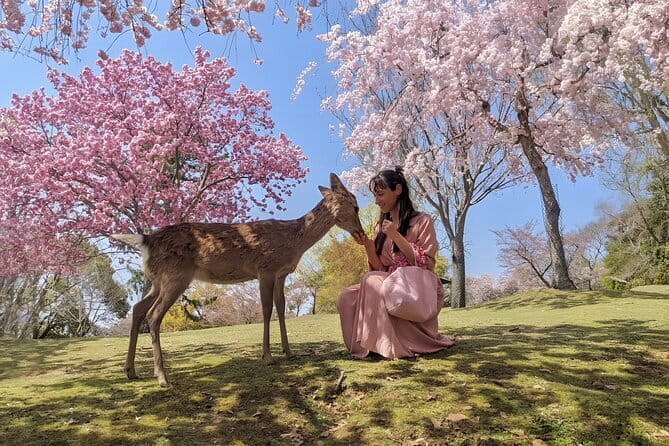
The final named stop is Ogawa Matabee Shoten’s Naramachi shop, established in the early Meiji Era. Here, you can relax with local sake, wine, or beer while Gangoji Temple provides the historic setting nearby.
This stop broadens the tour beyond sake. If you have had enough rice wine, you can choose another drink rather than forcing yourself to continue tasting. That flexibility is useful for mixed groups, especially when one person is curious about sake and another prefers beer or wine.
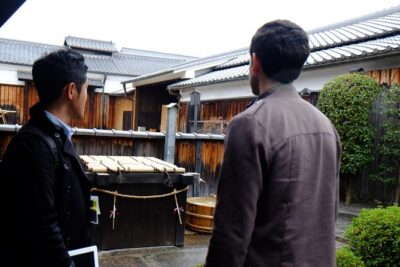
The setting also gives the guide room to talk about Nara’s older streets and local life. The outing has been praised for including more than bars and breweries, with references to old houses, antique shops, and traditional sweets shops along the way. The exact stops can depend on the day, but you should expect the guide to point out details that you might otherwise pass without noticing.
Gangoji adds a strong sense of place without requiring a separate temple visit. You are drinking in the same old-city setting that makes Naramachi appealing, rather than being taken to a generic tasting room.
The supplied route identifies three main stops, while the tour description also refers to four shops. That suggests the precise number of venues may vary. Ask the guide at the start what the day’s route includes if the number of stops matters to you.
What the guides add to the day
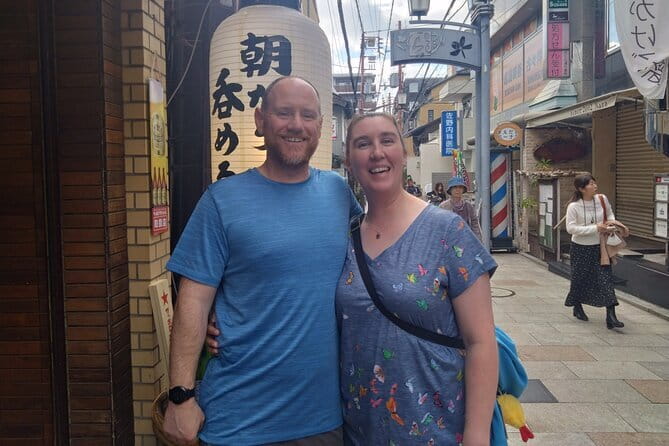
The guide is the main reason to choose this tour instead of simply visiting a brewery on your own. You receive explanations, but you also get a person who can help the afternoon feel natural.
Shinobu receives especially warm praise for being kind, engaging, fun, and well informed about sake and local culture. One account describes the guide making the day comfortable even when a participant had been injured shortly before the tour. Tam-san is also praised for her friendly manner, clear explanations, and ability to take people to very local places.
English ability is another strength. One account specifically praises the guide’s English, while several describe the explanations as clear and attentive. That does not mean every technical detail will be delivered like a professional sake course. It does mean you should have a helpful bridge between unfamiliar drinks, Japanese customs, and the people serving you.
The guides also appear to enjoy the social side of the work. That matters because sake is best understood through conversation. You can ask for recommendations, talk about food, and learn which drinks suit your taste instead of receiving a fixed speech and moving on.
The food makes the tasting more than a drink flight
Sake and food belong together, and this tour handles that pairing in a distinctly local way. Nara-zuke is not just a snack added to fill a plate. It shows how sake-making connects to preservation and everyday eating.
The smoked pickle mentioned in the tour feedback is a memorable detail. Pickles can be sharp, salty, earthy, or sweet, and those flavors can change how you notice sake. Even if you normally think of a tasting as a drink-only activity, the food gives your palate something to compare.
You may also encounter local snacks at the bars. The exact refreshments are not fully specified, so you should not book this as a complete lunch. Have something to eat before the 1 p.m. meeting, especially since the tour lasts through the afternoon and the listed stops are focused on drinks.
Price, group size, and the question of value
The listed price is $104.51 per person. That is not a bargain if you are only counting the liquid in your glass. It becomes more reasonable when you consider the guide, the small group, the local introductions, the brewery visit, and the time saved finding suitable bars yourself.
The value is strongest for first-time visitors to Nara or first-time sake drinkers. A guide can help you avoid ordering blindly, explain what makes the samples different, and connect the drink with Nara’s food and older neighborhoods. You are paying for access and context, not just alcohol.
The value is weaker if you already know Nara well, speak Japanese comfortably, and are happy choosing your own bars. In that case, you may prefer to spend the same money on drinks and food at your own pace.
Again, confirm the tasting arrangement. The headline says tasting fee included, but the detailed conditions say tasting and refreshment costs are not included. That is the one issue I would settle before paying. If samples are extra, ask how much additional money you should plan to carry.
Group discounts are available, though no discount amount is given. A mobile ticket is offered, and confirmation arrives at booking. Free cancellation is available up to 24 hours before the start time. Changes or cancellations inside that window are not accepted, and poor weather or failure to reach the minimum group size can lead to a new date or full refund.
Who should book this three-hour Nara outing?
I would recommend it to you if you want a social introduction to sake without spending a full day in a formal class. It suits couples, friends, solo visitors, and small groups who enjoy talking with a guide and trying local food.
It is especially useful after seeing Nara’s famous temples. You get a different view of the city, with bars, a brewery, Naramachi, and Gangoji shaping the afternoon. The experience also works well for people who want local contact but do not feel confident walking into small Japanese drinking places alone.
You should think twice if you dislike alcohol, need a fully seated tour, or want a precise food menu. The route focuses on tasting and conversation, and the number of venues or refreshments may vary.
Should you book the Nara sake tasting tour?
Book it if you want the human side of Nara: a standing bar, a brewery, sake-lees pickles, old streets, and a guide who knows the people behind the counter. Shinobu and Tam-san are strong names to request if guide choice is possible, though no guarantee is stated.
I would not book until you clarify the tasting fees. Once that point is settled, the tour offers a compact and personal way to understand Nara through its drinks and food. It is not a full sake course or a meal, but it is a well-shaped afternoon for curious drinkers who value local conversation over a checklist of sights.
FAQ
Where does the Nara sake tour start?
It starts at Kintetsu-Nara Station in Nara, Japan. The listed meeting address is in Nishimikadocho, near the station.
What time does the tour begin?
The tour begins at 1 p.m. and lasts approximately three hours.
Where does the tour finish?
It ends back at the same meeting point near Kintetsu-Nara Station.
How many people can join the tour?
The maximum group size is six people.
Are sake tastings included in the price?
The supplied details are inconsistent. The title says the tasting fee is included, while the detailed cost information says tastings and refreshments at breweries and bars are not included. Confirm this before booking.
What is the cancellation policy?
You can cancel up to 24 hours before the start time for a full refund. Cancellations or changes made less than 24 hours before the tour are not accepted for a refund. If poor weather or an insufficient number of bookings causes cancellation, you are offered another date or a full refund.
Just added around Japan
- Tokyo Sake Tasting Tour with a Sake Expert★ 5.0 · 7 reviews
- Wagyu BBQ & Sukiyaki with Sake Pairing Experience near Ginza★ 5.0 · 2 reviews
- Sake Tasting and Cherry Blossom Fun in Tokyo!★ 5.0 · 4 reviews
- Private Sake Tasting at 300 Years Old Sake Brewery in Tokyo★ 5.0 · 3 reviews
- Tokyo: Serene Sakura & Sake: An Exclusive Brewery Pairing Lunch★ 5.0 · 2 reviews
- Nagano: Snow Monkey and Zenkoji Temple Free Sake Taste Day Tour★ 4.5 · 8 reviews
- Sake Pairing Workshop with Japanese Food in Shinjuku★ 5.0 · 5 reviews
- Cherry blossom & Japanese Sake Tasting in Shinjuku★ 5.0 · 4 reviews
Sake Tasting, compared.
3-Hour Kyoto Insider Sake Brewery Tour with Tastings & Pairings
Read our review →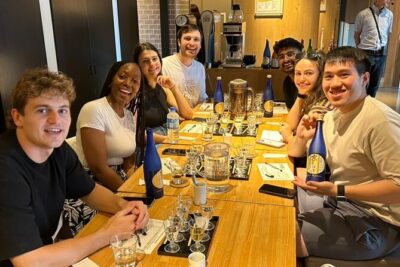
1.5-Hour Kyoto Insider Sake Experience with 7 Tastings & Pairings
Read our review →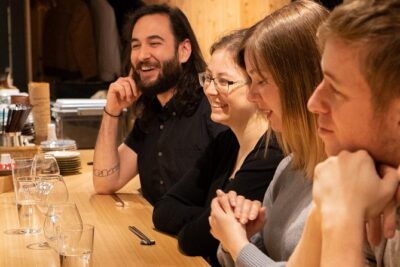
Sake Tasting Masterclass in Shinjuku (8+ Varieties with a Pro)
Read our review →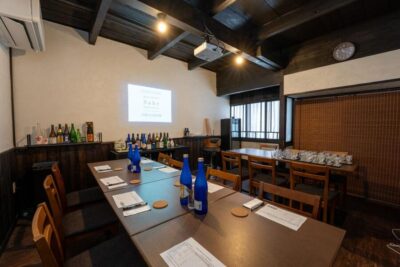
Insider Sake Experience with 7 Tastings and Snacks
Read our review →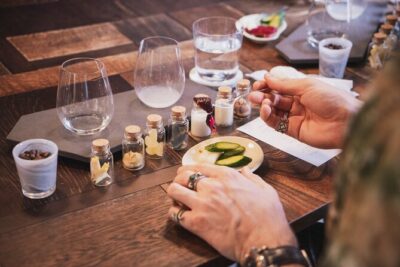
Sake Omakase in Tokyo: Guided Tasting by Certified Sommeliers
Read our review →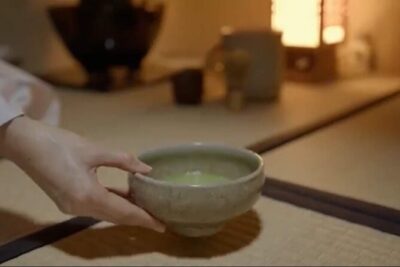
Private Tea Ceremony and Sake Tasting in Kyoto Samurai House
Read our review →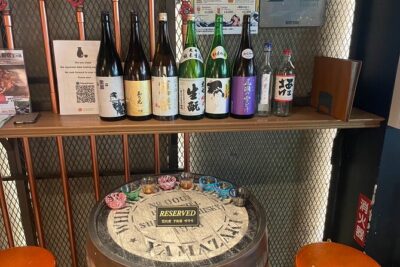
Casual Japanese SAKE tasting and snack experience in Kabukicho
Read our review →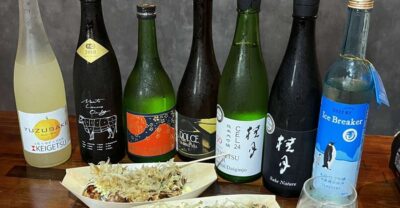
Browse the lists this tour appears in