
REVIEW · JAPAN
Experience Tasting Fukui’s Local Sake in Lacquered Glasses
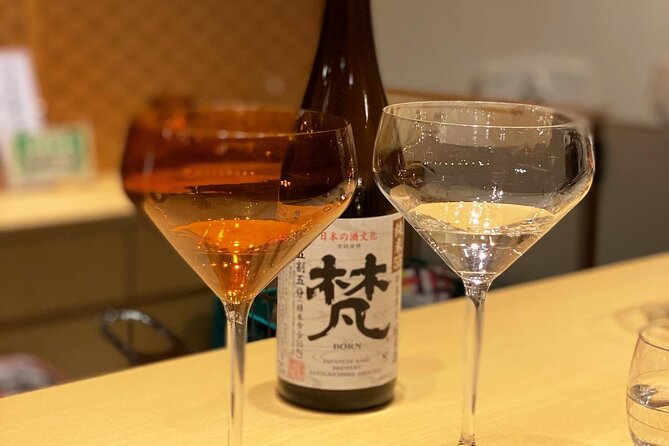
Sake tastes better with a local story. At Kubota Liquor Store in Sabae, you can sample Fukui sake in special lacquered glasses made to suit different styles of sake. I like the intimate setting and the chance to taste local bottles in the same shop that has served the area since 1914.
I also like the clear choice of three tasting plans: junmai, daiginjo, or a mix of both. The main consideration is the short format. At about one hour, this is a focused tasting rather than a full brewery visit, and an English guide costs an additional ¥20,000 per booking.
Key Points
- Taste Fukui sake at a liquor store founded in 1914, giving the visit a strong local connection.
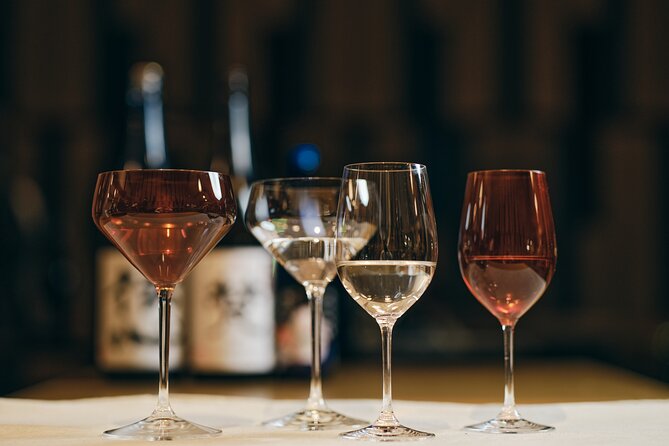
- Use purpose-made lacquered glasses with different shapes for junmai and daiginjo sake.
- Choose from three plans, including a hybrid option with four sake samples and two snacks.
- Pay about $19.51 per person for a private, one-hour tasting.
- Meet at 1-chōme-1-4 Asahimachi in Sabae, near public transportation.
- Book early if your schedule is fixed, since confirmation is subject to availability and the experience averages 32 days of advance booking.
A One-Hour Sake Stop in Sabae
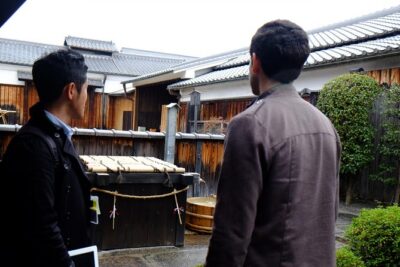
This tasting takes place at Kubota Liquor Store in Sabae, Fukui Prefecture. The shop was founded in 1914, known locally as Taisho 3, so you are not simply stepping into a generic tasting room. You are visiting a long-running local business that specializes in liquor and makes Fukui sake its main focus.
The meeting point is 1-chōme-1-4 Asahimachi, Sabae, Fukui 916-0025, Japan. The activity ends at the same place, which keeps the outing simple. You do not need to arrange a separate return transfer or wonder where the tasting finishes.
The entire visit lasts about one hour. I see that as a useful length for a stop between other plans in Fukui. It is long enough to compare sake styles, ask questions, and enjoy the snacks without taking over half your day. At the same time, you should not expect a long tour of the shop, a brewery production visit, or a full meal. The supplied details describe a tasting experience, not a behind-the-scenes brewing tour.
The activity is private, so only your group takes part. That can make the tasting feel more relaxed than a large shared session. It also gives you more control over the pace, although the available information does not specify the size of the private group or the language used during the tasting.
More Sake Tastings in Japan:
- 3-Hour Kyoto Insider Sake Brewery Tour with Tastings & Pairings
★ 5.0 · 917 reviews - Kyoto Sake Brewery & Tasting Walking Tour
★ 5.0 · 623 reviews - 1.5-Hour Kyoto Insider Sake Experience with 7 Tastings & Pairings
★ 5.0 · 297 reviews
The Lacquered Glasses Are the Main Attraction
The most unusual part of this experience is the glassware. You taste the sake in specially made lacquered glasses designed for drinking sake. That matters because the shape of a glass changes how aroma reaches your nose and how the drink feels as you sip it.
The junmai glass has a wide opening. This shape lets you take in the full flavor of junmai sake, which is often appreciated for its direct, substantial character. The wide rim gives the drink room to open up, so you can pay attention to its taste instead of treating it like a quick shot.
The daiginjo glass has a slightly narrower opening. It is designed to hold the aroma inside the glass, and its deeper shape is part of the design. Daiginjo is often valued for its fragrant qualities, so the narrower opening encourages you to notice the scent before and during the sip.
You do not need to arrive as a sake expert to benefit from this comparison. The two glasses give you a practical way to notice that sake is not only about the liquid in the bottle. The vessel changes the tasting experience, too.
I particularly like this feature because it gives the hour a clear purpose. You are not merely sampling several drinks at random. You are comparing local sake while also seeing how the glass shape fits the style. For a first sake tasting, that is a useful lesson in a small package.
Choosing Between Junmai, Daiginjo, and the Hybrid Plan
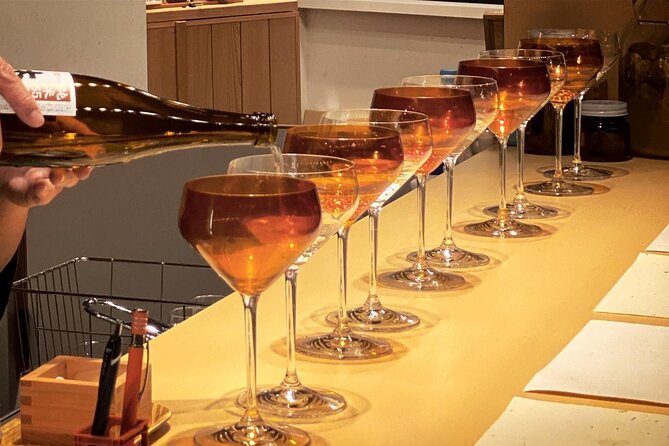
You have three plans to choose from. The junmai plan includes two glasses of sake and one snack. The daiginjo plan also includes two glasses of sake and one snack. The hybrid plan comes with four glasses of sake and two snack items.
The junmai plan is a good pick if you want to focus on one style and keep the tasting straightforward. Its wide-opening glass is part of the experience, and two glasses give you enough time to compare the samples rather than rushing through one small pour.
The daiginjo plan suits you if aroma is the reason you want to try sake. The narrower glass and deeper shape are intended to trap fragrance, so this choice gives you a more focused look at the aromatic side of Fukui sake.
The hybrid plan is the strongest choice for comparison. You receive four glasses rather than two, along with two snacks, so you can sample both junmai and daiginjo styles. At $19.51 per person for the experience as listed, the hybrid plan may offer the best value if its price remains close to the other options. Still, check the exact plan price before booking, since the supplied information gives one overall price but does not break down each plan separately.
A snack comes with each of the single-style plans, while the hybrid plan includes two. The exact snacks are not specified, so you should treat them as a small food pairing rather than a guaranteed meal. They may help reset your palate between samples, but you should eat beforehand if you expect to be hungry.
Why Fukui Sake Makes This More Than a Generic Tasting
The point of the activity is local sake from Fukui. That gives the tasting a clear sense of place, even though no particular breweries or bottle names are provided. You are sampling products connected to the prefecture while visiting a shop in Sabae, rather than tasting a broad selection with no local link.
Kubota Liquor Store’s age adds another layer. Founded in 1914, it has been part of the area for more than a century. The store’s long operation does not automatically make every bottle better, of course, but it does make the setting more meaningful. You are buying and tasting sake through a local business with an established connection to the community.
The activity also suits people who want to buy a bottle after tasting. The description identifies Kubota Liquor Store as the first place to visit if you want to buy Fukui local sake in Sabae. The tasting can therefore help you decide what kind of sake you prefer before spending more on a bottle.
I would not assume that every bottle sampled will be available for purchase, since that is not stated. But the location makes browsing local sake a natural part of the visit. If you are collecting regional food and drink experiences, this is more useful than a tasting held far from the shop’s own shelves.
A few more sake experiences around Japan worth a look
- 1-Day Snow Monkeys, Zenko-ji Temple & Sake in Nagano
★ 5.0 · 1,020 reviews - Nagano: Snow Monkeys, Zenkoji Temple & Sake Day Trip
★ 4.9 · 833 reviews - Kyoto: Insider Sake Brewery Tour with Sake and Food Pairing
★ 5.0 · 704 reviews - Ramen and Sushi Cooking Class with Sake Pairing Set in Tokyo
★ 5.0 · 291 reviews
What the Hour Is Likely to Feel Like
Your visit begins at the Sabae meeting point. Since the activity ends there as well, the arrangement is easy to fit into a day of sightseeing or shopping in the area. The experience is near public transportation, which helps if you are not driving.
Once the tasting begins, you choose or follow the plan selected at booking. The single-style options give you two sake glasses and one snack. The hybrid plan gives you four glasses and two snacks. The lacquered glass style changes depending on whether you are tasting junmai or daiginjo, so the glass itself becomes part of the comparison.
The available details do not provide a minute-by-minute schedule or name a guide. Do not expect a specified lecture in English unless you arrange the optional English guide. That guide costs ¥20,000 per booking, not per person, and is not included in the listed price.
The activity is private, which is helpful if you want to taste with your own companions. It can also be a better choice for people who feel shy about asking basic questions in a shared group. However, because the English guide is an extra charge, you should confirm how communication will work if no member of your group speaks Japanese.
Is $19.51 Good Value?
At about $19.51 per person, the price is reasonable for a short private tasting that includes alcohol, snacks, and specially made lacquered glasses. You are paying for more than a few sips. The fee also covers the setting, the local focus, and the chance to compare glass shapes made for different sake styles.
The value is strongest if you choose the hybrid plan and want to compare junmai with daiginjo. Four glasses and two snacks give you more tasting material within the same one-hour visit. If you already know that you only like one style, one of the two-glass plans may be enough.
The additional English guide fee changes the calculation. ¥20,000 per booking is a sizable extra cost compared with the base tasting price, especially for a small group. If clear English explanation is important to you, ask about the guide before confirming. If your group can manage without that service, the basic price is much easier to justify.
I would also keep the short duration in mind. This is good value as a compact local activity, but not if you are expecting a half-day food tour. Its strength is focus, not length.
Who Will Enjoy This Most
I would recommend this tasting to anyone already interested in sake, especially if you enjoy comparing styles rather than simply drinking a single glass. The different lacquered glasses give you something concrete to notice, and the three plans make it easy to choose the level of sampling you want.
It also works well for visitors who prefer small, private activities. Only your group takes part, and the experience returns you to the same meeting point. That makes it less complicated than an outing with several stops.
The hybrid plan is especially suitable for couples, friends, or families with adults who want a side-by-side comparison. You receive four glasses and two snacks, which gives the hour more substance. Remember that the activity includes alcohol, so it is not designed for children or anyone avoiding alcoholic drinks.
I would be more cautious if you want a brewery tour, a full explanation of sake production, or an elaborate meal. None of those elements is promised. You should also think carefully about language if you need detailed English instruction, since the English guide is optional and costs extra.
Practical Details Before You Book
Confirmation arrives within 48 hours, subject to availability. Since the experience is booked an average of 32 days in advance, I would not leave it until the last minute if you have a fixed day in Sabae.
The ticket is mobile, so you can use a digital booking confirmation rather than collecting a paper ticket. Keep the confirmation available on your phone when you arrive.
Free cancellation is available if you cancel at least 24 hours before the start time. If you cancel later, you will not receive a refund, and changes made within that 24-hour window are not accepted. Cut-off times use local time in Japan, so check the clock carefully if you are changing plans from another time zone.
The policy also says the activity requires good weather and a minimum number of participants. If poor weather causes cancellation, you can receive a different date or a full refund. If the minimum is not met, you can be offered another date or experience, or receive a full refund.
The weather condition is worth noting because this is a shop-based tasting and the reason for that requirement is not explained. I would simply keep the policy in mind rather than assume the activity runs in every condition.
Should You Book This Sake Tasting?
Book it if you want a short, local sake experience with a clear point of difference. The 1914 liquor store setting, Fukui focus, private format, and purpose-made lacquered glasses give the hour more character than a standard bar tasting.
Choose the hybrid plan if you want the fullest comparison. Pick junmai or daiginjo if you already know which style interests you most. The base price is fair for the drinks and snacks, but consider the extra ¥20,000 carefully if you need an English guide.
I would skip it if you are searching for a long brewery visit, a large meal, or a detailed English-led class at no extra cost. For a compact introduction to Fukui sake in Sabae, though, this is a thoughtful and good-value stop.
FAQ
Where does the sake tasting take place?
It takes place at Kubota Liquor Store, 1-chōme-1-4 Asahimachi, Sabae, Fukui 916-0025, Japan.
How long does the experience last?
The tasting lasts approximately one hour.
How much does the experience cost?
The listed price is $19.51 per person.
What sake plans are available?
You can choose a junmai plan, a daiginjo plan, or a hybrid plan featuring both styles.
What does the junmai plan include?
The junmai plan includes two glasses of sake and one snack.
What does the daiginjo plan include?
The daiginjo plan includes two glasses of sake and one snack.
What does the hybrid plan include?
The hybrid plan includes four glasses of sake and two snack items.
Is an English guide included?
No. An English guide is available for an additional ¥20,000 per booking.
Can I cancel for a refund?
Yes. You can cancel for a full refund up to 24 hours before the experience start time. Late cancellations and changes are not accepted, and poor weather or failure to meet the minimum number of participants may result in a different date or a full refund.
Just added around Japan
- Tokyo Sake Tasting Tour with a Sake Expert★ 5.0 · 7 reviews
- Wagyu BBQ & Sukiyaki with Sake Pairing Experience near Ginza★ 5.0 · 2 reviews
- Private Sake Tasting at 300 Years Old Sake Brewery in Tokyo★ 5.0 · 3 reviews
- Tokyo: Serene Sakura & Sake: An Exclusive Brewery Pairing Lunch★ 5.0 · 2 reviews
- Sake Tasting and Cherry Blossom Fun in Tokyo!★ 5.0 · 4 reviews
- Nagano: Snow Monkey and Zenkoji Temple Free Sake Taste Day Tour★ 4.5 · 8 reviews
- Sake Pairing Workshop with Japanese Food in Shinjuku★ 5.0 · 5 reviews
- Cherry blossom & Japanese Sake Tasting in Shinjuku★ 5.0 · 4 reviews
Sake Tasting, compared.
3-Hour Kyoto Insider Sake Brewery Tour with Tastings & Pairings
Read our review →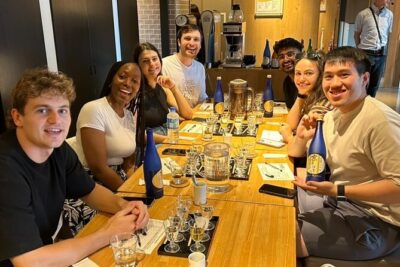
1.5-Hour Kyoto Insider Sake Experience with 7 Tastings & Pairings
Read our review →
Sake Tasting Masterclass in Shinjuku (8+ Varieties with a Pro)
Read our review →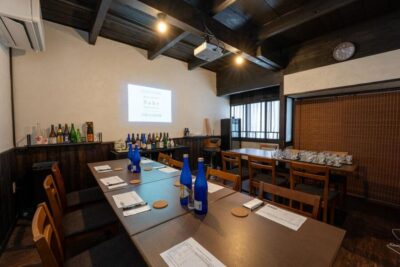
Insider Sake Experience with 7 Tastings and Snacks
Read our review →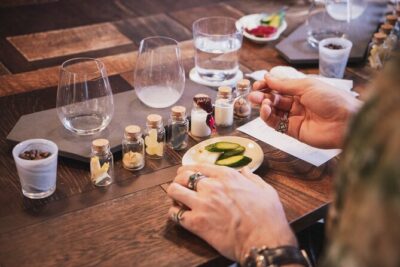
Sake Omakase in Tokyo: Guided Tasting by Certified Sommeliers
Read our review →
Private Tea Ceremony and Sake Tasting in Kyoto Samurai House
Read our review →
Casual Japanese SAKE tasting and snack experience in Kabukicho
Read our review →
Browse the lists this tour appears in