
REVIEW · TOKYO
Experience a western twist on Japanese sake snacks
Small bites, big Japanese flavor. This private tasting at Shinbashi Tamakiya offers a close look at tsukudani, seafood preserved in a sweet-savory sauce since the Edo period. I like the personal format, which gives you room to ask questions, and I like the unusual pairings with sake or wine rather than treating tsukudani as only a rice topping.
The teacher’s warm, welcoming manner is a major strength, and the tasting moves beyond the traditional serving style into rice, furikake, pasta, and nuts. The main consideration is that 90 minutes is a short window, so this suits curious eaters seeking a focused introduction, not a full meal or a broad tour of Japanese cuisine.
Key points at a glance
- Established in 1782: Taste tsukudani at Shinbashi Tamakiya, one of Tokyo’s oldest shops devoted to this preserved seafood tradition.
- Three signature tsukudani samples: Learn about the shop’s secret sauce before trying several traditional examples.
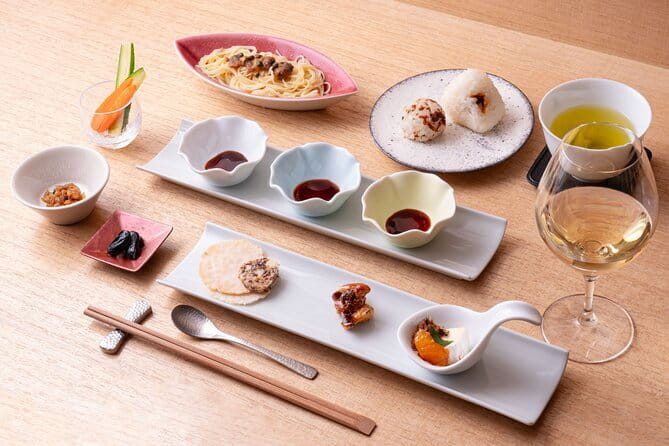
- Japanese and Western pairings: Compare tsukudani with sake or wine, then see how it works with pasta, nuts, rice, and furikake.
- Private 90-minute format: Your group has the teacher’s full attention, with morning and afternoon start options.
- Brunch included: The experience includes snacks, rice preparations, and alcoholic beverages, though personal extras cost more.
- A strong introduction for first-timers: The teaching is clear, friendly, and designed to make an unfamiliar food approachable.
Why tsukudani makes an interesting Tokyo tasting
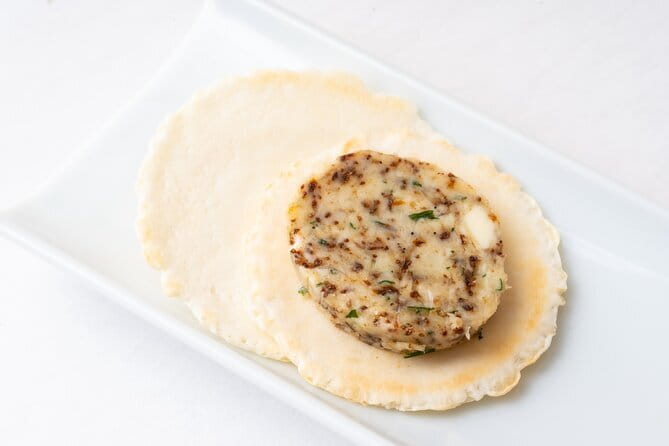
Tsukudani is a traditional Japanese preserved food, often made with seafood cooked in a concentrated sauce. It has been part of Japanese food culture since the Edo period, giving you a taste of an everyday tradition rather than a restaurant dish created only for visitors.
The flavor is built around the shop’s secret sauce. That makes the tasting useful for understanding how preservation, seasoning, and small portions fit into Japanese meals. You are not simply handed a plate and left to guess what you are eating.
At Shinbashi Tamakiya, the teacher explains the shop’s background and the role of tsukudani before guiding you through the tasting. The result is more personal than a standard food sample at a market counter. You can ask about the ingredients, the sauce, and the different ways to serve each preparation.
I would not describe tsukudani as a safe choice for every palate. Preserved seafood can have a strong, concentrated taste, and the point of the food is intensity in a small portion. The tasting format helps because you try several versions rather than committing to a full dish.
A few more sake experiences around Tokyo worth a look
- Ramen and Sushi Cooking Class with Sake Pairing Set in Tokyo
★ 5.0 · 291 reviews - Sake Tasting Masterclass in Shinjuku (8+ Varieties with a Pro)
★ 5.0 · 271 reviews - Sake Omakase in Tokyo: Guided Tasting by Certified Sommeliers
★ 5.0 · 239 reviews
Entering Shinbashi Tamakiya, established in 1782
The meeting point is Shinbashi Tamakiya at 4-chome 25 in Shinbashi, Minato City, Tokyo. The shop is near public transportation, and the tasting ends at the same place, so you do not need to arrange a separate return transfer.
The shop’s founding date, 1782, gives the visit real context. You are tasting food from a business with roots reaching back to the Edo period, not sampling an invented souvenir snack. The age of the shop also helps explain why the secret sauce and preparation methods matter so much.
The setting is part of the appeal, but do not expect a long walking tour or a museum visit. This is a seated food experience centered on explanation and tasting. If you have limited time in Tokyo, that focused format can work well between other plans in Shinbashi.
A mobile ticket keeps arrival simple. Confirmation is sent within 48 hours of booking, subject to availability, so check for that confirmation before building the rest of your schedule around the tasting.
The opening lesson: from Edo food to modern table
The first part introduces the history of tsukudani and Shinbashi Tamakiya. You learn how the food has been arranged as part of Japanese home cooking and why it remains connected to the idea of soul food in Japan.
That background changes how you taste the samples. Without it, preserved seafood may seem like a strong condiment. With it, you can understand tsukudani as a practical, traditional food designed to be enjoyed in small amounts alongside other foods.
The teacher also presents the shop’s secret sauce. This is one of the more distinctive parts of the visit because you are not only sampling finished products. You are paying attention to the flavor base that ties the different versions together.
The teaching is especially helpful if you are unfamiliar with Japanese preserved foods. The tone is warm and informative, making the tasting feel welcoming rather than formal. The strongest praise for this experience focuses on the teacher’s ability to explain the food clearly and create a friendly atmosphere.
Three signature tsukudani and the art of small portions
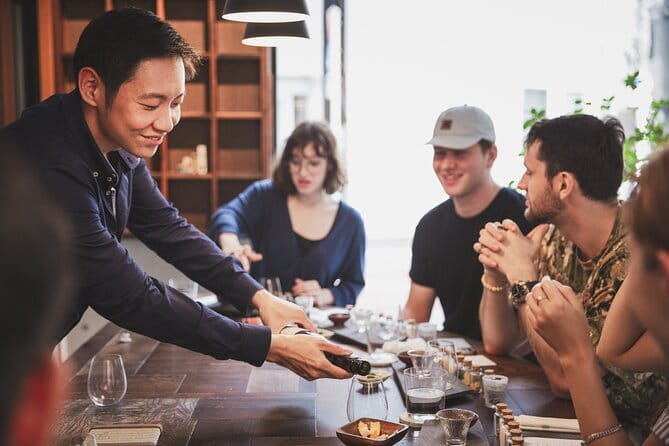
You then taste three signature tsukudani preparations. The exact seafood varieties are not specified, so it is best not to arrive expecting a particular fish or shellfish. What you can count on is a comparison of traditional examples made with the shop’s characteristic sauce.
Three samples give you enough range to notice differences in texture and seasoning. Tsukudani is usually served in modest portions because the flavor is concentrated. That small scale is not a weakness. It is part of how the food is meant to work with rice, drinks, or other ingredients.
This portion of the experience is likely to appeal to anyone who enjoys trying a food in its classic form before seeing it adapted. You can form your own opinion about the original style before moving on to the more surprising combinations.
If you prefer mild flavors or dislike seafood, this may be the point where the experience feels less comfortable. The tasting is built around tsukudani, not a substitute menu. The private setting helps, since you can ask questions and take the samples at your own pace, but it does not change the central ingredient.
Same place, a different pour:
- Tasting All Types of Sake with Sommelier
★ 5.0 · 151 reviews - Wagyu & Sake Pairing in Shinjuku – Steak, Shabu-Shabu & More
★ 5.0 · 112 reviews - Tokyo Wagyu & Sake Pairing Tasting Experience with Local Flavors
★ 5.0 · 108 reviews - Tsukiji: Outer Market Walking Tour & Sake Tasting Experience
★ 4.9 · 81 reviews
Rice, furikake, and the everyday Japanese connection
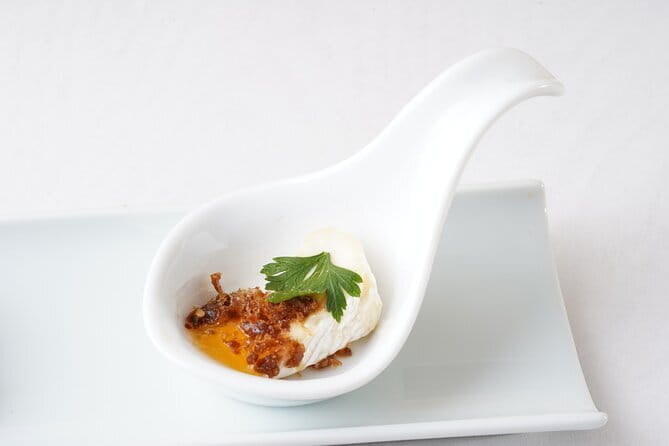
After the signature samples, you taste rice with tsukudani and furikake seasonings. This is an important step because it shows how the preserved seafood fits into a normal meal.
Rice softens and spreads the strong flavor, while furikake adds another layer of seasoning. You get to compare tsukudani as a stand-alone bite with tsukudani used in the way many people would actually eat it.
I like this part because it makes the tradition easier to understand. Food history can seem distant when it is presented only as a story. Pairing the topping with rice gives you a practical sense of its purpose.
The inclusion of brunch also adds value to the tasting. At $36.24 per person, you are paying for more than a few samples and a short explanation. You receive the food, the teacher’s attention, the shop context, rice preparations, and alcoholic pairings within a private 90-minute visit.
Still, the price is not a bargain if you are looking only for a filling meal. The portion size is designed for tasting, and other personal expenses are not included. I would treat the price as payment for a guided food lesson with brunch elements, not as a replacement for lunch or dinner.
The western twist: pasta, nuts, wine, and sake
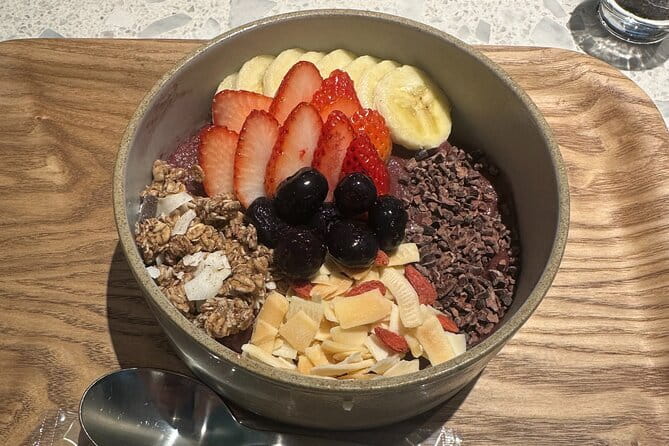
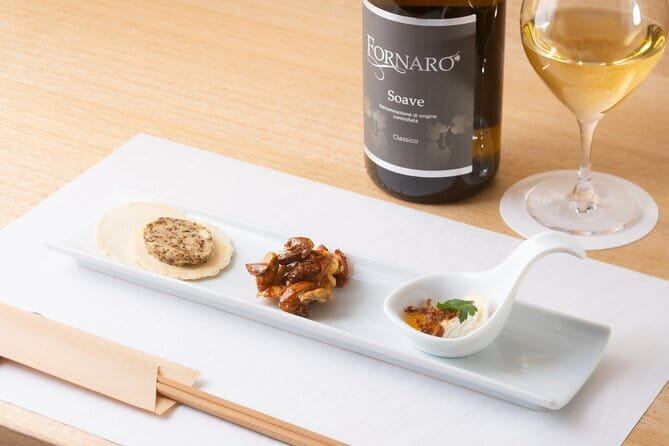
The modern section tests tsukudani with ingredients such as pasta and nuts. This is where the experience earns its western twist.
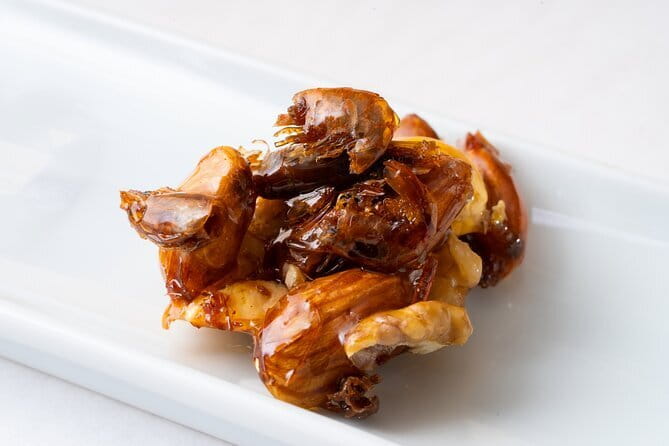
Pasta gives you a familiar base for an unfamiliar flavor. Nuts bring texture and another savory note. These combinations show that tsukudani is not limited to the traditional rice bowl, and they give you ideas for how the food might be used outside a strictly Japanese meal.
You also taste the preserved seafood with wine or sake. Both choices frame the food differently, so the pairing is more than a drink added to the table. Sake keeps the experience close to Japanese dining traditions, while wine offers a western comparison.
The available information does not specify which wine or sake is served, so you should view the pairing as a guided tasting rather than a formal beverage class. Alcoholic beverages are included, but the experience does not promise a long list of labels or a detailed study of brewing and winemaking.
This part suits you if you enjoy food that crosses categories. It may be less appealing if you want only an old-fashioned Japanese meal. The modern combinations are there to expand the discussion, not to replace the traditional tsukudani.
A private tasting with useful breathing room
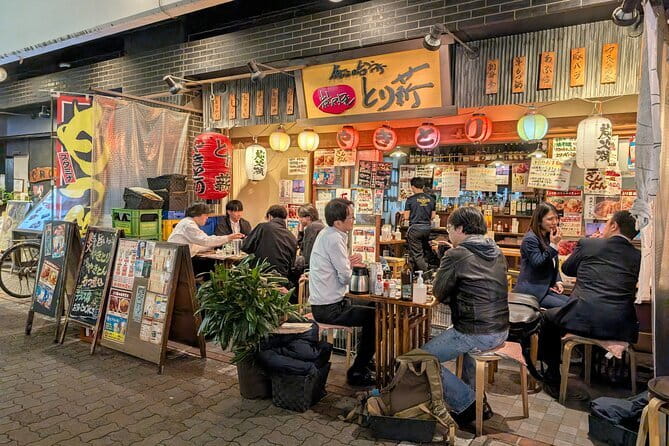
The private format is one of the best reasons to choose this experience. Only your group participates, so you can ask about the shop, the sauce, the ingredients, and the suggested pairings without competing with a large class.
Private does not mean lavish or lengthy. The activity lasts about one hour and 30 minutes, which gives the teacher enough time to explain the food and serve the tasting without turning the visit into an all-day event.
I would choose a morning start if you want to fit the tasting around afternoon sightseeing. The afternoon option works well if you prefer to begin the day with a regular breakfast and use the experience as a small brunch or early food stop.
Because start times are offered in both morning and afternoon, you have some control over the day. The activity ends back at the shop, so you can continue exploring Shinbashi or use nearby public transportation afterward.
The private arrangement also makes this a good choice for a couple, a family with food-curious older children, or a small group that enjoys asking questions. Most people can participate, and service animals are allowed. The food itself remains the key issue, so consider your comfort with seafood and alcohol before booking.
How the teacher shapes the experience
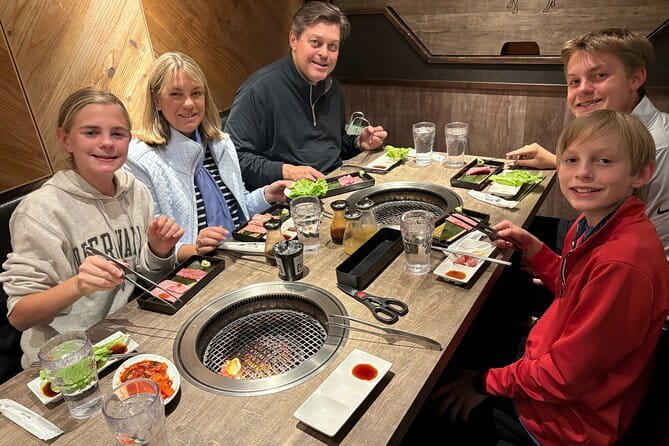
The teacher is not just there to deliver samples. The best part of this visit is the connection between explanation and tasting.
You learn the shop’s story, hear about the long place of tsukudani in Japanese food culture, and then taste the food in several forms. That order gives each sample a purpose. You know what to look for rather than simply trying one salty bite after another.
The teaching is also described as welcoming and informative. That matters in a private activity, where an awkward or rushed presentation would be hard to ignore. Here, the personal contact is a central part of the value.
No guide name is provided, so you should not expect to book a specific named instructor. The provider is Shinbashi Tamakiya, and the experience is presented as a shop-led tasting rather than a large agency tour.
Who should book this tsukudani tasting?
I would recommend it most strongly to you if you enjoy food history, Japanese home-style flavors, and small producers with long local roots. It is also a good pick if you want an experience that feels more specific than a general cooking class or market visit.
It fits well into a Tokyo itinerary because the commitment is short. A 90-minute private tasting can sit neatly between sightseeing plans, especially if you are already spending time near Shinbashi.
You may also appreciate it if you want to try Japanese food with a teacher beside you. The tasting gives you a way to ask what you are eating and how to serve it, rather than guessing from a package label.
I would hesitate to recommend it if you want a large meal, dislike preserved seafood, or prefer a broad survey of Japanese cuisine. The entire experience revolves around tsukudani. The pasta, nuts, rice, and drinks add variety, but they do not change the main subject.
Practical value at $36.24 per person
At $36.24, the price is fair for a private tasting that includes all tsukudani samples, brunch, snacks, and alcoholic beverages. The historic shop setting and one-on-one teaching add value that you would not receive from buying a jar of tsukudani on your own.
The price becomes especially reasonable for a small group that values private activities. You are not paying for transportation, a long route, or a large attraction ticket. You are paying for a focused food experience with personal attention.
Keep your expectations in check. This is not an unlimited tasting, and extra personal purchases are not included. You may want to buy tsukudani or other items separately, but those costs fall outside the listed price.
The activity is booked, on average, 59 days ahead. That suggests you should plan early if your Tokyo dates are fixed, particularly because confirmation remains subject to availability.
Free cancellation is available up to 24 hours before the start time for a full refund. Changes or cancellations made less than 24 hours before the start are not accepted for a refund, and the cut-off follows local Tokyo time.
Should you book Shinbashi Tamakiya?
Book it if you want a compact, private introduction to a distinctly Japanese food tradition. The combination of an Edo-period shop, three signature tsukudani, rice and furikake, western-style pairings, and sake or wine gives the 90 minutes a clear purpose.
I especially like this experience for curious eaters who want context with their food. The warm teaching, private format, and chance to try both traditional and modern versions make it more useful than a quick snack stop.
Skip it if your priority is a full meal, a famous sightseeing landmark, or a wide-ranging Japanese food tour. For everyone else, especially those willing to try concentrated seafood flavors, $36.24 buys a thoughtful and unusual Tokyo food lesson.
FAQ
Where does the tsukudani tasting take place?
It takes place at Shinbashi Tamakiya, at 4-chōme 25 in Shinbashi, Minato City, Tokyo, Japan, 105-0004.
How long does the experience last?
The tasting lasts approximately one hour and 30 minutes.
Is the activity private?
Yes. Only your group participates in the activity.
What food is included?
The experience includes tsukudani tastings, brunch, and snacks. You also taste rice with tsukudani and furikake seasonings, along with modern combinations involving pasta and nuts.
Are drinks included?
Yes. Alcoholic beverages are included, with a choice of wine or sake pairings.
Are morning and afternoon times available?
Yes. You can choose between morning and afternoon tasting times, subject to availability.
What is the price?
The listed price is $36.24 per person.
Is public transportation nearby?
Yes. The meeting point is near public transportation.
Are service animals allowed?
Yes. Service animals are allowed.
Can I cancel for a full refund?
Yes. You can cancel at least 24 hours before the local start time for a full refund. Cancellations or changes made less than 24 hours before the start time are not refunded or accepted.
When will I receive booking confirmation?
Confirmation is sent within 48 hours of booking, subject to availability.
Just added around Tokyo
- Wagyu BBQ & Sukiyaki with Sake Pairing Experience near Ginza★ 5.0 · 2 reviews
- Tokyo Sake Tasting Tour with a Sake Expert★ 5.0 · 7 reviews
- Sake Tasting and Cherry Blossom Fun in Tokyo!★ 5.0 · 4 reviews
- Private Sake Tasting at 300 Years Old Sake Brewery in Tokyo★ 5.0 · 3 reviews
- Tokyo: Serene Sakura & Sake: An Exclusive Brewery Pairing Lunch★ 5.0 · 2 reviews
- Nagano: Snow Monkey and Zenkoji Temple Free Sake Taste Day Tour★ 4.5 · 8 reviews
- Sake Pairing Workshop with Japanese Food in Shinjuku★ 5.0 · 5 reviews
- Cherry blossom & Japanese Sake Tasting in Shinjuku★ 5.0 · 4 reviews
Tokyo Sake Tours, compared.
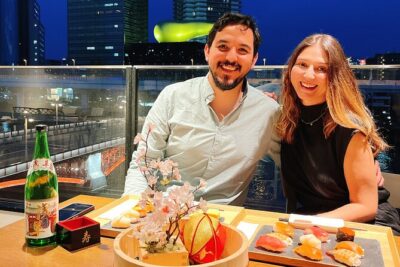
Ramen and Sushi Cooking Class with Sake Pairing Set in Tokyo
Read our review →
Sake Tasting Masterclass in Shinjuku (8+ Varieties with a Pro)
Read our review →
Sake Omakase in Tokyo: Guided Tasting by Certified Sommeliers
Read our review →
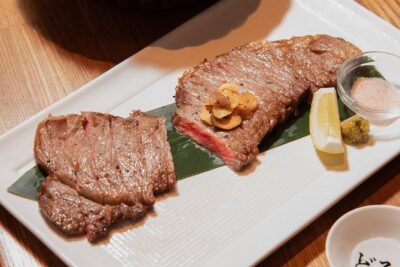
Wagyu & Sake Pairing in Shinjuku – Steak, Shabu-Shabu & More
Read our review →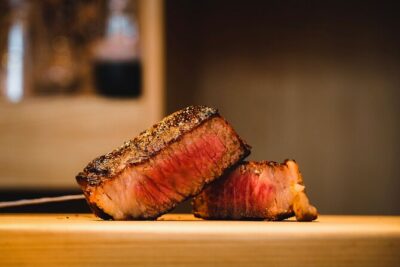
Tokyo Wagyu & Sake Pairing Tasting Experience with Local Flavors
Read our review →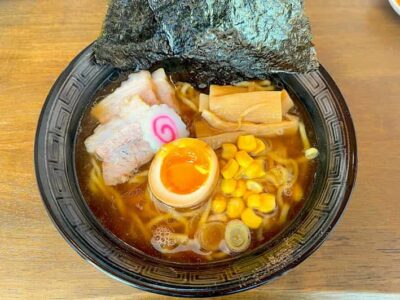
Sushi and Ramen Cooking Class with Sake Pairing Set
Read our review →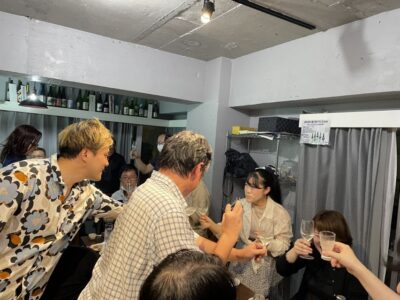
Outer Market Walking Tour & Sake Tasting Experience
Read our review →Browse the lists this tour appears in