
REVIEW · JAPAN
A pairing experience in Sapporo where you can enjoy tempura and 3 kinds of Hokkaido-only sake, along with a soba-noodle making experience!
Fresh soba tastes best when you make it yourself. This Sapporo activity takes place inside a working hand-made soba restaurant, where you mix buckwheat flour, form the dough, stretch it, cut it, and eat the noodles soon after they are boiled. I like the direct connection to everyday Japanese food culture, and I like that the meal adds seasonal Hokkaido tempura plus three local sakes, served at different temperatures. The main drawback is the limited English support, so you should be comfortable learning through demonstrations, gestures, and simple explanations.
I also like the small private format. You are close to the soba chef instead of being part of a large class, and the whole session lasts about 1 hour and 15 minutes. At $123.79 per person, this is not a cheap lunch, but it combines instruction, a full meal, tempura, and sake tasting in one sitting. It suits adults who value a hands-on food lesson more than a quick restaurant meal.
Key points at a glance
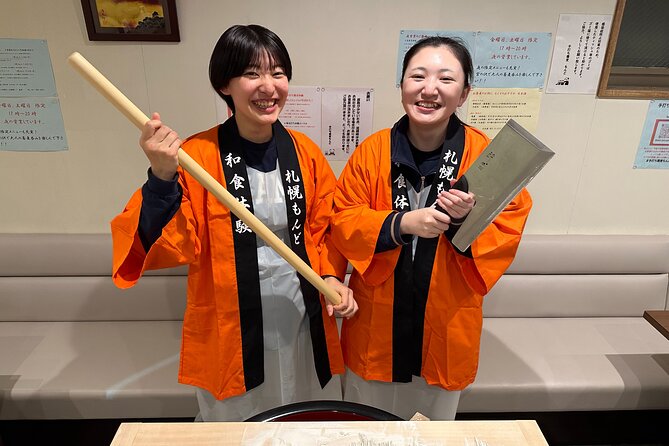
- A real working soba restaurant: You learn in a restaurant that normally makes and serves soba, not in a purpose-built tourist classroom.
- The full noodle process: You mix the buckwheat flour, bring the dough together, stretch it, cut it, and see it boiled.
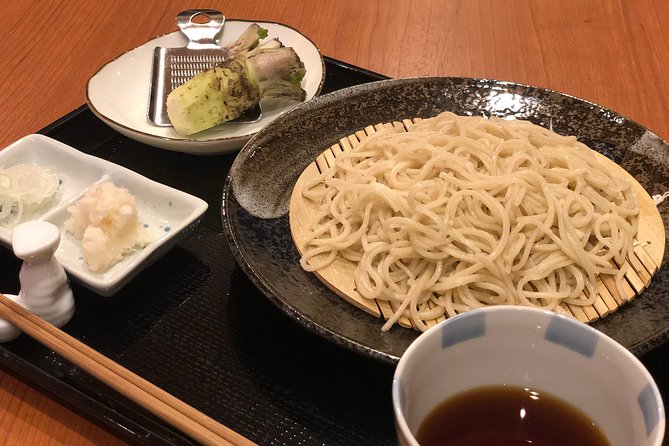
- Fresh noodles at their best: Your soba is served soon after preparation, with warm broth and tenkasu available as Japanese-style accompaniments.
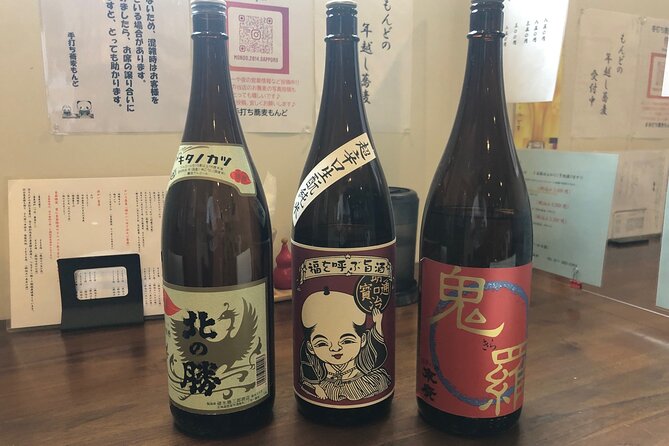
- Three Hokkaido sakes: Two are served cold and one warm, allowing you to compare how temperature changes aroma and taste.
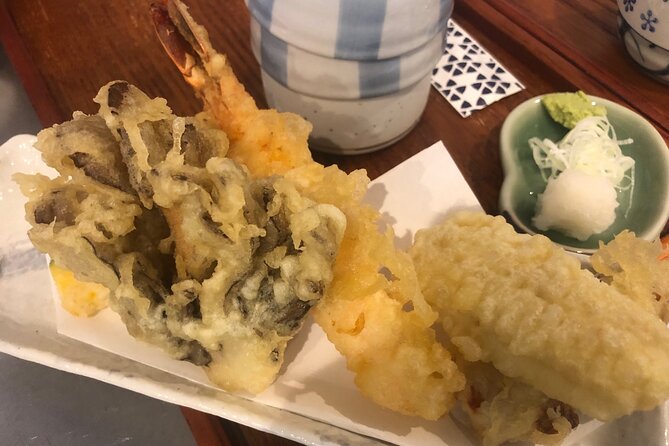
- Chef-made seasonal tempura: A Japanese chef prepares the tempura, using ingredients from Hokkaido when available.
- Small private groups: Only your own group takes part, creating a calmer setting and closer contact with the instructors.
Why this Sapporo food lesson feels different
Many Japanese cooking classes focus on a finished dish and give you a tidy portion of each task. This one gives you the complete soba process. That matters because soba is not simply flour mixed with water and cut into strips. The dough must be brought together, stretched evenly, and sliced with care.
You will work with buckwheat flour from the first stage. Then you will form the dough, stretch it, and cut it into noodles. The sequence shows why soba making takes practice. Small differences in pressure and thickness affect the noodles you eventually eat.
The setting adds another useful layer. This is a working hand-made soba restaurant that remains open for ordinary business, rather than a classroom created only for sightseeing. You get a look at soba as Japanese people commonly order and eat it. The restaurant has been loved in Hokkaido for many years, and the setting keeps the activity tied to local food rather than turning it into a staged performance.
I would not expect a long lecture on Japanese history or an elaborate show. The appeal is more direct: flour, hands, knife work, boiling water, and a bowl of noodles you helped prepare.
More Sake and Food Pairings in Japan:
- 3-Hour Kyoto Insider Sake Brewery Tour with Tastings & Pairings
★ 5.0 · 917 reviews - Kyoto: Insider Sake Brewery Tour with Sake and Food Pairing
★ 5.0 · 704 reviews - 1.5-Hour Kyoto Insider Sake Experience with 7 Tastings & Pairings
★ 5.0 · 297 reviews
Starting at Hassamu 6 Jō
The meeting point is 9-chōme-17-28 Hassamu 6 Jō, in Nishi Ward, Sapporo, Hokkaido 063-0826. The activity ends at the same place, so you do not need to arrange a separate return transfer.
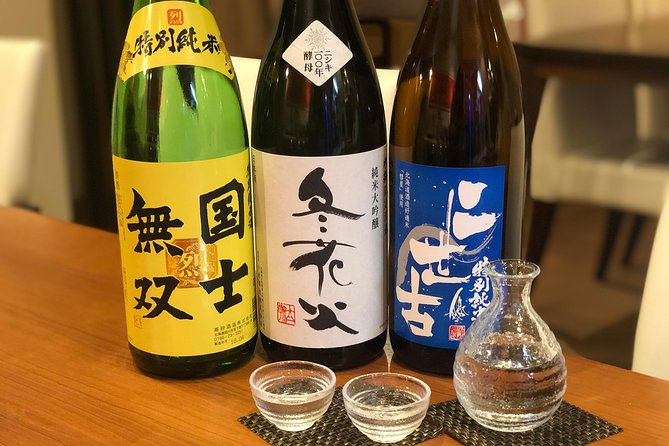
Public transportation is nearby, but plan your route before leaving central Sapporo. One detailed account described the restaurant as being at the end of the orange line and taking about 40 minutes by subway. Since the exact travel time depends on where you start and the current service, allow enough time to arrive without rushing. A food class is more enjoyable when you are not checking the clock before the dough even reaches the table.
The booking includes a mobile ticket, and confirmation is provided at the time of booking. Group discounts are available, which can make the per-person price easier to justify if you are traveling with family or friends.
Mixing, stretching, and cutting the soba
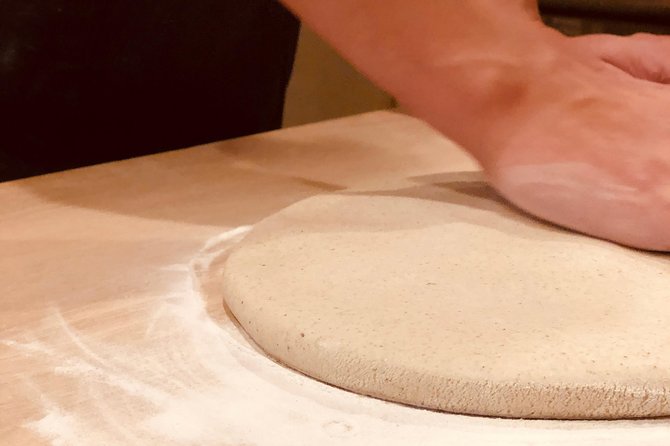
The hands-on portion follows a clear order. You begin by mixing buckwheat flour. Next, you bring the mixture together into dough, stretch it, and cut it into noodles.
This full sequence is the heart of the activity. You are not simply shaping a small sample while the chef does the real work elsewhere. The aim is to let you feel the texture change at each stage and see how much care goes into making noodles that hold together.
Soba preparation can be delicate, and that is part of the lesson. The dough needs to be handled properly before it can be stretched. The cutting stage also gives you a practical sense of why handmade noodles may vary slightly in width. That variation is not a flaw. It is evidence that your portion passed through your own hands.
The instructors are described as patient and enthusiastic, which is useful here. One account specifically praised the patience of the instructor during noodle making. Another found the hosts friendly, even though their English was limited. You should expect some explanation in English, but not a fully English-language cooking school with every step translated in detail.
For that reason, watch closely. Pay attention to hand position, pressure, and the order of the work. If the spoken explanation is brief, the demonstration will still show you what to do.
Eating soba while it is freshly boiled
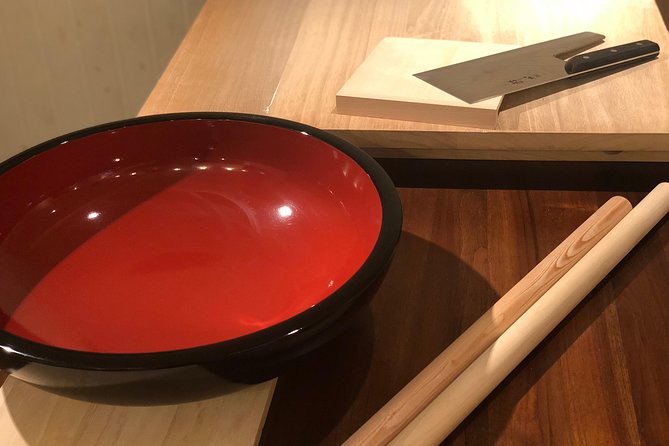
Once your noodles are cut, they are boiled and served fresh. This timing is a major reason to choose the class instead of simply ordering soba at a restaurant. Freshly made and boiled soba has a different aroma and texture from noodles that have been prepared earlier and served as part of a normal meal.
The meal includes warm soba sauce, and you can use tenkasu, the crisp fried batter pieces commonly added to Japanese noodle dishes. These accompaniments help you try the noodles in a few familiar Japanese ways.
I like this part because the cooking lesson has a clear reward. You do not finish with a small sample or take your noodles home. You eat the result when it is at its best. The meal is also described as filling, so you are getting more than a snack between sightseeing stops.
Your noodles may not have the perfect uniformity of the restaurant’s regular bowls. That is exactly the point. You will taste the difference between handmade food made under instruction and a professionally prepared serving. The chef’s work gives you a useful comparison without turning your own noodles into a failure.
A few more sake experiences around Japan worth a look
- 1-Day Snow Monkeys, Zenko-ji Temple & Sake in Nagano
★ 5.0 · 1,020 reviews - Nagano: Snow Monkeys, Zenkoji Temple & Sake Day Trip
★ 4.9 · 833 reviews - Kyoto Sake Brewery & Tasting Walking Tour
★ 5.0 · 623 reviews - Ramen and Sushi Cooking Class with Sake Pairing Set in Tokyo
★ 5.0 · 291 reviews
Hokkaido tempura with the soba
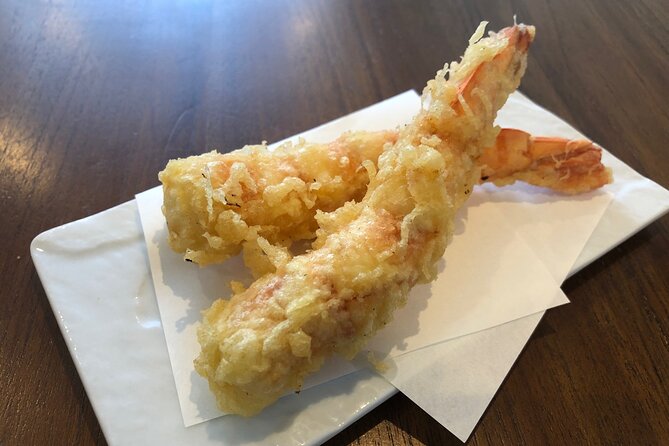
The tempura is prepared by a Japanese chef rather than by class participants. This is a sensible arrangement. Hot oil can cause serious burns, and the activity specifically limits this part to the chef for safety.
The tempura focuses mainly on seasonal Hokkaido ingredients. The cooking is simple, allowing the ingredients to work with the soba rather than overpowering it. That pairing is worth noticing. Tempura brings crispness and richness, while soba has a more restrained flavor and aroma.
You should not expect to make every item on the table yourself. The hands-on work is the soba, while the tempura is the chef’s contribution to the meal. This division gives you a safer class and a more polished lunch or dinner.
The inclusion of Hokkaido ingredients also gives the meal a local angle. Sapporo has plenty of restaurants, but a dish built around local produce, handmade soba, and Hokkaido sake tells you more about how regional ingredients can work together.
Comparing two cold sakes and one warm sake
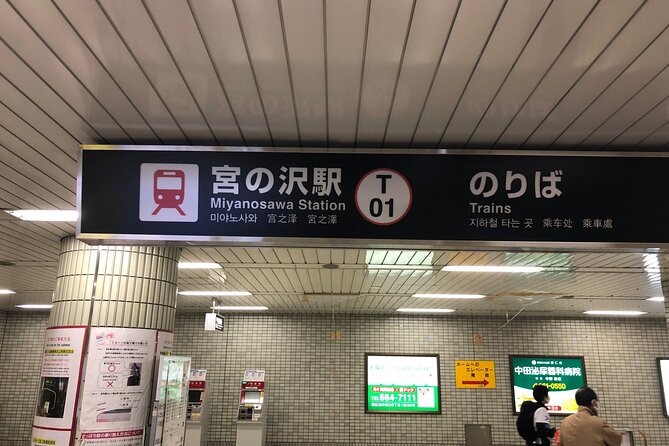
The sake tasting includes three Hokkaido-only selections: two served cold and one served warm. The idea is not merely to offer three drinks. It is to show how temperature changes the aroma and flavor of sake.
You can taste the cold selections alongside the soba and tempura, then compare them with the warm serving. The difference may be subtle, especially if you are new to sake, but pairing the drinks with food makes the comparison easier to understand.
The selections are intended to be approachable for people who are not familiar with sake. That makes this a better introduction than a tasting built only for specialists. You do not need to know technical sake terms to take part. Try each one with a bite of soba or tempura and notice which combination you prefer.
The three servings also give the meal a sense of progression. Cold sake can feel crisp with food, while warm sake changes the scent and mouthfeel. The point is to discover sake as a mealtime drink, not just an alcoholic sample poured into small cups.
You must be at least 20 years old to participate. That age rule applies even if you are interested mainly in the soba and plan to drink little or no sake, so check your group before booking.
Language, pace, and group size
This is a private activity for a small number of people. Only your group participates, which should make it easier to ask questions, watch the chef, and work without the noise of a large tour.
Small groups also help with the meal. You can enjoy the soba, tempura, and sake in a calm setting rather than being rushed through a crowded demonstration. The format is especially useful for couples, families with adult children, or friends who want a shared task during a Sapporo visit.
The English level may vary among the staff. One account described a charming young woman who spoke no English and another English-speaking staff member who was less engaging. The food and the promised activities were still delivered, but the communication was not as smooth as the promotional material might lead you to expect.
I would book this if you are willing to learn visually and do not need every instruction translated word for word. If precise English teaching is essential, this may feel less comfortable. The activity is likely to reward curiosity and patience more than strict expectations about classroom style.
Is $123.79 a fair price?
At $123.79 per person, this is a premium food activity. You are paying for more than a bowl of soba. The price covers the full noodle-making lesson, freshly boiled noodles, chef-prepared seasonal tempura, three Hokkaido sakes, a private small-group setting, and direct instruction in a working restaurant.
The value is strongest if you would otherwise pay separately for a good meal and a cooking lesson. It is less attractive if you only want a quick taste of soba or do not drink alcohol. The experience is also short, at about 75 minutes, so the price reflects quality and variety rather than a long half-day program.
For a special occasion or a final-night meal in Sapporo, I can see the appeal. You get an activity, a regional meal, and a story to carry home. For a budget-minded visitor, a normal soba lunch will cost much less, but it will not give you the same hands-on connection.
Group discounts may improve the value for larger parties. Since the activity is private, splitting the cost across your own group can also make the format feel more worthwhile.
Who should book this activity?
I would recommend it most strongly for:
- Adults who enjoy cooking and want to make a Japanese dish from start to finish.
- First-time sake drinkers who want a gentle introduction to Hokkaido selections.
- Visitors who care about local food and working restaurants rather than staged tourist venues.
- Couples and small groups looking for a shared activity in Sapporo.
- Anyone who wants a filling meal after a hands-on lesson.
It is less suitable for children under 20, people who avoid alcohol entirely, or anyone expecting a long, fully English-language cooking demonstration. It may also disappoint you if you want to prepare the tempura yourself. The chef handles that part for safety.
The 1-hour-15-minute length makes it easy to fit into a Sapporo day, but the journey to Hassamu means you should treat transportation as part of the plan. The activity itself is short. The value comes from the quality of the meal and the fact that you take part in every stage of the soba preparation.
My verdict on the Sapporo soba experience
I would book this if you want a food activity with substance. The strongest features are the real restaurant setting, the complete soba process, the fresh noodles, and the Hokkaido pairing of tempura and sake. The format feels personal rather than mass-produced.
Go in knowing that English support is limited and that the price is well above a standard meal. If those points are acceptable, this offers one of the more memorable ways to understand Japanese food culture in Sapporo. You make the noodles, watch the chef handle the dangerous hot oil, compare sake temperatures, and then sit down to eat the results. That is a good travel memory, especially on a cold day when a warm bowl and a patient instructor sound just right.
FAQ
Where does the soba-making activity take place?
It takes place at 9-chōme-17-28 Hassamu 6 Jō, Nishi Ward, Sapporo, Hokkaido 063-0826, Japan.
How long does the activity last?
The activity lasts approximately 1 hour and 15 minutes.
How much does it cost?
The listed price is $123.79 per person. Group discounts are available.
What is included in the meal?
You make soba noodles and eat them freshly boiled. The meal also includes seasonal Hokkaido tempura, warm soba sauce, tenkasu, and three types of Hokkaido sake.
How many types of sake are served?
Three types are served: two cold sakes and one warmed sake.
Do participants make the tempura?
No. A Japanese chef prepares the tempura because working with hot oil can be dangerous and cause burns.
What is the minimum age?
Participation is limited to people aged 20 and over.
Is this a private activity?
Yes. It is a private activity for a small number of people, and only your group participates.
Can I cancel for a refund?
You can cancel up to 24 hours before the start time for a full refund. Cancellations or changes made less than 24 hours before the start time are not accepted for a refund.
Just added around Japan
- Tokyo Sake Tasting Tour with a Sake Expert★ 5.0 · 7 reviews
- Wagyu BBQ & Sukiyaki with Sake Pairing Experience near Ginza★ 5.0 · 2 reviews
- Sake Tasting and Cherry Blossom Fun in Tokyo!★ 5.0 · 4 reviews
- Private Sake Tasting at 300 Years Old Sake Brewery in Tokyo★ 5.0 · 3 reviews
- Tokyo: Serene Sakura & Sake: An Exclusive Brewery Pairing Lunch★ 5.0 · 2 reviews
- Nagano: Snow Monkey and Zenkoji Temple Free Sake Taste Day Tour★ 4.5 · 8 reviews
- Sake Pairing Workshop with Japanese Food in Shinjuku★ 5.0 · 5 reviews
- Cherry blossom & Japanese Sake Tasting in Shinjuku★ 5.0 · 4 reviews
Sake & Food Pairing Tours, compared.
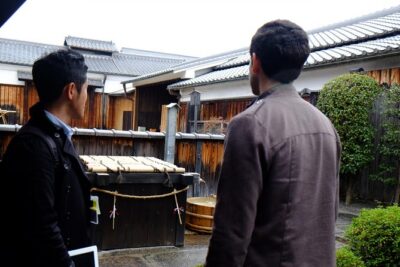
3-Hour Kyoto Insider Sake Brewery Tour with Tastings & Pairings
Read our review →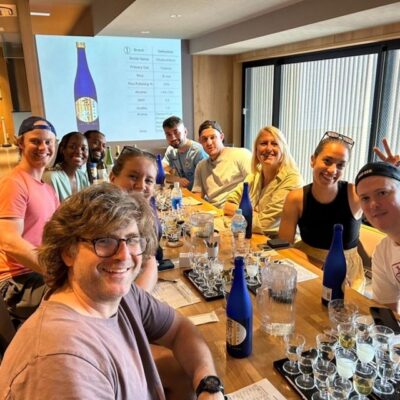
Insider Sake Brewery Tour with Sake and Food Pairing
Read our review →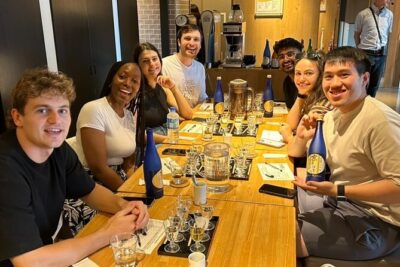
1.5-Hour Kyoto Insider Sake Experience with 7 Tastings & Pairings
Read our review →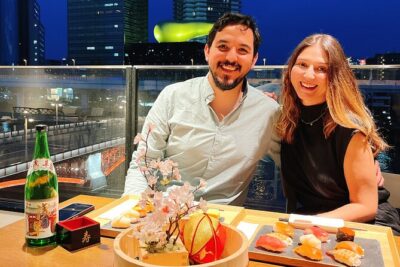
Ramen and Sushi Cooking Class with Sake Pairing Set in Tokyo
Read our review →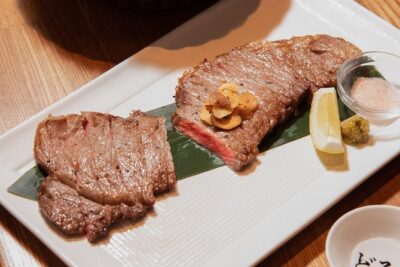
Wagyu & Sake Pairing in Shinjuku – Steak, Shabu-Shabu & More
Read our review →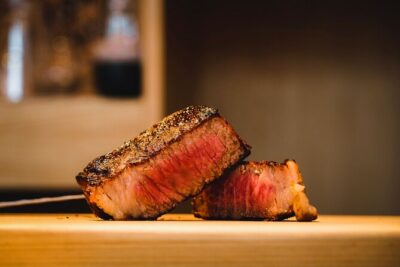
Tokyo Wagyu & Sake Pairing Tasting Experience with Local Flavors
Read our review →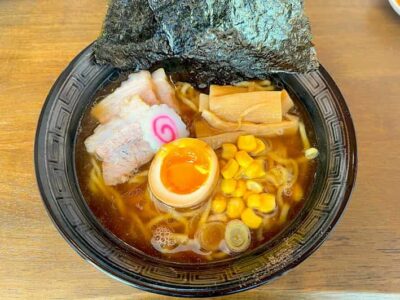
Sushi and Ramen Cooking Class with Sake Pairing Set
Read our review →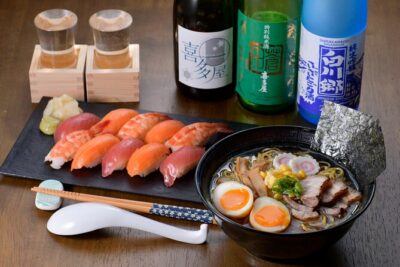
Cozy Tokyo Class: Ramen, Sushi, Sake Pairing & Cultural Exchange
Read our review →Browse the lists this tour appears in