
REVIEW · JAPAN
Make Otsumami + Sake Pairing (Includes 6-Course Meal)
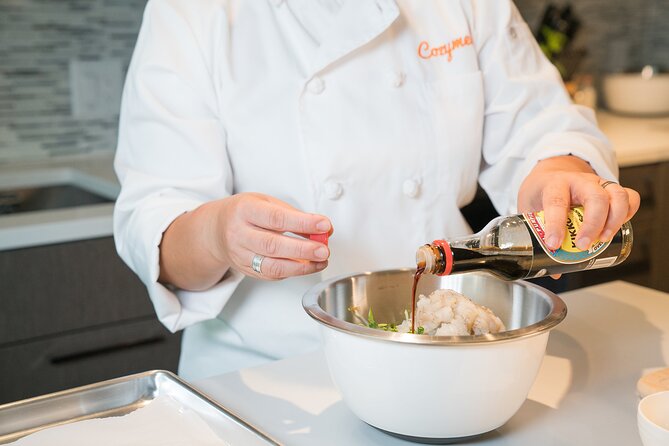
The best Osaka meals are the ones you help make. I like the six-course format, which turns a cooking lesson into a proper meal, and the small maximum of six people, which should give chef Yuki room to offer personal help. The mix of snacks, simmered fish, onigiri, and sake also gives you more range than a class focused on one dish.
The main point to consider is location: the meeting address is in Yoshita, Higashiosaka, rather than in Osaka’s best-known visitor districts. I also like that dietary needs can be discussed in advance, but you should contact the provider early and clearly explain your restrictions. At $117.18 per person for about three hours, this is not a cheap meal, but it combines instruction, food, and sake in one sitting.
What makes this Osaka cooking class worth considering
- Chef Yuki leads a class capped at six people, making this a more personal experience than a large demonstration.
- The six-course menu moves across several Japanese styles, from wasabi garlic potato salad to simmered yellowtail and mixed rice onigiri.
- You prepare three sake pairings, with two served chilled and one warm.
- Hands-on dishes include octopus salad, fish tatsuta-age, and onigiri, giving you useful techniques to try again at home.
- Dietary needs can be discussed ahead of time, with the chef aiming to adapt the menu where possible.
- The class lasts about three hours, long enough for cooking, tasting, and conversation without taking an entire day.
A six-course taste of Osaka beyond the usual food tour
Osaka is often called Japan’s Nation’s Kitchen, and this class takes that nickname in a practical direction. Instead of simply eating a famous local dish, you work through a menu that shows how Japanese cooks balance texture, seasoning, temperature, and presentation.
The meal is built around familiar home-style ideas rather than one grand restaurant centerpiece. That matters. You get to see how a Japanese spread comes together, with crisp food beside simmered food, fresh vinegar dressing beside savory fish, and rice serving as the final anchor.
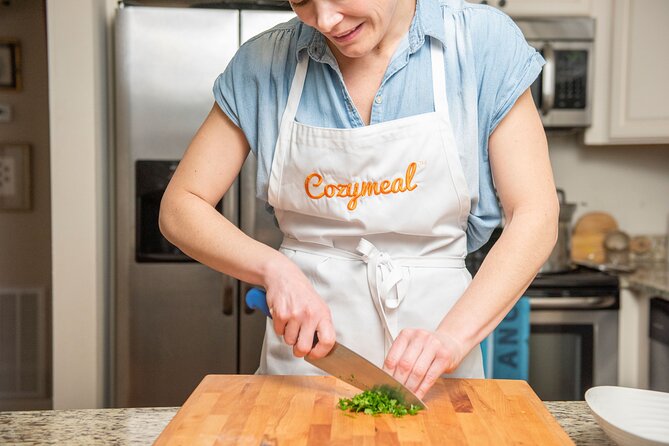
The experience is hosted through Cozymeal and led by local chef Yuki. The class is designed for a maximum of six people, so you are not lost in a crowd or left watching from the back of a room. A small group also makes it easier to ask about ingredients, cooking methods, and the reason a dish is served in a particular way.
The class lasts roughly three hours. That gives you time to cook and eat at a relaxed pace, though you should not expect a quick lesson followed by a rushed tasting. This is meant to feel like a full food experience.
More Sake and Food Pairings in Japan:
- 3-Hour Kyoto Insider Sake Brewery Tour with Tastings & Pairings
★ 5.0 · 917 reviews - Kyoto: Insider Sake Brewery Tour with Sake and Food Pairing
★ 5.0 · 704 reviews - 1.5-Hour Kyoto Insider Sake Experience with 7 Tastings & Pairings
★ 5.0 · 297 reviews
Starting with wasabi garlic potato salad
The first course, wasabi garlic potato salad, is a clever opening. Potato gives the dish a familiar, soft base, while wasabi brings the sharp heat associated with Japanese seasoning. Garlic adds another layer of flavor without requiring a long list of ingredients.
I like this as a first lesson because it should be approachable for cooks with modest kitchen experience. You are not beginning with a difficult fish cut or a complicated frying technique. Instead, you start by seeing how a small amount of a strong ingredient can change a mild dish.
Wasabi can vary in strength, so this is also a useful reminder not to add every sharp ingredient all at once. The goal is balance, not a contest to see who can clear their sinuses fastest.
Octopus, cucumber, and seaweed bring contrast
The second course is an octopus and cucumber vinegar salad with seaweed. This dish shifts the meal toward clean, fresh flavors. Cucumber brings crunch, octopus brings a firm and distinctive texture, and vinegar cuts through the richness of the dishes that follow.
For you, this is one of the more interesting parts of the class because octopus is not always a routine ingredient in home kitchens outside Japan. The lesson can help you become more comfortable with a food that might otherwise appear only as a finished item on a restaurant plate.
The seaweed adds a clear Japanese character, while the vinegar dressing keeps the course light. It also shows why Japanese meals often rely on sharp, bright accents instead of heavy sauces.
If you are uncertain about octopus, this is a good dish to discuss with the chef before booking. The class can accommodate a variety of dietary needs when arrangements are made in advance, but the details should be explained clearly before the cooking date.
Fish tatsuta-age adds the cooking action
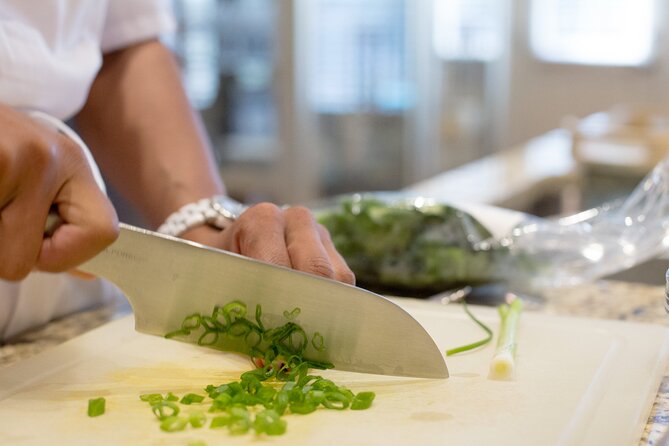
The third course, fish tatsuta-age with scallion sauce, is likely to be one of the most hands-on portions of the meal. Tatsuta-age is a Japanese style of fried food, known for its crisp exterior and seasoned flavor.
This course brings more movement to the class after the two cooler salads. You can expect to work with the fish, prepare it for cooking, and pair it with scallion sauce. The contrast between crisp fish and fresh onion flavor helps explain why this style remains popular in Japanese home cooking.
The fish course also gives you a technique with real value beyond the class. You might not reproduce every ingredient exactly at home, but the idea of seasoning, coating, and frying fish is easy to adapt.
A practical point: fried food can make a cooking class feel more like a restaurant meal than a demonstration. It is also the part of the menu most likely to matter for anyone avoiding particular fish, gluten-containing ingredients, or fried foods. Share those concerns with the provider in advance.
A few more sake experiences around Japan worth a look
- 1-Day Snow Monkeys, Zenko-ji Temple & Sake in Nagano
★ 5.0 · 1,020 reviews - Nagano: Snow Monkeys, Zenkoji Temple & Sake Day Trip
★ 4.9 · 833 reviews - Kyoto Sake Brewery & Tasting Walking Tour
★ 5.0 · 623 reviews - Ramen and Sushi Cooking Class with Sake Pairing Set in Tokyo
★ 5.0 · 291 reviews
Simmered yellowtail and daikon slow the pace
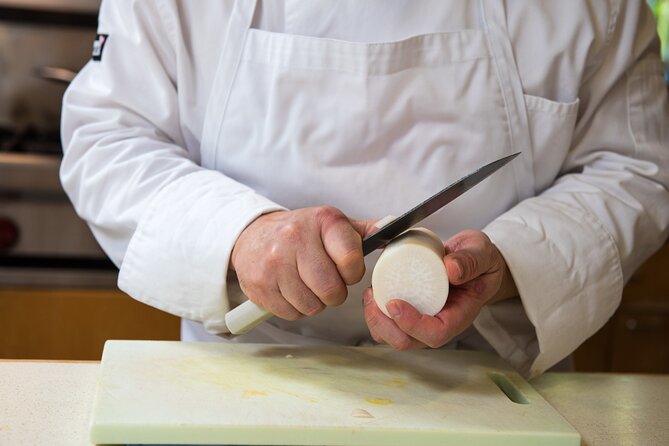
The fourth course is simmered yellowtail with daikon radish. This is a different side of Japanese cooking from the fried fish. The technique is gentler, and the finished dish depends on the way the ingredients absorb seasoning during cooking.
Yellowtail is a classic Japanese fish, while daikon has a mild flavor and a texture that changes as it cooks. Together, they make a good lesson in how one pot can bring separate ingredients into one dish without covering everything in a thick sauce.
I like this course because it shows the value of patience. Not every Japanese dish is about speed, crispness, or dramatic flavor. Some depend on careful simmering and the quiet work of letting ingredients take on the character of the cooking liquid.
You also get a useful contrast in texture across the menu. After crisp tatsuta-age, the tender fish and soft radish should feel like a clear change of direction. That variety helps the meal feel like six connected courses rather than six unrelated recipes.
Mixed rice onigiri gives you a useful takeaway
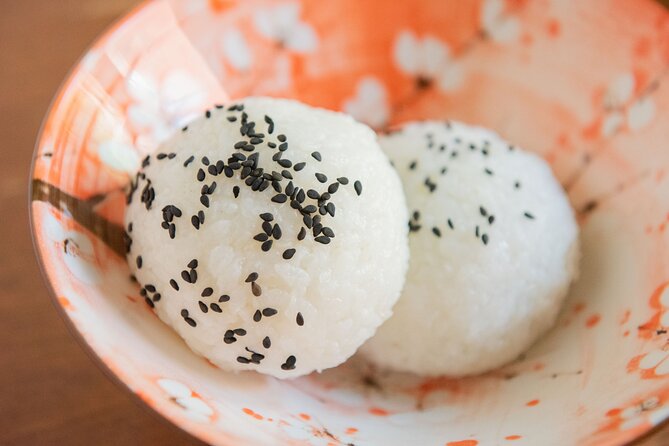
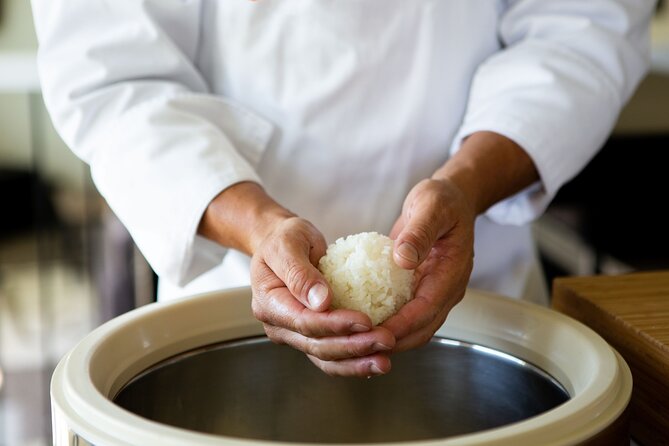
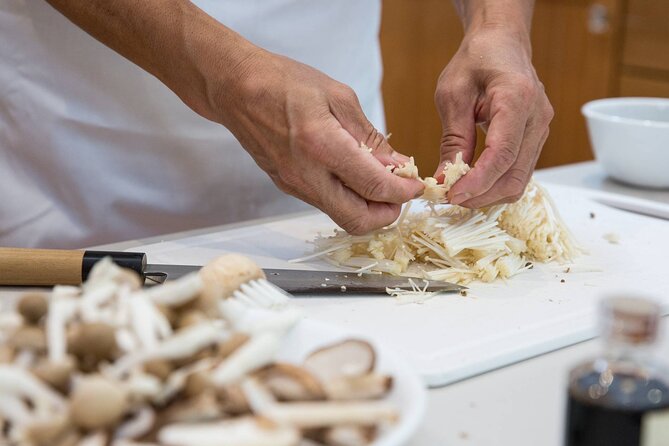
The fifth course is mixed rice onigiri with carrots and shimeji mushrooms. Onigiri are rice portions shaped by hand, and this version adds vegetables and mushrooms for extra flavor and texture.
This is one of the most practical dishes in the class. You can use the shaping method at home with ingredients that are easy to change. The lesson is not only about the final shape. It is also about handling rice, combining fillings or mixed ingredients, and making a simple food feel complete.
Carrots add color and a mild sweetness. Shimeji mushrooms bring an earthy note. Together, they make the onigiri more substantial than plain rice while keeping the dish firmly rooted in everyday Japanese cooking.
Onigiri also travels well, at least in the broad sense of the word. After the class, you may find yourself looking at Japanese convenience-store rice snacks with more interest because you understand the care behind something that can appear simple.
Three sakes make the final course more than a drink
The sixth course is a sake pairing with three types: two chilled and one warm. This arrangement lets you compare how serving temperature changes the same broad category of drink.
Chilled sake can feel cleaner and lighter, while warm sake may seem softer or more aromatic. The point is not to decide that one temperature is always best. It is to notice how temperature affects the food beside it and how your own preference changes from one sample to the next.
The sake is paired with the meal rather than treated as a separate tasting at the start. That is useful because you can connect each drink to actual food. The fish, vinegar salad, simmered yellowtail, and rice may each bring out different qualities.
The experience also includes sake preparation, according to the class description. You should confirm the exact amount of hands-on preparation during the session, since the available information does not spell out every step. Still, the chance to learn about sake in the same class as Japanese cooking gives the meal a strong sense of place.
The class is also BYOB. You may bring wine or beer to enjoy during the class, but the included sake pairing remains the central drink portion. If you bring something, keep it simple and remember that you will already be tasting three types of sake.
Why the small group matters in a cooking lesson
A maximum of six people is one of the strongest features here. Cooking classes can lose their charm when every task is done by one instructor while a large crowd watches. With six or fewer, you have a better chance to see what is happening and ask for help before a sauce, piece of fish, or rice mixture goes wrong.
The small format should also suit couples and solo food-focused visitors. One review describes the class as a relaxed experience taken by a couple, which fits the design well. You get a social meal without the scale of a group food tour.
Chef Yuki is specifically praised for making the process feel easy and relaxed. That is important for beginners. You do not need to arrive as a skilled cook, and the menu offers several entry points for different comfort levels.
Still, a small group does not guarantee that every dietary request can be met. Contact Cozymeal before the class, give exact details, and ask what can be changed. The provider says it will do its best to tailor the menu, but no specific substitutions are promised.
The Higashiosaka meeting point needs planning
The meeting point is Yoshita, Higashiosaka, Osaka 578-0924, Japan, and the activity ends back there. The experience is described as taking place in the heart of Osaka, but this specific address is the detail you should use when planning your day.
No transport instructions are provided, so do not assume that the location is beside your hotel, a major sightseeing area, or the station you happen to be using. Check the address on a map before booking and allow enough time to arrive without rushing.
This is the main practical drawback. If you are spending most of your time around central Osaka, the class may require more planning than a cooking lesson in a well-known visitor district. On the other hand, the setting may give you a reason to see a less familiar part of the wider Osaka area.
The mobile ticket is convenient once you have booked. Confirmation is provided at booking, so keep the ticket easy to access on your phone.
Is $117.18 a fair price for three hours?
At $117.18 per person, the class costs more than simply ordering a meal at an Osaka restaurant. That comparison is not quite fair, though. You are paying for a six-course menu, ingredient preparation, instruction, a small group, sake tasting, and the chance to practice the techniques yourself.
The value is strongest if you enjoy cooking or want a food memory that continues after your trip. You are not just buying dinner. You are paying for context and participation, plus the guidance of a local chef.
The value is weaker if you want the least expensive way to eat Japanese food, or if you prefer a long restaurant meal with no kitchen work. Three hours is a meaningful block of your Osaka schedule, and the trip to Yoshita may add planning time.
For a special couple’s activity, this price can make sense. It also works well for someone who regularly books cooking classes and wants a menu with more variety than a single-dish lesson. The included sake pairing helps justify the cost, especially for people who want to compare chilled and warm servings.
Who should book this class?
I would point this class toward food lovers, curious beginners, couples, and visitors who want to learn rather than simply photograph a meal. The menu has enough variety to keep experienced cooks interested, but the relaxed approach should not intimidate someone who rarely cooks.
It is also a good fit if you want to understand everyday Japanese food beyond sushi and ramen. Potato salad, vinegar salad, simmered fish, rice, and onigiri show a broader side of the national menu.
You may want to skip it if you dislike seafood, octopus, or sake, unless the provider confirms suitable changes. The class is built around those ingredients and flavors, so substitutions could change much of the experience.
Cancellation, dietary needs, and booking advice
Free cancellation is available when you cancel at least 24 hours before the start time. Changes or cancellations made inside that window are not accepted for a refund, and the cut-off follows local time.
The class requires a minimum number of people. If that minimum is not reached and the activity is canceled, you will be offered another date or experience, or you can receive a full refund.
Service animals are allowed. Dietary requests should be sent ahead of time, not explained for the first time when you arrive. That gives the chef the best chance to adjust the menu.
Should you book this Osaka sake and cooking class?
Book it if you want an intimate, hands-on meal and you enjoy learning the story behind what you eat. Chef Yuki’s relaxed teaching style, the six-person limit, and the spread of dishes make this more useful than a standard food tasting.
Think carefully about the Yoshita meeting point, the seafood-heavy menu, and the price. If those fit your plans, the class offers a friendly way to understand Osaka through cooking, with enough practical technique to keep using the experience after you return home.
FAQ
How long does the cooking class last?
The experience lasts approximately three hours.
Where does the class begin and end?
It begins at Yoshita, Higashiosaka, Osaka 578-0924, Japan, and ends back at the same meeting point.
How many people can join the class?
The class has a maximum of six travelers.
What food is included?
The menu includes wasabi garlic potato salad, octopus and cucumber vinegar salad with seaweed, fish tatsuta-age with scallion sauce, simmered yellowtail with daikon radish, and mixed rice onigiri with carrots and shimeji mushrooms.
How many types of sake are included?
The pairing includes three types of sake: two served chilled and one served warm.
Can dietary needs be accommodated?
The class is designed to accommodate a variety of dietary needs. You should provide your preferences or restrictions in advance so the chef can try to tailor the menu.
Can I cancel for a full refund?
Yes, if you cancel at least 24 hours before the experience start time. Cancellations made less than 24 hours in advance are not refundable.
Just added around Japan
- Tokyo Sake Tasting Tour with a Sake Expert★ 5.0 · 7 reviews
- Wagyu BBQ & Sukiyaki with Sake Pairing Experience near Ginza★ 5.0 · 2 reviews
- Sake Tasting and Cherry Blossom Fun in Tokyo!★ 5.0 · 4 reviews
- Private Sake Tasting at 300 Years Old Sake Brewery in Tokyo★ 5.0 · 3 reviews
- Tokyo: Serene Sakura & Sake: An Exclusive Brewery Pairing Lunch★ 5.0 · 2 reviews
- Nagano: Snow Monkey and Zenkoji Temple Free Sake Taste Day Tour★ 4.5 · 8 reviews
- Sake Pairing Workshop with Japanese Food in Shinjuku★ 5.0 · 5 reviews
- Cherry blossom & Japanese Sake Tasting in Shinjuku★ 5.0 · 4 reviews
Sake & Food Pairing Tours, compared.
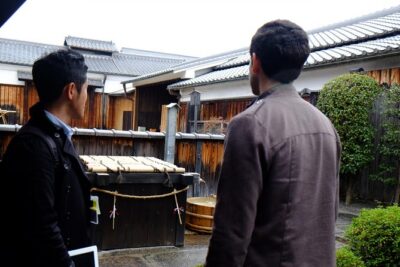
3-Hour Kyoto Insider Sake Brewery Tour with Tastings & Pairings
Read our review →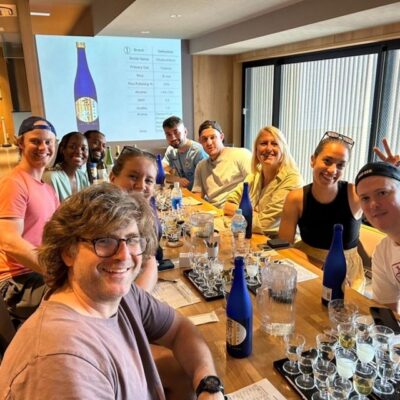
Insider Sake Brewery Tour with Sake and Food Pairing
Read our review →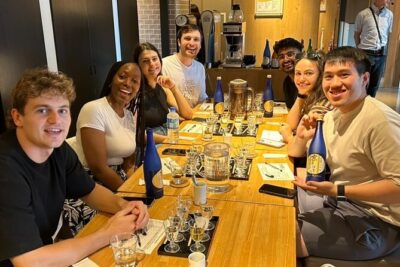
1.5-Hour Kyoto Insider Sake Experience with 7 Tastings & Pairings
Read our review →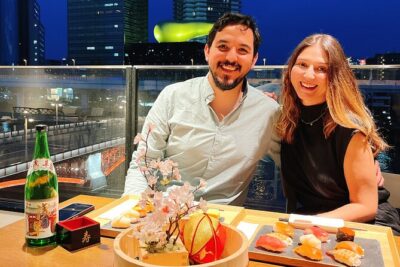
Ramen and Sushi Cooking Class with Sake Pairing Set in Tokyo
Read our review →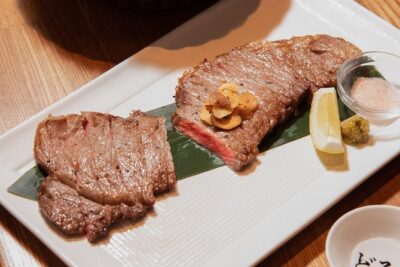
Wagyu & Sake Pairing in Shinjuku – Steak, Shabu-Shabu & More
Read our review →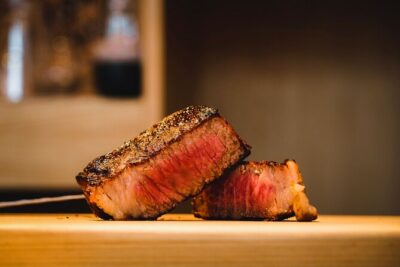
Tokyo Wagyu & Sake Pairing Tasting Experience with Local Flavors
Read our review →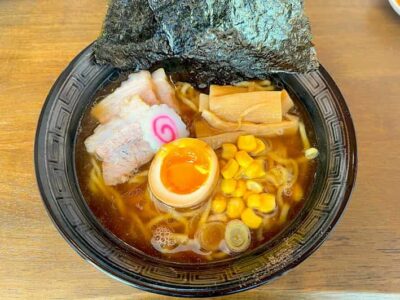
Sushi and Ramen Cooking Class with Sake Pairing Set
Read our review →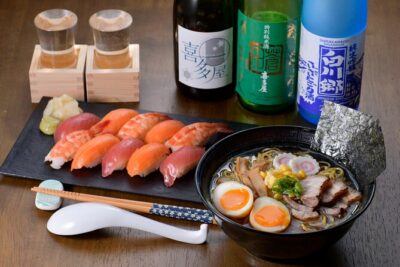
Cozy Tokyo Class: Ramen, Sushi, Sake Pairing & Cultural Exchange
Read our review →Browse the lists this tour appears in