
REVIEW · KYOTO
Experience of pairing sake tasting with snacks in Kyoto
Sake makes Kyoto taste different. This 60-minute workshop at Bar OAGE pairs five Japanese sakes with five small appetizers, giving you a clear way to compare aromas, textures, and food matches. I like the focused format and the chance to sample a Kyoto selection alongside other styles. I also like that host Kahoko brings warm energy and genuine enthusiasm to the session. The main drawback is the short running time: you get a useful introduction, but not a long sit-down tasting.
The class takes place in a small bar reached through an alley in the Kawaramachi area, central Kyoto. The five sake and five snack pairings offer good value for a one-hour activity, though the listed prices need a quick check before booking: the online price is shown as $45.53 per person, while the course details state ¥7,500, tax included.
Five things to know before booking
- Five sakes, five appetizers: You taste each sake on its own, then try it with a matching snack.
- A short sake lesson: About 15 minutes covers brewing methods, rice polishing ratios, aromas, and styles such as ginjoshu and nigorishu.
- Kyoto setting: Bar OAGE sits in an alley near Kawaramachi, with the meeting point listed at Shine, 371 Kamiyachō.
- Kahoko’s friendly approach: Her warm welcome and enthusiasm help first-time sake drinkers feel at ease.
- Four daily start times: Sessions begin at 10:00, 12:00, 14:00, or 16:00.
- Small enough to talk: The maximum group size is 20, and conversation is part of the plan.
Why a one-hour sake class works well in Kyoto
Kyoto offers no shortage of temples, gardens, and traditional meals. A sake class gives you a different window into Japanese food culture, one that fits neatly between sightseeing stops. At 60 minutes, this session is short enough to add to a busy day without taking over your schedule.
The format also keeps sake from feeling mysterious. You do not simply receive five glasses and a quick description. First, you learn how sake is made and why the polishing of the rice matters. Then you taste the drinks without food. Only after that do you try the pairings.
That order is useful. Food changes how sake tastes, sometimes making it seem softer, sweeter, sharper, or more fragrant. By tasting each drink twice, you can notice the effect instead of accepting a pairing as a fixed rule.
I especially like this approach for anyone who has tried sake only as a warm drink in a restaurant. Japanese sake covers a wide range of styles, and a guided comparison can quickly show you that the category is much broader than many first-time drinkers expect.
More Sake and Food Pairings in Kyoto:
- 3-Hour Kyoto Insider Sake Brewery Tour with Tastings & Pairings
★ 5.0 · 917 reviews - Kyoto: Insider Sake Brewery Tour with Sake and Food Pairing
★ 5.0 · 704 reviews - 1.5-Hour Kyoto Insider Sake Experience with 7 Tastings & Pairings
★ 5.0 · 297 reviews
Finding Bar OAGE in central Kyoto
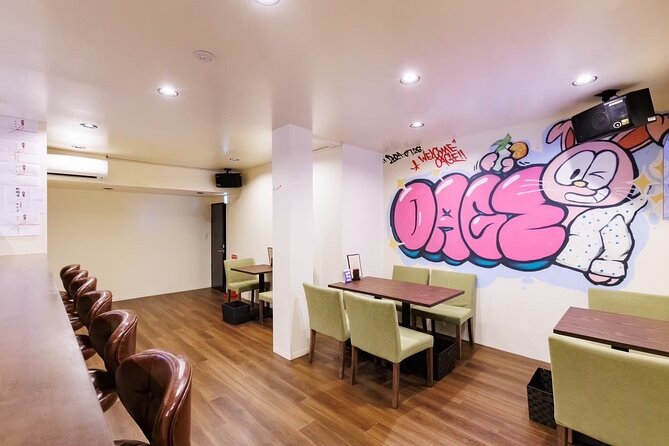
The venue is Bar OAGE, described as a tucked-away bar in an alley in the Kawaramachi area. Your listed meeting point is Shine at 371 Kamiyachō, Nakagyo Ward, Kyoto, postal code 604-8024. The activity ends back at the meeting point.
This location matters because Kawaramachi is one of Kyoto’s central areas. You are not committing to a long trip outside the city center for a tasting. Still, an alley venue can take a moment to locate, so I would allow extra time rather than arriving at the last minute. The available information does not give a detailed street-by-street route from the station, so check the meeting instructions carefully after booking.
Bar OAGE sounds suited to a close, social class rather than a formal lecture hall. The room itself is part of the appeal, but the listing does not provide its exact seating arrangement or accessibility details. The venue is near public transportation, and service animals are allowed.
The first 15 minutes: sake basics without the fuss
The class opens with introductions, followed by roughly 15 minutes on sake production. This is the part that gives the tasting structure.
You learn about the rice polishing ratio, an important detail because sake makers remove parts of the rice grain before brewing. The percentage helps explain why bottles can taste and smell so different, though it is not a simple quality score. It is one clue among several, and the instructor uses it to help you read sake labels and understand production choices.
The session also introduces styles such as ginjoshu and nigorishu. These names point to different aromas, textures, and appearances. Nigori sake, for example, is associated with a cloudy appearance, while ginjo styles are often discussed for their fragrant character. The class lets you meet these differences in the glass rather than trying to remember a list of terms.
This opening section is likely to suit beginners best. You do not need to arrive knowing Japanese brewing vocabulary. Sake lovers may find the short lesson familiar in places, but it still provides a useful frame for comparing the five pours.
The workshop also includes a tasting sheet and related materials. That small touch has practical value. After five pours and five snacks, memories can blur, especially when you are trying to remember which drink worked with which bite. Writing down a few impressions gives you something useful to carry into later meals or bottle shopping.
Five Kyoto sakes, tasted side by side
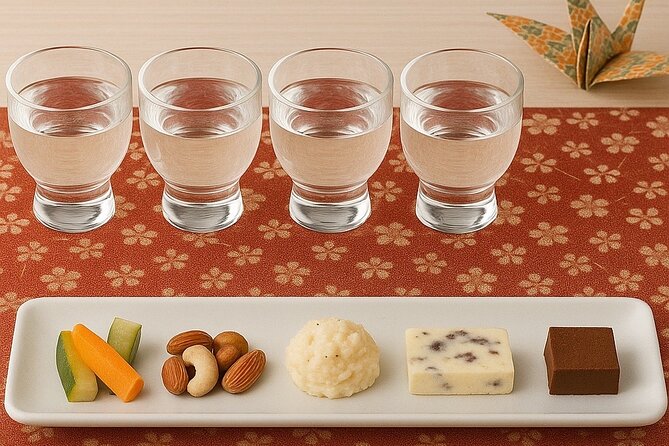
After the introduction, the host explains the five selections. One comes from the Kyoto area, while the full set represents different sake characteristics. The supplied information does not name each brewery or bottle, so you should not expect a fixed list of labels in advance.
That missing bottle list is a minor limitation for serious sake collectors. If you want to plan around a specific brewery, ask the provider before booking. For most people, though, the changing or unspecified selection is less important than the chance to compare several types in one sitting.
The first tasting is sake alone. This is a smart step. You can focus on aroma, sweetness, acidity, finish, and texture before a snack changes your perception. You do not need polished tasting language. A simple note such as dry, floral, cloudy, light, or strong is enough to start.
The session is designed to encourage conversation, so you can compare impressions with the people at your table. That social element helps keep the class from feeling like an exam. Sake tasting should not be about finding the one correct answer. Your preferred bottle may be completely different from the host’s favorite, and that is part of the fun.
The maximum group size is 20 people. That is not an intimate private tasting, but it is still a manageable number for a structured class. The actual group may be smaller, though no smaller guaranteed size is provided. If you prefer a quiet one-to-one lesson, this is not the right format.
More Sake Tastings in Kyoto:
- Kyoto Sake Brewery & Tasting Walking Tour
★ 5.0 · 623 reviews - Kyoto: Insider Sake Experience with 7 Tastings and Snacks
★ 5.0 · 266 reviews - Private Tea Ceremony and Sake Tasting in Kyoto Samurai House
★ 5.0 · 163 reviews - Kyoto: Sake Brewery and Tasting Tour in Fushimi
★ 4.8 · 55 reviews
The pairing course: one appetizer for each sake
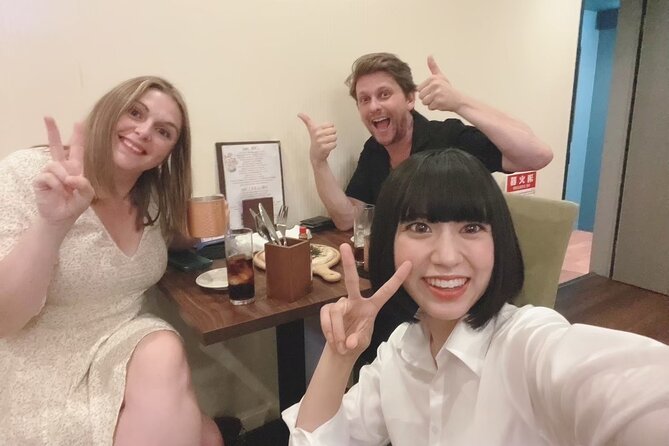
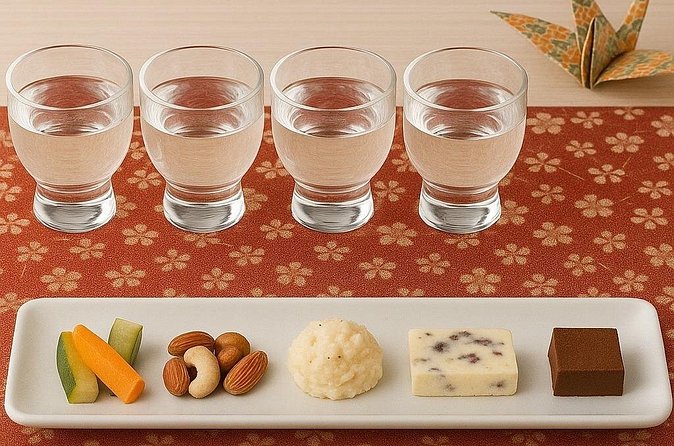
The second half adds five appetizers, one matched with each sake. This is where the class earns much of its appeal. You are not merely sampling drinks. You are learning how sake behaves with food.
A snack may soften a sharp edge, bring out a sweet note, or make a subtle aroma easier to notice. The point is not that one pairing is universally correct. The point is to see how the same drink can change when you eat something alongside it.
The appetizers are described as carefully selected, but their exact ingredients are not provided. If you have allergies, dietary restrictions, or strong food preferences, contact the provider before booking rather than assuming the snacks can be adjusted. The supplied details confirm five appetizers, not a vegetarian, vegan, gluten-free, or allergy-friendly menu.
For a first-time drinker, this pairing structure is particularly helpful. Some sake can seem plain when tasted alone, then become more expressive with food. You also get a practical lesson for future Japanese meals: taste the drink, take a bite, and taste again.
I would not expect a full meal from this activity. The information calls the food appetizers and snacks. Plan another meal if you need dinner, especially if you book the 16:00 session and want to eat afterward.
Kahoko’s role in making the class friendly
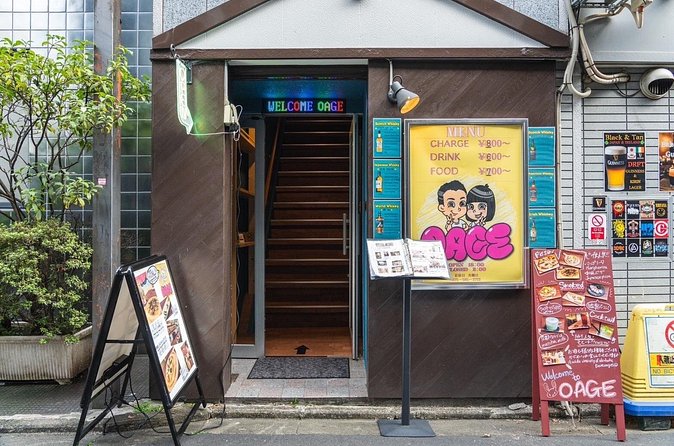
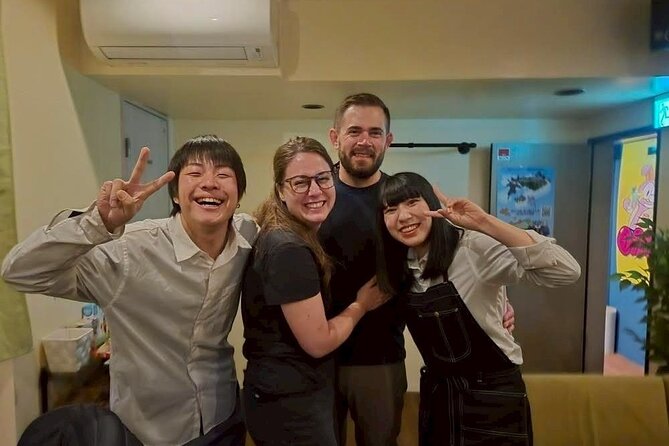
The host named in the available feedback is Kahoko. She was praised for being friendly from the start and for showing clear enthusiasm for sake. That matters in a short workshop, because the host sets the tone almost immediately.
A passionate guide can make unfamiliar terms feel approachable. Kahoko’s reported style seems especially helpful for a group visiting Kyoto together, including the party of six who described the class as an excellent part of their trip. The planned introductions, conversation, and group photo all support that easygoing mood.
You should still keep expectations realistic. This is not described as a private class with a long personal consultation. Kahoko’s warmth is a strong reason to consider the experience, but the 20-person maximum means the amount of individual attention may vary.
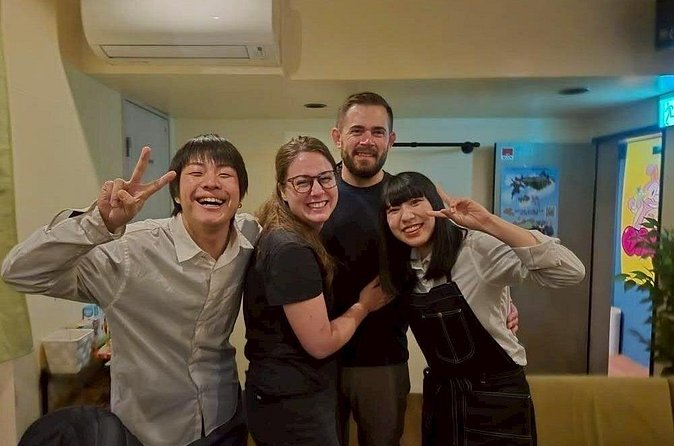
The group photo at the end is a simple closing touch. It gives you a shared memory of the class without adding much time. If you are traveling with friends, that photo may be more useful than another generic snapshot outside a temple.
Timing, cost, and what the value really is
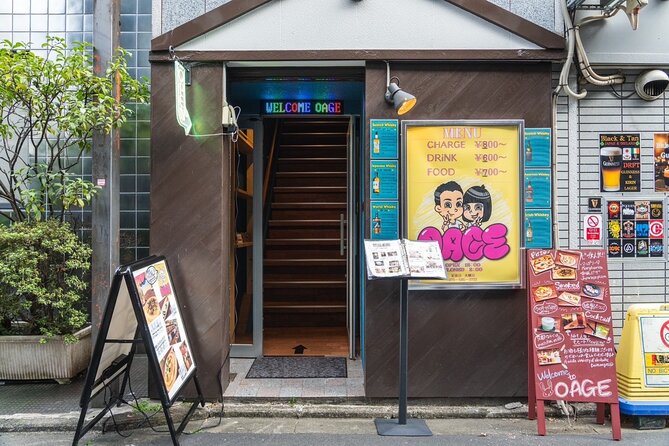
The class runs four times daily: 10:00, 12:00, 14:00, and 16:00. That schedule makes it easy to fit around a morning visit, lunch, or an afternoon walk through central Kyoto. The one-hour length also limits the risk of losing half a day to a single activity.
The listed price is $45.53 per person. The course details also give a price of ¥7,500 per person, tax included, with advance payment required. Because the dollar amount can change with exchange rates and booking conditions, check the final total at checkout.
At that price, the value depends on what you want. If you are looking for a full meal, an extensive brewery visit, or a bottle-by-bottle study of named producers, this class may feel brief. If you want five pours, five food matches, a clear introduction, and a central Kyoto location, the cost is reasonable for a compact cultural activity.
The strongest value comes from the guided comparisons. Buying five different bottles on your own would cost more and would not give you the same step-by-step tasting order. You also avoid guessing which snack might work with each drink.
The class is booked an average of 84 days ahead, which suggests you should not leave it until the last day of your Kyoto stay. This is especially important if you need a particular start time or are traveling with a group.
Who should book this Kyoto tasting
I would recommend this experience to first-time sake drinkers, curious food lovers, and anyone who wants a low-pressure cultural activity in the center of Kyoto. It also suits a group of friends because the format encourages conversation and ends with a shared photo.
Sake fans can enjoy it too, particularly if they like tasting several styles with food rather than focusing on one producer. The Kyoto selection gives the session a local connection, though the absence of a published bottle list means it is not ideal for someone seeking specific labels.
Families should consider the nature of the activity. The data says most people can participate, but it does not provide an age minimum. Since alcohol is central to the class, confirm age rules with the provider if you are booking for anyone under the local drinking age.
The 10:00 start could work well before a day of sightseeing. The 16:00 option may be better as a pre-dinner activity, but remember that the five appetizers are not presented as a complete meal.
Cancellation is flexible if you act early. You can receive a full refund by canceling at least 24 hours before the start time. Cancellations or changes inside that window are not accepted for a refund, and the cut-off uses Kyoto local time.
Should you book the Bar OAGE sake workshop?
Book it if you want a friendly, compact introduction to Japanese sake with real food comparisons. The five-sake format, Kyoto pour, tasting sheet, and five appetizers give you more substance than a quick sample at a bar.
Skip it if you need a long brewery tour, a full dinner, a private lesson, or a guaranteed list of named bottles. For everyone else, this is a sensible one-hour addition to a Kyoto itinerary, especially when you reserve ahead and choose the start time that fits your day.
FAQ
How long does the sake tasting last?
The experience lasts approximately 60 minutes.
How many types of sake are included?
You receive five kinds of sake, including a selection from the Kyoto area.
How many appetizers are included?
Five appetizers are included, with one pairing for each of the five sakes.
Where does the experience take place?
The tasting takes place at Bar OAGE in the Kawaramachi area of Kyoto. The listed meeting point is Shine, 371 Kamiyachō, Nakagyo Ward, Kyoto, 604-8024.
What time does the workshop start?
The available start times are 10:00, 12:00, 14:00, and 16:00.
What is the price?
The online price is listed as $45.53 per person. The course details also state ¥7,500 per person, including tax.
How many people can join?
The maximum group size is 20 people.
Is the ticket mobile?
Yes. The experience includes a mobile ticket.
Can I cancel for a refund?
Yes, if you cancel at least 24 hours before the start time. Cancellations or changes made less than 24 hours before the experience are not refunded or accepted.
Just added around Kyoto
- Nishiki Market, Private Sushi class & Sake Tasting in Townhouse★ 5.0 · 6 reviews
- Kyoto Food and Sake Tour Experience★ 4.0 · 5 reviews
- Kyoto Luxury Sake, Whisky and Cocktail Tour★ 5.0 · 4 reviews
- Kyoto: Sake Tasting Journey to Two Iconic Breweries★ 3.0 · 2 reviews
- Fushimi Kyoto Walking Tour with Sake Tasting and Canal Boat Ride★ 4.0 · 5 reviews
- Kyoto Sake Brewery Tour★ 3.3 · 5 reviews
- Kyoto: Newly Opened Sake Tasting – Sanjo Chasuian★ 5.0 · 7 reviews
- Private Pewter Sake Cup Experience with a Kyoto Artisan★ 5.0 · 2 reviews
Sake & Food Pairing Tours, compared.
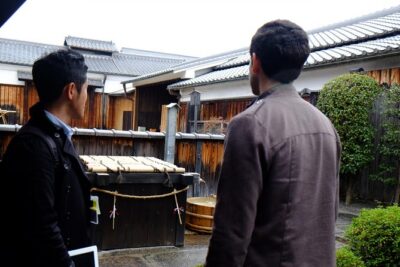
3-Hour Kyoto Insider Sake Brewery Tour with Tastings & Pairings
Read our review →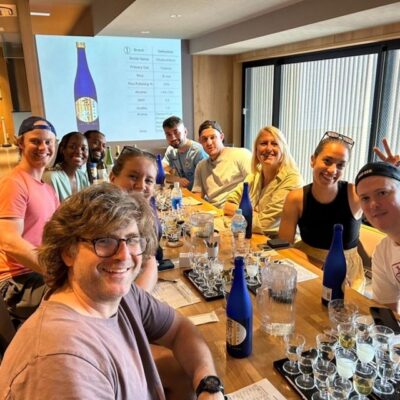
Insider Sake Brewery Tour with Sake and Food Pairing
Read our review →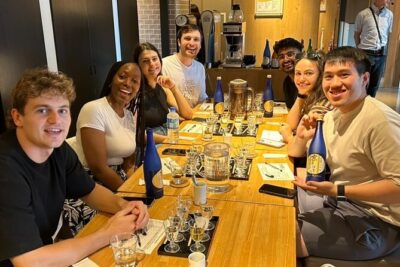
1.5-Hour Kyoto Insider Sake Experience with 7 Tastings & Pairings
Read our review →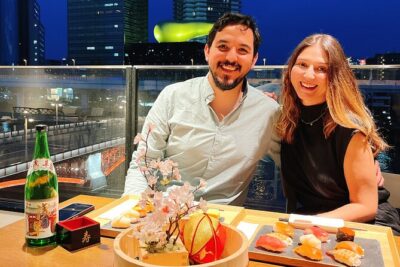
Ramen and Sushi Cooking Class with Sake Pairing Set in Tokyo
Read our review →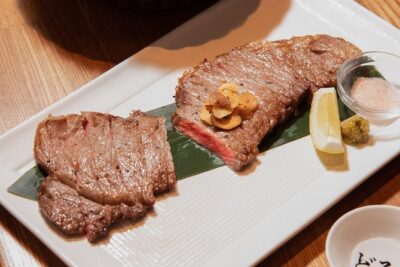
Wagyu & Sake Pairing in Shinjuku – Steak, Shabu-Shabu & More
Read our review →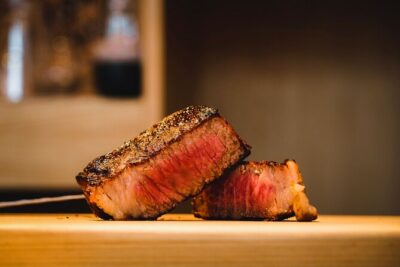
Tokyo Wagyu & Sake Pairing Tasting Experience with Local Flavors
Read our review →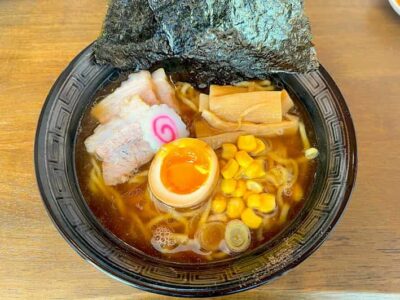
Sushi and Ramen Cooking Class with Sake Pairing Set
Read our review →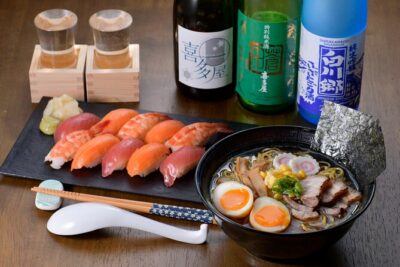
Cozy Tokyo Class: Ramen, Sushi, Sake Pairing & Cultural Exchange
Read our review →Browse the lists this tour appears in