
REVIEW · HIROSHIMA
Visit behind the Scenes: Hiroshima Saijo Sake Brewery Tour
Sake tells the story of Saijo. This small-group tour links three working breweries with a shrine, tasting rooms, and a hands-on calligraphy session. I like the mix of culture and craft, and I like that the group is capped at five people, which keeps the experience personal. The main drawback is the fixed 2 p.m. start and the need to arrange your own transportation to the meeting point.
You will taste sake, but this is not simply a drinking stop. At Hakubotan, brewery staff explain the brewing process inside the Tenpo Brewery, while Sanyotsuru gives you time to grind ink and make a personal sake label on paper used for authentic labels. If you do not drink alcohol, tell the operator when booking so the tasting can be adjusted.
Key points at a glance
- Three different brewery perspectives: Visit Kamotsuru, Hakubotan, and Sanyotsuru, each with a different focus.
- A sake shrine starts the story: Mitate Shrine honors the deity of sake and remains important to Saijo’s brewers.
- A rare factory visit: Hakubotan’s Tenpo Brewery is not usually open for this type of visit.
- A useful handmade souvenir: Create a calligraphy label with Mount Ryuo spring water and sumi ink.
- Small groups matter: A maximum of five people allows more room for questions and conversation.
- Good value for culture-minded visitors: The $117.27 price includes the tour, tasting fees in part, souvenirs, insurance, and the calligraphy activity.
Why Saijo makes a good sake day trip
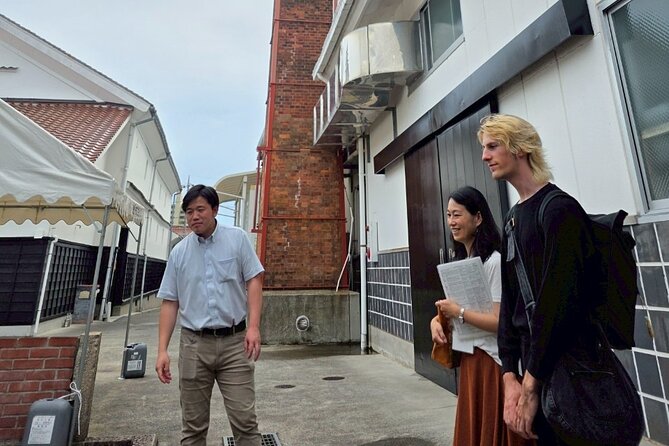
Saijo is closely tied to sake production, and this tour helps you see why the town matters instead of reducing the visit to a series of tastings. The route connects religion, water, brewing equipment, local businesses, and the people who keep the tradition going.
That order is important. You first visit a shrine dedicated to sake, then see how a brewery presents its work to the public, then enter a production site, and finish with a creative activity. You are given a cultural framework before the tasting begins.
The tour also works well for anyone who wants more than a quick shop visit. You will hear about how sake connects with nature, the local community, and the people behind each label. One account of the experience praised the guide’s explanation of Japanese history and the relationship between that history and sake. That is the kind of context that makes a tasting easier to understand.
The tour lasts about three hours, from roughly 2 p.m. to 5 p.m. The schedule is compact but not rushed on paper. You have 25 minutes at the shrine, 30 minutes at Kamotsuru, 50 minutes at Hakubotan, and 45 minutes at Sanyotsuru, with short gaps between stops.
More Sake Brewery Tours in Japan:
- 3-Hour Kyoto Insider Sake Brewery Tour with Tastings & Pairings
★ 5.0 · 917 reviews - Kyoto: Insider Sake Brewery Tour with Sake and Food Pairing
★ 5.0 · 704 reviews - Kyoto Sake Brewery & Tasting Walking Tour
★ 5.0 · 623 reviews
Mitate Shrine: begin with the deity of sake
Your first stop is Mitate Shrine, from 2:05 to 2:30 p.m. The shrine enshrines the deity of sake and has been respected by Saijo’s brewers for generations.
This is more than a quick photo stop. Representatives from the town’s seven breweries gather here to pray, so the shrine gives you a direct look at the religious side of brewing. Sake in Japan is not only a commercial product. It also has a place in ritual, celebration, and community life.
Twenty-five minutes should be enough to understand the shrine’s role and hear the explanation without turning the visit into a long temple-style tour. You will want to listen carefully here, because the details provide a useful introduction to the breweries that follow.
The free admission is included in the tour schedule, but remember that transportation to the meeting point is not included. The tour begins at 12-3 Saijōhonmachi, Higashihiroshima, Hiroshima 739-0011, so plan your route before the afternoon starts.
Kamotsuru: a clear introduction to brewing
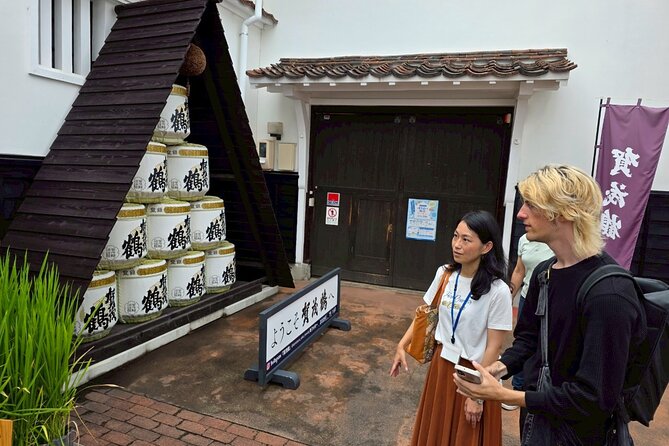
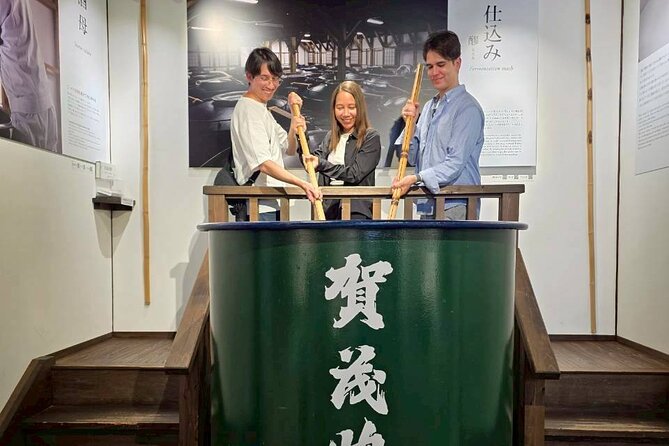
From 2:30 to 3 p.m., you visit the Kamotsuru Sake Brewing Co. Ltd museum shop. This stop uses displays and exhibits to explain how sake is made.
For someone new to sake, this may be the easiest place to build a basic understanding. The displays give you a visual guide to the process before you see a working brewery. That matters because sake production can seem mysterious if you only taste the finished drink.
The museum shop setting also gives you a chance to see how a brewery presents its products and traditions. You can learn about the brewing process while looking at objects connected with the work, rather than hearing only a short verbal explanation.
The weakness is time. Thirty minutes passes quickly, especially if you want to read every display or shop for bottles. Try to focus on the explanation and the main brewing ideas first. You can then decide if you want to spend any spare time looking at products.
Hakubotan: the most substantial brewery visit
The tour moves to Hakubotan Brewery from 3:10 to 4 p.m. With more than 350 years of brewing history, Hakubotan gives the afternoon its most traditional feel.
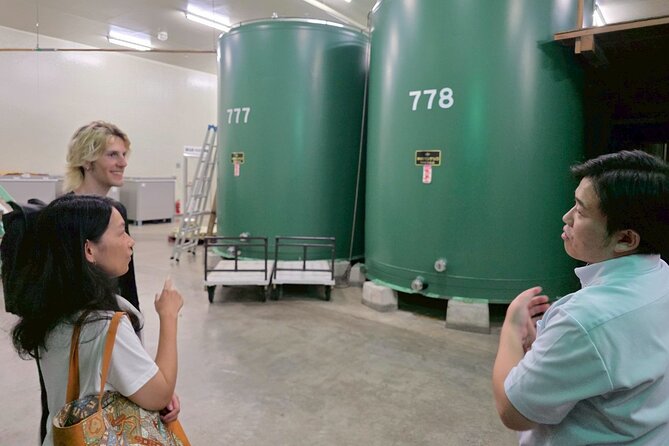
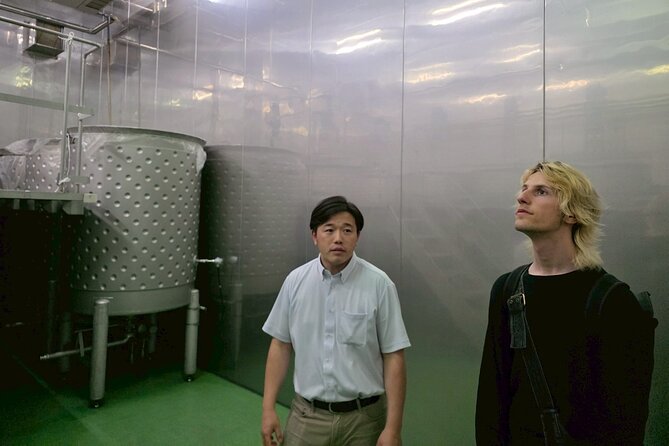
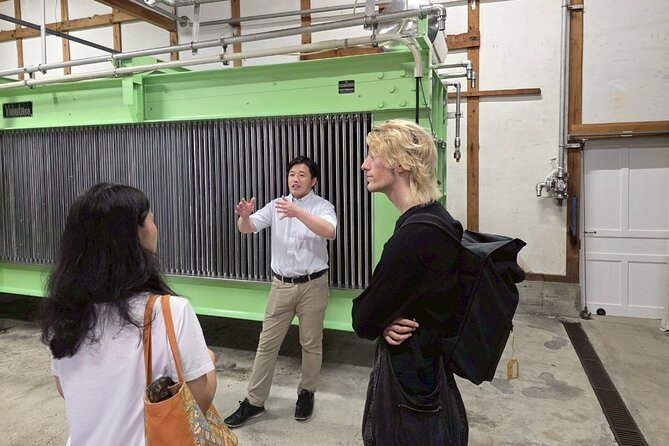
The key feature is a special factory tour of the Tenpo Brewery. Brewery staff explain the site and the brewing work, and this factory visit is not normally available in this form. That access adds real value to the tour. You are not only looking at a shop display or tasting a finished bottle. You are seeing the place where the work happens.
A direct explanation from brewery staff can also answer practical questions that a general guide may not. You might learn more about the tools, the stages of production, and the choices that give each sake its character. An account of the tour especially praised the explanations of the equipment and the brewing process, including the owner’s personal account of the work.
This is likely the strongest stop for visitors who want to understand craftsmanship. It is also where the tour’s small size matters most. With no more than five people, you should have a better chance to hear the explanation clearly and ask questions without competing with a large group.
The schedule allows 50 minutes, which is longer than the first two stops. That gives the brewery visit enough breathing room, though the actual amount of production you see can depend on the day and the brewery’s operations. The supplied details do not promise a specific brewing stage or seasonal activity, so treat the visit as an explanation and factory tour rather than a guaranteed chance to watch every part of production.
A few more sake experiences around Japan worth a look
- 1-Day Snow Monkeys, Zenko-ji Temple & Sake in Nagano
★ 5.0 · 1,020 reviews - Nagano: Snow Monkeys, Zenkoji Temple & Sake Day Trip
★ 4.9 · 833 reviews - 1.5-Hour Kyoto Insider Sake Experience with 7 Tastings & Pairings
★ 5.0 · 297 reviews - Ramen and Sushi Cooking Class with Sake Pairing Set in Tokyo
★ 5.0 · 291 reviews
Sanyotsuru: make your own sake label
The final stop is Sanyotsuru Brewery, from 4:15 to 5 p.m. This is the most hands-on part of the experience and one of its best features.
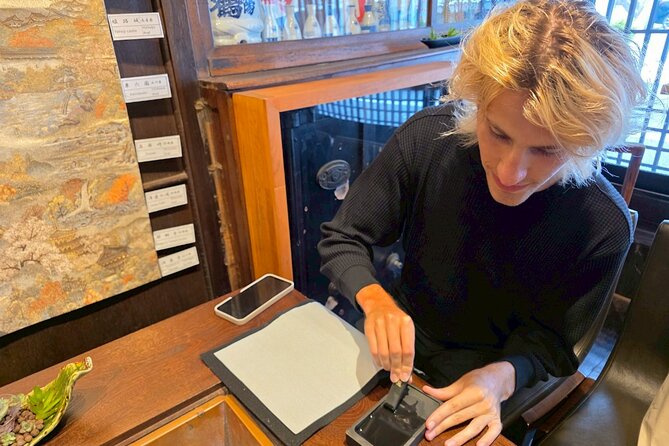
Inside the brewery’s traditional interior, you use spring water from Mount Ryuo and sumi ink to create your own calligraphy design. The activity begins with grinding the ink, then writing your label on special paper normally used for authentic sake labels.
That detail gives the souvenir more meaning. You are not simply receiving a printed gift from the tour. You are making something connected to the materials and style used by sake producers. Even if your calligraphy is imperfect, that is part of the charm. A personal label made during a visit says more than a generic souvenir from a shop.
The calligraphy session also slows the pace at the end of the tour. After several explanations and tastings, you have time to concentrate on a simple traditional craft. You do not need to be an experienced calligrapher to take part. The information provided does not specify the exact instruction format, but the activity is presented as suitable as part of the guided visit.
Sanyotsuru is also where the tour’s link between water and sake becomes most tangible. You use the same spring water associated with the brewery for the ink activity. That connection helps explain why water matters so much to sake production without turning the lesson into a technical lecture.
What the tastings add
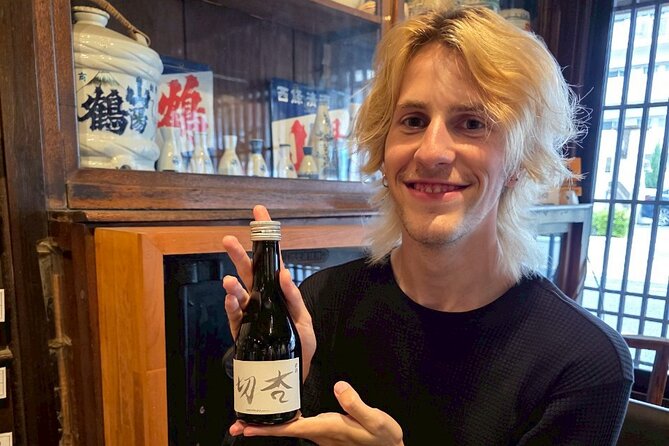
Sake tasting is included, though the supplied details specify that only part of the tasting fees are covered. You will compare sake and taste differences between breweries, which is more useful than trying one sample without context.
The exact number or style of pours is not given, so you should not expect a fixed tasting menu. The important point is comparison. Each brewery has its own approach and character, and tasting side by side gives you a better sense of those differences.
You do not need to be a sake expert. The guide’s role is to connect what is in the glass with the brewery, the local water, and the production methods you have just seen. Ask questions if a flavor seems unfamiliar. The tour is designed to explain the culture and craft, not test your knowledge.
If you cannot drink alcohol, or if you are under 20, tell the operator when you book. The tour specifically asks for that information because sake tasting is part of the experience. The supplied details do not state exactly what alternative will be offered, so confirm the arrangement in advance rather than assuming a nonalcoholic tasting is guaranteed.
Is $117.27 a fair price?
At $117.27 per person, this is not the cheapest way to visit a brewery in Japan. You are paying for a guided cultural experience rather than a simple tasting or self-guided shop visit.
The value comes from the combination of four elements:
- A visit to Mitate Shrine, an important religious site for Saijo’s brewers.
- Explanations and displays at Kamotsuru.
- A special factory visit at Hakubotan’s Tenpo Brewery.
- A guided calligraphy activity and souvenir at Sanyotsuru.
The price also includes experience fees, some sake tasting fees, souvenirs, and insurance. Transportation to the starting point is not included, so you need to factor that into your budget.
I think the cost is easiest to justify if you care about the story behind sake and want access that would be difficult to arrange alone. The Hakubotan factory visit and the calligraphy activity give it more substance than a standard tasting tour.
If your only goal is to sample as much sake as possible, you may find the price harder to justify. This tour gives equal attention to history, religion, production, and craft. It is a cultural tour with sake, not a drinking session with a little commentary.
Timing, group size, and practical planning
The tour begins at 2 p.m. and ends back at the meeting point at about 5 p.m. Since the visits follow a set sequence, arriving early is sensible. The first scheduled stop begins at 2:05, leaving very little room for a late arrival.
The group maximum is five people. That is a real advantage in a brewery, where displays and explanations can be difficult to follow in a large crowd. A small group should also make the calligraphy activity easier and give you more time to ask the guide questions.
A mobile ticket is provided, and confirmation arrives when you book. The meeting point is near public transportation, but the tour does not include transport. You should check how you will reach 12-3 Saijōhonmachi before the day of the visit.
Most people can participate, according to the supplied information. Still, the day includes walking between several locations and time spent standing in breweries and shrine grounds. The details do not promise a specific accessibility arrangement, so contact the operator if you need mobility support.
Free cancellation is available if you cancel at least 24 hours before the start time. A cancellation or change made less than 24 hours before the tour is not accepted for a refund. The cut-off follows local time in Japan.
Who will get the most from this tour?
I would recommend this experience to you if you enjoy learning how a local product fits into daily life and tradition. It suits first-time sake drinkers because the route starts with basic context and builds toward tastings and a factory visit.
It is also a strong choice for anyone who likes small, hands-on activities. The calligraphy label gives you something to do, not just something to watch, and the finished piece should be easy to carry home.
The tour may suit families with older children only if they understand that sake tasting is part of the day. Anyone under 20 cannot take part in alcohol consumption, and the operator should know this when you book.
I would be more cautious about recommending it to someone seeking a flexible afternoon. The start time, stops, and end point are set, and the tour is designed around a specific three-hour route. You also need to make your own way to the meeting point.
Should you book the Saijo brewery tour?
Book this tour if you want the full Saijo picture: a sake shrine, three brewery settings, local explanations, tastings, and a handmade label. The five-person limit and the unusual Tenpo Brewery visit make it more personal than a standard brewery stop.
Skip it if you want only a quick tasting, a late start, or a self-guided afternoon. For everyone else, $117.27 is a reasonable price for the access and range of activities, especially if the calligraphy souvenir and brewery stories appeal to you.
FAQ
Where does the Hiroshima Saijo sake tour begin?
The tour begins at 12-3 Saijōhonmachi, Higashihiroshima, Hiroshima 739-0011, Japan.
What time does the tour start?
The start time is 2 p.m. The first scheduled stop, Mitate Shrine, runs from 2:05 to 2:30 p.m.
How long does the experience last?
The tour lasts approximately three hours, ending at about 5 p.m.
Where does the tour end?
The activity ends back at the meeting point.
How many people can join the tour?
The tour has a maximum of five participants.
Is transportation included?
No. Transportation to the meeting point is not included.
What is included in the price?
The price includes experience fees, some sake tasting fees, souvenirs, and insurance.
Is sake tasting part of the tour?
Yes. The tour includes sake tasting and comparisons between the breweries.
Can someone under 20 join the tour?
The supplied information says that anyone under 20, or anyone unable to consume alcohol, should inform the operator when booking.
Can I cancel for a full refund?
Yes, if you cancel at least 24 hours before the experience start time. Cancellations and changes made less than 24 hours before the start time are not accepted for a refund.
Just added around Japan
- Wagyu BBQ & Sukiyaki with Sake Pairing Experience near Ginza★ 5.0 · 2 reviews
- Tokyo Sake Tasting Tour with a Sake Expert★ 5.0 · 7 reviews
- Sake Tasting and Cherry Blossom Fun in Tokyo!★ 5.0 · 4 reviews
- Private Sake Tasting at 300 Years Old Sake Brewery in Tokyo★ 5.0 · 3 reviews
- Tokyo: Serene Sakura & Sake: An Exclusive Brewery Pairing Lunch★ 5.0 · 2 reviews
- Nagano: Snow Monkey and Zenkoji Temple Free Sake Taste Day Tour★ 4.5 · 8 reviews
- Sake Pairing Workshop with Japanese Food in Shinjuku★ 5.0 · 5 reviews
- Cherry blossom & Japanese Sake Tasting in Shinjuku★ 5.0 · 4 reviews
Sake Brewery Tours, compared.
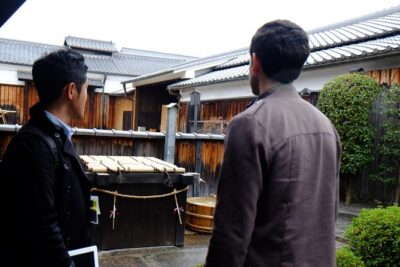
3-Hour Kyoto Insider Sake Brewery Tour with Tastings & Pairings
Read our review →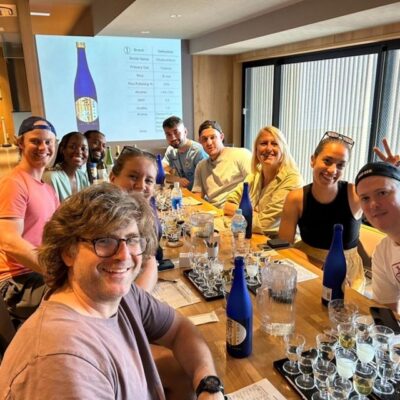
Insider Sake Brewery Tour with Sake and Food Pairing
Read our review →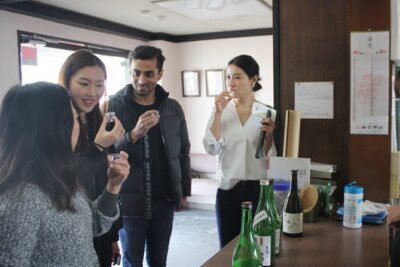
KOBE Sake Tasting Tour at Breweries (tasting fee included)
Read our review →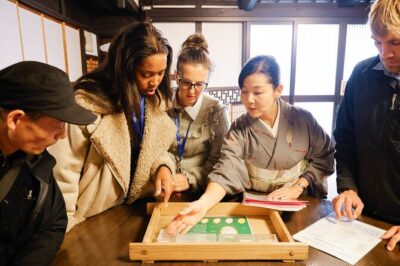
Hiroshima Saijo Sake Tasting Tour with visit to 7 Breweries
Read our review →
Private Sake Brewery Visit and Tasting Tour in Hida
Read our review →
Browse the lists this tour appears in