
REVIEW · JAPAN
Nishinomiya: Sake Brewery Tour Near Kobe – Visit 3 Breweries
Sake tastes better when you see where it is made. This three-hour walk through Nishinomiya connects the town’s sake traditions with visits to Hakushika, Hakutaka, and Nihon Sakari, three respected breweries near Kobe. I like the small-group format and the chance to compare different brewing styles in one outing. I also like that the tour begins with Nishinomiya’s Ebisu shrine, giving the sake story a cultural setting instead of treating the drink as a simple tasting.
The main point to consider is the walking. You cover the route on foot, with several stretches of 5 to 15 minutes, and the tour moves at a steady pace. I would also allow room in your luggage for bottles: one tasting included more than eight types of nihonshu, and the selections were tempting enough for one participant to buy four or five bottles.
Key things to know before booking
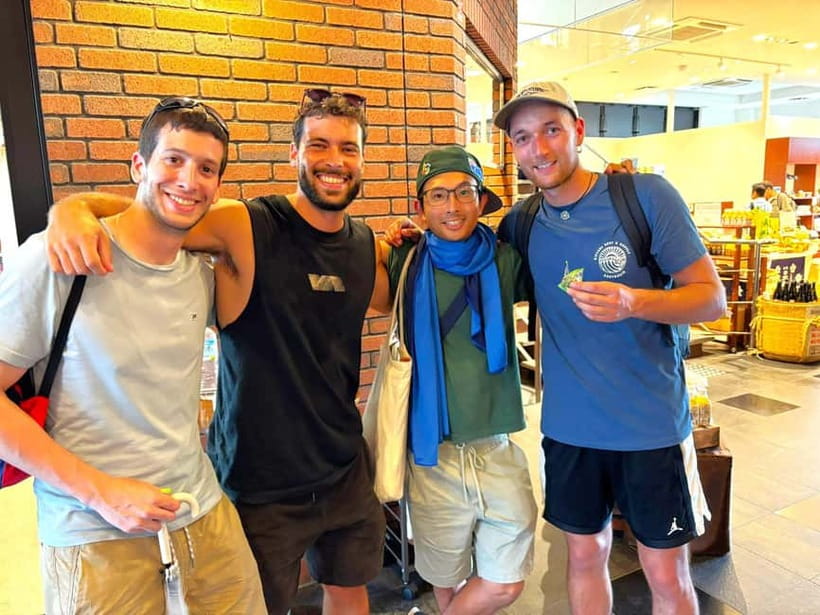
- Three breweries in three hours: Visit Hakushika, Hakutaka, and Nihon Sakari in a compact walking tour from Nishinomiya Station to Imazu Station.
- More than a quick sip: Tastings can include eight or more sake varieties, including junmai and junmai daiginjo.
- A useful cultural start: The tour includes a guided visit to Nishinomiya Jinja, also called Nishinomiya Ebisu.
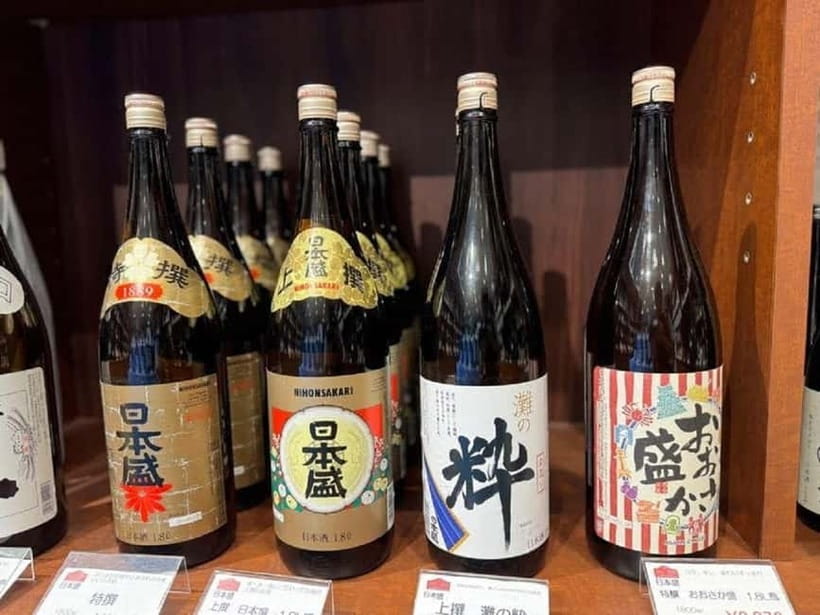
- Different brewery personalities: Hakushika is associated with fragrant, crisp sake, Hakutaka with a subtle aroma and clean, sharp taste, and Nihon Sakari with highly aromatic sake.
- A guide makes the difference: Julien, Aki, and Kaito have each received praise for explaining sake alongside Japanese culture and local history.
- Good flexibility: The $74 price includes the guide and tastings, and you can cancel up to 24 hours before the start for a full refund.
Why Nishinomiya makes a good sake base
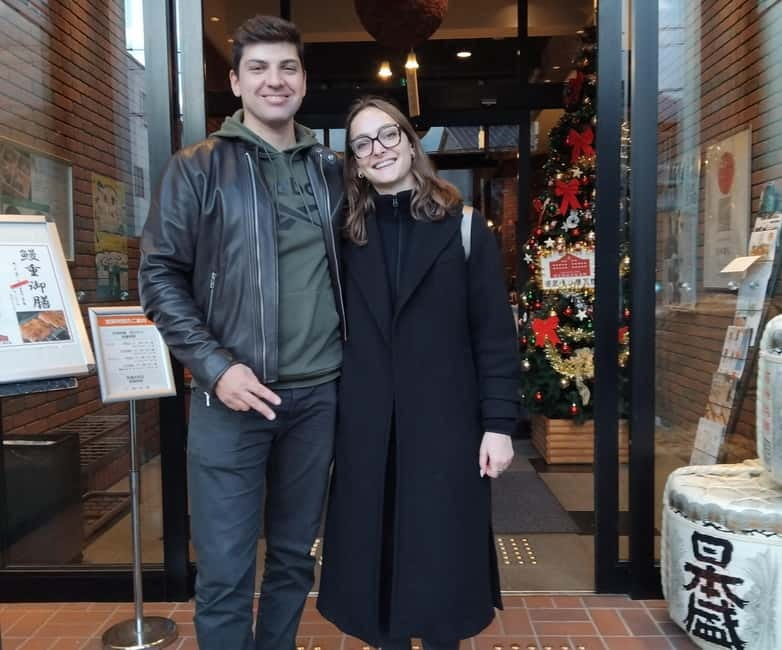
Nishinomiya is one of Japan’s important sake-producing areas. Its name is tied closely to the drink, and this tour lets you see how several producers interpret the local tradition in different ways.
That comparison is the real value. A single brewery visit can teach you how sake is made, but three stops help you understand why bottles do not all taste alike. Rice selection, fermentation, aroma, texture, and finishing style all affect the result. You can taste those differences instead of trying to remember them from a guide’s explanation.
The tour also avoids making sake feel like a technical subject only for experts. You do not need to know the difference between junmai and junmai daiginjo before you arrive. The guide can give you a working introduction, then let your own palate decide which styles you prefer.
More Sake Brewery Tours in Japan:
- 3-Hour Kyoto Insider Sake Brewery Tour with Tastings & Pairings
★ 5.0 · 917 reviews - Kyoto: Insider Sake Brewery Tour with Sake and Food Pairing
★ 5.0 · 704 reviews - Kyoto Sake Brewery & Tasting Walking Tour
★ 5.0 · 623 reviews
Meeting at Hanshin Nishinomiya Station
Your meeting point is in front of the Ebisu-Guchi ticket gate at Hanshin Nishinomiya Station. Look for the guide holding a yellow DeepExperience sign.
This is a practical place to begin because the first stop is Nishinomiya Jinja, a short five-minute walk away. The entire outing is arranged as a walking route, so you are not losing time to repeated train rides or bus transfers between breweries. The tour finishes at Imazu Station, which gives the route a clear endpoint.
The activity lasts about three hours. Starting times vary, so you need to check availability when booking. English and Japanese guiding are offered, and private or small-group options are available. If you prefer to ask plenty of questions, a smaller group should suit you better than a large scheduled party.
Nishinomiya Jinja puts sake in context
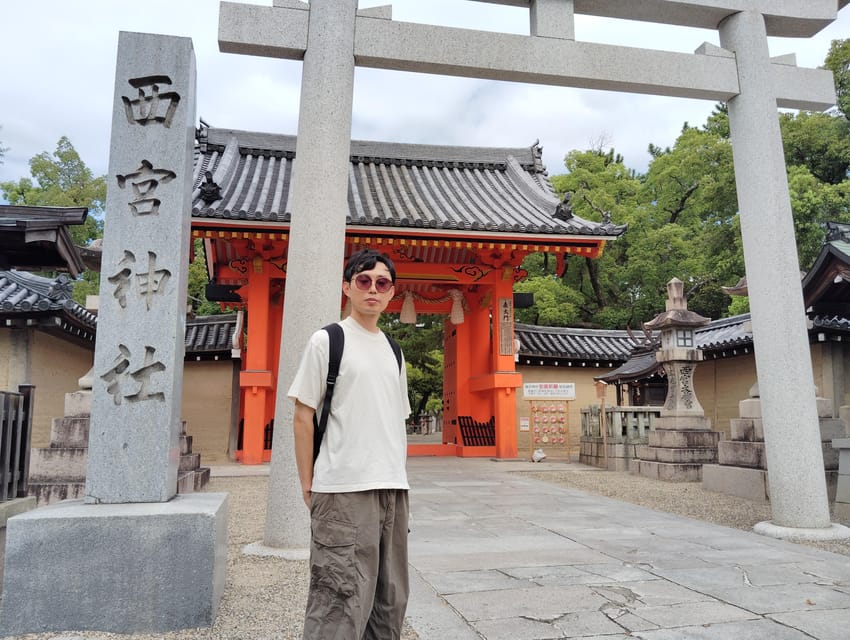
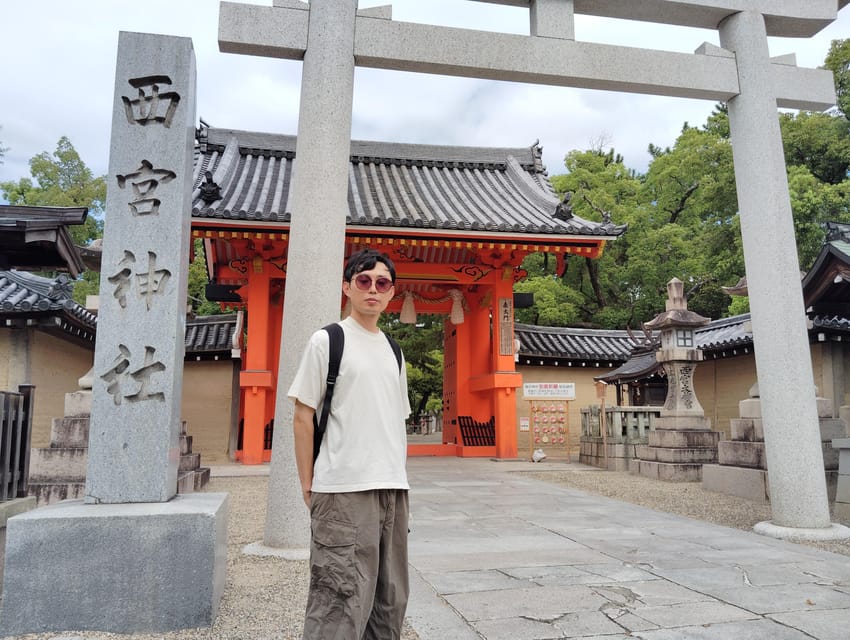
The first guided stop is Nishinomiya Jinja, also known as Nishinomiya Ebisu. You spend about 15 minutes here.
This is not a long shrine tour, and that is probably the right balance. The shrine helps explain the local setting before you move into the breweries. You are not simply walking from one tasting counter to another. You are starting with a place connected to Nishinomiya’s religious and cultural identity.
I especially like this opening because it gives the tour a sense of place. The sake story begins in the town itself, not inside a display room. Your guide may also use the stop to explain Ebisu and related Japanese customs. Julien, one of the guides praised for his cultural explanations, was appreciated for discussing Ebisu along with sake and everyday Japanese culture.
Keep your expectations sensible here. The shrine visit lasts only 15 minutes, so it is an introduction rather than a full temple or shrine tour. The main focus remains sake.
Hakushika Roku Suien and the first tasting
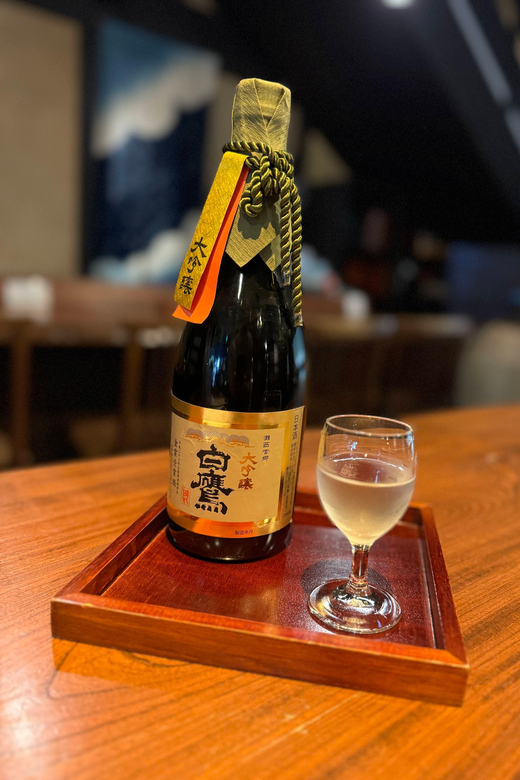
From Nishinomiya Jinja, you walk about 15 minutes to Hakushika Roku Suien. The visit takes around 20 minutes and includes a guided tour and sake tasting.
Hakushika is described as producing sake with a fragrant, crisp character that is easy to enjoy. That makes it a friendly first tasting. If you are new to sake, a clean and fragrant pour gives you a clear baseline before the more distinctive styles later in the route.
The stop also introduces the production side. You learn about the care taken with rice, fermentation, and the methods that shape the finished drink. The breweries combine old techniques with modern approaches, so the lesson is not about a frozen tradition preserved behind glass. It is about a working craft that continues to adapt.
The itinerary labels this part as a wine tasting, but the activity is centered on sake, or nihonshu. That wording should not confuse you. The point is to sample the brewery’s sake and understand its character.
A few more sake experiences around Japan worth a look
- 1-Day Snow Monkeys, Zenko-ji Temple & Sake in Nagano
★ 5.0 · 1,020 reviews - Nagano: Snow Monkeys, Zenkoji Temple & Sake Day Trip
★ 4.9 · 833 reviews - 1.5-Hour Kyoto Insider Sake Experience with 7 Tastings & Pairings
★ 5.0 · 297 reviews - Ramen and Sushi Cooking Class with Sake Pairing Set in Tokyo
★ 5.0 · 291 reviews
Hakutaka brings a sharper, cleaner style
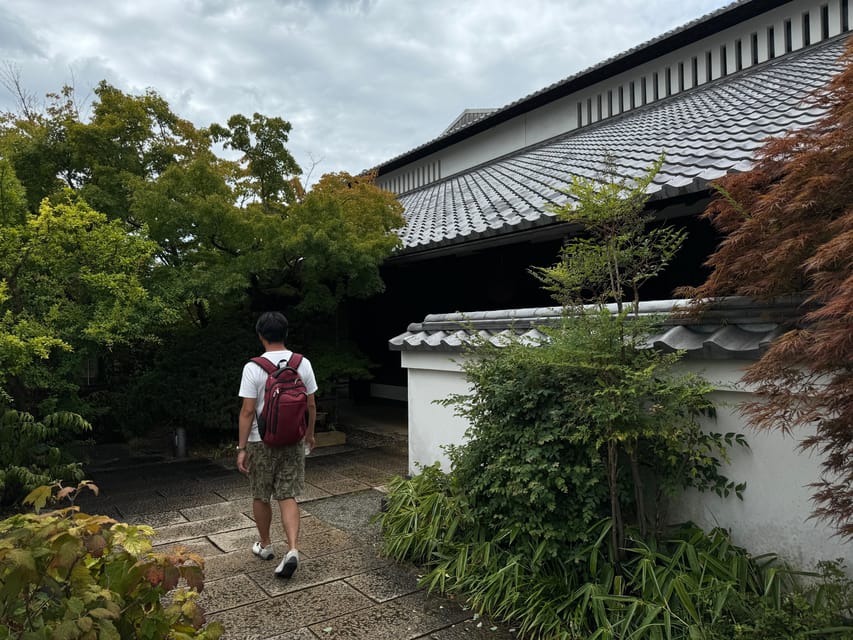
The next brewery visit includes about 40 minutes of guided time, followed by another 20-minute guided tasting. The supplied schedule does not name this stop directly, but the tour description identifies Hakutaka as one of the three breweries.
Hakutaka gives you a useful contrast with Hakushika. Its aroma is more restrained, while the taste is sharp and clean. This is the sort of difference that can be hard to understand from a menu description. Tasting the two styles close together makes the contrast much easier to notice.
The longer visit gives your guide time to explain more of the brewing process. Pay attention to how the guide connects production choices with flavor. The same basic drink can feel fragrant, dry, light, or firm depending on how it is made and served.
This is also a good place to ask direct questions. If you prefer sweeter sake, drier sake, or something aromatic, say so. A private or small-group setting should make that conversation easier, though the exact number of pours can vary by day.
Nihon Sakari closes with bold aroma
After another 15-minute walk, you reach Nihon Sakari for the final guided tasting, which lasts about 20 minutes. Nihon Sakari is known here for especially aromatic sake.
That makes it a sensible final stop. By this point, you have sampled a crisp style at Hakushika and a cleaner, sharper profile at Hakutaka. The more pronounced aroma at Nihon Sakari gives the tasting a different finish rather than repeating the same idea three times.
The tour is designed around comparison, not just quantity. You may taste more than eight types overall, with examples including junmai and junmai daiginjo. Those categories can give you a better sense of how rice polishing and brewing choices affect aroma and texture, although the guide’s explanation will be more useful than trying to memorize labels.
If you find a favorite, ask about buying it. One participant purchased four or five bottles, including some selections available only at the tasting location, at what was described as reasonable pricing. That is a useful detail for sake fans, but remember that bottles add weight and require careful packing.
What the brewing lessons add
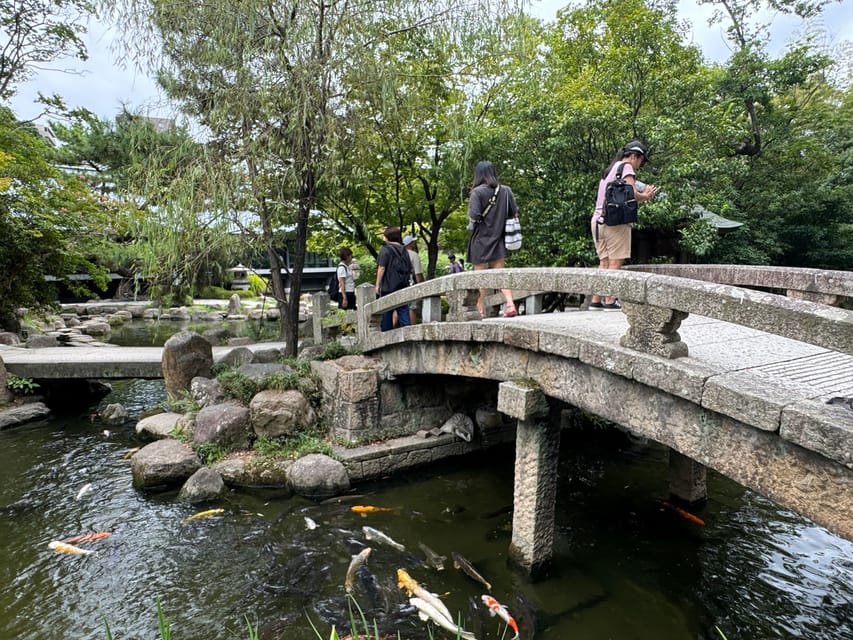
The best part of this outing is not simply getting three drinks in three places. It is learning how to taste with a little more purpose.
Your guide can walk you through the basic chain: rice is selected, prepared, fermented, and refined into sake. Traditional methods remain important, but modern improvements are also part of the story. The final character comes from many small decisions rather than one secret ingredient.
I would pay attention to aroma first, then taste, then the finish. Hakushika gives you a fragrant and crisp reference point. Hakutaka lets you notice a quieter nose and cleaner taste. Nihon Sakari gives aroma a stronger role. You do not need professional tasting language. Simply note which sake feels light, sharp, fragrant, or easy to drink.
The cultural explanation matters, too. Guides Julien, Aki, and Kaito have been praised for making the tour about more than production facts. Aki was described as passionate and interesting, while Kaito helped explain Japanese culture in both past and present terms. That kind of conversation can make the walk feel personal rather than scripted.
Is $74 a fair price?
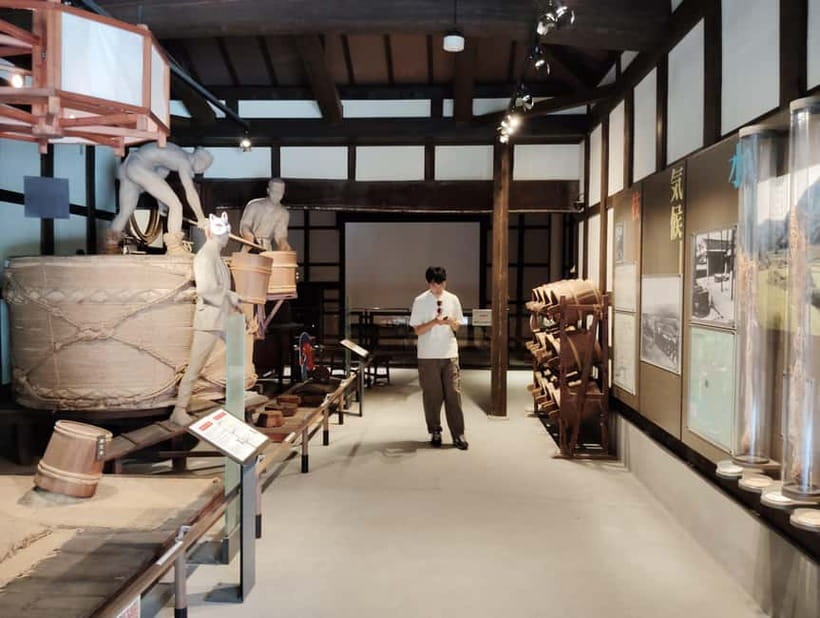
At $74 per person, the price includes the guide and sake tasting fees. You are paying for about three hours, three brewery visits, a shrine stop, cultural explanation, and multiple tastings.
I think the value is strongest if you want structure and interpretation. You could visit a sake museum or tasting room on your own, but comparing three producers in a planned route would take more research. You would also miss the chance to ask one guide how the breweries differ and why Nishinomiya matters.
The price is less compelling if you only want to drink sake cheaply. This is not a bar crawl. Part of the fee covers the guide’s time, the walking route, the cultural context, and access to organized tastings. If you are not interested in how sake is made, the three-hour schedule may feel long.
A private or small-group tour can improve the value for couples or families of adult drinkers who want a flexible conversation. The tasting fees are included, so you are not paying the advertised price and then discovering that every sample costs extra.
Walking, timing, and practical comfort
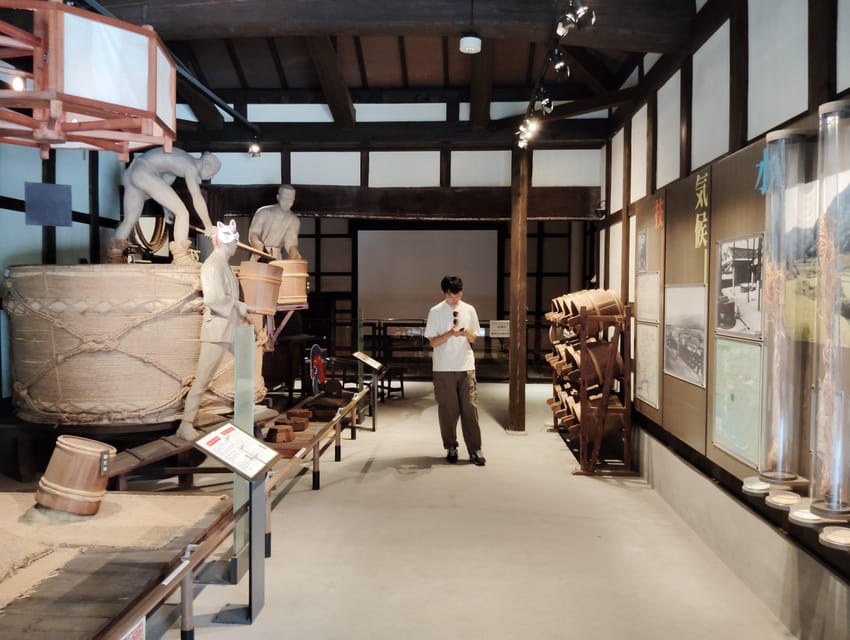
The route includes walks of about 5, 15, 5, 15, and 15 minutes. None is described as a long hike, but you are on your feet for much of the three hours.
Wear comfortable shoes and avoid scheduling this immediately before a demanding evening activity. Tastings add up, especially if you sample more than eight varieties. Pace yourself, listen to the guide, and drink water when you can.
Because the tour begins at Hanshin Nishinomiya Station and ends at Imazu Station, you should think of it as a one-way neighborhood walk. That is convenient, but it also means you should not expect to return to the starting station at the end.
The tour is offered in English and Japanese. If language support is important to you, confirm the available language and start time when you reserve. The guide names associated with the experience include Julien, Aki, and Kaito, but the assigned guide can vary.
Who will enjoy this most?
I would recommend this tour to first-time sake drinkers who want a clear introduction without having to arrange several visits themselves. It also suits people who enjoy food and drink with a cultural layer.
Sake enthusiasts should like the range. Comparing junmai, junmai daiginjo, and other brewery selections in one afternoon gives you a useful tasting lesson. The chance to buy bottles, including some exclusive to a tasting location, adds appeal if you collect or bring home Japanese drinks.
The tour is also a good fit for couples and small groups. The personalized format can make it easier to ask questions and adjust the discussion to your interests. One couple described having a particularly personal visit because they were the only two participants that day.
I would hesitate to recommend it to anyone who dislikes walking, cannot drink alcohol, or wants a long technical tour inside each brewery. The visits are short and spread across several stops. The strength is variety and conversation, not an extended examination of one production facility.
Booking details worth knowing
Free cancellation is available up to 24 hours before the start for a full refund. You can also reserve now and pay later, which helps if your Kobe or Osaka plans are still changing.
The tour is operated by DeepExperience, Inc. The listed rating is 5 out of 5 from five bookings, with praise focused on the guides, cultural explanations, personal attention, and range of sake. The strongest pattern is clear: the human side of the tour matters as much as the alcohol.
Before booking, check the available start times and choose a slot that leaves you enough time to reach Hanshin Nishinomiya Station. Meet at the Ebisu-Guchi ticket gate, not simply somewhere near the station.
Should you book the Nishinomiya sake tour?
Book it if you want to understand sake by tasting several styles in their local setting. The combination of Nishinomiya Jinja, three breweries, more than eight possible pours, and a guide who can explain both brewing and Japanese culture gives you more than a standard tasting.
Skip it if you want a short indoor visit, dislike walking, or are looking only for the lowest-cost drink. For everyone else, $74 is a reasonable price for a focused half-day outing near Kobe, especially if you value personal guidance and the chance to compare Hakushika, Hakutaka, and Nihon Sakari side by side.
FAQ
Where does the Nishinomiya sake tour begin?
Meet your guide in front of the Hanshin Nishinomiya Station Ebisu-Guchi ticket gate. The guide will hold a yellow DeepExperience sign.
Where does the tour finish?
The tour finishes at Imazu Station.
How long does the activity last?
The activity lasts about three hours.
Which breweries are included?
The tour visits Hakushika, Hakutaka, and Nihon Sakari.
Is sake tasting included in the price?
Yes. The price includes the guide fee and sake tasting fee.
How many types of sake might I taste?
The tastings can include more than eight types of nihonshu, including junmai and junmai daiginjo.
What languages are available?
Live guiding is available in English and Japanese.
Can I cancel the booking for a refund?
Yes. You can cancel up to 24 hours in advance for a full refund.
Just added around Japan
- Tokyo Sake Tasting Tour with a Sake Expert★ 5.0 · 7 reviews
- Wagyu BBQ & Sukiyaki with Sake Pairing Experience near Ginza★ 5.0 · 2 reviews
- Sake Tasting and Cherry Blossom Fun in Tokyo!★ 5.0 · 4 reviews
- Private Sake Tasting at 300 Years Old Sake Brewery in Tokyo★ 5.0 · 3 reviews
- Tokyo: Serene Sakura & Sake: An Exclusive Brewery Pairing Lunch★ 5.0 · 2 reviews
- Nagano: Snow Monkey and Zenkoji Temple Free Sake Taste Day Tour★ 4.5 · 8 reviews
- Sake Pairing Workshop with Japanese Food in Shinjuku★ 5.0 · 5 reviews
- Cherry blossom & Japanese Sake Tasting in Shinjuku★ 5.0 · 4 reviews
Sake Brewery Tours, compared.
3-Hour Kyoto Insider Sake Brewery Tour with Tastings & Pairings
Read our review →
Insider Sake Brewery Tour with Sake and Food Pairing
Read our review →
KOBE Sake Tasting Tour at Breweries (tasting fee included)
Read our review →
Hiroshima Saijo Sake Tasting Tour with visit to 7 Breweries
Read our review →
Private Sake Brewery Visit and Tasting Tour in Hida
Read our review →
Browse the lists this tour appears in