
REVIEW · JAPAN
Experience Comparing Sake and Delicacies in shinjyuku
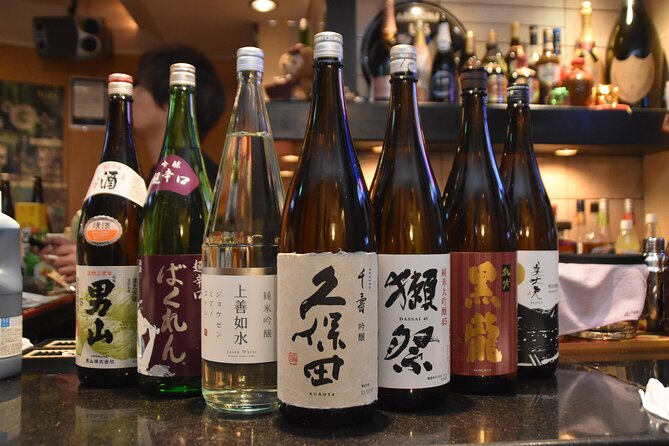
Start with a small sip. This Shinjuku experience makes Japanese sake approachable by pairing three carefully chosen pours with three traditional delicacies, all in about 90 minutes. I like the choose-your-own sake format, and I also like that even people who rarely drink can take part. The main drawback is that the experience takes place in Kabukicho, so you should expect a lively downtown setting rather than a quiet brewery visit.
The price is $33.03 per person, with alcoholic drinks, snacks, and all fees included. That is fair for a short introduction, but you should not book this expecting a full meal or a long lesson from a sake producer. Think of it as a compact tasting session and a friendly first step into Japanese drinking culture.
Key points at a glance
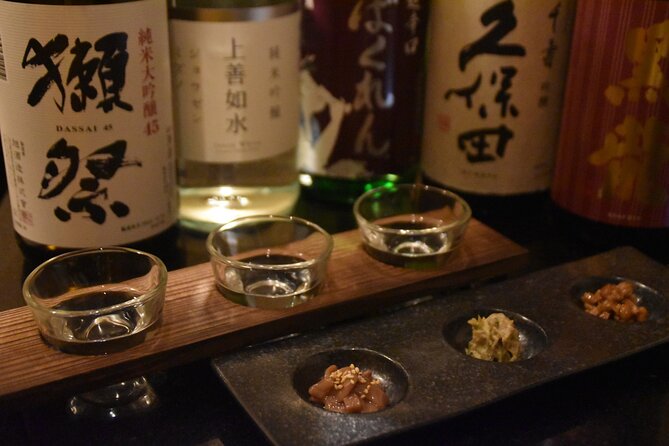
- Three sake choices: Pick three types from sake made in different parts of Japan.
- Three traditional delicacies: Match the drinks with three snacks that have been popular in Japan since ancient times.
- Small pours: You can drink a little at a time, which helps if you are new to sake or do not usually drink alcohol.
- Cultural introduction: You begin by reading a pamphlet about sake culture and history before tasting.
- Small group setting: The maximum group size is 10 people, keeping the activity more personal than a large bar crawl.
- Memory photos: Staff take photos during the experience, giving you something to share after you leave.
What this Shinjuku tasting actually offers
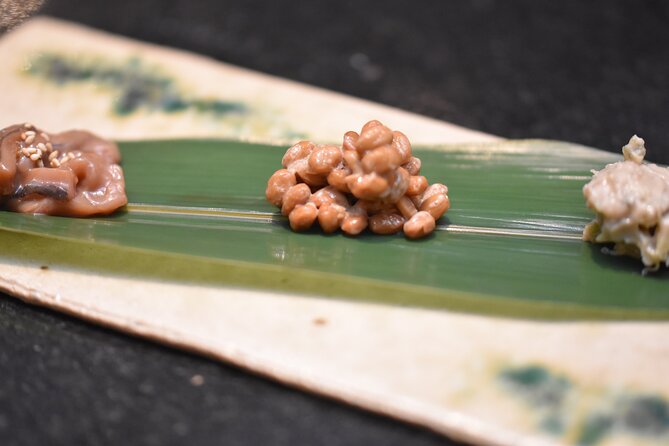
This is a focused comparison activity, not a broad food tour. You arrive at the meeting point in Kabukicho, learn a little about sake through the provided pamphlet, choose three drinks, choose three delicacies, and compare how the flavors work together.
That simple structure is useful. Sake can seem confusing when you face a long list of unfamiliar labels, regions, and styles. Here, you only need to make three selections, then taste them side by side. You get a clearer sense of what you prefer without committing to a full bottle or a long evening.
The experience is also designed to welcome beginners. You do not need a strong background in Japanese food, and you do not need to drink large amounts. Since you can take small sips, you can focus on aroma, sweetness, dryness, and the way each drink changes when paired with food.
I especially like this approach for a first visit to Tokyo. It gives you a small piece of Japanese food culture without taking up half a day. You leave with a better vocabulary for ordering sake later, even if you decide that one style suits you more than the others.
A few more sake experiences around Japan worth a look
- 1-Day Snow Monkeys, Zenko-ji Temple & Sake in Nagano
★ 5.0 · 1,020 reviews - 3-Hour Kyoto Insider Sake Brewery Tour with Tastings & Pairings
★ 5.0 · 917 reviews - Nagano: Snow Monkeys, Zenkoji Temple & Sake Day Trip
★ 4.9 · 833 reviews
Meeting in Kabukicho, Shinjuku
The activity begins at the Skylark Building, 2-chōme-38-11 Kabukichō, Shinjuku City, Tokyo 160-0021. It ends at the same meeting point, so you do not need to arrange a separate ride back after the tasting.
That return-to-start setup makes planning easy. You can schedule the activity before dinner, after sightseeing in Shinjuku, or as a short evening stop before heading elsewhere. The meeting point is near public transportation, but private transportation is not included, so you will need to reach the building on your own.
Kabukicho is a lively part of Shinjuku, and the location affects the mood. This is not a countryside sake cellar or a quiet rural brewery. It is an urban tasting in one of Tokyo’s best-known entertainment districts, which can be convenient if you are already exploring the area.
You should allow a little extra time to find the exact building. The supplied address is specific, but Shinjuku can be busy and confusing, especially after dark. A mobile ticket is provided, making check-in simpler once you reach the correct place.
First step: read before you taste
The session begins with a pamphlet covering the culture and history of sake. This may sound modest, but it gives the tasting a useful frame.
Without some background, sake can seem like one general category of Japanese alcohol. The introductory material helps you understand that bottles from different parts of Japan can offer different tastes. It also gives you a reason to pay attention instead of simply deciding which drink is strongest or sweetest.
You should treat the pamphlet as a quick orientation rather than a full class. The available information describes a short activity, not an extended seminar with a producer or a visit to a sake-making facility. If you want technical lessons about rice polishing, fermentation, or regional production methods, you may need a more specialized experience.
Still, the short introduction has value. It lets you move from reading to tasting right away, which suits the compact 90-minute schedule. I like experiences that give you just enough context to make the food and drink more meaningful without turning a casual outing into a lecture.
Choosing three sakes from across Japan
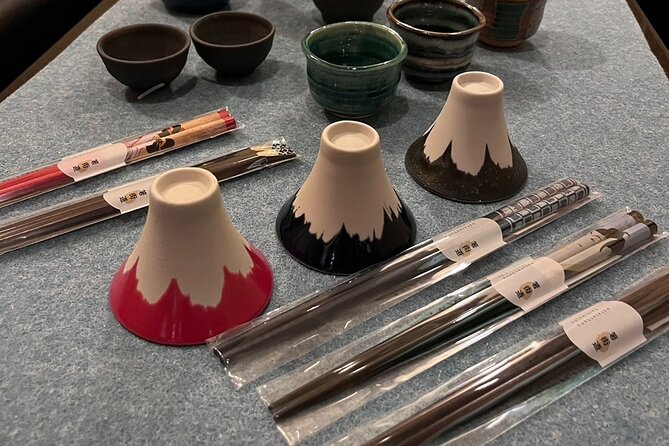
After the introduction, you choose three kinds of sake from a wide selection. The important point is choice. You are not locked into a fixed flight selected entirely by someone else.
That format gives you a little control over the experience. If you are new to sake, you can choose based on the available descriptions or ask the staff for help. If you already know you prefer a certain type, you can use the three selections to compare similar drinks or try something different.
The supplied details do not list the exact brands, regions, or sake styles available on the day. That means you should not book this expecting a guaranteed bottle from a particular prefecture. The selection can vary, and your experience will depend partly on what is offered when you visit.
You also should not read the three choices as three full drinks. The experience is built around tasting small amounts. That is a strength for anyone cautious about alcohol, but it also means the activity is about comparison rather than getting a substantial amount of sake.
For a first-time drinker, three samples are enough to notice contrasts. You might prefer one sake because it tastes lighter, another because it seems smoother, or a third because it pairs better with the snacks. The value lies in trying several options without ordering three separate drinks at a bar.
Same place, a different pour:
- Kyoto: Insider Sake Brewery Tour with Sake and Food Pairing
★ 5.0 · 704 reviews - Kyoto Sake Brewery & Tasting Walking Tour
★ 5.0 · 623 reviews - 1.5-Hour Kyoto Insider Sake Experience with 7 Tastings & Pairings
★ 5.0 · 297 reviews - Ramen and Sushi Cooking Class with Sake Pairing Set in Tokyo
★ 5.0 · 291 reviews
Pairing three delicacies with the sake
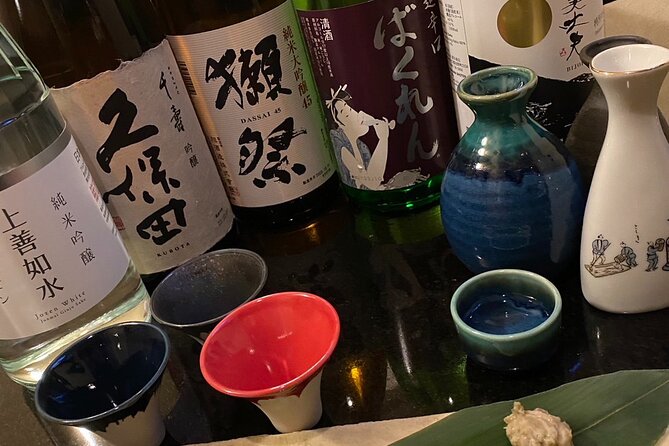
You also choose three delicacies from options connected with different parts of Japan. These foods have been popular in Japan since ancient times, adding a cultural angle to what might otherwise be a basic drink tasting.
The pairing is the heart of the experience. A sake that seems ordinary by itself can work better with food, while a snack can taste different beside a sweeter or drier drink. Comparing the combinations gives you more to notice than simply sipping one drink after another.
The exact delicacies are not specified in the available details, so I would not promise particular dishes. What you can count on is a choice of three snacks intended to be eaten with the sake. If you have strict dietary needs, ask the provider before booking, since the available information does not explain ingredients or substitution options.
This is also where the activity connects the drink to everyday Japanese eating habits. You are not just learning names from a pamphlet. You are trying the food, taking a sip, and deciding what changes. That hands-on comparison is likely to be more memorable than a short explanation alone.
Do not expect a full dinner. The included food is described as snacks or delicacies, so you may still want to plan another meal before or after the activity. At $33.03, the price makes more sense when you view the food as part of a guided tasting rather than as a replacement for dinner.
Small pours make this friendly for beginners
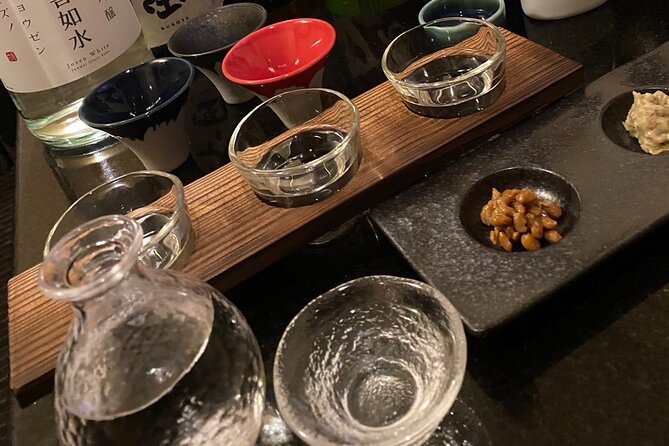
The experience makes a clear effort to keep alcohol manageable. You can drink a little at a time, which lets you participate without feeling pressured to finish large servings.
That matters if you are trying sake for the first time, traveling with someone who drinks very little, or simply want to stay clear-headed for the rest of your evening. You can concentrate on flavor and pairing instead of worrying about the amount.
The activity still includes alcoholic beverages, so it is not suitable for someone who needs to avoid alcohol entirely. The information also does not describe a nonalcoholic tasting option. If that is important to you, contact Karaoke Bar GIFT before reserving.
The strongest praise for this experience focuses on how enjoyable the sake is for newcomers. One couple used it as their first stop in Tokyo, and the participant who was new to sake found every sample enjoyable while learning along the way. That is a useful sign for beginners, though tastes differ and no tasting can guarantee that every style will suit you.
Photos and the social side of the visit
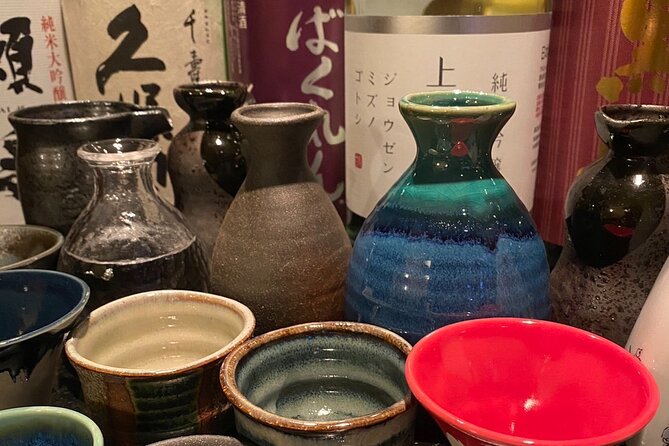
Staff take photos during the experience so you can keep a record of the outing and share it afterward. This is a small feature, but it adds a social touch to a short activity.
The photo service may suit couples, friends, or anyone marking a first visit to Tokyo. One couple specifically valued having the tasting as part of their early Shinjuku memories. If you prefer a private, low-profile meal, the photography may feel less important, but it should not change the central tasting format.
The maximum group size is 10 people. That is small enough to feel more personal than a large commercial tasting, while still allowing the activity to have a social atmosphere. The available details do not promise a private booking, so you should expect that other people may join your session.
Karaoke Bar GIFT runs the experience, and the connection to a karaoke venue gives the outing a casual entertainment feel. The supplied information does not say that karaoke is part of this particular 90-minute activity, so do not assume you will receive a separate karaoke session unless the provider confirms it.
Is $33.03 a fair price?
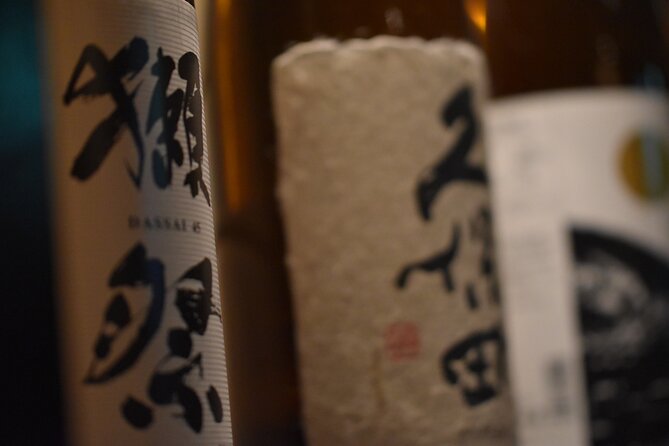
At $33.03 per person, the price includes all fees and taxes, alcoholic beverages, and snacks. You also receive the cultural introduction, the chance to select three sakes and three delicacies, and staff photos.
I consider that reasonable for a short, organized tasting in central Tokyo. Buying several individual sake samples, ordering snacks, and trying to compare everything without guidance could cost a similar amount, especially once fees are added. The activity also removes much of the uncertainty that beginners face when reading a Japanese drink menu.
The value is weaker if you are already an experienced sake drinker looking for rare bottles, detailed production theory, or a visit to a brewery. You may find the pamphlet and short format too basic. The experience works best when you value convenience, variety, and a gentle introduction.
Its 90-minute length is another plus. You get a defined activity without sacrificing an entire afternoon. At the same time, the short schedule means the lesson will remain fairly light, and the food portion will be tasting-sized rather than a full meal.
Who should book this experience?
I would recommend it to a first-time sake drinker who wants a simple way to begin. The ability to select three drinks, take small sips, and compare snacks makes the activity less intimidating than ordering from a large sake menu.
It also suits couples and friends looking for a shared Shinjuku activity. The photo feature gives the outing a keepsake element, and the small group limit should make it easier to ask questions or talk through what you are tasting.
This could also work well as an early Tokyo activity. The couple who chose it as their first stop found that it helped them learn about sake while creating a positive first memory of the city. You can use it to get oriented to one part of Japanese food culture before trying more ambitious meals later.
I would be more cautious if you want a substantial meal, a private guide, a brewery visit, or an advanced sake lesson. None of those features is promised. People who avoid alcohol completely should also check with the provider before booking.
Timing, access, and cancellation details
Confirmation is provided when you book, and the activity accepts mobile tickets. The meeting point is near public transportation, while private transportation is not included.
Service animals are allowed, and most people can participate. The group has a maximum of 10 participants. The experience lasts about one hour and 30 minutes and returns to the original meeting point.
Free cancellation is available if you cancel at least 24 hours before the local start time. Canceling within 24 hours, or requesting changes during that period, does not qualify for a refund.
Should you book the sake and delicacy comparison?
Book it if you want a short, low-pressure introduction to sake in central Shinjuku. The three-drink choice, three-snack comparison, small pours, and included fees make the format easy to understand and fairly priced.
Skip it if you want a full dinner, a brewery tour, or a technical master class. For beginners, couples, and anyone curious about Japanese drinking culture without committing to a long evening, this is a sensible pick. Schedule it before or after another Shinjuku plan, arrive ready to taste slowly, and let the comparisons guide your next sake order.
FAQ
Where does the experience begin?
It begins at the Skylark Building, 2-chōme-38-11 Kabukichō, Shinjuku City, Tokyo 160-0021, Japan.
Where does the experience end?
The activity ends back at the original meeting point.
How long does the activity last?
The experience lasts approximately one hour and 30 minutes.
How much does it cost?
The listed price is $33.03 per person.
Are alcoholic drinks included?
Yes. Alcoholic beverages are included in the price.
Are snacks included?
Yes. Snacks are included, and you can choose three delicacies.
How many kinds of sake can I choose?
You can choose three types of sake from a selection of options from across Japan.
How large is the group?
The activity has a maximum of 10 participants.
Can I cancel for a full refund?
Yes, if you cancel at least 24 hours before the experience start time. Cancellations made within 24 hours are not refunded.
Just added around Japan
- Tokyo Sake Tasting Tour with a Sake Expert★ 5.0 · 7 reviews
- Wagyu BBQ & Sukiyaki with Sake Pairing Experience near Ginza★ 5.0 · 2 reviews
- Sake Tasting and Cherry Blossom Fun in Tokyo!★ 5.0 · 4 reviews
- Private Sake Tasting at 300 Years Old Sake Brewery in Tokyo★ 5.0 · 3 reviews
- Tokyo: Serene Sakura & Sake: An Exclusive Brewery Pairing Lunch★ 5.0 · 2 reviews
- Nagano: Snow Monkey and Zenkoji Temple Free Sake Taste Day Tour★ 4.5 · 8 reviews
- Sake Pairing Workshop with Japanese Food in Shinjuku★ 5.0 · 5 reviews
- Cherry blossom & Japanese Sake Tasting in Shinjuku★ 5.0 · 4 reviews
Japan Sake Tours, compared.
1-Day Snow Monkeys, Zenko-ji Temple & Sake in Nagano
Read our review →
3-Hour Kyoto Insider Sake Brewery Tour with Tastings & Pairings
Read our review →
Insider Sake Brewery Tour with Sake and Food Pairing
Read our review →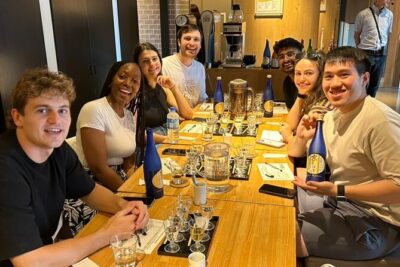
1.5-Hour Kyoto Insider Sake Experience with 7 Tastings & Pairings
Read our review →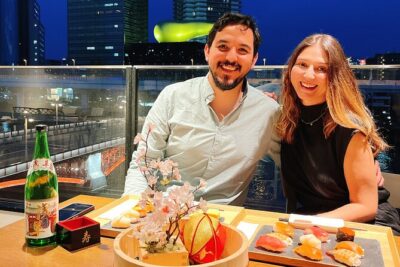
Ramen and Sushi Cooking Class with Sake Pairing Set in Tokyo
Read our review →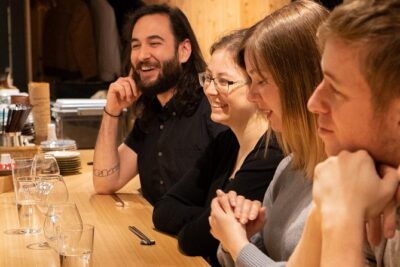
Sake Tasting Masterclass in Shinjuku (8+ Varieties with a Pro)
Read our review →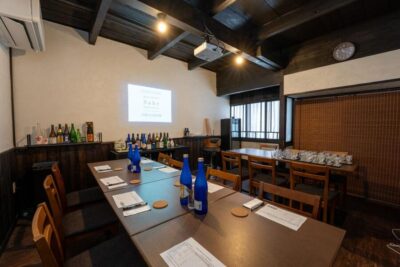
Insider Sake Experience with 7 Tastings and Snacks
Read our review →Browse the lists this tour appears in