
REVIEW · KYOTO
Kyoto: Beyond the Insider Sake Tasting Experience
Sake gets stranger, in the best way. This Kyoto tasting goes beyond familiar bottles, pairing ten hard-to-find varieties with clear explanations from a certified sake sommelier. I like the private tasting room and the chance to try styles rarely found outside Japan. I also like that beginners receive the basic production lesson they need before the unusual bottles arrive.
The main consideration is simple: this is a tasting, not a food tour. No food pairing is included, and anyone arriving by car or bicycle cannot drink, with no refund in that case. Arrive early, too. More than 10 minutes late means cancellation.
Key points at a glance

- Ten uncommon sakes: Taste bottles built around ancient methods, unusual microorganisms, and local wood.
- A proper lesson first: The guide explains ingredients, brewing basics, and sake categories before moving into the more unusual styles.
- Certified guidance: Every guide is a certified sake sommelier, and past feedback gives special credit to the clear presentations and friendly teaching.
- Private tasting room: The dedicated room keeps the focus on the sake rather than the noise of a busy bar.
- Good for mixed experience levels: Curious beginners can follow the course, while experienced drinkers get styles that may be unfamiliar even to them.
- A $66 decision: The price is reasonable if you value expert instruction and ten tastings, but less attractive if you mainly want a drink with dinner.
Why this Kyoto tasting goes beyond the usual sake flight
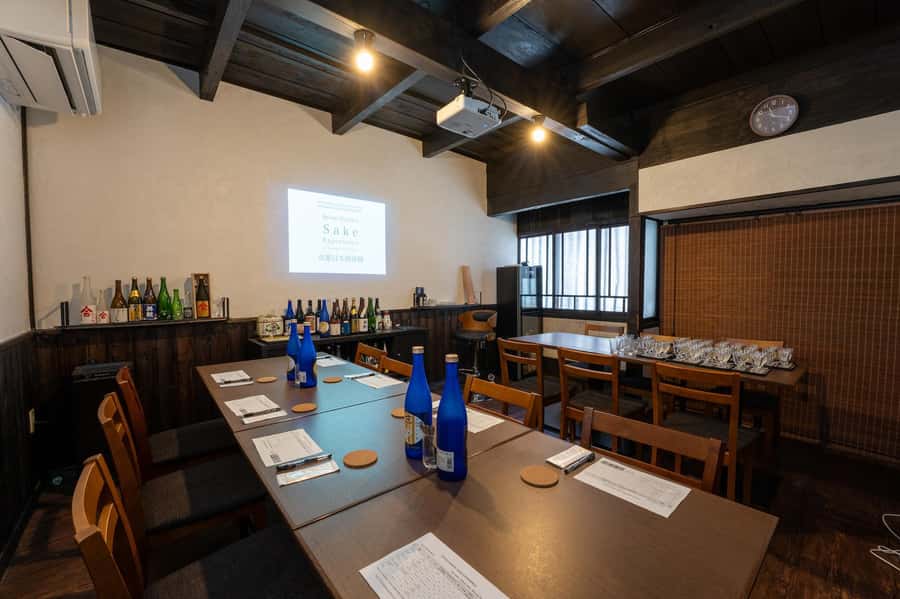
Many sake tastings stay with familiar categories and easy comparisons. This one takes a different route. The ten selections are chosen to show how much the brewing process can alter the final drink, from old techniques to newer experiments.
That makes the experience useful for two different kinds of people. If you are new to sake, you get a framework for understanding what sits in your glass. If you already order sake with confidence, you get a chance to encounter bottles that are rarely exported and may not appear on an ordinary restaurant list.
I especially like the focus on possibility. The lesson is not simply that one sake is dry and another is sweet. You learn how ingredients, production methods, microorganisms, and wood can push sake in different directions.
The setting matters, too. A dedicated private tasting room gives the guide room to explain each pour without competing with a crowded bar. It also makes the session feel like a focused class rather than a quick stop between sightseeing visits.
More Sake Tastings in Kyoto:
- 3-Hour Kyoto Insider Sake Brewery Tour with Tastings & Pairings
★ 5.0 · 917 reviews - Kyoto Sake Brewery & Tasting Walking Tour
★ 5.0 · 623 reviews - 1.5-Hour Kyoto Insider Sake Experience with 7 Tastings & Pairings
★ 5.0 · 297 reviews
Starting with rice, water, yeast, and the basic categories
The session begins with the groundwork. You learn about the important ingredients in sake production and the main sake categories. That opening is valuable because Japanese sake terms can otherwise become a blur of labels and unfamiliar vocabulary.
You do not need previous sake experience. The course is designed to explain the basics before introducing the more unusual bottles, so a first-time drinker should not feel lost when the tasting moves into less familiar territory.
This part also helps experienced drinkers. A refresher on production gives you a better way to judge what changes from one pour to the next. Instead of treating each glass as an isolated sample, you can connect its flavor to the choices made during brewing.
The exact order of the ten sakes is not specified, so you should expect a guided progression rather than a fixed sightseeing route. The important point is the method: learn the foundation, then use the tasting to see how production decisions affect the result.
Ancient brewing methods and older ideas in the glass
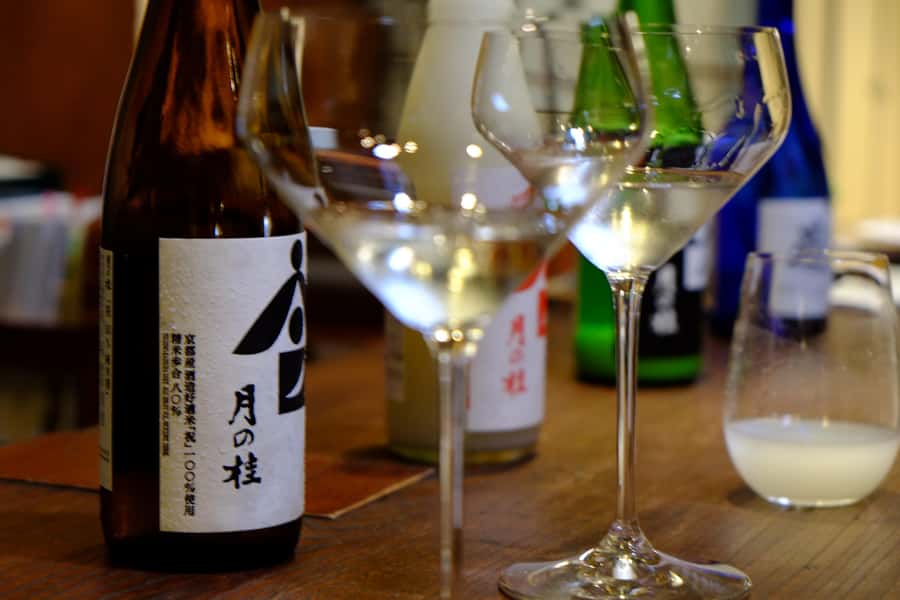
One group of sakes focuses on ancient methods that differ from modern production. This is one of the most interesting parts for anyone who thinks sake has one standard flavor.
Older brewing approaches can show you that sake is not a single, fixed tradition. Techniques change over time, and the resulting bottles can feel quite different from the polished styles commonly sold overseas.
You are not simply hearing about history in the abstract. You taste the result. The value comes from comparing what these older methods create with the more familiar modern examples you may already know.
For beginners, this section offers a useful lesson: a dislike of one sake does not mean you dislike all sake. The range is too wide for that conclusion. For seasoned drinkers, these pours offer a reason to pay attention to method rather than relying only on brand or category.
Microorganisms and a newer direction for sake
Another part introduces a newer kind of sake that uses the qualities of microorganisms. That may sound technical, but it gives the tasting a clear theme: brewers can create different results by working with the living elements involved in fermentation.
This section should appeal to drinkers interested in experimentation. It shows that sake is not frozen in an old image of wooden buildings and traditional labels. The beverage has room for new approaches, and the course places those approaches beside older ones.
I would pay close attention to the guide here. The supplied information does not promise a scientific laboratory lesson, but it does promise an explanation of important brewing ideas. The guide’s job is to connect the production method to what you taste, making the unusual bottle easier to understand.
The best value in this portion is the comparison. One experimental pour by itself might seem merely odd. Ten carefully selected sakes, tasted with context, can show a pattern of how fermentation choices shape character.
A few more sake experiences around Kyoto worth a look
- Kyoto: Insider Sake Brewery Tour with Sake and Food Pairing
★ 5.0 · 704 reviews - Kyoto: Insider Sake Experience with 7 Tastings and Snacks
★ 5.0 · 266 reviews - Private Tea Ceremony and Sake Tasting in Kyoto Samurai House
★ 5.0 · 163 reviews - Kyoto: Sake Brewery and Tasting Tour in Fushimi
★ 4.8 · 55 reviews
Local wood gives one sake a regional accent
One selection is brewed using local wood, giving it a taste tied to its region. This is a memorable detail because it links sake to place in a way that many international drinkers may not expect.
You may already think of regional identity in terms of grapes, soil, or local food. Here, the wood used during brewing becomes part of the story. It gives the tasting a strong sense of place without requiring a trip outside the room.
This is also where the private setting earns its keep. The guide can explain why the wood matters and give you time to consider the result. Without that context, a distinctive flavor might simply seem unusual. With it, you can connect the glass to the local production idea.
The experience does not include food pairing, so the wood-based sake will be tasted on its own. That is a limitation if you hoped to see how local dishes change its character. It is also useful if you want to focus closely on the sake itself, without another flavor competing for attention.
How the ten pours create a useful lesson
The number ten is important. A short flight can introduce sake, but ten varieties give you enough range to notice real differences in production and style.
You should expect the tasting to cover more than a basic dry-to-sweet scale. The selections are intended to show ancient methods, microorganism-based production, and local wood use, along with the categories and ingredients explained at the start.
A tasting note is included, which is practical rather than decorative. Use it to record the bottles or styles you prefer, especially if you want to seek out similar sake later. It can also help you remember which production idea created the strongest impression.
Past feedback praises the presentation and the wide range of sake. One participant singled out the clear explanation of both the types of sake and their production process. Another praised the guide’s friendly manner and broad range of bottles. Those comments point to the strongest feature of the session: the teaching makes the variety useful.
The course has earned a five-star rating from 30 reviews, with repeated praise for how much people learn. That does not mean every pour will suit your taste. It does suggest that the experience succeeds at its central job, giving you a better grasp of sake.
What the certified sommelier adds
A certified sake sommelier guide leads the session in English. The certification matters because the unusual bottles need explanation. Without guidance, ancient techniques and microorganism-based brewing could become interesting words with no clear link to the glass.
The guide also helps keep the course approachable. The basic production lesson means you are not expected to arrive already familiar with sake terminology. If you have completed an introductory sake course before, the guide can still take you into less familiar territory.
The teaching style appears to be one of the most praised elements. The feedback describes the explanations as excellent and the guide as friendly. It also recommends starting with the beginner course before returning for this more advanced experience.
That is sensible advice if you are entirely new to sake. You can still attend this session without prior experience, but a beginner class first may make the more unusual selections easier to appreciate. If you already understand the basics, this course is more likely to feel like a worthwhile next step.
The private room is part of the value
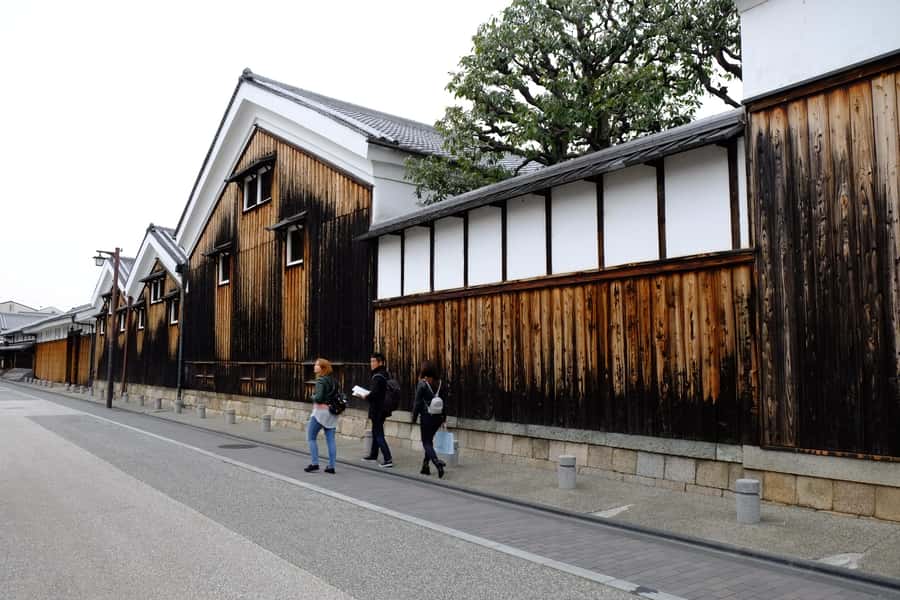
A private tasting room sounds like a small detail, but it changes the pace. You are not trying to hear production explanations over restaurant noise, and you have a dedicated place for the tasting rather than a few hurried samples at a counter.
That setting supports the educational side of the experience. A guide can discuss each sake, answer questions, and refer back to earlier pours. You can concentrate on the differences instead of treating the tasting as background entertainment.
The private room does not mean this is a full private booking for your personal party. The supplied details do not specify group size, so you should not assume that you will have the room entirely to yourself. What is clear is that the tasting takes place in a dedicated space.
You return to the same meeting point at the end. No transportation to or from other attractions is included, so plan your Kyoto sightseeing around that location and allow enough time to arrive before the start.
Is $66 fair for ten rare sakes?

At $66 per person, the experience costs more than a casual drink at a bar. The comparison is not quite fair, though, because you are paying for ten selected tastings, a certified guide, a tasting note, and structured instruction in a private room.
The value is strongest for you if you would otherwise struggle to find unusual sake on your own. Bottles made with older methods, special microorganisms, or local wood may be difficult to locate, especially if you do not read Japanese labels or know which specialist shops to visit.
The price is less compelling if your goal is simply to sample one or two familiar sake styles. It is also worth noting that food is not included. You may want to eat before or after, but you should not expect a meal or formal snack pairing during the session.
I see the $66 fee as fair for a focused tasting class. You are buying access to variety and interpretation, not just liquid. The five-star feedback supports that value, particularly for people who enjoy learning alongside drinking.
Practical rules that can make or break the visit
Plan this as a punctual, alcohol-focused appointment. If you arrive more than 10 minutes late, the booking will be canceled, so do not cut your Kyoto travel connection close.
You cannot drink if you arrive by car or bicycle. Non-alcoholic drinks are available, but there is no refund if you cannot take part in the sake tasting for that reason. Use public transportation or another option that lets you participate legally and safely.
Japan’s legal drinking age is 20. Anyone under 20 receives non-alcoholic drinks only, and the activity is not suitable for people under 19. Children under 3 are also not suitable for the experience.
Everyone who attends needs a reservation, including children and people who do not drink. That rule matters if you are traveling with a mixed-age group. An extra person cannot simply sit in the room without a booking.
The experience is offered in English. Cancellation is allowed up to seven days in advance for a full refund, which gives you a reasonable window to adjust plans if your Kyoto schedule changes.
Who will get the most from this sake experience?
This is a strong pick for you if you enjoy understanding how a drink is made rather than simply ordering what is familiar. It also suits anyone who has already taken a basic sake course and wants a more unusual selection.
Beginners can join, thanks to the explanation of ingredients, brewing, and sake categories. Still, the experience may feel more rewarding after an introductory course, particularly if you want to recognize how the advanced selections differ from standard styles.
The session may not suit you if you want a lively food-centered evening, a brewery visit, or a flexible drop-in tasting. There is no food pairing, no transportation service, and no late-arrival cushion.
It is also not a good choice for anyone who cannot drink alcohol, unless you are comfortable receiving non-alcoholic drinks while others taste. The no-refund rule for guests who arrive by bicycle or car deserves particular attention.
Should you book the Beyond the Insider Sake Experience?
Book it if you want a serious look at sake’s range, especially if you have already covered the basics. The ten pours, unusual brewing methods, local wood, and certified sommelier guidance give you more than a standard introductory flight.
If you are new to sake, you can still enjoy it, but consider beginning with the basic course if that option fits your schedule. This advanced tasting makes the most sense when you want to compare unusual production ideas and leave Kyoto with a clearer understanding of why sake can taste so different from bottle to bottle.
Skip it if food pairing is essential, if you need hotel pickup, or if your schedule makes punctual arrival uncertain. For curious drinkers who can follow the rules and value expert instruction, $66 is a reasonable price for ten distinctive tastes in a focused private room.
FAQ
How many kinds of sake are included?
The experience includes tastings of 10 sake varieties selected by a certified sake sommelier.
Is this suitable for someone new to sake?
Yes. The course covers basic sake production and sake categories, so no previous sake experience is required.
What unusual types of sake might I taste?
The selection includes sake made with ancient brewing methods, a newer type that uses the qualities of microorganisms, and sake brewed using local wood.
Is food included?
No. Food pairing is not included in the experience.
Is transportation included?
No. Transportation to and from attractions, as well as hotel pickup and drop-off, is not included. The activity starts and ends at the Kyoto Insider Sake Experience meeting point.
Can I drink if I arrive by car or bicycle?
No. For safety and legal reasons, alcohol is not served to guests who arrive by car or bicycle. Non-alcoholic drinks are available, but there is no refund if you cannot take part in the sake tasting.
What is the cancellation policy?
You can cancel up to seven days in advance for a full refund.
Just added around Kyoto
- Kyoto: Newly Opened Sake Tasting – Sanjo Chasuian★ 5.0 · 7 reviews
- Kyoto Sake Brewery Tour★ 3.3 · 5 reviews
- Private Pewter Sake Cup Experience with a Kyoto Artisan★ 5.0 · 2 reviews
- Kyoto Sake Brewery Tour with Lunch★ 4.5 · 12 reviews
- Japanese Sake Breweries Tour in Fushimi Kyoto★ 5.0 · 10 reviews
- Japanese Sake Breweries Tour in Kyoto Fushimi★ 4.3 · 13 reviews
- KYOTO Sake Tasting Tour at Local Breweries(tasting fee included)★ 5.0 · 16 reviews
- Kyoto: Fushimi Sake District Tour with Boat Ride★ 4.6 · 10 reviews
Sake Tasting, compared.
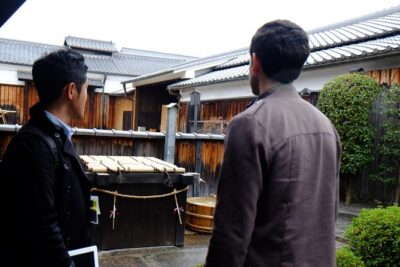
3-Hour Kyoto Insider Sake Brewery Tour with Tastings & Pairings
Read our review →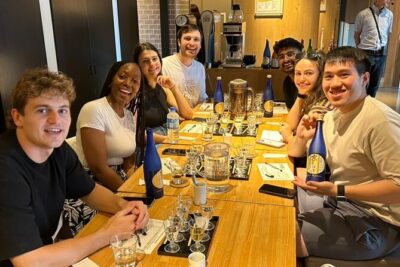
1.5-Hour Kyoto Insider Sake Experience with 7 Tastings & Pairings
Read our review →
Sake Tasting Masterclass in Shinjuku (8+ Varieties with a Pro)
Read our review →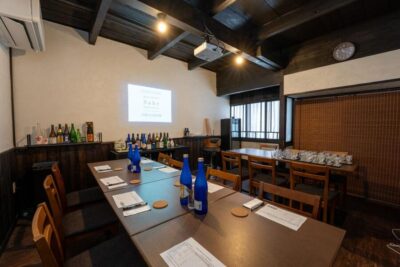
Insider Sake Experience with 7 Tastings and Snacks
Read our review →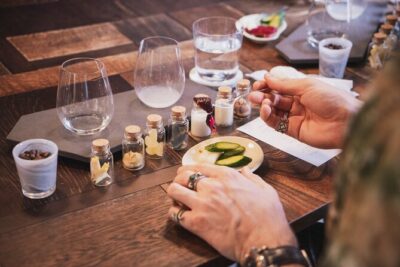
Sake Omakase in Tokyo: Guided Tasting by Certified Sommeliers
Read our review →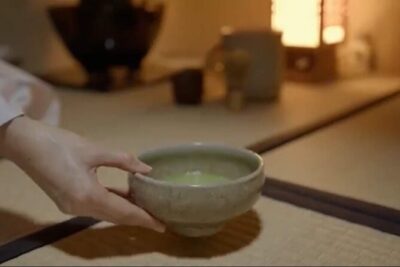
Private Tea Ceremony and Sake Tasting in Kyoto Samurai House
Read our review →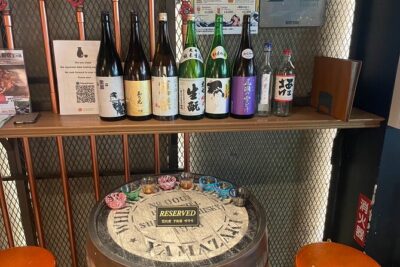
Casual Japanese SAKE tasting and snack experience in Kabukicho
Read our review →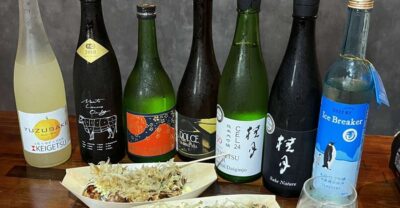
Browse the lists this tour appears in