
REVIEW · HIROSHIMA
Hiroshima Saijo Sake Tasting Tour with visit to 7 Breweries
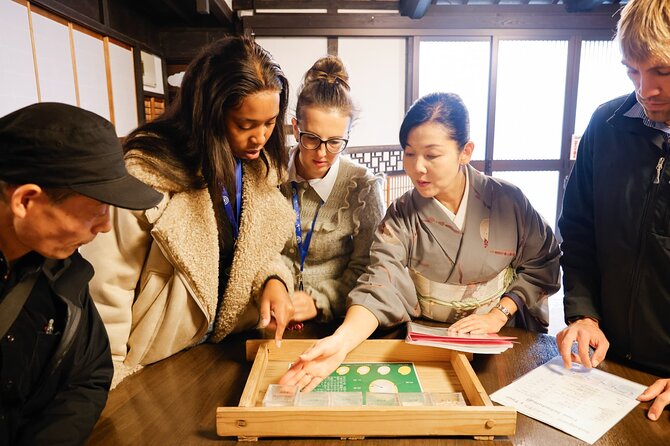
Sake tastes better with a story. This Saijo tour links seven breweries in about two hours, giving you eight samples and a clear introduction to Hiroshima’s brewing traditions. I like the relaxed small-group format, and I like the range of styles, from Daiginjo to cloudy Nigori sake. The main limitation is simple: you taste the finished drink, but you do not watch sake being brewed.
The route covers roughly 1.5 kilometers, so it is manageable for most people with moderate fitness. Guide Ione has earned warm praise for making the history, brewing methods, and local setting easy to understand. You must arrive on time, though, since arriving more than 15 minutes late is treated as a cancellation with no refund.
Key points to know before booking
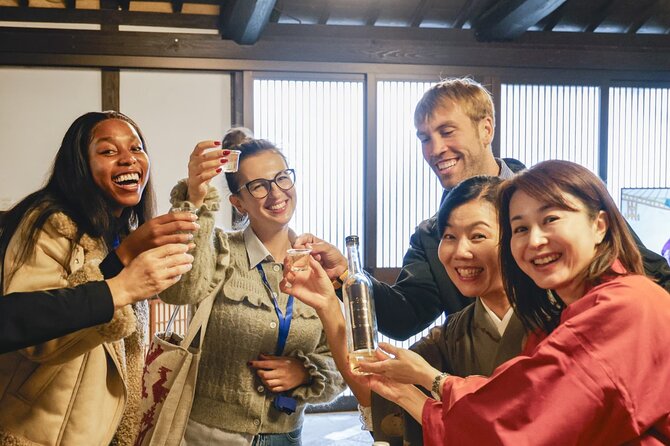
- Eight tastings from seven breweries: Compare dry, pure-rice, premium, unfiltered, cloudy, and seasonal sake in one compact walk.
- Saijo Station is the meeting point: Meet outside the ticket gates at the Higashi Hiroshima City Information Centre at 1:00 pm.
- Kamotsuru includes a short film: A 10-minute introduction to sake making comes before a taste of Daiginjo Gold Kamotsuru.
- The group is capped at 10 people: That keeps the pace personal and makes questions easier.
- The route is tasting-focused: You visit brewery spaces and tasting areas, but you do not see the brewing process in operation.
- Winter brings one extra pleasure: Fukubijin may offer warm sake during the colder season.
Why Saijo makes a good sake stop
Saijo is one of Japan’s three major sake brewing areas, and its brewery district is close enough to Hiroshima for a practical half-day outing. The town’s Sakagura-dori area lets you move from brewery to brewery on foot instead of spending the day in taxis or on buses.
That compact setting is a big part of the tour’s appeal. You are not tasting one brand in isolation. You are comparing the work of several producers, each with its own preferred style and signature bottle. That makes it easier to notice how sake changes from one glass to the next.
The tour costs $50.87 per person. For that price, you receive eight alcoholic tastings, an English-speaking guide, and about two hours of organized walking. I consider that fair value if you want structure and explanation. Buying a few tastings independently might cost less, but you would lose the guide’s comparisons and the simple route through seven breweries.
The group size matters, too. With no more than 10 people, this should feel more like a guided neighborhood walk than a large drinking excursion. You can ask about serving temperature, sake labels, or the difference between Junmai and Ginjo without trying to get the guide’s attention across a crowd.
More Sake Brewery Tours in Japan:
- 3-Hour Kyoto Insider Sake Brewery Tour with Tastings & Pairings
★ 5.0 · 917 reviews - Kyoto: Insider Sake Brewery Tour with Sake and Food Pairing
★ 5.0 · 704 reviews - Kyoto Sake Brewery & Tasting Walking Tour
★ 5.0 · 623 reviews
Meeting at Saijo Station at 1:00 pm
The tour begins at the Higashihiroshima City Information Centre, directly outside the ticket gate at Saijo Station. This is a useful meeting point because you do not need to search for a particular brewery before the tour starts.
Arrive early. The operator treats anyone more than 15 minutes late as a cancellation, and the payment is not refunded. That rule is strict, so allow time to find the station exit, use the restroom, and get settled before the 1:00 pm start.
The first stop is a short introduction to Saijo. Your guide sets the scene for the brewery street and explains what you will taste. Since the tour moves through several locations, this opening helps you understand the route rather than simply following a group from door to door.
The tour ends back at the meeting point. That makes planning easier if you have a train to catch afterward, although I would still leave a little extra time rather than scheduling a tight connection.
Kamotsuru and the Daiginjo introduction
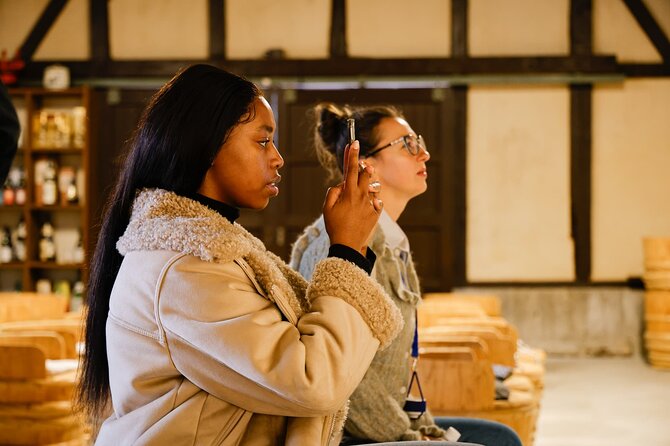
Kamotsuru is the first brewery and an important stop for anyone interested in Ginjo-style sake. The brewery is described as a pioneer in Ginjo brewing, and the visit begins with a 10-minute video about how sake is made.
That film is useful because the rest of the tour is about tasting rather than watching production. It gives you basic background before the glasses appear, so you can connect the drink with the rice, koji mold, fermentation, and polishing methods that shape its character.
You taste Daiginjo Gold Kamotsuru in the visitor room. Daiginjo is a premium category, and this first pour gives the tour a polished opening. It is also a helpful reference point for later tastings. Pay attention to how this sake compares with the fuller or drier styles served at other breweries.
The drawback is that the film is short. If you want a full explanation of brewing equipment or a working production floor, this will not satisfy that interest. Still, it is the closest thing on the route to a brewing lesson.
Fukubijin, the Saijo brewing school
Next comes Fukubijin, a brewery associated with training accomplished brewers. Here you taste Fukubijin Junmai-Shu, a pure-rice sake made without added distilled alcohol.
This is an important comparison after Daiginjo. You can begin to see that sake categories are not simply a ranking from cheap to expensive. Junmai and Daiginjo describe different production choices, and the tasting helps you consider texture, aroma, and finish rather than price alone.
During winter, you may be offered warm sake here. That seasonal detail changes the experience. Warm sake can show how serving temperature affects aroma and mouthfeel, giving you another way to compare styles.
Fukubijin is a brief 10-minute stop, so the explanation will be focused. If you already know sake well, you may wish for more time. For newcomers, the short format keeps the information digestible and prevents the two-hour route from becoming a lecture.
More Sake Tastings in Japan:
- 1.5-Hour Kyoto Insider Sake Experience with 7 Tastings & Pairings
★ 5.0 · 297 reviews - Sake Tasting Masterclass in Shinjuku (8+ Varieties with a Pro)
★ 5.0 · 271 reviews - Kyoto: Insider Sake Experience with 7 Tastings and Snacks
★ 5.0 · 266 reviews - Sake Omakase in Tokyo: Guided Tasting by Certified Sommeliers
★ 5.0 · 239 reviews
Kamoizumi and pure-rice brewing
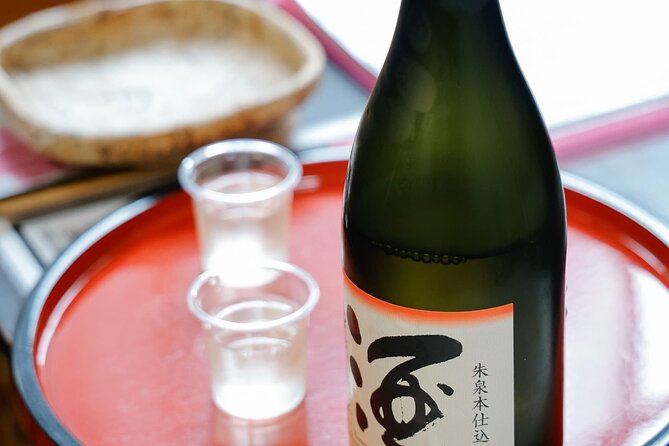
Kamoizumi is known for being among the first Japanese breweries to make Junmai-shu using only rice and koji mold as ingredients. The featured tasting is Junmai Ginjoshu Shusen Honjikomi.
This stop adds useful depth to the lesson. You have already tried Junmai-Shu at Fukubijin, but now you can compare another brewery’s approach to a similar broad category. That kind of side-by-side tasting is one of the strongest reasons to take the organized tour.
The visit lasts about 15 minutes, giving the guide a little more room to explain the brewery’s methods and signature sake. I would use this stop to ask how the brewery’s Junmai Ginjo differs from the earlier Junmai pour. Even if you are new to sake, direct comparisons are easier to remember than isolated facts.
A useful pause at Sakagura-dori
The Saijo Sakaguradori Tourist Information Centre is not another tasting stop. It provides brochures, local information, souvenirs, and a restroom break.
That pause is well placed. You have already visited several breweries, and a short break gives you time to clear your palate and decide if you want to buy anything later. The center may also help you understand the wider brewery street beyond the stops included in the tour.
One useful tip is to ask about lunch or local food options here. A past participant enjoyed getting a local lunch at the information station, so it can be more than a quick restroom stop. Food is especially sensible before or after the tastings, since the tour includes eight alcoholic samples.
Kirei’s dry sake and a changing pour
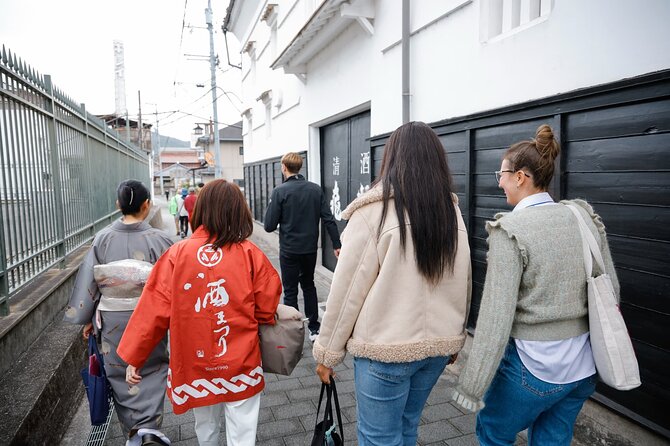
Kirei Shuzo is described as drier than other Saijo sake. The tasting is Yoshidaya’s Sake, a limited blend prepared with sake that is ready to drink that month.
This is one of the more interesting stops because the featured drink can change. Instead of tasting a fixed bottle year after year, you get a pour tied to what the brewery considers ready at that time. That gives the visit a local and seasonal quality.
The dry profile also helps reset your palate. After the more refined Daiginjo and the pure-rice examples, a drier sake can make the differences between breweries clearer. If you prefer less sweetness, this may be one of your favorite tastings.
The stop lasts around 10 minutes. You should not expect a long cellar visit or a chance to select from every bottle the brewery makes. The focus is on one representative sample and a short explanation.
Saijotsuru and an award-winning style
Saijotsuru uses traditional techniques passed down through generations of Hiroshima brewers. Here, you taste Junmai Daiginjo Genshu Shinzui, a sake that has received repeated awards.
This is a premium tasting with a notable distinction, but the value is not just the award. Genshu means the sake is undiluted, so you can compare its fuller strength and character with other pours on the route. The Junmai Daiginjo label also gives you another chance to understand how rice polishing and ingredient choices affect the final drink.
The stop is short, about 10 minutes, so listen for the practical details rather than trying to memorize every term. I would ask the guide how this undiluted sake differs from the Daiginjo served at Kamotsuru. That question may help you connect the categories to what you are actually tasting.
Hakubotan and Saijo’s oldest brewery tradition
Hakubotan is one of the oldest breweries in Hiroshima Prefecture, founded in 1675. The featured drink is Hyoka, an unfiltered sake that is fresh frozen in a special way.
That makes this stop one of the route’s most unusual. Unfiltered sake can offer a different texture and appearance from polished, clear varieties. The special freezing method adds a production detail you are unlikely to encounter in a basic sake bar tasting.
Hakubotan also gives the tour a strong sense of continuity. You are tasting a modern product from a brewery with centuries of operation, but the stop remains practical rather than museum-like. It lasts about 15 minutes, enough for a proper explanation and sample.
If you prefer only clear, delicate sake, Hyoka may be less familiar. That is exactly why it earns its place on the route. The tour is designed to show sake’s range, not to serve eight versions of the same drink.
Sanyotsuru and the cloudy finish
Sanyotsuru is the only brewery on the route located west of Saijo Station. Here, you can try cloudy sake, and sake ware is available for purchase.
Cloudy sake provides a fitting final comparison. After clear and premium styles, the opaque appearance and softer, more rustic feel offer a different finish. The tour summary identifies Nigori sake as one of the styles you may learn about, and this stop is where that contrast becomes especially clear.
The chance to buy sake ware is a nice practical touch. If you want a useful souvenir rather than another bottle, this may be the best place to look. Keep in mind that the tour fee covers the tastings and guide, not extra purchases.
The route order may change depending on the number of groups that day. That should not affect the total selection, but the tasting sequence could be different from the order described here.
Walking, group size, and drinking pace
You walk about 1.5 kilometers over two hours. That is not a strenuous distance, but you are on your feet while tasting, so comfortable walking shoes are a sensible choice.
The tour asks for moderate physical fitness. No special accessibility details are provided, so if you have mobility concerns, contact the operator before booking and ask whether the route suits your needs.
The small group, maximum 10 people, is a major strength. It should be easier to hear the guide and keep the pace comfortable. The relaxed atmosphere also suits people who want to ask basic questions without feeling out of place.
This is still an alcohol tasting. Eight samples over two hours can add up, even when each pour is modest. Eat beforehand or use the information center stop for a meal break. If you decide not to drink alcohol, the fee remains the same.
What guide Ione adds to the experience
Guide Ione is especially praised for being warm, clear, and well prepared. The strongest part of the guiding seems to be the connection between the breweries and the tasting glass. You get information about Saijo, brewing methods, and sake styles rather than a series of disconnected samples.
That matters because sake labels can look confusing at first. Terms such as Junmai, Ginjo, Daiginjo, Genshu, and Nigori describe different choices, but the guide helps you link those words to flavor and serving style.
Spanish-speaking guides can be arranged if requested in advance. The included guide service is in English unless you make another arrangement.
Weather, cancellations, and practical limits
The tour offers free cancellation if you cancel at least 24 hours before the 1:00 pm start time. Changes or cancellations inside that 24-hour window are not refunded, and cut-off times use local Japanese time.
If bad weather or another sudden issue cancels the activity, the operator says it will contact you by email by 5:00 pm the day before. Check the email address used for booking.
The operator also notes that the schedule can change. The order of breweries may shift, and part of the course may be altered. That flexibility is normal for a walking route shared with other groups, but do not book it expecting every stop to occur in a fixed sequence.
The tour provider is the Higashi Hiroshima City Tourism Association. The activity includes alcoholic beverages and an English guide, but services beyond those inclusions are your responsibility.
Who should book this Saijo sake walk
I would choose this tour if you are visiting Hiroshima and want a local activity that feels different from the city’s major memorial sites. It suits first-time sake drinkers because the tastings are varied and the guide explains the basics in plain terms.
It also works well for people who already enjoy sake and want to compare several Saijo producers in one afternoon. The premium Daiginjo pours, dry sake, unfiltered drink, cloudy sake, and seasonal blend give you more range than a single brewery visit.
You may want to skip it if you need a full brewery tour with active production, machinery, or a long technical lesson. You should also think twice if you do not drink alcohol, since the price does not change when you skip the samples.
Should you book it?
Book this tour if you value variety, a small group, and clear local guidance more than a behind-the-scenes production visit. Eight tastings from seven breweries for $50.87 is a reasonable deal, especially when you add the convenience of a station meeting point and a planned walking route.
The best reason to go is the range. Kamotsuru’s Daiginjo, Fukubijin’s Junmai, Kamoizumi’s pure-rice tradition, Kirei’s dry pour, Saijotsuru’s undiluted premium sake, Hakubotan’s unusual Hyoka, and Sanyotsuru’s cloudy style give you a useful introduction to Saijo in one compact outing.
Arrive early, wear comfortable shoes, eat something, and keep your afternoon flexible. If that sounds like your kind of travel, this is an easy tour to recommend.
FAQ
Where does the Hiroshima Saijo sake tour begin?
It begins at the Higashihiroshima City Information Centre, 12-3 Saijōhonmachi, Higashihiroshima, Hiroshima 739-0011, Japan. The meeting point is outside the ticket gate at Saijo Station.
What time does the tour start?
The tour starts at 1:00 pm.
How long does the experience last?
The tour lasts approximately two hours.
How far do you walk?
You walk approximately 1.5 kilometers while visiting the breweries and tasting sake.
How many breweries does the tour visit?
The route visits seven breweries in Saijo.
How many sake samples are included?
Eight different types of sake are included.
Is an English guide included?
Yes. An English guide is included in the tour price.
Can I see the sake brewing process?
No. This is a tasting and walking tour, and you will not observe the brewing process.
What happens if I arrive more than 15 minutes late?
Arriving more than 15 minutes after the start time is treated as a cancellation, and the amount paid is not refunded.
Can I cancel for a full refund?
Yes, if you cancel at least 24 hours before the experience starts. Cancellations made less than 24 hours before the start time are not refunded.
Just added around Japan
- Tokyo Sake Tasting Tour with a Sake Expert★ 5.0 · 7 reviews
- Wagyu BBQ & Sukiyaki with Sake Pairing Experience near Ginza★ 5.0 · 2 reviews
- Sake Tasting and Cherry Blossom Fun in Tokyo!★ 5.0 · 4 reviews
- Private Sake Tasting at 300 Years Old Sake Brewery in Tokyo★ 5.0 · 3 reviews
- Tokyo: Serene Sakura & Sake: An Exclusive Brewery Pairing Lunch★ 5.0 · 2 reviews
- Nagano: Snow Monkey and Zenkoji Temple Free Sake Taste Day Tour★ 4.5 · 8 reviews
- Sake Pairing Workshop with Japanese Food in Shinjuku★ 5.0 · 5 reviews
- Cherry blossom & Japanese Sake Tasting in Shinjuku★ 5.0 · 4 reviews
Sake Brewery Tours, compared.
3-Hour Kyoto Insider Sake Brewery Tour with Tastings & Pairings
Read our review →
Insider Sake Brewery Tour with Sake and Food Pairing
Read our review →
KOBE Sake Tasting Tour at Breweries (tasting fee included)
Read our review →
Private Sake Brewery Visit and Tasting Tour in Hida
Read our review →
Sake Brewery and Japanese Life Experience Tour in Kobe
Read our review →Browse the lists this tour appears in