
REVIEW · TOKYO
Wagyu & Sake 8 Course Tasting Dinner in Shinjuku
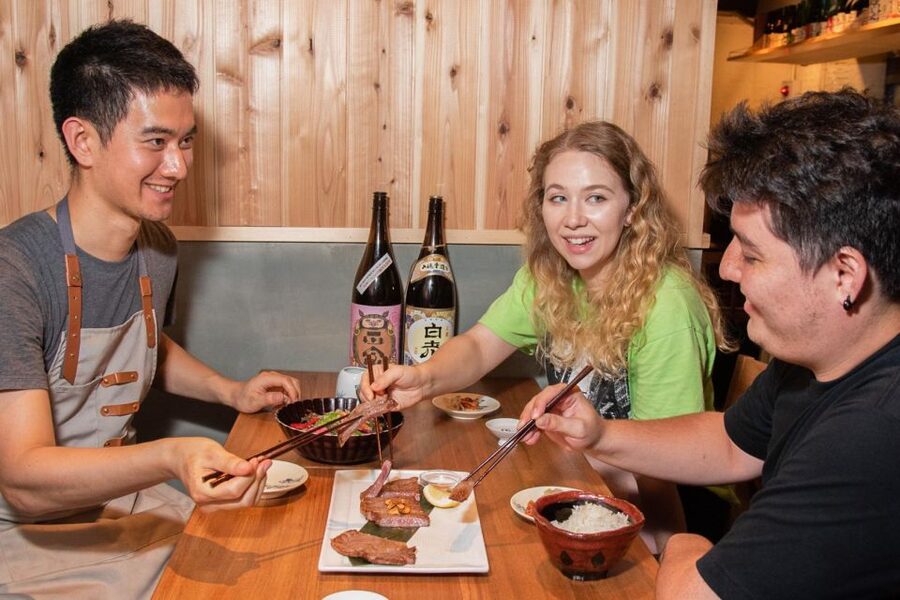
Come hungry, leave better informed. This 150-minute dinner in Shinjuku combines high-grade wagyu from different Japanese regions with sake, small-group teaching, and several traditional preparations. I especially like the chance to compare how sake changes with each dish, and the personal guidance from hosts such as Chizuru and Joe, who bring warmth and clear explanations to the table.
The small group, limited to eight people, is another strong point. It gives you room to ask questions instead of sitting through a speech meant for a packed dining room. The main consideration is value: at $145 per person, this is a special-occasion meal, and one diner felt that only three or four of the courses were actually wagyu. Some cuts may also be very fatty, so this is not the right pick if you prefer lean beef.
Key points at a glance
- Eight or more courses: Expect several wagyu preparations, appetizers, and dessert, though the precise balance of wagyu dishes can vary.
- Sake pairing included: You taste Japanese craft sake in different styles, including cocktails made to match the food.
- English-speaking expert: The guide explains wagyu grades, regions, preparation methods, and sake pairings throughout the meal.
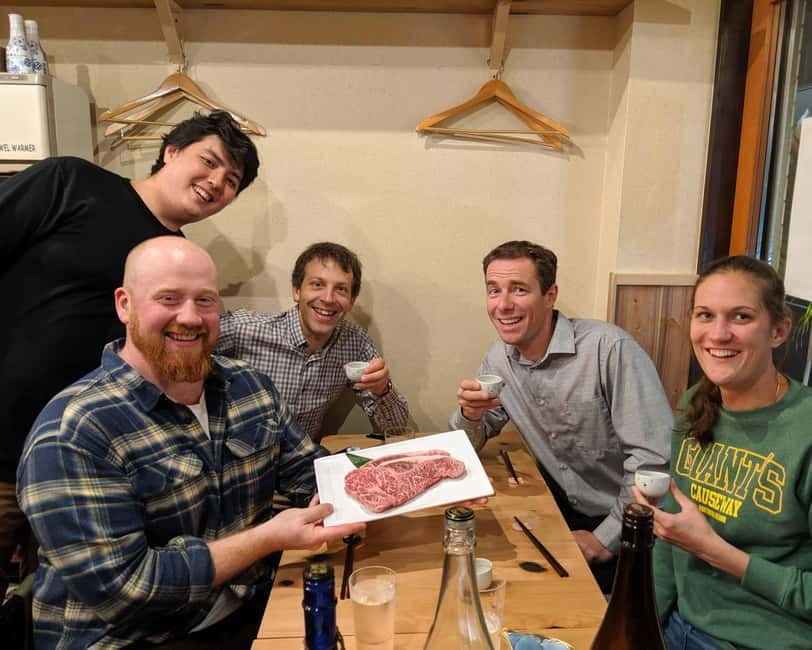
- Small Shinjuku group: With no more than eight participants, the dinner feels more like a guided table experience than a large food tour.
- Hidden second-floor entrance: Meet at Ushinobi Sake Bar near Okubo Station, and check the entrance directions before you go.
- Adults only: The dinner is not suitable for children under 18 or pregnant women, and there are no vegetarian, vegan, or pescatarian choices.
Starting at Ushinobi Sake Bar near Okubo Station
The meeting point is Ushinobi Sake Bar in Shinjuku, close to Okubo Station, JB09, South Exit. You enter directly on the second floor, but the entrance can be easy to miss. I would check the provided photo or map before setting out, especially if you are arriving after dark or trying to find the venue during a busy evening.
This part of Shinjuku is useful for a food-focused night because you are near one of Tokyo’s best-known dining zones without being tied to a hotel restaurant. Still, do not assume the venue will announce itself from the street. Allow a little extra time to locate the doorway and arrive ready for the meal.
The dinner lasts 150 minutes. That is long enough for the food and sake to be explained at a comfortable pace, but short enough to fit before or after other plans in Tokyo. Because the group is capped at eight, the guide can answer individual questions about beef, sake, and Japanese dining customs.
More Wagyu and Sake Tours in Tokyo:
- Wagyu & Sake Pairing in Shinjuku – Steak, Shabu-Shabu & More
★ 5.0 · 112 reviews - Tokyo Wagyu & Sake Pairing Tasting Experience with Local Flavors
★ 5.0 · 108 reviews - Wagyu Beef and Sake Pairing Foodie Tour in Tokyo
★ 5.0 · 71 reviews
The opening courses explain what you are tasting
The meal begins with an introduction to wagyu and sake, then moves through a series of dishes designed to show different flavors and textures. The exact menu is based on the best cuts available in Tokyo at the time, so you should expect some variation rather than a fixed menu that never changes.
That approach has a real advantage. You are not simply eating one famous steak cut and calling it a lesson. You may compare beef from different parts of the animal and different Japanese regions, then see how preparation changes the result.
The opening plates also help pace the evening. Appetizers give you a gentle start before the richer beef courses arrive. Since the meal contains several fatty cuts, the lighter early dishes matter. They keep the dinner from feeling like one long succession of heavy bites.
The guide explains what makes wagyu different, how regional production affects the meat, and why certain cuts work better with particular drinks. This teaching is a major part of what you are paying for. Without it, the meal would be a costly tasting menu. With it, you get a clearer sense of what you are eating and why it has a high price.
Several wagyu cuts, prepared in different ways
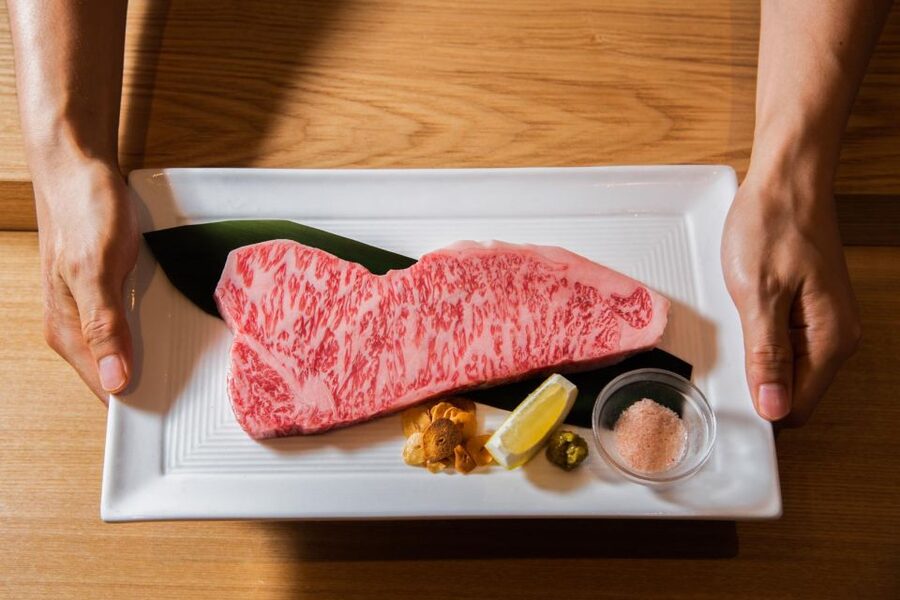
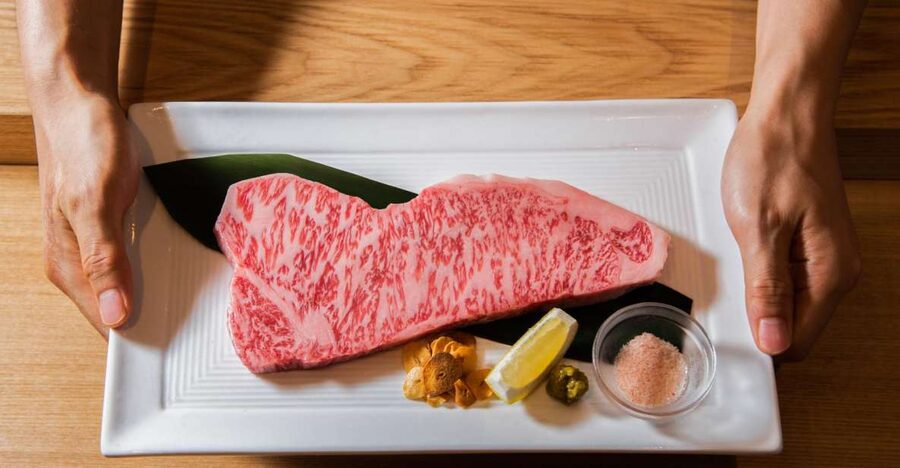
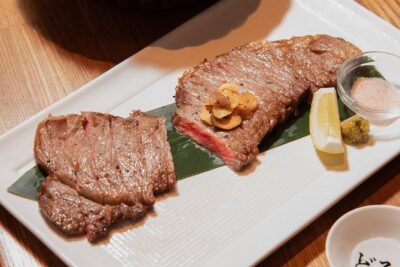
The central pleasure is the variety of wagyu. High-quality beef is prepared in multiple traditional and modern styles to bring out its natural flavor. The experience is not limited to one cooking method, which lets you notice the difference between tenderness, fat, seasoning, and texture.
You may find that some preparations suit you more than others. One diner felt that certain cuts were too fatty, and that is a fair warning. Wagyu is prized for its marbling, but marbling is still fat. If you usually order lean steak, you might find the richest courses overwhelming.
The menu description presents an eight-course meal showcasing several wagyu cuts, but the actual balance can be less beef-heavy than the name suggests. One carefully considered account described only three or four courses as actual wagyu, with other courses made up of accompanying dishes. That does not make the dinner poor, but it does affect expectations. Think of it as an eight-course wagyu-centered tasting, not eight separate plates of wagyu.
The changing market supply also explains why the menu may not be identical from one date to another. You are tasting what the restaurant can source at the best quality in Tokyo at that time. If you want one specific cut or a guaranteed region, this is not the ideal format.
Sake pairing is more than a drink on the side
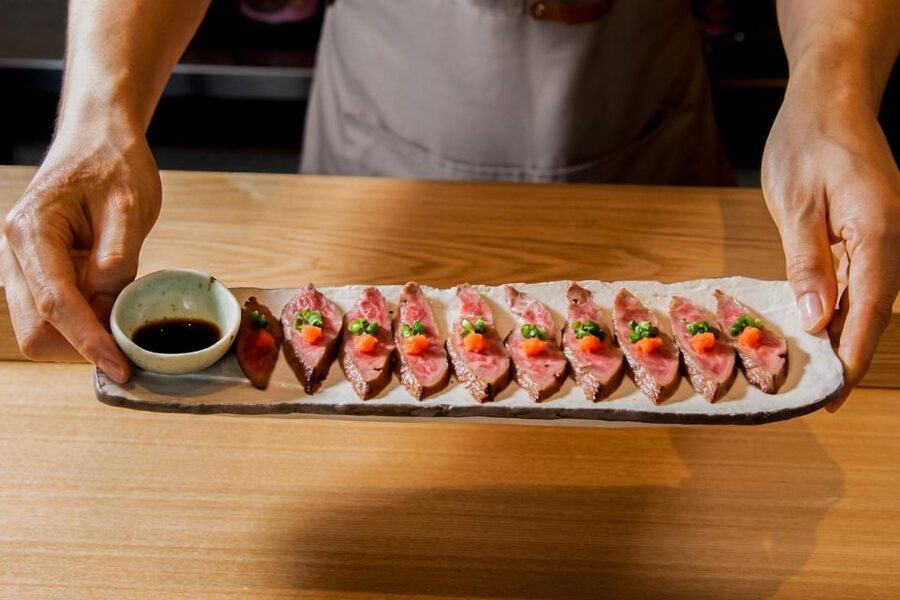
The sake portion gives the dinner its second focus. You try Japanese craft sake in several forms and learn how it works with beef, appetizers, and other dishes. The pairing is limited, meaning the included sake is part of the planned experience, while extra drinks cost more.
A useful feature is the variety of serving styles. Along with traditional sake pours, the dinner includes original cocktails designed to pair with wagyu. This gives you a way into sake if you are unsure about the drink’s flavor or have only tried one style before.
The host explains why one sake may work with a fatty cut while another suits a lighter dish. That is practical information you can use later in Japan. Instead of choosing a bottle only because you recognize its label, you begin to notice sweetness, dryness, weight, and how those qualities respond to food.
One person found that sake was not to their taste, but still appreciated trying the different variations. That is the right way to approach this dinner. You are not promised that every pour will become a favorite. You are given a guided chance to test several styles without ordering full bottles on your own.
Soft drinks are available in limited form. Extra drinks beyond the included sake pairing are not part of the price, so budget for them if you want additional alcohol or a wider selection.
More Sake Tastings in Tokyo:
- Sake Tasting Masterclass in Shinjuku (8+ Varieties with a Pro)
★ 5.0 · 271 reviews - Sake Omakase in Tokyo: Guided Tasting by Certified Sommeliers
★ 5.0 · 239 reviews - Tasting All Types of Sake with Sommelier
★ 5.0 · 151 reviews - Tsukiji: Outer Market Walking Tour & Sake Tasting Experience
★ 4.9 · 81 reviews
The guide makes the small group worthwhile
The strongest part of this experience is the host-led format. Chizuru has been praised for making people feel welcome while explaining wagyu and sake in an approachable way. Joe has also been singled out for his friendly manner, strong command of the subject, and ability to explain how different sake choices fit different cuts of meat.
The guides use explanations, notes, and, in Joe’s case, slides to give the dinner structure. You are not left to guess what is on the plate. You can ask about regional differences, production, food pairings, or the best way to enjoy a particular cut.
That matters because wagyu can be confusing. Menus often use Japanese terms without explaining them, and the price alone does not tell you why one serving costs more than another. A guide can connect the names and techniques to what you are actually tasting.
The small group also improves the mood. With a limit of eight participants, you can ask a question without interrupting a large presentation. The atmosphere is social, but not so large that the educational side disappears.
What the dinner teaches about Japanese food culture
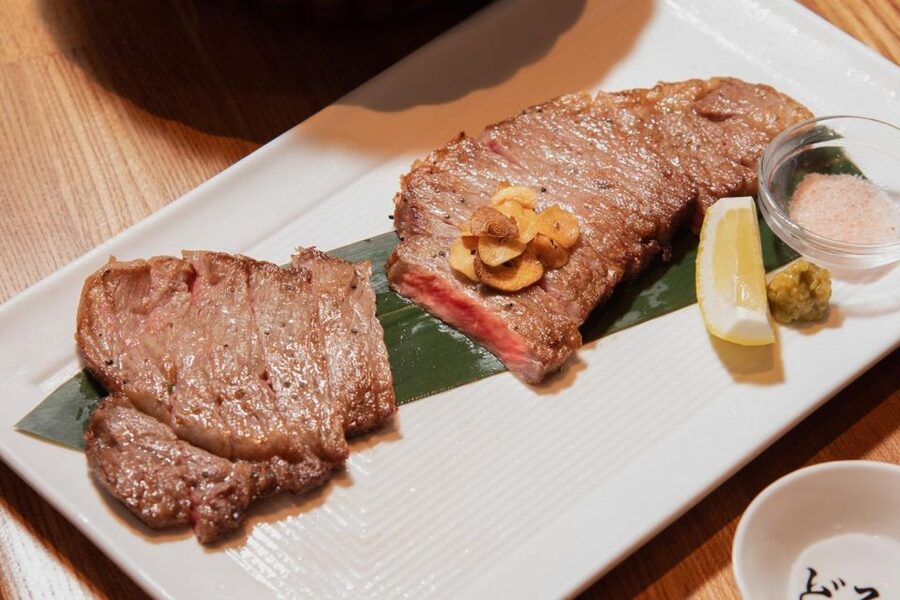
This is not a farm visit or a cooking class. You do not tour a production facility or prepare the dishes yourself. The value comes from tasting and explanation at the table.
You learn about the history and regional differences of wagyu and sake, along with the ways each is enjoyed in Japan. The dinner provides context for a luxury food that can otherwise seem like a simple matter of expensive beef.
It also shows how Japanese dining often depends on balance. A dish is not judged only by the main ingredient. The preparation, portion, drink, and order of the courses all affect the experience.
That lesson is useful for the rest of your trip. After this dinner, you may feel more confident reading a wagyu menu or ordering sake at an izakaya. You may also understand why a smaller serving of strongly marbled beef can be more satisfying than a large steak.
Is $145 a fair price?
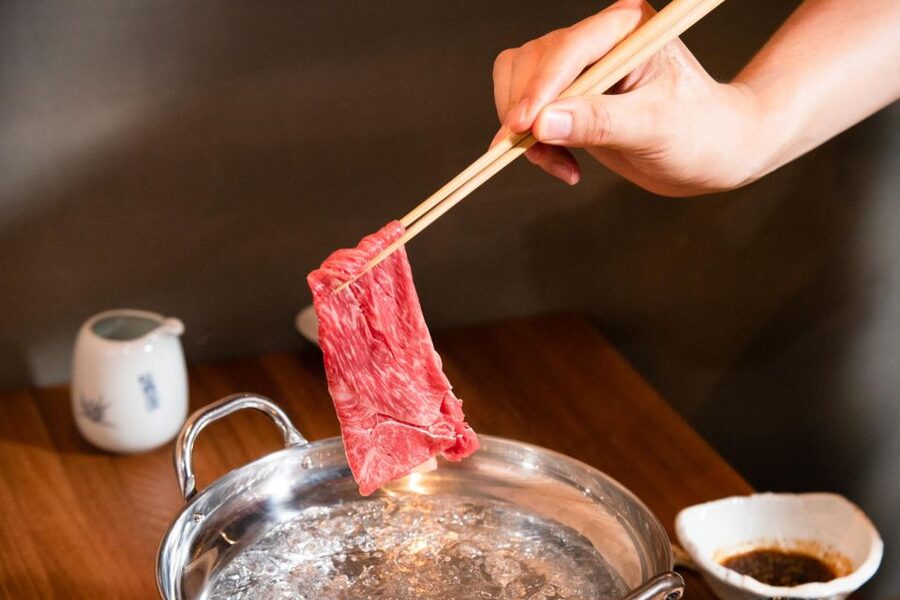
At $145 per person, this is not a bargain meal. You are paying for the food, the sake pairing, the English-language guidance, the small group, and the chance to taste several high-end products in one sitting.
The value is strongest if you are curious about both wagyu and sake. Ordering comparable cuts and several different drinks independently could become expensive, and you would not necessarily receive the same explanation. The 150-minute format also gives you a full evening activity in one place.
The value is weaker if your main goal is to eat a large amount of beef. Some of the eight courses are not necessarily wagyu, and the portions are part of a tasting menu rather than a steakhouse dinner. A person who dislikes fatty meat or does not care about sake may feel the price is too high.
I would think of this as a guided food lesson with a luxury meal attached. If that sounds appealing, the price is easier to justify. If you simply want the best possible steak in Tokyo, you may prefer to spend the same money on one focused restaurant meal.
Who should book this dinner?
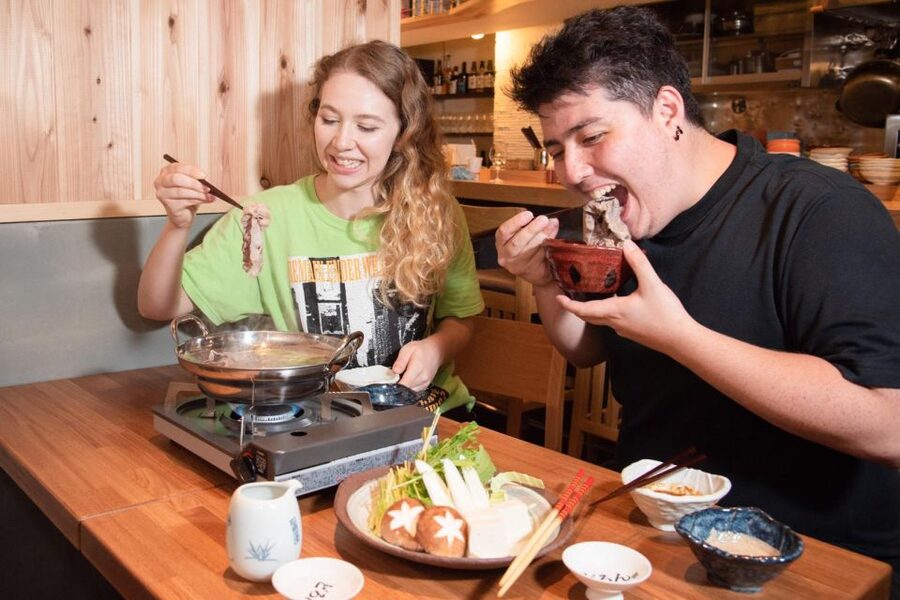
I would recommend it to adults who want a clear introduction to Japanese wagyu and sake without spending time researching every restaurant and bottle. It suits couples, solo diners, and small groups who enjoy asking questions and trying unfamiliar flavors.
It is also a good choice for a first visit to Tokyo if you want an evening that feels organized but not rushed. The English-speaking guide removes much of the uncertainty, while the food gives you a direct connection to Japanese dining traditions.
You should think twice if you are vegetarian, vegan, pescatarian, pregnant, or under 18. There are no alternative menus for those diets, and the experience is built around beef and sake.
The dinner may also disappoint you if you expect eight large wagyu servings. Go in expecting a multi-course tasting with several wagyu highlights, not a parade of eight steaks. That simple adjustment makes the format easier to appreciate.
Practical details before you reserve
The experience is offered in English and is limited to eight participants. Starting times vary, so check availability for your date.
The meeting point is Ushinobi Sake Bar, on the second floor near Okubo Station’s South Exit. Since the entrance is somewhat concealed, check the supplied location image before leaving your hotel.
The booking terms are flexible: you can cancel up to 24 hours in advance for a full refund, and you can reserve now while paying later. Those options are useful when your Tokyo schedule is still changing.
Do not plan this as a family activity. Children under 18 are not allowed, and pregnant women should not attend because of the alcohol-centered format. Also remember that extra drinks beyond the included sake pairing are not covered.
Should you book the Shinjuku wagyu and sake dinner?
Book it if you want more than a plate of expensive beef. The best part is the combination of several wagyu preparations, guided sake pairings, and a host who can explain what is happening at the table. Chizuru and Joe have helped make the experience warm, informative, and easy to follow.
Skip it if you want a large meal, lean beef, or a guaranteed eight-course menu made entirely from wagyu. At $145, the dinner needs to match your interests. For curious adults who enjoy food education and tasting menus, it offers a memorable Shinjuku evening. For steak purists, it may be smarter to choose a focused wagyu restaurant instead.
FAQ
Where does the wagyu and sake dinner meet?
The meeting point is Ushinobi Sake Bar in Shinjuku, near Okubo Station, JB09, South Exit. Enter the venue directly on the second floor.
How long does the experience last?
The dinner lasts 150 minutes.
Is the guide available in English?
Yes. The experience includes a live English-speaking guide.
How many people are in the group?
The group is limited to eight participants.
Are vegetarian, vegan, or pescatarian options available?
No. The included meal focuses on wagyu beef, and no vegetarian, vegan, or pescatarian alternatives are available.
What does the $145 price include?
The price includes the eight-course meal featuring multiple wagyu cuts and a limited sake pairing. Extra drinks beyond the included pairing are not included.
More Dinner Trips in Tokyo
- Hiroshima Saijo Sake Tasting Calligraphy and Dinner Private Tour
★ 5.0 · 5 reviews
Just added around Tokyo
- Tokyo Sake Tasting Tour with a Sake Expert★ 5.0 · 7 reviews
- Wagyu BBQ & Sukiyaki with Sake Pairing Experience near Ginza★ 5.0 · 2 reviews
- Sake Tasting and Cherry Blossom Fun in Tokyo!★ 5.0 · 4 reviews
- Private Sake Tasting at 300 Years Old Sake Brewery in Tokyo★ 5.0 · 3 reviews
- Tokyo: Serene Sakura & Sake: An Exclusive Brewery Pairing Lunch★ 5.0 · 2 reviews
- Nagano: Snow Monkey and Zenkoji Temple Free Sake Taste Day Tour★ 4.5 · 8 reviews
- Sake Pairing Workshop with Japanese Food in Shinjuku★ 5.0 · 5 reviews
- Cherry blossom & Japanese Sake Tasting in Shinjuku★ 5.0 · 4 reviews
Wagyu & Sake Tours, compared.
Wagyu & Sake Pairing in Shinjuku – Steak, Shabu-Shabu & More
Read our review →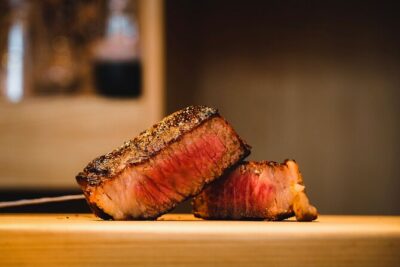
Tokyo Wagyu & Sake Pairing Tasting Experience with Local Flavors
Read our review →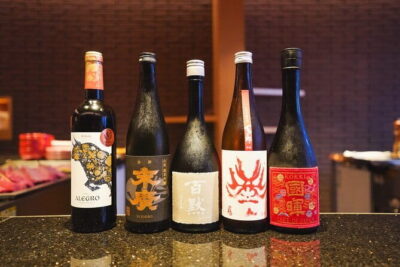
Wagyu Beef and Sake Pairing Foodie Tour in Tokyo
Read our review →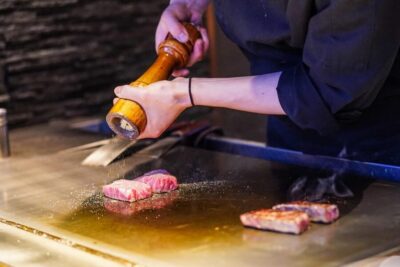
Sake Brewery Tour with Tasting and Kobe Beef Bites
Read our review →
Japanese Sake Tasting & Wagyu Sukiyaki Cooking Class in Tokyo
Read our review →
Wagyu BBQ & Sukiyaki with Sake Pairing Experience near Ginza
Read our review →Browse the lists this tour appears in