
REVIEW · KYOTO
Advanced Kyoto Insider Sake Tasting Experience
Sake gets stranger, and better, with context. This two-hour Kyoto tasting explores 10 unusual sakes made with older methods, unusual fermentation ideas, and local wood. I like the strong comparison format, and I like that you practice reading real bottles rather than simply drinking from a row of small cups.
The main consideration is that food is not included, so you should eat lunch or brunch first. Also, this is an alcohol-focused class for people aged 20 and over, and anyone arriving by car or bicycle cannot be served alcohol.
Key points to know before booking
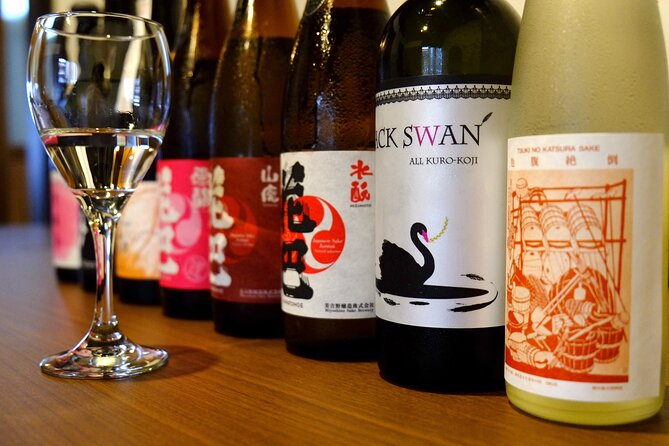
- Ten distinctive sake pours: The tasting is built around comparison, with each sake chosen for a different brewing approach or flavor character.
- Ancient and modern methods together: You may taste sake made with traditional techniques, unusual fermentation methods, or local wood that changes the drink’s regional character.
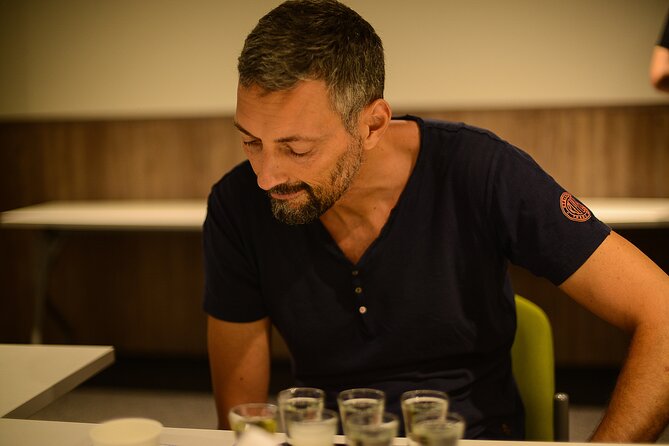
- A small class of up to 12: The limited size gives the expert room to explain labels, styles, and flavor differences.
- More than a basic introduction: Beginners can follow the fundamentals, but the experience is aimed at people who want to judge and choose sake with more confidence.
- A dedicated tasting room: The class begins and ends at Kyoto Insider Sake Experience, at 271-1 Kurumamachi in Fushimi Ward.
- Eat before you arrive: No snacks or food pairings are provided, and the tasting includes enough alcohol that lunch or brunch beforehand is a sensible plan.
Why this Kyoto sake class feels different
Many sake tastings follow a familiar pattern: a short explanation, several pours, and a few broad comments about dry, sweet, light, or full-bodied styles. This experience takes a more useful route. It asks you to compare how brewing choices affect the final drink.
That matters because sake can be hard to understand from category names alone. Two bottles may both be labeled junmai, for example, yet taste very different because of rice, yeast, fermentation, aging, water, temperature, or the brewer’s aims. Here, the point is not simply to decide which pour you like best. You learn why the drinks differ.
I especially like the focus on sake that challenges standard expectations. The tasting includes rare or unusual examples made with ancient methods, innovative fermentation techniques, and local wood. These choices give the class a clear purpose: you are looking at the creative side of nihonshu, not just memorizing a list of styles.
The class still covers the basics. You learn how sake is made and how major categories relate to one another. That makes the experience approachable if one person in your group knows little about sake, while more experienced drinkers get material that goes beyond the usual introductory lesson.
More Sake Tastings in Kyoto:
- 3-Hour Kyoto Insider Sake Brewery Tour with Tastings & Pairings
★ 5.0 · 917 reviews - Kyoto Sake Brewery & Tasting Walking Tour
★ 5.0 · 623 reviews - 1.5-Hour Kyoto Insider Sake Experience with 7 Tastings & Pairings
★ 5.0 · 297 reviews
Entering the tasting room in Fushimi
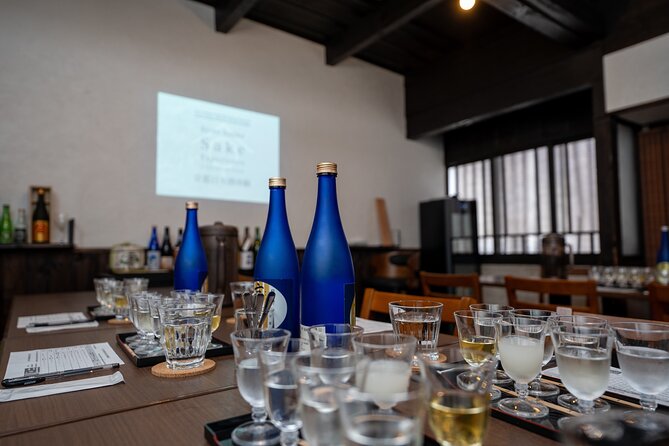
The meeting point is Kyoto Insider Sake Experience at 271-1 Kurumamachi, in Kyoto’s Fushimi Ward. The activity takes place in the company’s own dedicated tasting room and returns to that same location at the end.
The location is near public transportation, which makes it easier to fit the class into a Kyoto day without arranging a complicated transfer. Still, check your route and arrival time carefully. You do not want to rush into a tasting that depends on attention, smell, and comparison.
The group is limited to a maximum of 12 people. That is a useful size for a lesson like this. A large crowd can turn a tasting into a lecture where you can barely see the bottle or hear the explanation. With fewer people, you have a better chance to follow the bottle-label practice and ask about flavors that puzzle you.
Your confirmation arrives when you book, and a mobile ticket is provided. Anyone joining the activity must have a reservation, including non-drinkers and children. That rule matters if you are arranging a family outing or adding a friend at the last minute.
Ten sakes, ten ways to change the flavor
The core of the class is a flight of 10 carefully selected sakes. The value is in the selection and the order of comparison, not simply in the number of pours.
You may encounter sake made with older brewing approaches that show how the drink developed before modern production methods became common. You also taste examples shaped by newer fermentation ideas, where microorganisms play a major role in producing different aromas and textures.
One of the more unusual themes is local wood. Wood can affect a drink’s scent and taste, giving the sake a regional character that you may not expect from a clear rice-based beverage. It is a good reminder that sake is not defined by rice alone.
The tasting also examines how philosophy changes a bottle. A brewer may favor precision, earthier notes, aromatic lift, texture, or a more forceful expression of the raw materials. You are not just sampling ten unrelated products. You are comparing decisions made at different points in the brewing process.
That comparison should help you notice details you might otherwise miss. A sake can feel soft or firm, fragrant or restrained, clean or more rustic. The class explains these differences in practical terms instead of leaving you with a vague instruction to identify what you like.
The experience is also useful if you already drink sake at Japanese restaurants. You may recognize familiar categories, but the unusual pours give you a wider reference point. Once you have tasted several contrasting examples side by side, restaurant menus and bottle selections become easier to read.
How the brewing lesson improves the tasting
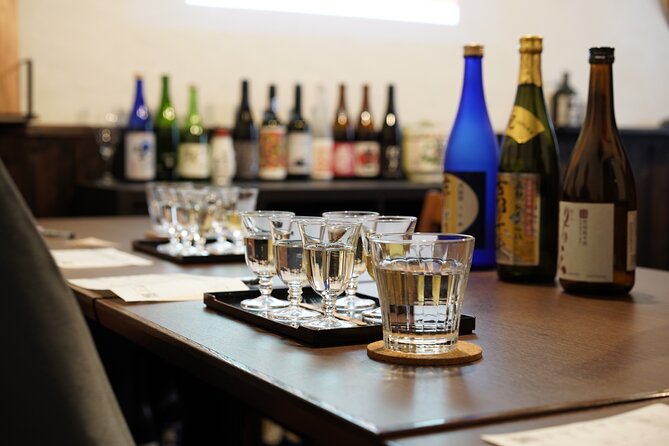
The explanation of production is not just background information. It gives you a way to connect process with flavor.
Sake brewing depends on several linked stages, including the treatment of rice, the action of microorganisms, fermentation, and the choices made by the brewery. Small changes can produce a drink that feels very different in the glass.
The class explains sake styles, brewing methods, and flavor structure. That is useful because many first-time drinkers rely on a simple dry versus sweet scale. The lesson gives you more tools. You can begin to think about aroma, body, texture, acidity, finish, and the balance between those elements.
The expert guide also uses presentations and tasting explanations to put the drinks in context. Previous participants praised the teaching style as clear, friendly, and highly informative. The strongest praise focused on how well the class explained sake’s history, production methods, and range of tastes.
You should not expect a casual bar crawl. The pace is organized around learning. If you want to drink quickly and move on to the next stop, this may feel too structured. If you enjoy understanding what is in your glass, the format makes good sense.
A few more sake experiences around Kyoto worth a look
- Kyoto: Insider Sake Brewery Tour with Sake and Food Pairing
★ 5.0 · 704 reviews - Kyoto: Insider Sake Experience with 7 Tastings and Snacks
★ 5.0 · 266 reviews - Private Tea Ceremony and Sake Tasting in Kyoto Samurai House
★ 5.0 · 163 reviews - Kyoto: Sake Brewery and Tasting Tour in Fushimi
★ 4.8 · 55 reviews
Reading a sake label without guessing
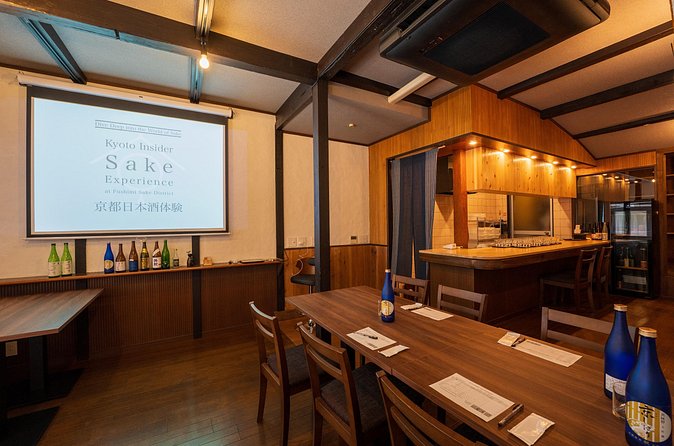
One of the most practical parts is hands-on practice with real sake bottles and labels used in restaurants. This is where the class can pay off long after your Kyoto visit.
Japanese sake labels can look intimidating. They may include terms about rice polishing, brewing style, alcohol content, flavor direction, or production details. Even when you recognize a few words, it can be hard to know which information matters for your own taste.
The class helps you read the bottle as a set of clues. You learn how to connect the label to the brewing approach and the character of the sake in your glass. That does not turn you into a sake brewer in two hours, but it can make future ordering less random.
I like this practical angle because it serves both beginners and experienced drinkers. A newcomer gets a basic map. Someone who already has favorite bottles can sharpen the way they compare them.
You also receive tasting notes and reference materials for later use. Keep them with your travel notes or photograph them before leaving. They can help you remember new terms when you are choosing sake at a restaurant or bottle shop.
Who will get the most from the two hours
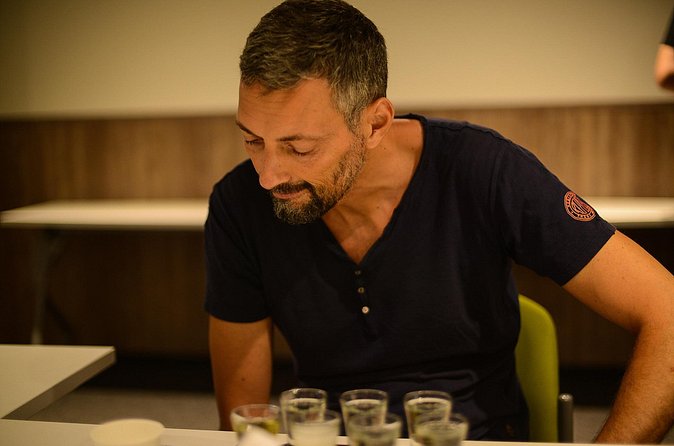
This class suits you best if you already enjoy sake and want to understand it more precisely. The tasting is designed for people who want to compare methods and refine how they evaluate a bottle, rather than simply collect a few samples.
It also works for mixed-experience groups. A party can include people familiar with sake and someone trying it for the first time. The fundamentals make the lesson accessible, while the rare methods and unusual materials give experienced drinkers something fresh to consider.
The class is a good choice for:
- Someone who often orders sake but cannot explain the differences between bottles.
- A Japan-focused food lover who wants more than a standard tourist tasting.
- A curious beginner who prefers a structured lesson.
- An experienced drinker interested in fermentation, traditional methods, and regional expression.
- A small group that wants an educational Kyoto activity in a dedicated room.
It is less suitable if you want a food pairing, a nightlife-style crawl, or a broad tour of several breweries. There is no food, and the activity stays at the meeting point. The class is focused and seated around tasting and instruction.
What the price means at $74.64
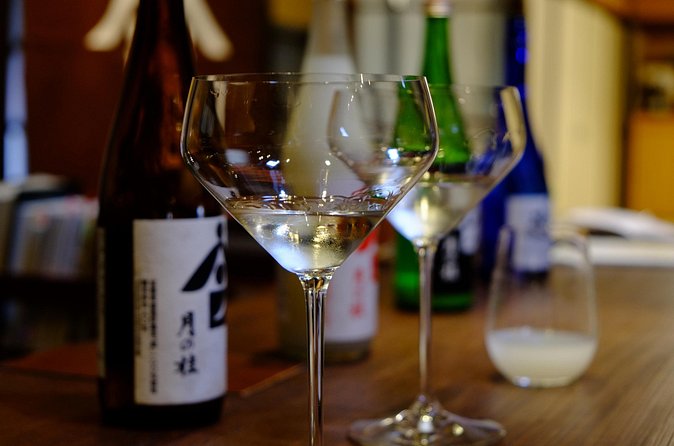
At $74.64 per person, this is not the cheapest way to taste sake in Kyoto. You could buy a bottle or several small pours for less. The better question is what you gain beyond the alcohol.
You are paying for 10 selected sakes, an expert-led lesson, production explanations, comparison across unusual methods, bottle-label practice, tasting notes, and use of a dedicated room. If you would otherwise struggle to tell why one sake costs more than another, the instruction adds real value.
The format also reduces guesswork. In a bar, you may order one drink based on a label you cannot read and hope for the best. Here, you taste several examples in relation to one another. That makes the fee easier to justify for anyone who wants a lasting skill rather than a single pleasant drink.
Still, value depends on your interests. If sake is only a small part of your food experience, the price may feel high. If you already know you enjoy nihonshu and want to explore unusual production choices, the 10-pour structure makes the cost more reasonable.
The perfect score from 44 ratings and a 100 percent recommendation rate point to a very consistent experience. The most praised features are the quality of the sake, the clear teaching, and the chance to understand history, brewing, and flavor in one sitting. That is a strong sign for anyone seeking a serious but friendly class.
Timing, alcohol rules, and a little common sense
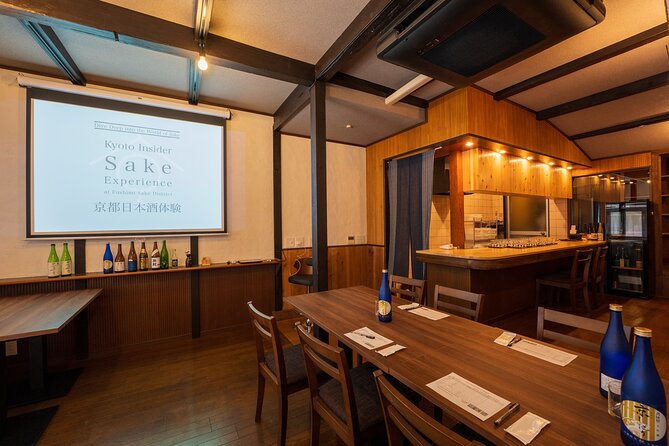
Plan to eat before arriving. Lunch or brunch is recommended, and no snacks or food pairings are included. Ten pours over roughly two hours can add up, even when the serving sizes are modest.
Japan’s legal drinking age is 20. Anyone under 20 receives non-alcoholic drinks only. Children and people who are not drinking still need reservations, and people without reservations cannot join.
Pay close attention to the arrival rules. For safety and legal reasons, alcohol is not served to anyone arriving by car or bicycle. Non-alcoholic drinks are available, but there is no refund if you arrive unable to take part in the sake tasting.
That policy makes public transportation the sensible choice. The meeting point is near public transportation, and the experience finishes where it starts, so you do not need to arrange a separate return point.
The activity also depends on suitable conditions and a minimum number of people. If poor weather or low enrollment causes cancellation, you are offered another date or experience, or a full refund. For your own plans, remember that cancellations made at least 24 hours before the start time receive a full refund. Within 24 hours, refunds and changes are not accepted.
Should you book the Advanced Kyoto Insider Sake Tasting?
Book it if you want to understand sake, not just drink it. The 10-sake comparison, unusual brewing methods, local-wood examples, and bottle-label practice make this a stronger choice than a basic introductory flight.
I would especially recommend it to sake drinkers who want better judgment when ordering in Japan. It is also a smart pick for a mixed group, since the fundamentals help beginners while the advanced material gives regular drinkers something new.
Skip it if you need food, dislike structured instruction, or cannot avoid arriving by car or bicycle. The experience is focused, alcohol-centered, and limited to people with reservations who meet the age rules.
For most curious food and drink lovers, $74.64 buys more than ten tastes. It buys a clearer way to understand what is in the glass, which is exactly what a good Kyoto tasting should do.
FAQ
How long does the Advanced Kyoto Insider Sake Tasting last?
The experience lasts approximately two hours.
Where does the sake tasting start and finish?
It starts at Kyoto Insider Sake Experience, 271-1 Kurumamachi, Fushimi Ward, Kyoto, 612-8365, Japan. The activity ends back at the same meeting point.
How many sakes will I taste?
You will taste 10 carefully selected sakes chosen for comparison across brewing methods and flavor profiles.
Is food included?
No. Snacks and food pairings are not included. Having lunch or brunch before the tasting is recommended.
What is the minimum drinking age?
The legal drinking age in Japan is 20. People under 20 are served non-alcoholic drinks only.
Can I attend if I arrive by car or bicycle?
You can attend, but alcohol will not be served if you arrive by car or bicycle. Non-alcoholic drinks are available, and no refund is provided if you cannot take part in the sake tasting.
What is the cancellation policy?
You can receive a full refund if you cancel at least 24 hours before the experience start time. Cancellations or changes made within 24 hours are not accepted and are not refunded.
Just added around Kyoto
- Kyoto Food and Sake Tour Experience★ 4.0 · 5 reviews
- Nishiki Market, Private Sushi class & Sake Tasting in Townhouse★ 5.0 · 6 reviews
- Experience of pairing sake tasting with snacks in Kyoto★ 5.0 · 4 reviews
- Kyoto Luxury Sake, Whisky and Cocktail Tour★ 5.0 · 4 reviews
- Kyoto: Sake Tasting Journey to Two Iconic Breweries★ 3.0 · 2 reviews
- Fushimi Kyoto Walking Tour with Sake Tasting and Canal Boat Ride★ 4.0 · 5 reviews
- Kyoto Sake Brewery Tour★ 3.3 · 5 reviews
- Kyoto: Newly Opened Sake Tasting – Sanjo Chasuian★ 5.0 · 7 reviews
Sake Tasting, compared.
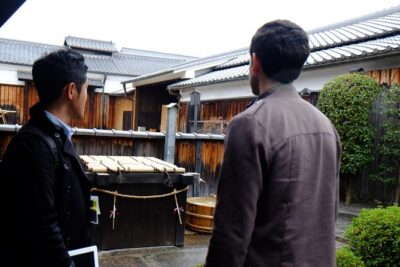
3-Hour Kyoto Insider Sake Brewery Tour with Tastings & Pairings
Read our review →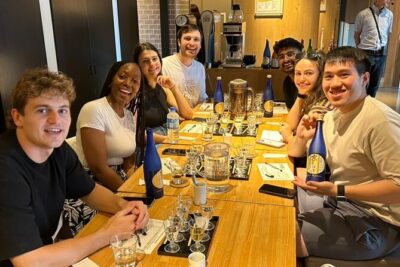
1.5-Hour Kyoto Insider Sake Experience with 7 Tastings & Pairings
Read our review →
Sake Tasting Masterclass in Shinjuku (8+ Varieties with a Pro)
Read our review →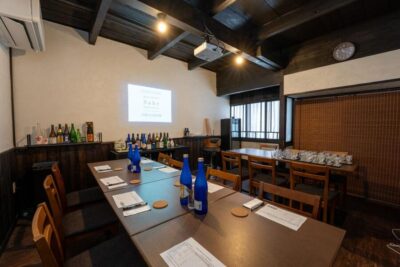
Insider Sake Experience with 7 Tastings and Snacks
Read our review →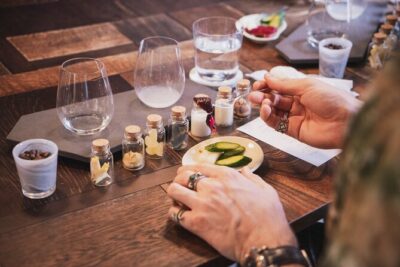
Sake Omakase in Tokyo: Guided Tasting by Certified Sommeliers
Read our review →
Private Tea Ceremony and Sake Tasting in Kyoto Samurai House
Read our review →
Casual Japanese SAKE tasting and snack experience in Kabukicho
Read our review →
Browse the lists this tour appears in