
REVIEW · KYOTO
3 Hours Kyoto Insider Sake Experience | Tasting Konteki
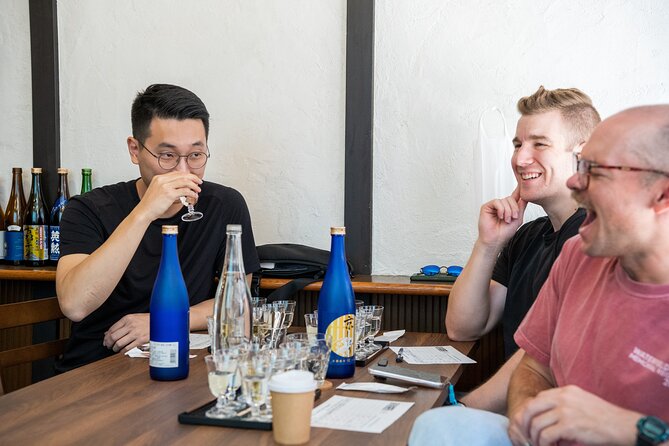
Sake makes more sense after one good lesson. This three-hour experience in Fushimi combines a guided visit to the Kizakura Kappa Museum with a tasting of more than 10 types of sake, traditional Japanese snacks, and clear explanations from a certified sake sommelier. I like the small maximum of 12 people, which should give you room to ask questions, and I like that the tasting includes bottles that have never been exported. The main consideration is simple: this is a serious amount of alcohol in a short time, so you should eat first and plan to arrive by public transportation.
The tasting is not just a line of little cups. You learn how sake is made, how dry and sweet styles differ, and how food changes the taste. The included cheat sheet and tasting notes are useful after the tour, when you are staring at a Japanese menu and trying to choose something besides the bottle with the nicest label. The non-refundable booking policy is strict, so check your plans carefully before paying.
Key points at a glance

- More than 10 sake samples: A certified sake sommelier selects different styles, including bottles not exported outside Japan.
- Two-part Fushimi experience: You spend about 90 minutes at the Kizakura Kappa Museum, followed by about 90 minutes of tasting and food pairing.
- Small-group setting: The group is limited to 12 people, with a dedicated private sake tasting room.
- Useful sake guidance: A cheat sheet and tasting notes help you identify styles and select sake later in restaurants or shops.
- Traditional otsumami included: Japanese snacks give you a practical way to compare sake with different foods.
- Easy but important planning: The tour begins and ends at 271-1 Kurumamachi in Fushimi, with no hotel pickup or transportation included.
Why Fushimi is a good place to study sake
Fushimi is one of Kyoto’s best-known sake areas, and this experience gives you a reason to visit beyond the usual temple route. The setting connects sake to local production, rather than treating it as just another drink at a bar.
That matters because sake can seem confusing at first. Labels may be written mainly in Japanese, and terms such as dry, sweet, fruity, and rich do not always tell you exactly what will arrive in your glass. A guided tasting gives those words some practical meaning.
You will also learn about the brewing process and the history of sake production at the Kizakura facility. The tour is designed for both sake fans and beginners. If you already know a few styles, the bottles unavailable outside Japan may give you something new. If you usually order whatever a friend recommends, the explanations should help you form your own preferences.
I especially like the promise of a change in how you select sake. That is more useful than simply tasting a long list of samples and forgetting them by dinner.
More Sake Tastings in Kyoto:
- 3-Hour Kyoto Insider Sake Brewery Tour with Tastings & Pairings
★ 5.0 · 917 reviews - Kyoto Sake Brewery & Tasting Walking Tour
★ 5.0 · 623 reviews - 1.5-Hour Kyoto Insider Sake Experience with 7 Tastings & Pairings
★ 5.0 · 297 reviews
The first 90 minutes at the Kizakura Kappa Museum
The experience begins at the Kizakura Kappa Museum, located at 271-1 Kurumamachi in Fushimi. You take a short walk to the local brewery and spend about an hour and a half on a guided visit.
The museum portion focuses on the sake-making process and the traditions passed down through generations. You should expect an educational look at production rather than a large industrial tour with many moving parts. The information is intended to help you understand what affects the final flavor in your glass.
After the brewery visit, you have a chance to taste several products made there. This is a useful early comparison because you can connect the place and process with an actual drink. Instead of hearing a technical explanation and waiting until later to see what it means, you begin testing those ideas right away.
The Kizakura Kappa Museum name also gives this stop a distinctive character. The kappa is a playful figure in Japanese folklore, and the museum setting adds a bit of personality to what could otherwise be a very technical subject. The supplied details do not promise a full production-floor tour or a chance to watch every stage of brewing, so I would keep expectations focused on interpretation, traditional methods, and tasting.
There is some walking between the meeting point and the brewery. Comfortable shoes make sense, though the amount is described as small. The experience begins and ends at the same meeting point, which keeps the afternoon easy to manage if you have evening plans elsewhere in Kyoto.
The tasting room and its 10-plus pours
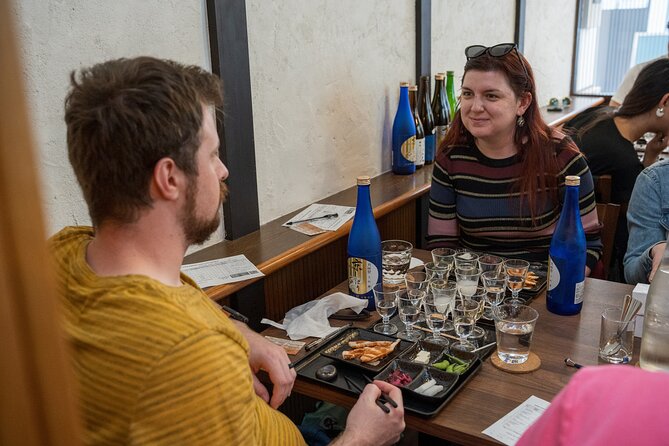
The second half takes place in a dedicated private sake tasting room. You spend about 90 minutes tasting more than 10 types selected by the sake sommelier.
That number is large enough to show real range, but it also makes pacing important. You will not be trying only one house style. The selection is intended to show differences in sweetness, dryness, body, and fruitiness. Some bottles have never been exported, giving you access to sake that may be difficult to find after leaving Japan.
The strongest part of this format is the explanation between pours. You learn how different flavors are produced and how to notice the differences in your own glass. One sample may seem light and fruity, while another may feel fuller or drier. The point is not to memorize every technical term. It is to work out what you actually enjoy.
A tasting note sheet helps keep the samples from blurring together. Use it. Write down the styles you prefer, not just the names of the bottles. If you find that you like dry sake with food, or fruity sake served on its own, that information will serve you better than a list of unfamiliar Japanese labels.
The tasting is also organized rather than casual. That matters when you have many samples and only three hours overall. A previous participant specifically praised the clear organization and the amount learned about making, flavors, and drinking sake. Those are the qualities I would value most here, since they turn the session into a lesson you can use later.
Why the otsumami pairing is worth your time
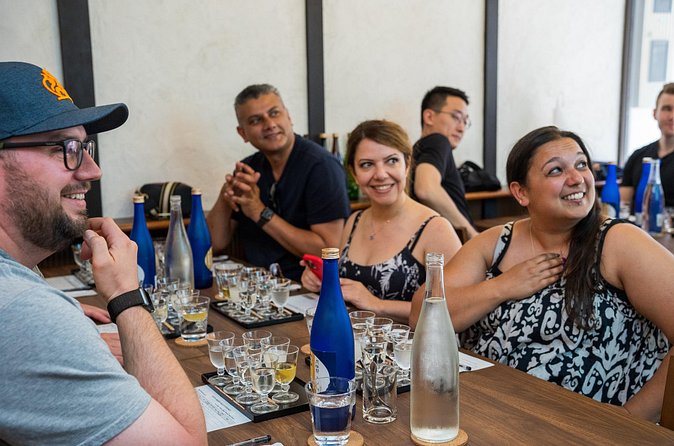
The tasting includes otsumami, traditional Japanese appetizers served with alcohol. These snacks are not just something to nibble while listening. They let you test how food changes the impression of sake.
A sake that seems sharp on its own may taste softer with a savory snack. A fuller style may work better with a stronger flavor. You may discover that your favorite pour changes once food enters the picture. That is the kind of practical lesson you can carry into a restaurant.
The supplied information does not name the individual snacks, so you should not expect a fixed menu of specific dishes. What you can count on is a selection intended for food pairing. Vegetarian snacks are available if you tell the guide on site.
I recommend arriving after lunch or brunch, not before it. The experience includes food, but it is not meant to replace a meal. Eating beforehand also helps you handle a tasting of 10 or more alcoholic samples with greater comfort.
Bring a bottle of water as well. The tour specifically recommends it, and water is sensible during any extended tasting.
A few more sake experiences around Kyoto worth a look
- Kobe: 3-Hour Sake Breweries Tour with Special Tasting
★ 4.4 · 25 reviews - Kobe: 3-Hour Private Sake Tour in Japan’s Top Sake Area
★ 5.0 · 9 reviews
Learning to read a Japanese sake menu
The practical promise of this experience goes beyond the three hours. You receive a sake cheat sheet and tasting notes to help you choose bottles later.
This is valuable in Kyoto, where restaurant menus may offer several sake choices with limited English explanation. You may not be able to read every label, but you can use the style information from the tasting to ask for something dry, sweet, rich, or fruity. You can also recognize which descriptions match your preferences.
That does not mean the cheat sheet will turn you into a sake expert. It gives you a starting point and a vocabulary. After comparing many styles with guidance, you are less likely to order blindly.
I would pay close attention to the sommelier’s advice on how sake is enjoyed, not just how it is made. The experience is designed to change the way you enjoy and select sake. For a visitor who has always treated sake as one general category, that may be the most useful result of the afternoon.
Group size, guide support, and the pace

The maximum group size is 12 people. That is small enough for a more personal session, especially in a dedicated tasting room. You should have a reasonable chance to ask questions without competing with a large crowd.
The guide is a certified sake sommelier, which is important here. The value does not come only from the samples. It comes from having someone explain what you are tasting and connect the flavors to brewing methods and food.
The supplied information does not give the sommelier’s name, so you cannot request a particular guide based on the details provided. Still, the structure promises personalized attention, and the small group supports that goal.
The schedule divides evenly between the museum and the tasting room. That balance works well. A longer brewery explanation could become dry, while a full three hours of tasting might be tiring. The split gives you context first and comparison afterward.
Allow for a relaxed afternoon rather than trying to squeeze in several distant attractions between the two sections. The experience returns to its starting point, but transportation to and from the meeting point is your responsibility.
Price and what you receive for $92.24
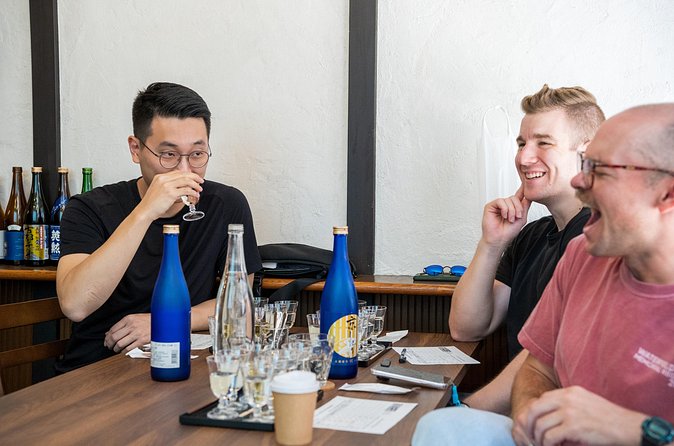
At $92.24 per person, this is not a bargain tasting you book on a whim. The price makes more sense when you consider everything included: a guided museum visit, more than 10 sake samples, otsumami, a private tasting room, a certified sommelier, and printed tasting guidance.
You are paying for instruction and access, not just alcohol. If you already know the sake styles you prefer and only want a drink, a bar may offer better value. If you want to understand the differences and make better choices afterward, the structured format gives the fee a clearer purpose.
The hard-to-find bottles add value for serious sake fans. Samples that have never been exported are something you may not be able to recreate easily at home. Beginners also benefit because the tasting puts many styles in front of you at one time, with explanations instead of guesswork.
The 100 percent recommendation rate and five-star score from 24 submitted ratings support the idea that the format is working well, particularly as an organized learning experience. One strong point repeatedly reflected in the supplied feedback is how much people learn about sake-making, flavors, and drinking.
Still, value depends on your interest. If you dislike alcohol, do not drink, or want a broad sightseeing tour of Fushimi, this is not the right use of three hours.
Who should book this experience
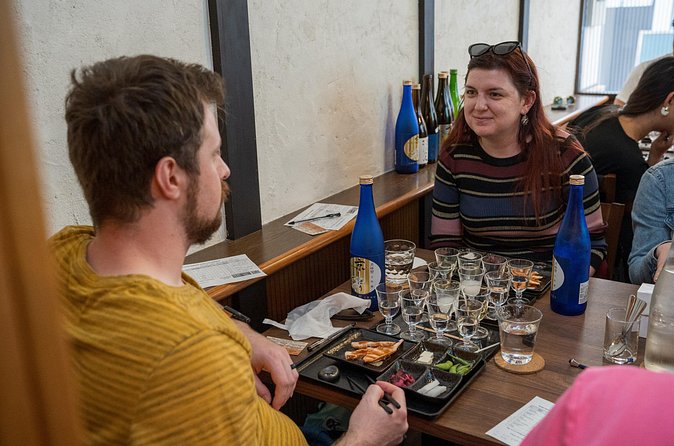
I would recommend it most strongly to three kinds of people:
- You enjoy sake but struggle to choose between unfamiliar bottles.
- You want a small, guided activity that adds food and local production to a Kyoto visit.
- You prefer learning through comparison, tasting, and conversation rather than reading a museum panel alone.
It also suits couples, friends, and solo visitors who are comfortable joining a small group. The private tasting room and limited group size should make it easier to focus on the lesson.
It is less suitable for anyone seeking a large-scale brewery tour, a full meal, or a general walking tour of Fushimi. The experience is centered on sake education and tasting. The museum visit supports that theme rather than replacing it.
Anyone under 20 can attend only if served non-alcoholic drinks, since the legal drinking age in Japan is 20. The activity is also not a good match for someone who plans to drive afterward. Drinking and driving is prohibited by Japanese law, and you should use public transportation to reach the meeting point and leave it.
Timing, transport, and booking cautions
The experience lasts about three hours and begins and ends at 271-1 Kurumamachi in Fushimi. It is near public transportation, but hotel pickup and drop-off are not included.
Use the mobile ticket, and check the meeting point before leaving your hotel. A small amount of walking is involved, so comfortable shoes are a sensible choice. Arriving after lunch or brunch is recommended, and water is worth carrying.
The cancellation terms deserve serious attention. The experience is non-refundable and cannot be changed for any reason after booking. If poor weather cancels the activity, you will be offered another date or a full refund. The same applies if the minimum number of participants is not met.
That weather provision is unusual for an indoor-heavy activity, but it is part of the stated terms. Do not book this on a day when your schedule may change. Confirmation is provided at booking, so keep the details available on your phone.
Should you book the Kyoto sake experience?
Book it if you want more than a few casual drinks. The strongest reason to choose this experience is the combination of 10-plus carefully selected samples, a brewery and museum visit, Japanese snacks, and guidance you can use long after your Kyoto stay.
I like that it teaches you how to choose sake rather than simply telling you which bottle is best. The small group, private tasting room, and certified sommelier should keep the session focused and personal. The main drawbacks are the firm cancellation policy, the need to arrange your own transportation, and the amount of alcohol involved.
Eat first, bring water, wear comfortable shoes, and plan to use public transportation. If those details work for you, this is a worthwhile three-hour lesson for anyone who wants Fushimi sake to become a little less mysterious and a lot more enjoyable.
FAQ
Where does the Kyoto sake experience begin?
It begins at 271-1 Kurumamachi, Fushimi Ward, Kyoto, 612-8365, Japan.
Where does the experience end?
The activity ends back at the meeting point.
How long does the experience last?
It lasts approximately three hours.
How many types of sake are included?
The experience includes more than 10 types of sake selected by a sake sommelier.
Is food included?
Yes. Traditional Japanese otsumami appetizers are included for food pairing.
Is the Kizakura Kappa Museum visit included?
Yes. A guided tour of the Kizakura Kappa Museum is included, with admission covered.
Is transportation included?
No. Hotel pickup, hotel drop-off, and transportation to and from the attractions are not included.
Can people under 20 participate?
Yes, but anyone under 20 will be served non-alcoholic drinks only. The legal drinking age in Japan is 20.
Are vegetarian snacks available?
Yes. A vegetarian snack option is available if you tell the guide on site.
Just added around Kyoto
- Nishiki Market, Private Sushi class & Sake Tasting in Townhouse★ 5.0 · 6 reviews
- Kyoto Food and Sake Tour Experience★ 4.0 · 5 reviews
- Kyoto: Sake Tasting Journey to Two Iconic Breweries★ 3.0 · 2 reviews
- Experience of pairing sake tasting with snacks in Kyoto★ 5.0 · 4 reviews
- Kyoto Luxury Sake, Whisky and Cocktail Tour★ 5.0 · 4 reviews
- Fushimi Kyoto Walking Tour with Sake Tasting and Canal Boat Ride★ 4.0 · 5 reviews
- Kyoto: Newly Opened Sake Tasting – Sanjo Chasuian★ 5.0 · 7 reviews
- Kyoto Sake Brewery Tour★ 3.3 · 5 reviews
Sake Tasting, compared.
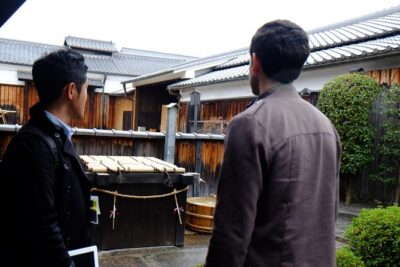
3-Hour Kyoto Insider Sake Brewery Tour with Tastings & Pairings
Read our review →
1.5-Hour Kyoto Insider Sake Experience with 7 Tastings & Pairings
Read our review →
Sake Tasting Masterclass in Shinjuku (8+ Varieties with a Pro)
Read our review →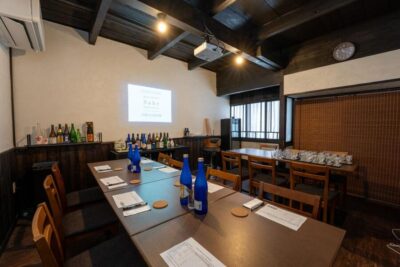
Insider Sake Experience with 7 Tastings and Snacks
Read our review →
Sake Omakase in Tokyo: Guided Tasting by Certified Sommeliers
Read our review →
Private Tea Ceremony and Sake Tasting in Kyoto Samurai House
Read our review →
Casual Japanese SAKE tasting and snack experience in Kabukicho
Read our review →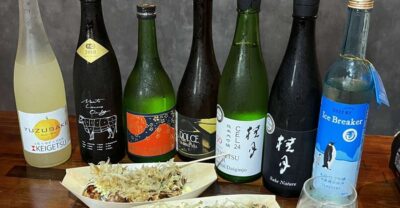
Browse the lists this tour appears in