
REVIEW · KYOTO
Private Sake Tasting in Central Kyoto with Sake Sommelier
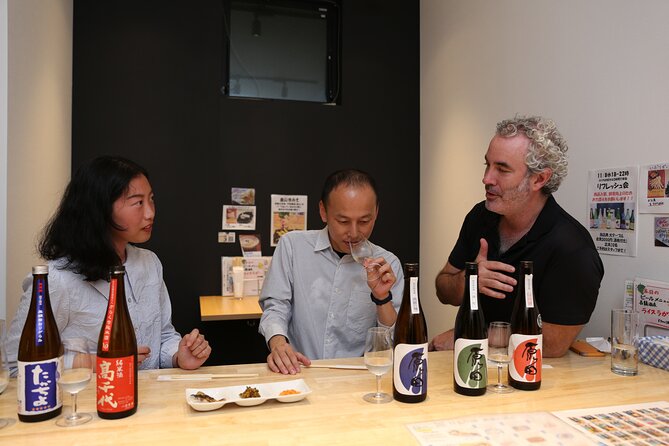
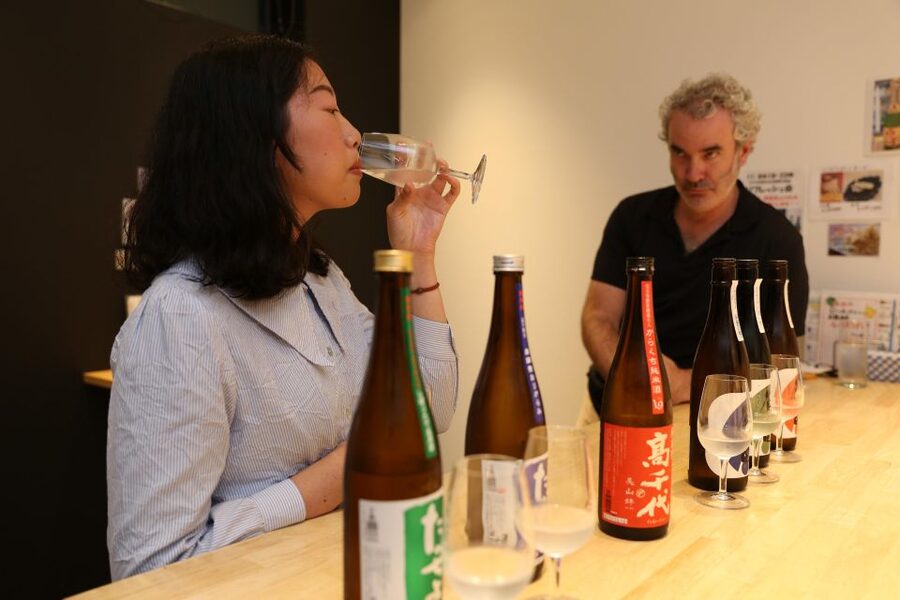
Sake makes more sense after the first sip. This private Kyoto tasting pairs eight Japanese sakes with clear guidance from Kenji, an English-speaking sake sommelier with years in the sake trade. I like the small group size, which lets Kenji adjust the pours to your tastes, and I like the setting: a casual standing bar rather than a polished tourist showroom. The main consideration is simple: you must stand for the experience, and the advertised eight pours may vary, so confirm the exact format when booking.
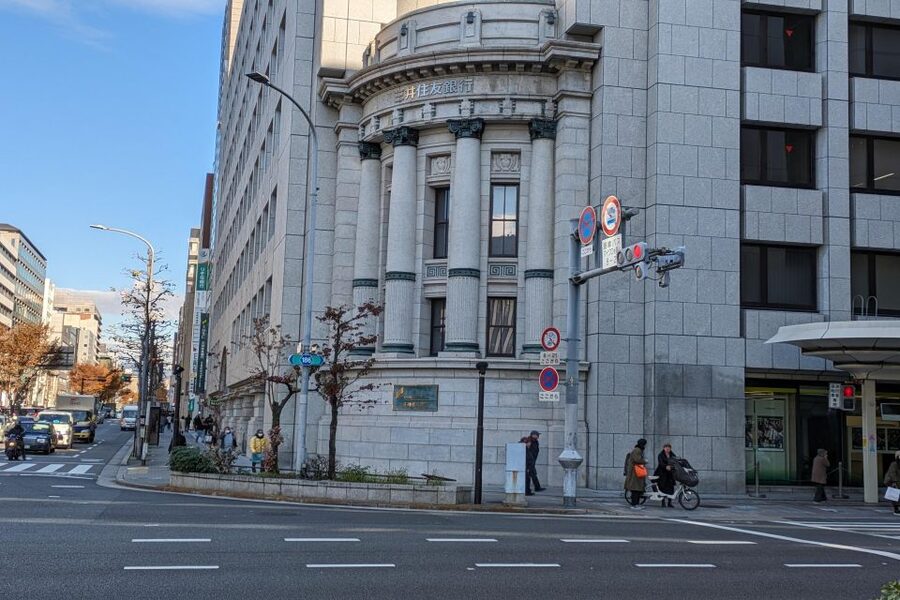
The meeting point is easy to find at the northeast corner of Shijo and Karasuma streets, by the Mitsui Building. From there, Kenji leads you on a roughly ten-minute walk to the bar. At $83 per person for two hours, the price is fair if you want real instruction, eight tastings, snacks, and a private setting, but it is more than you would spend on a casual drink at a Kyoto bar.
Key points at a glance
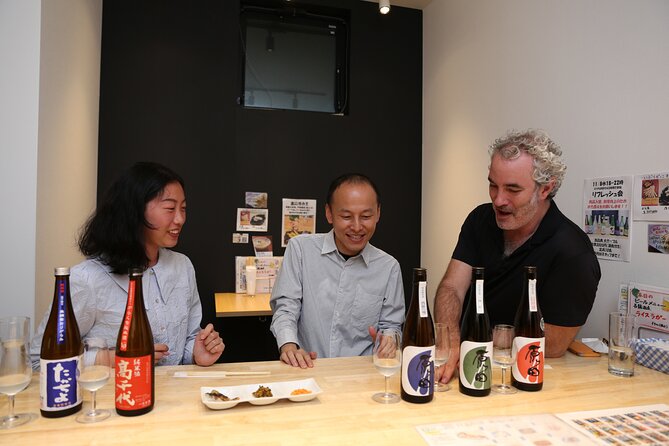
- A private tasting for one to four people: You get a small-group session rather than a crowded demonstration.
- Kenji leads in English and Japanese: His sake experience lets him explain production, styles, ordering, and food pairing in plain language.
- Eight sakes from across Japan: The selection is meant to show variety and help you identify your own preferences.
- A central Kyoto standing bar: The venue feels informal and local, but you will need comfortable shoes and the ability to stand for two hours.
- Traditional Japanese snacks are included: These give you something to eat while you taste and help connect sake with local food.
- A useful lesson for the rest of your trip: You leave with better tools for choosing sake in restaurants and bars.
Meeting Kenji near Shijo and Karasuma
The experience begins at 18 Naginatabokochō, with the practical meeting instructions pointing you to the intersection of Shijo and Karasuma streets. Look for the imposing Mitsui Building on the northeast corner. Kenji waits outside with a LINNELL’S backpack, which gives you a clear visual marker in a busy central area.
This location works well for a Kyoto itinerary. Shijo and Karasuma sit in the middle of the city, so you can fit the tasting before dinner, after shopping, or between visits to nearby central Kyoto sights. The activity does not include hotel pickup, drop-off, or transportation, so you need to reach the meeting point on your own.
From the building, you walk for about ten minutes to the bar. That short walk is useful because it gives Kenji time to introduce the plan and get a sense of what you already know. It also means the experience begins outdoors, not at the tasting counter itself. Wear comfortable shoes, especially since you will later spend the session standing.
More Sake Sommelier Experiences in Kyoto:
- Private Sake Tasting in Central Kyoto with Sake Sommelier
★ 5.0 · 32 reviews - Private Food & Sake Tour in Central Kyoto with Sake Sommelier
★ 5.0 · 24 reviews - Tasting All Types of Sake with Sommelier
★ 5.0 · 151 reviews
A standing bar with Kyoto character
The tasting takes place at a standing sake bar in central Kyoto. There are no seats. That detail matters more than it may sound. A standing bar gives the experience a relaxed, everyday feel, but it is not ideal if you have trouble standing for long periods or want a slow, formal meal.
The setting appears to be part of the appeal. You are not simply sampling bottles in a hotel meeting room. You are at a real bar where sake is ordered and enjoyed, with Japanese snacks alongside the drinks. The atmosphere is casual enough to feel like you are having a drink with a well-informed local friend.
The bar also makes the lesson practical. Kenji can show you how sake works in a real ordering situation, not just explain terms in the abstract. You can ask what to choose, how to describe your taste, and how to make a better order when you visit another restaurant in Japan.
One small uncertainty is the number of pours. The activity description promises eight sakes, while one detailed account recorded six pours. Since the selections may be tailored to the group, I would confirm the final tasting format before you go if the exact number is important to you.
Learning how sake is made
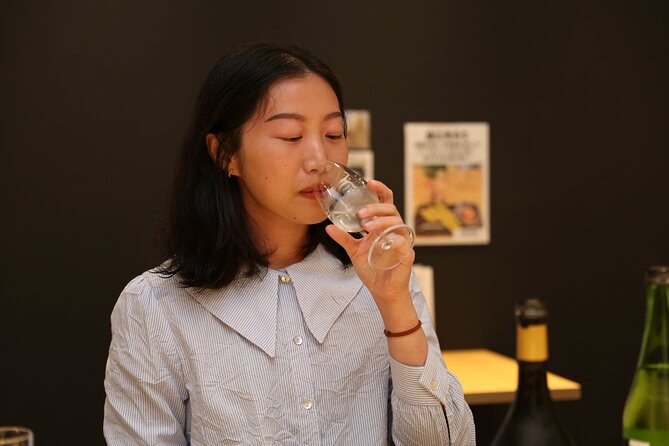
The first half of the value comes from the explanation. Kenji covers the ingredients, production process, different types of sake, and the places where the bottles come from. He also uses historical references, which helps connect the drink to Japanese culture rather than treating it as a simple alcohol sampler.
That background matters because sake labels can feel confusing at first. You may see unfamiliar Japanese names, production terms, and regional information without knowing what any of it means. A guide who works with sake professionally can give you a framework for reading those details and comparing one bottle with another.
You also learn the term nihonshu, another name for Japanese sake. The point is not to memorize vocabulary for its own sake. It is to give you enough confidence to ask better questions at a restaurant or bar.
Kenji’s teaching style is one of the strongest parts of the experience. The available feedback repeatedly describes him as patient, kind, attentive, and easy to understand in English. He also speaks Japanese, and one couple received help with basic Japanese language along with the sake lesson. If you enjoy asking questions, this is a good match. The format leaves room for conversation about local cuisine, Japanese culture, and food customs.
Eight sakes selected for your palate
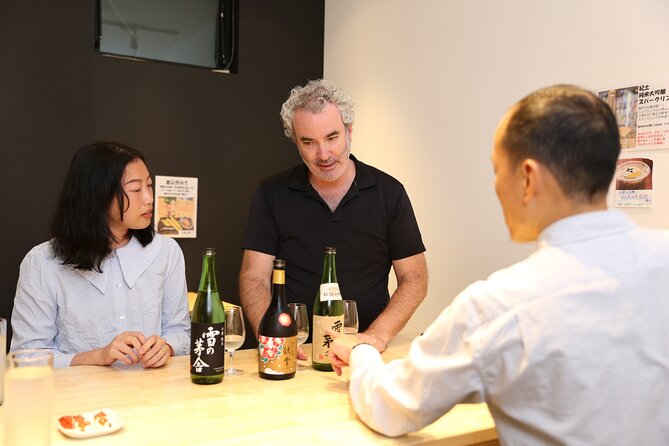
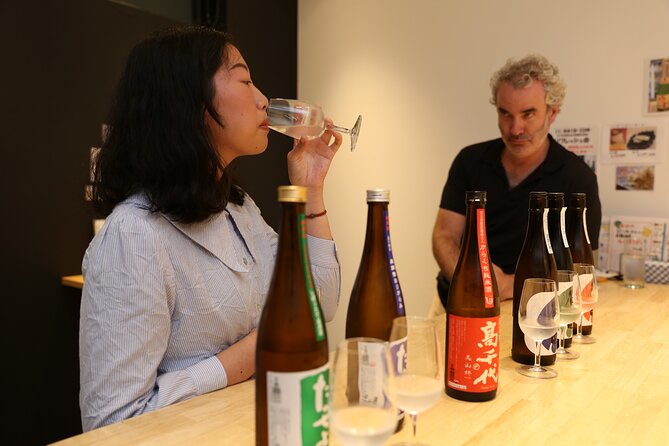
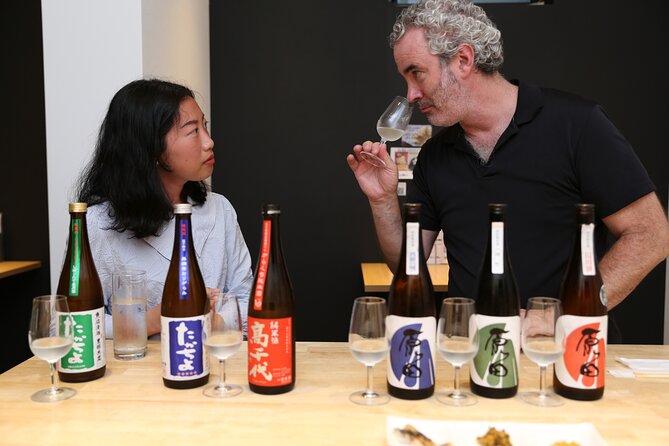
The tasting includes eight excellent sakes from across Japan, with traditional Japanese snacks. The point is not to rush through eight similar drinks. Kenji uses the selection to show how broad sake can be and to help you work out what you actually like.
This personal approach is more useful than a fixed flight chosen for everyone. If you prefer a certain style, Kenji can guide the tasting toward it. If you have no idea what you like, the range gives you a starting point. You may find that a sake you would have ignored on a menu becomes your favorite once you understand its character.
The selection can include less familiar options. One person particularly enjoyed an unpasteurized sake, a style they might not have found without guidance. That is exactly where an expert-led tasting earns its price. You get a chance to try bottles that may not be obvious to a first-time drinker.
The tasting also teaches comparison. Instead of having one glass and guessing, you can notice how the sakes differ as you move through the flight. Kenji explains where each selection came from and why it was chosen. This makes the tasting feel like a lesson in taste rather than a series of unrelated pours.
Because the experience is private, you can ask for clarification at any point. You are not competing with a large group for the guide’s attention. For couples, friends, or solo visitors who want a focused introduction, that is a real advantage.
More Sake Tastings in Kyoto:
- 3-Hour Kyoto Insider Sake Brewery Tour with Tastings & Pairings
★ 5.0 · 917 reviews - Kyoto Sake Brewery & Tasting Walking Tour
★ 5.0 · 623 reviews - 1.5-Hour Kyoto Insider Sake Experience with 7 Tastings & Pairings
★ 5.0 · 297 reviews - Kyoto: Insider Sake Experience with 7 Tastings and Snacks
★ 5.0 · 266 reviews
Snacks make the lesson more useful
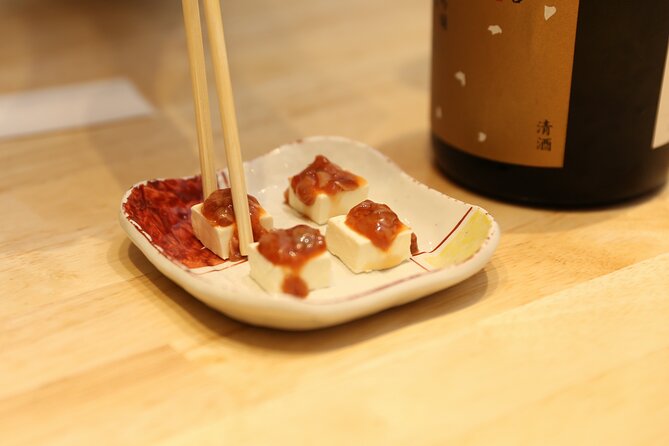
Traditional Japanese snacks come with the sake. They are not presented as a full meal, so you should not book this as dinner. Think of them as small food pairings that help you experience the drinks in a more natural way.
Food matters here because sake is often ordered with a meal. Trying it alongside snacks gives you a better idea of how the drink works at the table. It also breaks up the tasting and makes the two-hour session more comfortable.
If you plan to eat afterward, central Kyoto gives you plenty of options, though the activity itself does not include a meal or restaurant reservation. One especially helpful moment came when Kenji suggested food nearby, made a Japanese barbecue reservation online, and walked a couple through Nishiki Market to the restaurant. That kind of extra help is not listed as a formal inclusion, so you should not count on it every time, but it shows the practical local advice he can offer.
What the two-hour schedule feels like
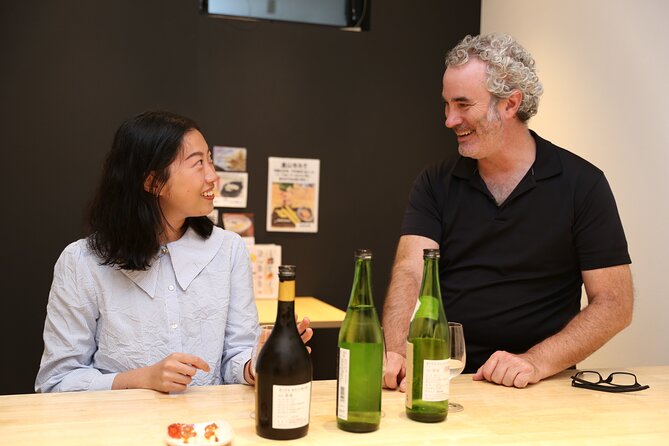
The two-hour duration is long enough for explanation, tasting, and questions without taking over your whole day. The rough flow is straightforward:
- Meet Kenji outside the Mitsui Building at Shijo and Karasuma.
- Walk about ten minutes to the standing bar.
- Learn about sake ingredients, production, types, origins, and ordering.
- Taste a selection of Japanese sakes, advertised as eight.
- Enjoy traditional snacks and discuss your preferences.
- Finish with practical advice for ordering sake elsewhere.
The pace should suit most adults who want more than a quick sample. Kenji can explain the basics, then adapt the conversation to your questions. If your group is already familiar with sake, you can focus on regional differences and less common styles. If this is your first tasting, you can spend more time on the fundamentals.
The standing format may affect your enjoyment more than the schedule does. You are not sitting at a table with a full meal, so this is best treated as an active tasting stop. If you need regular opportunities to sit, this may not be the right choice.
Is $83 per person good value?
At $83 per person, this is not the cheapest way to drink sake in Kyoto. You could order one or two glasses at a bar for far less. The price makes more sense when you count what is included: two hours, a private group of one to four, eight advertised tastings, snacks, and an English-speaking sommelier who adjusts the session to your tastes.
The private format is important. A group of four pays for a shared experience, but each person still gets personal attention. A solo visitor or couple may find the cost harder to compare with a normal bar visit, yet the instruction is the main product here, not simply the alcohol.
I would call it good value for anyone who wants to understand sake during the rest of a Japan trip. After the session, you should have a clearer sense of what to order and how to make choices at restaurants. If you only want a cheap drink or a large meal, spend the money elsewhere.
The free cancellation policy also reduces some booking risk. You can cancel up to 24 hours ahead for a full refund, and the reserve-now, pay-later option lets you keep your schedule flexible. Those terms are useful in Kyoto, where plans often change around weather, temple visits, and busy restaurant hours.
Who should book this experience?
I would recommend it most strongly to adults who have little sake experience and want a friendly introduction without a formal lecture. Couples are a natural fit, but the private group can also work well for a small group of friends or a solo visitor who enjoys conversation.
It suits you if you:
- Want to learn how sake is produced and ordered
- Prefer a small private group
- Enjoy asking questions about food and culture
- Like trying several styles rather than drinking one familiar type
- Plan to eat at Japanese restaurants during your trip
- Are comfortable standing for the full session
It may not suit you if you are under 20, pregnant, or looking for a seated meal. It is also not the best choice if you want hotel pickup or a full tour of sake breweries, since the activity centers on one central Kyoto bar.
What the strongest praise tells you
The most consistent praise centers on Kenji himself. His professional sake background comes through in the explanations, but the tone remains friendly rather than stiff. Several people appreciated that he adjusted the tasting to personal preferences instead of giving everyone the same impersonal flight.
The second strong point is the quality of the teaching. You learn about ingredients, production, regional origins, and different types of sake, then test that information with actual pours. That combination helps the lesson stick.
The third is the easy social mood. The experience can feel like having a drink with a local friend, except your companion knows how to select bottles and explain them clearly. That balance of expertise and warmth is a good reason to choose this over a self-guided tasting.
There is also value in Kenji’s wider Kyoto advice. He can answer questions about food, language, and local customs. His help with a nearby barbecue reservation and route through Nishiki Market shows how the experience may add useful ideas to the rest of your evening, though those extra arrangements are not guaranteed.
Final call: book it if you want more than a drink
Book this sake tasting if you want a personal lesson, a relaxed bar setting, and practical help choosing Japanese sake. The combination of Kenji’s experience, eight advertised tastings, snacks, and a private group makes the $83 price reasonable for curious drinkers.
Skip it if you need to sit, want a full dinner, or are mainly looking for the lowest-cost way to sample sake. For everyone else, this is a smart two-hour addition to a central Kyoto itinerary, especially early in your Japan trip, when the advice can improve every sake order that follows.
FAQ
How long does the sake tasting last?
The experience lasts two hours, including the walk from the meeting point to the bar, instruction, sake tastings, snacks, and questions.
Where do I meet the guide?
Meet at the intersection of Shijo and Karasuma streets, outside the Mitsui Building on the northeast corner. Kenji will be identifiable by his LINNELL’S backpack.
How far is the bar from the meeting point?
The walk from the Mitsui Building to the sake bar takes about ten minutes.
How many people can join the private tasting?
The private group can include one to four people.
How many sakes are included?
The experience description includes tastings of eight sakes from across Japan. Since the number of pours may vary, confirm the exact format when booking.
Is food included?
Yes. Traditional Japanese snacks are included with the sake tastings. Transportation and hotel pickup or drop-off are not included.
Who can join the tasting?
You must be at least 20 years old, the legal drinking age in Japan. The activity is not suitable for pregnant women, and comfortable shoes are recommended because the bar has no seats.
Just added around Kyoto
- Kyoto Food and Sake Tour Experience★ 4.0 · 5 reviews
- Nishiki Market, Private Sushi class & Sake Tasting in Townhouse★ 5.0 · 6 reviews
- Experience of pairing sake tasting with snacks in Kyoto★ 5.0 · 4 reviews
- Kyoto Luxury Sake, Whisky and Cocktail Tour★ 5.0 · 4 reviews
- Kyoto: Sake Tasting Journey to Two Iconic Breweries★ 3.0 · 2 reviews
- Fushimi Kyoto Walking Tour with Sake Tasting and Canal Boat Ride★ 4.0 · 5 reviews
- Kyoto Sake Brewery Tour★ 3.3 · 5 reviews
- Kyoto: Newly Opened Sake Tasting – Sanjo Chasuian★ 5.0 · 7 reviews
Sake Sommelier Experiences, compared.
Private Sake Tasting in Central Kyoto with Sake Sommelier
Read our review →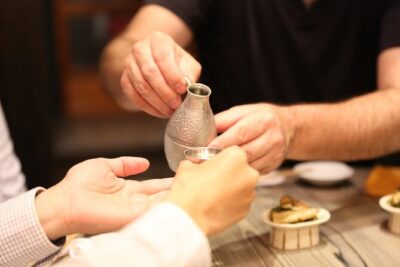
Private Food & Sake Tour in Central Kyoto with Sake Sommelier
Read our review →Browse the lists this tour appears in