
REVIEW · NAGANO
Nagano: Snow Monkeys, Zenkoji Temple & Sake Day Trip
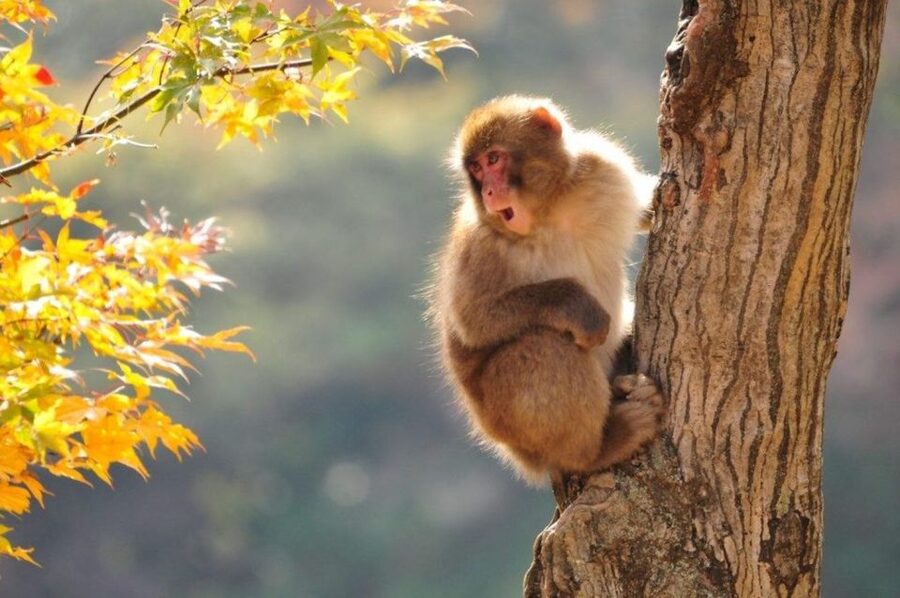
The monkeys are only part of the story. This full-day Nagano outing brings together Zenkoji Temple and its long Buddhist history, local sake, a generous Japanese lunch, and the famous hot-spring macaques at Jigokudani Monkey Park. I especially like the way the day mixes culture with wildlife, and I like that transport, lunch, sake tasting, and the park entrance are included in the $135 price.
The main caution is the walking. You cover about 1.6 kilometers to and from the monkey park, and the forest path can be icy or slippery in winter. Still, with sensible shoes and a little care, this is a well-organized way to see several Nagano highlights without piecing together buses, tickets, and restaurants yourself.
At a glance
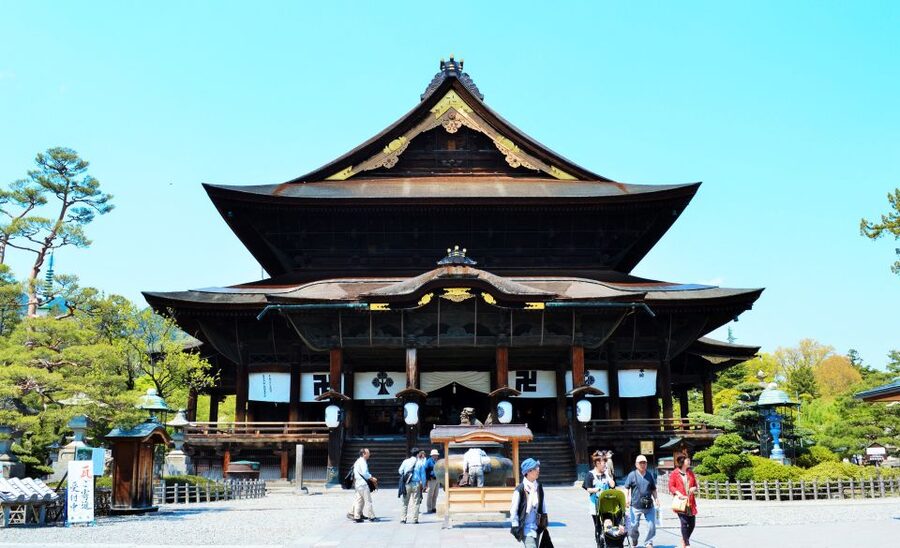
- Zenkoji Temple comes first: You get about 90 minutes to explore one of Japan’s oldest and most important Buddhist temples, with guidance on the temple, local culture, and traditions.
- The sake stop is more than a quick sip: You taste several varieties from different producers and learn how the drink is made. Non-alcoholic sake is available for anyone under 20 or avoiding alcohol.
- Lunch is a real feature: The meal is substantial and may include miso soup, tempura, sushi, and a choice involving beef, seafood, or vegetables. Food allergies can be arranged if reported ahead of time.
- The monkey walk is the day’s physical test: Expect a forest trail that may be packed with snow or ice. Crampons or traction aids can be useful in winter.
- Hakuba pickup adds real value: From December through March, you can join at selected Hakuba stops, making this a practical rest-day outing during a ski holiday.
- The timing is efficient: The standard Nagano Station meeting is around 9:35 AM, and the tour usually returns there by 5:30 PM. Hakuba departures return later, around 6:45 PM.
Why this makes a strong Nagano day
Nagano is easy to underestimate. Many people pass through on the way to the ski resorts, but the area offers a fine mix of Buddhist tradition, mountain food, sake brewing, and wildlife. This tour gives you a broad taste of all four in one day.
I like the balance. You are not stuck on a bus all day, but you also do not have to solve the transport puzzle on your own. The guide leads you through the temple area, explains the sake, handles the park entry, and keeps the day moving. Guides such as Dylan, Brent, Kevin, Tom, Hiroshi, and John have been singled out for being friendly, clear, and generous with local tips.
The schedule is full, but it is not designed as a frantic photo chase. You receive roughly 90 minutes at Zenkoji, 30 minutes for the sake stop, an hour for lunch, and about two and a half hours at the monkey park. That last block matters. You have time to watch the animals rather than hurry in, take three photographs, and leave.
The tradeoff is that this is a shared tour with fixed pickup and drop-off points. You cannot arrange a custom hotel transfer outside the listed locations. If you prefer a slow temple morning or a long lunch, the set schedule may feel tight.
More Snow Monkey Trips in Nagano:
- 1-Day Snow Monkeys, Zenko-ji Temple & Sake in Nagano
★ 5.0 · 1,020 reviews - Private Nagano 1-Day Tour:Snow Monkeys,Zenko-ji,Obuse,Sake,Onsen
★ 5.0 · 71 reviews - Snow Monkey, Zenko Ji Temple, Sake in Nagano Tour
★ 4.5 · 42 reviews
Meeting the day at Nagano Station or Hakuba
For the standard option, you meet your English-speaking guide at Nagano Station at about 9:35 AM. In winter, the operator may open an earlier 9:00 AM start if the later departure fills, so check your confirmed time carefully.
People staying in Hakuba can join a winter shuttle from Hakuba Tokyu Hotel at about 7:40 AM or Hakuba Happo Bus Terminal at about 7:55 AM. Additional listed pickup points include Tsugaikekogen Heights, Happo Information Center, and Hotel La Vigne Hakuba by Onko Chishin.
Be early. This is a coach-based day, and the departure cannot wait for a late arrival. The bus ride from the meeting area to Zenkoji takes about 25 minutes, followed by the longer transfers between Nagano, the lunch stop, and the monkey park.
The vehicle has enough room for luggage according to the tour arrangements, which can help if you are moving between Nagano and Hakuba. One practical point from the day-to-day logistics: the bus may feel snug if you are very tall. It is comfortable enough for the route, but do not expect a luxury coach with vast legroom.
Zenkoji Temple: a thoughtful first stop
Zenkoji is not just a quick exterior photo. This is one of Japan’s oldest and most important Buddhist temples, and the tour gives you time to understand why it matters.
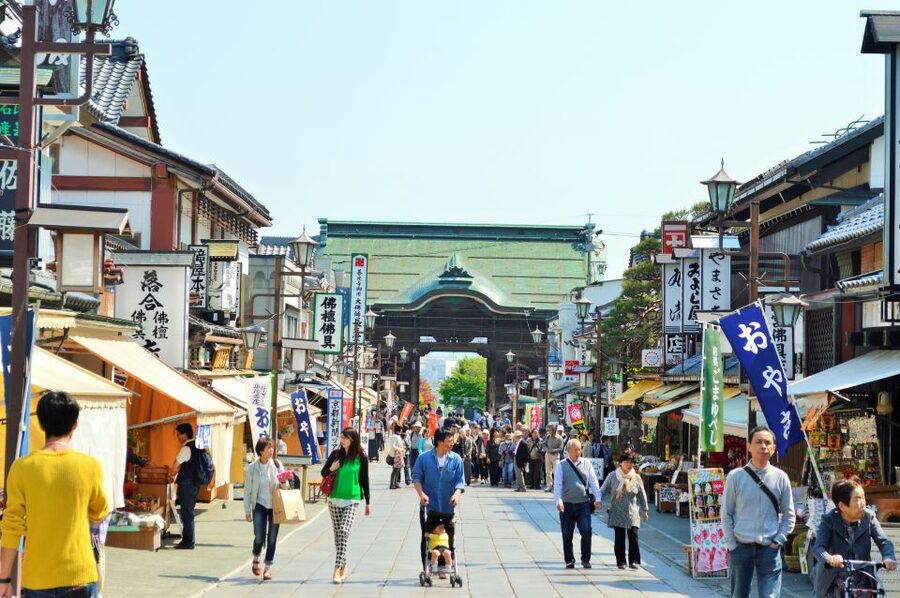
The approach through the temple area is part of the pleasure. You walk through the small streets leading toward the main temple grounds, while your guide explains pieces of Nagano’s culture, history, and local life. Guides have also pointed out vegetation and regional details along the way, which helps turn a pretty walk into a more grounded introduction to the prefecture.
Allow yourself to look beyond the main gate and roofline. The temple’s scale and age are impressive, but the experience is also about ritual. One memorable optional activity is the pitch-black passage beneath the temple. You cannot see your hand in front of your face, and you feel your way through the darkness. It is a brief but unusual part of the visit, tied to the temple’s religious meaning.
The optional inner sanctuary entry is not included in the tour price. If you want to go inside that section, budget separately. Your guide can explain the available choices, but you should not assume every temple activity is covered by the basic admission.
I like placing Zenkoji near the start of the day. You are fresh enough to listen, ask questions, and notice the details before the wildlife stop takes over your attention. The only limitation is time. Ninety minutes gives you a useful introduction, not a complete study of every building and custom.
Sake tasting with a local lesson
After the temple, the group stops for about 30 minutes of sake tasting. This is a small stop, but it gives the day a distinctly Nagano flavor.
You taste several kinds of sake from different companies and learn about different production methods. That variety is useful because sake is not one single taste. Even a short tasting can help you notice differences between styles rather than treating every bottle as the same drink.
The setting is described as a local or brewery-style stop, and the tasting is arranged before lunch. That timing works well. You get a cultural lesson and a few samples, then move on to a proper meal instead of trying to make alcohol the main event.
You must be at least 20 to consume alcohol in Japan. If you are younger or simply do not drink, non-alcoholic sake is available. The tour also includes the tasting in the price, so you do not need to plan a separate brewery visit.
I would treat this as an introduction, not a serious sake seminar. The stop is only about half an hour, and the goal is to give you a feel for Nagano’s sake culture. Guides have been especially helpful here, explaining how the samples differ and answering questions in plain English.
More Temple and Sake Tours in Nagano:
- 1-Day Winter Tour From Nozawa Onsen: Snow Monkeys, Zenko-ji Temple & Sake
★ 5.0 · 32 reviews - Nagano: Togakushi Shrine, Sake & Zenkoji Private Tour
★ 4.2 · 3 reviews - Snow Monkeys Sake Tasting Zenko-ji and Monzen Terrace Lunch
★ 5.0 · 2 reviews - Nagano Private Tour: Ninja Temple, Soba Making & Sake Tasting
★ 5.0 · 2 reviews
Lunch in the mountains
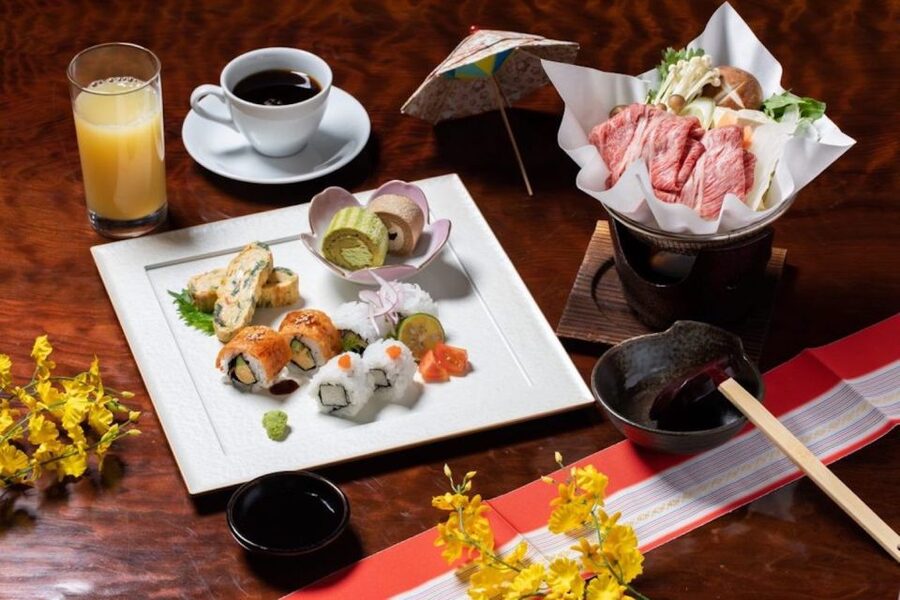
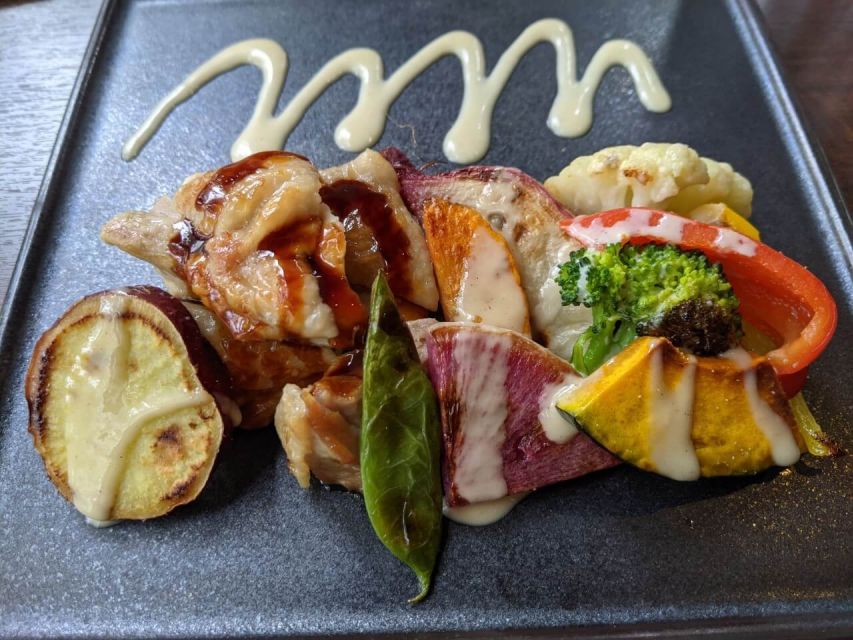
Lunch is one of the pleasant surprises of this outing. The meal is designed around Nagano and is served at a local restaurant, with some groups eating in a beautiful older building in the mountains. The exact menu can vary, but the meal has been described as generous and multi-course, with miso soup, tempura, sushi, and a choice such as beef, seafood, or vegetables.
This is more than fuel before the walk. It is a chance to sit down, try regional flavors, and reset between the town visit and the forest trail. I like that the meal is built into the schedule rather than leaving you to find food during a busy transfer day.
Vegetarian options are available, and you should report allergies in advance. Be specific. Gluten-free diners should take extra care, since one gluten-free meal had a much narrower selection, including plain rice instead of sushi. The operator can arrange meals, but last-minute requests may limit what the restaurant can provide.
The one-hour lunch slot is long enough to eat without racing, but not so long that the afternoon becomes late. If you are hoping for a leisurely restaurant visit with several drinks and extended conversation, this is not that kind of meal. It is a well-timed stop that keeps the day moving.
Walking to Jigokudani Monkey Park
The road ends before the monkeys. From the park entrance area, you walk roughly 1.6 kilometers along a forest trail to reach the viewing area. The route is generally manageable and fairly flat, but winter can change the feel of it completely.
Packed snow, melting snow, slush, and ice may appear on the trail. Several people have found traction aids useful, and one guide recommended crampons after seeing how slippery the route could be. I would bring sturdy walking shoes with good grip. Leave the heels and sandals at the hotel, as they are not suitable for this path.
A small bag is easier than a large backpack. You want your hands free for balance and photography, especially on icy sections. Warm layers also matter. The forest can feel much colder than the town, and the monkey area may be exposed to winter weather.
The walk is part of the appeal. You move from Nagano’s temple streets into a quiet wooded setting, and the change gives the wildlife stop a sense of arrival. Still, this is not an ideal tour for someone with significant mobility limitations or anyone using a wheelchair. The activity specifically advises against booking if you have mobility impairments.
Watching the snow monkeys up close
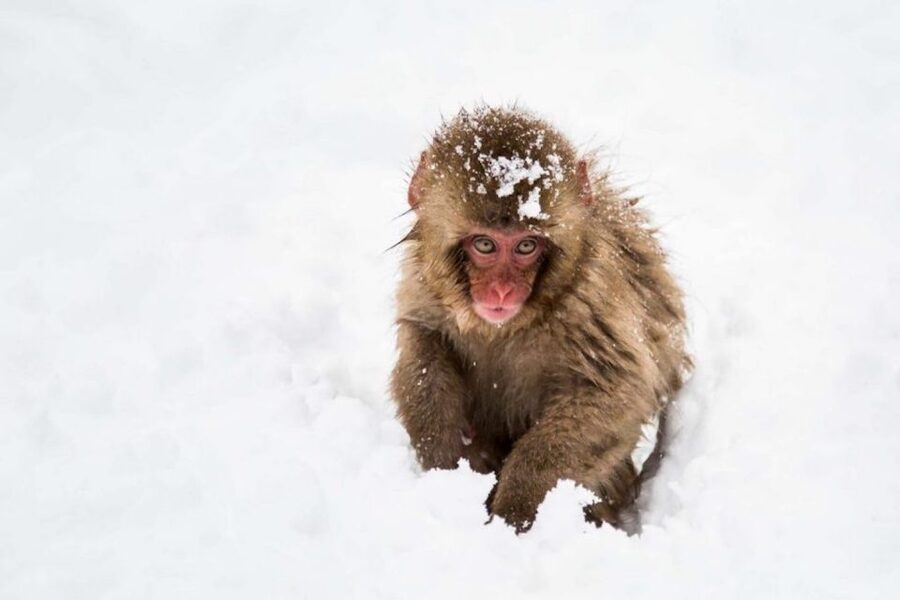
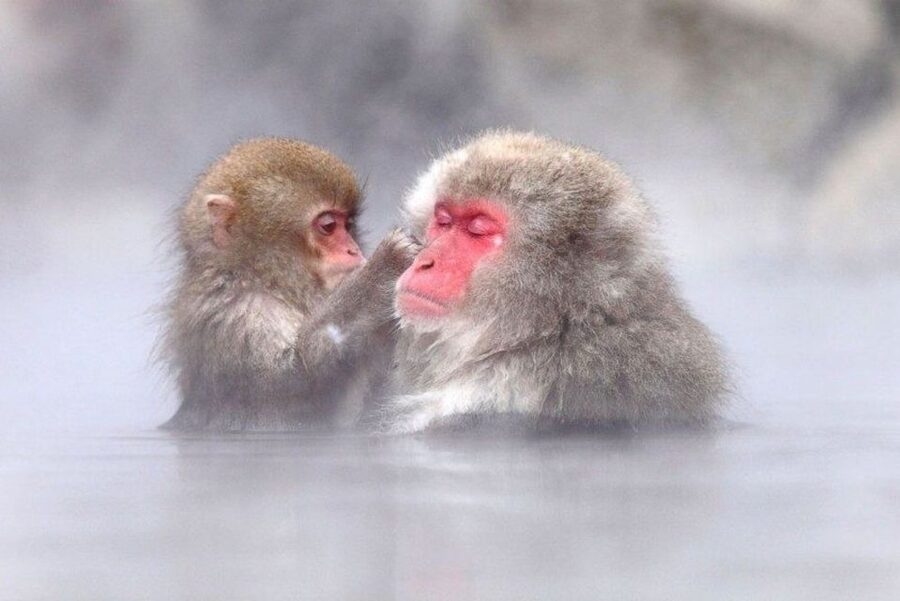
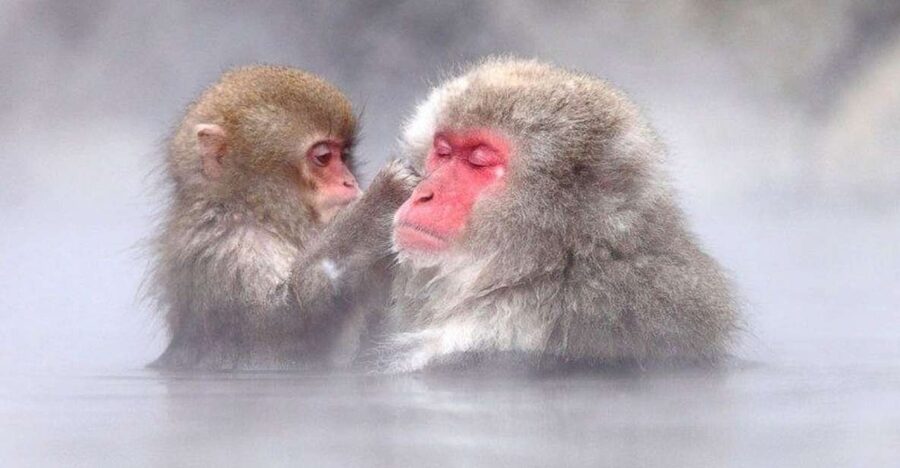
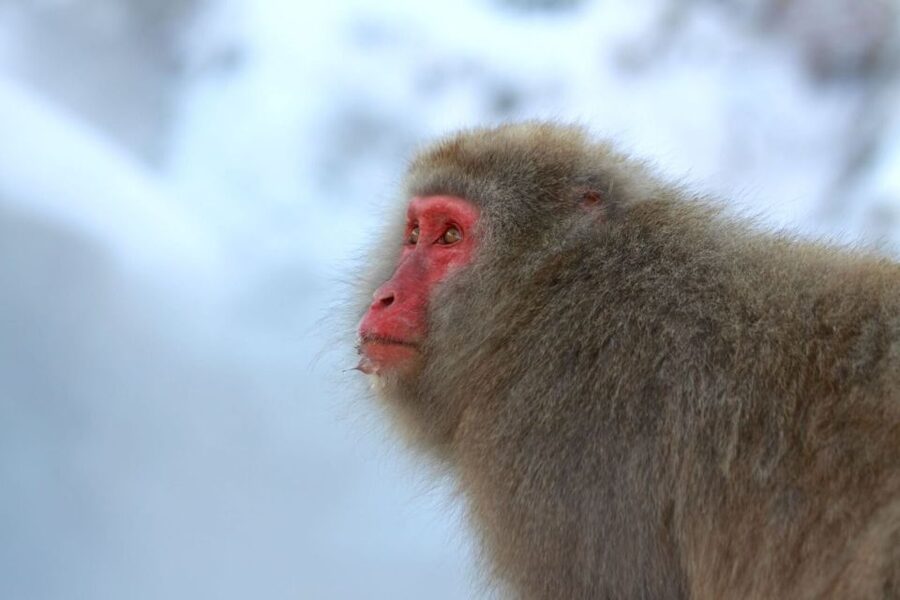
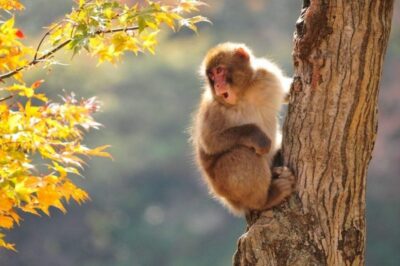
Jigokudani Monkey Park is the emotional high point for most people. These Japanese macaques are famous for bathing in hot springs, and they can be watched at close range in their natural setting. You may see them soaking, grooming, eating, playing, or simply sitting with a wonderfully serious expression.
The numbers can vary. On a strong winter day, you might see a large troop around the pools. On another day, only a few animals may appear, and there are a few days each year when the monkeys do not come down to the park at all. No wildlife outing can promise a perfect lineup beside the water.
That uncertainty is worth keeping in mind because photographs online often show the park at its most crowded with monkeys. The setting remains worthwhile even when the troop is smaller, but you should book this as a wildlife visit, not as a guaranteed animal performance.
The two-and-a-half-hour allocation is generous. You have time for the walk, viewing, photos, and the return trail without being pushed out after a few minutes. Guides can offer practical advice on where to stand and how to make the most of the time, but the best part is often simply watching the animals behave naturally.
Do not expect to touch or feed them. The value is in observing them at close range while respecting the park setting. Keep your attention on footing as well as photography. A beautiful picture is not worth a tumble on an icy path.
Transport, timing, and the $135 value
At $135 per person, this is not the cheapest possible way to see the monkeys. You could attempt the journey independently, but you would need to coordinate transport to the park, buy admission, arrange lunch, and find your way through the temple and sake stops on your own.
For me, the price is reasonable if you value a full day with the practical details handled. The fee includes transportation between stops, an English-speaking guide, monkey park admission, lunch, sake tasting, and the winter Hakuba shuttle where applicable. That combination removes several small costs and a fair amount of planning.
The value is strongest for three types of visitors:
- First-time visitors to Nagano: You get a useful overview of the city and surrounding area in one day.
- People staying in Hakuba: The winter pickup makes a cultural rest day easy to arrange between ski days.
- Visitors coming from Tokyo: The tour can make the trip to Nagano worthwhile if you want more than a single attraction.
The timing is long, from eight to twelve hours depending on your pickup point and transport. Nagano Station departures usually finish around 5:30 PM. Hakuba participants can expect a later return, around 6:45 PM.
That long day is the price of seeing all three main elements. If you dislike coach transfers or prefer independent wandering, you may find the schedule too structured. If you want to combine a temple, food, sake, and wildlife in one outing, the structure is a major benefit.
What to pack and how to prepare
A little preparation will improve the day considerably.
- Wear walking shoes with firm soles. Winter trail conditions can be slippery, and crampons or other traction aids may help.
- Dress warmly for the forest, even if Nagano town feels comfortable.
- Carry a small, easy-to-manage bag.
- Tell the operator about food allergies in advance.
- Check your pickup time, especially during winter when an earlier Nagano departure may be added.
- Bring patience for the monkey walk and enough phone or camera storage for repeated photos of animals doing almost nothing, then suddenly doing something adorable.
High heels are not allowed, and sandals are a poor choice for the forest route. The tour is not suitable for wheelchair users or people with mobility impairments.
Free cancellation is available up to 24 hours before departure, and you can reserve now and pay later. Those policies are useful when mountain weather or ski plans are still shifting, but they do not change the need to arrive on time at the correct meeting point.
Should you book this Nagano day trip?
I would book it if you want a well-balanced introduction to Nagano and prefer having transport, food, tickets, and commentary arranged. The strongest parts are the close monkey viewing, the thoughtful temple visit, the surprisingly good lunch, and guides who add useful local context without turning every minute into a lecture.
I would skip it if you need a private itinerary, cannot manage a 1.6-kilometer forest walk, or want to spend a full day at just Zenkoji or the monkey park. The monkeys are wild animals, so their numbers and behavior can vary.
For most visitors based in Nagano or Hakuba, this is a practical and memorable day out. Wear proper shoes, check the pickup details, tell the operator about dietary needs, and leave room in your schedule for the possibility that the forest trail will take more effort than the photographs suggest.
FAQ
Where does the tour start?
The standard meeting point is Nagano Station at about 9:35 AM. Depending on the option booked, pickup may also be available at listed locations in Hakuba, including Hakuba Tokyu Hotel, Hakuba Happo Bus Terminal, Happo Information Center, Tsugaikekogen Heights, and Hotel La Vigne Hakuba by Onko Chishin.
Can I join from Hakuba?
Yes. From December through March, a shuttle can begin at Hakuba Tokyu Hotel at about 7:40 AM or Hakuba Happo Bus Terminal at about 7:55 AM. Other designated Hakuba pickup points may also be available.
Is lunch included?
Yes. Lunch is included, and vegetarian options are available. You should provide food allergy information in advance so the meal can be arranged.
Do I have to drink alcohol at the sake tasting?
No. Sake tasting is included, but non-alcoholic sake is available for anyone under 20 or anyone who does not consume alcohol. You must be at least 20 to drink alcohol in Japan.
How much walking is involved?
The tour includes about 1.6 kilometers of walking to and from Jigokudani Monkey Park, along with walking at Zenkoji Temple and between other stops. The forest path may be slippery in winter.
What happens if the monkeys do not appear?
There are a few days each year when the monkeys may not come down to the park. Their numbers can also vary, so the tour cannot guarantee a particular number of monkeys or a specific behavior.
More One-Day Trips in Nagano
- 1 Day Tour to Hill of the Buddha, Sapporo and Sake
★ 5.0 · 5 reviews - Nagano: Snow Monkeys, Zenkoji Temple & Sake Day Trip
★ 5.0 · 4 reviews
More Sake Day Trips in Nagano
- 1-Day Kobe Highlights Tour including Sake Tasting
★ 4.5 · 28 reviews - From Nozawa Onsen: Snow Monkeys and Zenko-ji Day Trip & Sake
★ 4.9 · 13 reviews - Nagano: Snow Monkey and Zenkoji Temple Free Sake Taste Day Tour
★ 4.5 · 8 reviews - 1-Day Walking Tour around Kobe : Mountains, Sea and Sake
★ 3.9 · 6 reviews
Just added around Nagano
- Snow Monkeys Sake Tasting Zenko-ji and Monzen Terrace Lunch★ 5.0 · 2 reviews
- Heritage Town, Cuisine, Sake & Art: Explore Hokusai in Obuse★ 5.0 · 2 reviews
- Nagano Private Tour: Ninja Temple, Soba Making & Sake Tasting★ 5.0 · 2 reviews
- Snow Monkeys, Hokusai & Sake: A Perfect Day in Nagano★ 5.0 · 4 reviews
- Nagano: Togakushi Shrine, Sake & Zenkoji Private Tour★ 4.2 · 3 reviews
- Explore Matsumoto: Castle, Sake & Taste of Local Life★ 4.8 · 6 reviews
- Nagano Sake Tasting Walking Tour★ 5.0 · 17 reviews
- Snow Monkeys, Hokusai & Sake: A Perfect Day in Nagano★ 5.0 · 19 reviews
Snow Monkey & Sake Tours, compared.

1-Day Snow Monkeys, Zenko-ji Temple & Sake in Nagano
Read our review →
Private Nagano 1-Day Tour:Snow Monkeys,Zenko-ji,Obuse,Sake,Onsen
Read our review →
1-Day Winter Tour From Nozawa Onsen: Snow Monkeys, Zenko-ji Temple & Sake
Read our review →
Snow Monkeys, Hokusai & Sake: A Perfect Day in Nagano
Read our review →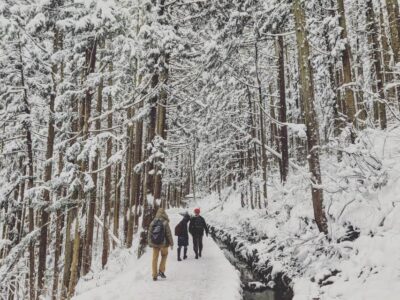
Snow Monkeys, Hokusai & Sake: A Perfect Day in Nagano
Read our review →Browse the lists this tour appears in