
REVIEW · KYOTO
Private Pewter Sake Cup Experience with a Kyoto Artisan
Make your own drinking vessel. This private Kyoto workshop lets you shape a pewter sake cup with your hands, guided by artisan Kanako at Craft Gallery SALUK. I love the personal hammering patterns and the chance to add initials or a date. I also like that you leave with a useful souvenir, not another trinket. The main drawback is the location, which can take about an hour by scenic train from central Kyoto.
This is a small, private activity lasting about two and a half hours. You do not need craft experience or special equipment. Kanako supplies the materials, demonstrates each step in clear English, and helps rescue the occasional overenthusiastic hammer mark.
The setting is quiet and removed from central Kyoto’s crowds. That peaceful setting adds to the appeal, but you should allow enough time for the journey and return trip. At $144.96 per person, this is not a cheap craft class, yet the price includes instruction, materials, personalization, finishing, and a handmade cup to take home.
Key points at a glance
- Hammer your own pattern: Choose from several hammers and create a surface design by striking the pewter while rotating the cup.
- Personalize the base: Add letters, numbers, initials, or a date for a more meaningful keepsake.
- Learn from Kanako: The instructor is praised for patient teaching, clear English instructions, humor, and warm hospitality.
- Visit a private workshop: The studio is usually closed to the public, making this feel more personal than a standard sightseeing stop.
- Take home a useful cup: The finished vessel measures about 64 millimeters across, 53 millimeters high, and holds about 90 milliliters.
- Plan for the setting: Craft Gallery SALUK is in northern Kyoto, away from the city center and reached by public transportation.
Why this pewter cup makes a better souvenir
Kyoto gives you no shortage of souvenirs. You can buy sweets, ceramics, textiles, chopsticks, and every form of small decorative object. The trouble is that many purchases become shelf clutter once you get home.
This cup is different because you help make it. You decide how heavily to strike, which hammer marks to combine, and how much of the original metal surface to leave visible. The final pattern records your hand and your patience. It will not look factory-perfect, and that is precisely its charm.
The cup is also small enough to pack easily. It comes in a wooden box, according to the workshop description and participant accounts, which makes it simpler to protect during the trip home. You can use it for sake, whiskey, chilled green tea, or other drinks. A souvenir that gets used has a better chance of keeping Kyoto present in your daily life.
The activity also gives you a short lesson in Japanese metal craft. You are not simply decorating a finished object with paint. You are shaping its surface through repeated, controlled blows. That physical process helps you understand why traditional craft takes time and why small changes in pressure can create very different results.
More Private Tours in Kyoto:
- Private Tea Ceremony and Sake Tasting in Kyoto Samurai House
★ 5.0 · 163 reviews - Private Sake Tasting in Central Kyoto with Sake Sommelier
★ 5.0 · 32 reviews - Private Food & Sake Tour in Central Kyoto with Sake Sommelier
★ 5.0 · 24 reviews
Arriving at Craft Gallery SALUK
The meeting point is Craft Gallery SALUK at 35-2 Shizuichinonakacho, Sakyo Ward, Kyoto, postal code 601-1122. The studio is in northern Kyoto, not near the major central sightseeing areas.
Allow extra time to reach it. A practical estimate from the experience is roughly one hour by scenic train from Kyoto Station, though your exact journey depends on where you begin and the connection you choose. The route is part of the appeal, with a quieter setting and mountain surroundings replacing the dense city streets.
That distance is worth considering before you book. If you have only one day in Kyoto, this workshop will take a substantial part of it. If you have several days, it can provide a welcome change from temples, shopping streets, and crowded central attractions.
The activity ends back at the same meeting point. One especially helpful detail from the workshop is that Kanako and her husband have sometimes assisted with a more convenient station drop-off after class. Do not treat that as a guaranteed transfer, but it shows the generous spirit of the hosts.
Meeting Kanako and choosing your tools
Kanako leads the class and handles the final machine polishing. Her teaching style is one of the strongest reasons to choose this activity. She explains the process clearly in English, gives beginners room to work, and steps in when a design starts to go in an unwanted direction.
You begin with a blank pewter cup and choose a hammer from several types. Each tool produces a different mark. Some create sharper impressions, while others leave softer or more rounded patterns. You can stick with one hammer or combine several for a more varied surface.
The cup is shaped to sit comfortably in your hand. Its compact size makes it manageable for beginners, though you still need to pay attention to how you hold it and where you strike.
This is not a passive demonstration. You will spend much of the class making repeated hammer blows, rotating the cup, checking the pattern, and adjusting your approach. That hands-on work is satisfying, but it also calls for patience. If you rush, the pattern may become uneven. If you slow down, the metal begins to show a deliberate rhythm.
Hammering a one-of-a-kind design
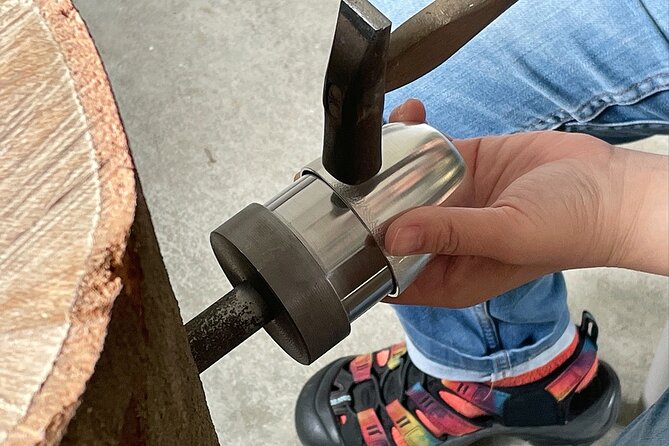
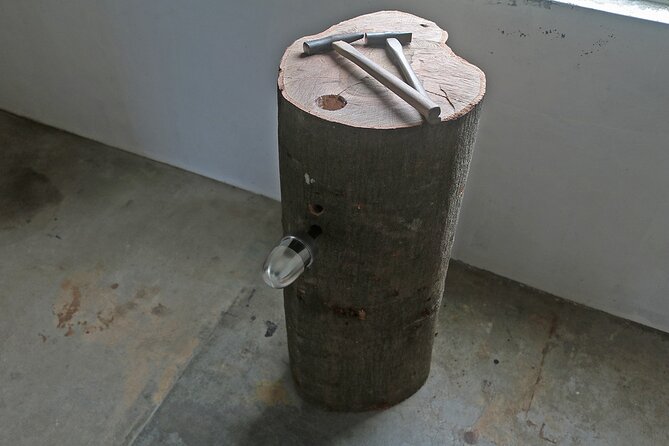
The central part of the class places the cup on an anvil. You strike the pewter while turning the vessel, gradually covering the surface with a pattern.
The method sounds simple, but the result depends on small choices. A light tap leaves a different impression from a firm strike. The angle of the hammer changes the look. The spacing between marks can make the surface appear orderly, scattered, sparkling, or almost organic.
One participant created a forest-inspired design by going beyond the usual pattern. That detail is useful if you have your own idea. You are not forced to copy a sample exactly. Kanako can help you keep an unusual concept workable while making sure the finished cup remains functional.
You should also expect small mistakes. A misplaced strike does not automatically ruin the cup. The instructor can often help you work with the mark or balance it with the surrounding pattern. The class is designed for beginners, not trained silversmiths.
Still, do not expect every cup to look identical. Your finished piece will show the amount of force you used and the way you moved around the metal. For many people, that irregularity becomes the best part.
A few more sake experiences around Kyoto worth a look
- 3-Hour Kyoto Insider Sake Brewery Tour with Tastings & Pairings
★ 5.0 · 917 reviews - Kyoto: Insider Sake Brewery Tour with Sake and Food Pairing
★ 5.0 · 704 reviews - Kyoto Sake Brewery & Tasting Walking Tour
★ 5.0 · 623 reviews - 1.5-Hour Kyoto Insider Sake Experience with 7 Tastings & Pairings
★ 5.0 · 297 reviews
Adding initials, dates, and personal marks
Once the main pattern is complete, you can personalize the base with letters, numbers, initials, or a date. This is a modest detail, but it gives the cup a clear connection to your trip.
You might add your name, the date of a wedding or anniversary, or the year of your visit to Japan. Families can create matching cups with different initials. Couples can use the same date while choosing completely different hammer patterns.
Ask about your preferred inscription during the class rather than leaving the decision until the last minute. The personalization is an option, not a requirement, so you can keep the cup plain if you prefer the metalwork to speak for itself.
The opportunity works especially well for a special trip. Several people have used the cup as a family keepsake, and one couple created pieces that reflected their separate personalities. The cup becomes more than a craft object because the design and inscription carry a memory.
Filing the rim and finishing the cup
After hammering and stamping, you use a file to adjust the cup’s height and bevel the rim. This is where the object changes from a decorated metal shell into a drinking vessel.
The rim matters. A carefully filed edge feels more comfortable against your lips, and the bevel gives the cup a finished shape. You get to take part in this stage, but Kanako guides you so that the cup remains balanced and pleasant to hold.
For safety, the final polishing is done by the craftsperson with a rotary machine. That is a sensible division of labor. You handle the creative work and learn the basic techniques, while the potentially hazardous final machinery stays with the professional.
The completed cup is about 64 millimeters in diameter and 53 millimeters high. Its normal capacity is about 90 milliliters, or roughly 115 milliliters filled to the rim. That is a small serving, well suited to sake or a short pour of another drink.
The cup is not limited to alcohol. Chilled green tea is a good alternative, and the workshop has accommodated people who do not drink by serving tea in their new cups. That makes this activity suitable for mixed groups, including families and non-drinkers.
A quiet setting with tea and conversation
The studio’s atmosphere is part of the experience. The northern Kyoto setting is calm, and the workshop gives you time to talk with Kanako about Japanese crafts and her own work.
Tea and snacks have been offered during some classes, adding a hospitable touch. Since refreshments are not described as a fixed part of every booking, regard them as a possible courtesy rather than a formal inclusion.
The pace also allows for conversation. Kanako has connected with people interested in wood carving, textiles, photography, cooking, language, and other forms of making. If you enjoy meeting a local craftsperson and discussing how objects are made, you will get more from this than someone who only wants a quick activity and a fast souvenir.
The quiet setting may be especially welcome near the end of a Kyoto visit. You can spend the afternoon or evening working with your hands instead of checking another list of famous sights. One class was described as a memorable final evening in Kyoto, and that makes sense: the cup gives you a physical reminder of the city just before you leave.
Is $144.96 a fair price?
At $144.96 per person, this is a premium activity. You are paying more than the cost of buying a ready-made sake cup in a shop.
The value comes from the combination of private instruction, materials, access to a normally closed workshop, personalization, and professional finishing. You are also paying for two and a half hours of focused time with an artisan, not just for the metal object.
I would consider the price reasonable if you care about handmade goods, want an activity with a strong local connection, or are marking a special occasion. It is less convincing if your main goal is simply to acquire an inexpensive sake cup.
The private format helps justify the cost. Only your group participates, so you do not have to keep pace with strangers or wait through a large class. That also makes it a good choice for couples, families, and small groups with different levels of craft experience.
The activity has received a 100 percent recommendation rate and a five-star rating from 31 posted ratings. That is a strong signal, though you should still weigh the long journey and the price against your own schedule.
Who will enjoy this workshop most?
I would recommend it to you if you like making things, care about Japanese craft, or want a souvenir with a story attached. It suits couples, families, friends, and solo participants who enjoy patient instruction.
It also works for people who do not drink alcohol. You can use the cup for green tea or other drinks, and the vessel remains useful even if you never pour sake into it.
You do not need previous metalworking skill. Most people can participate, and the materials are provided. Service animals are allowed, and the meeting point is near public transportation.
The class may be less suitable if you dislike repetitive handwork, have a tight Kyoto schedule, or want a large number of sights in a single day. The trip to northern Kyoto is part of the charm, but it is still a trip.
Practical details before you book
Confirmation is provided when you book, and the experience is offered as a mobile ticket. Bring yourself and an open mind. The materials are supplied, so you do not need to arrive with tools or craft supplies.
Wear something you can comfortably work in, although no special clothing requirement is given. The workshop involves hammering, filing, and handling a small metal cup, so you should be ready for active participation rather than simply watching.
The activity lasts approximately two hours and 30 minutes and returns to the original meeting point. Free cancellation is available if you cancel at least 24 hours before the local start time. Cancellations or changes made within 24 hours are not accepted for a refund.
Should you book the pewter sake cup experience?
Book it if you want a personal, hands-on souvenir and can spare most of a half-day for northern Kyoto. The best reasons are Kanako’s patient instruction, the freedom to create your own hammer pattern, and the chance to leave with a small cup that carries your initials or travel date.
Think twice if $144.96 feels high for a souvenir or if your itinerary is already crowded. The journey is longer than a central Kyoto activity, and the work requires patience.
For craft lovers, couples, families, and anyone tired of buying objects made for tourists, I think this is a strong choice. You return home with a cup, but the better souvenir is the memory of making it yourself.
FAQ
Where does the pewter sake cup experience take place?
It takes place at Craft Gallery SALUK, at 35-2 Shizuichinonakacho, Sakyo Ward, Kyoto, 601-1122, Japan.
How long does the activity last?
The experience lasts approximately two hours and 30 minutes.
What is included in the workshop?
Materials are provided, and you receive instruction from the artisan. You can also personalize the cup with letters, numbers, initials, or a date.
Is this a private activity?
Yes. Only your group participates in the activity.
Do I need previous craft experience?
No. The workshop is designed so that most people can participate, and the instructor provides guidance for beginners.
Do I need to bring tools or materials?
No. The materials are provided, and you choose from the hammers available at the workshop.
Can I use the cup for drinks other than sake?
Yes. The finished cup can also be used for whiskey, chilled green tea, and other drinks.
How large is the finished cup?
The cup measures about 64 millimeters in diameter and 53 millimeters in height. It holds about 90 milliliters, or about 115 milliliters when filled to the rim.
Does the activity end at the same place where it begins?
Yes. The activity ends back at the meeting point.
Can I cancel for a full refund?
Yes, if you cancel at least 24 hours before the experience begins. Cancellations or changes made less than 24 hours before the start time are not accepted for a refund.
Just added around Kyoto
- Nishiki Market, Private Sushi class & Sake Tasting in Townhouse★ 5.0 · 6 reviews
- Kyoto Food and Sake Tour Experience★ 4.0 · 5 reviews
- Experience of pairing sake tasting with snacks in Kyoto★ 5.0 · 4 reviews
- Kyoto Luxury Sake, Whisky and Cocktail Tour★ 5.0 · 4 reviews
- Kyoto: Sake Tasting Journey to Two Iconic Breweries★ 3.0 · 2 reviews
- Fushimi Kyoto Walking Tour with Sake Tasting and Canal Boat Ride★ 4.0 · 5 reviews
- Kyoto: Newly Opened Sake Tasting – Sanjo Chasuian★ 5.0 · 7 reviews
- Kyoto Sake Brewery Tour★ 3.3 · 5 reviews
Private, compared.
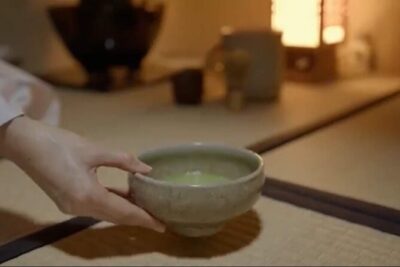
Private Tea Ceremony and Sake Tasting in Kyoto Samurai House
Read our review →
Private Nagano 1-Day Tour:Snow Monkeys,Zenko-ji,Obuse,Sake,Onsen
Read our review →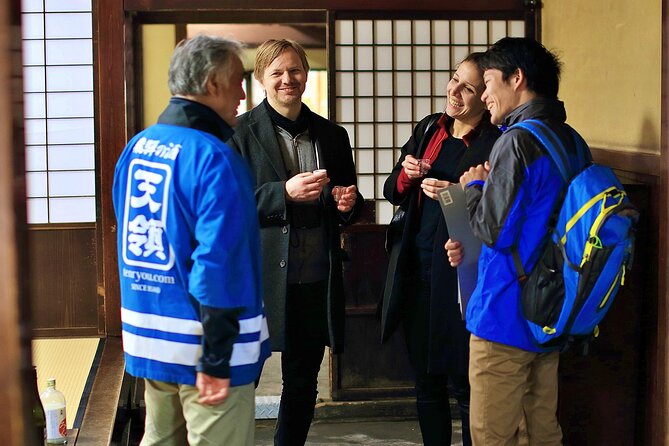
Private Sake Brewery Visit and Tasting Tour in Hida
Read our review →
Private Nara Tour and Sake Tasting (Departing from Kyoto/Nara)
Read our review →
Private Sake Tasting in Central Kyoto with Sake Sommelier
Read our review →
Private Tour: Tokyo’s Oldest Sake Brewery and Riverside Walk
Read our review →
Private Food & Sake Tour in Central Kyoto with Sake Sommelier
Read our review →Browse the lists this tour appears in