
REVIEW · KOBE
Kobe: 3-Hour Private Sake Tour in Japan’s Top Sake Area
Sake tells Kobe’s story. This private three-hour tour takes you through Nada Gogo, one of Japan’s best-known sake-making areas, with visits to Hamafukutsuru Ginjo Brewery, Kiku-Masamune, and Hakutsuru. I like the clear focus: three breweries, three different approaches, and tastings at each stop. I also like the private format, which gives your group a guide rather than placing you in a large crowd.
The main drawback is repetition. Three breweries in one short outing can feel similar, especially if you want detailed answers about brewing science. English information at the facilities may be limited, and one person found that guides did not always have an answer for every question. Still, a friendly English-speaking guide, such as Julien, can make the tour far more useful and enjoyable.
Key things to know before you book
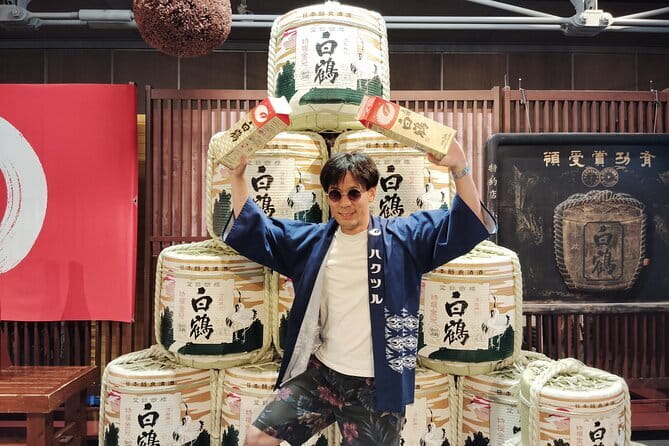
- Three breweries in three hours: You visit Hamafukutsuru for about 55 minutes, Kiku-Masamune for about 55 minutes, and Hakutsuru for one hour.
- A private group setting: Only your party takes part, which makes it easier to ask questions and set the pace within the fixed schedule.
- Tastings at every brewery: Up to 1,000 yen per brewery is included for alcoholic tastings.
- A strong introduction to sake: You learn about rice selection, polishing, fermentation, maturation, water, climate, and brewing traditions.
- A walking and meeting-point tour: You begin at Uozaki Station and finish at the Hakutsuru Sake Brewery Museum. Transportation from a station is not included.
- Adults only for alcohol: Alcoholic drinks are served only to people aged 18 and over.
Why Nada Gogo is the right place to learn about sake
Nada Gogo is not a single brewery. It is a sake-making district in Kobe’s Higashinada Ward, known for active production and a long brewing tradition. That matters because you are not looking at one company in isolation. You can compare how different producers present the same basic drink.
The tour introduces the key stages of sake production. Rice is selected and polished before being prepared for fermentation. Fermentation and maturation then shape the final aroma, sweetness, body, and finish. You will hear how water, climate, rice, and technique work together rather than treating sake as one simple category.
This is useful if your only sake experience has been ordering a small cup in a restaurant. The word sake covers many styles, and the tastings can help you notice differences between lighter, more refined ginjo sake and fuller or more traditional expressions.
The setting also adds value. These are working or former brewing sites, not just tasting rooms designed for quick purchases. You get a sense of how large-scale producers preserve old methods while using modern production systems. The balance between old tools and newer methods is one of the strongest themes of the day.
A few more sake experiences around Kobe worth a look
- Kobe: 3-Hour Sake Breweries Tour with Special Tasting
★ 4.4 · 25 reviews - 3-Hour Kyoto Insider Sake Brewery Tour with Tastings & Pairings
★ 5.0 · 917 reviews - 3 Hours Kyoto Insider Sake Experience | Tasting Konteki
★ 5.0 · 24 reviews
Starting at Uozaki Station
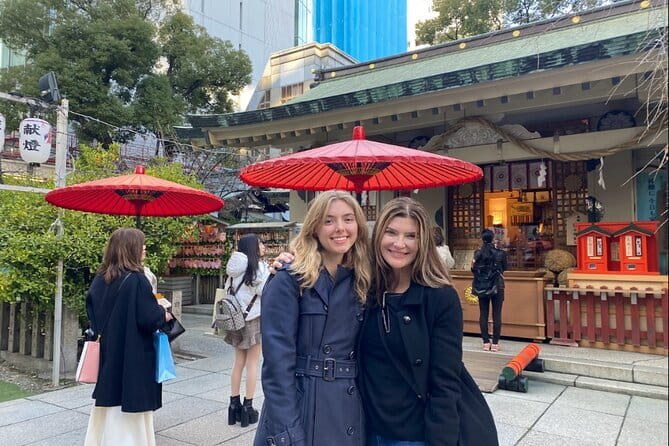
The meeting point is Uozaki Station, at 4 Chome-7 Uozaki Nakamachi in Kobe’s Higashinada Ward. The tour ends at the Hakutsuru Sake Brewery Museum, at 4-chome-5-5 Sumiyoshi Minamimachi.
That start and finish are important. This is not a round-trip activity that returns you to the station where you began. You should be comfortable making your own way to Uozaki Station and arranging your onward plans from the Hakutsuru museum. Transportation from a station is not included, so check your route before the day begins.
The schedule gives each brewery close to an hour. That is enough time to look around, hear the guide’s explanation, and taste selected sake without rushing through the entire district. It also means the pace is fairly firm. If you like spending a long time reading every display, three stops may feel brisk.
Because the activity is private, you can ask for clarification when something is unclear. The guide can also respond to your level of interest, at least within the timetable. A fluent English guide makes a major difference here. Julien received particular praise for being friendly, willing to teach, and happy to share what he knew.
Hamafukutsuru Ginjo Brewery: a refined first taste
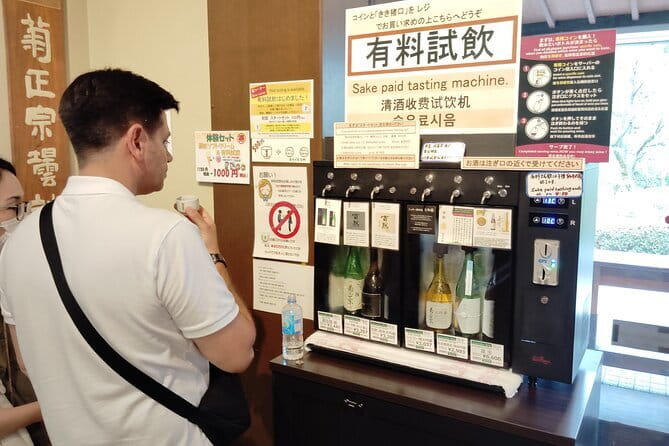
Your first stop is Hamafukutsuru Ginjo Brewery, with about 55 minutes set aside. This brewery focuses on ginjo sake, a style associated with delicate and refined flavors.
That makes it a good opening stop. You begin with a clear example of how careful rice preparation and brewing choices can produce a polished sake with subtle character. The visit is not just about drinking. The guide explains the work behind the bottle, including rice selection, polishing, fermentation, and maturation.
For a first-time sake drinker, ginjo can be a helpful reference point. You may find it lighter and more fragrant than the strong, hot sake often served in casual restaurants, though the exact tasting selection can vary. The point is to start noticing how sake can have its own range of aromas and textures.
The tasting allowance is included up to 1,000 yen per brewery. That keeps the costs predictable, although it does not mean every possible drink or purchase is covered. If you want bottles or extra items beyond the included tasting allowance, plan to pay separately.
The possible weakness is that the tour may not give you a highly technical lecture at every stop. One useful piece of advice is to bring a few specific questions, such as how the brewery handles polishing or how its ginjo style differs from another producer. The guide may have the answer, but the displays themselves may not always provide much English explanation.
Kiku-Masamune: traditional methods and a long-established name
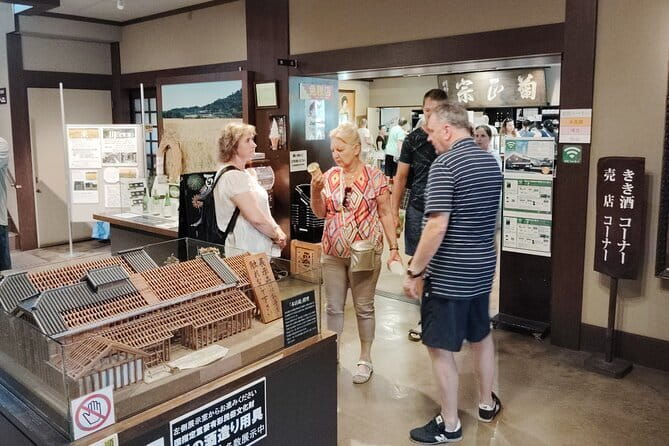
The second visit lasts about 55 minutes and takes you to the Kiku-Masamune Sake Museum. The museum presents the brewing tradition of one of Japan’s historic sake producers and focuses on the craft behind the brand.
This stop helps broaden the picture. Hamafukutsuru gives you a look at ginjo production, while Kiku-Masamune places more attention on long-standing brewing practices and the people and tools that kept them going. You get a better sense of sake as a trade built on repeated seasonal work, careful preparation, and shared technique.
The museum setting is valuable because objects can explain what words cannot. Traditional brewing tools and reconstructed work areas help show the physical side of production. Sake making involved more than a modern factory line. It depended on equipment, timing, labor, and a close understanding of fermentation.
You may find the second stop especially useful if you enjoy cultural background more than tasting alone. It gives context to what is in your glass. A bottle of sake becomes easier to appreciate when you understand the care given to the rice and the stages that follow.
On the other hand, the breweries cover related ground. You will hear more than once about rice, fermentation, polishing, and maturation. I would choose this tour for comparison rather than for three completely different attractions. The reward comes from seeing the same craft through several producers’ viewpoints.
More Private Tours in Kobe:
- Exploring Nada Sake Breweries Kobe Private Tour with Government-Licensed Guide
★ 5.0 · 17 reviews - KOBE Sake brewery PRIVATE walking tour with Local guide
★ 5.0 · 7 reviews - Private Tea Ceremony and Sake Tasting in Kyoto Samurai House
★ 5.0 · 163 reviews - Private Nagano 1-Day Tour:Snow Monkeys,Zenko-ji,Obuse,Sake,Onsen
★ 5.0 · 71 reviews
Hakutsuru Sake Brewery Museum: a full brewery turned museum
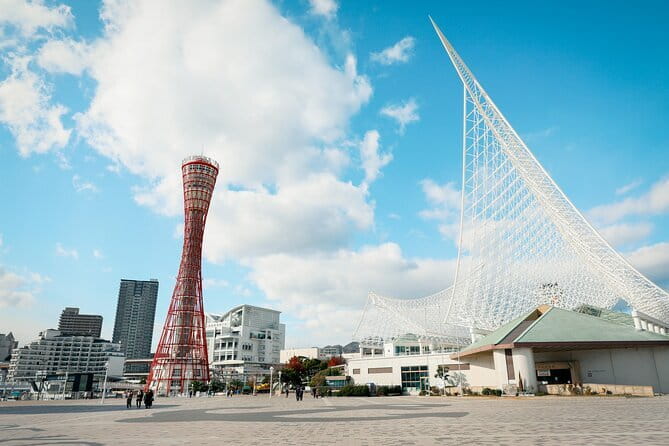
The final stop is the Hakutsuru Sake Brewery Museum, with one hour reserved for the visit. Its main appeal is the use of an entire brewery as a museum, with historical brewing methods recreated using original tools and equipment.
This is likely the most satisfying stop for people who want a visual explanation. Instead of only reading about sake production, you can see how the process was carried out. The preserved tools make the work feel concrete, from preparation through fermentation and storage.
The museum also brings the tour to a logical finish. After learning about ginjo sake and visiting a museum centered on established brewing traditions, you see a larger presentation of historical production. The guide can connect the displays to the tastings and explain how traditional methods relate to current sake making.
Finishing here has a practical benefit, too. You do not need to return to Uozaki Station with the group. The stated end point is the Hakutsuru museum, so you can continue from there after the tour. Just remember that your onward transportation is your responsibility.
The full hour allows a little more breathing room than the first two stops. That does not guarantee a private tasting room or a custom museum route, so I would still keep an eye on the clock. The tour has three fixed visits, and lingering too long at one location could affect the rest of the schedule.
What you will taste and learn
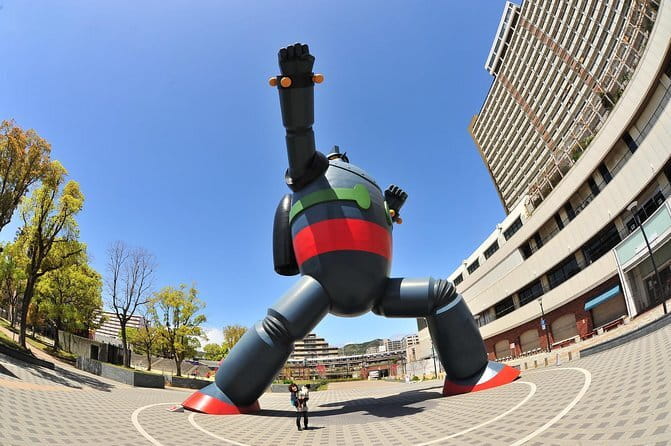
The tasting element is central, but this is not simply a bar crawl. At each brewery, up to 1,000 yen of alcoholic tasting fees is included. The tastings let you compare products from different producers while the information is still fresh.
You will learn about:
- Rice selection and why the grain matters
- Rice polishing and its effect on the finished sake
- Fermentation and maturation
- The role of clean local water
- How climate influences brewing
- The balance between inherited methods and modern production
- The different philosophies of the three breweries
The best way to approach the tastings is slowly. Notice aroma first, then sweetness, acidity, body, and finish. You do not need expert vocabulary. Even a simple note such as lighter, fuller, drier, or more fragrant can help you remember what you preferred.
The included amount is generous enough for a meaningful comparison, but it is not an open bar. Brunch is not included, either. Eat before or after the tour, especially if you plan to taste at all three breweries. The schedule is built around brewery visits, not a meal.
Alcohol is served only to people aged 18 and older. The tour is therefore best suited to adults who want to taste rather than simply observe. If someone in your party does not drink, the museum and production explanations still have value, but the tasting portion will be less relevant.
Is the private format worth $116.30?
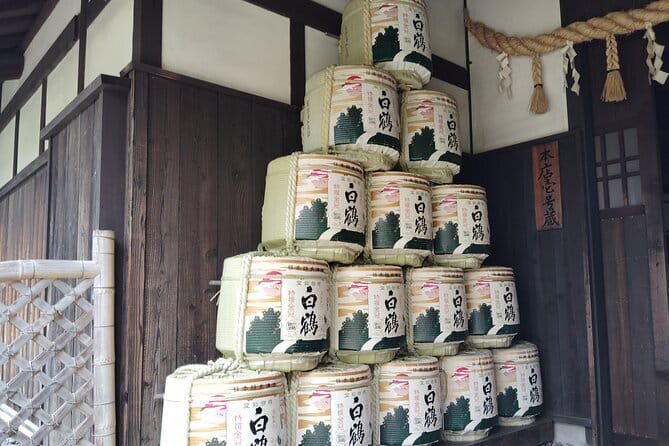
At $116.30 per person, the price is not the cheapest way to see a sake museum. The value depends on how much you want from the guide and how useful you find the three-stop comparison.
You are paying for roughly three hours, a private group arrangement, a guide, admission fees, and tasting allowances of up to 1,000 yen at each brewery. If you visited one museum on your own, the cost would likely be lower, but you would lose the structure and explanation linking the three sites together.
The private format is the strongest reason to pay more. A large group can make tastings feel rushed and questions difficult. Here, only your party participates. That suits couples, families with adult children, and small groups who want to talk openly about what they are tasting.
Group discounts are available, so the final value may improve when several people book together. The tour is also commonly booked about 26 days in advance, which suggests you should not leave it until the last minute if your Kobe schedule is fixed.
I would not choose this tour only for luxury or a long leisurely tasting session. It is a compact educational outing. If you want a polished introduction to Nada Gogo with a guide handling the structure, the price is reasonable. If you already know a great deal about sake and want rare bottles or advanced technical discussion, the format may feel basic.
The English-language question
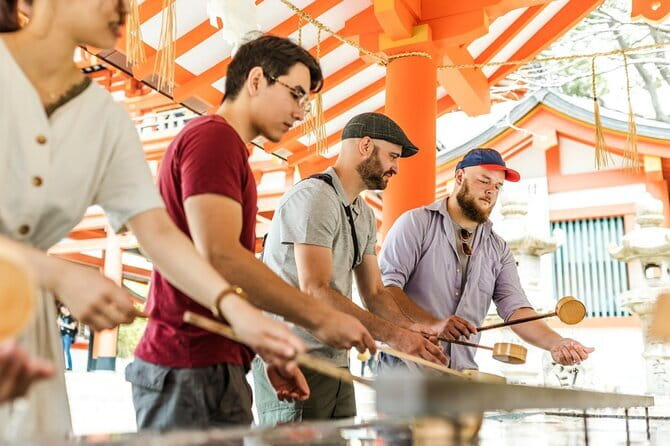
The quality of the explanation depends heavily on the guide. One guide, Julien, was praised for speaking very good English, being friendly, and making the subject easy to understand. That kind of guide can turn a series of similar displays into a clear story.
Still, you should set realistic expectations. Some signs and museum explanations may not be in English, and the guide may not know the answer to every detailed question. If you are very inquisitive, prepare a short list of questions before you go. Ask about the differences between the breweries, what you are tasting, and how a particular method affects flavor.
That approach helps you get more from the private format. You are not relying only on written signs. You are making the guide part of the learning process.
Who will enjoy this Kobe sake tour?
I would recommend it most strongly to:
- First-time sake drinkers who want a clear introduction
- Adults interested in Japanese food and drink traditions
- Couples and small private groups
- Visitors who enjoy museums, production sites, and tastings
- People who want to compare several major breweries in one outing
- Anyone with a spare three-hour block in Kobe
It is less suitable if you want a slow lunch, a broad Kobe sightseeing route, or a highly advanced sake seminar. The tour stays focused on Nada Gogo and does not include brunch.
Most people can participate, and the meeting point is near public transportation. You still need to handle your own route to Uozaki Station and away from the Hakutsuru museum. Free cancellation is available if you cancel at least 24 hours before the start time. Changes or cancellations inside that window are not refunded.
Should you book this tour?
Book it if you want a well-organized introduction to sake and like the idea of comparing three breweries instead of visiting only one. The private format, included tastings, and friendly English guidance can make the $116.30 price worthwhile, especially for a small group using the available discount.
Think twice if you dislike repeated museum-style visits or expect every question to receive a detailed technical answer. The three sites share some themes, and English signage may be limited.
For most adults with an interest in Japanese food culture, this is a practical way to understand why Nada Gogo matters. Arrive ready to taste carefully, listen closely, and accept that the tour is a guided overview rather than an expert-level course.
FAQ
How long is the Kobe sake tour?
The tour lasts approximately three hours.
How many breweries does the tour visit?
You visit three breweries: Hamafukutsuru Ginjo Brewery, Kiku-Masamune Sake Museum, and Hakutsuru Sake Brewery Museum.
Where does the tour start and end?
The tour starts at Uozaki Station in Kobe and ends at the Hakutsuru Sake Brewery Museum in Higashinada Ward.
Are sake tastings included in the price?
Yes. Alcoholic beverages for tasting are included up to 1,000 yen per brewery.
Is the tour private?
Yes. Only your group participates in the activity.
Can people under 18 drink during the tour?
No. Alcoholic drinks are served only to people aged 18 and older.
Just added around Kobe
- KOBE Sake brewery PRIVATE walking tour with Local guide★ 5.0 · 7 reviews
- Full Day Walking Tour Around Kobe Mountains Sea and Sake★ 5.0 · 6 reviews
- Kobe: 5 Sake Breweries Tour in a Day★ 5.0 · 2 reviews
- Cruise Shore Excursion: Kobe Sake Tasting with Local Guide★ 5.0 · 7 reviews
- 1-Day Walking Tour around Kobe : Mountains, Sea and Sake★ 3.9 · 6 reviews
- 1-Day Kobe Highlights Tour including Sake Tasting★ 4.5 · 28 reviews
- Exploring Nada Sake Breweries Kobe Private Tour with Government-Licensed Guide★ 5.0 · 17 reviews
- Kobe: 3-Hour Sake Breweries Tour with Special Tasting★ 4.4 · 25 reviews
Private, compared.
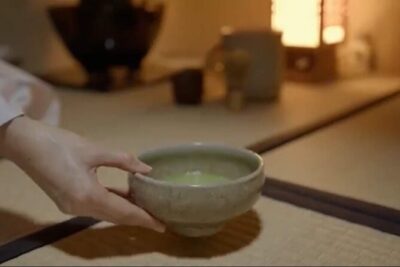
Private Tea Ceremony and Sake Tasting in Kyoto Samurai House
Read our review →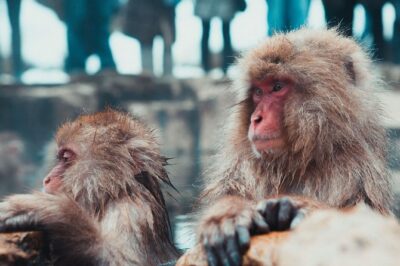
Private Nagano 1-Day Tour:Snow Monkeys,Zenko-ji,Obuse,Sake,Onsen
Read our review →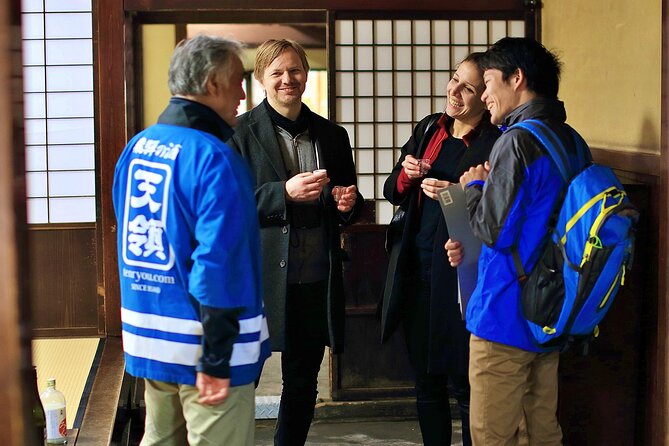
Private Sake Brewery Visit and Tasting Tour in Hida
Read our review →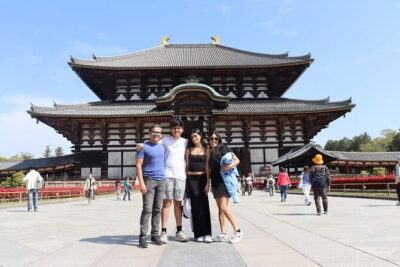
Private Nara Tour and Sake Tasting (Departing from Kyoto/Nara)
Read our review →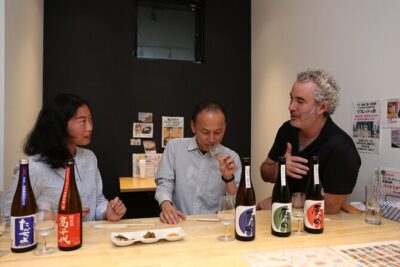
Private Sake Tasting in Central Kyoto with Sake Sommelier
Read our review →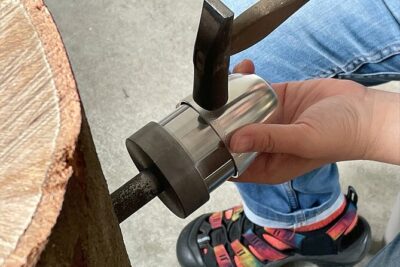
Private Pewter Sake Cup Experience with a Kyoto Artisan
Read our review →
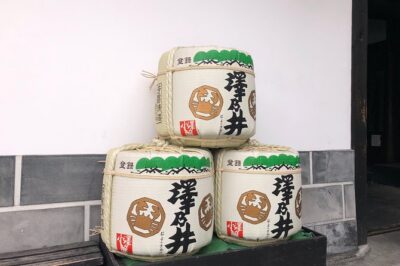
Private Tour: Tokyo’s Oldest Sake Brewery and Riverside Walk
Read our review →Browse the lists this tour appears in